Kalam Valley – The Switzerland of the East in Pakistan

Kalam Valley

Introduction: The Switzerland of the East in Pakistan

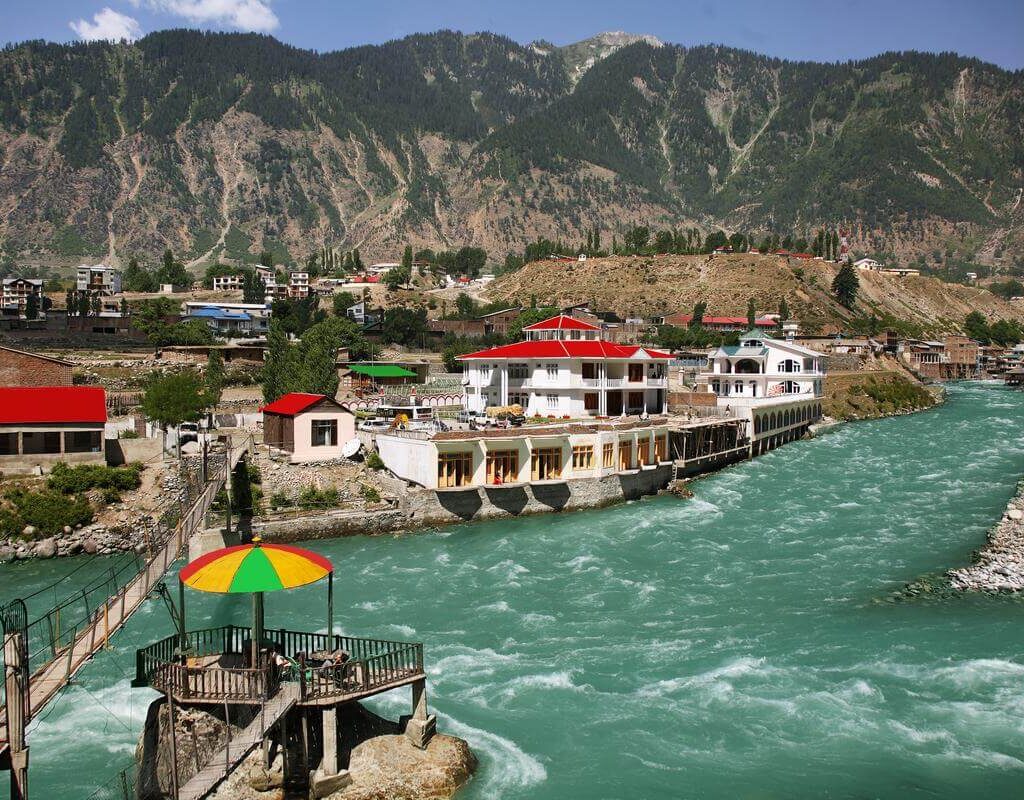
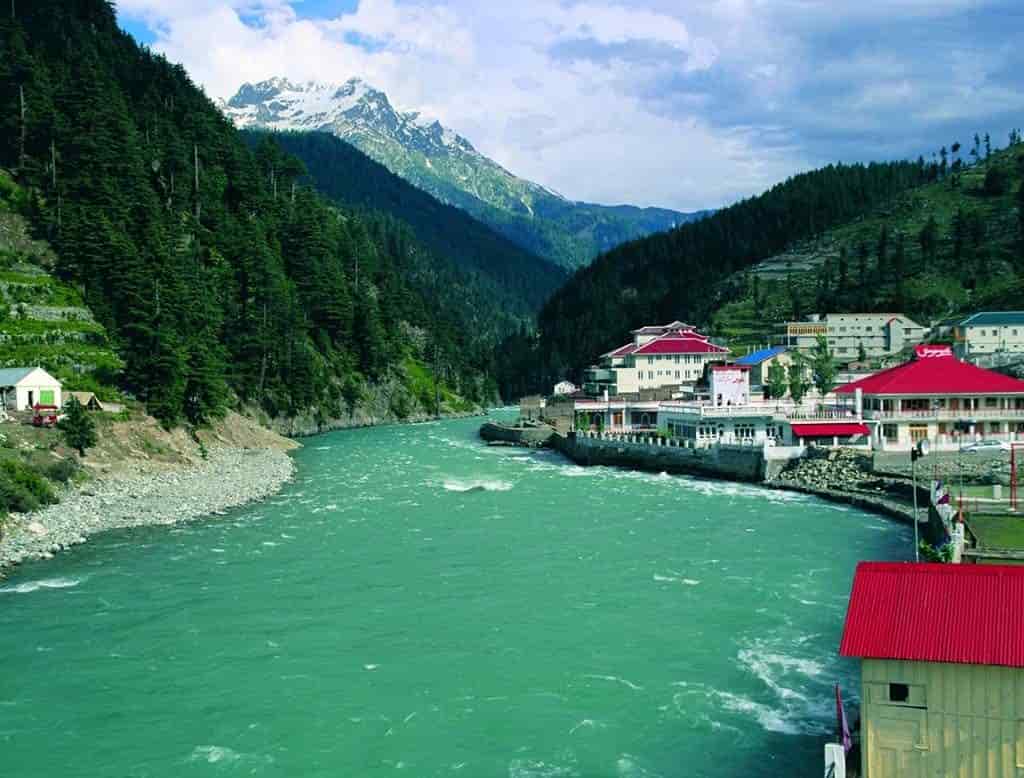
Nestled in the heart of the Swat district of Khyber Pakhtunkhwa, Pakistan, lies one of the most breathtaking travel destinations—Kalam Valley. Known as the “Switzerland of the East,” Kalam Valley attracts thousands of tourists every year with its snow-covered peaks, lush meadows, crystal-clear rivers, and a culture rich in traditions.

Located about 99 kilometers from Mingora, Kalam sits at an elevation of 2,000 meters (6,600 ft) above sea level. Its stunning landscapes, vibrant local life, and fresh mountain air make it one of the most popular summer retreats in Pakistan.

For those planning a memorable trip to Kalam Valley, explore detailed guides and travel insights at Pakistan PTPC.

The History and Culture of Kalam Valley

Kalam has been home to various civilizations over centuries. Once part of the Buddhist Gandhara civilization, the valley still holds traces of ancient monasteries and relics. Later, it became a prominent region under the rule of Pashtun tribes, who continue to preserve their rich traditions.

The people of Kalam Valley are known for their hospitality, folk music, and colorful festivals. Handicrafts such as woolen shawls, wooden carvings, and gemstone jewelry are also famous among tourists. Pashto is the main language, but many locals also speak Urdu and English to welcome visitors.
PTPCTourism PTPC Tourism PakistanPTPC Pakistan PTPC Pakistan Tourism Promotion Council Pakistan Tourism

Geography and Natural Beauty

Kalam Valley is surrounded by towering mountains, including the Flora, Mankial, and Falak Sar peaks, which rise above 5,000 meters. The Swat River, originating from glaciers in Kalam, flows through the valley, adding to its charm.

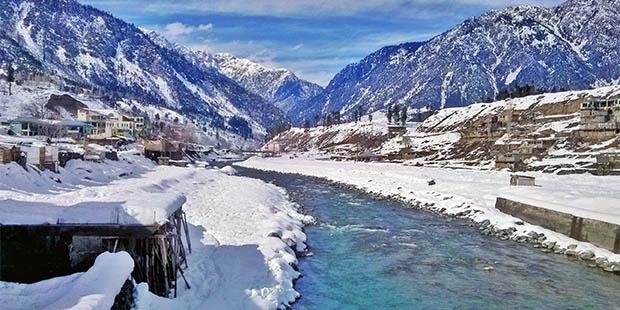
The valley is also rich in lush green forests, alpine meadows, and lakes, making it a haven for nature lovers and photographers. In spring and summer, the entire region bursts into life with wildflowers, while winter turns it into a snowy wonderland.

Famous Attractions in Kalam Valley

Ushu Forest

Just a short drive from Kalam town lies the enchanting Ushu Forest. Its tall deodar trees, winding trails, and fresh air provide a peaceful escape for nature enthusiasts.

Mahodand Lake

One of the most visited spots in Kalam Valley, Mahodand Lake sits at 9,400 ft above sea level. Surrounded by mountains and pine trees, it’s an excellent place for boating, camping, and fishing.

Kundol Lake

Located at an altitude of about 10,000 ft, Kundol Lake requires a trek through mesmerizing landscapes. It is often referred to as the “Hidden Lake” of Swat due to its remote location.

Matiltan Valley

Situated beyond Ushu, Matiltan offers panoramic views of glaciers and the mighty Falak Sar Peak. It’s a perfect place for photographers and adventure lovers.

Gabral Valley

Gabral, a side valley of Kalam, is famous for trout fish, lush pastures, and trekking trails. Many tourists extend their trips to Gabral to explore its untouched beauty.


Adventure Activities in Kalam Valley

Kalam is not just about sightseeing—it’s a hub for adventure seekers.

  1. Trekking & Hiking – Trails leading to Kundol Lake, Mahodand Lake, and Falak Sar Base Camp attract trekkers from across the world.
  2. Camping – Many tourists enjoy camping beside lakes or in forest clearings under starry skies.
  3. Boating & Fishing – The lakes and rivers in Kalam offer opportunities for boating and trout fishing.
  4. Photography – Every corner of Kalam Valley is picture-perfect, from its wooden houses to snowcapped peaks.
PTPCTourism PTPC Tourism PakistanPTPC Pakistan PTPC Pakistan Tourism Promotion Council Pakistan Tourism

Local Cuisine and Hospitality

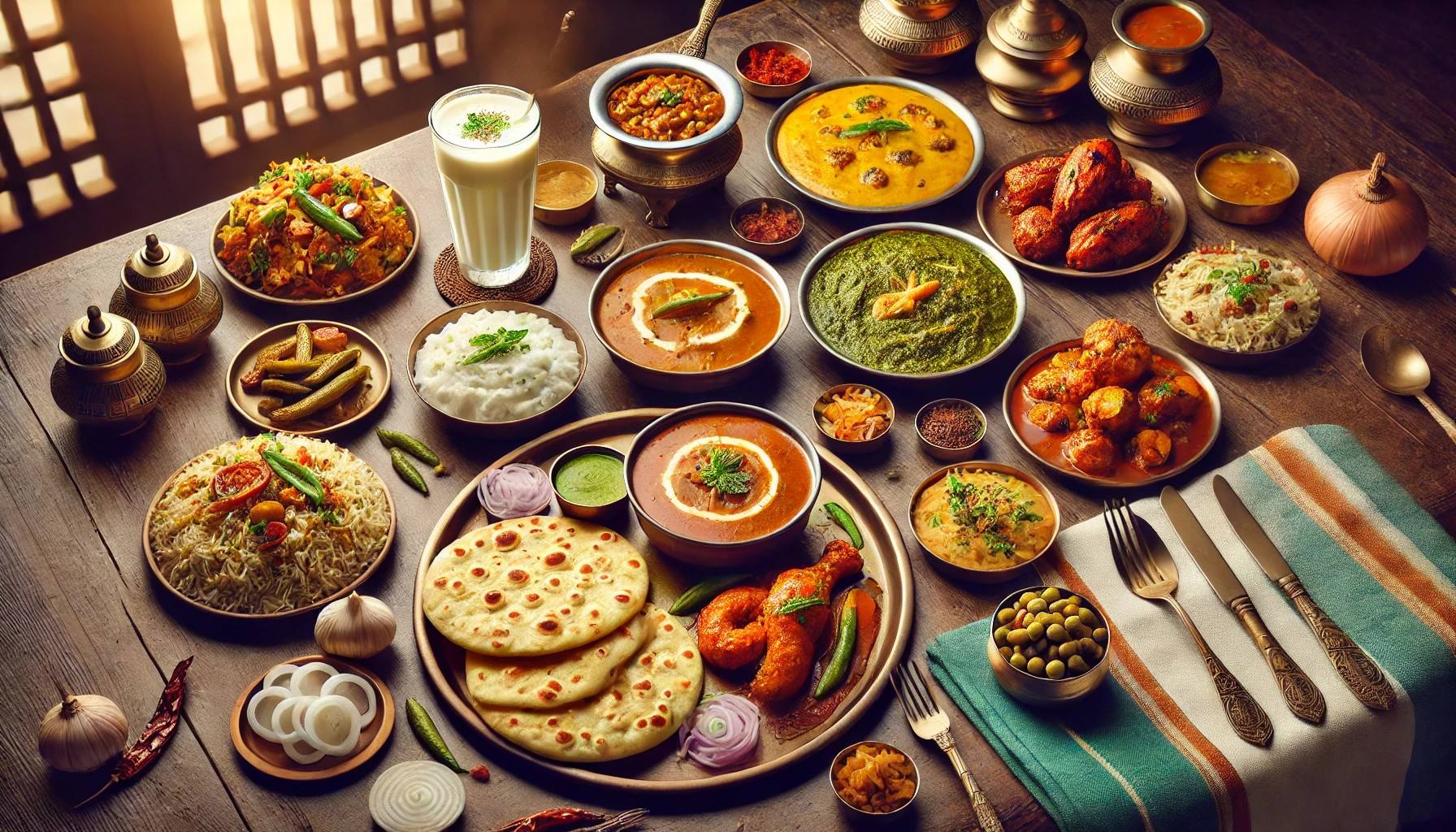
Food in Kalam Valley reflects the flavors of Khyber Pakhtunkhwa. Popular dishes include Chapli Kebab, Lamb Karahi, Trout Fish, and Kabuli Pulao. Fresh fruits like apples, apricots, and plums from local orchards are also a treat for visitors.

Hospitality is a hallmark of Kalam. Locals warmly welcome tourists, often offering them tea or traditional meals. Many family-run guesthouses provide an authentic cultural experience.

Accommodation Options in Kalam Valley

Tourists have a wide range of options, from budget guesthouses to luxury hotels.

  1. Hotels in Kalam Town: Popular for easy access to bazaars and transport.
  2. Riverside Resorts: Ideal for tourists seeking peaceful stays with views of the Swat River.
  3. Camping Sites: Available near Mahodand and Kundol lakes for adventure lovers.

Booking in advance during peak summer is recommended due to high tourist inflow.

Travel Tips for Visitors

  1. Best season to visit: May to September.
  2. Carry warm clothing, even in summer, as nights can be chilly.
  3. Book hotels in advance during peak seasons.
  4. Always hire local guides for trekking and off-road trips.
  5. Respect local culture and traditions.

For more helpful travel resources and personalized guidance, explore Pakistan PTPC.

Conclusion

Kalam Valley is a destination that combines natural wonders, cultural richness, and adventure all in one. Whether it’s exploring lush forests, trekking to alpine lakes, or enjoying the hospitality of locals, Kalam has something for every traveler. Its unparalleled beauty has rightly earned it the title of the “Switzerland of the East.”

If you are planning your next trip to northern Pakistan, make sure Kalam Valley is at the top of your list. For complete travel guides, itineraries, and tourism insights, visit Pakistan PTPC and start planning your journey today.
Hunza Valley

Karimabad Hunza – Travel Guide to the Heart of Hunza Valley

Karimabad Hunza

Introduction: The Heart of Hunza Valley

Nestled in the breathtaking Hunza Valley, Karimabad Hunza is one of the most enchanting towns in northern Pakistan. Known for its historical forts, panoramic mountain views, and cultural richness, Karimabad has become a must-visit destination for both local and international travelers.

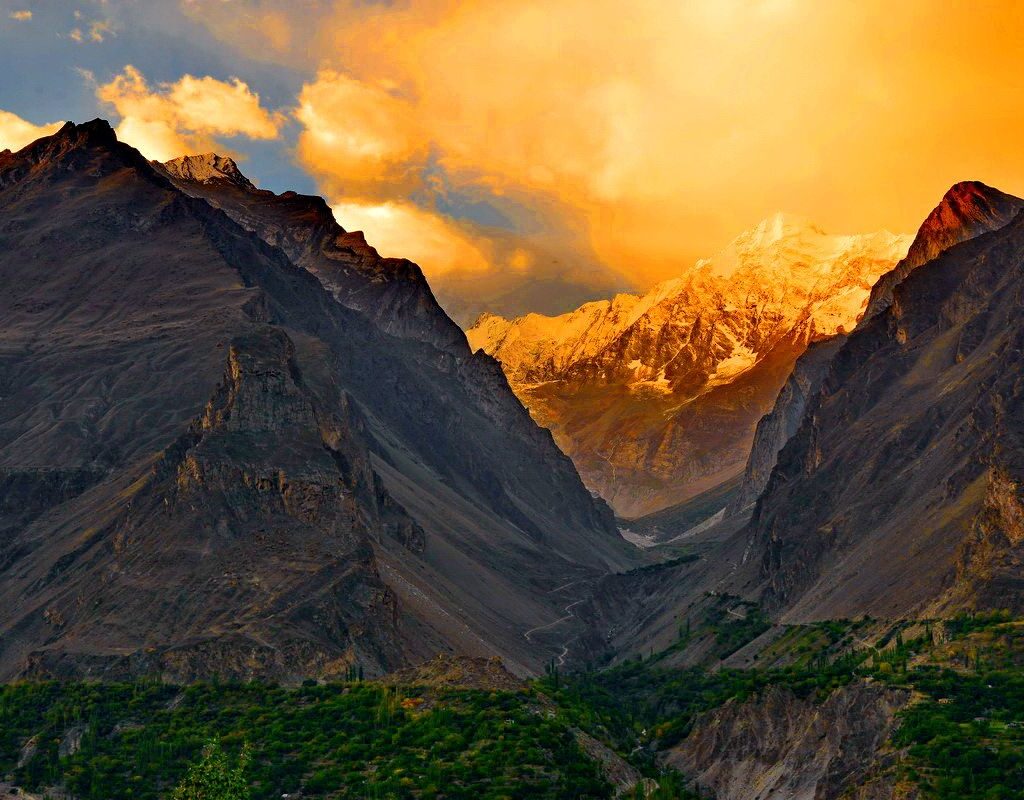
Perched at an elevation of about 2,500 meters, Karimabad offers unparalleled views of the majestic Rakaposhi, Ultar Sar, and Ladyfinger Peak. Once the capital of the Hunza State, it is now the cultural and historical hub of Hunza Valley, attracting thousands of visitors every year.

If you’re planning a trip to Karimabad Hunza, Pakistan PTPC provides comprehensive travel guides, cultural insights, and resources to make your journey unforgettable.

Historical Background of Karimabad Hunza

Karimabad, previously known as Baltit, served as the seat of power for the rulers of Hunza. For centuries, it was the residence of the Mirs (kings) who controlled the region. Its strategic location along the Silk Route made it a vital center of trade and culture.

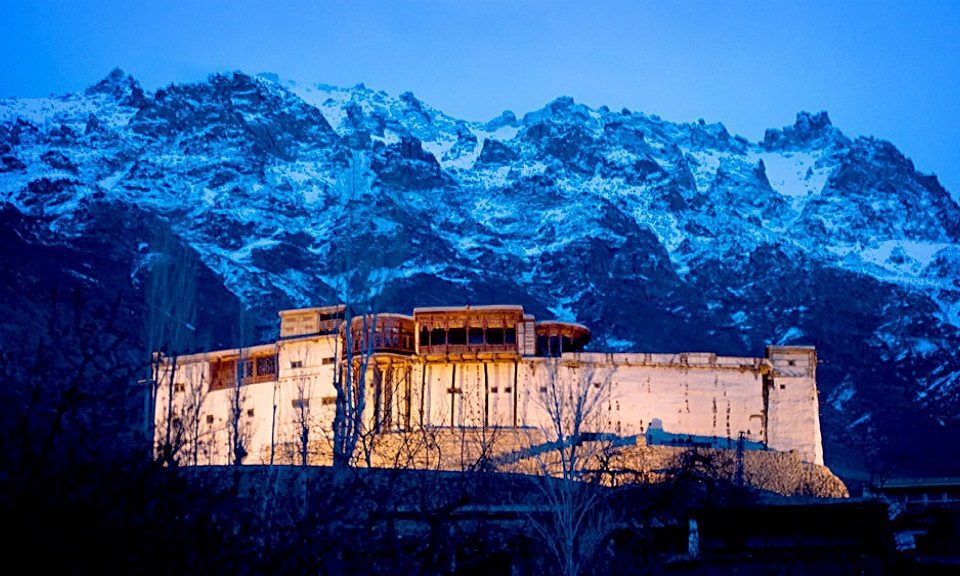
Two iconic landmarks, Baltit Fort and Altit Fort, still stand today as living witnesses of its royal heritage. These ancient forts reflect centuries of history, Tibetan-inspired architecture, and stories of Hunza’s ruling dynasties.

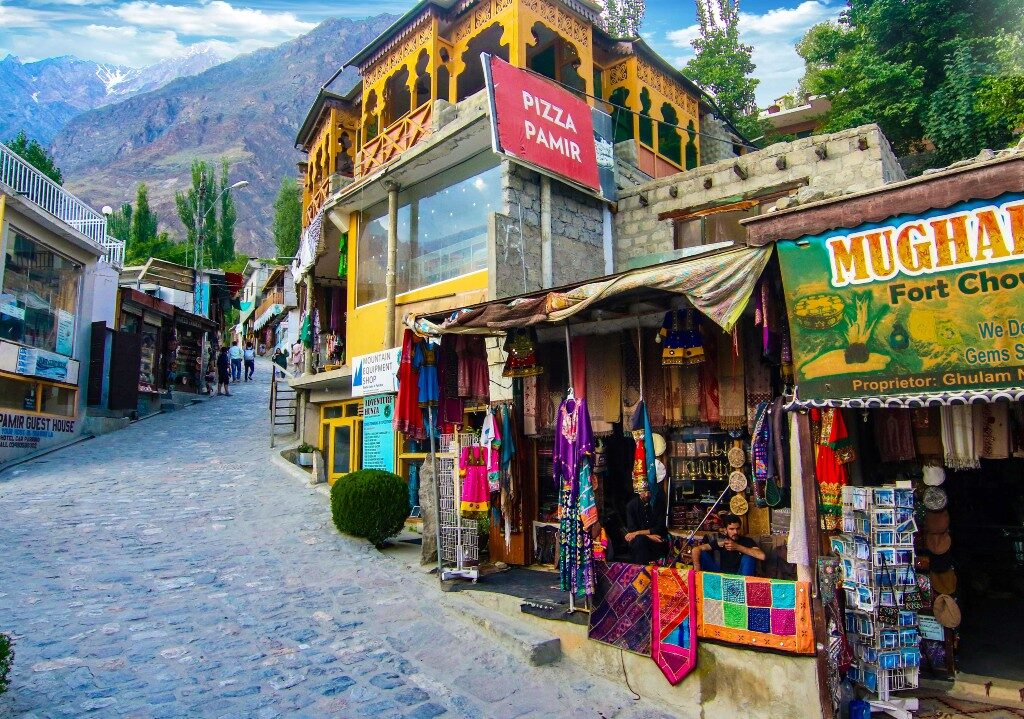
Even today, when walking through the cobbled streets of Karimabad Hunza, one can feel the presence of history beautifully blended with modern tourism.

PTPCTourism PTPC Tourism PakistanPTPC Pakistan PTPC Pakistan Tourism Promotion Council Pakistan Tourism

Geography and Location

Karimabad lies in Central Hunza, easily accessible through the Karakoram Highway. Its location provides a panoramic view of the surrounding snow-capped peaks and the lush green Hunza River valley.

The town is divided into neighborhoods, each with traditional stone houses, apricot orchards, and terraced fields. Due to its mild weather, especially in spring and summer, Karimabad is considered an ideal spot for sightseeing, trekking, and cultural exploration.

Attractions in Karimabad Hunza

Baltit Fort

Over 700 years old, Baltit Fort is the crown jewel of Karimabad Hunza. Built in Tibetan style, it was once the royal residence of the Mir of Hunza. Today, it has been restored into a museum showcasing Hunza’s cultural and historical legacy.

Altit Fort

Located slightly below Karimabad, Altit Fort is even older than Baltit Fort, with an estimated age of over 900 years. It has recently been restored and provides visitors with insights into ancient architecture, community life, and Hunza’s past.

Duikar (Eagle’s Nest)

Just a short drive above Karimabad lies Duikar, popularly known as Eagle’s Nest. From here, travelers can enjoy breathtaking sunrise and sunset views over some of the world’s tallest mountains, including Rakaposhi and Ultar Sar.

Rakaposhi View Point

Although not directly in Karimabad, Rakaposhi View Point is easily accessible and offers one of the most iconic views of the majestic 7,788-meter Rakaposhi peak.

Local Bazaars

The bazaars of Karimabad Hunza are vibrant with traditional handicrafts, gemstones, shawls, and locally made dry fruits. Tourists often buy souvenirs to take home a piece of Hunza’s culture.

Culture and People of Karimabad Hunza

Karimabad is not only rich in landscapes but also in culture. The people here are warm, hospitable, and deeply connected to their traditions.

  1. Languages: Burushaski, Wakhi, and Shina are the main local languages, though many people also speak Urdu and English due to tourism.
  2. Hospitality: Guests are treated with immense respect, reflecting the valley’s tradition of welcoming travelers.
  3. Cuisine: Apricot-based dishes, homemade bread, and locally grown fruits are a staple of the Hunza diet.
  4. Art and Craft: Handwoven carpets, wood carvings, and stone jewelry are highlights of Hunza craftsmanship.

The culture of Karimabad Hunza is a harmonious blend of history, art, and a peaceful way of life.

Festivals and Celebrations

Karimabad hosts several festivals that celebrate both tradition and community spirit.

  1. Ginani Festival – Celebrated in June to mark the wheat harvest. It includes music, dance, and rituals.
  2. Navroz Festival – Celebrated on March 21 as a cultural and religious event marking the new year.
  3. Spring Blossom Festival – When apricot and cherry blossoms bloom, the entire town transforms into a floral paradise.

These festivals highlight the cultural depth of Karimabad Hunza, making it a lively and colorful destination.

PTPCTourism PTPC Tourism PakistanPTPC Pakistan PTPC Pakistan Tourism Promotion Council Pakistan Tourism

Adventure and Trekking Around Karimabad

Karimabad is a paradise for adventure enthusiasts, offering several treks and hiking routes.

  1. Ultar Sar Base Camp Trek – A thrilling hike starting near Karimabad.
  2. Ladyfinger Peak Trek – Popular among trekkers for its unique spire-shaped peak.
  3. Rush Lake Trek – One of the highest alpine lakes in the world, accessible through treks starting from Hunza.
  4. Hopper Glacier Trek – A fascinating trek to witness the mighty Hopper Glacier and its surroundings.

With these routes, Karimabad Hunza becomes a perfect base for adventurers seeking mountain exploration.

Tourism Facilities in Karimabad Hunza

As a tourist hub, Karimabad offers excellent facilities for visitors:

  1. Hotels and Resorts – Ranging from luxury lodges to family guesthouses.
  2. Restaurants and Cafes – Serving both local Hunza dishes and international cuisines.
  3. Tour Services – Guides and travel operators help tourists explore forts, lakes, and mountains.
  4. Local Markets – Offering handicrafts, gemstones, dry fruits, and traditional Hunza items.

For detailed travel guidance, itineraries, and cultural insights, visit Pakistan PTPC.

Why Karimabad Hunza is a Must-Visit

Karimabad is more than just a destination—it is an experience. It combines breathtaking views with deep history and vibrant culture.

  1. Its forts connect travelers with centuries-old heritage.
  2. Its mountains and glaciers provide adventure and thrill.
  3. Its people and festivals offer a glimpse into Hunza’s peaceful lifestyle.

Visiting Karimabad Hunza means exploring the heart of Hunza Valley, where nature, culture, and history unite beautifully.

Karimabad Hunza is the cultural and historical crown of Hunza Valley, offering a mix of natural wonders, ancient forts, vibrant traditions, and warm hospitality. From the royal Baltit and Altit Forts to the stunning Eagle’s Nest and the bustling local markets, every corner of Karimabad has something extraordinary to offer.

Whether you are a history enthusiast, an adventure seeker, or simply a traveler looking for peace amidst the mountains, Karimabad Hunza promises an unforgettable journey.

For authentic travel guides, tourism support, and cultural insights about Karimabad Hunza and beyond, visit Pakistan PTPC today and start planning your trip to this heavenly destination.

Hunza Valley

Hunza Valley – The Hidden Paradise of Pakistan

Hunza Valley

Introduction: The Hidden Paradise of Pakistan

Surrounded by snow-covered peaks, lush green meadows, and crystal-clear rivers, Hunza Valley is one of the most breathtaking destinations in the world. Located in the Gilgit-Baltistan region of Pakistan, this valley has become a symbol of natural beauty, cultural richness, and unmatched hospitality.

Often referred to as “Heaven on Earth,” Hunza Valley offers a unique blend of ancient history, vibrant traditions, and some of the most mesmerizing landscapes you will ever witness. From the majestic Rakaposhi peak to the serene Attabad Lake, every corner of Hunza feels like stepping into a picture-perfect painting.

For travelers looking to explore Hunza Valley in detail, Pakistan PTPC provides complete travel guides, cultural insights, and tourism support.

The Historical Background of Hunza Valley

Hunza Valley has a fascinating history that dates back thousands of years. Situated along the ancient Silk Route, it has long served as a connection between South Asia and Central Asia. Traders, explorers, and invaders passed through Hunza, leaving behind cultural influences that shaped its identity.

Historically, Hunza was a princely state ruled by local Mirs (kings) until it merged with Pakistan in 1974. The valley was known for its strategic position, providing both trade opportunities and natural defense. Today, remnants of this history can still be seen in forts like Baltit Fort and Altit Fort, which narrate the stories of Hunza’s royal heritage.

PTPCTourism PTPC Tourism PakistanPTPC Pakistan PTPC Pakistan Tourism Promotion Council Pakistan Tourism

Geography and Location

Nestled at an altitude of around 2,500 meters, Hunza Valley lies in the northernmost region of Pakistan. The valley is divided into three main parts:

  1. Lower Hunza (Shinaki region) – Known for its fertile land and traditional villages.
  2. Central Hunza (Karimabad) – The cultural and historical heart of Hunza Valley.
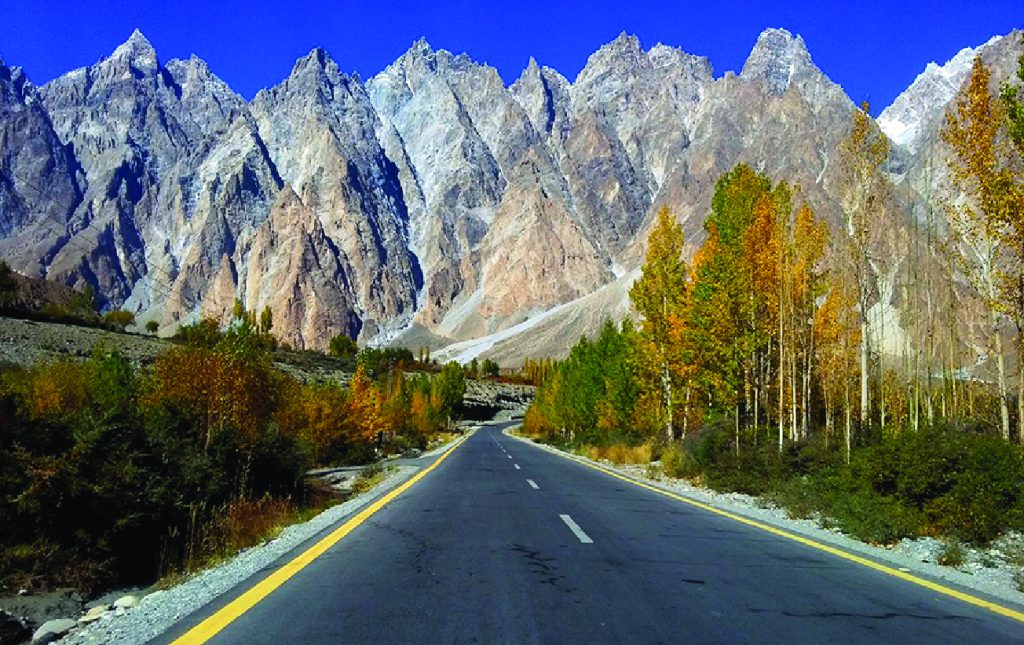
  3. Upper Hunza (Gojal region) – Famous for Attabad Lake, Passu Cones, and proximity to Khunjerab Pass.

This diverse geography makes Hunza Valley a hub for both natural wonders and human settlements, where every village has its own unique charm.

Natural Beauty of Hunza Valley

The biggest attraction of Hunza Valley is undoubtedly its natural beauty. With soaring mountains, peaceful lakes, and green terraces, the valley is a dream for nature lovers. Some of the most famous attractions include:

Rakaposhi View Point

Rakaposhi, standing tall at 7,788 meters, dominates the skyline of Hunza. Visitors often stop at Rakaposhi View Point on the Karakoram Highway to witness this majestic mountain.

Attabad Lake

Formed after a massive landslide in 2010, Attabad Lake is now one of the most visited places in Hunza Valley. Its turquoise-blue waters are perfect for boating and photography.

Passu Cones

The unique pointed peaks known as Passu Cones are a natural wonder that attracts countless tourists. Their unusual shape makes them one of the most photographed landmarks in Gilgit-Baltistan.

Khunjerab Pass

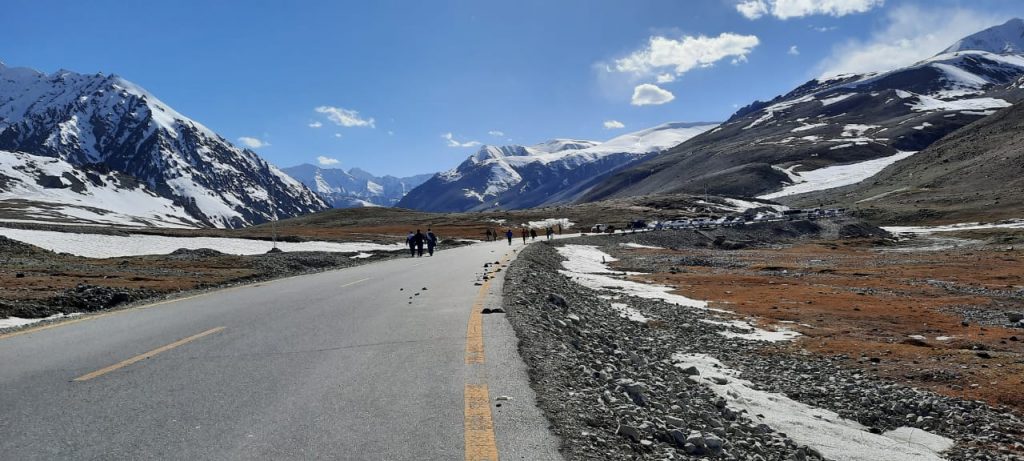
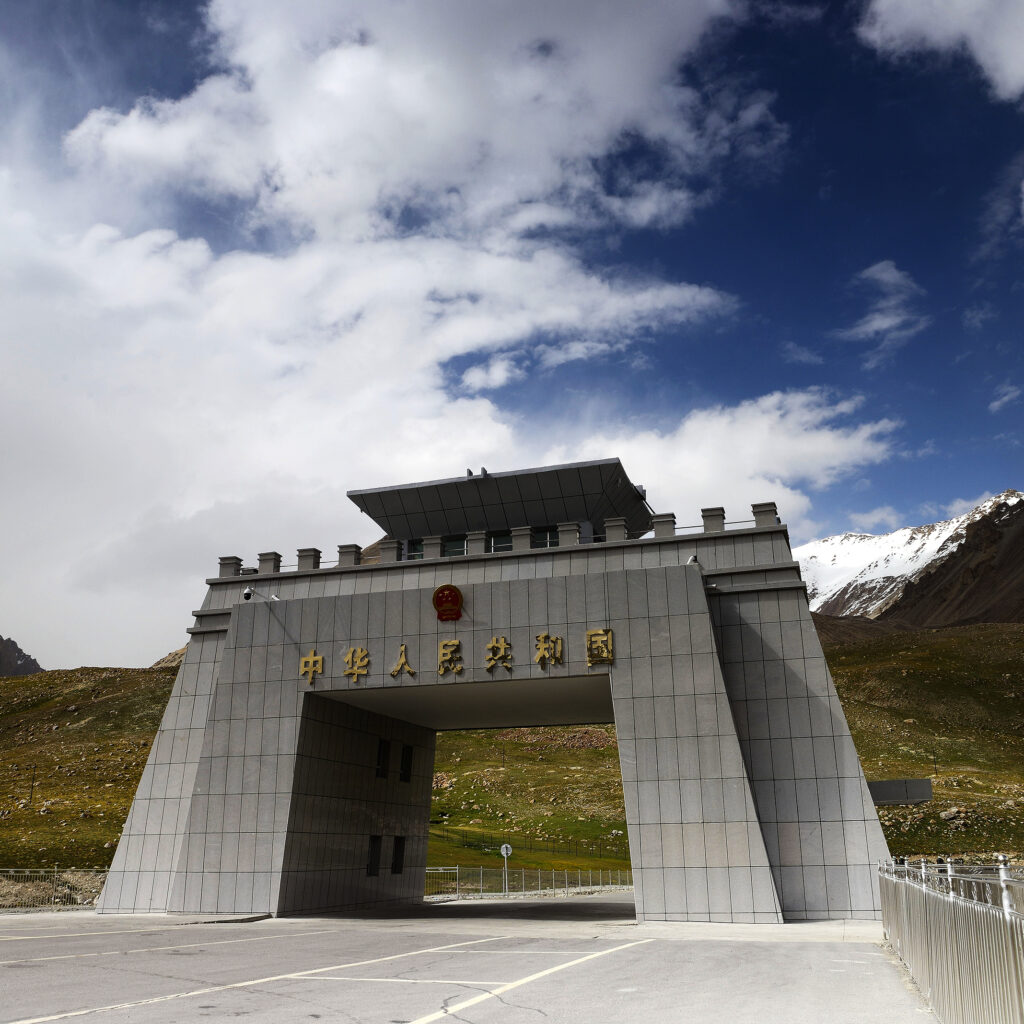
At over 4,700 meters, Khunjerab Pass is the highest paved international border crossing in the world. It connects Pakistan with China and offers stunning views of the high mountains.

Hopper Glacier

For adventure seekers, the Hopper Glacier near Nagar provides an extraordinary trekking experience amidst raw natural beauty.

Culture and People of Hunza Valley

The people of Hunza Valley are known for their hospitality, simplicity, and peaceful lifestyle. Most residents belong to the Burusho, Wakhi, and Shina communities, each with their distinct language and traditions.

Key cultural highlights include:

  1. Languages: Burushaski, Wakhi, and Shina.
  2. Music and Dance: Traditional folk music and dance remain an important part of Hunza’s festivals.
  3. Hospitality: Guests are treated with warmth, reflecting the valley’s cultural values.
  4. Diet and Longevity: The people of Hunza are famous for their healthy diet of fresh fruits, whole grains, and natural spring water, which is often linked to their remarkable longevity.

This unique cultural identity makes Hunza Valley more than just a destination—it’s an experience of life itself.

Best Time to Visit Hunza Valley

The best time to visit Hunza Valley depends on what you want to experience:

  1. Spring (March–May) – Blossom season when the valley is covered in pink and white flowers.
  2. Summer (June–August) – Perfect for trekking, boating, and exploring.
  3. Autumn (September–October) – The valley glows with golden and red autumn foliage.
  4. Winter (November–February) – A quieter time with snow-covered landscapes, ideal for peaceful retreats.

Each season in Hunza brings a different charm, making it a year-round destination.

Historical Forts of Hunza Valley

Hunza is home to ancient forts that stand as testaments to its glorious past.

Baltit Fort

Built over 700 years ago, Baltit Fort is one of the most iconic structures in Hunza. It showcases Tibetan-style architecture and offers panoramic views of Karimabad.

Altit Fort

Even older than Baltit Fort, Altit Fort is estimated to be around 900 years old. Recently restored, it provides insights into the valley’s history and architecture.

These forts are not just tourist spots but also cultural treasures that highlight Hunza’s royal legacy.

PTPCTourism PTPC Tourism PakistanPTPC Pakistan PTPC Pakistan Tourism Promotion Council Pakistan Tourism

Adventure and Trekking Opportunities

For adventure enthusiasts, Hunza Valley offers some of the best trekking and climbing opportunities in the world. Popular trekking routes include:

  1. Ultar Sar Base Camp Trek
  2. Rush Lake Trek (one of the world’s highest alpine lakes)
  3. Batura Glacier Trek
  4. Hopper Valley Treks

These routes offer a mix of glaciers, peaks, and valleys, making Hunza a paradise for trekkers.

Festivals of Hunza Valley

Festivals in Hunza Valley bring the entire community together and showcase its rich cultural heritage.

  1. Navroz Festival – Celebrated on March 21, marking the new year with music, dance, and feasting.
  2. Ginani Festival – A traditional harvest festival celebrated with cultural performances and rituals.
  3. Spring Blossom Festival – When apricot and cherry trees bloom, the valley turns into a floral wonderland.

These festivals not only attract locals but also international tourists who want to experience Hunza’s traditions firsthand.

Tourism Facilities in Hunza Valley

Hunza Valley has developed into a tourist-friendly destination with facilities such as:

  1. Hotels and Resorts – Ranging from luxury resorts to budget-friendly guesthouses.
  2. Restaurants and Cafes – Serving both local and international cuisines.
  3. Tour Operators – Offering guided tours, trekking services, and cultural experiences.
  4. Local Markets – Selling traditional handicrafts, gemstones, and souvenirs.

For travelers planning their trip, Pakistan PTPC provides authentic resources and travel assistance to ensure a smooth journey.

Why Hunza Valley is a Must-Visit Destination

What makes Hunza Valley special is its ability to combine natural beauty, history, and culture into one unforgettable experience.

  1. Its mountains attract adventurers.
  2. Its culture fascinates historians.
  3. Its hospitality warms the heart of every traveler.

Whether you want to trek glaciers, explore ancient forts, or simply relax by the lakes, Hunza Valley offers something for everyone.

If you’re planning to explore Hunza Valley and other breathtaking destinations in Pakistan, check out Pakistan PTPC for travel tips, cultural insights, and tourism guides.

Sost Bazaar

Sost Bazaar – The Gateway Market of Pakistan

Sost Bazaar

Introduction: The Gateway Market of Pakistan

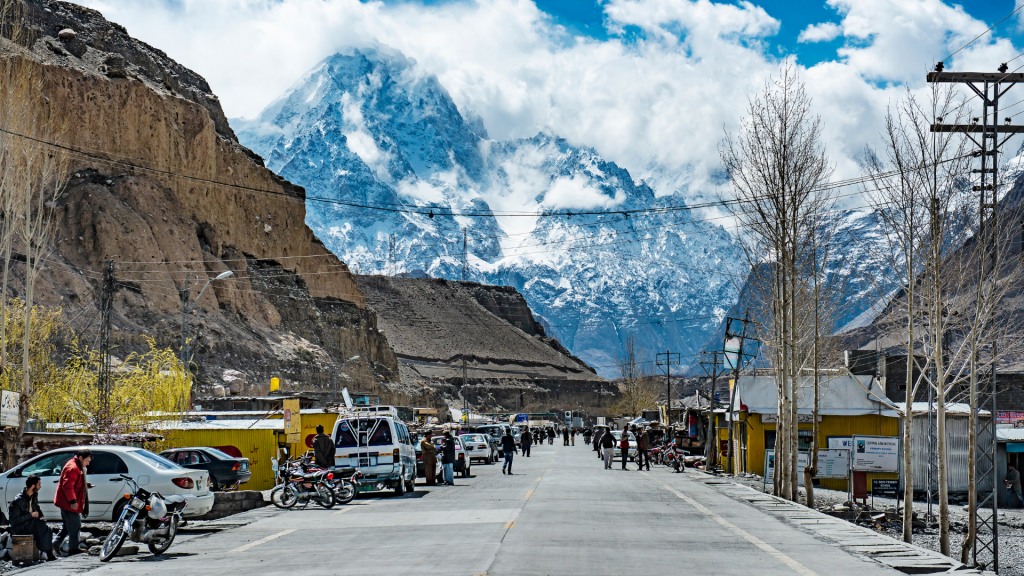
Nestled in the heart of the majestic Hunza Valley, Sost Bazaar stands as one of the most unique and significant marketplaces in Pakistan. Located in Gilgit-Baltistan, this vibrant bazaar is not just a trading hub but also the last town on the Karakoram Highway before the Pakistan-China border at Khunjerab Pass.

Known for its multicultural environment, economic importance, and tourist appeal, Sost Bazaar is a destination that blends commerce with culture. For travelers driving along the Karakoram Highway, it serves as the last major stop before entering China. Whether you are a tourist, trader, or adventurer, visiting this bazaar offers a glimpse into the fascinating crossroads of South Asia and Central Asia.

For detailed guides, cultural insights, and travel tips to Pakistan’s iconic places like Sost Bazaar, visit Pakistan PTPC.

Historical Background of Sost Bazaar

The history of Sost Bazaar is deeply tied to trade and connectivity. It gained prominence after the construction of the Karakoram Highway (KKH), which connected Pakistan with Xinjiang, China.

Before the highway, trade in the region was limited to local exchanges, but with the opening of the KKH in the 1970s, Sost quickly grew into a bustling commercial hub. Today, it is the first Pakistani town where Chinese trucks arrive after crossing the Khunjerab Pass, and the last Pakistani town where goods are cleared before entering China.

Thus, Sost Bazaar has become a symbol of Pakistan-China friendship and economic cooperation.

PTPCTourism PTPC Tourism PakistanPTPC Pakistan PTPC Pakistan Tourism Promotion Council Pakistan Tourism

Geographical Significance

Sost Bazaar is located approximately 90 km from Khunjerab Pass and around 200 km from Gilgit city. Positioned at an altitude of over 2,800 meters, it offers stunning views of snow-capped peaks, glaciers, and river valleys.

The bazaar’s geographical location gives it immense importance:

  1. It acts as the gateway to China.
  2. It serves as a customs and immigration point.
  3. It provides essential supplies and services for travelers on the Karakoram Highway.

This strategic placement has made Sost Bazaar not only an economic hub but also a lifeline for communities in the upper Hunza region.

The Economic Importance of Sost Bazaar

Economically, Sost Bazaar plays a vital role in Pakistan-China trade. Goods worth millions of dollars pass through this small town every year. The Sost Dry Port, established in collaboration with China, acts as a customs station where goods are checked, cleared, and stored.

Products commonly exchanged include:

  1. From China to Pakistan: Electronics, machinery, fabrics, household items, vehicles, and daily-use goods.
  2. From Pakistan to China: Marble, gems, fruits (especially cherries, apricots, and apples), handicrafts, and minerals.

This exchange not only supports local traders but also provides employment opportunities for residents of Hunza. With the advancement of the China-Pakistan Economic Corridor (CPEC), the significance of Sost Bazaar is expected to grow even further.

The Cultural Experience of Sost Bazaar

One of the most fascinating aspects of Sost Bazaar is its cultural diversity. Here, you’ll find traders and visitors from Hunza, Gilgit, Chilas, and other parts of Pakistan, alongside Chinese merchants. The blend of languages, attire, and customs creates a colorful, multicultural environment.

Walking through the bazaar, you’ll encounter:

  1. Traditional Hunza handicrafts like embroidered caps, handmade jewelry, and carpets.
  2. Local foods and snacks, including apricot-based products, yak meat, and Hunza bread.
  3. Imported Chinese goods ranging from clothes to electronics.

This unique mix of cultures makes shopping at Sost Bazaar an experience in itself—where tradition meets globalization.

Tourism and Sost Bazaar

For tourists traveling the Karakoram Highway, Sost Bazaar is an essential stop. It is the last major town before Khunjerab Pass and provides travelers with necessary services such as hotels, restaurants, fuel stations, and currency exchange.

Tourist attractions linked with Sost Bazaar include:

  1. Khunjerab Pass – The highest paved international border crossing.
  2. Passu Cones – Stunning natural peaks near Passu village.
  3. Attabad Lake – A turquoise lake formed in 2010, now a major attraction.
  4. Hunza Valley – Famous worldwide for its beauty and hospitality.

Many tourists enjoy exploring the bazaar, purchasing souvenirs, and experiencing the lively environment before heading to the high mountains.

Tourism at Khunjerab Pass

Sost Dry Port – The Trade Lifeline

The Sost Dry Port is the economic backbone of Sost Bazaar. Established to handle the growing trade between Pakistan and China, it serves as a customs checkpoint and storage facility.

Features of the dry port include:

  1. Customs clearance for goods entering and leaving Pakistan.
  2. Warehousing facilities for storage of products.
  3. Trade offices for merchants from both countries.

With the rise of CPEC, the dry port has gained even more importance, making Sost Bazaar a vital hub for international commerce.

PTPCTourism PTPC Tourism PakistanPTPC Pakistan PTPC Pakistan Tourism Promotion Council Pakistan Tourism

Challenges Faced by Sost Bazaar

Despite its importance, Sost Bazaar faces several challenges:

  1. Seasonal Closure – Due to heavy snowfall, Khunjerab Pass remains closed from November to April, affecting trade and tourism.
  2. Infrastructure Needs – Limited facilities for traders and travelers require improvement.
  3. Altitude Challenges – The high elevation can be difficult for new visitors to adjust to.

Local authorities and government projects under CPEC are working to improve the facilities and boost the economic and tourist potential of Sost.

Best Time to Visit Sost Bazaar

The best time to visit Sost Bazaar is from May to October, when the Khunjerab Pass is open and weather conditions are favorable. During these months, tourists can enjoy pleasant temperatures, vibrant market activities, and the stunning natural scenery around Hunza.

Why Sost Bazaar is a Must-Visit Destination

What makes Sost Bazaar special is its combination of commerce, culture, and geography. It is more than just a trading post—it is a symbol of Pakistan’s connectivity with China and the world.

Visitors can shop for unique goods, enjoy local cuisine, and experience a multicultural environment while surrounded by breathtaking landscapes. Whether you are a trader, a tourist, or a history enthusiast, Sost Bazaar offers a journey into the heart of Gilgit-Baltistan’s economy and culture.

If you are planning to explore Sost Bazaar and other iconic destinations of Pakistan, start your journey with Pakistan PTPC, your trusted guide to tourism, culture, and adventure in Pakistan.

Conclusion

From a quiet mountain town to a bustling economic hub, Sost Bazaar has transformed into a place of global importance. As the last Pakistani town before China, it connects two countries, cultures, and economies.

Its vibrant market, historical importance, and stunning surroundings make it a must-visit for anyone traveling the Karakoram Highway. The future of Sost Bazaar looks even brighter with CPEC, as it continues to play a key role in trade, tourism, and cultural exchange.

So, whether you are planning a trade journey, a cultural exploration, or an adventurous road trip to Khunjerab, don’t forget to stop by Sost Bazaar—a true jewel of Hunza Valley.

For detailed travel guides and cultural insights, explore Pakistan PTPC, your one-stop destination for Pakistan’s tourism and heritage.

Khunjerab Pass

Khunjerab Pass – The Roof of the World

Khunjerab Pass

Introduction: The Roof of the World

High in the Karakoram Mountains, at an altitude of over 4,700 meters (15,397 ft), lies the breathtaking Khunjerab Pass, the highest paved international border crossing in the world. Known as the gateway between Pakistan and China, this majestic pass is more than just a route—it is a symbol of friendship, trade, and adventure.

For centuries, travelers, traders, and explorers have crossed this natural frontier. Today, Khunjerab Pass attracts tourists from all over the world who wish to experience the mesmerizing beauty of the Karakoram, the cultural richness of Gilgit-Baltistan, and the thrill of standing at one of the highest motorable points on Earth. If you’re planning to explore this extraordinary destination, Pakistan PTPC is the best resource to guide your journey.

Historical Significance of Khunjerab Pass

The word Khunjerab comes from Wakhi, meaning “Valley of Blood”—a name linked to historical tribal conflicts in the region. Despite its dramatic name, the pass has long been a vital connection between Central Asia and South Asia.

Historically, it formed part of the Silk Route, where merchants carried silk, spices, and precious goods across rugged terrains. Later, in the 20th century, the pass gained strategic importance with the construction of the Karakoram Highway (KKH)—often called the Eighth Wonder of the World.

Today, the highway and Khunjerab Pass represent a new Silk Road, fostering trade and cultural exchange under the China-Pakistan Economic Corridor (CPEC).

PTPCTourism PTPC Tourism PakistanPTPC Pakistan PTPC Pakistan Tourism Promotion Council Pakistan TourismPTPCTourism PTPC Tourism PakistanPTPC Pakistan PTPC Pakistan Tourism Promotion Council Pakistan Tourism
PTPCTourism PTPC Tourism PakistanPTPC Pakistan PTPC Pakistan Tourism Promotion Council Pakistan Tourism

The Geography of Khunjerab Pass

Located in the Hunza Valley of Gilgit-Baltistan, the pass connects Pakistan with China’s Xinjiang region. It sits in the Karakoram Range, where snow-covered peaks, alpine meadows, and glaciers dominate the landscape.

Key geographical features include:

  • Altitude: 4,693 meters (15,397 ft) – the highest paved border crossing.

  • Climate: Harsh and cold, with snow covering the region for most of the year.

  • Surroundings: Snowy peaks, glaciers, wildlife habitats, and breathtaking valleys.

Travelers visiting Khunjerab Pass experience thin air due to high altitude, but the scenery is beyond imagination—making the journey worth every mile.

Khunjerab Pass and the Karakoram Highway

The Karakoram Highway is the lifeline to Khunjerab Pass. Stretching from Hasan Abdal in Pakistan to Kashgar in China, this engineering marvel winds through towering mountains, rivers, and valleys.

Highlights of the journey include:

  1. Hunza Valley – Famous for its hospitality, apricot orchards, and scenic villages.
  2. Attabad Lake – A turquoise gem formed after a landslide in 2010.
  3. Passu Cones – Iconic peaks that resemble giant spires.
  4. Sost Dry Port – A key trade hub before reaching Khunjerab.

Traveling along this highway is not just about reaching the destination but experiencing one of the most beautiful drives in the world.

Wildlife and Natural Beauty

Khunjerab National Park surrounds the pass, offering a sanctuary to rare wildlife. If you are lucky, you may spot:

  1. Marco Polo Sheep – Rare species adapted to high altitudes.
  2. Snow Leopards – The elusive kings of the mountains.
  3. Ibex – Graceful mountain goats navigating cliffs.
  4. Yaks – Domesticated animals vital for local communities.

The stark beauty of the landscape—snow-covered slopes, icy streams, and grassy plains—makes the region a paradise for nature lovers and photographers.

Cultural Importance

The Khunjerab Pass is not just a geographical wonder; it is also a cultural bridge. The people of Hunza and Gilgit-Baltistan have historically interacted with traders and travelers crossing into Central Asia.

Today, the border crossing hosts both trade and tourism. On one side is Pakistan, with its rich hospitality and traditions, and on the other side is China, with its modern infrastructure and vibrant culture. This blending of traditions makes the region unique and fascinating for visitors.

Tourism at Khunjerab Pass

For travelers, visiting Khunjerab Pass is a bucket-list experience. The journey from Hunza to the pass is filled with scenic views, charming villages, and cultural encounters.

Tourist highlights include:

  1. Photography at the Border Gate – Tourists love capturing the iconic Pakistan-China friendship gate.
  2. Breathtaking Views – Snow-capped peaks and glaciers that seem to touch the sky.
  3. Adventure Tourism – Trekking, cycling, and road trips along the Karakoram Highway.
  4. Local Cuisine – Traditional Hunza bread, apricot dishes, and yak meat specialties.

Due to the extreme altitude, visitors are advised to acclimatize properly, carry warm clothing, and limit physical exertion.

PTPCTourism PTPC Tourism PakistanPTPC Pakistan PTPC Pakistan Tourism Promotion Council Pakistan Tourism

Trade and Economic Role

In modern times, Khunjerab Pass plays a critical role in trade between Pakistan and China. The pass is part of the China-Pakistan Economic Corridor (CPEC), which is reshaping the region’s economic landscape.

Goods such as electronics, textiles, and machinery move across this border, making it a lifeline for bilateral trade. The Sost Dry Port near Hunza acts as a customs hub, where trucks from both nations exchange cargo.

Thus, Khunjerab Pass is not just a tourist attraction—it is also an economic artery connecting two great nations.

Best Time to Visit

The best months to visit Khunjerab Pass are from May to September, when the road is clear of snow, and the weather is relatively mild. During this period, tourists can enjoy:

  1. Clear skies and sunny days.
  2. Green valleys with blooming flowers.
  3. Open border crossing for trade and tourism.

Winter, however, is not recommended for casual travelers due to harsh conditions.

Why Khunjerab Pass is Worth Visiting

What makes Khunjerab Pass truly unique is its combination of natural beauty, cultural depth, and strategic importance. Standing at the roof of the world, surrounded by towering mountains, is an experience like no other.

Whether you’re an adventurer, a photographer, or a history enthusiast, Khunjerab offers something unforgettable. To plan your trip with authentic insights, visit Pakistan PTPC for guides, tips, and resources on Pakistan’s most fascinating destinations.

Conclusion

The story of Khunjerab Pass is one of resilience, connection, and natural wonder. From its days as part of the Silk Route to its modern role under CPEC, this pass has always been a vital link between nations.

Its natural beauty, cultural richness, and thrilling altitude make it a must-visit destination in Pakistan. By exploring Khunjerab Pass, one experiences not just a border but a journey through history, geography, and human endurance.

If you are ready to experience the roof of the world, start planning with Pakistan PTPC, your trusted partner in exploring Pakistan’s breathtaking landscapes and cultural treasures.

The Fascinating History of Gujranwala

The Fascinating History of Gujranwala

Gujranwala

Introduction: The Fascinating History of Gujranwala

Gujranwala, one of the largest industrial and cultural cities of Punjab, Pakistan, is renowned for its rich past, vibrant traditions, and economic strength. The city is often called the “City of Wrestlers” due to its deep association with traditional wrestling, or kushti, but its history goes far beyond sports. The fascinating story of Gujranwala history reflects centuries of cultural exchange, conquests, trade, and resilience.

From being a small village in the Mughal period to becoming a hub of the Sikh Empire and later a major industrial city in modern Pakistan, Gujranwala has always played a central role in the region’s development. To explore more cultural and historical journeys across Pakistan, visit Pakistan PTPC for detailed travel guides.

Early Origins of Gujranwala

The origins of Gujranwala can be traced back to small settlements that existed during the Mughal period. Historical accounts suggest that Gujranwala started as a modest village, but due to its fertile land and central location, it quickly developed into a thriving settlement.

The fertile plains around the Ravi and Chenab rivers supported agriculture, while its position on trade routes connected it with Lahore, Sialkot, and Multan. These early foundations set the stage for the city’s later importance in South Asian history.

PTPCTourism PTPC Tourism PakistanPTPC Pakistan PTPC Pakistan Tourism Promotion Council Pakistan Tourism

Gujranwala During the Mughal Era

Under Mughal rule, Gujranwala began to gain importance as agriculture flourished in the Punjab plains. The Mughal administration encouraged trade and supported farming communities, which made Gujranwala an attractive place for settlers.

Although it remained relatively modest compared to Lahore, the seeds of its growth were planted in this period. Small bazaars, mosques, and settlements began to take shape, creating the early structure of the city.

Rise of Gujranwala in the Sikh Era

One of the most significant chapters of Gujranwala history began in the 18th century when it became the birthplace of Maharaja Ranjit Singh, the founder of the Sikh Empire. Born in 1780, Ranjit Singh transformed Gujranwala from a modest town into the power center of the Sikh Confederacy.

The city served as the capital of the Sukerchakia Misl before Lahore was declared the empire’s capital. During this period, Gujranwala developed into a strong military and political base. The Sikh rulers fortified the city and promoted trade, arts, and culture, elevating its status in the region.

Gujranwala Under British Rule

After the decline of the Sikh Empire in 1849, Gujranwala came under British control. The colonial administration restructured the city, introduced railways, and expanded agricultural projects.

While Lahore became the central hub under British Punjab, Gujranwala remained significant as an agricultural and trading center. The British also invested in education and infrastructure, further modernizing the city.

Gujranwala’s Role in the Independence Movement

The people of Gujranwala played a strong role in the Pakistan Movement. The city became a hub for political mobilization and witnessed several rallies and gatherings in support of Quaid-e-Azam Muhammad Ali Jinnah’s vision.

Its residents actively participated in the struggle for independence, contributing to the establishment of Pakistan in 1947. This chapter in Gujranwala history reflects the patriotism and resilience of its people.

Cultural Identity of Gujranwala

Gujranwala is often celebrated for its rich cultural traditions. The city is famous for:

  1. Wrestling (Kushti) – Producing world-class wrestlers known internationally.
  2. Food Culture – Renowned for delicious Punjabi cuisine, especially tikka, karahi, and naan.
  3. Punjabi Traditions – Festivals, music, and folk dances enrich the city’s identity.

The cultural pride of Gujranwala makes it stand out as one of the most dynamic cities in Punjab.

PTPCTourism PTPC Tourism PakistanPTPC Pakistan PTPC Pakistan Tourism Promotion Council Pakistan Tourism

Famous Personalities from Gujranwala

Throughout history, Gujranwala has produced influential personalities, including:

  1. Maharaja Ranjit Singh – The Lion of Punjab and founder of the Sikh Empire.
  2. Modern wrestlers and sportsmen – Representing Pakistan on international stages.
  3. Political leaders and businessmen – Contributing to Pakistan’s growth.

These figures highlight the city’s talent, resilience, and impact on national progress.

Landmarks and Attractions in Gujranwala

While primarily an industrial hub, Gujranwala also has several historical and cultural attractions:

  1. Mausoleum of Maharaja Ranjit Singh (nearby Lahore) – Connected with Gujranwala’s heritage.
  2. Old Fort ruins – Remnants of the Sikh era.
  3. Local Bazaars – Famous for food, clothing, and handicrafts.
  4. Modern parks and food streets – Reflecting the lively lifestyle of the city.

Travelers who wish to explore more about Gujranwala and other cities can find resources at Pakistan PTPC.

Why Gujranwala Matters

The fascinating history of Gujranwala shows how a small village grew into a powerful capital during the Sikh era and eventually became one of Pakistan’s industrial giants. Its story reflects the struggles, resilience, and achievements of the people who shaped it.

Exploring Gujranwala history is not just about the past but also about understanding its role in shaping modern Pakistan. For detailed guides on Gujranwala and other historic cities, visit Pakistan PTPC.

Ancient Roots of Mianwali

Mianwali History in the Mirror of Time

Mianwali

Introduction: History in the Mirror of Time

Mianwali, located in the northwest of Punjab, Pakistan, is a city deeply rooted in history and culture. Surrounded by the Indus River on one side and the Salt Range on the other, Mianwali has witnessed centuries of change – from ancient civilizations to modern times. The district has produced remarkable leaders, warriors, and intellectuals, making it an important chapter in Pakistan’s history.

Understanding Mianwali history in the mirror of time allows us to explore not only its political and cultural journey but also its contribution to the nation. If you wish to explore more about Pakistan’s heritage cities and districts, visit Pakistan PTPC for detailed guides and tourism insights.

Ancient Roots of Mianwali

Mianwali’s history stretches back thousands of years. Archaeological findings show that the region was inhabited since the Indus Valley Civilization. The fertile plains near the Indus River allowed early settlements to thrive in agriculture and trade.

During ancient times, Mianwali was influenced by Persians, Greeks, and Central Asian tribes. Alexander the Great is said to have crossed the Indus River near this region, leaving a mark on its historical landscape. The Salt Range nearby also played a crucial role in trade and survival for ancient communities.

PTPCTourism PTPC Tourism PakistanPTPC Pakistan PTPC Pakistan Tourism Promotion Council Pakistan Tourism

Mianwali During Islamic Conquests

With the advent of Islam in the subcontinent, Mianwali became an important center of Islamic culture. During the rule of Mahmud of Ghazni and later the Delhi Sultanate, the region embraced Islamic traditions while maintaining its diverse cultural roots.

Many Sufi saints traveled through this land, spreading the message of peace and spirituality. Their shrines in and around Mianwali are still visited by devotees, reflecting the spiritual legacy of the region.

Mianwali Under Mughal and Afghan Influence

During the Mughal Empire, Mianwali was strategically important due to its location between Punjab and the tribal regions. The Mughals developed infrastructure and trade routes, further connecting Mianwali to the rest of the empire.

Later, the region also came under Afghan influence, especially during the rule of Ahmad Shah Durrani. Mianwali became a frontier district where cultures of Punjab and Pashtun tribes merged, creating a unique identity that still exists today.

Sikh and British Rule

In the 18th and 19th centuries, the Sikh Empire under Maharaja Ranjit Singh controlled Mianwali. The Sikh administration introduced revenue systems and military structures in the area.

By the mid-19th century, the British took over. Under colonial rule, Mianwali was formally established as a district in 1901. The British built administrative offices, roads, and railways, connecting Mianwali with larger trade centers. However, their rule also brought resistance and challenges, as locals demanded independence.

Mianwali’s Role in the Pakistan Movement

One of the most important aspects of Mianwali history in the mirror of time is its role in the creation of Pakistan. The people of Mianwali actively participated in the freedom struggle, supporting the Pakistan Movement led by Quaid-e-Azam Muhammad Ali Jinnah.

Leaders, scholars, and common citizens from Mianwali contributed to political mobilization. Their sacrifices ensured that this region became part of Pakistan in 1947, shaping the destiny of its people.

Geography and Cultural Identity

Mianwali’s geography has greatly influenced its culture and history. The Indus River provides fertile agricultural land, while the Salt Range adds natural beauty and resources. The district borders Khyber Pakhtunkhwa, which creates a cultural blend of Punjabi and Pashtun traditions.

The people of Mianwali are known for their bravery, hospitality, and hardworking nature. Traditional foods, folk music, and cultural festivals reflect the spirit of this land.

Notable Personalities from Mianwali

Mianwali has produced many prominent figures who shaped Pakistan’s political and social life:

  1. Imran Khan – Former Prime Minister of Pakistan and world-renowned cricketer.
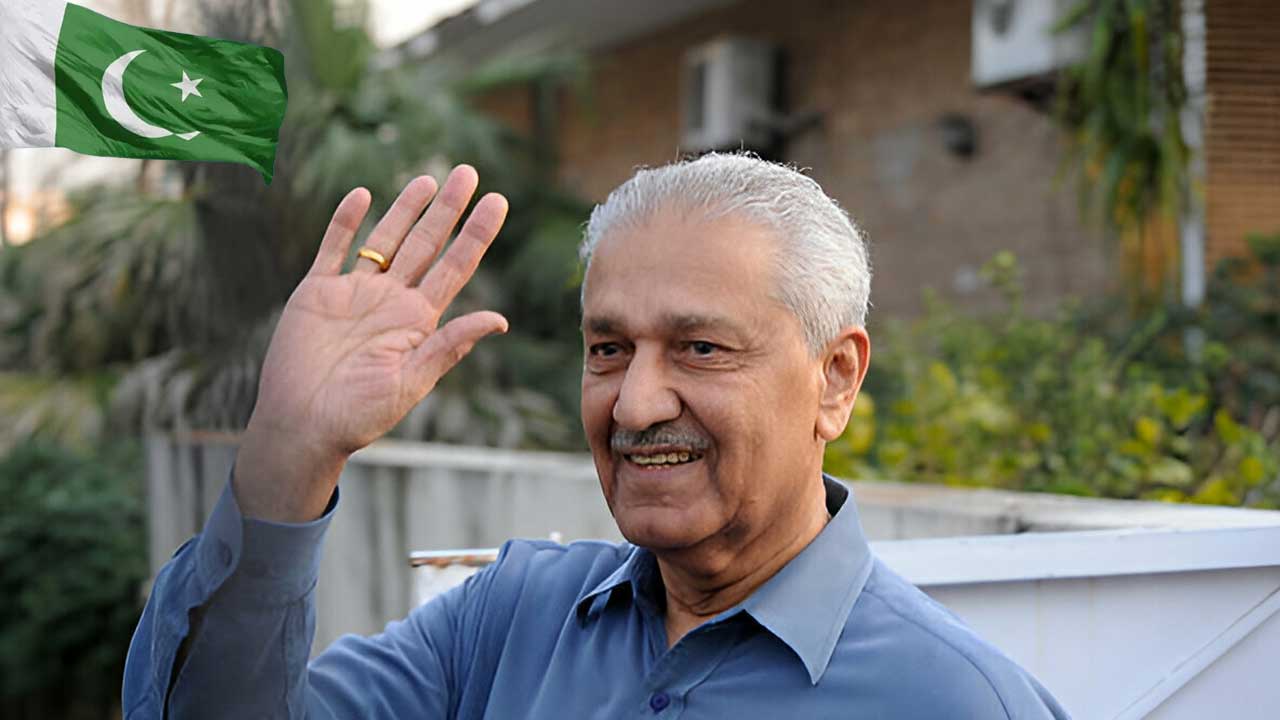
  2. Dr. A.Q. Khan – The father of Pakistan’s nuclear program, a proud son of Mianwali.
  3. Poets and Scholars – Many intellectuals from Mianwali have contributed to Urdu and Punjabi literature.

These personalities reflect the talent and resilience of the people of Mianwali.

PTPCTourism PTPC Tourism PakistanPTPC Pakistan PTPC Pakistan Tourism Promotion Council Pakistan Tourism

Tourism and Attractions in Mianwali

Though not as commercialized as other regions, Mianwali offers several attractions for visitors interested in history and nature:

  1. Kalabagh – Famous for its natural beauty and historical significance.
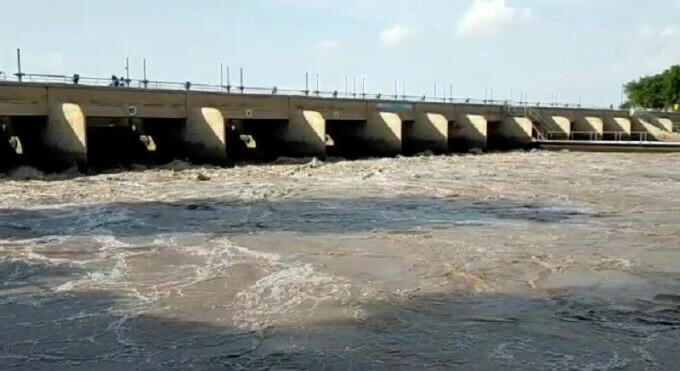
  2. Chashma Barrage – A popular spot for fishing and picnics.
  3. Salt Range and Surrounding Hills – Perfect for nature enthusiasts.
  4. Shrines and Mosques – Reflecting the city’s spiritual and cultural heritage.

If you’re planning to explore Pakistan’s hidden treasures, check out Pakistan PTPC for travel guides and cultural insights.

Why Mianwali Matters in Pakistan’s History

Mianwali stands as a bridge between Punjab and Khyber Pakhtunkhwa, between tradition and modernity. Its history mirrors the struggles and achievements of Pakistan itself. From ancient civilizations to modern development, Mianwali has remained significant at every stage.

Exploring Mianwali history in the mirror of time gives us a deeper understanding of Pakistan’s roots, culture, and resilience.

For more cultural and historical explorations of Pakistan, visit Pakistan PTPC and discover stories that define our nation.

Wazirabad Introduction – A Historic City of Punjab

Wazirabad Introduction – A Historic City of Punjab

Wazirabad

Introduction: A Historic City of Punjab

Wazirabad is a historically significant city located in the Gujranwala District of Punjab, Pakistan. Known for its traditional craftsmanship, cultural heritage, and strategic location, Wazirabad has played an important role in the history of the region. From being a hub of industry to a city enriched with cultural traditions, Wazirabad continues to attract attention for its unique identity.

For travelers and cultural explorers who wish to learn more about Pakistan’s heritage-rich cities, Pakistan PTPC offers detailed guides and resources. In this article, we will explore the history, culture, economy, and tourism potential of Wazirabad.

Historical Background of Wazirabad

Wazirabad was founded during the Mughal era, and its name is associated with Wazir Hakim Ilm-ud-din Ansari, the governor during Emperor Shah Jahan’s reign. Historically, the city served as a significant trade route between Lahore and Kashmir.

Over the centuries, Wazirabad became known for its artisans, blacksmiths, and cutlery industry. The city also witnessed several historical events during the Sikh and British colonial periods, making it an important landmark in the subcontinent’s history.

PTPCTourism PTPC Tourism PakistanPTPC Pakistan PTPC Pakistan Tourism Promotion Council Pakistan Tourism

Geographical Significance

Wazirabad is located near the Chenab River, making it an agriculturally rich area. Its geographical location connects it with Sialkot, Gujrat, and Gujranwala, which adds to its commercial importance.

The city lies on the Grand Trunk (GT) Road, a historic route that has connected South Asia for centuries. This connectivity has shaped Wazirabad into a center of trade and movement

Wazirabad and the Cutlery Industry

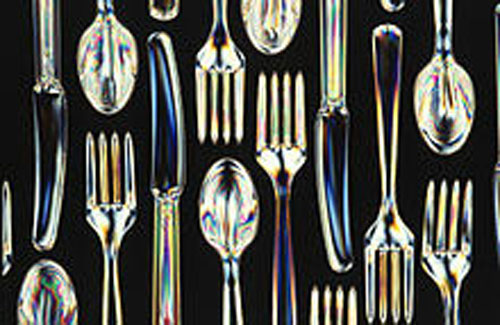
Wazirabad is internationally recognized as the “City of Cutlery.” Its cutlery industry produces high-quality knives, blades, and kitchen utensils that are exported worldwide. Skilled artisans of the city are known for their craftsmanship, a tradition passed down through generations.

This industry is not only a source of income but also a representation of Pakistan’s manufacturing strength. Visitors to Wazirabad often purchase locally made cutlery as souvenirs, further promoting the city’s global recognition.

Cultural Identity of Wazirabad

The culture of Wazirabad is deeply rooted in Punjabi traditions. Residents are known for their hospitality, vibrant festivals, and folk traditions. Punjabi music, food, and traditional sports like kabaddi and wrestling are an essential part of the city’s identity.

The presence of mosques, shrines, and historical landmarks reflects the city’s religious and cultural diversity. The Chenab River also adds natural charm to Wazirabad, making it a blend of culture and nature.

Economy and Trade

Wazirabad’s economy is primarily based on:

  • Cutlery manufacturing (export-oriented).

  • Agriculture, due to fertile lands around the Chenab River.

  • Small-scale industries producing household goods.

  • Trade and transport, supported by its central location on GT Road.

The city contributes significantly to the industrial strength of Punjab, providing employment opportunities for thousands of workers.

Educational Importance

Over time, Wazirabad has developed into an educational hub for nearby villages and towns. Schools, colleges, and vocational institutes are playing a vital role in shaping the younger generation. These institutes also support the local industries by producing skilled professionals and craftsmen.

Tourist Attractions in Wazirabad

While Wazirabad is more industrial in nature, it still offers some historical and natural attractions:

  1. Chenab River Bridge – A historical railway bridge built during the British era.
  2. Local Bazaars – Famous for cutlery and handmade products.
  3. Religious Shrines – Reflecting the city’s spiritual and cultural diversity.
  4. Nearby Destinations – Wazirabad is close to cities like Sialkot (sports goods hub) and Gujrat (furniture hub), making it an ideal stopover for travelers.

To explore more destinations in Punjab, check Pakistan PTPC for travel insights and guides.

PTPCTourism PTPC Tourism PakistanPTPC Pakistan PTPC Pakistan Tourism Promotion Council Pakistan Tourism

Wazirabad in Modern Times

Today, Wazirabad is a rapidly developing city. Infrastructure projects, better connectivity, and growing industries are shaping its modern identity. With increasing global demand for cutlery and utensils, Wazirabad continues to strengthen its reputation internationally.

The local government is also investing in improving road networks, educational institutions, and healthcare facilities, making Wazirabad a balanced blend of tradition and progress.

Why Wazirabad Matters

Wazirabad is more than just an industrial city. It is a place where history, culture, and craftsmanship meet. From Mughal times to modern Pakistan, Wazirabad has consistently contributed to the region’s growth.

Its strategic location, strong economy, and skilled workforce make it one of the important urban centers of Punjab. For anyone looking to understand Pakistan beyond its major cities, Wazirabad is a hidden gem worth exploring.

For more details on Wazirabad and other historical cities of Pakistan, visit Pakistan PTPC and discover travel guides, cultural insights, and tourism resources.

Noor Mahal Bahawalpur

Noor Mahal Bahawalpur – A Timeless Royal Palace of Pakistan

Noor Mahal Bahawalpur

Introduction: A Timeless Royal Palace of Pakistan

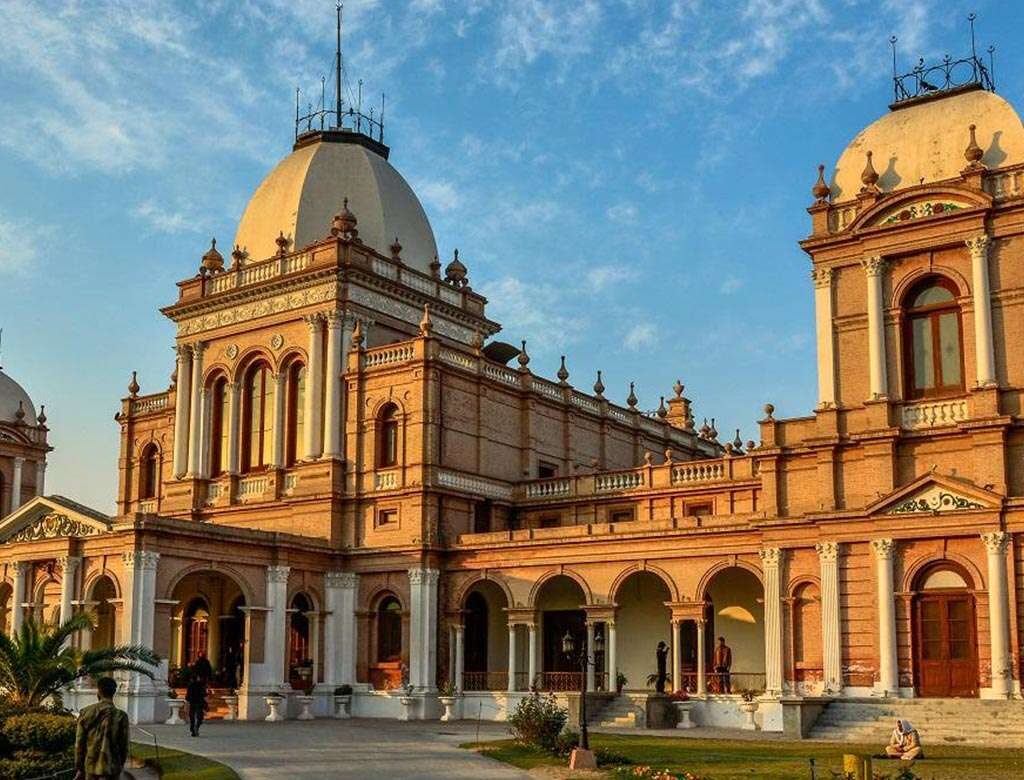
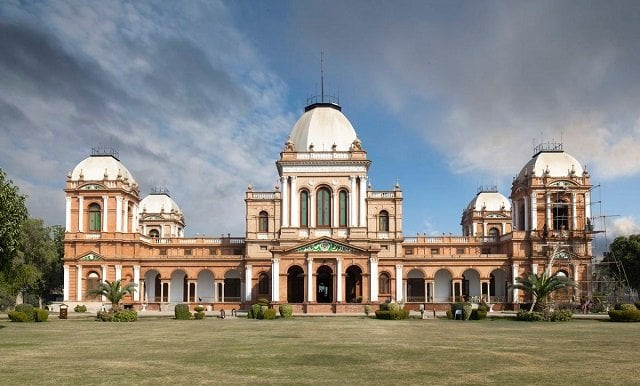
Bahawalpur, a city rich in history and culture, is home to one of Pakistan’s most enchanting architectural treasures – the Noor Mahal. Often compared with European palaces, Noor Mahal stands as a stunning reminder of the grandeur of the Nawabs of Bahawalpur. Built in the late 19th century, this palace has become a symbol of elegance, heritage, and royal legacy. Today, Noor Mahal attracts history lovers, tourists, and cultural enthusiasts from all around the world.

If you are planning to explore Pakistan’s hidden gems, Noor Mahal should be on your list. With its rich history and mesmerizing design, the palace is a must-visit attraction. For more travel guides and heritage information, you can visit Pakistan PTPC.

The History of Noor Mahal

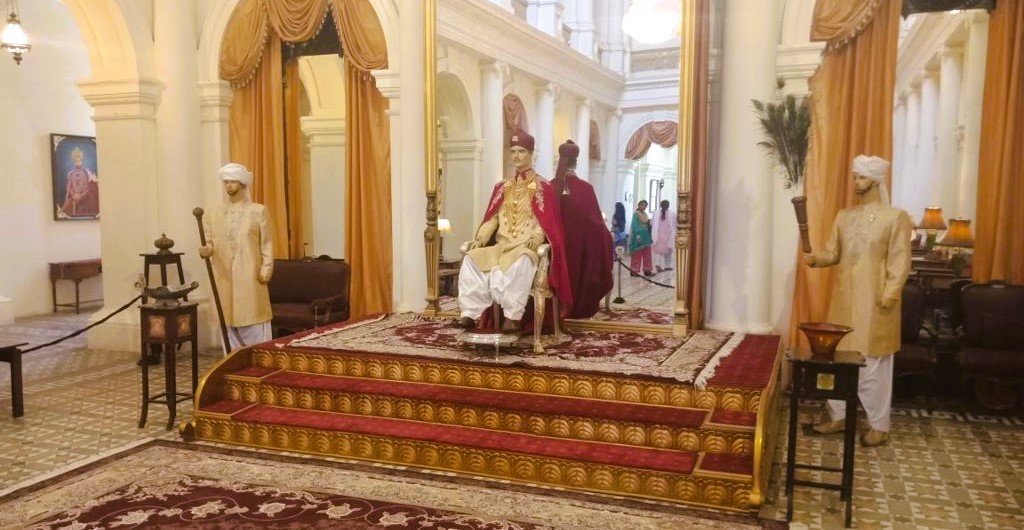
Noor Mahal was constructed in 1872 by Nawab Sir Sadiq Muhammad Khan IV, one of the most visionary rulers of the Bahawalpur State. Designed by a British engineer, the palace reflects a perfect blend of Italian and subcontinental architectural styles. The Nawabs used Noor Mahal not just as a residence but also for hosting royal gatherings, meetings, and cultural events.

The palace was named after Nawab’s wife, symbolizing love and grandeur. Although it was rarely used as a residence, Noor Mahal has stood as a royal icon for centuries, preserving the legacy of Bahawalpur’s rulers.

PTPCTourism PTPC Tourism PakistanPTPC Pakistan PTPC Pakistan Tourism Promotion Council Pakistan Tourism

Architectural Beauty of Noor Mahal

The architecture of Noor Mahal is one of its most fascinating aspects. The building reflects a fusion of European and Islamic design. Some of its remarkable features include:

  1. Italian-style domes and columns that give it a royal European look.
  2. Intricate Islamic patterns in interior decoration, showcasing cultural harmony.
  3. Spacious halls and courtyards used for royal gatherings.
  4. Large windows and arches allowing natural light to enhance its beauty.

Inside, Noor Mahal houses exquisite furniture, royal chandeliers, vintage carpets, and historical relics of the Nawabs. Visitors often feel transported to the golden age of Bahawalpur while walking through its halls.

Noor Mahal as a Heritage Site

Over the years, Noor Mahal has been preserved as a heritage site under the Pakistan Army. It is now open to the public and has become a major tourist attraction. Recognized as a protected monument under the Antiquities Act of 1975, the palace symbolizes not just Bahawalpur’s history but also Pakistan’s diverse cultural heritage.

Noor Mahal is often used for cultural events, photography sessions, and educational tours. It allows visitors to witness the artistic brilliance of the Nawabs while connecting with the region’s historical roots.

Tourism and Visitor Experience

Noor Mahal has become one of the most visited tourist destinations in Bahawalpur. The palace is beautifully lit at night, creating a mesmerizing view for visitors. Key highlights for tourists include:

  1. Guided tours that explain the historical significance of each hall.
  2. Museums and relic displays showcasing weapons, furniture, and documents from the Nawab era.
  3. Photography opportunities, especially during sunset and evening illumination.
  4. Spacious lawns and gardens, ideal for family visits and cultural events.

For those who want to explore more about Pakistan’s cultural and heritage destinations, Pakistan PTPC provides detailed guides, travel tips, and tourism insights.

Cultural Significance of Noor Mahal

The Noor Mahal is not just a palace – it is a cultural landmark. It reflects the fusion of East and West during the colonial period and stands as a symbol of Bahawalpur’s glory. It has also become a point of pride for Pakistan, often featured in documentaries, cultural discussions, and history lessons.

Events held at Noor Mahal allow the younger generation to connect with their roots and appreciate the importance of cultural preservation. The palace highlights how history, architecture, and culture come together to create something timeless.

Noor Mahal and Bahawalpur’s Royal Legacy

Bahawalpur was once one of the most influential princely states of South Asia. The Nawabs of Bahawalpur were known for their generosity, love for architecture, and promotion of education. Noor Mahal serves as a physical reminder of their contribution to the region.

The palace is often seen as a gateway to Bahawalpur’s royal past. Its preservation allows future generations to witness the grandeur and sophistication of the Nawabs’ lifestyle

PTPCTourism PTPC Tourism PakistanPTPC Pakistan PTPC Pakistan Tourism Promotion Council Pakistan Tourism

Accessibility and Location

Noor Mahal is located in the heart of Bahawalpur city, making it easily accessible to tourists. The palace is only a short drive away from Bahawalpur Railway Station and other major landmarks of the city.

Tourists can also plan trips to nearby attractions such as:

  1. Derawar Fort
  2. Lal Suhanra National Park
  3. Abbasi Mosque

These destinations, along with Noor Mahal, make Bahawalpur a complete package for history and culture enthusiasts.

Why Visit Noor Mahal?

Noor Mahal offers a perfect blend of history, beauty, and culture. Visitors not only get to witness the royal lifestyle but also enjoy the peaceful ambiance of the palace. Whether you are a student, historian, tourist, or simply a traveler, Noor Mahal is an experience you should not miss.

If you are planning your next trip, check out travel insights and heritage guides on Pakistan PTPC to make your journey more informative and memorable.

Conclusion

Noor Mahal Bahawalpur is more than just a palace – it is a heritage jewel of Pakistan. From its architectural brilliance to its cultural significance, the palace continues to inspire and attract people from across the world. Its preservation as a national heritage site ensures that future generations will continue to witness the royal legacy of Bahawalpur.

If you want to explore more about Pakistan’s historic landmarks, cultural sites, and travel destinations, visit Pakistan PTPC for detailed guides and tourism resources.

History of Gwadar, Gwadar Oman, Gwadar integration, Gwadar port history

Gwadar – The Gateway to Prosperity

Gwadar

The Gateway to Prosperity

Introduction – Gwadar: The Future of Pakistan

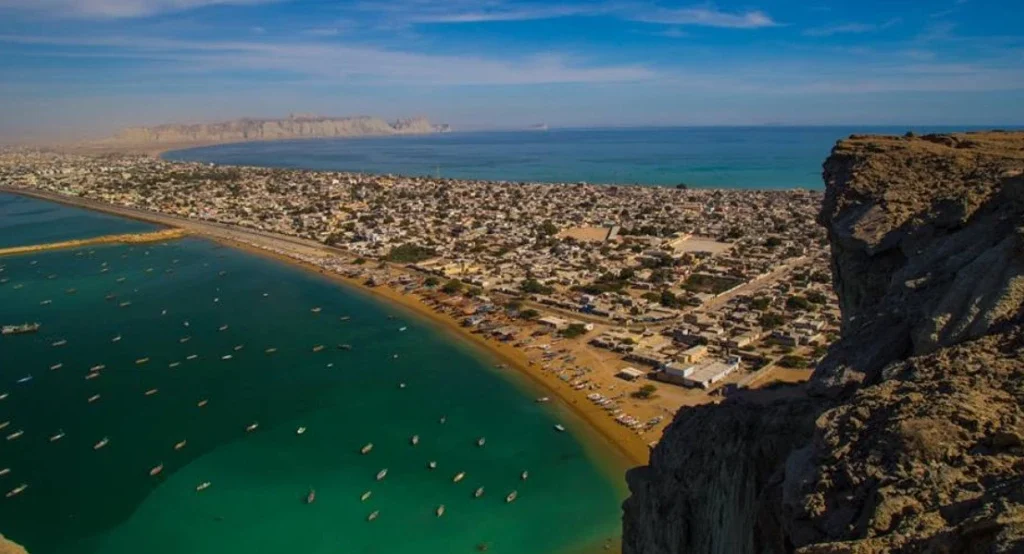
Gwadar (گوادر) is one of the most strategically important cities in Pakistan and is often referred to as the “Gateway to Prosperity.” Located in Balochistan province on the Arabian Sea, Gwadar has transformed from a small fishing town into an international port city.

With the launch of the China-Pakistan Economic Corridor (CPEC), Gwadar has become the center of global attention. The city’s deep-sea port, modern infrastructure, special economic zones, and tourism potential make it one of the fastest-growing regions in South Asia.

At pakistanptpc, we highlight how Gwadar is shaping Pakistan’s economic and cultural future while preserving its natural beauty and heritage.

History of Gwadar – From Oman to Pakistan

Gwadar has a unique historical background:

  1. Ancient Times: Gwadar has been a fishing and trading hub for centuries due to its location along sea routes.
  2. Omani Rule: From 1783 to 1958, Gwadar remained under Omani control.
  3. Integration with Pakistan (1958): Pakistan purchased Gwadar from Oman and incorporated it into Balochistan province.
  4. Development Era: Since the 2000s, Gwadar has been developed as a deep-sea port city and now serves as the backbone of CPEC.
PTPCTourism PTPC Tourism PakistanPTPC Pakistan PTPC Pakistan Tourism Promotion Council Pakistan Tourism

Gwadar Port – The Heart of CPEC

The Gwadar Port is the most important deep-sea port in South Asia and a flagship project of CPEC.

  1. Depth: One of the world’s deepest natural ports.
  2. Strategic Location: Connects China, Central Asia, and the Middle East through the shortest trade route.
  3. CPEC Importance: Serves as the endpoint of the China-Pakistan Economic Corridor.
  4. Economic Growth: Expected to generate billions in trade revenue for Pakistan.
  5. Gwadar Free Zone: Offers tax-free incentives for investors.

At pakistanptpc, we emphasize Gwadar’s role in becoming an international trade and logistics hub.

    •  

Economy and Development of Gwadar

Gwadar is rapidly developing into a modern smart port city.

  1. CPEC Projects: Billions invested in infrastructure, power plants, and industrial zones.
  2. Gwadar International Airport: A state-of-the-art airport under construction, one of the largest in South Asia.
  3. Special Economic Zones (SEZs): Attracting foreign investment in trade, industry, and real estate.
  4. Real Estate Boom: Gwadar housing projects are considered the next big property hotspot.
  5. Employment: Thousands of jobs being created in construction, shipping, and services.

Tourist Attractions in Gwadar

Gwadar is not just about trade and business; it is also a tourist paradise.

1. Gwadar Beach

  • Known for its clean golden sand and blue waters.

2. Hammerhead Peninsula

  • A natural rock formation resembling a hammer, offering breathtaking views.

3. Astola Island

  • Pakistan’s largest offshore island, famous for marine life and coral reefs.

4. Ormara Beach

  • Scenic spot for travelers on the Makran Coastal Highway.

5. Princess of Hope

  • A natural rock formation shaped like a statue, located in Hingol National Park.

6. Kund Malir Beach

  • Ranked among the world’s most beautiful beaches.

Food of Gwadar

Gwadar’s food culture is a blend of Balochi and coastal flavors.

  1. Seafood: Fresh fish, prawns, and lobsters.
  2. Balochi Sajji: A famous roasted meat dish of Balochistan.
  3. Fish Karahi & Fish Biryani: Coastal delicacies.
  4. Traditional Breads: Kaak and Roti served with chutneys.

Food in Gwadar is unique, offering both local Baloch taste and modern seafood dishes.

PTPCTourism PTPC Tourism PakistanPTPC Pakistan PTPC Pakistan Tourism Promotion Council Pakistan Tourism

Modern Infrastructure and Connectivity

Gwadar is becoming a connected global city.

  1. Gwadar International Airport – to handle millions of passengers annually.
  2. Gwadar Expressway – links the port with industrial zones.
  3. Makran Coastal Highway – scenic highway connecting Gwadar with Karachi.
  4. Fiber Optic Connectivity – improving digital infrastructure.

Lifestyle and Daily Life in Gwadar

Life in Gwadar is transforming with rapid urbanization:

  1. Modern Housing Societies: Smart homes and commercial hubs.
  2. Healthcare: New hospitals and clinics being established.
  3. Recreation: Beaches, resorts, and community centers.
  4. Cost of Living: Still affordable compared to Karachi and Islamabad.

At pakistanptpc, we explore Gwadar’s rise as a city where people can enjoy a modern lifestyle with natural beauty.