Pakistan tourism punjab tourism department tourism department punjab tourism travel pakistan for tourists pakistan tour tour pakistan pakistan tourists tourism website in pakistan

Taxila Pakistan – History, Civilization & Ancient City

Taxila Pakistan – Complete Travel & History Guide

Introduction to Taxila

Taxila is one of the most historically rich and culturally significant destinations in South Asia. Known worldwide for its archaeological treasures, Taxila Pakistan represents the heart of ancient learning, trade, and civilization. From the legendary Taxila civilization to the well-preserved ruins scattered across the region, this historic city offers a deep journey into the past.

Located in Punjab province, Taxila city attracts historians, archaeologists, students, and tourists who wish to explore its remarkable heritage. The significance of Taxila history spans thousands of years, linking ancient Hindu, Buddhist, Greek, and Persian influences. Whether you are interested in ancient universities, monasteries, or cultural landmarks, Taxila Pakistan stands as a living museum of early human advancement.

In this comprehensive guide, you will learn about Taxila location, historical importance, archaeological sites, Taxila museum, Taxila weather, travel tips, and why Taxila Punjab remains one of Pakistan’s most treasured destinations.


Taxila Location and Geographic Importance

Understanding the Taxila location helps explain its historical importance. Taxila Pakistan lies about 35 kilometers northwest of Islamabad and Rawalpindi, within the province of Punjab. The strategic Taxila location positioned it at the crossroads of major trade routes connecting Central Asia, South Asia, and the Middle East.

Situated near the Margalla Hills, Taxila city enjoys a landscape of rolling plains and gentle hills. This geographical advantage made Taxila civilization a thriving center for commerce and cultural exchange. The ancient Silk Road routes passed nearby, strengthening Taxila’s position as a hub of knowledge and trade.

Taxila Punjab is easily accessible by road and rail, making it an ideal destination for day trips from Islamabad and surrounding areas.


Taxila History – A Timeline of Ancient Glory

Taxila history is one of the richest in the region. Archaeological evidence suggests that the area was inhabited as early as 1000 BCE. Over centuries, Taxila became a prominent center of learning and governance.

Early Foundations of Taxila Civilization

The early Taxila civilization flourished due to its strategic location. Ancient texts mention Taxila as Takshashila, believed to be founded by King Taksha, son of Bharata in Hindu mythology. This legendary origin adds depth to Taxila history and cultural narratives.

Achaemenid and Persian Influence

In the 6th century BCE, Taxila Pakistan became part of the Achaemenid Empire. Persian influence brought administrative reforms and strengthened trade networks, enhancing the growth of Taxila city.

Greek and Hellenistic Period

One of the most significant chapters in Taxila history began when Alexander the Great invaded the region in 326 BCE. The city later came under Greek rule, introducing Hellenistic art and architecture. The fusion of Greek and local traditions shaped the famous Gandhara art style that is still visible in the archaeological remains of Taxila Pakistan.

Mauryan Empire and Ashoka

During the Mauryan Empire, especially under Emperor Ashoka, Taxila civilization reached new heights. Buddhism flourished, and monasteries were established throughout Taxila Punjab. Ashoka’s patronage transformed Taxila city into a major religious center.

Kushan Era and Golden Age

The Kushan period marked a golden age in Taxila history. Trade, culture, and education prospered, and the region became internationally renowned for its academic institutions.

Decline and Rediscovery

By the 5th century CE, invasions and political instability led to the decline of Taxila Pakistan. The city was eventually abandoned. However, in the 19th century, British archaeologists rediscovered the ancient ruins, bringing Taxila civilization back into global attention.


Taxila as an Ancient Center of Learning

One of the most remarkable aspects of Taxila history is its reputation as an ancient university. Taxila city was considered one of the earliest centers of higher education in the world.

Students from across Asia traveled to Taxila Pakistan to study medicine, philosophy, mathematics, astronomy, politics, and military science. Renowned scholars such as Chanakya are believed to have taught in Taxila.

Unlike modern universities, education in Taxila civilization was not centralized in a single campus. Instead, scholars taught in individual establishments across the city. This decentralized learning system made Taxila city a vibrant intellectual hub.


Major Archaeological Sites in Taxila Pakistan

Taxila Pakistan is home to numerous archaeological sites that reflect its glorious past.

Dharmarajika Stupa

The Dharmarajika Stupa is one of the oldest Buddhist monuments in Taxila Punjab. Built during the Mauryan period, it served as a sacred pilgrimage site.

Jaulian Monastery

Located on a hilltop, Jaulian Monastery offers panoramic views and beautifully preserved ruins. It showcases the spiritual life of ancient Taxila civilization.

Sirkap

Sirkap represents the Indo-Greek city layout with grid planning. The fusion of Greek and local architectural styles makes it a key highlight of Taxila history.

Sirsukh

Sirsukh reflects Kushan architectural advancements. The well-fortified walls indicate the strategic importance of Taxila city during this era.

These archaeological sites make Taxila Pakistan a treasure trove for history enthusiasts.


Taxila Museum – Preserving Ancient Heritage

The Taxila museum is one of the most important cultural institutions in Pakistan. Established in 1918, it houses artifacts discovered from various excavation sites around Taxila Punjab.

The museum displays:

  • Gandhara sculptures
  • Buddhist relics
  • Coins from different eras
  • Pottery and jewelry
  • Tools and inscriptions

Visiting the Taxila museum provides deeper insight into Taxila history and the artistic brilliance of the Taxila civilization.


Taxila Weather and Best Time to Visit

Understanding Taxila weather is essential for planning your visit.

Taxila Pakistan experiences a moderate climate:

  • Summers (May to August) are warm, with temperatures reaching 35°C.
  • Winters (December to February) are mild and pleasant.
  • Spring and autumn offer ideal conditions for exploration.

The best time to visit Taxila city is between October and March when the Taxila weather is comfortable for outdoor sightseeing.


Modern Taxila City and Local Life

Today, Taxila city is a blend of ancient heritage and modern development. It is home to educational institutions, industries, and residential communities.

Despite modernization, the cultural roots of Taxila Pakistan remain visible. Local markets, traditional food, and nearby villages reflect the enduring influence of Taxila civilization.

Taxila Punjab continues to attract both domestic and international tourists, contributing to regional economic growth.


Economic and Cultural Significance of Taxila Punjab

Taxila Pakistan holds immense economic and cultural importance. Tourism plays a vital role in supporting local businesses, hotels, and transport services.

Culturally, Taxila history represents a symbol of tolerance and coexistence. Different civilizations, religions, and cultures left their mark on Taxila city, creating a diverse heritage landscape.

The preservation of archaeological sites ensures that future generations can continue learning from the remarkable story of Taxila civilization.


How to Reach Taxila Pakistan

Traveling to Taxila Pakistan is convenient.

  • By Road: Accessible via GT Road and Motorway from Islamabad and Lahore.
  • By Train: Taxila railway station connects to major cities.
  • By Air: Islamabad International Airport is the nearest airport.

The convenient Taxila location makes it suitable for day trips or weekend getaways.


Travel Tips for Visiting Taxila

Before visiting Taxila city, consider these practical tips:

  1. Wear comfortable walking shoes.
  2. Carry water during summer due to warm Taxila weather.
  3. Hire a local guide for historical insights.
  4. Visit the Taxila museum before exploring archaeological sites.
  5. Respect heritage structures and avoid climbing ruins.

These tips ensure a smooth and enriching experience in Taxila Pakistan.


Why Taxila Pakistan Should Be on Your Travel List

Taxila is not just an archaeological site; it is a symbol of intellectual and cultural advancement. The depth of Taxila history, the richness of Taxila civilization, and the well-preserved ruins make it one of the most significant heritage destinations in South Asia.

The unique Taxila location, combined with accessible transport and pleasant Taxila weather, makes it an ideal destination for history lovers and travelers alike.

From ancient monasteries to the detailed collections inside the Taxila museum, every corner of Taxila city tells a story that shaped regional and global history.


Conclusion – Plan Your Journey to Taxila Pakistan

Taxila Pakistan stands as a living testament to human knowledge, creativity, and cultural exchange. The remarkable Taxila history, the intellectual legacy of Taxila civilization, and the strategic Taxila location make this ancient city one of the most valuable heritage sites in the region.

If you are ready to explore the timeless beauty of Taxila city, discover its archaeolog. Plan your heritage tours with trusted professionals at https://ptcptourism.com/ and experience Pakistan’s ancient wonders with insight, comfort, and confidence.

Pakistan tourism punjab tourism department tourism department punjab tourism travel pakistan for tourists pakistan tour tour pakistan pakistan tourists tourism website in pakistan

Taxila Pakistan – History, Civilization & Ancient City

Taxila – The Cradle of Ancient Civilization in Pakistan

Taxila is one of the most historically significant places in South Asia. Known worldwide for its ancient learning centers, Buddhist heritage, and archaeological ruins, Taxila represents thousands of years of human civilization. Located in Punjab, this historic city offers a rare journey through time, connecting visitors with ancient empires, scholars, and cultures that shaped the region.

Taxila Pakistan is not just a destination; it is a living record of intellectual, religious, and cultural evolution. From its role in the Taxila civilization to its importance in Gandhara art, Taxila continues to attract historians, researchers, students, and travelers from across the world.


Taxila Location and Geographic Importance

The Taxila location places it in northern Punjab, Pakistan, around 30 kilometers northwest of Islamabad and Rawalpindi. This strategic position made Taxila a crossroads of ancient trade routes connecting Central Asia, South Asia, and the Middle East.

Taxila Punjab lies near the Margalla Hills, giving the region a scenic backdrop and historical depth. Due to its favorable Taxila location, the city became a hub for commerce, learning, and cultural exchange in ancient times. Today, easy road access makes visiting Taxila Pakistan convenient for tourists.


Taxila History Through the Ages

The Taxila history spans more than 2,500 years. It flourished under several major civilizations, including the Achaemenids, Mauryans, Indo-Greeks, Scythians, Parthians, and Kushans. Each era contributed to the development of Taxila civilization, making it one of the richest archaeological zones in Asia.

During the Mauryan period, Taxila gained prominence as a center of administration and education. Under the Kushan Empire, Taxila became a major Buddhist center, producing remarkable stupas, monasteries, and sculptures. The layered Taxila history reveals how the city evolved while retaining its cultural importance.


Taxila Civilization and Ancient Learning

The Taxila civilization is especially renowned for its ancient university. Taxila was one of the earliest known centers of higher education, attracting students from across Asia. Subjects taught included medicine, philosophy, astronomy, politics, warfare, and linguistics.

Famous scholars such as Chanakya are associated with Taxila history, highlighting its intellectual legacy. Unlike modern universities, Taxila’s learning system consisted of teachers conducting classes in monasteries and homes, creating a flexible yet powerful educational environment.


Major Archaeological Sites in Taxila

Taxila Pakistan is home to several remarkable archaeological sites. These ruins reflect different periods of Taxila history and offer insight into ancient urban planning.

Bhir Mound represents the earliest settlement, dating back to the Achaemenid period. Sirkap showcases Indo-Greek city planning with well-laid streets and buildings. Sirsukh reflects Kushan-era urban development.

Each site contributes to understanding the complexity of Taxila civilization and its architectural achievements.


Taxila Museum and Its Collections

The Taxila museum is one of the most important museums in Pakistan. It houses an extensive collection of artifacts discovered from nearby archaeological sites. These include Buddhist sculptures, coins, inscriptions, jewelry, and everyday objects.

The Taxila museum plays a crucial role in preserving and presenting Taxila history. Visitors can trace the evolution of Taxila civilization through carefully curated exhibits that explain cultural, religious, and artistic developments.


Religious and Cultural Significance of Taxila

Taxila holds immense religious importance, particularly for Buddhists. Many stupas and monasteries found in Taxila Pakistan were once active centers of worship and meditation. Pilgrims from different regions traveled to Taxila, contributing to its spiritual diversity.

The coexistence of Buddhist, Hindu, and later Islamic influences reflects the inclusive nature of Taxila civilization. This cultural harmony is a defining aspect of Taxila history.


Taxila City in the Modern Era

Modern Taxila city exists alongside its ancient ruins, creating a unique blend of past and present. While archaeological preservation remains a priority, Taxila city continues to grow with educational institutions, markets, and residential areas.

Taxila Punjab today benefits from tourism, research activities, and its proximity to Islamabad. This balance between heritage and development makes Taxila Pakistan a unique urban and historical landscape.


Taxila Weather and Best Time to Visit

Understanding Taxila weather helps visitors plan their trip effectively. Taxila experiences hot summers and mild winters. The best time to visit Taxila Pakistan is from October to March, when temperatures are pleasant and ideal for exploring outdoor sites.

Spring also offers beautiful scenery around Taxila location, enhancing the overall travel experience.


Educational Importance of Taxila Pakistan

Taxila is an open-air classroom for students of history, archaeology, and cultural studies. Educational tours to Taxila museum and archaeological sites provide firsthand exposure to ancient civilizations.

Universities and research institutions continue to study Taxila civilization, making Taxila Pakistan a globally recognized center for historical research.


UNESCO World Heritage Status

Taxila Pakistan is recognized as a UNESCO World Heritage Site, highlighting its universal cultural value. This status emphasizes the need to preserve Taxila history for future generations.

International recognition has increased global awareness of Taxila, attracting scholars and tourists who seek authentic historical experiences.


Why Taxila Is a Must-Visit Destination

Taxila offers a complete historical journey, from ancient learning centers to magnificent ruins and museums. Few places in the world present such a continuous record of civilization.

For travelers interested in heritage tourism, Taxila Pakistan provides depth, authenticity, and intellectual enrichment. The city’s legacy as a center of learning sets it apart from other historical destinations.


Travel Tips for Visiting Taxila

Visitors to Taxila should wear comfortable footwear, as exploring ruins involves walking. Guided tours enhance understanding of Taxila history and archaeological significance.

Respecting heritage sites helps preserve Taxila civilization and ensures a meaningful experience for everyone.


Conclusion – Discover Taxila with Expert Travel Support

Taxila stands as a timeless symbol of knowledge, culture, and human achievement. From exploring the Taxila museum to walking through ancient ruins, every moment in Taxila Pakistan connects visitors with a remarkable past. Its strategic Taxila location, rich Taxila history, and enduring legacy make it one of Pakistan’s most valuable heritage sites.

If you are planning to explore Taxila city and other historical destinations across Pakistan, expert travel planning can elevate your journey.

Plan your heritage tours with trusted professionals at https://ptcptourism.com/ and experience Pakistan’s ancient wonders with insight, comfort, and confidence.

Pakistan tourism punjab tourism department tourism department punjab tourism travel pakistan for tourists pakistan tour tour pakistan pakistan tourists tourism website in pakistan

Taxila Pakistan – History, Civilization & Ancient City

Taxila – The Cradle of Ancient Civilization in Pakistan

Taxila is one of the most historically significant cities in South Asia and a priceless cultural treasure of Pakistan. Known for its ancient learning centers, Buddhist heritage, and archaeological ruins, Taxila represents thousands of years of human civilization. Located in Punjab, this ancient city played a vital role in shaping religious, educational, and cultural traditions across the region.

Today, Taxila Pakistan is recognized globally as a UNESCO World Heritage Site and attracts historians, archaeologists, students, and travelers from around the world.


Taxila Location and Geographic Importance

The Taxila location lies about 35 kilometers northwest of Islamabad in northern Punjab. The city sits at a strategic crossroads where ancient trade routes connected Central Asia, South Asia, and the Middle East.

Because of its ideal position, Taxila city became a hub for commerce, learning, and governance. The Taxila Punjab region offered fertile land, access to rivers, and natural protection, making it suitable for long-term settlements.

Understanding the Taxila location helps explain why it flourished for centuries as a center of power and education.


Taxila History Through the Ages

The Taxila history spans more than 3,000 years. Archaeological evidence shows that Taxila was inhabited as early as 1000 BCE. It gained prominence during the Achaemenid Empire and later became an important city under Mauryan rule.

Taxila reached its golden age during the Gandhara civilization, when it became a leading center for Buddhist learning and philosophy. Scholars from China, Greece, and Central Asia traveled to Taxila to study religion, medicine, mathematics, and politics.

The Taxila history reflects a continuous evolution influenced by Persian, Greek, Mauryan, Kushan, and Islamic civilizations.


Taxila Civilization and Cultural Legacy

The Taxila civilization is best known for its role in the Gandhara cultural tradition. This civilization blended Greek artistic styles with Buddhist themes, resulting in unique sculptures, monasteries, and stupas.

Taxila was home to one of the world’s earliest universities, where thousands of students studied under renowned scholars. Subjects included medicine, law, warfare, astronomy, and philosophy.

The Taxila civilization laid the foundation for intellectual traditions that influenced Asia for centuries.


Taxila City as an Ancient Educational Hub

Taxila city functioned as a global center of learning long before modern universities existed. Students from distant regions traveled to Taxila Pakistan to gain knowledge and skills.

Unlike modern institutions, education in Taxila was based on mentorship, where students lived with teachers and learned through observation and discussion. This system contributed to deep intellectual development and cultural exchange.


Taxila Museum and Archaeological Discoveries

The Taxila museum is one of Pakistan’s most important archaeological museums. It houses an extraordinary collection of artifacts excavated from ancient Taxila sites.

Visitors to the Taxila museum can see Buddhist sculptures, coins, inscriptions, jewelry, and everyday objects that reveal life in ancient times. These artifacts help preserve and interpret the Taxila history for future generations.

The museum plays a crucial role in educating visitors about the Taxila civilization and its global significance.


Major Archaeological Sites in Taxila

Taxila Pakistan includes several significant archaeological sites, each representing different periods of history. These include ancient cities, monasteries, and stupas scattered across the region.

Each site provides insight into how the Taxila city evolved over centuries. Walking through these ruins allows visitors to experience history in its original setting.


Taxila Weather and Best Time to Visit

Taxila weather varies throughout the year. Summers can be hot, with temperatures rising above 40°C, while winters are mild and pleasant. Spring and autumn are considered the best seasons to explore Taxila Pakistan.

During these months, the weather is comfortable for walking through archaeological sites and visiting the Taxila museum. Clear skies and moderate temperatures enhance the overall travel experience.


Religious Importance of Taxila

Taxila holds immense religious importance, especially in Buddhism. It was once a major center for Buddhist teachings, attracting monks and scholars from across Asia.

Numerous stupas and monasteries in Taxila Punjab highlight its spiritual significance. These religious structures played a vital role in spreading Buddhism beyond South Asia.


Economic and Political Role of Taxila

Throughout history, Taxila city served as an administrative and economic center. Its strategic location allowed rulers to control trade routes and maintain political stability.

Taxila Pakistan prospered through trade, agriculture, and craftsmanship. This economic strength supported cultural and educational development.


Daily Life in Ancient Taxila

Archaeological findings reveal much about daily life in Taxila civilization. Houses, streets, drainage systems, and marketplaces show advanced urban planning.

People in Taxila engaged in farming, trade, art, and education. This balanced lifestyle contributed to the city’s long-term success.


Taxila Punjab in the Modern Era

Today, Taxila Punjab is a growing city that blends ancient heritage with modern life. While archaeological sites preserve the past, the surrounding city supports tourism, education, and local industries.

Efforts are ongoing to protect historical sites while promoting sustainable tourism in Taxila Pakistan.


Why Taxila Is a UNESCO World Heritage Site

Taxila’s recognition as a UNESCO World Heritage Site highlights its universal value. The city represents a unique cultural tradition and preserves evidence of multiple civilizations.

This status helps protect Taxila history and ensures global awareness of its importance.


Tourism Experience in Taxila

Visitors to Taxila city can explore ancient ruins, visit the Taxila museum, and learn about centuries of human achievement. Guided tours provide deeper insights into the Taxila civilization.

Local markets and food spots add cultural flavor to the journey, making Taxila Pakistan a rewarding destination for travelers.


Educational Importance of Taxila Today

Taxila continues to inspire researchers, historians, and students. Universities and institutions frequently organize study tours to explore Taxila history and archaeology.

The city remains a symbol of knowledge and cultural exchange.


Preservation Challenges and Conservation Efforts

Despite its importance, Taxila faces challenges such as urban expansion and environmental damage. Conservation projects aim to protect archaeological sites and raise awareness.

Preserving Taxila Pakistan is essential for maintaining its cultural identity.


Why Taxila Matters to Pakistan’s Heritage

Taxila represents the intellectual and cultural roots of the region. Its influence extends beyond borders and centuries.

Understanding Taxila history helps Pakistan showcase its rich and diverse heritage to the world.


Conclusion – Discover Taxila with Expert Travel Planning

Taxila is not just an ancient city; it is a living testament to human knowledge, cultural exchange, and spiritual growth. From the remarkable Taxila civilization to the priceless collections in the Taxila museum, every part of this city tells a powerful story.

If you want to explore Taxila Pakistan with professional guidance, historical insight, and seamless travel arrangements, visit https://ptcptourism.com/ today. Let expert planners help you experience Taxila city in a meaningful and memorable way.

Plan your journey now and walk through the pages of history where civilizations once flourished.

Pakistan tourism punjab tourism department tourism department punjab tourism travel pakistan for tourists pakistan tour tour pakistan pakistan tourists tourism website in pakistan

Taxila Pakistan – History, Civilization & Ancient City

Taxila: Where Alexander Met Buddha and Civilizations Converged

Just a short drive from the bustling capital of Islamabad, the landscape transforms from modern urbanity to ancient mystery. Here, among the rolling green hills of Punjab, lie the scattered ruins of one of the most significant archaeological treasures in the world. Taxila is not merely a collection of old stones; it is a palimpsest of civilizations, a place where the armies of Alexander the Great clashed with local kings, where Buddhist monks carved monasteries into hillsides, and where scholars from across the ancient world gathered to debate philosophy and science .

For anyone interested in history, archaeology, or the deep roots of human civilization, Taxila Pakistan is an essential destination. As a UNESCO World Heritage Site, it preserves the remains of a city that was, for over a thousand years, a crossroads of culture, trade, and ideas. From its origins as a Gandharan capital to its zenith under the Kushan Empire, Taxila history spans centuries of conquest, creativity, and spiritual exploration. In this comprehensive guide, we will explore every facet of this remarkable site, from its strategic Taxila location and the treasures of the Taxila museum to the practical details of planning your visit.

Understanding the Taxila Location

The Taxila location is one of the keys to understanding its historical importance. Situated in the Rawalpindi District of the Punjab province in Pakistan, Taxila lies approximately 25 to 30 kilometers northwest of Islamabad and Rawalpindi . Its coordinates place it at the western end of the Pothohar Plateau, a region of undulating plains and low hills that has been inhabited for millennia .

The Taxila location is strategically positioned at the junction of three major trade routes: the royal highway from Eastern India, the Silk Road from Central Asia and China, and the routes leading west through the Khyber Pass to Persia and beyond . This convergence of trade routes made Taxila a natural meeting point for merchants, missionaries, and armies, ensuring its prosperity and cultural richness for centuries .

The ancient city occupied a fertile valley where multiple streams and springs provided abundant water, creating a pocket of agricultural productivity in an otherwise dry region. The surrounding Margala Hills offered stone for building and protection from invaders, while passes through these hills connected Taxila to the Gandharan heartland and the great cities of the subcontinent .

Today, the Taxila location remains easily accessible. The modern city of Taxila, which has grown around the archaeological sites, is a thriving industrial and educational center, home to heavy mechanical complexes and the prestigious University of Engineering and Technology . For visitors, the proximity to Islamabad makes Taxila an ideal day trip, allowing easy access to one of Pakistan’s most important historical treasures .

The Magnificent Taxila History

The Taxila history spans more than a thousand years, encompassing the rise and fall of empires, the spread of Buddhism, and the fusion of Greek and Indian art that produced the Gandharan civilization. Understanding this history transforms a visit to the ruins from a walk among stones into a journey through time.

The Neolithic and Early Historic Periods

Evidence of human habitation in the Taxila region dates back to the Neolithic era, around 3000 BCE . Excavations at Saraikala revealed stone tools and pottery from this early period, indicating that the area was inhabited long before the city rose to prominence . The Bronze Age brought more settled communities, with evidence of trade connections to the Indus Valley Civilization .

The Achaemenid Period

Around the 6th century BCE, the region around Taxila came under the control of the Achaemenid Empire of Persia . The Persian satraps (governors) administered the area, introducing administrative systems and cultural influences that would persist for centuries . It was during this period that Taxila first emerged as an urban center, benefiting from its position on the Persian Royal Road .

The Greek Invasion and Indo-Greek Kingdom

The most dramatic chapter in Taxila history began in 326 BCE, when Alexander the Great crossed the Indus River and marched toward Taxila . At that time, the city was ruled by King Ambhi (known to the Greeks as Taxiles), who submitted to Alexander without a fight . Alexander stayed in Taxila for some time, resting his army and receiving reinforcements before marching east to face King Porus at the Battle of the Hydaspes .

After Alexander’s retreat and death, his eastern territories were contested by his successors. Eventually, the Indo-Greek Kingdom emerged, with its center in the Gandhara region. The Greeks brought Hellenistic culture, art, and philosophy to Taxila, laying the foundation for the unique Greco-Buddhist art that would later flourish . The famous philosopher and teacher of Alexander, Aristotle, is said to have sent Alexander lists of plants and animals to collect from this region for his studies .

The Mauryan Empire

Following the departure of the Greeks, Taxila fell under the control of the Mauryan Empire, the first great imperial power to unite much of the Indian subcontinent . The founder of the Mauryan dynasty, Chandragupta Maurya, is said to have spent time in Taxila as a young man, learning the arts of war and governance . His grandson, Ashoka, the greatest of the Mauryan emperors, served as governor of Taxila in his youth .

Ashoka’s conversion to Buddhism after the bloody Kalinga war transformed Taxila. Under his patronage, Buddhism spread throughout the region, and Taxila became a major center of Buddhist learning and pilgrimage . Ashoka erected pillars and stupas throughout his empire, and fragments of these monuments have been found in Taxila .

The Indo-Greek Revival and the Kushan Golden Age

After the decline of the Mauryan Empire, Taxila experienced a revival under the Indo-Greek kings, who reintroduced Hellenistic culture and expanded the city . But it was under the Kushan Empire, particularly during the reign of Kanishka in the 1st and 2nd centuries CE, that Taxila reached its zenith . The Kushans, originally nomadic people from Central Asia, embraced Buddhism and became great patrons of Buddhist art and architecture .

During this period, the Gandharan art style flourished, blending Greek artistic techniques with Buddhist subject matter to create some of the most beautiful sculptures in human history . Monasteries and stupas were built throughout the Taxila valley, attracting monks and pilgrims from as far away as China and Central Asia . Faxian, the famous Chinese Buddhist pilgrim, visited Taxila around 400 CE and left records of its thriving monastic communities .

The Decline and Abandonment

The decline of Taxila began with the invasion of the White Huns (Hephthalites) in the 5th century CE . These Central Asian nomads, who followed different religious traditions, systematically destroyed the Buddhist monasteries and stupas, massacring monks and burning manuscripts . The great centers of learning were sacked and abandoned, and Taxila never recovered .

Although some settlements continued in the area for several more centuries, the great city that had been a crossroads of civilizations faded into memory, its ruins gradually buried by soil and vegetation. For over a thousand years, Taxila slept, waiting to be rediscovered by archaeologists in the 19th and 20th centuries .

The Rediscovery and Excavation of Taxila

The modern understanding of Taxila history owes much to the pioneering work of Sir John Marshall, who directed excavations at the site for over 20 years, from 1913 to 1934 . Marshall and his team uncovered three distinct cities built on different sites over the centuries, along with numerous monasteries, stupas, and other structures .

Marshall’s work revealed the extraordinary richness of Taxila civilization, producing thousands of artifacts including sculptures, coins, inscriptions, and everyday objects . His efforts established Taxila as one of the most important archaeological sites in South Asia and laid the foundation for all subsequent research .

Today, the Archaeological Survey of Pakistan continues to maintain and study the site, ensuring that this priceless heritage is preserved for future generations .

The Three Cities of Taxila

One of the most fascinating aspects of Taxila is that it was not a single city but a succession of cities built at different locations within the same valley. Archaeologists have identified three major city sites, each representing a different period of Taxila history.

Bhir Mound: The Earliest City

Bhir Mound represents the oldest of the excavated cities, dating from approximately the 6th century BCE to the 2nd century BCE . This was the city that Alexander would have seen when he visited in 326 BCE . The layout of Bhir Mound is irregular, with narrow, winding streets and houses clustered together without apparent planning . The buildings are constructed of rough stone and mud brick, reflecting the city’s organic growth over centuries .

Excavations at Bhir Mound have revealed numerous artifacts, including pottery, coins, and terracotta figurines, providing insights into the daily life of Taxila’s earliest inhabitants . The site also yielded evidence of Greek influence following Alexander’s invasion, including coins bearing Greek inscriptions .

Sirkap: The Greek City

The second city, Sirkap, was built by the Indo-Greek kings around the 2nd century BCE . Unlike the irregular layout of Bhir Mound, Sirkap was planned on a grid pattern, with streets crossing at right angles and a main thoroughfare running through the center . This Hippodamian plan, named after the Greek architect Hippodamus, reflects the Hellenistic urban planning traditions that the Greeks brought to the region .

Sirkap was fortified with massive stone walls and gateways, protecting its inhabitants from the frequent invasions that characterized this period . The city contained numerous stupas, temples, and residential areas, reflecting the diverse religious and cultural influences at work in Taxila .

The most famous structure in Sirkap is the double-headed eagle stupa, so named for the sculpted eagles that adorn its facade . This unique monument combines Buddhist, Greek, and Central Asian artistic elements, perfectly encapsulating the cultural fusion that defined Taxila civilization .

Sirsukh: The Kushan City

The third and final city, Sirsukh, was built by the Kushan kings around the 1st century CE . Sirsukh represents the height of Taxila’s power and prosperity, when the city was a major center of the Kushan Empire . The city walls of Sirsukh, constructed of massive stone blocks, are among the most impressive architectural features in Taxila .

Sirsukh was never fully excavated, as much of the site lies beneath modern agricultural land . However, the visible remains, including the city walls and the foundations of several structures, hint at the city’s former grandeur . The Kushan period saw the construction of numerous monasteries and stupas throughout the Taxila valley, many of which can still be visited today .

The Buddhist Monasteries and Stupas of Taxila

Beyond the city walls, the hills and valleys around Taxila are dotted with the remains of Buddhist monasteries and stupas. These structures represent the spiritual heart of Taxila civilization and offer some of the most beautiful and evocative sights in the region.

Dharmarajika Stupa

The Dharmarajika Stupa, located about two kilometers from the main city sites, is one of the largest and most important Buddhist monuments in Taxila . Built by Ashoka in the 3rd century BCE and expanded by later rulers, the stupa originally housed relics of the Buddha and was a major center of pilgrimage .

The stupa is surrounded by numerous smaller votive stupas and monastic cells, creating a vast sacred complex . Excavations at Dharmarajika yielded a famous silver scroll inscribed with Buddhist texts, now housed in the Taxila museum . The site offers panoramic views of the surrounding valley and a profound sense of the spiritual energy that once animated this place .

Jaulian Monastery

The Jaulian monastery, perched on a hillside overlooking the valley, is one of the best-preserved monastic sites in Taxila . Dating from the 4th to 5th centuries CE, Jaulian consists of a main stupa court surrounded by monastic cells, assembly halls, and kitchens . The site is famous for its exquisite Buddhist sculptures, many of which depict scenes from the life of the Buddha .

The name “Jaulian” is derived from a Persian word meaning “seat of saints,” reflecting the site’s long history as a center of Buddhist learning . The monastery was destroyed by the White Huns in the 5th century, but the ruins retain a powerful atmosphere of devotion and scholarship .

Mohra Moradu Monastery

Similar in layout to Jaulian, the Mohra Moradu monastery dates from the 2nd to 5th centuries CE . The site features a well-preserved stupa court, monastic cells, and a remarkable image of a seated Buddha in the main shrine . Excavations at Mohra Moradu yielded numerous artifacts, including coins, pottery, and sculptures, providing insights into monastic life during Taxila’s golden age .

Other Buddhist Sites

Numerous other Buddhist sites dot the Taxila valley, including the Bhamala Stupa, which contains some of the earliest examples of Buddhist art in the region, and the Kunala Stupa, named after Ashoka’s son who was said to have been blinded in Taxila . Each site offers unique perspectives on the rich spiritual heritage of Taxila civilization .

The Taxila Museum: A Treasury of Gandharan Art

No visit to Taxila is complete without spending time in the magnificent Taxila museum. Established by Sir John Marshall in 1918 to house the artifacts discovered during his excavations, the museum contains one of the finest collections of Gandharan art in the world .

The Taxila museum’s galleries display sculptures, coins, jewelry, pottery, and everyday objects spanning the entire history of Taxila civilization . The Buddhist sculptures are particularly remarkable, showing the evolution of the Gandharan style from its early Greek-influenced forms to the more elaborate compositions of the later period .

Highlights of the museum collection include:

  • The famous “Fasting Buddha,” an extraordinarily detailed sculpture showing the Buddha emaciated from his ascetic practices
  • Numerous bodhisattva statues, depicting enlightened beings in royal attire
  • Relic caskets containing precious objects
  • Coins of Greek, Scythian, Parthian, Kushan, and Indian rulers, providing a numismatic history of the region
  • Jewelry and personal ornaments revealing the sophistication of Taxila’s inhabitants
  • Architectural fragments from the excavated sites

The museum’s gardens provide a peaceful setting for reflection, with fragments of sculpture and architectural elements arranged among the flowers and trees. For anyone seeking to understand Taxila history, the museum is an essential complement to the ruins themselves .

Taxila Weather and Best Time to Visit

Understanding Taxila weather is important for planning a comfortable and enjoyable visit. The region experiences a subtropical climate with distinct seasons, typical of northern Punjab .

Summer (April to September): Summers in Taxila are hot, with temperatures often exceeding 35°C (95°F) in June and July . The heat can make exploring the extensive ruins uncomfortable, especially during midday. However, mornings and late afternoons remain pleasant, and the low humidity compared to coastal areas provides some relief .

Monsoon (July to August): The monsoon season brings intermittent rainfall, which can make some sites muddy but also refreshes the landscape, turning the hills green . The rain usually comes in short, intense bursts, and clear skies often follow .

Autumn (October to November): This is one of the best times to visit Taxila. Temperatures are mild, skies are clear, and the landscape retains its post-monsoon greenery. Days are warm enough for comfortable exploration, while evenings are cool and pleasant .

Winter (December to February): Winters in Taxila are cool to cold, with daytime temperatures ranging from 10°C to 20°C (50°F to 68°F) . Nights can be chilly, sometimes dropping to near freezing. This is another excellent time for visiting, as the clear, crisp air provides excellent visibility for photography and the cool temperatures make walking among the ruins a pleasure .

Spring (March to April): Spring brings warming temperatures and the first flush of greenery. Wildflowers bloom across the hillsides, adding color to the landscape. This is another ideal time for visiting .

Regardless of when you visit, it is advisable to start your exploration early in the day, carry water, wear comfortable walking shoes, and bring sun protection. The sites are extensive, and you will cover significant ground on foot .

Taxila City: Modern Life Among Ancient Ruins

The modern Taxila city has grown around the archaeological sites, creating a unique blend of ancient and contemporary life . The city is an important industrial center, home to the Heavy Mechanical Complex, Heavy Electrical Complex, and other engineering industries that form the backbone of Pakistan’s heavy manufacturing sector .

The University of Engineering and Technology, Taxila, established in 1975, is one of Pakistan’s premier engineering institutions, attracting students from across the country . The presence of this university adds a youthful, energetic dimension to Taxila city, with students filling the streets and cafes .

Despite its industrial character, Taxila city retains a small-town atmosphere, with bustling bazaars, traditional restaurants serving local cuisine, and friendly residents who are accustomed to hosting visitors from around the world . The city offers basic amenities including hotels, guest houses, and restaurants, making it a convenient base for exploring the ruins .

Taxila Punjab: Regional Context

Taxila Punjab occupies a unique position within the larger province of Punjab. While most of Punjab is characterized by flat, irrigated plains, the Taxila region marks the transition to the hilly terrain of the Pothohar Plateau . This geographical distinctiveness has shaped its history, making it a frontier zone where settled agricultural societies met nomadic pastoralists and where the cultures of the plains met those of the highlands .

The Taxila region is also notable for its biodiversity. The surrounding hills support scrub forests that are home to jackals, foxes, porcupines, and numerous bird species . During the winter, migratory birds visit the region’s wetlands, adding to the natural attractions of the area .

For travelers exploring Taxila Punjab, the region offers opportunities to experience rural Pakistani life, with villages scattered among the hills and farmers working fields that have been cultivated for millennia .

Taxila Civilization: Legacy and Influence

The Taxila civilization represents one of the great flowerings of human culture. For over a thousand years, this valley was a center of learning, art, and spirituality that influenced regions from Central Asia to Southeast Asia .

The intellectual legacy of Taxila is perhaps its most enduring contribution. The ancient university of Taxila, often considered one of the oldest universities in the world, attracted scholars from across Asia who studied medicine, law, military science, and philosophy . The famous Sanskrit grammarian Panini, the physician Charaka, and the political theorist Chanakya are all associated with Taxila .

The artistic legacy of Taxila civilization, particularly the Gandharan school of Buddhist art, influenced the development of Buddhist art throughout Asia . The depiction of the Buddha in human form, which originated in Gandhara, spread to Central Asia, China, Korea, and Japan, shaping the visual culture of Buddhism for centuries .

The spiritual legacy of Taxila lies in its role as a center of Buddhist pilgrimage and learning. Monks from Taxila carried Buddhism to Central Asia and China, contributing to the spread of the faith along the Silk Road . The caves and monasteries of Taxila remain sacred to Buddhists around the world, who continue to visit as pilgrims .

Planning Your Visit to Taxila

A well-planned visit ensures you make the most of your time at this extraordinary UNESCO World Heritage Site.

Getting There

Taxila is easily accessible from Islamabad and Rawalpindi:

By Road: The most common way to reach Taxila is by road. From Islamabad, take the Grand Trunk Road (GT Road) northwest toward Peshawar. The journey takes approximately 45 minutes to an hour, covering about 30 kilometers . Taxis and ride-hailing services are readily available for the trip .

By Train: Taxila has its own railway station on the main Peshawar-Karachi railway line. Several trains stop at Taxila, providing an economical and scenic option for reaching the city .

By Tour Operator: Many visitors prefer to book guided tours through travel companies, which handle all transportation, entry arrangements, and provide knowledgeable guides who bring the sites to life .

Suggested Itinerary

To experience the highlights of Taxila, plan for a full day of exploration:

Morning (9:00 AM – 12:30 PM): Start at the Taxila museum, spending an hour or two examining the collections and gaining an overview of Taxila history. Then visit the Dharmarajika Stupa, the largest Buddhist monument in the region.

Lunch (12:30 PM – 1:30 PM): Enjoy a meal at a local restaurant in Taxila city, sampling traditional Punjabi cuisine.

Afternoon (1:30 PM – 5:00 PM): Visit the three city sites: Bhir Mound, Sirkap, and Sirsukh. Then explore the Jaulian and Mohra Moradu monasteries, perched on hillsides with beautiful views.

Evening (5:00 PM onwards): Return to Islamabad or, if time permits, explore the local bazaars of Taxila city before departing.

Entry and Regulations

An entry fee is charged for visiting the archaeological sites and museum, which is nominal for Pakistani citizens and slightly higher for foreign tourists. Tickets are usually valid for all sites and the museum, so keep them handy throughout the day .

Visitors are expected to respect the sites by not climbing on fragile structures, not removing artifacts, and following posted guidelines. Photography is generally allowed, but tripods may require special permission .

What to Bring

  • Comfortable walking shoes for extensive walking on uneven surfaces
  • Sun protection: hat, sunglasses, sunscreen
  • Water bottle to stay hydrated
  • Camera for capturing the ruins and sculptures
  • Guidebook or downloaded information about the sites
  • Snacks for energy during exploration
  • Light jacket in winter months

Conclusion: Walk Through Millennia at Taxila

Taxila is more than an archaeological site; it is a journey through time. Standing among the ruins of Sirkap, walking the streets where Alexander once marched, sitting in meditation halls where Buddhist monks chanted sutras centuries ago, and marveling at sculptures that blend Greek and Indian artistry, you feel the weight and wonder of human history.

The Taxila location, at the crossroads of civilizations, made it a place where ideas met and merged, where art evolved, and where knowledge was cherished and transmitted. The Taxila museum preserves the tangible remains of this legacy, while the ruins scattered across the valley speak of the lives and aspirations of countless generations.

For anyone seeking to understand the deep history of Pakistan and South Asia, Taxila Pakistan is an essential destination. It is a place that rewards those who come with patience and curiosity, offering glimpses into a world that, while vanished, continues to shape our own. Whether you are a history enthusiast, a spiritual seeker, or simply a traveler in search of beauty and meaning, Taxila civilization will leave an indelible mark on your soul.

Are you ready to explore the ancient wonders of Taxila for yourself? Let expert travel professionals handle the logistics while you immerse yourself in millennia of history. From arranging comfortable transport from Islamabad to providing knowledgeable local guides who bring the Taxila history to life, comprehensive travel services ensure your journey into Pakistan’s cultural heritage is seamless and unforgettable.

Click here to start your journey: https://ptcptourism.com/

Pakistan tourism punjab tourism department tourism department punjab tourism travel pakistan for tourists pakistan tour tour pakistan pakistan tourists tourism website in pakistan

Taxila Pakistan – History, Civilization & Ancient City

Taxila – The Ancient City of Civilization in Pakistan

Introduction to Taxila

Taxila is one of the most historically significant archaeological sites in South Asia. Located in Taxila Punjab, this ancient city represents centuries of cultural exchange, learning, and civilization. Taxila Pakistan is not just a destination; it is a living testimony of human history, stretching back thousands of years. From the ruins of monasteries to the remains of ancient universities, Taxila continues to attract historians, archaeologists, and travelers from around the world.

The story of Taxila is deeply rooted in South Asian heritage. Known for its connection with Buddhism, Gandhara art, and early centers of education, Taxila civilization holds immense importance in world history. Today, Taxila city stands proudly as a UNESCO World Heritage Site, reflecting its global value.

This comprehensive guide explores Taxila history, Taxila location, cultural significance, archaeological landmarks, Taxila weather, and travel information. If you are planning to explore ancient Pakistan, Taxila should be at the top of your list.

Taxila Location and Geographic Importance

Taxila location is in the Rawalpindi District of Punjab, approximately 32 kilometers northwest of Islamabad. Taxila Pakistan lies along the historic Grand Trunk Road, which historically connected Central Asia with the Indian subcontinent.

Taxila Punjab is strategically positioned between major cities, making it easily accessible by road and rail. The modern Taxila city has grown around the ancient ruins, blending contemporary life with historical heritage.

The Taxila location played a major role in its development as a cultural and trade center. Situated at the crossroads of civilizations, Taxila became a melting pot of Greek, Persian, Central Asian, and Indian influences.

Taxila History – A Journey Through Time

Taxila history spans more than 2,500 years. The origins of Taxila civilization date back to at least the 6th century BCE. It flourished under various empires, including the Achaemenids, Greeks, Mauryans, Kushans, and Indo-Scythians.

One of the most fascinating aspects of Taxila history is its association with Alexander the Great. When Alexander invaded the region in 326 BCE, Taxila was already a prosperous and organized city. Later, during the Mauryan Empire under Ashoka, Taxila became a major center of Buddhist learning and culture.

Taxila Pakistan gained international recognition for its ancient university. Scholars from across Asia came to study philosophy, medicine, politics, and military science. The renowned scholar Chanakya is believed to have been associated with Taxila civilization.

Over centuries, invasions and political changes reshaped Taxila city, but its cultural significance remained intact. The ruins we see today are the remains of three major cities: Bhir Mound, Sirkap, and Sirsukh.

Taxila Civilization and Its Cultural Significance

The Taxila civilization represents one of the earliest organized urban settlements in South Asia. Archaeological discoveries show advanced city planning, drainage systems, and fortified walls.

Taxila Pakistan became a center of Gandhara civilization, famous for its unique art style that blended Greek and Buddhist elements. Sculptures discovered in Taxila museum reveal detailed carvings of Buddha influenced by Hellenistic art.

The spiritual and intellectual heritage of Taxila civilization makes it a cornerstone of regional history. Monasteries, stupas, and temples spread across Taxila Punjab highlight the city’s religious diversity.

Major Archaeological Sites in Taxila

Bhir Mound
Bhir Mound is considered the oldest settlement in Taxila. Dating back to the 6th century BCE, it reflects early urban planning of Taxila civilization. Excavations reveal houses, streets, and coins that shed light on ancient life in Taxila city.

Sirkap
Sirkap was built by the Indo-Greeks and reflects a grid-based city design. Walking through Sirkap gives visitors a glimpse of structured streets and stone-built houses. The site showcases the cultural blending that defines Taxila history.

Sirsukh
Sirsukh was constructed during the Kushan period and features massive defensive walls. Although less excavated, it remains a crucial part of Taxila Pakistan heritage.

Dharmarajika Stupa
One of the most important Buddhist monuments in Taxila, this stupa was built during the reign of Emperor Ashoka. It symbolizes the religious importance of Taxila civilization.

Jaulian Monastery
Jaulian is a well-preserved Buddhist monastery located near Taxila city. The detailed stone carvings and meditation cells reflect the spiritual depth of Taxila history.

Taxila Museum – Preserving the Legacy

Taxila museum is one of the most significant museums in Pakistan. It houses thousands of artifacts discovered from excavation sites around Taxila Pakistan.

Inside Taxila museum, visitors can explore Buddhist sculptures, coins, pottery, jewelry, and ancient manuscripts. The collection highlights the artistic excellence of Taxila civilization.

For anyone interested in Taxila history, a visit to Taxila museum is essential. It provides context to the ruins scattered across Taxila Punjab.

Taxila Weather and Best Time to Visit

Taxila weather varies according to seasons. Summers in Taxila Punjab can be hot, with temperatures rising above 40 degrees Celsius. Winters are mild and pleasant, making them ideal for tourism.

The best time to visit Taxila Pakistan is between October and March. During this period, Taxila weather remains comfortable for exploring outdoor archaeological sites.

Spring also offers pleasant weather, allowing visitors to walk through the ruins without discomfort. Checking Taxila weather before planning your trip ensures a better experience.

Modern Taxila City

While ancient ruins define its historical identity, modern Taxila city has developed into an educational and industrial hub. The presence of universities and research centers continues the legacy of learning associated with Taxila civilization.

Taxila Punjab also hosts industrial complexes, contributing to the local economy. Despite modernization, the ancient spirit of Taxila remains deeply embedded in the city’s identity.

Why Taxila is a UNESCO World Heritage Site

Taxila Pakistan was declared a UNESCO World Heritage Site in 1980 due to its outstanding universal value. The archaeological remains represent continuous human settlement and cultural interaction over centuries.

The preserved ruins, monasteries, and artifacts showcase the brilliance of Taxila civilization. UNESCO recognition has helped protect Taxila history for future generations.

Travel Tips for Visiting Taxila

  • Start your journey early to cover multiple sites in one day.
  • Hire a local guide to understand Taxila history in detail.
  • Visit Taxila museum before exploring ruins for better context.
  • Wear comfortable shoes as most exploration involves walking.
  • Check Taxila weather before traveling.

Planning ahead ensures a meaningful visit to Taxila Pakistan.

Economic and Tourism Importance of Taxila Pakistan

Taxila Pakistan plays an important role in cultural tourism. Thousands of local and international visitors explore Taxila each year.

The tourism industry in Taxila Punjab supports local businesses, guides, and hospitality services. Educational institutions frequently organize research trips to study Taxila civilization.

Taxila city continues to gain recognition as a heritage tourism destination, attracting scholars and history enthusiasts alike.

The Educational Legacy of Taxila

Taxila is often referred to as one of the world’s earliest universities. Although not a university in the modern sense, Taxila functioned as a center of higher learning where students lived and studied under renowned teachers.

Subjects such as medicine, political science, military strategy, and philosophy were taught in Taxila civilization. This educational tradition makes Taxila history even more remarkable.

The legacy of knowledge associated with Taxila Pakistan continues to inspire modern academic institutions.

Conclusion – Explore Taxila with Expert Guidance

Taxila stands as a timeless symbol of civilization, education, and cultural exchange. From its ancient ruins to the treasures preserved in Taxila museum, every corner of Taxila Pakistan tells a story of intellectual brilliance and spiritual depth.

Whether you are fascinated by Taxila history, interested in exploring Taxila civilization, or simply planning a cultural trip, Taxila city offers an unforgettable experience. The strategic Taxila location, rich heritage, and accessible infrastructure make it a must-visit destination in Taxila Punjab.

If you are planning to explore Taxila and other historical treasures of Pakistan, let professionals handle your travel arrangements. Visit https://ptcptourism.com/ today to book customized tour packages and experience the remarkable heritage of Taxila with comfort and expert guidance.

Discover the legacy of Taxila and step into the heart of ancient civilization with a well-planned journey.

Pakistan tourism punjab tourism department tourism department punjab tourism travel pakistan for tourists pakistan tour tour pakistan pakistan tourists tourism website in pakistan

Khewra Salt Mine Pakistan – History, Location & Visit

Khewra Salt Mine Pakistan – Complete Travel & History Guide

Introduction to Khewra Salt Mine

The khewra salt mine is one of Pakistan’s most remarkable natural and historical attractions. Located in the Salt Range of Punjab, the khewra salt mine Pakistan stands as the world’s second-largest salt mine and one of the oldest salt mining sites in South Asia. Every year, thousands of tourists, researchers, and families visit this extraordinary underground wonder to witness its massive salt chambers, glowing tunnels, and historical landmarks carved entirely from rock salt.

The khewra salt mine location in the Salt Range gives it a unique geological importance. The pink Himalayan salt extracted here is famous worldwide, and the khewra salt mine history dates back centuries, connecting legends, empires, and colonial engineering. Whether you are a traveler, a student of geology, or someone planning a family trip, the khewra salt mine Pakistan offers a memorable experience filled with history, science, and natural beauty.

In this comprehensive guide, you will learn about the khewra salt mine history, ticket prices, timings, travel routes, underground attractions, and practical travel tips to make your journey comfortable and informative.


Khewra Salt Mine Location and How to Reach

Understanding the khewra salt mine location is essential before planning your trip. The khewra salt mine Pakistan is situated in the Jhelum District of Punjab, within the Salt Range mountains. It lies approximately:

  • 160 km from Islamabad
  • 260 km from Lahore
  • 40 km from Jhelum city

The strategic khewra salt mine location makes it accessible for travelers from major cities in Pakistan.

Route from Islamabad

From Islamabad, take the M2 Motorway towards Lahore and exit near Kallar Kahar. From there, follow the signs leading to Khewra town. The road is smooth, and the journey takes about 3 to 4 hours.

Route from Lahore

If you are traveling from Lahore, use the M2 Motorway and exit at Bhera or Kallar Kahar. The drive takes around 4 to 5 hours. The road trip offers scenic views of the Salt Range hills.

Public Transport Options

You can travel by bus or train to Jhelum and then hire a local taxi to reach the khewra salt mine Pakistan. Many local tour operators also arrange day trips and guided tours.

The clear accessibility of the khewra salt mine location makes it one of the most visited tourist destinations in Punjab.


Khewra Salt Mine History – A Journey Through Time

The khewra salt mine history is fascinating and filled with legends. According to popular belief, the discovery of the khewra salt mine dates back to the time of Alexander the Great in 326 BC. It is said that his soldiers noticed their horses licking rocks, which led to the discovery of salt deposits.

Mughal Era and Early Mining

Although the salt deposits were known earlier, organized mining began during the Mughal era. The khewra salt mine history during this period shows limited but consistent salt extraction for local use.

British Colonial Development

The real transformation of the khewra salt mine Pakistan happened during British rule in the 19th century. A British mining engineer, Dr. H. Warth, introduced a systematic mining method known as the “room and pillar” technique. This method is still used today and ensures structural stability.

The British modernized the tunnels, improved ventilation systems, and increased production capacity. This period marks a significant chapter in the khewra salt mine history.

Modern Era

Today, the khewra salt mine Pakistan is managed by the Pakistan Mineral Development Corporation (PMDC). It produces thousands of tons of Himalayan pink salt annually, which is exported worldwide. The mine has also become a major tourist attraction, preserving both its industrial and historical importance.


Geological Importance of Khewra Salt Mine

The khewra salt mine Pakistan is part of the Salt Range, which is believed to be over 600 million years old. The salt deposits were formed due to the evaporation of ancient seas.

Formation of Himalayan Pink Salt

The famous pink salt extracted from the khewra salt mine contains minerals like iron, magnesium, and calcium. These minerals give the salt its distinct pink color and nutritional value.

Depth and Structure

The khewra salt mine extends about 19 kilometers inside the mountains, though only a small portion is open to tourists. It has multiple levels, massive chambers, and carefully engineered tunnels.

The geological richness of the khewra salt mine Pakistan makes it a valuable site for researchers and geologists worldwide.


Inside Khewra Salt Mine – What to See

Exploring the inside of the khewra salt mine is like entering a glowing underground city.

Sheesh Mahal (Palace of Mirrors)

One of the most beautiful sections inside the khewra salt mine Pakistan is Sheesh Mahal. The salt crystals reflect light beautifully, creating a sparkling mirror effect.

Badshahi Mosque Replica

There is a miniature mosque built entirely from salt bricks inside the khewra salt mine. It is inspired by Lahore’s Badshahi Mosque and showcases incredible craftsmanship.

Minar-e-Pakistan Replica

A small replica of Minar-e-Pakistan stands inside the mine, carved from pink salt. It highlights national pride within this historic site.

Salt Bridge

A 25-foot-long bridge made entirely of salt is another attraction inside the khewra salt mine Pakistan.

Brine Ponds

These ponds contain extremely salty water. Visitors can observe the high salt concentration that makes objects float easily.

Every chamber inside the khewra salt mine tells a story of history, engineering, and natural beauty.


Health Benefits and Salt Therapy

The khewra salt mine Pakistan is also known for its health therapy center. The microclimate inside the mine is beneficial for people suffering from asthma and respiratory problems.

Salt Therapy Chamber

There is a specially designed chamber where patients spend time breathing in salt-enriched air. This natural therapy has attracted many visitors seeking alternative treatments.

The clean and mineral-rich environment adds another reason to explore the khewra salt mine.


Khewra Salt Mine Pakistan – Ticket Price and Timings

If you are planning to visit the khewra salt mine Pakistan, knowing the ticket details is important.

Ticket Price

  • Local adults: Affordable entry fee
  • Children: Reduced rates
  • Foreign tourists: Slightly higher fee

Prices may change, so it is best to check before visiting.

Timings

The khewra salt mine generally opens in the morning around 9 AM and closes in the evening around 5 PM. It remains open throughout the year, making it accessible in all seasons.


Best Time to Visit Khewra Salt Mine

The khewra salt mine location in Punjab experiences hot summers and mild winters.

  • Winter (October to March): Ideal for visiting
  • Summer (April to September): Manageable due to cool interior

The temperature inside the khewra salt mine Pakistan remains moderate, usually around 18–20°C, providing relief from outside heat.


Tourist Facilities and Amenities

The khewra salt mine Pakistan offers basic tourist facilities including:

  • Parking area
  • Restrooms
  • Cafeteria
  • Souvenir shops selling Himalayan salt products
  • Guided tours
  • Mini train ride inside the mine

The small train ride is especially popular among families and children.


Economic Importance of Khewra Salt Mine Pakistan

The khewra salt mine is not just a tourist spot; it plays a major role in Pakistan’s economy.

  • Exports Himalayan pink salt worldwide
  • Provides employment to local communities
  • Contributes to mineral revenue

The global demand for pink salt continues to grow, strengthening the economic value of the khewra salt mine Pakistan.


Travel Tips for Visiting Khewra Salt Mine

Before visiting the khewra salt mine, keep these tips in mind:

  1. Wear comfortable walking shoes.
  2. Carry a light jacket due to cooler temperature inside.
  3. Stay with your guide during the tour.
  4. Avoid touching delicate salt formations.
  5. Bring a camera for photography.

Planning properly ensures a smooth and enjoyable visit to the khewra salt mine Pakistan.


Nearby Attractions Around Khewra Salt Mine

When visiting the khewra salt mine location, you can also explore:

  • Kallar Kahar Lake
  • Takht-e-Babri
  • Salt Range hills

These attractions complement your trip and make it more adventurous.


Why Khewra Salt Mine Should Be on Your Travel List

The khewra salt mine Pakistan is a rare combination of natural wonder, historical depth, and economic importance. From its legendary discovery to modern mining operations, the khewra salt mine history reflects centuries of human interaction with nature.

Its glowing tunnels, salt carvings, therapeutic environment, and scenic surroundings make it one of the most unique tourist destinations in Pakistan.


Conclusion – Plan Your Trip to Khewra Salt Mine Pakistan

Khewra Salt Mine stands as a timeless symbol of Pakistan’s natural and historical wealth. From understanding khewra salt mine history to exploring its breathtaking underground chambers, every visit reveals something extraordinary. Its strategic khewra salt mine location, health benefits, and cultural value make it a destination worth exploring.

If you are planning to visit khewra salt mine Pakistan or wish to explore more iconic destinations across the country, professional travel planning can enhance your experience.

Plan your journey with trusted experts at https://ptcptourism.com/ and discover Pakistan’s most remarkable landmarks with comfort, knowledge, and confidence.

Pakistan tourism punjab tourism department tourism department punjab tourism travel pakistan for tourists pakistan tour tour pakistan pakistan tourists tourism website in pakistan

Khewra Salt Mine Pakistan – History, Location & Visit

Khewra Salt Mine – The World’s Oldest Salt Treasure in Pakistan

Khewra Salt Mine is one of Pakistan’s most remarkable natural and historical landmarks. Known globally for its immense salt reserves, khewra salt mine is often described as the second-largest salt mine in the world and the oldest known salt mine still in operation. Located in Punjab province, this extraordinary site attracts tourists, researchers, and health seekers from across the globe.

The significance of khewra salt mine goes far beyond salt extraction. It represents centuries of history, geological wonder, and economic importance. Today, khewra salt mine Pakistan stands as a proud symbol of the country’s natural wealth and sustainable resource management.


Khewra Salt Mine Location and Accessibility

Understanding the khewra salt mine location is important for travelers. Khewra Salt Mine is situated in the small town of Khewra, in Jhelum District, Punjab, Pakistan. It lies approximately 245 kilometers from Islamabad and around 260 kilometers from Lahore, making it accessible by road from major cities.

The khewra salt mine location is nestled at the foothills of the Salt Range, a geologically rich area known for mineral deposits. Clear roads, signboards, and tourism facilities make visiting khewra salt mine Pakistan convenient for families, students, and international tourists.


History of Khewra Salt Mine

The khewra salt mine history dates back more than 2,000 years. According to historical accounts, the salt deposits were discovered during the time of Alexander the Great when his horses reportedly licked salt-laden rocks in the area. However, systematic mining began during the Mughal era.

During British rule, modern mining techniques were introduced, transforming khewra salt mine into an organized industrial site. The British also developed tunnel systems, rail tracks, and ventilation methods that are still in use today. This rich khewra salt mine history makes it not only a natural wonder but also a historical archive of mining evolution.


Geological Importance of Khewra Salt Mine

Khewra Salt Mine is part of the extensive Salt Range, formed millions of years ago. The mine contains massive reserves of pink Himalayan salt, known for its purity and mineral content. These deposits are believed to have formed through the evaporation of ancient seas.

The geological formations inside khewra salt mine Pakistan include salt crystals, layered rock formations, and naturally carved chambers. For geologists and students, khewra salt mine offers invaluable insight into earth’s prehistoric processes.


Structure and Layout of Khewra Salt Mine

The internal structure of khewra salt mine is both fascinating and functional. The mine extends over 40 kilometers of tunnels, though only a portion is open to tourists. Inside, visitors can see wide chambers supported by salt pillars, ensuring structural stability.

A small electric train transports visitors deep into khewra salt mine, offering a safe and educational experience. The illuminated tunnels highlight the pink and white hues of the salt, creating a visually stunning environment unique to khewra salt mine Pakistan.


Tourist Attractions Inside Khewra Salt Mine

Khewra Salt Mine is not just about mining; it has been developed as a major tourist attraction. Inside the mine, visitors can see salt replicas of famous landmarks, including mosques and monuments, all carved from salt bricks.

One of the most popular attractions inside khewra salt mine is the underground mosque, constructed entirely of salt. There is also a salt bridge, crystal valley, and small salt chambers that showcase the artistic potential of this natural resource.


Health Benefits Associated with Khewra Salt Mine

Khewra Salt Mine Pakistan is widely known for its health tourism. Salt therapy, also known as halotherapy, is practiced in designated chambers inside the mine. The air inside khewra salt mine is believed to help individuals suffering from asthma, allergies, and respiratory conditions.

Many visitors come specifically for therapeutic sessions, making khewra salt mine a unique blend of tourism and wellness. This aspect adds another layer of importance to khewra salt mine history and modern relevance.


Economic Importance of Khewra Salt Mine

Khewra Salt Mine plays a vital role in Pakistan’s economy. It produces millions of tons of salt annually, supplying both domestic and international markets. The salt extracted from khewra salt mine Pakistan is used in food, pharmaceuticals, cosmetics, and industrial applications.

Employment opportunities generated by khewra salt mine support local communities, making it an essential economic asset for the region.


Khewra Salt Mine Pakistan as an Educational Destination

Educational institutions frequently organize study tours to khewra salt mine. Students learn about geology, mining engineering, history, and environmental management through firsthand observation.

The informative displays and guided tours make khewra salt mine Pakistan an ideal learning environment. This educational value strengthens its status as a national heritage site.


Best Time to Visit Khewra Salt Mine

Khewra Salt Mine can be visited throughout the year due to its stable underground temperature, which remains cool even during hot summers. However, the best time to visit khewra salt mine Pakistan is between October and March for comfortable travel conditions.

Weekdays are generally less crowded, allowing visitors to explore khewra salt mine more peacefully.


Visitor Guidelines and Travel Tips

When visiting khewra salt mine, it is recommended to wear comfortable shoes, as walking is involved. Photography is usually allowed, but visitors should follow guidelines provided by staff.

Respect for the site helps preserve khewra salt mine history and ensures a positive experience for future visitors.


Cultural and National Significance

Khewra Salt Mine is a source of national pride for Pakistan. It represents the country’s natural abundance and historical continuity. Often featured in documentaries and educational materials, khewra salt mine Pakistan holds a special place in the national narrative.

Its recognition as a major tourist attraction reflects Pakistan’s efforts to promote sustainable tourism and heritage conservation.


Why Khewra Salt Mine Is a Must-Visit Destination

From ancient history to modern tourism, khewra salt mine offers a complete experience. The combination of natural beauty, historical depth, and health benefits makes it unlike any other destination in Pakistan.

For travelers seeking meaningful and educational journeys, khewra salt mine Pakistan provides lasting memories and valuable insights.


Conclusion – Plan Your Visit to Khewra Salt Mine

Khewra Salt Mine stands as a timeless symbol of Pakistan’s natural and historical wealth. From understanding khewra salt mine history to exploring its breathtaking underground chambers, every visit reveals something extraordinary. Its strategic khewra salt mine location, health benefits, and cultural value make it a destination worth exploring.

If you are planning to visit khewra salt mine Pakistan or wish to explore more iconic destinations across the country, professional travel planning can enhance your experience.

Plan your journey with trusted experts at https://ptcptourism.com/ and discover Pakistan’s most remarkable landmarks with comfort, knowledge, and confidence.

Pakistan tourism punjab tourism department tourism department punjab tourism travel pakistan for tourists pakistan tour tour pakistan pakistan tourists tourism website in pakistan

Khewra Salt Mine Pakistan – History, Location & Visit

Khewra Salt Mine – The World’s Largest Salt Wonder in Pakistan

The Khewra Salt Mine is one of Pakistan’s most extraordinary natural and historical attractions. Located in the Salt Range of Punjab, the khewra salt mine is famous worldwide for its massive salt reserves, underground tunnels, breathtaking salt formations, and centuries-old history.

As the second largest salt mine in the world, the khewra salt mine Pakistan is not only a key economic resource but also a major tourist destination. Visitors from across Pakistan and abroad travel to experience its pink salt walls, illuminated chambers, and unique underground landmarks.

This complete guide explores the khewra salt mine location, khewra salt mine history, geological significance, tourism value, and travel tips in detail.


Khewra Salt Mine Location and Accessibility

The khewra salt mine location is in Khewra, a town in Jhelum District, Punjab, Pakistan. It lies approximately 250 kilometers from Islamabad and around 260 kilometers from Lahore, making it accessible for both northern and central regions.

Situated within the Salt Range, the khewra salt mine Pakistan is surrounded by rugged hills and scenic landscapes. The mine is well connected by road, and visitors can reach it via private vehicles, buses, or organized tour services.

Clear signboards and maintained roads make reaching the khewra salt mine location convenient for tourists.


Khewra Salt Mine History and Discovery

The khewra salt mine history dates back over 2,000 years. According to historical accounts, the mine was discovered during the era of Alexander the Great in 326 BCE. It is believed that his horses licked the rocks, revealing the presence of salt.

During the Mughal period, the khewra salt mine continued to supply salt locally. However, systematic mining began during British colonial rule in the 19th century. The British developed modern mining techniques and established structured tunnels that are still used today.

The khewra salt mine history reflects centuries of human interaction with natural resources, making it a living heritage site.


Geological Importance of Khewra Salt Mine

The khewra salt mine Pakistan is part of a massive salt deposit formed millions of years ago. These deposits originated from the evaporation of ancient seas, leaving behind thick layers of rock salt.

The mine contains pink Himalayan salt, known for its purity and mineral content. This salt is exported worldwide and widely used for culinary, industrial, and decorative purposes.

Geologists consider the khewra salt mine one of the most significant salt reserves on Earth.


Structure and Tunnel System of the Mine

The khewra salt mine features an extensive network of tunnels stretching over 40 kilometers, though only a portion is open to the public. These tunnels are supported by massive salt pillars that ensure structural stability.

The ceilings, walls, and floors of the tunnels are made entirely of salt, creating a surreal underground environment. Carefully designed pathways allow visitors to explore safely while observing natural salt formations.

This engineering brilliance highlights the long-term sustainability of the khewra salt mine Pakistan.


Tourist Attractions Inside Khewra Salt Mine

The khewra salt mine is not just a mining site but a fully developed tourist destination. Inside the mine, visitors can explore illuminated chambers showcasing artistic salt carvings and natural formations.

Major attractions include a mosque made entirely of salt bricks, replicas of national monuments crafted from salt, and crystal-clear salt pools reflecting colorful lights.

These features make the khewra salt mine Pakistan one of the most unique underground tourist experiences in the world.


Salt Mosque and Cultural Significance

One of the most remarkable features inside the khewra salt mine is the underground mosque built from salt blocks. It symbolizes harmony between natural resources and cultural expression.

This mosque attracts visitors of all backgrounds and adds spiritual significance to the mine. It demonstrates how the khewra salt mine history is deeply connected with cultural heritage.


Health Benefits and Salt Therapy

The khewra salt mine Pakistan is also known for its therapeutic environment. The salt-rich air inside the mine is believed to help people suffering from respiratory conditions such as asthma and allergies.

Many visitors come specifically for salt therapy, spending time in designated chambers to experience the health benefits of the mine’s microclimate.

This aspect has enhanced the tourism value of the khewra salt mine beyond traditional sightseeing.


Economic Importance of Khewra Salt Mine Pakistan

The khewra salt mine plays a vital role in Pakistan’s economy. It produces thousands of tons of salt annually, supplying domestic markets and international exports.

Pink Himalayan salt from the mine is used in food products, cosmetics, lamps, and wellness industries worldwide. The mine also provides employment opportunities for local communities.

Thus, the khewra salt mine Pakistan is both an economic asset and a tourism landmark.


Best Time to Visit Khewra Salt Mine

The khewra salt mine can be visited year-round due to its stable underground temperature, which remains cool even in summer. However, the best time to visit is between October and March when outdoor travel is more comfortable.

The temperature inside the mine stays around 18–20°C, making it an ideal destination during hot weather.


Visitor Experience and Facilities

Visitors enter the khewra salt mine through a small train that takes them deep into the tunnels. This train ride is one of the highlights of the visit and adds excitement to the experience.

The mine has basic visitor facilities, including guided tours, information boards, rest areas, and souvenir shops selling salt products.


Photography and Exploration

Photography is allowed in most areas of the khewra salt mine Pakistan. The colorful lighting, reflective salt surfaces, and carved structures provide excellent opportunities for photography.

Visitors are encouraged to follow safety guidelines and stay within designated paths while exploring the mine.


Educational Value of Khewra Salt Mine

The khewra salt mine is frequently visited by students, researchers, and geology enthusiasts. Educational tours explain the formation of salt deposits, mining techniques, and the historical evolution of the site.

This educational aspect makes the khewra salt mine history relevant for academic and research purposes.


Nearby Attractions Around Khewra

Visitors to the khewra salt mine location can also explore nearby attractions in the Salt Range, including scenic viewpoints, historical forts, and small towns offering local culture and cuisine.

Combining these attractions enhances the overall travel experience.


Travel Tips for Visiting Khewra Salt Mine

Wear comfortable walking shoes with good grip
Carry light jackets due to cool underground temperature
Follow guide instructions for safety
Plan half a day for a relaxed visit
Avoid touching salt formations unnecessarily


Why Khewra Salt Mine Is a Must-Visit Destination

The khewra salt mine stands out as a rare blend of natural beauty, history, science, and culture. From its ancient discovery to modern tourism development, the mine tells a story unlike any other destination in Pakistan.

Its underground wonders, health benefits, and historical importance make the khewra salt mine Pakistan a must-visit site for travelers of all ages.


Conclusion – Explore Khewra Salt Mine with Expert Planning

The khewra salt mine is more than just a mining site; it is a symbol of Pakistan’s natural wealth and historical depth. From understanding the khewra salt mine history to exploring its fascinating underground world, every visit leaves a lasting impression.

If you want a professionally organized trip to the khewra salt mine Pakistan with complete travel support, guided tours, and comfortable transport, visit https://ptcptourism.com/ today. Let experienced travel planners help you explore this incredible destination with ease and confidence.

Plan your journey now and experience the hidden underground wonder of Pakistan like never before.

Pakistan tourism punjab tourism department tourism department punjab tourism travel pakistan for tourists pakistan tour tour pakistan pakistan tourists tourism website in pakistan

Khewra Salt Mine Pakistan – History, Location & Visit

Khewra Salt Mine: Journey into the World’s Second Largest Salt Treasure

Deep within the folds of the Salt Range in Pakistan’s Punjab province lies a wonder that has captivated travelers, historians, and scientists for centuries. The Khewra Salt Mine is not just an industrial site; it is a subterranean marvel, a place where tunnels stretch for kilometers through crystalline walls of pink, red, and white salt. As the world’s second largest salt mine, it stands as a testament to both the geological richness of the region and the ingenuity of those who have extracted its treasures for generations .

For those exploring Pakistan’s diverse attractions, the khewra salt mine Pakistan is an essential destination. It offers a unique blend of natural beauty, historical depth, and modern tourism infrastructure. From the moment you step into its main tunnel, you enter a different world—one where the walls glisten, the air is pure, and the story of salt unfolds around every corner. In this comprehensive guide, we will delve into every aspect of the khewra salt mine, from its ancient origins and geological formation to the practical details of visiting this underground wonder.

Understanding the Khewra Salt Mine Location

The khewra salt mine location is situated in the Pind Dadan Khan Tehsil of Jhelum District, in the Punjab province of Pakistan . More specifically, it lies in the town of Khewra, which has grown around the mine and is often called the “Kingdom of Salt” . The geographical coordinates of the mine are approximately 32°38′52.58″N 73°00′30.22″E .

The mine is embedded within the Salt Range, a mineral-rich mountain system that extends about 200 kilometers from the Jhelum River south of the Pothohar Plateau to the Indus River near Kalabagh . This range is a geological wonder in itself, rising from the Indo-Gangetic Plain and containing some of the most ancient rock formations in the subcontinent .

The khewra salt mine location is about 160 kilometers from both Islamabad and Lahore, making it accessible for day trips or overnight stays from Pakistan’s major cities . The mine entrance sits at approximately 288 meters (945 feet) above sea level, and the tunnels extend about 730 meters (2,400 feet) into the mountain from the entrance . The entire underground mine covers an area of approximately 110 square kilometers (42 square miles), creating a vast labyrinth of tunnels and chambers that visitors can explore .

The khewra salt mine location in the Salt Range is significant not just for its salt but for its position within a unique geological and ecological zone. The surrounding area is characterized by rugged hills, deep ravines, and sparse vegetation, creating a dramatic landscape that contrasts sharply with the lush plains of Punjab .

The Geological Marvel of Khewra Salt Mine

To truly appreciate the khewra salt mine, one must understand its geological context. The salt deposits at Khewra are part of the Salt Range Formation, which dates back to the Ediacaran to early Cambrian periods, approximately 800 to 600 million years ago . This makes the salt among the oldest in the world, formed when ancient seas evaporated in a hot, arid climate, leaving behind thick layers of evaporites that were later buried, folded, and faulted by tectonic forces .

The geological story of the khewra salt mine is one of immense pressure and movement. The collision between the Indian and Eurasian plates, which created the Himalayas, also thrust these ancient salt beds southward over younger rocks, incorporating fragments of different strata and creating the complex structures visible in the mine today . The salt layer itself is about 150 meters thick in places, consisting of crystalline halite intercalated with potash salts and overlain by gypsiferous marl and beds of gypsum and dolomite .

What makes the salt from the khewra salt mine so distinctive is its purity and color. The salt is approximately 99% pure halite (sodium chloride), with trace amounts of calcium, magnesium, potassium, and various minerals including iron, zinc, copper, manganese, chromium, and lead . These trace elements, particularly iron, give the salt its characteristic pink, reddish, or off-white hues . The purest salt is transparent or white, while the iron-rich layers display the beautiful rose and pink shades that have made Himalayan salt famous worldwide .

The geological stability of the khewra salt mine is ensured by the mining method used. Since the late 19th century, miners have employed the room and pillar method, extracting only about half of the salt and leaving the remaining half as massive pillars to support the roof . This technique has proven remarkably effective, allowing the mine to operate safely for over 150 years with minimal collapses.

The Rich Tapestry of Khewra Salt Mine History

The khewra salt mine history is a fascinating narrative that spans over two millennia, involving ancient armies, Mughal emperors, Sikh rulers, British colonial administrators, and modern Pakistani enterprises. Understanding this history adds depth to any visit.

Ancient Discovery: Alexander’s Horses

The most romantic tale in khewra salt mine history begins in 326 BC, when Alexander the Great crossed the Jhelum and Mianwali region during his Indian campaign . According to legend, the salt reserves were discovered not by Alexander himself, but by his army’s horses. The horses were found licking the stones, and ailing animals recovered after consuming the rock salt . This observation led to the realization that the area was rich in salt, though large-scale extraction would not begin for many centuries .

Mughal Era: Trade and Craftsmanship

During the Mughal era, the khewra salt mine began to gain commercial importance. Salt from Khewra was traded in various markets across the subcontinent and as far away as Central Asia . The Mughals also initiated the practice of using rock salt to create artistic and decorative items, with craftsmen fashioning tableware, ornaments, and decorative pieces from the translucent material . This tradition would continue and flourish in later centuries.

Sikh Period: Control and Revenue

Following the decline of the Mughal Empire, the khewra salt mine came under Sikh control. Hari Singh Nalwa, the Sikh Commander-in-Chief, shared the management of the Salt Range with Gulab Singh, the Raja of Jammu . The former controlled the Warcha mine, while the latter held Khewra. During Sikh rule, the salt quarried was both consumed locally and used as a significant source of revenue .

British Development: The Birth of Modern Mining

The most transformative period in khewra salt mine history began in 1872, when the British, having taken control of the region, initiated systematic development of the mine . They found the existing operations inefficient, with irregular and narrow tunnels that made movement difficult and dangerous. The water supply was poor, there was no storage facility for mined salt, and the only access road was over difficult, rocky terrain .

To address these problems, the British government leveled the road, built warehouses, provided a water supply, improved the entrances and tunnels, and introduced better mechanisms for salt extraction . The main tunnel at ground level was developed by H. Warth, a mining engineer, and remains in use today . It was during this period that the mine became known as the Mayo Salt Mine, in honor of Lord Mayo, who visited it as Viceroy of India .

The British also introduced the narrow-gauge Khewra Salt Mines Railway, which used small rail cars to transport salt from deep within the mine to the surface . Some of these historic tracks are still in use, now serving tourists as well as carrying salt .

Post-Independence Era

After Pakistan’s independence in 1947, the khewra salt mine underwent several administrative changes. It was initially managed by the BMR until 1956, then by the PIDC until 1965. Following the India-Pakistan war of 1965, the WPIDC took over administration . Finally, in 1974, the Pakistan Mineral Development Corporation (PMDC) assumed control of the mine, which remains the largest source of salt in the country .

Today, the khewra salt mine produces more than 350,000 tons of salt per annum, accounting for nearly half of Pakistan’s total rock salt production . At current extraction rates, the known reserves—estimated between 82 million and 600 million tons—could last for another 350 years .

The Mining Process: From Mountain to Market

Understanding how salt is extracted from the khewra salt mine adds another layer of appreciation for this remarkable place. The mine comprises nineteen stories, of which eleven are below ground level . The total length of its tunnels is about 40 kilometers (25 miles), creating an underground network that would take days to fully explore .

The room and pillar method used in the khewra salt mine is both efficient and safe. Miners excavate salt from large chambers while leaving substantial pillars of salt in place to support the overlying rock . This technique ensures structural stability while allowing access to the richest salt deposits. The temperature inside the mine remains a constant 18–20°C (64–68°F) throughout the year, creating a comfortable environment for both workers and visitors .

Once extracted, the salt follows several paths to market. Some is crushed and processed for industrial and culinary uses, including the production of brine and table salt . A significant portion is used by the AkzoNobel soda ash plant, which has operated since 1940 . The most visually appealing salt, with its characteristic pink and red hues, is crafted into decorative items such as lamps, vases, ashtrays, and statues . These products are exported to the United States, India, and many European countries, carrying the name of the khewra salt mine Pakistan around the world .

Tourism at Khewra Salt Mine

In recent decades, the khewra salt mine has transformed from an industrial site into one of Pakistan’s premier tourist attractions, drawing up to 250,000 visitors annually . The development of tourist facilities has made the mine accessible and enjoyable for people of all ages.

The Underground Railway Journey

Visitors begin their exploration by boarding the Khewra Salt Mines Railway, the same narrow-gauge track that once carried only salt but now carries eager tourists into the mountain’s heart . The train ride, though short, sets the stage for the wonders ahead, passing through the main tunnel and offering glimpses of the crystalline walls.

Major Attractions Inside the Mine

Once inside, visitors encounter a series of remarkable attractions that showcase both the natural beauty of the salt and human creativity:

The Badshahi Masjid: Perhaps the most famous attraction within the khewra salt mine is this stunning mosque built entirely from salt bricks. Constructed about fifty years ago, the mosque features multicolored salt bricks that create a beautiful, shimmering effect . It stands as a place of prayer and a testament to the versatility of salt as a building material.

Sheesh Mahal (Palace of Mirrors): This chamber is named for its walls of light pink salt crystals that, when illuminated, sparkle like a palace of mirrors. The translucent crystals allow light to pass through them, creating a warm, ethereal glow that visitors find mesmerizing .

The Assembly Hall: This massive chamber rises 75 meters (245 feet) high and serves as a gathering space within the mine. Its scale demonstrates the immense volumes of salt that have been extracted over the decades .

Pul-Saraat: This is a salt bridge with no pillars, spanning a 25-meter-deep (80-foot-deep) brine pond. Walking across it offers a unique perspective on the underground landscape .

Crystal Valley: This section of the mine features particularly beautiful salt crystal formations, with walls that glisten and reflect light in countless directions .

Minar-e-Pakistan Replica: A model of Lahore’s iconic Minar-e-Pakistan, built from salt bricks, stands as a patriotic symbol within the mine .

Statue of Allama Iqbal: A salt statue honors the national poet of Pakistan, adding cultural depth to the geological wonders .

Calligraphic Displays: An accumulation of salt crystals naturally forms the name of Muhammad in Urdu script, a phenomenon that visitors find deeply moving .

Salt Therapy Facilities

In 2007, a clinical ward with 20 beds was established within the khewra salt mine, costing 10 million rupees . This facility offers salt therapy for patients with asthma and other respiratory diseases . The pure, dry, salt-infused air is believed to have therapeutic benefits, and patients spend time in the mine as part of their treatment .

Visitor Facilities

The khewra salt mine is well-equipped for tourism. A café inside the mine offers refreshments in a unique setting . The mine has also been fitted with decorative lighting that enhances the natural beauty of the salt crystals, creating a magical atmosphere . Well-maintained pathways and informational signage help visitors navigate and understand what they are seeing.

Planning Your Visit to Khewra Salt Mine

A well-planned visit ensures you make the most of your time at this extraordinary destination.

Best Time to Visit

The khewra salt mine can be visited year-round, thanks to its constant internal temperature of 18–20°C . However, the journey to the mine involves outdoor travel, so the cooler months from October to March are most comfortable for the overall experience. During these months, the weather in Punjab is mild, making the drive from Lahore or Islamabad pleasant .

Getting There

The khewra salt mine location is easily accessible by road:

From Lahore: The distance is about 160 kilometers, and the drive takes approximately 3 to 4 hours via the M-2 Motorway. Take the Lilla interchange and follow the road toward Pind Dadan Khan for about 30 kilometers to reach Khewra .

From Islamabad: The distance is also about 160 kilometers, with a similar travel time via the M-2 Motorway. The same Lilla interchange provides access .

By Train: Pakistan Railways has operated special tourist trains from Lahore and Rawalpindi to Khewra, offering a scenic and nostalgic journey. The Khewra railway station was refurbished to accommodate these services .

Timings and Entry

The khewra salt mine is generally open to visitors from 8:00 AM to 6:00 PM daily. An entry fee is charged, which is nominal for Pakistani citizens and slightly higher for foreign tourists. This fee includes the train ride into the mine and access to all attractions inside .

What to Wear and Bring

  • Comfortable walking shoes are essential, as you will be walking on uneven surfaces .
  • A light jacket or sweater is advisable, as the mine’s constant temperature is cooler than outdoor summer temperatures but warmer than winter outdoors .
  • A camera is a must, as the photographic opportunities are endless. However, be mindful of low-light conditions and consider bringing a tripod or using a camera with good low-light performance .
  • Water and snacks are available inside, but you may wish to bring your own .

The Pink Salt: Uses and Benefits

The salt from the khewra salt mine Pakistan has gained international fame, often marketed as Himalayan pink salt. Its uses extend far beyond the kitchen:

Culinary Uses: Pink salt is prized by chefs and home cooks for its subtle flavor and beautiful appearance. It can be used in grinders, for cooking, and even as salt blocks for grilling and serving .

Bath and Body Products: The mineral-rich salt is used in bath salts, body scrubs, and soaks, valued for its purported therapeutic properties .

Decorative Items: Salt lamps, which are hollowed-out blocks of salt with a light bulb inside, have become popular worldwide for their warm glow and claimed air-purifying benefits . Vases, candle holders, and sculptures are also crafted from Khewra salt .

Industrial Applications: Beyond consumer products, the salt is used in water softening, chemical manufacturing, and various industrial processes .

Conclusion: Discover the Wonder of Khewra Salt Mine

The khewra salt mine is a destination like no other in Pakistan. It offers a journey deep into the earth, where walls of salt have stood for hundreds of millions of years, where history echoes in tunnels carved by ancient hands and modern machinery, and where the simple mineral that seasons our food reveals its extraordinary beauty.

From its legendary discovery by Alexander’s horses to its transformation into a world-class tourist attraction, the khewra salt mine history is as rich as the deposits it contains. The khewra salt mine location in the heart of the Salt Range provides a stunning natural setting, while the mine itself offers a cool, constant environment perfect for exploration. Whether you marvel at the Badshahi Masjid built entirely of salt, walk across the Pul-Saraat bridge, or simply breathe the pure air believed to heal respiratory ailments, the khewra salt mine Pakistan leaves an indelible impression.

A visit here is not just a sightseeing trip; it is an encounter with geology, history, and human ingenuity. The salt that emerges from this mine travels to tables and homes around the world, carrying with it the essence of this ancient place. For those who make the journey to see it in person, the reward is a memory that, like the salt itself, endures.

Are you ready to explore the crystalline wonders of the khewra salt mine for yourself? Let expert travel professionals handle the logistics while you focus on the adventure. From arranging comfortable transport from Lahore or Islamabad to providing knowledgeable local guides who can bring the khewra salt mine history to life, comprehensive travel services ensure your journey into Pakistan’s geological treasure is seamless and unforgettable.

Click here to start your journey: https://ptcptourism.com/
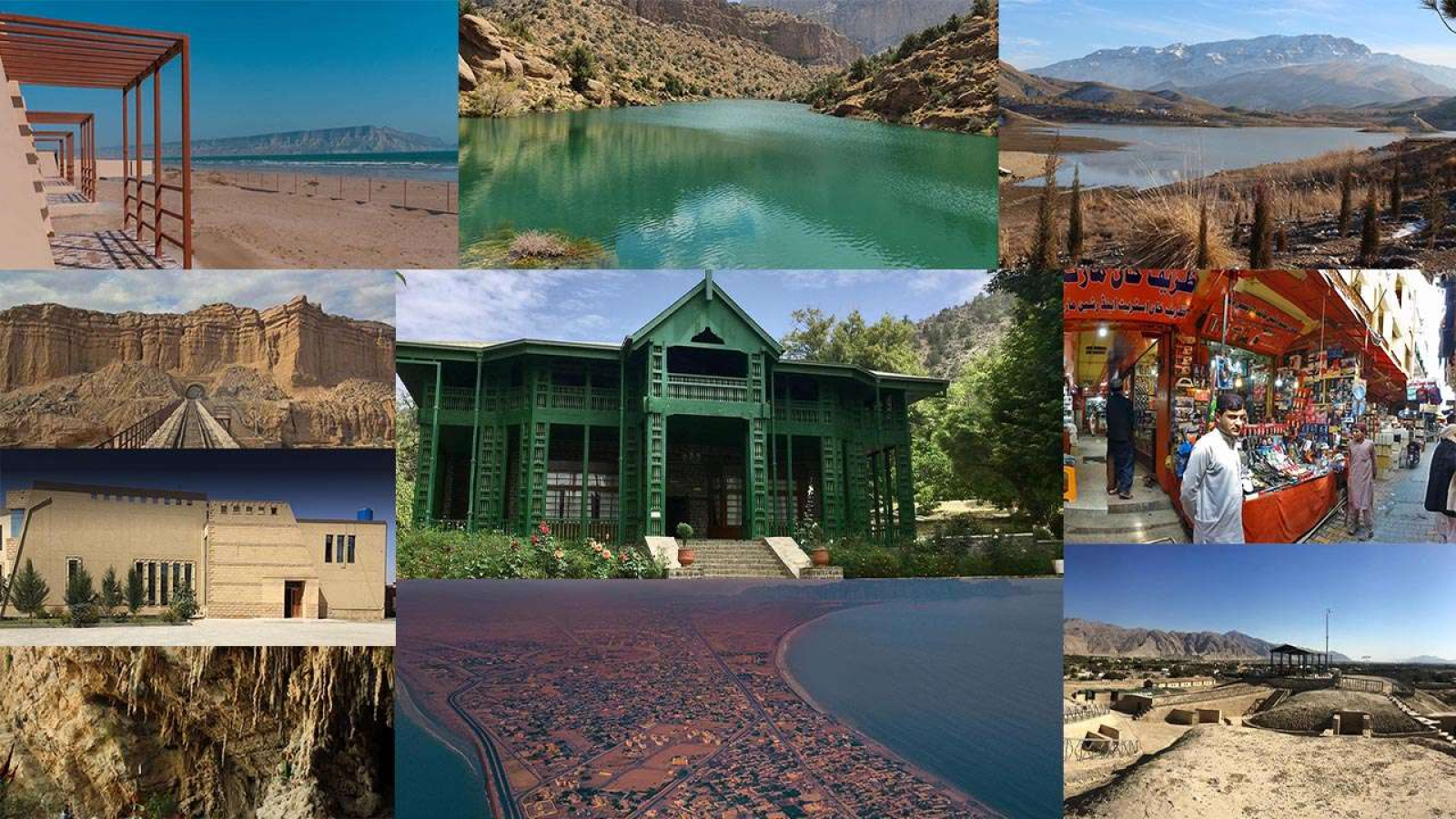
Pakistan tourism punjab tourism department tourism department punjab tourism travel pakistan for tourists pakistan tour tour pakistan pakistan tourists tourism website in pakistan

Khewra Salt Mine Pakistan – History, Location & Visit

Khewra Salt Mine – A Complete Travel Guide to Pakistan’s Salt Wonder

Introduction to Khewra Salt Mine

Khewra Salt Mine is one of the most fascinating natural attractions in Pakistan. Located in the Salt Range, the Khewra Salt Mine is known as the second-largest salt mine in the world and the largest in South Asia. Every year, thousands of local and international tourists visit Khewra Salt Mine to witness its breathtaking salt formations, underground tunnels, and historical chambers carved entirely from rock salt.

The Khewra Salt Mine Pakistan is not just a tourist destination; it is also a significant industrial site producing millions of tons of salt annually. From stunning pink salt bricks to beautifully carved mosques made of salt, the Khewra Salt Mine offers a rare blend of history, geology, tourism, and economic importance.

In this detailed guide, you will learn everything about Khewra Salt Mine, including Khewra Salt Mine location, Khewra Salt Mine history, attractions, travel tips, and why it remains one of the most unique natural wonders of Pakistan.

Khewra Salt Mine Location and Accessibility

The Khewra Salt Mine location is in the town of Khewra, District Jhelum, in Punjab, Pakistan. It lies approximately 160 kilometers south of Islamabad and about 260 kilometers from Lahore. The mine is part of the Salt Range, a geological region famous for its rich mineral deposits.

Reaching Khewra Salt Mine Pakistan is relatively easy by road. Visitors traveling from Islamabad or Lahore can reach the site via the M2 Motorway and then take connecting roads toward Khewra town. Public transport and private vehicles are both viable options.

The Khewra Salt Mine location is strategically positioned, making it a perfect one-day trip or weekend getaway for tourists exploring northern Punjab. Clear road signs and improved infrastructure have made visiting Khewra Salt Mine more convenient than ever.

Khewra Salt Mine History

The Khewra Salt Mine history dates back more than 2,000 years. According to legend, the discovery of Khewra Salt Mine occurred during the era of Alexander the Great in 326 BC. It is said that Alexander’s horses began licking rocks in the region, leading soldiers to discover the presence of salt.

However, organized mining at Khewra Salt Mine began during the Mughal era and was later expanded under British rule. The British introduced systematic mining techniques and established tunnel structures that are still in use today.

The Khewra Salt Mine history reflects centuries of extraction, innovation, and architectural brilliance. Over time, the site evolved from a purely industrial location into a major tourist attraction. Today, Khewra Salt Mine Pakistan stands as a symbol of the country’s rich geological heritage.

Geological Formation of Khewra Salt Mine

The origin of Khewra Salt Mine dates back approximately 600 million years. Geological experts believe that the region was once part of an ancient sea. As the sea dried up, thick salt deposits formed under layers of sediment.

Over millions of years, tectonic movements pushed these salt layers upward, forming the Salt Range. The Khewra Salt Mine Pakistan is a result of these geological processes. The pink Himalayan salt extracted from Khewra Salt Mine is highly valued worldwide due to its mineral-rich composition.

The mine contains massive chambers supported by natural salt pillars, ensuring structural stability. Approximately 50% of the salt is left behind during mining to prevent tunnel collapse. This careful mining approach preserves the integrity of Khewra Salt Mine for future generations.

Structure and Layout of Khewra Salt Mine

The Khewra Salt Mine extends over 40 kilometers of underground tunnels, although only a small portion is open to tourists. The internal temperature remains around 18 to 20 degrees Celsius throughout the year, making it comfortable for visitors.

Tourists enter Khewra Salt Mine through a tunnel railway system. A small electric train carries visitors deep into the mine, offering a unique underground experience. Once inside, visitors explore beautifully illuminated chambers, salt sculptures, and historical monuments made entirely from salt bricks.

The engineering behind Khewra Salt Mine Pakistan is impressive. Each chamber is carefully designed to maintain balance and ventilation. The underground layout reflects centuries of careful planning and mining expertise.

Major Attractions Inside Khewra Salt Mine

Khewra Salt Mosque
One of the most remarkable attractions inside Khewra Salt Mine is the Badshahi Mosque replica made entirely of salt bricks. Built during the Mughal era, this mosque is a masterpiece of craftsmanship. The glowing salt walls create a mesmerizing atmosphere.

Salt Bridge
The Pul-Saraat, or Salt Bridge, is another highlight inside Khewra Salt Mine. It is a 25-foot-long bridge made entirely of salt bricks without any pillars underneath.

Sheesh Mahal
The Sheesh Mahal chamber features sparkling salt crystals that shine when illuminated. This section of Khewra Salt Mine resembles a crystal palace and is a favorite among photographers.

Mini Pakistan
Inside Khewra Salt Mine Pakistan, you can also find miniature models of famous landmarks such as Minar-e-Pakistan and the Great Wall of China, all carved from salt.

These attractions make Khewra Salt Mine a complete underground tourist experience.

Economic Importance of Khewra Salt Mine Pakistan

Khewra Salt Mine Pakistan plays a crucial role in the country’s economy. It produces high-quality Himalayan pink salt, which is exported globally. The mine produces hundreds of thousands of tons of salt annually.

The pink salt from Khewra Salt Mine is used for culinary purposes, spa treatments, decorative items, and industrial applications. Due to its mineral content, it is often marketed as a healthier alternative to regular table salt.

The economic value of Khewra Salt Mine extends beyond mining. Tourism associated with Khewra Salt Mine contributes significantly to local businesses, hotels, and transport services.

Health Benefits and Salt Therapy

One unique feature of Khewra Salt Mine Pakistan is the Salt Therapy Center. The mine houses a specially designed chamber for patients suffering from asthma and respiratory issues. The mineral-rich air inside Khewra Salt Mine is believed to have therapeutic benefits.

Many visitors come to Khewra Salt Mine not only for sightseeing but also to experience the calming environment. The clean air and stable temperature inside the mine create a relaxing atmosphere.

Best Time to Visit Khewra Salt Mine

The Khewra Salt Mine can be visited throughout the year due to its stable internal temperature. However, the best time to visit is between October and March when the external weather is pleasant.

During summer, the outside temperature may rise significantly, but the interior of Khewra Salt Mine remains cool and comfortable. This makes it a great escape from the heat.

Weekends and public holidays can be crowded at Khewra Salt Mine Pakistan, so visiting on weekdays is recommended for a quieter experience.

Travel Tips for Visiting Khewra Salt Mine

  • Wear comfortable walking shoes as you will explore underground tunnels.
  • Carry light jackets during winter.
  • Follow safety instructions provided by guides.
  • Photography is allowed, but avoid touching delicate salt formations.
  • Allocate at least 2 to 3 hours for a complete tour of Khewra Salt Mine.

Planning ahead ensures a smooth and enjoyable trip to Khewra Salt Mine Pakistan.

Khewra Salt Mine and Tourism Development

Over the years, the government has improved facilities at Khewra Salt Mine to enhance the visitor experience. Well-maintained pathways, lighting systems, and guided tours have made the site more accessible.

Khewra Salt Mine Pakistan has become a key destination for domestic tourism. School trips, university research tours, and international travel groups frequently visit the mine.

The increasing popularity of Khewra Salt Mine reflects growing interest in Pakistan’s natural heritage.

Why Khewra Salt Mine is a Must-Visit Destination

Khewra Salt Mine is not just a mining site; it is a living museum of geology and history. The combination of natural beauty, historical significance, and architectural creativity makes Khewra Salt Mine Pakistan a unique attraction.

From the fascinating Khewra Salt Mine history to the breathtaking underground chambers, every aspect of the mine tells a story. The glowing pink walls, crystal formations, and intricate salt carvings create an unforgettable experience.

If you are exploring northern Punjab or planning a heritage tour, Khewra Salt Mine deserves a place on your itinerary.

Conclusion – Plan Your Visit to Khewra Salt Mine

Khewra Salt Mine stands as one of Pakistan’s most extraordinary natural wonders. With its rich Khewra Salt Mine history, remarkable underground architecture, and global significance as a salt producer, it offers an experience unlike any other.

Whether you are interested in geology, history, photography, or simply exploring something unique, Khewra Salt Mine Pakistan has something for everyone. The strategic Khewra Salt Mine location makes it easily accessible, and its year-round pleasant environment ensures a comfortable visit.

If you are planning a trip to explore the beauty of Khewra Salt Mine and other breathtaking destinations in Pakistan, let the experts guide you. Visit https://ptcptourism.com/ today to book your customized tour packages and experience the wonders of Khewra Salt Mine with professional planning and hassle-free travel arrangements.

Start your journey now and discover why Khewra Salt Mine remains one of the most remarkable attractions in Pakistan.