
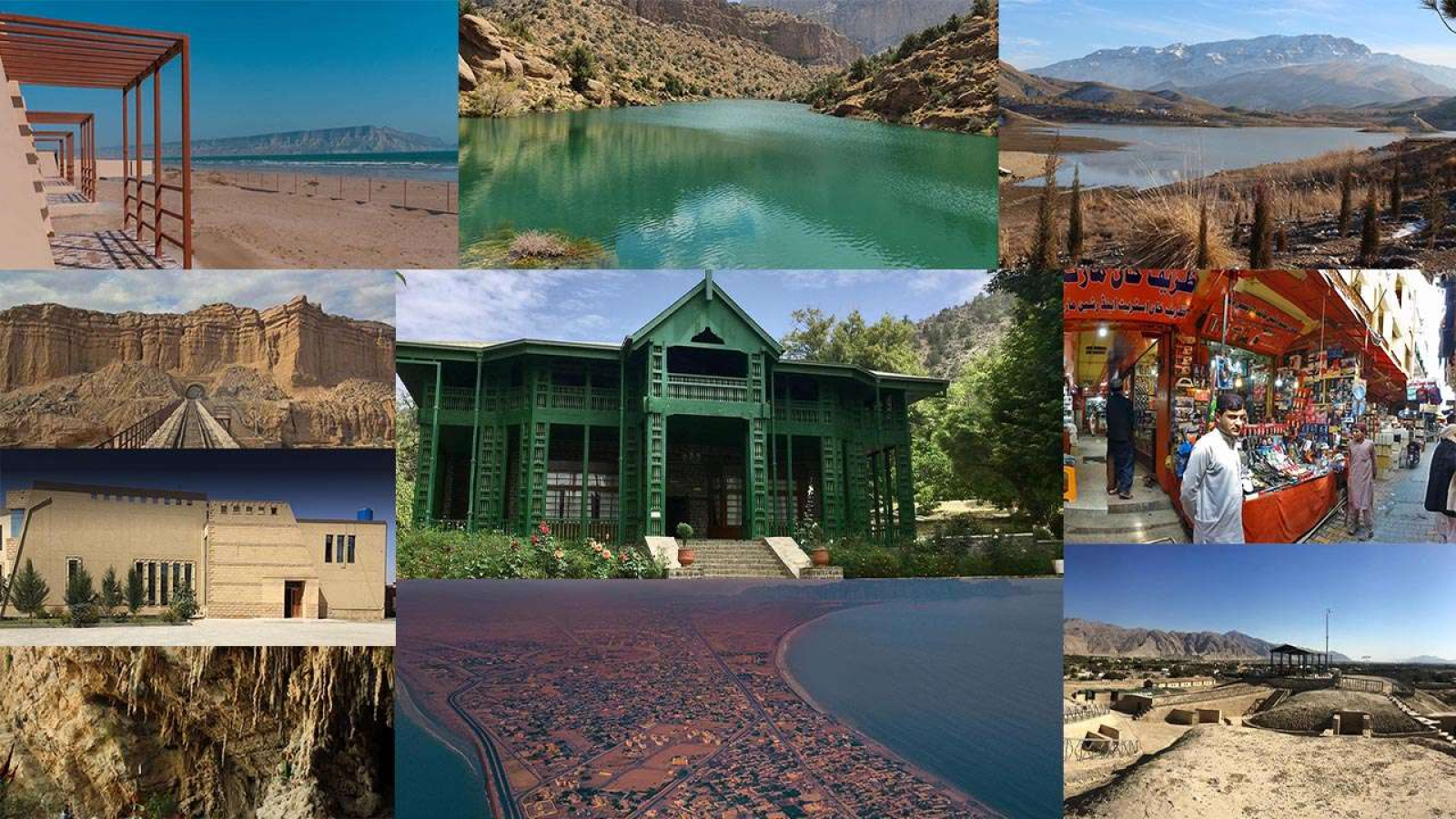
Pakistan tourism punjab tourism department tourism department punjab tourism travel pakistan for tourists pakistan tour tour pakistan pakistan tourists tourism website in pakistan

Lahore Fortress Pakistan – History, Architecture & Travel

Lahore Fortress – The Timeless Heart of Mughal Lahore

Lahore fortress stands as one of the most powerful symbols of Pakistan’s historical and cultural legacy. Located in the old walled city of Lahore, this massive structure reflects centuries of political authority, artistic brilliance, and architectural mastery. Exploring lahore fortress is like walking through layers of history where empires rose, flourished, and eventually faded, leaving behind a monument that still commands awe and respect.

Known globally for its historical value, lahore fortress attracts travelers, historians, students, and architecture lovers from across the world. Its close connection with other Mughal landmarks, including the famous Shalimar Gardens, makes it an essential stop for anyone interested in Pakistan’s heritage.

Historical Origins of Lahore Fortress

The history of lahore fortress stretches back over a thousand years. While early versions of the fort may have existed long before the Mughal era, it was the Mughal emperors who transformed it into the grand fortress seen today. Emperor Akbar played a key role in rebuilding lahore fortress during the 16th century, giving it strong defensive walls and organized structures.

Later emperors such as Jahangir, Shah Jahan, and Aurangzeb expanded and beautified the fortress. Each ruler left a unique architectural imprint, turning lahore fortress into a living record of Mughal ambition, aesthetics, and governance.

Architectural Identity of Lahore Fortress

Lahore fortress showcases a remarkable blend of military strength and artistic refinement. Built using brick, sandstone, and marble, the fortress reflects Persian, Islamic, and South Asian architectural influences. Massive walls provided security, while elegant palaces and halls inside represented royal luxury.

The careful balance between defense and beauty is what makes lahore fortress architecturally unique. Unlike purely military forts, it functioned as a royal residence, administrative center, and cultural hub.

Major Structures Inside Lahore Fortress

The vast area of lahore fortress contains numerous important buildings, each serving a distinct purpose during the Mughal period.

Alamgiri Gate

The Alamgiri Gate is the main entrance to lahore fortress and was constructed by Emperor Aurangzeb. Designed for grandeur and defense, the gate faces the historic core of the city and once welcomed royal processions, ambassadors, and visiting dignitaries.

Sheesh Mahal

One of the most celebrated structures within lahore fortress is the Sheesh Mahal. Built during the reign of Shah Jahan, this palace is famous for its intricate mirror work and marble decoration. When lit by candles, the mirrors created a dazzling effect, symbolizing the luxury of Mughal royal life.

Naulakha Pavilion

The Naulakha Pavilion stands as an example of Mughal elegance and simplicity. Overlooking the Ravi River, this marble pavilion was used as a private retreat by the royal family. Its architectural design later inspired similar structures in other regions of Pakistan.

Diwan-e-Aam

The Diwan-e-Aam served as the hall for public audiences. Here, the emperor addressed common citizens, listened to grievances, and announced royal decisions. This space reflects the administrative structure of Mughal governance within lahore fortress.

Diwan-e-Khas

Reserved for elite gatherings, the Diwan-e-Khas hosted meetings with nobles and foreign envoys. Its refined decoration symbolized imperial authority and exclusivity.

Art and Decoration Within Lahore Fortress

Art is deeply embedded in the identity of lahore fortress. The walls are adorned with frescoes, floral motifs, calligraphy, and geometric patterns. Mughal artists used natural pigments and fine detailing to create artwork that has survived centuries.

This artistic tradition is closely connected with other Mughal-era sites, including Shalimar Gardens, where similar decorative themes and symmetry can be observed.

Lahore Fortress as a Political Center

Beyond its architectural beauty, lahore fortress functioned as the political heart of Mughal Lahore. Important state decisions, royal ceremonies, and diplomatic receptions took place within its walls. The fortress symbolized imperial power and administrative control over the region.

Even after the decline of the Mughal Empire, lahore fortress continued to serve political purposes under Sikh and British rule.

Sikh and British Influence

During the Sikh period, Maharaja Ranjit Singh used lahore fortress as a royal residence. Some structures were modified to suit military needs, while others remained largely unchanged. The British later occupied parts of the fortress for administrative and defensive use.

Despite these changes, the Mughal architectural essence of lahore fortress remained intact, preserving its historical authenticity.

Cultural Importance of Lahore Fortress

Lahore fortress is not just a monument; it is a cultural symbol of Pakistan. It represents centuries of artistic excellence, political evolution, and architectural innovation. Cultural events, heritage walks, and educational tours regularly take place here, keeping history alive for younger generations.

UNESCO World Heritage Recognition

Lahore fortress holds UNESCO World Heritage status due to its outstanding universal value. This recognition highlights its global importance and ensures international support for conservation efforts. Preservation programs focus on maintaining structural stability while protecting original artistic elements.

Connection with Shalimar Gardens

The relationship between lahore fortress and Shalimar Gardens reflects the Mughal vision of harmony between architecture and nature. While lahore fortress served as the political and residential center, Shalimar Gardens functioned as a place of leisure and aesthetic pleasure.

Both sites share similar design principles, including symmetry, water features, and decorative artistry. Visiting both locations provides a deeper understanding of Mughal lifestyle and values.

Visitor Experience at Lahore Fortress

Visiting lahore fortress is an immersive historical experience. Wide courtyards, towering walls, and ornate interiors allow visitors to imagine life during the Mughal era. Informational displays and guided tours help visitors understand the significance of each structure.

Photography enthusiasts find lahore fortress especially appealing due to its scale, textures, and changing light throughout the day.

Best Time to Visit Lahore Fortress

The ideal time to explore lahore fortress is between October and March, when the weather is pleasant. Summers can be extremely hot, making winter mornings and evenings more comfortable for extended visits.

How to Reach Lahore Fortress

Lahore fortress is centrally located in the old city and is easily accessible by car, taxi, or public transport. Its location allows visitors to plan a full heritage day, combining nearby historical sites and traditional food streets.

Role of Lahore Fortress in Modern Tourism

Today, lahore fortress plays a key role in promoting cultural tourism in Pakistan. It attracts both domestic and international visitors who seek authentic historical experiences. The site contributes significantly to Lahore’s identity as a cultural capital.

Conservation and Restoration Efforts

Ongoing conservation projects aim to protect lahore fortress from environmental damage and urban pressure. Restoration work focuses on preserving original materials and techniques to maintain historical accuracy.

Why Lahore Fortress Still Matters

Lahore fortress remains relevant because it connects modern Pakistan with its rich past. It stands as a reminder of architectural excellence, cultural harmony, and historical continuity. For many, it is a source of pride and inspiration.

Conclusion – Discover Lahore’s Royal Legacy

Exploring lahore fortress offers a powerful journey through history, art, and culture. When paired with a visit to Shalimar Gardens, the experience becomes a complete insight into Mughal brilliance.

If you are planning a cultural or heritage tour of Lahore and want a smooth, well-organized experience, explore professional travel solutions at https://ptcptourism.com/. From guided historical tours to customized travel packages, PTCP Tourism helps you experience Pakistan’s heritage in the most meaningful way.

Pakistan tourism punjab tourism department tourism department punjab tourism travel pakistan for tourists pakistan tour tour pakistan pakistan tourists tourism website in pakistan

Lahore Fort – History, Architecture & Travel

Lahore Fort – A Living Symbol of Mughal Grandeur

Lahore Fort stands as one of Pakistan’s most iconic historical landmarks, silently narrating centuries of power, art, culture, and architectural brilliance. Located in the heart of Lahore, this majestic fort has witnessed the rise and fall of empires, making it a central piece of South Asian history. Visiting lahore fort is not just a sightseeing experience; it is a journey through time where Mughal elegance meets the layers of Sikh and British influence.

Recognized as a UNESCO World Heritage Site, lahore fort attracts historians, travelers, students, and photographers from around the world. Its proximity to famous landmarks such as Badshahi Mosque Pakistan and wazir khan mosque further enhances its cultural and religious importance. Together, these monuments form the historic soul of Lahore.

Historical Background of Lahore Fort

The origins of lahore fort trace back to ancient times, although the structure seen today largely reflects Mughal architectural vision. Historical records suggest that early versions of the fort existed as far back as the 11th century. However, it was Emperor Akbar who transformed lahore fort into a massive royal citadel during the late 16th century.

Akbar’s vision was not limited to defense alone. He envisioned a fortified city that could serve as a political and cultural center. Later Mughal emperors, including Jahangir, Shah Jahan, and Aurangzeb, added their own architectural masterpieces, turning lahore fort into a symbol of imperial authority and refined taste.

Architectural Evolution Through Empires

Lahore Fort is unique because it reflects multiple architectural phases rather than a single design period. The Mughal era contributed the most prominent structures, blending Persian, Islamic, and South Asian elements. Marble pavilions, intricate frescoes, carved stone screens, and expansive courtyards dominate the landscape.

During the Sikh period under Maharaja Ranjit Singh, parts of lahore fort were modified to suit military needs. Later, British colonial rulers used sections of the fort for administrative and defensive purposes. Despite these changes, the Mughal essence remains dominant.

Key Structures Inside Lahore Fort

Walking through lahore fort feels like exploring a city within a city. Each structure has a story, purpose, and artistic identity.

Alamgiri Gate

Built by Emperor Aurangzeb, the Alamgiri Gate serves as the grand western entrance to lahore fort. Facing Badshahi Mosque Pakistan, this gate was designed to impress visitors with its scale and strength. Its massive towers and arched entrance symbolize Mughal authority and military power.

Sheesh Mahal

The Sheesh Mahal, or Palace of Mirrors, is perhaps the most celebrated structure within lahore fort. Constructed during the reign of Shah Jahan, this palace is adorned with thousands of tiny mirror pieces set into marble walls. When illuminated, the reflections create a breathtaking visual effect, showcasing the luxury of Mughal royal life.

Naulakha Pavilion

Overlooking the Ravi River, the Naulakha Pavilion is another architectural gem. Built with white marble and decorated with semi-precious stones, it represents elegance and simplicity. The pavilion has inspired architectural designs beyond South Asia, including buildings in Pakistan’s northern regions.

Diwan-e-Aam and Diwan-e-Khas

The Diwan-e-Aam served as the hall for public audiences, where the emperor addressed common citizens. In contrast, the Diwan-e-Khas was reserved for private meetings with nobles and foreign ambassadors. These halls reflect the administrative sophistication of the Mughal Empire.

Lahore Fort and Mughal Art

Art plays a central role in defining lahore fort. The walls are decorated with fresco paintings, floral patterns, and Quranic inscriptions. Mughal artists used natural pigments and intricate detailing to create visuals that have survived centuries.

Tile work, stone carving, and calligraphy within the fort closely resemble the artistic traditions seen in wazir khan mosque. This shared aesthetic highlights the cultural harmony of Mughal Lahore, where religious and royal architecture followed similar artistic principles.

Cultural and Political Importance

Beyond architecture, lahore fort has served as a stage for significant political events. Royal coronations, court ceremonies, and diplomatic meetings took place within its walls. The fort was not merely a residence; it was the nerve center of governance during the Mughal period.

Even today, lahore fort holds cultural significance. It is a symbol of national pride and historical continuity, representing Pakistan’s deep-rooted heritage.

Connection with Badshahi Mosque Pakistan

The close physical and historical connection between lahore fort and Badshahi Mosque Pakistan cannot be ignored. Built by Aurangzeb, the mosque stands directly opposite the fort’s Alamgiri Gate. This placement symbolized the balance between political power and religious authority.

Visitors often explore both landmarks together, gaining a deeper understanding of Mughal ideology. While lahore fort represented imperial rule, Badshahi Mosque Pakistan reflected spiritual devotion on a grand scale.

Relationship with Wazir Khan Mosque

Another important monument linked to lahore fort is wazir khan mosque. Located within the old city, this mosque is renowned for its vibrant tile work and artistic excellence. The decorative techniques used in wazir khan mosque mirror the interior designs found inside lahore fort.

Together, these sites form a cultural triangle that defines Lahore’s Mughal heritage. Exploring all three offers a complete picture of the era’s architectural and artistic achievements.

UNESCO World Heritage Status

Lahore Fort was inscribed as a UNESCO World Heritage Site due to its outstanding universal value. This recognition highlights its importance not only to Pakistan but to global heritage. Conservation efforts aim to preserve its structures while allowing visitors to experience its historical essence.

Preservation challenges include pollution, weathering, and urban expansion. However, ongoing restoration projects continue to protect lahore fort for future generations.

Visitor Experience at Lahore Fort

Visiting lahore fort is an immersive experience. The vast courtyards, towering walls, and ornate halls allow visitors to visualize life during the Mughal era. Informational plaques and guided tours enhance understanding, making the visit educational and engaging.

The fort is particularly captivating during early morning or late afternoon when sunlight enhances the colors of stone and marble. Photography enthusiasts find endless inspiration within its walls.

Best Time to Visit Lahore Fort

The ideal time to explore lahore fort is between October and March when the weather is pleasant. Summers can be extremely hot, making extended exploration challenging. Winter mornings and evenings provide comfortable conditions for walking and sightseeing.

How to Reach Lahore Fort

Lahore Fort is easily accessible from all parts of the city. Located near the old city, it can be reached by car, taxi, or public transport. Its central location makes it convenient to combine visits with Badshahi Mosque Pakistan and wazir khan mosque in a single day.

Role of Lahore Fort in Modern Tourism

Today, lahore fort plays a vital role in Pakistan’s tourism industry. It attracts both domestic and international tourists interested in history, architecture, and culture. Cultural festivals and heritage walks further enhance its appeal.

Educational institutions frequently organize trips to lahore fort, making it a living classroom for students of history and architecture.

Conservation and Restoration Efforts

Preserving lahore fort requires continuous effort. Government bodies and international organizations collaborate to restore damaged sections while maintaining historical authenticity. These efforts ensure that the fort remains structurally sound without losing its original character.

Why Lahore Fort Matters Today

Lahore Fort is more than a historical monument; it is a reminder of cultural identity and artistic excellence. It reflects a time when architecture, governance, and art worked in harmony. For Pakistan, lahore fort stands as a bridge between past glory and present pride.

Conclusion – Plan Your Historic Journey

Exploring lahore fort offers an unforgettable experience filled with history, art, and cultural depth. When combined with visits to Badshahi Mosque Pakistan and wazir khan mosque, the journey becomes a complete immersion into Lahore’s Mughal legacy.

If you are planning a heritage tour of Lahore and want a seamless, well-guided experience, let professionals handle the details. Visit https://ptcptourism.com/ to explore customized travel packages, guided tours, and unforgettable cultural experiences that bring Pakistan’s history to life.

Pakistan tourism punjab tourism department tourism department punjab tourism travel pakistan for tourists pakistan tour tour pakistan pakistan tourists tourism website in pakistan

Lahore Fort – History, Architecture & Travel

Lahore Fort – The Timeless Heart of Mughal Power

Lahore Fort is one of the most important historical landmarks in Pakistan and a defining symbol of the city’s royal past. Standing proudly at the northern edge of Lahore’s old walled city, this massive fort reflects centuries of political power, artistic brilliance, and cultural evolution. From Mughal emperors to Sikh rulers and British administrators, Lahore Fort has witnessed the rise and fall of empires, making it a living record of South Asian history.

For visitors, Lahore Fort is far more than stone walls and ancient halls. It is a place where stories of kings, artists, soldiers, and scholars come together. When explored alongside Badshahi Mosque Pakistan and the nearby Wazir Khan Mosque, the fort completes the picture of Mughal Lahore and its unmatched architectural legacy.


Historical Origins and Early Development

The origins of Lahore Fort date back more than a thousand years, although much of its present structure was shaped during the Mughal period. Early historical records suggest that a fortified settlement existed on this site as early as the 11th century. However, it was under the Mughal emperors that Lahore Fort achieved its greatest architectural and political significance.

Emperor Akbar laid the foundations of the current fort in the late 16th century. Recognizing Lahore’s strategic importance, he rebuilt the fort using brick masonry and established it as a major administrative center of the Mughal Empire. Subsequent rulers expanded and refined the fort, transforming it into a royal residence and symbol of imperial authority.


Lahore Fort During the Mughal Golden Age

The Mughal era marked the golden age of Lahore Fort. Emperor Jahangir, who had a deep love for art and architecture, added several residential and ceremonial structures within the fort. His successors, Shah Jahan and Aurangzeb, further enhanced its grandeur.

Shah Jahan, best known for building the Taj Mahal, introduced white marble architecture, delicate carvings, and elegant pavilions. Many of the fort’s most beautiful structures date from his reign. Aurangzeb later added defensive elements and reinforced the fort’s military role while maintaining its royal character.

During this period, Lahore Fort served not only as a fortress but also as a palace, administrative center, and cultural hub.


Strategic Location and Urban Importance

Lahore Fort occupies a strategic position overlooking the Ravi River. Its location allowed rulers to control trade routes, defend the city, and maintain authority over the surrounding region.

Directly facing the fort is Badshahi Mosque Pakistan, one of the largest mosques in the world. This deliberate placement symbolized the balance between political power and religious authority in Mughal governance. Nearby, the Wazir Khan Mosque added artistic and spiritual depth to the urban landscape.

Together, these landmarks form the historical core of Lahore and represent the city’s Mughal identity.


Architectural Layout and Defensive Design

Lahore Fort is massive in scale, covering an area of over 20 hectares. Its thick walls, bastions, and gates reflect its defensive purpose, while its interior structures reveal royal elegance.

The fort is enclosed by high brick walls reinforced with towers and gateways. Inside, a network of courtyards, halls, gardens, and residential quarters unfolds. This combination of military strength and architectural beauty is a defining feature of Mughal fort design.

Unlike purely defensive forts, Lahore Fort was designed to impress as much as to protect.


Key Structures Inside Lahore Fort

Several iconic buildings within Lahore Fort highlight the artistic vision of the Mughal emperors. The Diwan-e-Aam served as the Hall of Public Audience, where the emperor addressed common citizens. Nearby, the Diwan-e-Khas functioned as the Hall of Private Audience for nobles and foreign ambassadors.

The Sheesh Mahal, or Palace of Mirrors, is one of the most famous structures inside Lahore Fort. Decorated with intricate mirror work and marble inlay, it reflects Shah Jahan’s love for luxury and fine craftsmanship.

Other notable structures include Naulakha Pavilion, Moti Masjid, and Jahangir’s Quadrangle, each contributing to the fort’s architectural diversity.


Artistic Elements and Decorative Features

Lahore Fort showcases a wide range of artistic styles, including Mughal, Persian, and regional influences. Marble carvings, fresco paintings, pietra dura inlay, and mirror work decorate many of its interiors.

Compared to the colorful tile work of the Wazir Khan Mosque, the decoration inside Lahore Fort emphasizes elegance, symmetry, and royal refinement. These artistic elements reflect the tastes and priorities of different rulers.


Lahore Fort Under Sikh and British Rule

After the decline of the Mughal Empire, Lahore Fort came under Sikh control in the early 19th century. Maharaja Ranjit Singh used the fort as a royal residence and added new structures, including the Hazuri Bagh Baradari.

During British rule, the fort lost its royal function and was used for administrative and military purposes. Several buildings were altered or damaged during this period, affecting the fort’s original layout.

Despite these changes, much of the fort’s Mughal character survived.


Restoration and Preservation Efforts

Recognizing its historical value, Lahore Fort was declared a UNESCO World Heritage Site. Conservation efforts have focused on preserving original materials, restoring damaged structures, and protecting the site from environmental threats.

Ongoing restoration projects aim to maintain the fort’s architectural integrity while making it accessible to visitors. These efforts ensure that future generations can continue to learn from and appreciate this remarkable monument.


Cultural and Historical Significance

Lahore Fort holds immense cultural significance for Pakistan. It represents centuries of political authority, artistic achievement, and urban development. The fort has inspired literature, art, and historical research, becoming a symbol of national heritage.

For Lahore’s residents, the fort is a reminder of the city’s central role in South Asian history.


Visitor Experience and Travel Tips

Visiting Lahore Fort is an enriching experience for history lovers and casual travelers alike. The best time to visit is during the cooler months, from October to March.

Comfortable footwear is recommended, as the site is vast and involves a lot of walking. Guided tours are highly recommended to fully understand the historical context of each structure.

Many visitors choose to combine a visit to Lahore Fort with Badshahi Mosque Pakistan and the Wazir Khan Mosque for a complete heritage experience.


Lahore Fort in Modern Tourism

Today, Lahore Fort is one of Pakistan’s most visited tourist attractions. It hosts cultural events, exhibitions, and educational programs that promote heritage awareness.

As tourism grows, the fort continues to play a key role in presenting Pakistan’s rich history to the world.


Conclusion – Explore Lahore’s Royal Past

Lahore Fort is not merely an ancient structure; it is a powerful symbol of the city’s royal past and cultural resilience. Its grand halls, artistic details, and strategic location make it an essential destination for anyone seeking to understand Lahore’s history. When explored alongside Badshahi Mosque Pakistan and the Wazir Khan Mosque, it reveals the full story of a city shaped by empire, faith, and creativity.

If you are planning a historical or cultural tour of Lahore, expert planning can make your journey unforgettable. Visit https://ptcptourism.com/ to discover professionally designed tour packages, guided heritage tours, and reliable travel services that help you explore Pakistan’s most iconic landmarks with ease and confidence.

Pakistan tourism punjab tourism department tourism department punjab tourism travel pakistan for tourists pakistan tour tour pakistan pakistan tourists tourism website in pakistan

Badshahi Mosque Pakistan – History and Architecture

Badshahi Mosque Pakistan – The Eternal Symbol of Mughal Grandeur

Badshahi Mosque Pakistan is one of the most magnificent religious monuments in the Islamic world and a defining symbol of Lahore’s historic identity. Standing proudly near the Ravi River, opposite the mighty Lahore Fort, this grand mosque reflects the power, faith, and architectural mastery of the Mughal Empire. For centuries, Badshahi Mosque Pakistan has inspired awe among worshippers, historians, architects, and travelers alike.

More than just a place of worship, Badshahi Mosque Pakistan represents the cultural and spiritual heartbeat of Lahore. Its massive courtyard, towering minarets, and striking red sandstone structure tell a story of imperial ambition and religious devotion. When explored alongside nearby landmarks such as Lahore Fort and the beautifully decorated Wazir Khan Mosque, the mosque completes the narrative of Mughal Lahore.


Historical Background and Mughal Era Significance

Badshahi Mosque Pakistan was commissioned by Mughal Emperor Aurangzeb Alamgir, the sixth ruler of the Mughal dynasty. Construction began in 1671 and was completed in 1673, making it one of the fastest major architectural projects of its time. Aurangzeb was known for his strong religious beliefs, and the mosque reflects his vision of Islamic authority and simplicity combined with imperial scale.

At the time of its completion, Badshahi Mosque Pakistan was the largest mosque in the world. It served as the royal mosque of the Mughal Empire and was used for major religious gatherings, state ceremonies, and Friday congregational prayers. Its construction marked Lahore’s importance as a major political and spiritual center of the empire.

The mosque’s location directly facing Lahore Fort was a deliberate choice. This placement symbolized the balance between religious power and political authority, a core principle of Mughal governance.


Strategic Location and Urban Importance

Badshahi Mosque Pakistan is located at the western edge of Lahore’s historic walled city. Its position along the ancient Royal Trail connected it to important institutions of the Mughal era. The mosque’s vast courtyard opens toward Lahore Fort, reinforcing the strong visual and symbolic relationship between the two monuments.

The surrounding area is rich with history and culture. Within walking distance lies the Wazir Khan Mosque, another Mughal masterpiece known for its intricate tile work. Together, these monuments form one of the most historically significant zones in Pakistan.


Architectural Design and Layout

The architectural design of Badshahi Mosque Pakistan is defined by symmetry, scale, and strength. Built primarily from red sandstone with marble inlay, the mosque follows a rectangular plan centered around a massive open courtyard.

The courtyard is one of the largest in the world and can accommodate more than 55,000 worshippers at a time. On the western side stands the main prayer hall, crowned by three large marble domes. The central dome is the largest, flanked by two slightly smaller domes on either side.

Four towering minarets rise from the corners of the mosque, each standing over 50 meters tall. These minarets dominate the skyline and serve as visual markers of Lahore’s Islamic heritage.


Interior Design and Decorative Features

Compared to the vibrant decoration of the Wazir Khan Mosque, the interior of Badshahi Mosque Pakistan is intentionally restrained. This simplicity reflects Emperor Aurangzeb’s preference for modesty and spiritual focus.

The prayer hall features elegant marble inlay, floral patterns, and Quranic calligraphy carved into stone. The use of white marble against red sandstone creates a powerful contrast that enhances the mosque’s solemn atmosphere.

Rather than overwhelming decoration, the interior design encourages contemplation and devotion, aligning perfectly with the mosque’s religious purpose.


Religious Importance and Spiritual Life

For over three centuries, Badshahi Mosque Pakistan has remained an active place of worship. It continues to host daily prayers, Friday congregations, and large gatherings during Ramadan and Eid.

During the Mughal period, the mosque was also used for official religious sermons that reinforced imperial authority. Today, it serves as a unifying space for Muslims from all walks of life, symbolizing shared faith and heritage.

The mosque also houses sacred relics attributed to the Prophet Muhammad and other revered Islamic figures, further enhancing its spiritual significance.


Badshahi Mosque During Sikh and British Rule

After the decline of the Mughal Empire, Badshahi Mosque Pakistan faced a period of neglect and misuse. During Sikh rule, parts of the mosque were used as military quarters, and the courtyard was turned into a stable.

Under British rule, the mosque was used for military drills. These periods caused significant damage to the structure, but they also highlighted the resilience of the monument.

Eventually, the mosque was returned to religious use, and restoration efforts began to revive its original glory.


Restoration and Conservation Efforts

Major restoration projects were undertaken in the 20th century to preserve Badshahi Mosque Pakistan. Conservation work focused on repairing structural damage, restoring marble inlay, and maintaining the mosque’s original architectural elements.

These efforts ensured that the mosque remained structurally sound while retaining its historical authenticity. Today, it stands as one of the best-preserved Mughal monuments in South Asia.


Relationship with Lahore Fort

The connection between Badshahi Mosque Pakistan and Lahore Fort is central to understanding Mughal urban planning. Lahore Fort represented political authority and military power, while the mosque symbolized religious leadership.

This deliberate spatial relationship reinforced the idea that governance was guided by spiritual principles. Visiting both sites together provides a deeper understanding of Mughal ideology and culture.


Comparison with Wazir Khan Mosque

While Badshahi Mosque Pakistan is celebrated for its immense scale and imperial presence, the Wazir Khan Mosque is admired for its artistic richness and detailed decoration.

The two mosques represent different architectural philosophies of the Mughal era. One emphasizes power and unity, while the other focuses on beauty and community engagement.


Visitor Experience and Practical Travel Tips

Visiting Badshahi Mosque Pakistan is an unforgettable experience. The best times to visit are early morning or late evening, when the mosque is illuminated by soft natural light.

Visitors should dress modestly and remain respectful during prayer times. Photography is allowed, but care should be taken not to disturb worshippers.

A combined visit to Badshahi Mosque Pakistan, Lahore Fort, and the Wazir Khan Mosque offers a complete exploration of Lahore’s Mughal heritage.


Cultural Importance in Modern Pakistan

In modern Pakistan, Badshahi Mosque Pakistan remains a powerful national symbol. It appears in textbooks, documentaries, tourism campaigns, and cultural celebrations.

For Pakistanis, the mosque represents faith, resilience, and historical pride. For international visitors, it offers a profound introduction to Islamic architecture and South Asian history.


Conclusion – Plan Your Heritage Journey with Confidence

Badshahi Mosque Pakistan is far more than a historical monument. It is a living symbol of Mughal legacy, Islamic devotion, and architectural excellence. Its grand scale, rich history, and spiritual atmosphere make it a must-visit destination in Lahore. When explored alongside Lahore Fort and the Wazir Khan Mosque, it reveals the complete story of a city shaped by empire, faith, and art.

If you are planning a cultural or historical tour of Lahore, expert guidance can elevate your experience. Visit https://ptcptourism.com/ to explore professionally designed tour packages, guided heritage walks, and reliable travel services that help you discover Pakistan’s most iconic landmarks with ease and confidence.

Pakistan tourism punjab tourism department tourism department punjab tourism travel pakistan for tourists pakistan tour tour pakistan pakistan tourists tourism website in pakistan

Badshahi Mosque Pakistan – History and Architecture

Badshahi Mosque Pakistan – The Grand Symbol of Mughal Power and Faith

Badshahi Mosque Pakistan stands as one of the most iconic and awe-inspiring landmarks of South Asia. Located in the historic city of Lahore, this majestic mosque represents the peak of Mughal architectural achievement and Islamic heritage. With its massive red sandstone structure, towering minarets, and vast courtyard, the mosque has remained a powerful symbol of faith, strength, and artistic excellence for centuries.

For locals and travelers alike, Badshahi Mosque Pakistan is more than a historical site. It is a living monument where history, religion, culture, and daily life intersect. Standing opposite Lahore Fort and not far from the Wazir Khan Mosque, it forms the heart of Lahore’s Mughal-era landscape. Anyone seeking to understand the soul of Lahore must experience this extraordinary mosque.


Historical Background and Mughal Vision

Badshahi Mosque Pakistan was commissioned by the sixth Mughal Emperor, Aurangzeb Alamgir, and construction began in 1671. The mosque was completed in 1673, making it one of the fastest large-scale architectural projects of the Mughal period. Aurangzeb, unlike some of his predecessors, emphasized religious devotion and Islamic values, and the mosque reflects this ideology.

At the time of its completion, Badshahi Mosque Pakistan was the largest mosque in the world. It served as the imperial mosque of the Mughal Empire and symbolized the political authority and religious dominance of the empire. The mosque was designed to accommodate tens of thousands of worshippers, especially during Friday prayers and major Islamic festivals.

Its strategic placement directly opposite Lahore Fort was no coincidence. The fort represented military and political power, while the mosque represented spiritual authority. Together, they formed a visual and symbolic balance that defined Mughal Lahore.


Location and Urban Importance

Badshahi Mosque Pakistan is located at the western edge of Lahore’s old walled city. Its position along the historic Royal Trail connected it with key institutions of the Mughal era. The mosque’s massive courtyard opens toward Lahore Fort, reinforcing the strong relationship between religion and governance during that time.

Nearby landmarks such as the Wazir Khan Mosque add further cultural depth to the area. Together, these monuments create one of the most historically rich zones in Pakistan.


Architectural Design and Structural Layout

The architectural design of Badshahi Mosque Pakistan reflects strength, symmetry, and grandeur. Built primarily from red sandstone with marble inlay, the mosque follows a rectangular plan with a vast open courtyard at its center.

The courtyard is one of the largest mosque courtyards in the world, capable of holding more than 55,000 worshippers. The main prayer hall is located on the western side and features three large marble domes, with the central dome being the most prominent.

Four towering minarets, each rising to an impressive height, stand at the corners of the mosque. These minarets not only enhance the mosque’s visual dominance but also serve as symbols of Islamic architectural tradition.


Interior Design and Decorative Elements

Compared to the intricate tile work of the Wazir Khan Mosque, the interior of Badshahi Mosque Pakistan is relatively restrained. This simplicity reflects Emperor Aurangzeb’s preference for austerity and religious focus.

The prayer hall features elegant marble inlay, floral patterns, and Quranic calligraphy. The use of white marble against red sandstone creates a striking contrast that enhances the mosque’s spiritual atmosphere.

The absence of excessive ornamentation allows worshippers to focus on prayer and reflection, reinforcing the mosque’s role as a place of devotion.


Religious Significance and Spiritual Life

Badshahi Mosque Pakistan has served as a central place of worship for centuries. From daily prayers to large congregations on Fridays, Eid, and Ramadan nights, the mosque continues to play a vital role in Lahore’s religious life.

During the Mughal period, the mosque was used for state-sponsored religious ceremonies and sermons that reinforced imperial authority. Today, it remains a symbol of unity and faith for Muslims across Pakistan.

The mosque also houses relics attributed to the Prophet Muhammad and other revered Islamic figures, further enhancing its spiritual importance.


Badshahi Mosque During Sikh and British Periods

After the decline of the Mughal Empire, Badshahi Mosque Pakistan went through a difficult period. During Sikh rule, parts of the mosque were used for military purposes, and its courtyard served as a stable for horses.

Under British rule, the mosque was again used for military drills before being restored to religious use. These periods of neglect caused damage to the structure, but they also highlighted the resilience of the monument.


Restoration and Preservation Efforts

Major restoration efforts began in the 20th century to preserve Badshahi Mosque Pakistan. Conservation projects focused on repairing structural damage, restoring marble inlay, and maintaining the mosque’s original architectural integrity.

Today, the mosque stands as one of the best-preserved Mughal monuments in Pakistan, attracting millions of visitors each year.


Relationship with Lahore Fort

The relationship between Badshahi Mosque Pakistan and Lahore Fort is central to understanding Mughal urban planning. The fort symbolized imperial authority, while the mosque represented religious leadership.

This spatial arrangement reinforced the idea that political power was guided by spiritual principles. Visiting both sites together provides a complete picture of Mughal governance and culture.


Comparison with Wazir Khan Mosque

While Badshahi Mosque Pakistan impresses with its massive scale and imperial presence, the Wazir Khan Mosque is celebrated for its artistic richness and detailed decoration.

Both mosques represent different philosophies of Mughal architecture. One emphasizes power and unity, while the other focuses on beauty and community integration.


Visitor Experience and Travel Tips

Visiting Badshahi Mosque Pakistan is a memorable experience. The best time to visit is early morning or late evening, when the mosque is bathed in soft light.

Visitors should dress modestly and remain respectful during prayer times. Photography is allowed, but care should be taken not to disturb worshippers.

A combined visit to Badshahi Mosque Pakistan, Lahore Fort, and the Wazir Khan Mosque offers a comprehensive understanding of Lahore’s Mughal heritage.


Cultural Importance in Modern Pakistan

Badshahi Mosque Pakistan continues to serve as a national symbol. It appears in textbooks, documentaries, travel guides, and cultural celebrations.

For Pakistanis, the mosque represents faith, resilience, and historical pride. For international visitors, it offers a powerful introduction to Islamic architecture and South Asian history.


Conclusion – Explore Lahore’s Heritage with Ease

Badshahi Mosque Pakistan is not merely a historical monument; it is a living symbol of Mughal legacy, Islamic devotion, and architectural mastery. Its commanding presence, rich history, and spiritual atmosphere make it a must-visit destination in Lahore. When explored alongside Lahore Fort and the Wazir Khan Mosque, it reveals the complete story of a city shaped by empire, faith, and art.

If you are planning a cultural or historical journey through Lahore, expert planning can transform your experience. Visit https://ptcptourism.com/ to discover guided tours, heritage travel packages, and professional services designed to help you explore Pakistan’s most iconic landmarks comfortably and confidently.

Pakistan tourism punjab tourism department tourism department punjab tourism travel pakistan for tourists pakistan tour tour pakistan pakistan tourists tourism website in pakistan

Wazir Khan Mosque Lahore – History, Art & Travel

Wazir Khan Mosque – A Timeless Masterpiece of Mughal Art in Lahore

Lahore is a city where history breathes through its streets, walls, and monuments. Among its many architectural treasures, the Wazir Khan Mosque stands as one of the most refined and artistically rich examples of Mughal-era craftsmanship. Located in the heart of the Walled City of Lahore, this mosque is not just a place of worship but a living symbol of cultural brilliance, spiritual depth, and architectural excellence. Known for its breathtaking frescoes, intricate tile work, and harmonious proportions, the Wazir Khan Mosque continues to inspire visitors, historians, architects, and travelers from around the world.

This detailed guide explores the history, architecture, cultural importance, and visitor experience of the Wazir Khan Mosque while placing it within the broader heritage landscape of Lahore, including landmarks such as Lahore Fort and Badshahi Mosque Pakistan. The content is written in a clear, human tone and structured for both readers and search engines, ensuring a smooth flow and meaningful depth.


Historical Background of Wazir Khan Mosque

The Wazir Khan Mosque was built during the reign of the Mughal Emperor Shah Jahan, one of the most influential rulers in South Asian history. Construction began in 1634 and was completed around 1641. The mosque was commissioned by Hakim Ilm-ud-Din Ansari, widely known as Wazir Khan, who served as the Governor of Lahore and the royal physician to Emperor Shah Jahan.

Wazir Khan was not only a statesman but also a patron of art, learning, and architecture. His vision for the mosque went beyond functionality. He wanted to create a space that reflected spiritual beauty, artistic excellence, and civic harmony. The result was a mosque that combined Persian, Central Asian, and local South Asian influences into a unified architectural masterpiece.

Unlike earlier Mughal mosques that focused on grandeur through scale, the Wazir Khan Mosque emphasized ornamentation, color, and detail. This artistic direction made it unique and set a new standard for mosque design in the subcontinent.


Strategic Location in the Walled City of Lahore

The Wazir Khan Mosque is located along the historic Royal Trail, also known as Shahi Guzargah, which once connected Lahore Fort to the city’s main residential and commercial areas. This route was used by Mughal emperors during ceremonial processions.

Being close to Lahore Fort placed the mosque at the center of political, social, and religious life. Even today, its location within the bustling Walled City offers visitors an immersive experience where history and daily life coexist. Narrow streets, traditional bazaars, and centuries-old buildings surround the mosque, adding depth to the visitor journey.

The mosque’s proximity to major landmarks such as Lahore Fort and Badshahi Mosque Pakistan allows travelers to explore multiple layers of Mughal heritage in a single visit.


Architectural Design and Layout

The architectural plan of the Wazir Khan Mosque follows the traditional Mughal mosque layout while introducing unique artistic innovations. The mosque is built around a large central courtyard, which provides space for congregational prayers and enhances natural ventilation.

The prayer hall is located on the western side, facing the qibla. It is flanked by minarets and surrounded by arched cloisters. The balance between open space and enclosed areas creates a sense of calm and spiritual focus.

What truly distinguishes the Wazir Khan Mosque is its emphasis on surface decoration rather than monumental scale. Every inch of the structure reflects careful planning and artistic intention.


Frescoes and Tile Work: The Soul of the Mosque

The Wazir Khan Mosque is widely regarded as the finest example of fresco painting in South Asia. The interior walls, ceilings, arches, and domes are adorned with detailed frescoes featuring floral patterns, geometric designs, and calligraphic inscriptions.

The use of kashi kari, a form of glazed tile work, adds vibrant blues, yellows, greens, and whites to the mosque’s exterior and interior. These tiles were influenced by Persian techniques but adapted to local materials and styles.

Unlike stone-heavy structures such as Lahore Fort, the beauty of the Wazir Khan Mosque lies in its delicate artistry. The visual experience is immersive, drawing visitors into a world of color, symmetry, and spiritual symbolism.


Calligraphy and Quranic Inscriptions

Calligraphy plays a central role in the artistic language of the Wazir Khan Mosque. Verses from the Holy Quran, names of Allah, and Islamic phrases are inscribed in elegant scripts across the walls and arches.

The calligraphy is not merely decorative; it serves as a spiritual guide, reminding worshippers and visitors of faith, devotion, and humility. The integration of text with floral and geometric motifs reflects the Mughal understanding of harmony between word, form, and meaning.


Minarets and Domes

The mosque features four corner minarets, each rising gracefully above the surrounding structures of the Walled City. These minarets are relatively slender compared to those of Badshahi Mosque Pakistan, yet they contribute significantly to the mosque’s balanced proportions.

The domes of the prayer hall are adorned with frescoes and geometric patterns, creating a sense of upward movement and spiritual elevation. The interior of the domes is particularly impressive, showcasing the technical mastery of Mughal artisans.


Religious and Cultural Significance

For centuries, the Wazir Khan Mosque has served as a center of religious life in Lahore. It continues to host daily prayers, Friday congregations, and special gatherings during Islamic festivals.

Beyond its religious role, the mosque has historically functioned as a social and educational space. Scholars, travelers, and artists gathered here, contributing to Lahore’s reputation as a center of learning and culture.

The mosque’s continued use as a place of worship adds authenticity to the visitor experience. It is not a static monument but a living heritage site.


Comparison with Other Mughal Landmarks

When compared with Lahore Fort and Badshahi Mosque Pakistan, the Wazir Khan Mosque offers a different perspective on Mughal architecture. While Lahore Fort represents imperial power and military strength, and Badshahi Mosque Pakistan reflects grandeur and scale, the Wazir Khan Mosque embodies artistic refinement and intimate beauty.

Together, these monuments illustrate the diverse architectural expressions of the Mughal Empire. Visiting all three provides a comprehensive understanding of Mughal aesthetics, politics, and spirituality.


Preservation and Restoration Efforts

Over time, environmental factors, pollution, and urban pressure affected the condition of the Wazir Khan Mosque. Recognizing its historical importance, conservation projects were initiated with the support of local authorities and international organizations.

Restoration efforts focused on preserving original frescoes, stabilizing structures, and maintaining traditional craftsmanship techniques. These initiatives have helped revive the mosque’s original vibrancy while respecting its historical integrity.


Visitor Experience and Travel Tips

Visiting the Wazir Khan Mosque is a deeply enriching experience. The best time to visit is during the early morning or late afternoon when the light enhances the colors of the tiles and frescoes.

Visitors should dress modestly and respect prayer times. Photography is generally allowed, but it is important to be mindful of worshippers.

Combining a visit to the mosque with nearby attractions such as Lahore Fort, Badshahi Mosque Pakistan, and the old bazaars of the Walled City creates a full-day cultural journey.


Why Wazir Khan Mosque Matters Today

In a rapidly modernizing city, the Wazir Khan Mosque serves as a reminder of Lahore’s rich cultural roots. It represents a time when art, faith, and community were deeply interconnected.

For locals, it is a symbol of pride and identity. For travelers, it offers an authentic glimpse into the soul of Mughal Lahore. For scholars, it remains an invaluable source of historical and artistic insight.


Conclusion

The Wazir Khan Mosque is more than a historical monument; it is a living masterpiece that continues to inspire through its beauty, spirituality, and cultural depth. Its intricate frescoes, harmonious design, and enduring significance make it one of the most remarkable landmarks in Pakistan.

If you are planning to explore Lahore’s heritage, the Wazir Khan Mosque should be at the top of your list. To plan a meaningful and well-organized cultural journey that includes the Wazir Khan Mosque, Lahore Fort, and Badshahi Mosque Pakistan, visit https://ptcptourism.com/. Let experienced travel professionals guide you through Pakistan’s timeless history with comfort and insight.

Pakistan tourism punjab tourism department tourism department punjab tourism travel pakistan for tourists pakistan tour tour pakistan pakistan tourists tourism website in pakistan

Wazir Khan Mosque Lahore – History, Art & Travel

Wazir Khan Mosque – A Timeless Masterpiece of Mughal Lahore

Lahore is a city where history breathes through its walls, streets, and monuments. Among its most celebrated landmarks stands the Wazir Khan Mosque, an architectural jewel that reflects the artistic brilliance of the Mughal era. Located in the heart of Lahore’s old walled city, this mosque is not only a place of worship but also a symbol of cultural identity, craftsmanship, and spiritual harmony. Visitors from across Pakistan and around the world come here to admire its colorful tile work, grand frescoes, and historical importance.

The Wazir Khan Mosque holds a unique place among Lahore’s heritage sites. While landmarks like Lahore Fort and Badshahi Mosque Pakistan represent imperial power and grandeur, this mosque captures the soul of Mughal artistry at a more intimate level. Its beauty lies in its details, its stories, and its connection with the everyday life of old Lahore.


Historical Background of Wazir Khan Mosque

The Wazir Khan Mosque was built during the reign of Mughal Emperor Shah Jahan, the same ruler who commissioned the Taj Mahal. Construction began in 1634 and was completed around 1641. The mosque was commissioned by Hakim Ilm-ud-Din Ansari, widely known as Wazir Khan, who served as the Governor of Lahore. He was a physician by profession and a trusted courtier of the Mughal emperor.

Wazir Khan envisioned a mosque that would not only serve religious purposes but also become a center of learning and community life. At the time, Lahore was one of the most important cities of the Mughal Empire, serving as a cultural and commercial hub. The mosque was strategically built along the Royal Trail, the same route connecting Lahore Fort with other key monuments of the city.

Unlike many imperial mosques, the Wazir Khan Mosque was integrated into the urban fabric of the city. Shops were built around its perimeter, and the income generated from them was used for the mosque’s maintenance. This innovative approach ensured that the mosque remained functional and well-preserved for centuries.


Architectural Significance and Design

The architectural design of the Wazir Khan Mosque sets it apart from other Mughal monuments. While Badshahi Mosque Pakistan impresses with its massive scale, this mosque captivates visitors with its intricate artistry and balanced proportions.

The mosque is built on a raised platform and features a large central courtyard surrounded by prayer chambers. Four minarets stand at each corner, adding symmetry and elegance to the structure. The main prayer hall consists of five arched entrances, with the central arch being the largest.

What truly defines the Wazir Khan Mosque is its extensive use of kashi kari, a Persian tile work technique. These vibrant tiles display floral patterns, geometric designs, and Quranic calligraphy in shades of blue, green, yellow, and white. The walls and ceilings are also adorned with fresco paintings, a rare feature among Mughal mosques.


Frescoes and Tile Work

The interior decoration of the Wazir Khan Mosque is considered one of the finest examples of fresco painting in South Asia. Unlike tile work, frescoes are painted directly onto wet plaster, allowing colors to merge with the surface and last for generations.

The floral motifs, vines, and arabesque patterns reflect Persian and Central Asian influences, blended seamlessly with local artistic traditions. Each wall, arch, and dome tells a visual story, making the mosque feel like a living art gallery.

This artistic richness distinguishes the Wazir Khan Mosque from nearby landmarks such as Lahore Fort, where architecture emphasizes power and fortification. Here, beauty and spirituality take center stage.


Religious and Cultural Importance

Beyond its architectural beauty, the Wazir Khan Mosque holds deep religious significance. It has served as a central place for prayers, religious education, and community gatherings for centuries. Scholars and students once filled its halls, making it a hub of Islamic learning in Mughal Lahore.

Even today, the mosque remains active, hosting daily prayers and Friday congregations. During Ramadan and Eid, the atmosphere becomes especially vibrant, drawing worshippers and visitors alike.

Culturally, the mosque represents Lahore’s pluralistic heritage. Its design reflects influences from Persia, Central Asia, and South Asia, symbolizing the cultural exchange that defined the Mughal era.


Location and Surroundings

The Wazir Khan Mosque is located near Delhi Gate in Lahore’s old city. This area is known for its narrow streets, bustling bazaars, and historic charm. Visiting the mosque often feels like stepping back in time.

Its proximity to Lahore Fort and Badshahi Mosque Pakistan makes it an essential stop on any historical tour of the city. Together, these landmarks offer a complete picture of Mughal Lahore, from imperial grandeur to artistic refinement.

The surrounding streets are filled with traditional food stalls, handicraft shops, and centuries-old buildings, adding to the overall experience.


Restoration and Preservation Efforts

Over the years, the Wazir Khan Mosque faced challenges due to pollution, overcrowding, and lack of maintenance. However, significant restoration efforts have been undertaken to preserve its original beauty.

Local and international organizations have worked to restore the frescoes, tile work, and structural elements using traditional techniques. These efforts aim to maintain historical authenticity while ensuring the mosque’s longevity.

Today, the mosque stands as a well-preserved heritage site, attracting historians, architects, and tourists from around the world.


Visitor Experience and Travel Tips

Visiting the Wazir Khan Mosque is a memorable experience, especially for first-time visitors to Lahore. The best time to visit is early morning or late afternoon, when the light enhances the colors of the tiles.

Modest clothing is recommended, as the mosque is an active place of worship. Visitors should also be respectful of prayer times.

Guided tours are highly recommended, as they provide deeper insights into the mosque’s history, symbolism, and artistic techniques. Many tours also combine visits to Lahore Fort and Badshahi Mosque Pakistan for a complete cultural experience.


Wazir Khan Mosque Compared to Other Mughal Monuments

While Lahore Fort represents military strength and Badshahi Mosque Pakistan symbolizes imperial religious authority, the Wazir Khan Mosque stands out for its artistic expression. It reflects a period when architecture was not only about scale but also about detail and human connection.

This balance between beauty and function is what makes the mosque unique. It was designed for the people, integrated into the city, and sustained by the community.


Why Wazir Khan Mosque Matters Today

In a rapidly modernizing city, the Wazir Khan Mosque serves as a reminder of Lahore’s rich past. It connects present generations with centuries of history, art, and spirituality.

For travelers, it offers an authentic cultural experience. For locals, it remains a symbol of pride and identity. Its continued preservation ensures that future generations can appreciate its beauty and significance.


Conclusion – Plan Your Visit with Confidence

The Wazir Khan Mosque is more than a historical monument; it is a living testament to Mughal artistry, faith, and community life. Its breathtaking tile work, rich history, and central location make it a must-visit destination in Lahore. When explored alongside Lahore Fort and Badshahi Mosque Pakistan, it completes the story of the city’s glorious past.

If you are planning a cultural or historical tour of Lahore, let professionals handle the details. Visit https://ptcptourism.com/ to explore guided tours, customized travel packages, and expert travel services that ensure a memorable and hassle-free experience. Discover Lahore the right way, with comfort, knowledge, and authenticity.

Pakistan tourism punjab tourism department tourism department punjab tourism travel pakistan for tourists pakistan tour tour pakistan pakistan tourists tourism website in pakistan

Tourism Travel in Pakistan: A Complete Guide

Pakistan is rapidly emerging as a top destination for tourism travel. With breathtaking landscapes, rich culture, historical landmarks, and adventure opportunities, the country has something for every traveler. Whether you are planning a family trip, a solo adventure, or a cultural exploration, Pakistan tourism offers experiences that are both memorable and diverse.

A professional tourism website in Pakistan helps Pakistan tourists plan trips efficiently, book tours, and navigate the country safely. A Pakistan tour can range from northern mountains to southern deserts and coastal cities, ensuring that every visitor finds something exciting.


Why Pakistan is Ideal for Tourism Travel

Pakistan is a perfect destination for tourism travel for several reasons:

  • Natural Diversity: Snow-capped peaks, valleys, rivers, deserts, and beaches.
  • Cultural Heritage: Ancient civilizations, forts, mosques, shrines, and UNESCO World Heritage sites.
  • Adventure Opportunities: Trekking, mountaineering, skiing, paragliding, river rafting, and wildlife safaris.
  • Affordable Travel: High-quality experiences at reasonable costs.

A Pakistan tourism website ensures that Pakistan tourists have access to itineraries, accommodations, and travel guides for a smooth journey.


Top Destinations for Tourism Travel in Pakistan

Northern Pakistan: Hunza, Skardu, and Gilgit

The northern areas are the most sought-after destinations for tourism travel:

  • Hunza Valley: Famous for Rakaposhi, Ultar Sar, and Baltit Fort. A perfect place for trekking, sightseeing, and cultural experiences.
  • Skardu: Gateway to K2, offering breathtaking mountain views and adventure opportunities.
  • Gilgit: Central hub connecting northern valleys, offering local markets and trekking trails.

A tourism website in Pakistan helps Pakistan tourists navigate these remote regions safely and enjoyably.


Cultural and Historical Cities: Lahore, Islamabad, Multan

Pakistan’s cities offer a blend of culture, history, and modern amenities:

  • Lahore: Badshahi Mosque, Lahore Fort, Shalimar Gardens, and vibrant food streets.
  • Islamabad: Modern capital with Faisal Mosque, Margalla Hills, and organized urban planning.
  • Multan: Known as the City of Saints, famous for shrines, traditional bazaars, and handicrafts.

A Pakistan tourism website ensures Pakistan tourists can explore city attractions and plan their Pakistan tour effectively.


Coastal and Desert Regions: Karachi, Gwadar, Thar

For travelers who love beaches and deserts:

  • Karachi: Urban attractions, shopping, and beautiful beaches.
  • Gwadar: Coastal serenity ideal for nature tourism.
  • Thar Desert: Camel rides, desert safaris, folk music, and local culture.

Using a Pakistan tourism website, Pakistan tourists can plan these trips with confidence.


Adventure Tourism in Pakistan

Adventure tourism is a major attraction for tourism travel:

  • Trekking & Mountaineering: Explore K2, Nanga Parbat, Fairy Meadows, and northern trekking trails.
  • Skiing & Winter Sports: Malam Jabba and northern resorts provide skiing and snowboarding.
  • Paragliding: Swat Valley offers stunning aerial views.
  • River Rafting & Kayaking: Chitral, Hunza, and Neelum rivers offer thrilling water adventures.
  • Wildlife Safari: Khunjerab National Park and other reserves attract nature lovers.

A Pakistan tourism website ensures Pakistan tourists can book guided adventure tours safely.


Cultural Experiences for Tourism Travel

Cultural tourism is an integral part of tourism travel in Pakistan:

  • Festivals: Basant in Lahore, Shandur Polo Festival in Chitral, and Urs festivals at local shrines.
  • Handicrafts: Traditional rugs, pottery, embroidery, jewelry, and local arts.
  • Cuisine: Biryani, chapli kebabs, Nihari, and street food from different regions.

A professional Pakistan tourism website helps Pakistan tourists experience local culture and plan their visits to festivals and markets.


Travel Tips for Tourism Travel in Pakistan

To enjoy tourism travel in Pakistan safely and comfortably:

  • Visa & Travel Requirements: Check regulations for international visitors.
  • Transportation: Domestic flights, buses, trains, and 4×4 vehicles for northern areas.
  • Best Travel Seasons: Summer for northern mountains; southern regions can be visited year-round.
  • Health & Safety: Follow advisories, stay in safe areas, and carry insurance.
  • Local Etiquette: Learn basic Urdu phrases and respect cultural norms.

A tourism website in Pakistan provides Pakistan tourists with reliable travel information.


Tour Packages and Itineraries for Tourism Travel

Structured packages simplify planning for tourism travel:

  • Cultural Tours: Lahore, Multan, Karachi for historical exploration.
  • Nature & Adventure Tours: Hunza, Skardu, Fairy Meadows, and northern trekking.
  • Beach & Desert Tours: Karachi, Gwadar, and Thar Desert safari trips.
  • Family-Friendly Packages: Short trips covering major attractions.
  • Solo Travel Packages: Adventure and trekking-focused itineraries.

A Pakistan tourism website ensures Pakistan tourists can book tours and accommodations efficiently.


Accommodation Options for Tourism Travelers

  • Northern Pakistan: Guesthouses and boutique hotels in Hunza and Skardu.
  • Cities: Lahore, Islamabad, Karachi offer five-star, mid-range, and budget options.
  • Coastal & Desert Regions: Resorts and lodges in Gwadar and Thar.

A Pakistan tourism website guarantees safe and comfortable stays for Pakistan tourists during their tourism travel.


Transportation Options for Tourism Travel

Efficient transportation makes a tourism travel experience enjoyable:

  • Domestic Flights: Quick travel between northern and southern regions.
  • Bus & Train Services: Reliable and budget-friendly.
  • Car Rentals & Private Tours: Ideal for exploring remote valleys and deserts.
  • Guided Tours: Include transport, guides, and cultural insights.

A tourism website in Pakistan helps Pakistan tourists plan routes and travel efficiently.


Tips for Solo and Female Tourism Travelers

  • Solo Travelers: Use trusted guides, secure accommodations, and maintain local contacts.
  • Female Travelers: Dress modestly, avoid isolated areas, and consider guided tours for remote regions.
  • Local Etiquette: Respect local customs and religious practices.

A Pakistan tourism website provides guidance for safe and enjoyable tourism travel.


Why Using a Tourism Website in Pakistan is Important

A tourism website in Pakistan is essential for Pakistan tourists:

  • Comprehensive Guides: Destination, attractions, and accommodation information.
  • Tour Booking: Simplifies reservations for adventure, culture, and leisure tours.
  • Cultural Insights: Festival schedules, cuisine guides, and customs.
  • Travel Itineraries: Pre-made or customizable plans for short or extended trips.

A Pakistan tourism website ensures a seamless and enriching tourism travel experience.


Conclusion: Start Your Tourism Travel in Pakistan Today

Pakistan is a land of adventure, culture, history, and natural beauty. From mountains in the north to deserts and beaches in the south, every tourism travel experience is unforgettable. Planning your journey with a tourism website in Pakistan guarantees convenience, safety, and a memorable trip.

Explore Pakistan tourism, plan your itinerary, and book your tours today. Visit PTCP Tourism to start your adventure and enjoy the ultimate tourism travel experience in Pakistan.


Pakistan tourism punjab tourism department tourism department punjab tourism travel pakistan for tourists pakistan tour tour pakistan pakistan tourists tourism website in pakistan

Tourism Travel in Pakistan: Complete Guide for Tourists

Tourism travel in Pakistan is becoming increasingly popular among international and local travelers. Known for its stunning landscapes, rich history, and vibrant culture, Pakistan is a top destination for adventure, leisure, and cultural exploration.

A proper tourism travel plan allows Pakistan tourists to experience the best of this diverse country—from snow-capped northern mountains to the deserts and beaches of the south. A trusted tourism website in Pakistan provides essential guidance, tour bookings, and itineraries to make your Pakistan tour seamless and unforgettable.

Whether you are planning a solo trip, family vacation, or group tour, tourism travel in Pakistan offers something for everyone.


Why Tourism Travel in Pakistan is Unique

Pakistan is increasingly recognized as an ideal destination for tourism travel due to its diverse offerings:

  • Breathtaking Natural Landscapes: Northern valleys, rivers, deserts, and pristine beaches.
  • Historical and Cultural Heritage: Ancient civilizations, forts, mosques, shrines, and UNESCO heritage sites.
  • Adventure Tourism: Trekking, mountaineering, skiing, paragliding, river rafting, and wildlife safaris.
  • Affordability: Experience luxury and adventure without overspending.

A professional Pakistan tourism website helps Pakistan tourists plan itineraries, book accommodations, and explore destinations safely.


Top Destinations for Tourism Travel in Pakistan

Northern Pakistan: Hunza, Skardu, and Gilgit

The northern region of Pakistan is a must-visit for nature lovers and adventure enthusiasts:

  • Hunza Valley: Explore Rakaposhi, Ultar Sar, Baltit Fort, and enjoy trekking and cultural experiences.
  • Skardu: Gateway to K2 and other high peaks, ideal for adventure tourism.
  • Gilgit: Central hub connecting northern valleys, offering trekking, shopping, and local culture.

Northern Pakistan is a key destination for tourism travel, and a tourism website in Pakistan can guide Pakistan tourists for accommodations, transportation, and guided tours.


Cultural and Historical Cities: Lahore, Islamabad, Multan

Cities in Pakistan combine history, culture, and modern amenities:

  • Lahore: Badshahi Mosque, Lahore Fort, Shalimar Gardens, and vibrant food streets.
  • Islamabad: Modern capital with Faisal Mosque, Margalla Hills, and well-planned urban areas.
  • Multan: Famous for shrines, traditional bazaars, and handicrafts.

A Pakistan tourism website helps Pakistan tourists plan city visits efficiently while enjoying cultural and historical sites.


Coastal and Desert Regions: Karachi, Gwadar, Thar

For those who prefer beaches and deserts:

  • Karachi: Coastal city with urban attractions, beaches, and markets.
  • Gwadar: Serene coastline ideal for nature tourism.
  • Thar Desert: Camel rides, desert safaris, folk music, and traditional Sindhi culture.

Using a tourism website in Pakistan, Pakistan tourists can navigate these areas safely and enjoyably during their tourism travel.


Adventure Tourism Opportunities in Pakistan

Adventure tourism is a major draw for tourism travel in Pakistan:

  • Trekking & Mountaineering: Nanga Parbat, K2, Fairy Meadows, and northern trails.
  • Skiing & Winter Sports: Malam Jabba and northern resorts for skiing and snowboarding.
  • Paragliding: Swat Valley offers breathtaking aerial views.
  • River Rafting & Kayaking: Chitral, Hunza, and Neelum rivers for water adventures.
  • Wildlife Safari: Khunjerab National Park and other reserves for eco-tourism.

A Pakistan tourism website allows Pakistan tourists to book adventure activities safely and efficiently.


Cultural Experiences and Festivals for Tourists

Pakistan offers a wealth of cultural experiences:

  • Festivals: Basant in Lahore, Shandur Polo Festival in Chitral, Urs festivals at local shrines.
  • Handicrafts: Rugs, pottery, embroidery, jewelry, and traditional arts.
  • Cuisine: Biryani, chapli kebabs, Nihari, and regional street foods.

A professional Pakistan tourism website provides guidance and festival schedules to help Pakistan tourists immerse themselves in local culture.


Travel Tips for Tourism Travel in Pakistan

To make your tourism travel in Pakistan smooth and enjoyable:

  • Visa & Travel Requirements: Check regulations for international visitors.
  • Transportation: Flights, buses, trains, and 4×4 vehicles for northern regions.
  • Best Travel Seasons: Summer is ideal for northern mountains; southern areas are accessible year-round.
  • Health & Safety: Follow advisories, avoid unsafe areas, and maintain insurance.
  • Local Etiquette: Respect local customs and learn basic Urdu phrases.

A tourism website in Pakistan helps Pakistan tourists stay informed and prepared.


Tour Packages and Itineraries for Tourism Travel

Structured packages simplify travel:

  • Cultural Tours: Lahore, Multan, Karachi for historical exploration.
  • Nature & Adventure Tours: Hunza, Skardu, Fairy Meadows, northern trekking.
  • Beach & Desert Tours: Karachi, Gwadar, Thar Desert safaris.
  • Family-Friendly Packages: Short trips covering major attractions.
  • Solo Travel Packages: Adventure-focused itineraries.

A Pakistan tourism website ensures Pakistan tourists can book tours, accommodations, and transport easily.


Accommodation Options for Tourism Travelers

From luxury hotels to budget-friendly guesthouses:

  • Northern Pakistan: Boutique hotels and guesthouses in Hunza and Skardu.
  • Cities: Lahore, Islamabad, Karachi offer five-star, mid-range, and budget accommodations.
  • Coastal & Desert Areas: Gwadar and Thar Desert provide resorts and lodges.

A Pakistan tourism website ensures Pakistan tourists find safe, comfortable stays.


Transportation Options for Tourism Travel

Efficient travel options make a tourism travel experience enjoyable:

  • Domestic Flights: Quick travel between northern and southern regions.
  • Bus & Train Services: Reliable and budget-friendly.
  • Car Rentals & Private Tours: Ideal for remote valleys and deserts.
  • Guided Tours: Include transportation, local guides, and cultural insights.

A professional tourism website in Pakistan allows Pakistan tourists to plan travel routes and book transportation.


Tips for Solo and Female Tourism Travelers

  • Solo Travelers: Use trusted guides, stay in safe accommodations, and maintain local contacts.
  • Female Travelers: Dress modestly, avoid isolated areas at night, and consider guided tours.
  • Local Etiquette: Respect religious and cultural norms.

A Pakistan tourism website provides advice for safe and enjoyable tourism travel experiences.


Why Using a Tourism Website in Pakistan is Essential

A tourism website in Pakistan is crucial for Pakistan tourists:

  • Comprehensive Guides: Destination, attraction, and accommodation information.
  • Tour Booking: Simplifies reservations for adventure, culture, and leisure tours.
  • Cultural Insights: Festival schedules, cuisine guides, and customs.
  • Travel Itineraries: Pre-made or customizable plans for short or long trips.

A Pakistan tourism website guarantees a smooth and enriching tourism travel experience.


Conclusion: Start Your Tourism Travel in Pakistan Today

Pakistan is full of adventure, culture, history, and natural beauty. From northern mountains to southern deserts and beaches, every tourism travel experience is memorable. Planning your trip with a tourism website in Pakistan ensures safety, convenience, and an unforgettable journey.

Explore Pakistan tourism, plan your itinerary, and book tours today. Visit PTCP Tourism to start your adventure and enjoy the ultimate tourism travel experience in Pakistan.

Pakistan tourism punjab tourism department tourism department punjab tourism travel pakistan for tourists pakistan tour tour pakistan pakistan tourists tourism website in pakistan

Pakistan for Tourists: Complete Travel Guide

Pakistan is one of the most diverse and fascinating countries in the world, making it an ideal destination for Pakistan for tourists. From soaring mountains and lush green valleys to historical cities, deserts, and beaches, Pakistan offers experiences that cater to all types of travelers.

The rise of Pakistan tourism has opened doors for both local and international visitors to explore the country’s natural beauty, rich culture, and historical heritage. Using a trusted tourism website in Pakistan, Pakistan tourists can easily plan their trips, book tours, and enjoy a seamless travel experience.

A Pakistan tour promises adventure, cultural immersion, and unforgettable memories. Whether you are planning a solo journey, a family trip, or a group tour, Pakistan has something extraordinary for everyone.


Why Pakistan is Perfect for Tourists

Travelers around the world are increasingly considering Pakistan for their next trip. The reasons make it an ideal destination for Pakistan for tourists:

  • Diverse Natural Landscapes: Northern mountains, valleys, rivers, deserts, and a pristine coastline.
  • Historical and Cultural Richness: Explore ancient civilizations, majestic forts, mosques, shrines, and UNESCO heritage sites.
  • Adventure Tourism Opportunities: Trekking, mountaineering, skiing, paragliding, river rafting, and wildlife safaris.
  • Affordable Travel Options: Enjoy world-class experiences without breaking the bank.

A professional Pakistan tourism website provides detailed travel guides, itineraries, and booking services, making it easier for Pakistan tourists to plan their journey.


Top Regions to Explore in Pakistan for Tourists

Northern Pakistan: Hunza, Skardu, Gilgit

The northern region is a paradise for adventure seekers and nature lovers:

  • Hunza Valley: Known for Rakaposhi, Ultar Sar, and Baltit Fort. It offers trekking, sightseeing, and cultural experiences.
  • Skardu: Gateway to K2 and other high peaks. Ideal for mountaineers and thrill-seekers.
  • Gilgit: Central hub connecting northern valleys, offering local markets, trekking trails, and scenic beauty.

The northern areas are essential destinations for Pakistan for tourists, and a reliable tourism website in Pakistan helps plan routes, accommodations, and guides.


Cultural and Historical Cities: Lahore, Islamabad, Multan

Pakistan’s cities offer rich culture, history, and modern amenities:

  • Lahore: Visit Badshahi Mosque, Lahore Fort, Shalimar Gardens, and enjoy bustling food streets.
  • Islamabad: Modern capital with Faisal Mosque, Margalla Hills, and well-planned urban spaces.
  • Multan: Known as the City of Saints, famous for shrines, handicrafts, and traditional bazaars.

A Pakistan tourism website helps Pakistan tourists explore city highlights, plan tours, and book accommodations efficiently.


Coastal and Desert Regions: Karachi, Gwadar, Thar

For tourists seeking beaches and deserts:

  • Karachi: Coastal city with beaches, markets, and urban attractions.
  • Gwadar: Serene coastline ideal for relaxation and nature exploration.
  • Thar Desert: Offers desert safaris, camel rides, folk music, and traditional Sindhi culture.

A professional tourism website in Pakistan ensures Pakistan tourists can navigate these areas safely and enjoyably.


Adventure Tourism in Pakistan for Tourists

Adventure tourism is a major highlight for Pakistan for tourists:

  • Trekking & Mountaineering: Explore Nanga Parbat, K2, Fairy Meadows, and northern trekking routes.
  • Skiing & Winter Sports: Malam Jabba and northern regions offer skiing, snowboarding, and other winter activities.
  • Paragliding: Experience Swat Valley from the sky with breathtaking views.
  • River Rafting & Kayaking: Chitral, Hunza, and Neelum rivers provide thrilling water adventures.
  • Wildlife Safari: Discover Khunjerab National Park and other reserves for eco-tourism experiences.

A Pakistan tourism website allows Pakistan tourists to book guided tours and adventure activities safely.


Cultural Experiences and Festivals for Tourists

Pakistan’s vibrant culture offers immersive experiences:

  • Festivals: Basant in Lahore, Shandur Polo Festival in Chitral, and Urs festivals at local shrines.
  • Handicrafts: Traditional rugs, pottery, embroidery, jewelry, and local art.
  • Cuisine: Biryani, chapli kebabs, Nihari, and regional street foods.

A professional Pakistan tourism website provides schedules, guides, and tips for Pakistan tourists to experience cultural richness.


Travel Tips for Tourists Visiting Pakistan

To make your Pakistan for tourists experience smooth and enjoyable:

  • Visa & Travel Requirements: Check regulations for international travelers.
  • Local Transportation: Flights, buses, trains, and 4×4 vehicles for northern areas.
  • Best Travel Seasons: Summer is ideal for northern mountains; southern areas are accessible year-round.
  • Health & Safety: Follow travel advisories, avoid risky areas, and maintain travel insurance.
  • Language & Culture: Learning basic Urdu phrases and respecting local customs enhances the experience.

Using a tourism website in Pakistan helps Pakistan tourists stay informed and prepared.


Tour Packages and Itineraries for Pakistan Tourists

Structured packages make travel planning easy:

  • Cultural Tours: Lahore, Multan, Karachi for historical and cultural exploration.
  • Nature & Adventure Tours: Hunza, Skardu, Fairy Meadows, and northern trekking routes.
  • Beach & Desert Tours: Karachi, Gwadar, Thar Desert safari tours.
  • Family-Friendly Packages: Short trips covering major attractions comfortably.
  • Solo Travel Packages: Adventure and nature-focused itineraries for individual travelers.

A Pakistan tourism website allows Pakistan tourists to book packages, accommodations, and transport easily.


Accommodation Options for Pakistan Tourists

From luxury hotels to budget-friendly guesthouses:

  • Northern Pakistan: Guesthouses and boutique hotels in Hunza and Skardu offer local experiences.
  • Cities: Lahore, Islamabad, and Karachi have five-star, mid-range, and budget accommodations.
  • Coastal & Desert Areas: Gwadar and Thar Desert provide beachfront resorts and lodges.

A Pakistan tourism website ensures Pakistan tourists can find comfortable and safe lodging.


Transportation Options for Tourists in Pakistan

Efficient transportation makes a Pakistan tour enjoyable:

  • Domestic Flights: Quick travel between northern and southern regions.
  • Bus & Train Services: Reliable and budget-friendly travel options.
  • Car Rentals & Private Tours: Ideal for exploring remote valleys and deserts.
  • Guided Tours: Include transportation, local guides, and cultural insights.

A professional tourism website in Pakistan allows Pakistan tourists to plan routes and book transportation with confidence.


Tips for Solo and Female Tourists in Pakistan

  • Solo Travelers: Use trusted guides, stay in secure accommodations, and maintain local contacts.
  • Female Travelers: Dress modestly, avoid isolated areas at night, and consider guided tours in remote regions.
  • Local Etiquette: Respect cultural and religious norms.

A Pakistan tourism website provides guidance for safe and enjoyable travel experiences.


Why Using a Tourism Website in Pakistan is Crucial

A tourism website in Pakistan is essential for Pakistan tourists:

  • Comprehensive Guides: Detailed information about destinations, attractions, and accommodations.
  • Tour Booking: Simplifies reservations for adventure, cultural, and leisure tours.
  • Cultural Insights: Guides on festivals, cuisine, and local customs.
  • Travel Itineraries: Pre-made and customizable plans for short or extended trips.

A Pakistan tourism website ensures a smooth, enriching, and well-organized Pakistan for tourists experience.


Conclusion: Start Your Pakistan Tour Today

Pakistan is a country full of adventure, culture, history, and natural beauty. From northern mountains to southern beaches and deserts, every Pakistan for tourists experience is unforgettable. Planning your journey with a tourism website in Pakistan guarantees safety, convenience, and a memorable trip.

Explore Pakistan tourism, plan your itinerary, and book your tours today. Visit PTCP Tourism to start your adventure and enjoy the ultimate Pakistan for tourists experience.