Pakistan tourism punjab tourism department tourism department punjab tourism travel pakistan for tourists pakistan tour tour pakistan pakistan tourists tourism website in pakistan

Hiran Minar Sheikhupura History and Travel

Hiran Minar – The Iconic Mughal Monument of Sheikhupura

Hiran Minar stands as one of the most unique and emotionally significant Mughal monuments in Pakistan. Located in the historic city of Sheikhupura, Hiran Minar reflects a rare story of royal affection, architectural brilliance, and Mughal landscape planning. Unlike grand forts or imperial mosques, Hiran Minar was built in memory of a beloved deer, making it one of the most distinctive heritage sites in South Asia.

Hiran Minar Pakistan attracts tourists, historians, photographers, and architecture enthusiasts who want to witness a structure that blends emotion with empire. The serene lake, towering minaret, and central pavilion create a peaceful atmosphere that continues to captivate visitors today. Understanding Hiran Minar history allows us to explore not only Mughal architecture but also the personal life of Emperor Jahangir.

In this detailed guide, you will discover everything about Hiran Minar Sheikhupura, including Hiran Minar location, architectural features, historical background, cultural importance, travel tips, and why this monument remains a must-visit destination in Punjab.

Hiran Minar Location and Geographic Overview

The Hiran Minar location is in Sheikhupura, approximately 40 kilometers northwest of Lahore in Punjab, Pakistan. Hiran Minar Sheikhupura is easily accessible via the Lahore-Islamabad Motorway (M-2), making it a convenient day trip for travelers coming from Lahore or nearby cities.

Hiran Minar Pakistan is surrounded by flat agricultural lands typical of Punjab. The monument complex consists of a large rectangular water tank, a central baradari pavilion, and the tall minaret standing on one side. The peaceful setting enhances the visual impact of Hiran Minar, especially during sunrise and sunset when the reflection in the water creates a stunning view.

Because of its strategic yet tranquil Hiran Minar location, the site once served as a royal hunting ground during the Mughal period. Today, it serves as a protected heritage monument and a popular recreational spot.

Hiran Minar History – A Monument of Royal Affection

The story of Hiran Minar history begins in the early 17th century during the reign of Jahangir. Known for his love of nature and animals, Jahangir had a favorite deer named Mansraj. When the deer died, the emperor ordered the construction of a memorial tower at the burial site of the animal. This tower became known as Hiran Minar.

The term “Hiran” means deer, and “Minar” means tower. Unlike other Mughal monuments built to commemorate military victories or royal achievements, Hiran Minar symbolizes compassion and personal attachment. This emotional background makes Hiran Minar Pakistan different from typical imperial architecture.

Later, Jahangir expanded the site by adding a large water tank and a central pavilion. The complex transformed into a royal retreat where the emperor and his court could relax and enjoy hunting expeditions. Over time, Hiran Minar Sheikhupura evolved into a recreational and architectural masterpiece.

Hiran Minar history also reflects the Mughal tradition of combining architecture with natural landscapes. The large water reservoir not only enhanced the beauty of the complex but also served practical purposes such as water storage.

Architectural Design of Hiran Minar

The architecture of Hiran Minar demonstrates Mughal engineering precision and aesthetic balance. The tall minaret rises approximately 30 meters high and is constructed using brick masonry. The cylindrical structure features balconies and decorative patterns typical of Mughal design.

At the base of Hiran Minar lies the grave of the deer Mansraj. This feature alone sets Hiran Minar Pakistan apart from other historical monuments. The simplicity of the tower contrasts with the grandeur of Mughal forts, yet it carries deep symbolic meaning.

The massive rectangular water tank surrounding the central pavilion measures around 750 feet by 890 feet. In the center of this tank stands a baradari, or twelve-doored pavilion, accessible by a narrow causeway. The baradari provided a cool retreat during hot summers and allowed the royal family to enjoy scenic views.

The layout of Hiran Minar Sheikhupura follows symmetrical planning principles. The alignment of the minaret, water tank, and pavilion reflects Mughal expertise in spatial organization.

Hiran Minar Sheikhupura and Mughal Hunting Traditions

Hiran Minar Sheikhupura was originally part of a royal hunting reserve. Mughal emperors often maintained hunting grounds outside major cities. These reserves allowed them to engage in sport while also demonstrating royal authority over nature.

Under Jahangir’s rule, hunting was not merely entertainment; it was a political activity that reinforced power and status. The creation of Hiran Minar Pakistan within a hunting ground shows how personal emotions and royal traditions merged in Mughal culture.

The presence of water also attracted wildlife, making Hiran Minar location ideal for hunting activities. Today, while hunting is no longer practiced there, the peaceful environment still hints at its historical purpose.

Cultural and Historical Significance of Hiran Minar Pakistan

Hiran Minar Pakistan represents a blend of emotional narrative and imperial design. It offers insight into the personality of Emperor Jahangir, who documented his love for animals and nature in his memoirs.

Unlike monuments built purely for grandeur, Hiran Minar history reflects sensitivity and individuality. This makes Hiran Minar Sheikhupura culturally unique among Mughal structures.

The site is protected under Pakistan’s heritage preservation laws and remains an important symbol of Punjab’s historical identity. For students of architecture and history, Hiran Minar serves as an example of Mughal landscape planning and commemorative architecture.

Hiran Minar Location and Accessibility for Tourists

The Hiran Minar location makes it ideal for weekend trips. Visitors traveling from Lahore can reach Hiran Minar Sheikhupura within an hour by car. Public transport and private vehicles both provide easy access.

Upon arrival, visitors can walk around the water tank, climb the minaret (when permitted), and explore the central pavilion. The open surroundings make Hiran Minar Pakistan suitable for family outings and photography sessions.

Because the site is relatively open, it is advisable to visit during cooler months to fully enjoy the experience.

Best Time to Visit Hiran Minar

The best time to visit Hiran Minar Pakistan is between October and March when the weather remains pleasant. Summers in Punjab can be extremely hot, which may reduce the comfort of exploring the open grounds.

Early morning and late afternoon are ideal times to experience the beauty of Hiran Minar Sheikhupura. The reflection of the minaret in the calm water during sunset creates a breathtaking view.

Seasonal changes also enhance the landscape around Hiran Minar location, adding greenery during winter months.

Photography and Scenic Beauty of Hiran Minar

Hiran Minar is a favorite spot for photographers due to its symmetry and reflective water surface. The tall minaret standing beside the massive tank offers dramatic visual compositions.

The central pavilion provides panoramic views of the surrounding countryside. Many visitors come to Hiran Minar Pakistan specifically to capture its architectural elegance.

Whether you are a professional photographer or a casual traveler, Hiran Minar Sheikhupura provides multiple angles and perspectives for stunning shots.

Preservation Challenges of Hiran Minar Pakistan

Despite its historical value, Hiran Minar faces preservation challenges. Environmental factors, pollution, and lack of maintenance sometimes threaten the structure.

Authorities have taken steps to restore and conserve Hiran Minar Sheikhupura, but continuous efforts are required to protect this heritage site.

Understanding Hiran Minar history encourages visitors to respect the monument and avoid activities that may cause damage.

Why Hiran Minar Remains Important Today

Hiran Minar is not just a historical monument; it is a symbol of emotional expression within imperial power. It reminds us that even powerful rulers had personal attachments and sentiments.

The story behind Hiran Minar history humanizes Mughal royalty and adds depth to Pakistan’s historical narrative. As a cultural landmark, Hiran Minar Pakistan strengthens tourism in Punjab and contributes to historical education.

For travelers exploring heritage destinations, Hiran Minar Sheikhupura offers a peaceful alternative to crowded urban attractions.

Conclusion – Plan Your Visit to Hiran Minar Today

Hiran Minar stands as a rare monument that combines architecture, emotion, and history in one remarkable location. From its touching origin story to its impressive Mughal design, Hiran Minar Pakistan continues to inspire visitors. The scenic Hiran Minar location, the calm water reservoir, and the towering minaret create a timeless atmosphere that reflects the glory of Mughal craftsmanship.

If you are planning to explore Hiran Minar Sheikhupura and other historical destinations in Punjab, make your journey comfortable and well-organized with expert travel services. Visit https://ptcptourism.com/ today to book guided tours, customized travel packages, and heritage experiences across Pakistan. Discover the beauty and depth of Hiran Minar with professional planning that ensures a memorable and enriching adventure.

Pakistan tourism punjab tourism department tourism department punjab tourism travel pakistan for tourists pakistan tour tour pakistan pakistan tourists tourism website in pakistan

Taxila Pakistan – History, Civilization & Travel

Taxila – Complete Travel Guide to Pakistan’s Ancient Civilization

Introduction to Taxila

Taxila is one of the most historically significant and archaeologically rich destinations in South Asia. Located in Taxila Punjab, this ancient city stands as a remarkable testimony to centuries of civilization, cultural exchange, and intellectual development. Taxila Pakistan is widely known for its ruins, Buddhist heritage, ancient universities, and historical monuments that attract historians, researchers, and travelers from across the world.

The story of Taxila begins thousands of years ago, making Taxila history one of the oldest in the region. From the Achaemenid Empire to the Mauryan dynasty and later the Kushan rule, Taxila civilization evolved through various cultural influences. Today, Taxila city is a living museum of ancient heritage.

In this comprehensive guide, you will explore everything about Taxila, including Taxila location, Taxila weather, Taxila museum, historical sites, and travel tips.

Taxila Location and Accessibility

Taxila location is approximately 35 kilometers northwest of Islamabad and around 32 kilometers from Rawalpindi. Situated in Taxila Punjab, the city lies along the Grand Trunk Road, making it easily accessible by road and rail.

Travelers can reach Taxila Pakistan through private vehicles, buses, and trains. The modern infrastructure surrounding Taxila city ensures convenient access for domestic and international tourists.

The scenic surroundings and historic landscapes make the journey to Taxila an enriching experience even before reaching the archaeological sites.

Taxila History – A Journey Through Ancient Civilizations

Taxila history spans over 2,500 years. The city was once a major center of learning and trade in ancient times. It flourished under different empires, each contributing to the growth of Taxila civilization.

During the Achaemenid rule, Taxila became an important administrative center. Later, Alexander the Great passed through Taxila in 326 BCE. Under the Mauryan Empire, especially during the reign of Emperor Ashoka, Taxila Pakistan became a major center of Buddhism.

The Kushan period further enhanced the cultural richness of Taxila city. Monasteries, stupas, and educational institutions were built, making Taxila one of the world’s earliest centers of higher education.

Taxila history reflects the fusion of Greek, Persian, Indian, and Central Asian cultures, shaping the unique identity of Taxila civilization.

Taxila Civilization and Its Global Importance

Taxila civilization played a crucial role in shaping ancient South Asian culture. It was known as a hub of intellectual development where scholars studied philosophy, medicine, politics, and military science.

The ancient University of Taxila attracted students from different regions, including Central Asia and the Indian subcontinent. Renowned scholars such as Chanakya are believed to have been associated with Taxila.

The influence of Taxila Pakistan extended beyond regional boundaries. The city contributed significantly to the spread of Buddhism, art, and education.

Today, the ruins of Taxila civilization are recognized globally for their historical value and cultural depth.

Major Archaeological Sites in Taxila

Taxila is home to several important archaeological sites that showcase its glorious past.

Dharmarajika Stupa
One of the oldest Buddhist stupas in Taxila Pakistan, believed to have been established by Emperor Ashoka.

Jaulian Monastery
A well-preserved Buddhist monastery located near Taxila city, offering insight into monastic life in ancient times.

Sirkap
An ancient city site reflecting Greek and Central Asian influences in Taxila civilization.

Sirsukh
A later Kushan-era city within Taxila Punjab that highlights advanced urban planning.

These sites collectively represent the architectural brilliance and cultural diversity of Taxila history.

Taxila Museum – Preserving Ancient Heritage

Taxila Museum is one of the most important museums in Pakistan. Located near the main archaeological sites, the Taxila museum houses a vast collection of artifacts recovered from excavations.

Visitors can explore sculptures, coins, pottery, jewelry, and Buddhist relics that provide deep insight into Taxila civilization. The Gandhara art displayed in Taxila museum reflects the blend of Greek and Buddhist artistic traditions.

A visit to Taxila museum is essential for anyone interested in understanding the detailed history of Taxila Pakistan.

Taxila Weather and Best Time to Visit

Taxila weather varies throughout the year. Summers in Taxila Punjab can be hot, with temperatures rising significantly. Winters are mild and pleasant, making them ideal for tourism.

The best time to visit Taxila is from October to March when Taxila weather is comfortable for exploring outdoor ruins and archaeological sites.

Spring season also enhances the beauty of Taxila city, offering pleasant temperatures and scenic views.

Modern Taxila City and Its Development

While Taxila is famous for its ancient ruins, modern Taxila city is also developing rapidly. Educational institutions, residential areas, and industrial zones contribute to the growth of Taxila Pakistan.

Despite modernization, the historical identity of Taxila Punjab remains intact. The city successfully balances its ancient heritage with contemporary development.

Visitors exploring Taxila can witness the contrast between ancient ruins and modern urban life.

Cultural and Religious Significance of Taxila

Taxila holds immense cultural and religious importance, especially in Buddhism. Many monasteries and stupas in Taxila Pakistan reflect the city’s role in spreading Buddhist teachings.

Pilgrims from different countries visit Taxila to explore sacred sites and connect with ancient spiritual traditions.

The preservation of Taxila civilization ensures that its religious and cultural contributions are remembered globally.

Why Taxila Is a UNESCO World Heritage Site

UNESCO recognized Taxila as a World Heritage Site due to its outstanding universal value. The archaeological remains of Taxila Pakistan represent a unique blend of cultures and historical eras.

The recognition highlights the global importance of Taxila history and the need for continued preservation efforts.

Being a UNESCO-listed site enhances the tourism appeal of Taxila city and attracts international visitors.

Travel Tips for Visiting Taxila

When planning your trip to Taxila, consider the following tips:

Wear comfortable shoes for walking across archaeological sites.
Carry water, especially during warmer months.
Visit Taxila museum before exploring ruins for better understanding.
Respect historical structures and avoid damaging artifacts.
Check Taxila weather forecast before planning your visit.

These tips will help you enjoy a smooth and enriching experience in Taxila Punjab.

Educational and Research Importance of Taxila

Taxila Pakistan continues to be a center of archaeological research. Scholars and students study Taxila civilization to understand ancient trade routes, cultural exchange, and urban development.

Excavations in Taxila city have revealed significant findings that contribute to global historical research.

The educational value of Taxila history makes it an important destination for academic tours and cultural exploration.

Conclusion – Explore Taxila with Professional Guidance

Taxila stands as a timeless symbol of knowledge, culture, and civilization. From its rich Taxila history to the fascinating artifacts in Taxila museum, every part of Taxila Pakistan reflects a glorious past.

Whether you are exploring Taxila civilization, studying archaeological sites, or simply enjoying the pleasant Taxila weather, the experience is both educational and inspiring. The convenient Taxila location makes it an ideal destination for travelers seeking history and heritage in Taxila Punjab.

If you are planning to explore Taxila city and other historical destinations in Pakistan, let experts design your journey.

Visit https://ptcptourism.com/ today to book your customized tour package and discover the timeless beauty of Taxila with professional guidance and comfortable travel arrangements.

Pakistan tourism punjab tourism department tourism department punjab tourism travel pakistan for tourists pakistan tour tour pakistan pakistan tourists tourism website in pakistan

Taxila Pakistan – History, Civilization & Travel

Taxila – Cradle of Ancient Civilization in Pakistan

Taxila is one of the most historically significant cities in South Asia and a symbol of Pakistan’s ancient heritage. Known for its role as a center of learning, culture, and trade, Taxila represents the meeting point of multiple civilizations that shaped the region for over a thousand years.

Located in northern Punjab, Taxila Pakistan holds the remains of one of the world’s earliest urban settlements. The city flourished as a major hub of education, religion, and commerce long before modern borders existed. Today, Taxila city stands as a UNESCO World Heritage Site, attracting historians, archaeologists, students, and travelers from around the world.


Taxila Location and Geographic Importance

The Taxila location lies about 35 kilometers northwest of Islamabad, making it one of the most accessible historical destinations in Pakistan. Situated in Taxila Punjab, the city rests near the Margalla Hills and the ancient Grand Trunk Road.

The strategic Taxila location allowed it to connect Central Asia, South Asia, and the Middle East. This positioning turned Taxila into a vital trade route and cultural crossroads. Its proximity to modern cities has helped preserve its relevance as both a historical and tourism center.


Taxila History and Ancient Legacy

Taxila history spans more than 2,500 years, making it one of the oldest continuously inhabited regions in the subcontinent. The city reached its peak between the 6th century BCE and the 5th century CE.

Throughout Taxila history, the city was ruled by several great empires, including the Achaemenids, Mauryans, Indo-Greeks, Scythians, Kushans, and Huns. Each dynasty contributed to the city’s architecture, culture, and intellectual traditions.

Taxila is especially famous for its ancient university, where students from across Asia came to study medicine, philosophy, astronomy, mathematics, and political science. This makes Taxila civilization one of the earliest known centers of higher education in the world.


Taxila Civilization and Cultural Significance

Taxila civilization was a unique blend of Gandhara, Persian, Greek, and Indian influences. This cultural fusion is clearly visible in the city’s art, architecture, and religious monuments.

Buddhism flourished in Taxila, and many monasteries and stupas were built during this period. At the same time, Hindu and later Hellenistic traditions also shaped the city’s identity.

The Taxila civilization played a crucial role in spreading Buddhist teachings across Central and East Asia, making it a spiritual and intellectual powerhouse of the ancient world.


Taxila City and Archaeological Sites

Taxila city consists of several archaeological zones, each representing a different historical era. These include ancient settlements, religious complexes, and urban centers.

The remains of Sirkap reflect Indo-Greek city planning, while Sirsukh showcases Kushan-era architecture. Dharmarajika Stupa stands as one of the most important Buddhist monuments in the region.

Together, these sites illustrate how Taxila evolved over centuries while maintaining its cultural importance.


Taxila Museum and Preserved Artifacts

Taxila Museum houses one of the finest collections of Gandhara art in the world. The museum preserves sculptures, coins, inscriptions, pottery, and architectural fragments discovered during excavations.

The Taxila museum provides essential context for understanding the city’s history and civilization. Visitors can trace the development of Taxila Pakistan through carefully curated displays that highlight religious, artistic, and educational achievements.


Taxila Weather and Best Time to Visit

Taxila weather varies by season. Summers are hot, with temperatures often exceeding 40°C, while winters are mild and pleasant.

The best time to explore Taxila city is between October and March, when Taxila weather is comfortable for walking through archaeological sites. Spring also offers pleasant conditions and clear views of surrounding landscapes.

Understanding Taxila weather helps travelers plan a comfortable and enjoyable visit.


Religious Importance of Taxila

Taxila holds immense religious significance, particularly for Buddhists. Many ancient monasteries, stupas, and meditation centers were built during the peak of Taxila civilization.

Pilgrims and scholars traveled great distances to study Buddhist teachings in Taxila Pakistan. The city played a major role in preserving and transmitting religious knowledge across Asia.


Educational Heritage of Taxila

Education was the heart of Taxila history. Unlike modern universities, the ancient education system consisted of multiple teachers offering specialized instruction.

Students lived with their teachers and studied subjects ranging from medicine and surgery to military science and governance. This tradition makes Taxila one of the earliest examples of structured higher education.


Taxila Punjab and Its Modern Identity

Today, Taxila Punjab is a blend of ancient heritage and modern life. While archaeological sites preserve the past, the surrounding town supports a growing population and tourism industry.

Taxila Pakistan continues to benefit from its historical importance, with ongoing conservation efforts and educational programs keeping its legacy alive.


Tourism Experience in Taxila

Visiting Taxila city is a deeply enriching experience. Guided tours help visitors understand the significance of each site, while museums provide valuable historical context.

Taxila offers a calm and reflective atmosphere, making it ideal for history lovers, students, and cultural travelers.


Why Taxila Is a Must-Visit Destination

Taxila stands out among historical sites due to its depth of history, cultural diversity, and educational heritage. Few places in the world can claim such a long and continuous influence on civilization.

From exploring ancient ruins to understanding Taxila civilization, the city offers insights into humanity’s intellectual and spiritual journey.


Daily Life in Ancient Taxila

Life in ancient Taxila revolved around education, trade, religion, and craftsmanship. As a thriving urban center, Taxila city supported scholars, monks, traders, and artisans. The streets were carefully planned, featuring drainage systems, residential quarters, marketplaces, and public spaces that reflected advanced urban development.

Taxila Pakistan was not only a city of scholars but also a commercial hub. Merchants from Central Asia, China, and the Indian subcontinent passed through Taxila location, exchanging goods such as silk, spices, precious stones, and metals. This trade prosperity helped sustain institutions of learning and religious centers.


Architecture and Urban Planning in Taxila Civilization

The architectural remains of Taxila civilization show remarkable planning and engineering. Houses were built with stone and brick, featuring courtyards and storage areas. Religious structures such as stupas and monasteries were constructed with precision and artistic detail.

Taxila history reveals that different ruling dynasties introduced unique architectural styles. Indo-Greek influence is evident in symmetrical layouts, while Buddhist structures emphasize symbolism and meditation spaces. These architectural layers make Taxila one of the most valuable archaeological regions in South Asia.


Taxila as a Center of Buddhist Learning

Buddhism played a central role in shaping Taxila civilization. Monasteries served as both religious and educational institutions. Monks studied scriptures, philosophy, and ethics while also teaching visiting students.

Many famous Buddhist scholars passed through Taxila Pakistan, contributing to the spread of Buddhist teachings across Asia. The city’s influence reached as far as China, Korea, and Japan, making Taxila history globally significant.


Taxila Museum and Gandhara Art

The Taxila museum preserves masterpieces of Gandhara art, which combines Greco-Roman artistic techniques with Buddhist themes. These sculptures are known for their realistic facial expressions, flowing drapery, and detailed craftsmanship.

Artifacts displayed in the Taxila museum include statues of Buddha, relief panels, coins, inscriptions, and everyday objects. Each exhibit tells a story of how Taxila city evolved through centuries of cultural exchange.


Taxila Weather and Seasonal Travel Tips

Understanding Taxila weather is essential for planning a visit. Summers can be intense, especially from May to August, while winters are mild and suitable for outdoor exploration.

Spring and autumn are considered the best seasons to explore Taxila Pakistan. During these months, Taxila weather allows visitors to comfortably walk through archaeological sites and enjoy guided tours without extreme temperatures.


Taxila Punjab and Regional Connectivity

Taxila Punjab benefits from excellent road connectivity, making it easily accessible from Islamabad, Rawalpindi, and other major cities. This accessibility has helped promote tourism and academic research.

Despite modernization, Taxila city retains its historical charm. The balance between preservation and development is key to sustaining its cultural importance.


Educational Tourism and Research in Taxila

Taxila continues to attract researchers, archaeologists, and students from around the world. Universities and research institutions frequently organize study tours to explore Taxila history and Taxila civilization firsthand.

Educational tourism plays a vital role in preserving the legacy of Taxila Pakistan. These visits help raise awareness about heritage conservation and the importance of protecting ancient sites.


Preservation Challenges and Conservation Efforts

Like many historical sites, Taxila faces challenges such as environmental wear, urban expansion, and tourism pressure. Conservation efforts focus on protecting ruins, controlling visitor access, and maintaining structural stability.

Government and international organizations work together to preserve Taxila city for future generations. Public awareness is also essential to ensure responsible tourism practices.


Cultural Influence of Taxila on Modern Pakistan

Taxila’s influence extends beyond archaeology. It represents Pakistan’s deep-rooted connection to global civilization, education, and tolerance. The legacy of Taxila civilization continues to inspire scholars, artists, and historians.

By highlighting Taxila history, Pakistan reinforces its role as a guardian of ancient heritage and intercultural dialogue.


Taxila City as a UNESCO World Heritage Site

Recognition as a UNESCO World Heritage Site underscores the global importance of Taxila Pakistan. This status helps attract international attention and funding for conservation projects.

The designation also emphasizes the responsibility to protect Taxila location and its surrounding environment from unplanned development.


Travel Experience and Local Community

Local communities around Taxila city play an important role in tourism. From guiding visitors to preserving traditions, residents contribute to the overall experience.

Tourism provides economic opportunities while encouraging cultural pride. Responsible travel ensures that Taxila Punjab benefits sustainably from its heritage.


Why Taxila Matters Today

Taxila is not just a historical site; it is a reminder of humanity’s shared intellectual and spiritual journey. The city demonstrates how knowledge, tolerance, and cultural exchange shaped civilizations long before modern times.

For travelers, historians, and students alike, Taxila Pakistan offers lessons that remain relevant today.


Conclusion – Discover Taxila with Expert Travel Support

Taxila is more than an ancient city; it is a living record of human civilization. From understanding Taxila history and Taxila civilization to exploring the Taxila museum and archaeological sites, this destination offers unmatched cultural value. Located in Taxila Punjab, close to Islamabad, Taxila Pakistan is an essential stop for anyone interested in history, education, and heritage.

If you are planning a cultural or historical journey and want a seamless travel experience to Taxila city, expert planning makes all the difference.

Visit https://ptcptourism.com/ today to explore guided tours, customized travel packages, and professional travel services for Taxila and other iconic destinations across Pakistan. Let your journey into ancient history begin with trusted local expertise.

Pakistan tourism punjab tourism department tourism department punjab tourism travel pakistan for tourists pakistan tour tour pakistan pakistan tourists tourism website in pakistan

Taxila Pakistan – History, Civilization & Travel

The Complete Guide to Taxila: Pakistan’s Ancient City of Learning and Culture

Introduction to the Historic City of Taxila

Nestled in the Punjab province of Pakistan, approximately 35 kilometers northwest of Rawalpindi and just 30 kilometers from the capital city of Islamabad, lies one of the most significant archaeological treasures of the ancient world – Taxila . This remarkable city, whose ruins speak volumes about centuries of civilization, conquest, and cultural fusion, stands as a testament to the rich heritage of the Indian subcontinent.

Taxila, known in Sanskrit as Takshashila, meaning “City of Cut Stone” or “Rock of Taksha,” was founded according to legend by Bharata, the younger brother of the Hindu god Rama, and named for his son Taksha, its first ruler . For over a thousand years, from approximately the 6th century BCE to the 5th century CE, Taxila flourished as a center of learning, trade, and culture, attracting scholars, students, and merchants from across the ancient world .

The ruins of Taxila were designated a UNESCO World Heritage site in 1980, recognizing their outstanding universal value . This sprawling archaeological complex comprises over thirty sites, including three successive capital cities, numerous Buddhist stupas and monasteries, and a wealth of artifacts that together tell the story of a civilization at the crossroads of Asia .

Visiting Taxila today is like stepping back in time. As you walk among the ancient stones, you can almost hear the echoes of students debating philosophy, merchants haggling over prices, and monks chanting in meditation. This guide will take you through everything you need to know about Taxila – from its fascinating history and archaeological wonders to practical information for planning your visit.

Taxila Location: The Crossroads of Ancient Asia

Precise Taxila Location

Understanding the Taxila location is essential for appreciating why this city became so important in ancient times. Taxila is situated in the Punjab province of Pakistan, in the region historically known as Gandhara . Its coordinates are approximately 33°44′29″N latitude and 72°47′48″E longitude, at an elevation of about 507 meters above sea level .

The Taxila location places it in a fertile valley where the Indus River system meets the foothills of the Himalayas. This strategic position at the junction of three great trade routes was the primary reason for its prosperity and significance . The first route connected Taxila to eastern India, described by the Greek writer Megasthenes as the “Royal Highway.” The second route linked the city to western Asia, while the third connected it with Kashmir and Central Asia .

Taxila Pakistan is remarkably accessible from modern population centers. The archaeological site lies just off the historic Grand Trunk Road, approximately 30 kilometers from Islamabad and 35 kilometers from Rawalpindi . This proximity to the capital makes Taxila an ideal day trip destination for visitors to Pakistan.

Taxila City Today

The modern Taxila city has grown around the ancient ruins, serving as a small urban center in Punjab province. It is part of Rawalpindi District and serves as the headquarters of Taxila Tehsil. The city has a population that includes workers employed at the Heavy Industries Taxila (HIT), a major defense industrial complex, as well as those involved in tourism and local commerce.

Despite its ancient heritage, Taxila city has a distinctly modern character in many areas, with markets, schools, and residential neighborhoods. However, the presence of the archaeological sites and the famous Taxila museum gives the city a unique identity as a guardian of Pakistan’s cultural heritage.

Nearby Attractions

The Taxila location also places it within easy reach of several other notable destinations. The Khanpur Dam, a popular picnic spot with boating and water sports facilities, is located nearby . The Margalla Hills and the capital city of Islamabad are also close, allowing visitors to combine a trip to Taxila with exploration of Pakistan’s modern capital.

Taxila History: A Millennium at the Crossroads of Civilizations

The Taxila history spans more than a thousand years, during which the city was ruled by a succession of powerful empires and witnessed the fusion of diverse cultures. This remarkable history is what makes Taxila so fascinating to historians and visitors alike.

Prehistoric Origins

Human habitation in the Taxila valley predates the historic city by thousands of years. Archaeological excavations at the Khanpur caves have revealed evidence of microlithic communities dating back to the Stone Age, with a cultural deposit of 2.9 meters spanning from approximately 900 CE back to prehistoric times . The earliest settlements in the area date to around 3500 BCE, indicating that the region has been inhabited for over five millennia .

The Achaemenid Period (c. 600-400 BCE)

The first historically documented period of Taxila begins with its incorporation into the Achaemenid Persian Empire under Cyrus the Great in the 6th century BCE . Gandhara, the region of which Taxila was the capital, is mentioned as a satrapy (province) in the inscriptions of the Persian king Darius I from the 5th century BCE . For over a century, Taxila remained under Achaemenid rule, absorbing Persian administrative and cultural influences.

The Greek Invasion and Its Aftermath

A pivotal moment in Taxila history came in 326 BCE when Alexander the Great invaded the Indian subcontinent. At that time, Taxila was ruled by King Ambhi (known to the Greeks as Omphis), who wisely surrendered the city and placed his resources at Alexander’s disposal . Greek historians accompanying the Macedonian conqueror described Taxila as “wealthy, prosperous, and well-governed” .

Within a decade of Alexander’s death, Taxila was absorbed into the Mauryan Empire founded by Chandragupta, under whom it became a provincial capital . The most famous Mauryan ruler, Ashoka, served as governor of Taxila during his youth and later played a crucial role in spreading Buddhism throughout the region . It was under Ashoka’s patronage in the 3rd century BCE that Buddhism first took firm root in Gandhara .

The Indo-Greek Kingdom

After three generations of Mauryan rule, Taxila was annexed by the Indo-Greek kingdom of Bactria around the 2nd century BCE . This period saw a remarkable fusion of Greek and Buddhist cultures, giving rise to the distinctive Gandharan art style. The Greeks rebuilt Taxila on a new site called Sirkap, which featured the regular grid layout typical of Hellenistic cities .

During the Indo-Greek period, Taxila flourished as a center of commerce and culture. Some Indo-Greek kings, such as Menander I, were portrayed in Buddhist sources as promoters of the faith . Coins of the Indo-Greek king Zoilos II, dating to around the 1st century BCE, have been found at the Dharmarajika Stupa, confirming the connections between Greek rulers and Buddhist institutions .

Scythian, Parthian, and Kushan Rule

Taxila remained under Indo-Greek control until the early 1st century BCE, when it was taken by the Shakas (Scythians) from Central Asia. They were followed by the Parthians, whose rule lasted until the latter half of the 1st century CE .

According to early Christian legend, Taxila was visited by the apostle Thomas during the Parthian period . Another distinguished visitor was the neo-Pythagorean sage Apollonius of Tyana, whose biographer Philostratus described Taxila as a fortified city laid out on a symmetrical plan and compared it in size to Nineveh .

Taxila was taken from the Parthians by the Kushans under Kujula Kadphises. The great Kushan ruler Kanishka founded Sirsukh, the third city on the site . Under Kushan patronage, Buddhism and Gandharan art reached their zenith. The Kushans supported the construction of numerous monasteries and stupas, and Taxila became a major center of Buddhist learning .

Decline and Destruction

The Taxila history of prosperity ended in the 5th century CE when the city was sacked by the Huns (also known as Hephthalites or White Huns) . The Hun ruler Mihirakula was particularly hostile to Buddhism, and under his reign, over a thousand Buddhist monasteries throughout Gandhara are said to have been destroyed Taxila never recovered from this calamity.

When the Chinese Buddhist pilgrim Xuanzang visited the site in the 7th century CE, he found the city ruined and desolate . Although Buddhism continued to thrive in other parts of the region for several more centuries, Taxila itself was abandoned and largely forgotten until its rediscovery in the 19th century.

Rediscovery and Excavation

The modern story of Taxila begins in the 1860s, when Sir Alexander Cunningham, the director of the Archaeological Survey of India, cross-referenced classical sources and the travel writings of Xuanzang to pinpoint the location of the ancient city . Cunningham carried out brief excavations at the site in 1863-64 and 1872-73, identifying the local site known as Saraikhala with ancient Taxila .

The most extensive excavations were carried out by Sir John Hubert Marshall, who directed work at Taxila from 1913 to 1934 . Marshall’s team completely exposed the ancient site and its monuments, recovering a wealth of artifacts including sculptures, jewelry, coins, and inscriptions. In 1918, Marshall laid the foundation of the Taxila museum to preserve these discoveries . His account of the excavations was published in 1951 and remains the definitive work on the site.

In 1980, Taxila was declared a UNESCO World Heritage Site, ensuring its preservation for future generations .

The Archaeological Wonders of Taxila

The ruins of Taxila comprise over thirty distinct sites spread across the valley, including three successive capital cities, numerous Buddhist stupas and monasteries, and several individual monuments . Together, these sites offer an unparalleled glimpse into the urban and religious life of ancient Gandhara.

The Three Cities of Taxila

One of the most remarkable features of Taxila is that it contains the remains of three separate cities, each built in a different period and representing a different phase of its history.

Bhir Mound: The earliest city on the site, Bhir Mound was founded around the 6th century BCE and remained occupied until the 2nd century BCE . Excavations have revealed an irregular layout of streets and houses, typical of ancient Indian settlements . The Bhir Mound site represents the second city of Taxila, beginning in the pre-Achaemenid period and lasting through the early Hellenistic period .

Sirkap: The second city, Sirkap, was built by the Indo-Greeks around 200 BCE on the banks of the nearby river . It features the regular grid layout characteristic of Hellenistic cities, with streets intersecting at right angles. The palace area, modeled on the same lines as its Assyrian counterpart Nineveh, has several entrances and outer fortifications . Excavations have revealed a spacious Buddhist temple, several small shrines, blocks of dwelling houses, and the famous shrine of the double-headed eagle with its Corinthian columns .

Sirsukh: The third and final city, Sirsukh, was founded by the Kushans around the 1st century CE . It is located a short distance from the earlier cities and features the distinctive masonry and architectural style of the Kushan period.

Buddhist Stupas and Monasteries

The religious heart of Taxila lies in the numerous Buddhist stupas and monasteries that dot the landscape outside the urban centers.

Dharmarajika Stupa: The largest and most important of all stupas in the Taxila region, the Dharmarajika Stupa was originally built by the Mauryan emperor Ashoka in the 3rd century BCE to house relics of the Buddha . The stupa was enlarged and renovated in subsequent centuries, particularly during the Kushan period. It consists of a large circular mound surrounded by a circle of smaller stupas and chapels. A silver scroll inscription in the Kharosthi script found at the site records the enshrinement of bone relics of the Buddha in the year 78 CE . The Dharmarajika Stupa is also popularly known as Chir Tope, meaning “Scarred Hill” .

Jaulian Monastery: Located on a hill about 100 meters above the nearby village of Jaulian, this monastery complex dates from the Kushan period and was renovated in the 5th century . The name Jaulian is said to mean “Seat of Saints” . The site includes a monastery and two stupa courts, richly decorated with stucco reliefs that exemplify the Gandharan art style .

Mohra Moradu Monastery: Situated in a valley about 1.5 kilometers from the ancient city of Sirsukh, this monastery was built in the 2nd century CE and renovated in the 5th century . The ruins consist of three distinct parts: the main stupa, a votive stupa, and the monastery. The setting, surrounded by mountains, would have provided an ideal environment for meditation while remaining close enough to the city for monks to go on begging rounds .

Other Buddhist Sites: Additional Buddhist sites in Taxila include the Kalawan, Bhamala, Tofkian, Bajran, and Giri stupas and monasteries, each contributing to the rich Buddhist heritage of the valley .

Jandial Temple

The Jandial temple, set up on an artificial mound, is one of the most unusual structures at Taxila. Its design closely resembles Classical temples of Greece, with Ionic columns and pilasters composed of massive blocks of sandstone . Built in the Scythio-Parthian period, it is probably the temple described by Philostratus in his Life of Apollonius of Tyana . Notably, the Jandial temple is not Buddhist, suggesting the presence of other religious communities in ancient Taxila.

Taxila Museum: Guardian of Gandharan Art

The Museum’s Collection

The Taxila museum houses one of the most significant and comprehensive collections of stone and stucco sculptures from the Buddhist art of Gandhara in the world . The core collection consists of artifacts discovered from the various archaeological sites in the Taxila valley, including the settlement sites of Bhir Mound, Sirkap, and Sirsukh, as well as from the Buddhist stupas and monasteries at Dharmarajika, Mohra Moradu, Jaulian, and other locations .

Approximately 7,000 artifacts are displayed at the Taxila museum, with around 30,000 more preserved in the reserve collection . The collection includes:

  • Stone and stucco sculptures depicting the Buddha, bodhisattvas, and scenes from Buddhist mythology
  • Votive stupas and relic caskets
  • Inscriptions in Kharosthi and other ancient scripts
  • Beads, jewelry, and personal ornaments
  • Coins from the various periods of Taxila history
  • Tools, utensils, and everyday objects
  • Architectural elements from the excavated sites

The sculptures in the Taxila museum vividly illustrate the Gandharan art style, which blended elements from Indian, Hellenistic, Roman, and Parthian traditions . The influence of Greek art is particularly evident in the realistic drapery and facial features of many Buddha images.

History of the Museum

The origin of the Taxila museum lies in the archaeological work of Sir John Marshall, who directed excavations at Taxila from 1913 to 1934 . Recognizing the need to preserve and display the remarkable discoveries being unearthed, Marshall laid the foundation of the museum in 1918 under the viceroyalty of Lord Chelmsford. Construction continued until 1928, the year of Marshall’s retirement from the Archaeological Survey of India .

The Taxila museum is strategically located in the middle of the numerous archaeological sites, allowing visitors to explore both the museum and the ruins in a single visit .

Visiting the Museum

The Taxila museum is open to visitors daily, though hours may vary by season. Photography is generally permitted in the museum, though flash may be restricted to protect the artifacts. The museum also offers publications and guides for those wishing to deepen their understanding of the collection.

Taxila as a Center of Learning

Taxila was not only a political and commercial center but also one of the most important seats of learning in the ancient world. For centuries, students and scholars from across the subcontinent and beyond came to Taxila to study a wide range of subjects.

Unlike the later university at Nalanda in India, Taxila did not have lecture halls and residential quarters in the modern sense . Instead, education was organized around individual teachers (gurus) who instructed their own pupils. Students paid for their board and lodging either in cash or through service to the teacher and his family . The Buddhist monasteries also catered to the needs of students and monks.

The curriculum at Taxila was remarkably diverse. Students could study:

  • The three Vedas and other religious texts
  • Grammar and linguistics
  • Philosophy and logic
  • Medicine and surgery
  • Archery and military science
  • Astronomy and astrology
  • Law and administration

The great Indian epic Mahabharata is traditionally said to have been first recited at Taxila during the great snake sacrifice of King Janamejaya . This connection to one of the foundational texts of Indian civilization underscores the city’s importance as a center of cultural and religious learning.

Many famous figures in Indian history are associated with Taxila. The physician Jivaka, who became the personal doctor of the Buddha, is said to have studied medicine there. The grammarian Panini, who systematized Sanskrit grammar, was also associated with the region. And the political theorist Kautilya (Chanakya), who played a key role in establishing the Mauryan Empire, is believed to have taught at Taxila.

Taxila Weather and Best Time to Visit

Understanding Taxila Weather

The Taxila weather is characterized by distinct seasonal variations that can significantly affect your visit. Taxila experiences a humid subtropical climate with hot summers, cool winters, and a monsoon season in late summer .

The average annual temperature in Taxila is 22.3°C, with average highs of 28.7°C and average lows of 15.9°C . However, these averages mask significant seasonal variations.

Seasonal Weather Patterns

Summer (May to September): The hottest months in Taxila are June and July, with average high temperatures reaching 39°C in June . The heat can be intense, making outdoor exploration challenging during midday hours. The monsoon arrives in July and peaks in August, with August receiving an average of 106.3 mm of rainfall – the wettest month of the year .

Autumn (October to November): October is the driest month in Taxila, with only 6.3 mm of average rainfall . Temperatures begin to moderate, with October highs around 30°C and November highs around 24°C. This is an excellent time to visit.

Winter (December to February): Winter in Taxila is cool and pleasant. January is the coldest month, with average high temperatures of 17°C and average lows of 5°C . Rainfall is moderate during winter, with February receiving about 80 mm .

Spring (March to April): Spring brings mild temperatures and moderate rainfall. March highs average 24°C, rising to 30°C in April .

Best Time to Visit Taxila

The best time to visit Taxila is during the spring months of March and April or the autumn months of October and November. During these periods, temperatures are mild and comfortable for exploring the extensive archaeological sites. The weather is generally sunny and pleasant, with minimal rainfall.

Winter (December to February) can also be a good time to visit, with cool temperatures that are ideal for walking among the ruins. However, you should bring warm clothing, especially for early morning and late afternoon.

Summer (May to September) should be avoided if possible, due to the intense heat and humidity. If you must visit during summer, plan your outdoor activities for early morning or late afternoon and carry plenty of water.

Visiting Taxila: Practical Information

How to Reach Taxila

By Air: The nearest airport is Islamabad International Airport (ISB), approximately 40 kilometers from Taxila. From the airport, you can hire a taxi or use ride-hailing services for the journey to Taxila, which takes about 45 minutes to an hour depending on traffic.

By RoadTaxila is easily accessible by road from Islamabad and Rawalpindi. The most direct route is via the historic Grand Trunk Road, which passes through the heart of the Taxila valley. Regular buses and vans operate between Rawalpindi’s Pir Wadhai bus station and Taxila, making it accessible for budget travelers.

By TrainTaxila has its own railway station, Taxila Junction, which is connected to the Pakistan Railways network. However, train services are less frequent than buses, so road transport is generally more convenient.

Opening Hours and Entry Fees

The archaeological sites of Taxila are generally open to visitors from sunrise to sunset. The Taxila museum has specific opening hours, typically from 8:30 AM to 4:30 PM, though these may vary by season. It is advisable to check current hours before planning your visit.

Entry fees are nominal and differ for Pakistani citizens and foreign visitors. Separate tickets may be required for individual sites and the museum. As of the most recent information, foreign visitors can expect to pay approximately 500-1000 Pakistani rupees for entry to the main sites.

Guided Tours

Hiring a guide can greatly enhance your visit to Taxila. Licensed guides are available at the Taxila museum and major sites, and they can provide historical context and point out details that you might otherwise miss. Guides typically charge a reasonable fee for a half-day or full-day tour.

For those who prefer to explore independently, guidebooks and information panels at the sites provide useful background information.

What to Wear and Bring

For a comfortable visit to Taxila, consider the following recommendations:

  • Wear comfortable walking shoes, as you will be covering considerable ground on uneven terrain
  • Dress modestly out of respect for local culture
  • Bring sun protection including hats, sunglasses, and sunscreen, especially during warmer months
  • Carry water to stay hydrated
  • Pack snacks, as food options at the sites may be limited
  • Bring a camera to capture the stunning ruins and museum artifacts
  • Carry cash for entry fees, guides, and any purchases

Recommended Itinerary

To fully appreciate Taxila, plan to spend at least a full day exploring the sites. A suggested itinerary might include:

Morning: Begin at the Taxila museum to gain an overview of Gandharan art and the history of the region. Then visit the nearby Dharmarajika Stupa complex.

Mid-day: Explore the Jaulian and Mohra Moradu monasteries, which offer some of the most impressive Buddhist remains in the valley.

Afternoon: Visit the city sites of Sirkap and Bhir Mound to understand the urban development of Taxila over the centuries. If time permits, also see the Jandial temple.

This itinerary can be adjusted based on your interests and available time. For those with limited time, the museum combined with either Dharmarajika or Jaulian/Mohra Moradu provides a representative sample of Taxila’s treasures.

The Significance of Taxila in World History

A UNESCO World Heritage Site

Taxila was inscribed on the UNESCO World Heritage list in 1980, meeting two criteria for outstanding universal value . It demonstrates an important interchange of human values, as evidenced by the fusion of Achaemenid, Greek, Mauryan, and Kushan cultures. It also bears exceptional testimony to the Buddhist civilization of Gandhara and its influence on Central and East Asia.

The UNESCO designation has helped protect Taxila from encroachment and ensured international recognition of its importance.

Taxila Civilization and Its Legacy

The Taxila civilization represents a unique fusion of cultures at the crossroads of Asia. For over a millennium, Taxila was a meeting point where Persian, Greek, Central Asian, and Indian traditions interacted and blended. This cultural synthesis produced the Gandharan art style, which spread Buddhism to Central Asia and China and influenced Buddhist art throughout Asia.

The legacy of Taxila extends far beyond its ruins. The Buddhist art and architecture developed there spread along the Silk Road, influencing the creation of Buddhist images in China, Korea, and Japan. The philosophical and religious debates that took place in Taxila shaped the development of Buddhist thought and practice. And the cosmopolitan character of Taxila serves as an enduring example of how different cultures can coexist and enrich one another.

Taxila Pakistan in National Identity

For Pakistan, Taxila is a source of national pride and an important part of the country’s cultural heritage. It demonstrates that the territory of modern Pakistan was home to one of the world’s great civilizations, a center of learning and culture that attracted scholars and students from across Asia. The preservation and promotion of Taxila remains a priority for the Department of Archaeology and Museums, which manages the site .

Conclusion: The Timeless Wonder of Taxila

Taxila stands as one of the most remarkable archaeological sites in the world, a place where the layers of history are visible in the stones beneath your feet. For over a thousand years, this city at the crossroads of Asia welcomed merchants, scholars, monks, and conquerors, absorbing their influences and transforming them into something new and distinctive.

The ruins of Taxila tell the story of this extraordinary history. In the irregular streets of Bhir Mound, you can see the ancient Indian city that existed before the Greeks arrived. In the grid-plan of Sirkap, you can trace the influence of Hellenistic urban design. In the Buddhist stupas and monasteries scattered across the valley, you can witness the flourishing of a great religious tradition under the patronage of Mauryan and Kushan rulers. And in the Taxila museum, you can marvel at the artistic achievements of Gandharan civilization – sculptures that blend Greek realism with Buddhist spirituality, creating images of timeless beauty.

The Taxila location in modern Pakistan makes it accessible to visitors from around the world. The Taxila weather is most favorable in spring and autumn, when mild temperatures invite long walks among the ruins. The Taxila history spans more than a millennium of continuous occupation, offering endless opportunities for discovery and learning. The Taxila city today serves as a gateway to this ancient wonder, while the Taxila museum preserves and interprets the artifacts that bring the past to life. And the Taxila civilization reminds us of the enduring human capacity for cultural exchange and synthesis.

Whether you are a history enthusiast, a student of Buddhism, an architecture lover, or simply a curious traveler, Taxila offers an experience that will stay with you long after you leave. To walk among these ancient stones is to connect with the generations of people who lived, worked, prayed, and studied here – and to recognize that despite the passage of centuries, our shared humanity endures.

Ready to experience the ancient wonders of Taxila for yourself and walk in the footsteps of scholars, monks, and conquerors from two millennia ago? Let the experts at PTCP Tourism help you plan the perfect visit to this UNESCO World Heritage site and other magnificent treasures across Pakistan. From comfortable transportation from Islamabad to knowledgeable local guides who can bring the history of this remarkable city to life, we handle every detail so you can focus on creating unforgettable memories. Visit our website at https://ptcptourism.com/ today to book your customized Taxila tour package and discover why this ancient center of learning and culture should be on every traveler’s itinerary.

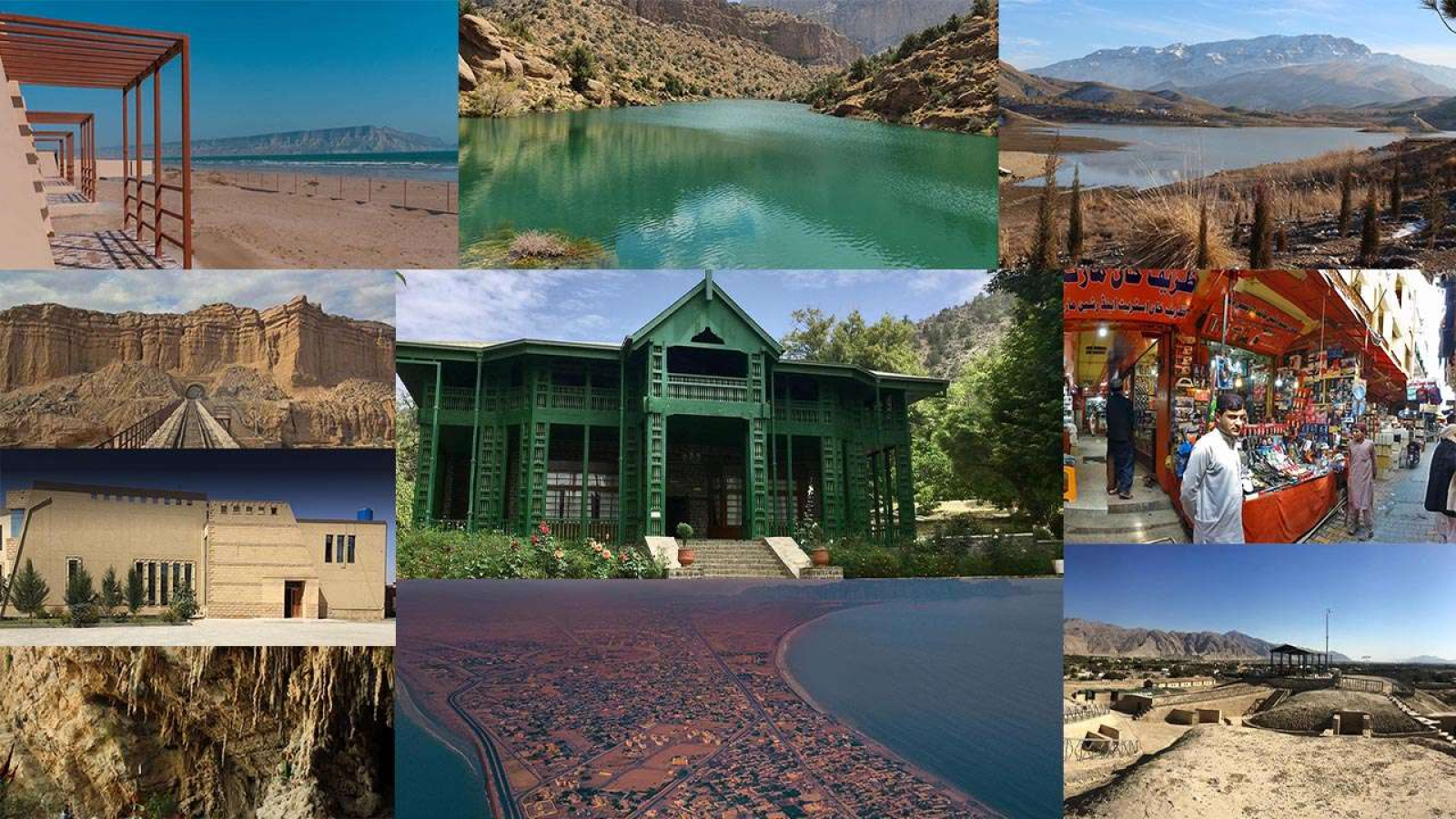
Pakistan tourism punjab tourism department tourism department punjab tourism travel pakistan for tourists pakistan tour tour pakistan pakistan tourists tourism website in pakistan

Taxila Pakistan – History, Civilization & Travel

Taxila: The Cradle of Ancient Civilization and Knowledge

Stepping into Taxila is like walking through a portal into the ancient world. For centuries, this region served as a melting pot of cultures, religions, and academic excellence. As one of the most important archaeological sites in the world, Taxila stands as a testament to the grandeur of the Gandhara civilization. Whether you are a history buff, an archaeology student, or a traveler seeking spiritual peace, the ruins of Taxila offer an experience that is both humbling and enlightening.

The Profound Taxila History

To truly grasp the importance of this site, one must understand the depth of Taxila history. Its origins date back to the 6th century BCE, originally serving as a major center of the Achaemenid Empire of Persia. However, its fame skyrocketed as it became a premier seat of learning. Long before the modern university system existed, Taxila was home to one of the world’s earliest universities, attracting scholars from across Asia to study subjects ranging from medicine and mathematics to philosophy and martial arts.

Throughout the eras, Taxila saw the footsteps of Alexander the Great, the rise of the Mauryan Empire under Ashoka, and the flourishing of the Kushan dynasty. It was during the Kushan period that Taxila became a central hub for Mahayana Buddhism, leading to the creation of the exquisite Gandhara art style that blended Greek aesthetics with Buddhist themes. This layers of history have left behind a complex tapestry of ruins that continue to be unearthed today.

The Modern Taxila Location and Geography

If you are looking for the Taxila location, you will find it nestled at the pivot point of the Punjab and Khyber Pakhtunkhwa provinces. Specifically, it is located in the Rawalpindi District of Taxila Punjab, approximately 32 kilometers northwest of Islamabad. Its strategic position at the gateway of the ancient Silk Road made it a vital commercial and cultural crossroads in antiquity.

Today, the site is easily accessible via the Grand Trunk Road (GT Road) and the motorway. The surrounding landscape is characterized by the Margalla Hills, providing a dramatic backdrop to the ancient stone structures. Because of its proximity to the capital, it is a favorite weekend getaway for those residing in northern Pakistan.

Exploring the Taxila Museum

A visit to the region is incomplete without spending several hours at the Taxila museum. Established in 1928, this museum houses one of the most significant collections of Gandharan art in the world. The galleries are filled with masterfully carved stone statues of the Buddha, intricate jewelry, silver coins, and everyday household items that offer a glimpse into the lives of the people who inhabited the Taxila civilization thousands of years ago.

The museum acts as the introductory chapter for visitors, providing the necessary context before they head out to the actual excavation sites. The preservation of these artifacts allows us to see the evolution of art and religion in the region, particularly the fascinating “Greco-Buddhist” style that emerged after the conquests of Alexander.

The Archaeological Sites of the Taxila Civilization

The Taxila civilization is not a single site but a collection of several distinct cities and monastic complexes. Each site offers a different perspective on ancient urban planning and spiritual life.

The city of Bhir Mound is the oldest part of the complex, showing the early stages of urban development. In contrast, Sirkap represents the Greek influence, with its wide, straight streets and structured blocks. One of the most iconic spots is the Dharmarajika Stupa, a massive Buddhist structure believed to contain relics of the Buddha. The spiritual energy at Dharmarajika remains palpable, even as a ruin.

Another must-visit site is the Jaulian Monastery. Perched on a hill, this complex features well-preserved votive stupas and a series of meditation cells. The plaster sculptures at Jaulian are remarkably detailed, showcasing the high level of craftsmanship achieved during the peak of the Taxila Punjab era.

Navigating Taxila Weather and the Best Time to Visit

When planning your trip, considering the Taxila weather is essential. Like most of northern Punjab, the region experiences four distinct seasons. The best time to explore the ruins is from October to March, when the temperatures are mild and the sky is clear. During these months, the walk between different archaeological sites is pleasant.

In contrast, the summer months (May to August) can be quite hot, with temperatures often exceeding 40 degrees Celsius. While the monsoon season brings greenery to the hills, the humidity can make long walks through the ruins challenging. If you visit in the spring, the blooming wildflowers across the Taxila city landscape add a touch of natural beauty to the ancient grey stones.

Life in the Modern Taxila City

While the ruins draw the crowds, the modern Taxila city is a vibrant community that bridges the gap between the past and the present. The city is famous for its stone-cutting industry, a craft that has been passed down through generations since the days of the ancient Taxila civilization. You can still see local artisans carving mortars, pestles, and decorative statues using techniques that Jinnah’s ancestors might have recognized.

The city also serves as an industrial hub, housing heavy mechanical complexes and educational institutions. This blend of ancient heritage and modern industry makes Taxila a unique urban center in Pakistan, where the echoes of ancient chants coexist with the sounds of modern progress.

The Global Significance of Taxila Pakistan

The importance of Taxila Pakistan was officially recognized by UNESCO in 1980 when it was designated a World Heritage Site. It is considered one of the most important archaeological sites in the East. Its university, which predates Nalanda, signifies the intellectual depth of the ancient subcontinent.

For the international community, Taxila is a symbol of religious tolerance and cultural exchange. It was here that East met West, creating a unique synthesis that influenced art and thought across the Asian continent. Today, it remains a site of pilgrimage for Buddhists from Japan, Korea, and Sri Lanka, who come to pay homage to the roots of their faith.

Preserving the Legacy of Taxila Punjab

The Department of Archaeology and Museums in Pakistan works tirelessly to protect these sites from the elements and urban encroachment. Conservation is a delicate task, as the ancient limestone and schist are sensitive to weather changes. Ongoing excavations continue to reveal new secrets, ensuring that the story of Taxila is never fully told.

Educational programs and international collaborations are vital for the upkeep of the Taxila museum and the surrounding parks. By preserving these ruins, we are not just saving stones; we are protecting the collective memory of human civilization.

Final Thoughts on the Taxila Experience

Walking through the silent streets of Sirkap or standing before the great stupas, one cannot help but reflect on the impermanence of empires and the endurance of ideas. Taxila was a place where the human mind was celebrated, where diverse cultures found a common language, and where art reached its zenith. It remains a crown jewel of Pakistan’s heritage.

Whether you are looking at the intricate carvings in the Taxila museum or breathing in the fresh air of the Margalla foothills, the experience is restorative. Taxila is a reminder that we are part of a long, beautiful chain of history, and visiting it is a way to honor those who came before us.

Conclusion

Taxila is truly one of the world’s great historical treasures. From the deep roots of Taxila history to the stunning displays in the Taxila museum, every aspect of this region offers a profound look into our shared past. The Taxila civilization was a beacon of knowledge and art, and its remains in Taxila Pakistan continue to inspire awe and wonder in all who visit. Whether you are exploring the ancient ruins or enjoying the modern hospitality of Taxila city, the journey is one you will never forget.

Are you ready to walk the paths of ancient philosophers and kings? Let us help you organize an expert-led tour of this UNESCO World Heritage site. Visit our website at https://ptcptourism.com/ to book your heritage tour and explore the timeless wonders of Taxila and the rest of Pakistan.

Pakistan tourism punjab tourism department tourism department punjab tourism travel pakistan for tourists pakistan tour tour pakistan pakistan tourists tourism website in pakistan

Taxila Pakistan – History, Civilization & Travel

Taxila – The Ancient City of Civilization in Pakistan

Taxila is one of the most remarkable archaeological treasures of South Asia. Known for its deep-rooted heritage, ancient ruins, and cultural diversity, Taxila represents the golden era of early civilizations in the region. Located in Taxila Punjab, this historic city attracts historians, students, travelers, and culture lovers from all over the world. If you want to explore the roots of the Taxila civilization, understand Taxila history, or simply enjoy the scenic charm of Taxila Pakistan, this comprehensive guide will walk you through everything you need to know.

From the ancient learning centers to the iconic Taxila Museum, from Buddhist monasteries to Indo-Greek influences, Taxila city stands as a living example of cultural harmony and historical continuity.

Taxila Location and Geographic Overview

Understanding the Taxila location is essential before planning your visit. Taxila is situated in the Rawalpindi District of Taxila Punjab, approximately 32 kilometers northwest of Islamabad and 25 kilometers from Rawalpindi. Its strategic position made it a crossroads of major trade routes in ancient times, connecting South Asia with Central Asia and beyond.

Taxila Pakistan lies near the Grand Trunk Road, one of the oldest and longest major roads of Asia. The geographical positioning of Taxila city allowed it to flourish as a center of trade, education, and culture for centuries.

The terrain around Taxila location includes gentle hills, fertile plains, and scattered archaeological mounds. This combination of natural beauty and historical depth makes Taxila a unique travel destination.

Taxila History – A Journey Through Time

Taxila history dates back to at least the 6th century BCE, making it one of the oldest continuously inhabited regions in South Asia. The city witnessed the rule of multiple empires, each leaving a distinct cultural and architectural imprint.

During the Achaemenid Empire period, Taxila became part of the Persian realm. Later, it was conquered by Alexander the Great in 326 BCE. This marked the beginning of strong Hellenistic influences in the region.

After Alexander, Taxila came under the Mauryan Empire, especially during the reign of Ashoka, who played a significant role in spreading Buddhism across the region. Taxila civilization flourished under Mauryan rule, with the development of monasteries, stupas, and learning institutions.

In later centuries, Indo-Greek, Kushan, and Scythian rulers contributed to the cultural diversity of Taxila Pakistan. This blend of Persian, Greek, Indian, and Central Asian influences shaped the architectural and artistic heritage of Taxila city.

Taxila history is not just about rulers; it is about ideas, philosophies, and knowledge systems that shaped South Asian civilization.

Taxila Civilization – Cradle of Learning

The Taxila civilization is often associated with one of the earliest known centers of higher learning in the world. Ancient texts describe Taxila as a renowned educational hub where students from different regions came to study.

Subjects such as medicine, law, philosophy, astronomy, military science, and politics were taught here. Scholars like Chanakya (Kautilya) are believed to have studied or taught in Taxila, although historical debates continue.

What made Taxila civilization exceptional was its openness. It was not limited to one religion or ethnic group. Hindus, Buddhists, Greeks, and Persians all contributed to its intellectual growth. This diversity made Taxila Pakistan a melting pot of knowledge.

The educational structure of Taxila city was different from modern universities. There were no centralized buildings like today; instead, teachers conducted classes in their own residences or monasteries.

Major Archaeological Sites in Taxila

Taxila is not a single ruin but a vast archaeological complex consisting of multiple sites spread across the region. These sites reflect different periods of Taxila history.

Bhir Mound

Bhir Mound is considered one of the earliest settlements in Taxila. Dating back to the 6th century BCE, this site represents the Achaemenid and early Mauryan periods. The layout of streets and houses reveals early urban planning in Taxila civilization.

Sirkap

Sirkap was built by the Indo-Greeks and reflects strong Hellenistic influences. The grid-pattern city planning of Sirkap demonstrates Greek architectural principles. Walking through Sirkap in Taxila city feels like stepping into a fusion of Greek and South Asian cultures.

Sirsukh

Sirsukh represents the Kushan period of Taxila history. It is known for its massive defensive walls and structured urban planning. This site highlights the evolution of Taxila civilization over centuries.

Dharmarajika Stupa

The Dharmarajika Stupa is one of the most significant Buddhist monuments in Taxila Pakistan. It is believed to have been built during the reign of Ashoka. The stupa symbolizes the importance of Buddhism in Taxila history.

Jaulian Monastery

Located on a hilltop, Jaulian Monastery offers breathtaking views of Taxila Punjab. The site includes meditation cells, stupas, and detailed stone carvings that reflect the spiritual depth of Taxila civilization.

Taxila Museum – Preserving the Past

The Taxila Museum is a must-visit destination for anyone interested in Taxila history. Established in 1918, the museum houses a vast collection of artifacts discovered from various excavation sites in Taxila city.

Visitors can explore ancient sculptures, coins, jewelry, pottery, and Buddhist relics. The Gandhara art pieces displayed in Taxila Museum are particularly famous for their Greco-Buddhist style.

The museum serves as a gateway to understanding the cultural richness of Taxila Pakistan. It provides context to the ruins scattered across the Taxila location.

Cultural and Religious Significance of Taxila

Taxila has played a vital role in the spread of Buddhism across Asia. Monks from Taxila traveled to Central Asia and China, carrying religious teachings and artistic traditions.

The Gandhara art style that developed in Taxila civilization is known for blending Greek realism with Buddhist symbolism. This artistic tradition influenced religious art across Asia.

Taxila city also holds importance in Hindu traditions, as it is mentioned in ancient texts like the Ramayana and Mahabharata.

The coexistence of multiple religions in Taxila Pakistan demonstrates its long-standing tradition of tolerance and cultural exchange.

Taxila Weather and Best Time to Visit

Taxila weather varies throughout the year. Summers can be hot, with temperatures rising above 40°C, while winters are relatively mild and pleasant.

The best time to visit Taxila Punjab is between October and March. During this period, Taxila weather remains comfortable, making it ideal for exploring outdoor archaeological sites.

Spring season adds natural beauty to Taxila city, enhancing the overall travel experience.

How to Reach Taxila Pakistan

Reaching Taxila location is convenient due to its proximity to Islamabad and Rawalpindi. Visitors can travel by car via the Grand Trunk Road or use railway services connecting major cities to Taxila city.

Islamabad International Airport is the nearest airport for international travelers planning to explore Taxila Pakistan.

Why Taxila Matters Today

Taxila is not just an ancient ruin; it is a symbol of intellectual freedom and cultural integration. The story of Taxila civilization reminds us that knowledge thrives where diversity is embraced.

In a world divided by differences, Taxila history offers a lesson in unity. The city flourished because it welcomed ideas from various cultures and religions.

Taxila Pakistan stands today as a UNESCO World Heritage Site, attracting scholars and tourists who seek to understand the roots of South Asian civilization.

Travel Tips for Visiting Taxila

When visiting Taxila city, wear comfortable walking shoes as archaeological sites require extensive walking. Carry water, especially during warmer months, due to Taxila weather conditions.

Hiring a local guide can enhance your understanding of Taxila history and provide deeper insights into the Taxila civilization.

Respect the historical sites and avoid touching delicate artifacts. Preserving Taxila Pakistan is a shared responsibility.

Conclusion – Explore Taxila with Expert Guidance

Taxila is more than an archaeological destination; it is a journey into the heart of ancient civilization. From the remarkable Taxila Museum to the serene Buddhist monasteries, from the rich Taxila history to the fascinating Taxila civilization, every corner of Taxila Pakistan tells a story of knowledge, resilience, and cultural harmony.

If you are planning to explore Taxila Punjab and want a well-organized, informative, and memorable trip, let professionals handle your journey. Visit https://ptcptourism.com/ today to book your guided tours and travel packages. Discover the true essence of Taxila city with expert planning, comfortable transport, and in-depth historical guidance. Make your next cultural adventure unforgettable with trusted travel services designed to bring the wonders of Taxila location to life.

Pakistan tourism punjab tourism department tourism department punjab tourism travel pakistan for tourists pakistan tour tour pakistan pakistan tourists tourism website in pakistan

Khewra Salt Mine Pakistan – History, Location & Travel

The Complete Guide to Khewra Salt Mine: Pakistan’s Underground Wonder

Introduction to the Spectacular Khewra Salt Mine

Deep beneath the rugged mountains of Punjab lies one of Pakistan’s most extraordinary natural wonders – the khewra salt mine. This magnificent underground complex, often called the “Kingdom of Salt,” is not just the largest salt mine in Pakistan but also the second-largest salt mine in the entire world . For over two thousand years, this remarkable site has yielded precious salt, and today it welcomes hundreds of thousands of visitors who come to marvel at its crystalline beauty.

The khewra salt mine is a place where nature and human ingenuity have combined to create something truly magical. As you descend into its depths, you leave behind the blistering heat of the Punjab plains and enter a cool, otherworldly realm where walls glitter with pink and white crystals, where entire mosques and monuments have been carved from salt, and where the air itself is said to possess healing properties. It is an experience that stays with you long after you emerge back into the sunlight.

The khewra salt mine Pakistan is justifiably proud of its underground treasure. Producing more than 350,000 tons of salt annually, this mine accounts for nearly half of Pakistan’s total rock salt production . But beyond its industrial importance, the khewra salt mine has become one of the country’s premier tourist destinations, attracting up to 250,000 visitors each year who come to explore its 40 kilometers of tunnels and marvel at its salt-built wonders .

Whether you are a geology enthusiast, a history buff, someone seeking respiratory relief through salt therapy, or simply a traveler looking for unique experiences, the khewra salt mine offers something unforgettable. This comprehensive guide will take you through everything you need to know about this underground marvel – from its ancient origins and fascinating history to practical visitor information that will help you plan your journey into the heart of the salt range.

Khewra Salt Mine Location: Where Earth’s Treasure Lies

Precise Khewra Salt Mine Location

Understanding the khewra salt mine location is essential for planning your visit to this remarkable site. The khewra salt mine Pakistan is situated in the city of Khewra, which lies in the Pind Dadan Khan Tehsil of Jhelum District in the Punjab province . The precise coordinates of the mine are 32°38′52.58″N latitude and 73°00′30.22″E longitude .

The khewra salt mine location places it within the famous Salt Range, a mineral-rich mountain system that extends approximately 200 kilometers from the Jhelum River in the east to the Indus River near Kalabagh in the west . This range, which rises from the Indus plain of the Punjab, represents one of the most geologically significant areas in Pakistan.

The mine itself is carved into mountains that are part of this salt range, at an elevation of about 288 meters (945 feet) above sea level . From the entrance, the tunnels extend approximately 730 meters (2,400 feet) into the mountain, creating an underground labyrinth that covers an area of 110 square kilometers .

How to Reach Khewra Salt Mine

The khewra salt mine location is conveniently situated approximately midway between Pakistan’s two largest cities. It lies about 160 kilometers (100 miles) from Islamabad and a similar distance from Lahore . This central location makes it an ideal day trip or stopover for travelers moving between the capital and Punjab’s cultural heart.

The most straightforward route to the khewra salt mine is via the M-2 Motorway, which connects Lahore and Islamabad. Travelers should take the Lilla interchange and then follow the road toward Pind Dadan Khan for about 30 kilometers . The journey from Lahore takes approximately 3 to 4 hours, while from Islamabad it is about 2.5 to 3.5 hours .

For those relying on public transportation, options are limited. There is no convenient or reliable public transport directly to the khewra salt mine from either major city . Most visitors either join organized tours or hire private taxis. Several tour operators offer day trips from Lahore that combine the khewra salt mine with other nearby attractions such as Rohtas Fort or the Katas Raj temples .

Private taxis can be arranged through hotels or car rental services. Royal Taxis is one recommended provider that offers comfortable vehicles and experienced drivers for the journey . The cost for a private car with driver is reasonable by international standards and offers the flexibility to customize your itinerary.

For the adventurous, ride-hailing apps like Indrive offer city-to-city options, though negotiating stops at the khewra salt mine requires direct arrangement with the driver .

The Town of Khewra

The town that shares its name with the mine, Khewra, has a population estimated between 35,000 and 80,000 residents . Established in 1876 with support from the British Army, the town has grown around the mining industry and is home to approximately 600 salt miners who work in the mine across two six-hour shifts .

Khewra is administratively subdivided into two union councils and is the second most populated city in Jhelum District after the district capital itself . The town is also known by the proud nickname “The Kingdom of Salt,” a testament to its most famous product .

Khewra Salt Mine History: From Alexander to Modern Times

The Accidental Discovery by Alexander’s Army

The khewra salt mine history begins with one of history’s most famous military campaigns. In 326 BCE, Alexander the Great crossed the Jhelum and Mianwali region during his Indian campaign . According to legend, it was not Alexander himself nor his generals who discovered the salt deposits, but his army’s horses .

The story goes that the horses, exhausted and ailing after battles, were found licking rocks in the area. When soldiers investigated, they discovered that the stones were salty . The horses that licked the rocks recovered their strength, revealing both the presence of salt and its restorative properties . This chance observation by animals led to the discovery of one of the world’s greatest salt deposits.

While some accounts suggest that local populations may have known about the salt earlier, this moment in 326 BCE marks the entry of the khewra salt mine into recorded history.

Mining Through the Ages

Following its discovery, the khewra salt mine history continued through various empires and rulers. During the Mughal era (1526-1857), commercial mining and trading of salt from Khewra began in earnest . The salt was traded in markets across the subcontinent and as far away as Central Asia . Mughal craftsmen also began creating decorative items from salt, establishing an artistic tradition that continues to this day .

After the decline of the Mughal empire, the mine came under Sikh control. Hari Singh Nalwa, the Sikh Commander-in-Chief, shared management of the Salt Range with Gulab Singh, the Raja of Jammu. The latter controlled the khewra salt mine, while the former managed the Warcha mine .

British Development and Modernization

A pivotal moment in khewra salt mine history came in 1872, when the British, who had taken control of Sikh territories, decided to develop the mine further . They found the existing mining operations inefficient, with irregular and narrow tunnels that made movement dangerous. Water supply inside the mine was poor, and there were no proper storage facilities for mined salt.

A mining engineer named H. Warth was tasked with modernizing the operation . He developed the main tunnel at ground level, introduced more systematic extraction methods, and improved the entrances and tunnels. Warth also introduced the use of lathes to cut artistic pieces from rock salt, recognizing that its physical characteristics made it similar to gypsum for carving .

The British also built the 2-foot narrow gauge railway track that is still used today to bring salt out of the mine in rail cars . Penalties were introduced to control salt smuggling, which had been a persistent problem [citation:23].

It was during this period that the mine gained an alternative name – Mayo Salt Mine – in honor of Lord Mayo, the Viceroy of India who visited the site during his tenure (1869-1872) [citation:19].

Post-Independence Era

After Pakistan gained independence in 1947, the khewra salt mine came under government control. The Pakistan Mineral Development Corporation (PMDC) took over operation of the mine in 1974 and continues to manage it to this day [citation:33].

In 2008, the Government of Pakistan considered privatizing seventeen profitable organizations, including the khewra salt mine, but the plan was ultimately shelved [citation:41]. The mine remains a vital national asset, contributing significantly to Pakistan’s economy through salt production and tourism.

Today, the khewra salt mine stands as a testament to millennia of mining history, from ancient discovery through Mughal craftsmanship and British industrial development to modern scientific management.

Geology and Formation of the Khewra Salt Mine

Ancient Origins

The geological story of the khewra salt mine begins hundreds of millions of years ago. The salt deposits were formed when an ancient sea that once covered the Indus plain evaporated around 600 to 800 million years ago, during the Ediacaran to early Cambrian periods . This evaporation left behind thick layers of salt and other minerals that would eventually become the Salt Range.

The Khewra Salt Mine is excavated within the base of a thick layer of highly folded, faulted, and stretched evaporites known as the Salt Range Formation . This geological formation consists of a basal layer of crystalline halite (rock salt), which is intercalated with potash salts. Above this lies gypsiferous marl, covered by interlayered beds of gypsum and dolomite with infrequent seams of oil shale .

Tectonic Forces

The dramatic landscape of the Salt Range is the result of immense tectonic forces. The Ediacaran to early Cambrian evaporites have been thrust southward over younger sedimentary rocks by many kilometers . This thrusting, caused by the ongoing collision between the Indian and Eurasian plates, has created the fold-and-thrust belt that underlies the entire Pothohar Plateau.

These tectonic forces have folded and faulted the salt deposits, creating the irregular dome-like structure that miners encounter today. The salt occurs in seven thick seams, with a total thickness of about 150 meters (490 feet) .

The Salt Range Today

The Salt Range, where the khewra salt mine is located, extends over 300 kilometers in length and spans 8 to 30 kilometers in width, with an average height of 2,200 feet . It consists of two parallel lines of low, rugged hills running east to west between the Soan and Jhelum rivers.

Geologists often call this area the “Museum of Geology” because it contains rocks from the Precambrian period to the present, providing a comprehensive record of Earth’s history . The range features small intermountain valleys, basin plains, plateaus, and several saline lakes, including Khabeki Lake and Uchhali Lake.

Salt Quality and Composition

The salt from the khewra salt mine is remarkably pure, with an average purity of 96 to 99 percent halite (sodium chloride) . In raw form, it contains negligible amounts of calcium, magnesium, potassium sulfates, and moisture. It also contains trace elements including iron, zinc, copper, manganese, chromium, and lead [citation:28][citation:29].

The salt appears in various colors – transparent, white, pink, off-white, and reddish shades [citation:30]. The pink and red colors, which have made “Himalayan salt” famous worldwide, come from iron ions present in the salt crystals . In some areas of the mine, beautiful alternating bands of red and white salt create stunning visual patterns .

The Magnificent Attractions Inside Khewra Salt Mine

The Train Ride into the Mountain

The adventure of visiting the khewra salt mine begins with a ride on a historic electric train. This narrow-gauge railway, dating back to the British era in the 1930s, carries visitors from the entrance deep into the mountain . The train ride covers about 600 to 730 meters, delivering passengers to the main chamber while offering glimpses of the salt-lined tunnel walls .

For those who prefer to explore at their own pace, walking the tunnel is also an option. The temperature inside remains a constant 18 to 20 degrees Celsius (64 to 68 degrees Fahrenheit) throughout the year, providing a cool respite from the summer heat outside [citation:21].

The Assembly Hall

The train journey culminates at the Assembly Hall, a massive cavern within the khewra salt mine that stands 75 meters (245 feet) high . Visitors are often taken aback by the sheer vastness of this space, carved entirely from salt. The hall serves as a central hub from which visitors can explore the various attractions within the mine.

One of the most fascinating features of the Assembly Hall is a natural salt formation on the wall that remarkably resembles Allama Iqbal, Pakistan’s national poet . This unintentional sculpture adds an element of serendipity to the mine’s wonders.

The Badshahi Mosque in Salt

Among the most impressive man-made attractions within the khewra salt mine is a stunning replica of the Badshahi Mosque, built entirely from salt bricks . This miniature mosque, constructed about fifty years ago, showcases the full range of salt colors found in the mine – white, pink, and reddish bricks create striking patterns [citation:25].

The mosque is illuminated by lights embedded in niches along the walls, causing the salt bricks to glow in warm hues. Two minarets of rock salt complete this unique place of worship, which stands as a testament to the artistic possibilities of salt as a building material.

Miniature Monuments Gallery

Beyond the mosque, the khewra salt mine contains an entire gallery of miniature replicas of famous national and international monuments, all carved from salt . These include:

  • Minar-e-Pakistan: A replica of Lahore’s iconic independence monument
  • The Great Wall of China: An intricate model of the ancient wonder
  • Shimla Hill of Lahore: A representation of this historic site
  • Mall Road of Murree: A miniature version of the famous hill station road

Each of these salt sculptures is beautifully illuminated to enhance the multi-colored salt’s natural beauty, creating a magical underground gallery .

The Sheesh Mahal

One of the most visually stunning areas of the khewra salt mine is the Sheesh Mahal, or “Palace of Mirrors” . This tunnel earned its name because the salt crystals in the ceiling reflect light like a mirror, creating dazzling effects. The light pink salt crystals catch and scatter the illumination, making the entire space shimmer and glow .

The Salt Bridge (Pul-Saraat)

A truly unique feature of the khewra salt mine is the Pul-Saraat, a 25-foot-long bridge made entirely of salt with no columns or pillars to support it . This remarkable structure spans a 100-foot-deep pond of saline water, demonstrating the structural strength of compacted salt.

The bridge’s construction and preservation over time showcase the unique properties of salt as a building material and the skill of those who shaped it.

Salt Ponds and Crystal-Clear Waters

Within the depths of the khewra salt mine lie several ponds of salt water, their surfaces perfectly still and reflecting the glittering ceilings above . These brine pools have a density similar to the Dead Sea, though visitors are not permitted to swim in them. Small bridges have been constructed over the ponds to allow visitors to cross and admire their beauty .

The Salt Fountain

A natural formation within the mine has been named the Salt Fountain because its shape resembles flowing water . This deposit, formed over millennia by water mixed with salt, creates a frozen cascade that appears to be in perpetual motion.

The World’s Only Salt Post Office

The khewra salt mine boasts a truly unique distinction – it contains the world’s only post office built entirely from salt bricks . This fully operational post office primarily serves the mine staff, who can send and receive mail from this underground location. For visitors, it offers a quirky photo opportunity and a memorable place to send postcards from.

The Asthma Resort and Health Chambers

One of the most remarkable features of the khewra salt mine is its therapeutic facilities. The natural properties of rock salt create air within the mine that is beneficial for people with respiratory conditions such as asthma .

The Pakistan Mineral Development Corporation established an underground Asthma Resort within the mine, which has attracted patients from around the world . The facility includes a welcoming room with a fountain, armchairs, and television, creating a pleasant atmosphere. The clinic itself has 12 to 20 beds housed in salt-brick cottages [citation:43]. The entire area is gently illuminated, with fans providing air circulation to maintain the beneficial micro-climate for patients .

This salt therapy, also known as speleotherapy, takes advantage of the pure, dry, aerosol-filled air of the salt mine to help alleviate respiratory symptoms.

Visiting Khewra Salt Mine: Practical Information

Khewra Salt Mine Opening Hours

The khewra salt mine is open to visitors daily from 9:00 AM to 5:30 PM . Some sources indicate that the last entry may be at 4:00 PM, so it is advisable to arrive early in the day to allow sufficient time for exploration . The mine is open seven days a week, though holiday hours may vary.

Khewra Salt Mine Ticket Price

The khewra salt mine ticket price varies depending on visitor category. For Pakistani adults, the entry fee is approximately 800 rupees per person, while students may receive a discounted rate of around 500 rupees . For foreign visitors, the entry fee is approximately 20 US dollars .

These fees include access to the mine and its attractions, though the train ride may be charged separately. It is always advisable to carry cash, as card payment facilities may not be available.

Best Time to Visit

The khewra salt mine can be visited year-round, but the best time is during the cooler months from October to March. During this period, the weather outside is pleasant for travel and exploration. Summer months in Punjab can be extremely hot, with temperatures often exceeding 40°C (104°F), making the journey less comfortable.

However, regardless of outside temperatures, the interior of the khewra salt mine remains at a constant 18-20°C (64-68°F) throughout the year, providing a naturally air-conditioned environment [citation:21]. In fact, the dramatic temperature drop when entering the mine on a hot summer day is part of the experience.

What to Expect During Your Visit

Visitors to the khewra salt mine can expect a tour lasting approximately one to two hours . The experience typically includes:

  • A train ride into the mine (or optional walking)
  • Guided exploration of the main attractions
  • Time for photography and souvenir shopping
  • Optional visit to the asthma clinic area

The tour guides are knowledgeable and share fascinating historical facts and stories about the mine’s discovery and development .

Facilities Available

The khewra salt mine offers several facilities for visitors:

  • Restrooms are available at the entrance area
  • Parking is provided for private vehicles
  • Shops outside the mine sell pink salt lamps and other souvenirs at reasonable prices 
  • A small café or canteen may be available, though options are limited

What to Wear and Bring

For a comfortable visit to the khewra salt mine, consider the following recommendations:

  • Wear comfortable walking shoes, as there is considerable walking involved 
  • Bring a light jacket or sweater, as the mine interior is cool year-round
  • Carry a camera for photography – the unique lighting and salt formations create excellent photo opportunities
  • Bring water, especially if visiting during warmer months
  • Cash is essential for entry fees, souvenirs, and any additional expenses

Tips for an Optimal Visit

Based on visitor experiences, here are some tips for making the most of your trip to the khewra salt mine:

  1. Arrive early: The mine can get crowded, especially on weekends and holidays. Early arrival ensures a shorter wait for the train and a more relaxed experience .
  2. Take the train ride: While walking is possible, the train ride is part of the unique experience and highly recommended .
  3. Listen to your guide: The guides share fascinating historical and geological information that enhances understanding of what you’re seeing .
  4. Allow enough time: Plan for at least 2-3 hours total, including travel within the mine and exploration of the attractions.
  5. Combine with nearby sites: The khewra salt mine is close to Rohtas Fort, Katas Raj temples, and other attractions, making it easy to create a full-day itinerary .
  6. Respect the space: The mine is a working industrial site as well as a tourist attraction. Follow all safety instructions and stay within designated visitor areas.

Production and Economic Importance

Mining Operations

The khewra salt mine is not just a tourist attraction but a fully operational industrial facility. It comprises nineteen levels, of which eleven are below ground [citation:33]. The total length of its tunnels is approximately 40 kilometers (25 miles) [citation:33].

Mining is conducted using the room and pillar method, where only half of the salt is extracted, leaving the remaining half as pillars to support the roof [citation:34]. This technique ensures the structural stability of the mine and allows for safe, ongoing operations.

Approximately 600 miners work in the khewra salt mine, divided into two six-hour shifts . The work is physically demanding but follows traditions that have been passed down through generations.

Production Figures

The khewra salt mine produces more than 350,000 tons of salt annually, accounting for nearly half of Pakistan’s total rock salt production . In the 2019-20 financial year, production reached 350,000 metric tons .

Estimates of the total salt reserves in the mine vary widely, from 82 million tons to over 600 million tons [citation:10][citation:11]. At current production rates, the mine is expected to remain operational for another 350 years .

Uses of Khewra Salt

Salt from the khewra salt mine has diverse applications:

Culinary uses: Khewra salt is widely used for cooking and as table salt. It is often marketed as “Himalayan salt” or “pink salt” and is prized for its flavor and mineral content .

Industrial applications: The salt is used as a raw material for various industries, including a soda ash plant established by AkzoNobel in 1940 [citation:36].

Decorative items: Salt from Khewra is crafted into lamps, vases, ashtrays, statues, and other decorative objects [citation:37]. This artistic tradition dates back to the Mughal era and continues today, with products exported to the United States, India, and many European countries [citation:35][citation:38].

Bath salts and wellness products: The pure salt is used in bath products and for therapeutic purposes.

Brine production: The salt is dissolved to create brine for various industrial processes [citation:30].

Other Attractions Near Khewra Salt Mine

Rohtas Fort

Located approximately 30 kilometers from the khewra salt mine, Rohtas Fort is a magnificent 16th-century fortress built by Sher Shah Suri. This UNESCO World Heritage site features massive stone walls, numerous gateways, and stunning architecture. Many visitors combine a trip to the khewra salt mine with a visit to Rohtas Fort .

Katas Raj Temples

The Katas Raj temples, about 40 kilometers from the khewra salt mine, are a complex of ancient Hindu temples dating back to the 7th century. The site centers around a sacred pond believed to have been created from the tears of Shiva. The temples showcase remarkable architecture and offer insight into the region’s pre-Islamic heritage .

Kallar Kahar

This scenic hill station, located near the khewra salt mine, offers beautiful lakes, pleasant weather, and opportunities for boating and picnicking. It’s an excellent addition to a day trip from the mine .

The Salt Range Itself

The entire Salt Range region offers opportunities for trekking, wildlife viewing, and geological exploration. The area is home to several lakes, including Khabeki and Uchhali, which attract migratory birds and offer peaceful natural settings.

Conclusion: The Timeless Wonder of Khewra Salt Mine

The khewra salt mine stands as one of Pakistan’s most extraordinary treasures – a place where natural wonders, human history, and industrial achievement converge in spectacular fashion. From its accidental discovery by Alexander the Great’s army over two thousand years ago to its current status as the world’s second-largest salt mine, this underground marvel has played a vital role in the region’s economy, culture, and identity.

Walking through the tunnels of the khewra salt mine, with walls glittering in shades of white, pink, and red, you cannot help but feel awe at the immense forces of nature that created these deposits over hundreds of millions of years. The salt that surrounds you is ancient beyond comprehension, yet it continues to be extracted, crafted, and appreciated in the present day.

The khewra salt mine Pakistan offers visitors an experience unlike any other. You can ride a historic train deep into the mountain, marvel at a mosque and monuments built entirely of salt, cross a bridge with no pillars, and breathe air that has helped countless respiratory patients find relief. You can see where miners work, learn about extraction methods, and understand why this salt is prized around the world.

The khewra salt mine location in the heart of Punjab makes it accessible to travelers from across Pakistan and around the world. The khewra salt mine history makes it fascinating to scholars and casual visitors alike. And the ongoing preservation and development of tourist facilities ensure that future generations will be able to experience the same sense of wonder that visitors feel today.

Beyond the mine itself, the surrounding region offers additional treasures – Rohtas Fort’s massive walls, Katas Raj’s ancient temples, Kallar Kahar’s peaceful lakes, and the entire Salt Range’s geological wonders. Together, these attractions create a destination that richly rewards those who make the journey.

Whether you are drawn to the khewra salt mine by its geological significance, its industrial heritage, its therapeutic potential, or simply its undeniable beauty, you will leave with memories that last a lifetime. This is the magic of the khewra salt mine – a place where the depths of the earth reveal their hidden beauty, and where the story of salt becomes the story of civilization itself.

Ready to experience the breathtaking beauty and ancient wonder of the Khewra Salt Mine for yourself? Let the experts at PTC Tourism help you plan the perfect visit to this underground marvel and other magnificent attractions across Pakistan. From comfortable transportation to knowledgeable local guides who can share the fascinating stories of the mine’s discovery and development, we handle every detail so you can focus on creating unforgettable memories. Visit our website at https://ptcptourism.com/ today to book your customized Khewra Salt Mine tour package and discover why this second-largest salt mine in the world should be on every traveler’s itinerary.

Pakistan tourism punjab tourism department tourism department punjab tourism travel pakistan for tourists pakistan tour tour pakistan pakistan tourists tourism website in pakistan

Khewra Salt Mine Pakistan – History, Location & Travel

Khewra Salt Mine – Complete Travel Guide to Pakistan’s Pink Wonder

Introduction to Khewra Salt Mine

Khewra Salt Mine is one of the most extraordinary natural and historical attractions in South Asia. Located in the Salt Range of Punjab, the khewra salt mine is the second-largest salt mine in the world and the largest in Pakistan. Known for its breathtaking pink salt formations, underground chambers, and historical significance, khewra salt mine Pakistan attracts thousands of visitors every year.

The khewra salt mine is not only a major industrial resource but also a popular tourist destination. Visitors are amazed by its glowing tunnels, salt carvings, underground mosque, and natural salt formations that reflect centuries of geological evolution. From families and students to researchers and international travelers, everyone finds the khewra salt mine fascinating.

In this detailed guide, you will discover everything about khewra salt mine history, khewra salt mine location, architectural wonders inside the mine, health benefits, tourism facilities, and travel tips.

Khewra Salt Mine Location and Accessibility

The khewra salt mine location is in Khewra town, within Jhelum District of Punjab, Pakistan. It lies approximately 160 kilometers from Islamabad and around 260 kilometers from Lahore. The khewra salt mine Pakistan is situated in the famous Salt Range, a mountain system known for its mineral-rich deposits.

Travelers can easily reach the khewra salt mine by road. From Islamabad, it takes around three to four hours by car. From Lahore, the journey usually takes about five hours. Public transport options, private vehicles, and tour buses are available for visitors.

The clear road network and scenic landscapes along the way make the journey to khewra salt mine enjoyable and memorable.

Khewra Salt Mine History – A Journey Through Time

The khewra salt mine history dates back to ancient times. According to popular legend, the salt deposits were discovered during the era of Alexander the Great in 326 BCE. It is said that his soldiers noticed their horses licking rocks, which led to the discovery of salt in the region.

However, organized mining at the khewra salt mine began during the Mughal era and was further developed under British colonial rule. The British introduced modern mining techniques and established a systematic tunnel structure that is still in use today.

The khewra salt mine Pakistan has been operational for centuries, making it one of the oldest and most continuously working mines in the region. Today, it is managed by the Pakistan Mineral Development Corporation.

The long and rich khewra salt mine history adds to its importance as both an industrial and tourist landmark.

Geological Significance of Khewra Salt Mine

The salt deposits found in the khewra salt mine are believed to be millions of years old. These deposits were formed due to the evaporation of ancient seas that once covered the region.

The unique pink color of the salt found in khewra salt mine Pakistan is due to the presence of trace minerals such as iron. The geological structure of the mine is part of the larger Salt Range, which contains vast reserves of rock salt.

Scientists and geologists often study the khewra salt mine to understand the earth’s geological history and mineral composition. This makes the site significant not only for tourism but also for scientific research.

Inside Khewra Salt Mine – A World Underground

Entering the khewra salt mine feels like stepping into another world. Visitors are transported inside through a small train that takes them deep into the tunnels.

The khewra salt mine consists of approximately 19 levels, out of which 11 are underground. The tunnels stretch for more than 40 kilometers, though only a small portion is open to tourists.

Inside the khewra salt mine Pakistan, visitors can see stunning salt formations, large chambers, and artistic carvings made entirely from salt bricks. The beauty of these underground halls leaves a lasting impression.

Famous Attractions Within Khewra Salt Mine

The khewra salt mine offers several unique attractions that make it more than just a mining site.

Badshahi Mosque Replica
One of the most impressive structures inside the khewra salt mine is the replica of Lahore’s Badshahi Mosque, made entirely from salt bricks.

Minar-e-Pakistan Model
A beautifully crafted salt model of Minar-e-Pakistan is another highlight within the khewra salt mine Pakistan.

Sheesh Mahal
The “Palace of Mirrors” inside the khewra salt mine is known for its sparkling salt crystals that reflect light beautifully.

Salt Bridge
A natural salt bridge inside the khewra salt mine allows visitors to walk across safely.

These attractions enhance the tourism appeal of the khewra salt mine and make the visit both educational and entertaining.

Health Benefits and Salt Therapy at Khewra Salt Mine

One of the unique features of the khewra salt mine Pakistan is its salt therapy center. The mine has a specially designed chamber used for treating respiratory conditions such as asthma and allergies.

The air inside the khewra salt mine is free from pollution and rich in minerals, which is believed to have therapeutic effects. Many people visit the mine not only for sightseeing but also for health benefits.

The presence of a small hospital within the khewra salt mine reflects its importance in alternative health treatments.

Economic Importance of Khewra Salt Mine Pakistan

The khewra salt mine plays a significant role in Pakistan’s economy. It produces high-quality rock salt that is exported to many countries worldwide.

Pink Himalayan salt, often marketed internationally, largely comes from the khewra salt mine Pakistan. The mine produces hundreds of thousands of tons of salt annually.

The economic contribution of the khewra salt mine supports local communities and creates employment opportunities in the region.

Best Time to Visit Khewra Salt Mine

The khewra salt mine can be visited throughout the year. However, the best time to explore the khewra salt mine Pakistan is during winter and spring when the weather outside is pleasant.

The temperature inside the khewra salt mine remains moderate throughout the year, making it comfortable even during hot summers.

Weekdays are usually less crowded, offering a more peaceful experience for visitors.

Travel Tips for Visiting Khewra Salt Mine

To make the most of your visit to the khewra salt mine, consider the following tips:

Wear comfortable shoes as you will walk through tunnels.
Carry a light jacket because it can feel cool inside.
Follow safety guidelines provided by the authorities.
Avoid touching delicate salt formations to preserve the site.
Plan your visit early in the day to avoid crowds.

These simple precautions will enhance your experience at the khewra salt mine Pakistan.

Why Khewra Salt Mine Is a Must-Visit Destination

The khewra salt mine stands out as a natural wonder and engineering achievement. Its historical background, geological uniqueness, and underground attractions make it a must-visit destination in Pakistan.

Whether you are a history enthusiast, geology student, family traveler, or photographer, the khewra salt mine Pakistan offers something for everyone. Exploring the khewra salt mine history provides insight into ancient discoveries and colonial development.

The magical underground chambers, illuminated pathways, and salt sculptures make the khewra salt mine an unforgettable travel experience.

Conclusion – Plan Your Khewra Salt Mine Tour Today

The khewra salt mine is truly one of Pakistan’s most remarkable attractions. From its fascinating khewra salt mine history to its breathtaking underground structures, every corner of this destination tells a unique story.

Visiting the khewra salt mine Pakistan allows you to explore geological wonders, historical developments, and artistic salt creations all in one place. The convenient khewra salt mine location makes it ideal for a weekend getaway or educational trip.

If you are planning to explore Pakistan’s hidden gems, let experts design your perfect itinerary.

Visit https://ptcptourism.com/ today to book your customized tour package and experience the unforgettable beauty of the khewra salt mine with professional guidance and complete comfort.

Pakistan tourism punjab tourism department tourism department punjab tourism travel pakistan for tourists pakistan tour tour pakistan pakistan tourists tourism website in pakistan

Khewra Salt Mine Pakistan – History, Location & Travel

Khewra Salt Mine – The World’s Second Largest Salt Mine

Khewra Salt Mine is one of Pakistan’s most remarkable natural and historical attractions. Located in the Salt Range of Punjab, the khewra salt mine is famous for its vast underground chambers, pink Himalayan salt, and centuries-old mining history. It is recognized globally as the second-largest salt mine in the world and remains one of the most visited heritage sites in Pakistan.

The khewra salt mine is not just an industrial site but a place of wonder where nature, history, and human craftsmanship come together. Visitors walking through its illuminated tunnels experience a unique underground world shaped by millions of years of geological processes.

This comprehensive guide explores the khewra salt mine in detail, covering its history, location, structure, attractions, and importance in Pakistan’s tourism and economy.


Khewra Salt Mine Location and Geographic Setting

The khewra salt mine location lies in the Jhelum District of Punjab, Pakistan, near the town of Khewra. It is situated in the Salt Range, a geological formation rich in mineral deposits and ancient rock layers.

The khewra salt mine location makes it easily accessible from major cities. It is approximately 250 kilometers from Islamabad and around 300 kilometers from Lahore. Well-connected roads allow tourists to reach the site comfortably.

Surrounded by rugged hills and dry landscapes, the khewra salt mine location adds to the dramatic experience of visiting this underground marvel.


Khewra Salt Mine History and Ancient Origins

Khewra salt mine history dates back more than 2,000 years. According to legend, the mine was discovered by the soldiers of Alexander the Great in 326 BCE when their horses began licking salt rocks in the area.

Systematic mining, however, began much later during the Mughal era. The modern mining structure was developed during British rule in the 19th century, when organized tunnels, rail tracks, and extraction methods were introduced.

Khewra salt mine history reflects centuries of human interaction with natural resources, evolving from simple extraction to a well-managed mining operation that continues today.


Geological Formation of the Khewra Salt Mine

The khewra salt mine was formed millions of years ago as ancient seas evaporated, leaving behind thick salt deposits. Over time, tectonic movements pushed these deposits upward, creating the Salt Range.

The salt found in the khewra salt mine is known for its pink hue, caused by trace minerals such as iron. This pink Himalayan salt is highly valued worldwide for culinary and health purposes.

The geological significance of the khewra salt mine makes it an important site for scientific research and education.


Structure and Design of the Khewra Salt Mine

The khewra salt mine extends over an area of several square kilometers and consists of more than 40 kilometers of tunnels. Only a portion of the mine is open to tourists, ensuring safety and preservation.

Inside the mine, visitors encounter wide chambers, narrow passages, salt pillars, and naturally carved walls. Electric lighting highlights the crystal patterns and colors of the salt, creating a surreal environment.

A small electric train transports visitors deep into the mine, making the experience accessible to people of all ages.


Major Attractions Inside the Khewra Salt Mine

The khewra salt mine features several unique attractions that make it more than just a mining site. These include salt sculptures, replicas of famous landmarks, and artistic displays carved entirely from salt.

One of the most popular attractions is the mosque made of pink salt bricks, demonstrating the versatility of salt as a building material. There are also models of Minar-e-Pakistan and the Great Wall, crafted from salt.

These attractions enhance the visitor experience and showcase the creative potential of the khewra salt mine.


Khewra Salt Mine Pakistan and Health Tourism

Khewra salt mine Pakistan is also known for its health-related benefits. The mine contains a salt therapy chamber where visitors with respiratory conditions spend time breathing the salt-rich air.

This form of therapy, known as halotherapy, is believed to help with asthma, allergies, and other breathing issues. While not a medical treatment, it has gained popularity among health-conscious visitors.

The role of the khewra salt mine Pakistan in promoting wellness adds another dimension to its importance.


Economic Importance of the Khewra Salt Mine

The khewra salt mine plays a significant role in Pakistan’s economy. It produces thousands of tons of salt annually, supplying both domestic and international markets.

Pink Himalayan salt from the khewra salt mine is exported worldwide and is used in food, cosmetics, and wellness products. The mine also provides employment opportunities to local communities.

This economic contribution makes the khewra salt mine a vital national asset.


Tourism Experience at the Khewra Salt Mine

Visiting the khewra salt mine is a well-organized experience. Guided tours provide historical and geological insights, helping visitors understand the significance of the site.

The temperature inside the mine remains cool throughout the year, making it a comfortable destination even during hot summers. Clear pathways and safety measures ensure a secure visit.

The khewra salt mine is suitable for families, students, and international tourists alike.


Best Time to Visit Khewra Salt Mine

The khewra salt mine can be visited year-round due to its stable internal temperature. However, the best time to visit is from October to March when external weather conditions are pleasant.

Summer visits are also popular, as the mine provides a cool escape from extreme heat.


Photography and Visual Appeal

Photography inside the khewra salt mine is allowed in designated areas. The glowing pink walls and artistic salt structures offer unique photographic opportunities.

Careful lighting inside the mine enhances textures and colors, making the khewra salt mine a visually striking destination.


Educational Value of the Khewra Salt Mine

The khewra salt mine is an important educational site. Students and researchers visit to learn about geology, mining techniques, and natural resource management.

Informational displays and guided explanations make complex concepts easy to understand, adding educational depth to the visit.


Preservation and Safety Measures

Preserving the khewra salt mine is a priority for authorities. Mining operations follow strict safety standards to prevent structural damage and ensure visitor safety.

Controlled tourism helps maintain the integrity of the mine while allowing people to experience its beauty.


Why Khewra Salt Mine Is a Must-Visit Destination

The khewra salt mine stands out as a rare blend of natural wonder, historical depth, and cultural value. It offers an experience unlike any other tourist site in Pakistan.

From its ancient origins and geological significance to its artistic displays and health benefits, the khewra salt mine appeals to a wide range of interests.


Conclusion – Explore Khewra Salt Mine with Expert Guidance

Khewra salt mine is one of Pakistan’s most extraordinary attractions. Located in Punjab, the khewra salt mine Pakistan showcases ancient history, natural beauty, and human ingenuity. From understanding khewra salt mine history and khewra salt mine location to experiencing its underground wonders, this destination promises a memorable journey.

If you are planning a heritage or educational trip and want a well-organized visit to the khewra salt mine, professional travel planning can make your experience smooth and enriching.

Visit https://ptcptourism.com/ today to explore guided tours, customized travel packages, and expert assistance for visiting the khewra salt mine and other iconic destinations of Pakistan. Let experienced professionals handle the planning while you enjoy one of the world’s most fascinating underground wonders.

Pakistan tourism punjab tourism department tourism department punjab tourism travel pakistan for tourists pakistan tour tour pakistan pakistan tourists tourism website in pakistan

Khewra Salt Mine Pakistan – History, Location & Travel

The Pink Wonder: A Comprehensive Guide to the Khewra Salt Mine

Deep within the Salt Range of Punjab lies a subterranean world that glitters with shades of pink, white, and red. The Khewra Salt Mine is not just an industrial site; it is a geological marvel and a cornerstone of Pakistan’s natural heritage. As the second-largest salt mine in the world, it attracts hundreds of thousands of visitors annually who come to witness the sheer scale of the tunnels and the artistic structures carved entirely from rock salt.

The Ancient Khewra Salt Mine History

To truly appreciate the magnitude of this site, one must look back at the Khewra salt mine history. Legend has it that the discovery of the salt deposits dates back to 326 BC during the Indian campaign of Alexander the Great. It wasn’t the soldiers who found the salt, but their horses. While the army rested in the Khewra region, the horses began licking the rocks, leading the troops to discover the vast mineral wealth beneath their feet.

For centuries, the salt was traded locally, but organized mining only began during the Mughal era. However, the modern infrastructure of the Khewra salt mine was established during the British Raj in 1872. Dr. H. Warth, a renowned British mining engineer, developed the “main line” and the pillar-and-chamber mining method. This engineering technique ensures that only 50% of the salt is extracted, while the remaining 50% is left as massive pillars to support the mountain’s weight, preventing the mine from collapsing.

Geological Significance of Khewra Salt Mine Pakistan

The Khewra salt mine Pakistan is part of a massive salt range that formed millions of years ago when an ancient sea evaporated. Today, the mine reaches depths of nearly 2,400 feet, with a total length of tunnels spanning over 40 kilometers. The salt produced here is world-famous as Himalayan Pink Salt, prized globally for its mineral content and aesthetic appeal.

Inside the mine, the temperature remains a constant 18 to 20 degrees Celsius throughout the year, providing a cool refuge from the intense heat of the Punjab plains. The air inside is remarkably pure, leading to the establishment of an asthma clinic within the mine, where patients spend time breathing the salt-saturated air to alleviate respiratory issues.

Khewra Salt Mine Location and Accessibility

Finding the Khewra salt mine location is easy for travelers in the Punjab region. It is situated in the Pind Dadan Khan subdivision of Jhelum District. The mine is approximately 160 kilometers from both Islamabad and Lahore, making it an ideal midpoint for a day trip.

Travelers usually take the M-2 Motorway and exit at the Lilla Interchange. From there, a well-paved road leads through the rugged Salt Range directly to the entrance of the mine. The journey itself is scenic, offering views of the unique reddish-brown hills that characterize this mineral-rich territory. Upon arrival, a vintage electric train, dating back to the 1930s, carries visitors from the entrance deep into the heart of the Khewra salt mine.

The Underground Wonders and Salt Architecture

Once inside the Khewra salt mine, the environment transforms into a glowing gallery of salt art. The miners and architects have used the multicolored salt bricks to create miniature versions of famous landmarks. One of the most iconic structures is the Badshahi Mosque replica, built entirely from translucent salt bricks that glow when illuminated from within.

Other notable sights include a miniature Minar-e-Pakistan, a model of the Great Wall of China, and the “Assembly Hall,” a massive chamber with a ceiling height of 75 meters. The mine also features several “salt ponds” or brine lakes. The water in these ponds is so saturated with salt that it is impossible for a human to sink, similar to the experience of the Dead Sea. The reflection of the salt crystals in these still waters creates a surreal, mirror-like effect that is a favorite for photographers.

The Economic Impact and Global Export

The Khewra salt mine is a vital economic engine for the region. Beyond tourism, the mine produces hundreds of thousands of tons of salt every year. This salt is exported to every corner of the globe, used in everything from gourmet cooking and spa treatments to industrial de-icing. The “Himalayan Salt Lamp” industry, which has seen a massive surge in global popularity, traces its roots directly back to the skilled craftsmen working near the Khewra salt mine location.

For the local community, the mine provides thousands of jobs, ranging from traditional mining to tour guiding and artisanal salt carving. The bazaar outside the mine entrance is filled with intricate lamps, vases, and sculptures made from pure salt, allowing visitors to take a piece of the Khewra salt mine history home with with them.

Tourism and Visitor Experience

A visit to the Khewra salt mine is a multisensory experience. The taste of salt in the air, the cool dampness of the tunnels, and the vibrant colors of the crystalline walls create a unique atmosphere. The mine is well-equipped for tourists, featuring walkways, lighting, and a cafeteria located hundreds of feet underground.

The electric train ride is often the highlight for children and families, providing a nostalgic sense of adventure as it rattles through the narrow tunnels. Educational tours are also available, where guides explain the geological formations of the Salt Range and the rigorous safety standards maintained within the mine.

Preservation and Sustainable Mining

As a national treasure, the preservation of the Khewra salt mine Pakistan is a top priority. The Pakistan Mineral Development Corporation (PMDC) oversees the operations, ensuring that the balance between tourism and industrial extraction is maintained. Sustainable mining practices are essential to ensure that the structural integrity of the mine remains intact for future generations.

Environmental efforts are also in place to manage the impact of thousands of daily visitors. Proper ventilation systems and structural monitoring are constantly updated to protect both the miners and the tourists who flock to this underground wonder.

The Timeless Allure of the Salt Range

The Khewra salt mine remains one of the most distinctive destinations in South Asia. It is a place where nature’s ancient processes meet human ingenuity. Whether you are fascinated by the sheer scale of the engineering or the beauty of the natural crystal formations, the mine offers something for everyone. It stands as a testament to the diverse landscape of Pakistan, proving that the country’s beauty is not just on its surface but also hidden deep within its earth.

As you walk through the glowing corridors of the Khewra salt mine, you are walking through millions of years of history. It is a journey that connects the ancient campaigns of Alexander to the modern global trade of Himalayan salt, all within the cool, quiet embrace of the Salt Range.

Conclusion

The Khewra salt mine is an unmissable destination for anyone exploring the heart of Pakistan. Its blend of legendary history, geological wonder, and stunning salt architecture makes it a world-class tourist site. From the ancient Khewra salt mine history to its modern-day role as a global supplier of pink salt, the mine continues to fascinate and inspire.

Ready to embark on a journey beneath the earth’s surface? Let us help you plan your visit to this shimmering underworld. Explore our curated travel guides and book your next adventure at https://ptcptourism.com/ to experience the magic of the Khewra salt mine and the surrounding Salt Range.