
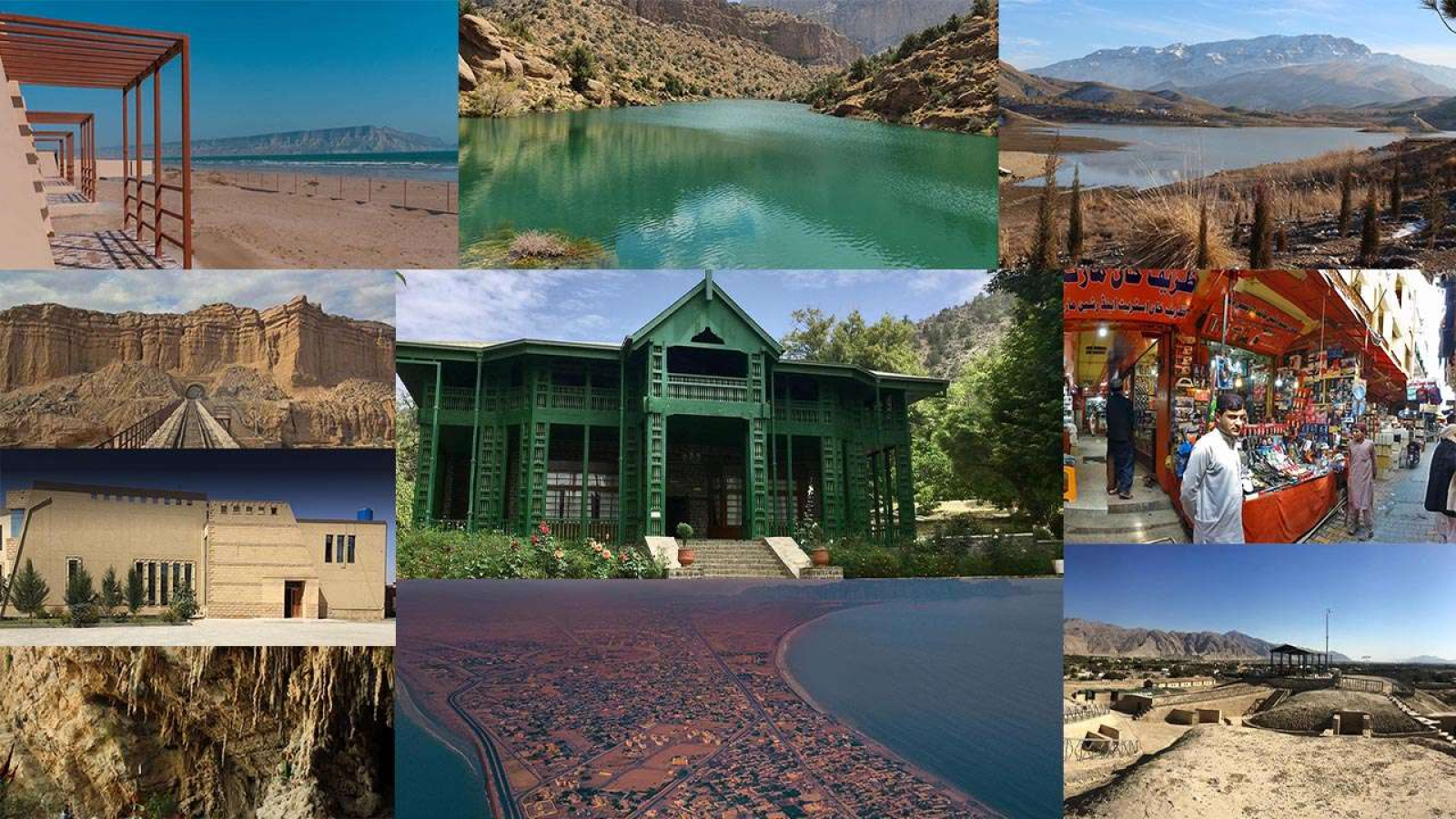
Pakistan tourism punjab tourism department tourism department punjab tourism travel pakistan for tourists pakistan tour tour pakistan pakistan tourists tourism website in pakistan

Hunza Valley Gilgit Baltistan: History & Travel

The Enchanting Majesty of Hunza Valley Gilgit Baltistan

Nestled high within the Karakoram mountain range, Hunza Valley Gilgit Baltistan remains one of the most awe-inspiring destinations on the planet. Often referred to as the Shangri-La of the north, this mountainous territory is a symphony of jagged peaks, sapphire blue lakes, and ancient cultures that have thrived in isolation for centuries. For travelers seeking a true escape, Hunza Valley Gilgit Baltistan offers a rare glimpse into a world where time seems to slow down, and nature dictates the rhythm of life.

The journey to this remote paradise is an adventure in itself. Traveling through the Karakoram Highway, often cited as the eighth wonder of the world, visitors are treated to ever-changing landscapes that transition from the dusty plains of the south to the vertical alpine wonders of the north. Whether you are a solo backpacker or looking for luxury tour pakistan packages, the allure of the valley is universal.

Geographic Splendor and the Peaks of Hunza Valley Pakistan

One cannot discuss Hunza Valley Gilgit Baltistan without mentioning the towering giants that surround it. The valley is cradled by some of the highest mountains in the world, including the magnificent Rakaposhi, Ladyfinger Peak, and Ultar Sar. These peaks provide a dramatic backdrop to everyday life in the villages of Karimabad and Aliabad.

The geography of Hunza Valley Pakistan is unique because of its verticality. Within a few miles, the elevation shifts dramatically, creating distinct microclimates. In the spring, the valley floor is a blanket of pink and white apricot blossoms, while the peaks remains draped in eternal snow. This contrast is what makes Hunza Valley Gilgit Baltistan a photographer’s dream and a hiker’s ultimate challenge.

Exploring the Historical Divide of Hunza Valley Hunza Nagar

Historically, the region was divided into two princely states: Hunza and Nagar. Separated by the rushing waters of the Hunza River, these two areas have a shared yet distinct history. Exploring Hunza Valley Hunza Nagar allows travelers to see how twin kingdoms developed side by side. While Hunza is famous for the Altit and Baltit Forts, Nagar is home to the stunning Hopper Glacier and offers some of the best views of Rakaposhi.

The residents of Hunza Valley Gilgit Baltistan are known for their longevity and hospitality. The Burusho people of Hunza and the Shina-speaking people of Nagar have maintained their traditions despite the increasing influx of tourism. Their diet, largely consisting of organic fruits, nuts, and glacial water, is often cited by researchers as a secret to their legendary health and vitality.

Top Attractions in Hunza Valley

When visiting Hunza Valley Gilgit Baltistan, there are several key sites that should be at the top of every itinerary. Each location offers a different perspective on the region’s history and natural beauty.

Baltit Fort and Altit Fort

These ancient structures are the architectural soul of the valley. Baltit Fort, perched on a hill overlooking Karimabad, dates back over 700 years. Its design is heavily influenced by Tibetan architecture, a result of a royal marriage between a Hunza prince and a Balti princess. A short drive away lies Altit Fort, which is even older and sits precariously on a cliff edge above the Indus River. Both forts have been meticulously restored and serve as museums today.

Attabad Lake

A relatively new addition to the landscape of Hunza Valley Gilgit Baltistan, Attabad Lake was formed in 2010 following a massive landslide. What was once a tragedy has become a stunning turquoise attraction. The vibrant blue water against the stark, barren mountains creates a surreal visual experience. Boating and jet skiing on the lake are now staple activities for those booking tour pakistan packages.

Passu Cones and Hussaini Suspension Bridge

Further north in Upper Hunza, the landscape becomes even more rugged. The Passu Cones, also known as the Cathedral Peaks, are a series of pointed mountains that look like something out of a fantasy novel. Nearby, the Hussaini Suspension Bridge offers a thrill for the brave. Often called one of the most dangerous bridges in the world, crossing its narrow wooden planks over the roaring river is a rite of passage for many visiting Hunza Valley Pakistan.

The Cultural Experience and Local Cuisine

The culture of Hunza Valley Gilgit Baltistan is deeply rooted in music, dance, and communal harmony. Visitors are often welcomed into local homes for tea, where they can experience the genuine warmth of the mountain people. The local cuisine is a highlight of any trip. Dishes like Chapshuro (a meat-filled pastry), Mamtu (dumplings), and various preparations of dried apricots provide a taste of the high-altitude lifestyle.

Agriculture remains the backbone of the economy in Hunza Valley Gilgit Baltistan. The intricate irrigation channels, hand-carved into the mountainsides centuries ago, still bring glacial meltwater to the terraced fields. This sustainable way of living is a point of pride for the locals and a fascinating study in traditional engineering for visitors.

Choosing the Best Tour Pakistan Packages

Given the remote nature of the region, choosing the right travel partner is crucial. High-quality tour pakistan packages should include experienced drivers who are familiar with the mountain roads, comfortable valley-side accommodation, and knowledgeable guides who can explain the nuances of local history.

Whether you are interested in a trekking expedition to the base camp of Rakaposhi or a relaxed cultural tour of the local villages, planning ahead ensures you get the most out of your time in Hunza Valley Gilgit Baltistan. The peak season runs from May to October, but autumn is particularly magical as the entire valley turns vibrant shades of gold and orange.

Sustainability and Responsible Travel

As Hunza Valley Gilgit Baltistan grows in popularity, the importance of responsible travel cannot be overstated. The ecosystem is fragile, and the local community works hard to maintain the cleanliness of their environment. Travelers are encouraged to minimize plastic use, stay in eco-friendly lodges, and support local artisans by purchasing handmade crafts and organic produce.

By practicing sustainable tourism, we ensure that the breathtaking vistas of Hunza Valley Pakistan remain pristine for future generations. The balance between modernization and tradition is delicate, and every visitor plays a role in preserving this unique heritage.

The Spiritual Peace of the Mountains

Many travelers come to Hunza Valley Gilgit Baltistan seeking more than just beautiful views; they come for a sense of peace. There is a profound stillness in the high mountains that is hard to find elsewhere. Watching the sunrise over the Karakoram peaks or sitting by the river in Hunza Valley Hunza Nagar provides a clarity of mind that stays with you long after you return home.

The combination of majestic landscapes, ancient history, and the kindness of the people makes Hunza Valley Gilgit Baltistan a destination that truly touches the soul. It is a place where nature is grand, and human spirit is resilient.

Conclusion

Hunza Valley Gilgit Baltistan is undoubtedly the crown jewel of Pakistan’s northern territories. From the historic heights of Baltit Fort to the shimmering blue waters of Attabad Lake, the valley offers an unparalleled travel experience. Whether you are exploring the rugged terrain of Hunza Valley Hunza Nagar or simply soaking in the views of the Karakoram, this region promises memories that will last a lifetime.

Planning a trip to such a magnificent location should be handled with care and expertise. To ensure your journey is safe, comfortable, and truly immersive, it is best to rely on experts who understand the heart of these mountains.

Experience the breathtaking beauty of the north by visiting our website at https://ptcptourism.com/ to discover the best tour pakistan packages and start your journey to Hunza Valley Gilgit Baltistan today.

Pakistan tourism punjab tourism department tourism department punjab tourism travel pakistan for tourists pakistan tour tour pakistan pakistan tourists tourism website in pakistan

Hunza Valley Gilgit Baltistan: History & Travel

The Ultimate Guide to Hunza Valley Gilgit Baltistan: Heaven on Earth

The hunza valley gilgit baltistan is often described as a slice of paradise nestled within the Karakoram Mountain Range. For decades, this high-mountain valley has captivated the hearts of explorers, mountaineers, and peace-seekers from across the globe. Known for its breathtaking vistas, crystal-clear turquoise waters, and the legendary longevity of its people, the hunza valley gilgit baltistan is more than just a travel destination; it is a profound cultural experience that stays with you long after you have descended from its peaks.

When you enter the hunza valley gilgit baltistan, the first thing that strikes you is the sheer scale of the surroundings. Towering peaks like Rakaposhi, Ladyfinger, and Ultar Sar loom over the emerald-green terraced fields, creating a landscape that feels almost ethereal. Whether you are trekking through its rugged trails or sipping local apricot juice in a traditional homestay, the hunza valley gilgit baltistan offers a unique blend of adventure and serenity that is hard to find anywhere else in the world.


Exploring the Geography of Hunza Valley Pakistan

The geography of Hunza Valley Pakistan is defined by its dramatic elevation and its strategic location along the ancient Silk Road. Situated at an average altitude of approximately 2,438 meters, the valley is divided into three main regions: Upper Hunza (Gojal), Central Hunza, and Lower Hunza. Each region offers a different flavor of scenery and culture, making the hunza valley gilgit baltistan a diverse landscape to explore.

Central Hunza is the administrative heart, home to the famous town of Karimabad. From here, you can witness the sun rising over Rakaposhi, a sight that defines the beauty of Hunza Valley Pakistan. Upper Hunza, or Gojal, is where the landscape becomes even more rugged, featuring the famous Attabad Lake and the Khunjerab Pass, which marks the border between Pakistan and China. Understanding these divisions is crucial for anyone looking to maximize their time in the hunza valley gilgit baltistan.


The Historic Twin Regions: Hunza Valley Hunza Nagar

For centuries, the region was characterized by the two princely states of hunza valley hunza nagar. Though they are separated only by the Hunza River, these two areas have distinct histories and traditions. Exploring the hunza valley hunza nagar dynamic allows visitors to appreciate the complex social tapestry of the north.

The people of hunza valley hunza nagar are known for their hospitality and resilience. While the Hunza side is famous for the Altit and Baltit Forts, the Nagar side is home to the stunning Hopper Glacier and some of the best viewpoints for Rakaposhi. Most tour pakistan packages include visits to both sides of the river to ensure travelers get a holistic view of the region’s heritage. The harmony currently enjoyed between the people of hunza valley hunza nagar is a testament to the peaceful nature of the local communities.


Cultural Heritage and Ancient Fortifications

The Hunza Valley is steeped in history that dates back over a thousand years. The most iconic symbols of this history are the Baltit and Altit Forts.

Baltit Fort

The Baltit Fort, perched high above Karimabad, served as the residence of the Mirs (rulers) of Hunza for centuries. Its architecture is heavily influenced by Tibetan styles, as the Mirs once married princesses from Baltistan. Walking through its wooden corridors, you can see ancient artifacts, royal chambers, and strategic watchtowers that offer a 360-degree view of the hunza valley gilgit baltistan.

Altit Fort

Slightly older than Baltit, the Altit Fort is located at the base of the valley. It was originally built as a defensive structure to guard the Silk Road trade routes. Today, the fort and the surrounding Altit village have been beautifully restored, showcasing the intricate woodcarvings and stone masonry that define the aesthetic of the Hunza Valley.


Natural Wonders You Cannot Miss

No visit to the hunza valley gilgit baltistan is complete without witnessing its natural landmarks. The region is a playground for nature lovers and photographers.

  • Attabad Lake: Created by a massive landslide in 2010, this bright blue lake is now a hub for boating and jet skiing. Its striking color against the backdrop of barren mountains is a highlight of Hunza Valley Pakistan.
  • Passu Cones: These jagged, needle-like peaks in Upper Hunza are perhaps the most photographed mountains in the hunza valley gilgit baltistan.
  • Khunjerab Pass: The highest paved border crossing in the world, connecting Pakistan to China at over 15,000 feet.
  • Hoper Glacier: Located in the Nagar side of the hunza valley hunza nagar divide, this active glacier is easily accessible for those who want to experience the raw power of ice.

Choosing the Best Tour Pakistan Packages

Because the northern areas can be challenging to navigate, many travelers opt for professional tour pakistan packages. These packages often handle the logistics of jeep rentals, hotel bookings in Karimabad, and guided treks to places like Rakaposhi Base Camp or Shimshal Valley.

When looking at tour pakistan packages, ensure they include a mix of cultural sites and natural wonders. A well-rounded itinerary will take you through the historic villages of the hunza valley gilgit baltistan, allow for time at the high-altitude lakes, and perhaps include a traditional musical evening with the locals. Traveling with an organized tour is often the most efficient way to see the vast expanse of Hunza Valley Pakistan without the stress of managing mountain logistics.


The Secret to Longevity and Local Cuisine

One of the most enduring myths about the hunza valley gilgit baltistan is the secret to the health and longevity of its inhabitants. While science suggests it is a combination of clean air, glacial water, and an active lifestyle, the local diet plays a huge role.

While visiting the Hunza Valley, you must try Chapshuro (a local meat-filled flatbread) and Dowodo (a hearty noodle soup). Apricots are the golden fruit of the region; you will see them drying on every rooftop. The use of apricot oil in cooking is a staple in the hunza valley gilgit baltistan, contributing to the unique flavors of the region.


Essential Travel Tips for Hunza Valley

Traveling to the hunza valley gilgit baltistan requires some preparation. Here are a few tips to keep in mind:

  1. Connectivity: While SCOM is the most reliable network in the Hunza Valley, internet can be spotty. It is best to inform family of your plans in advance.
  2. Respect Local Customs: The people of the hunza valley gilgit baltistan are progressive and welcoming, but it is important to dress modestly and ask for permission before taking photos of locals.
  3. Environment: The ecosystem of Hunza Valley Pakistan is fragile. Always carry your trash back with you and avoid using single-use plastics.
  4. Seasonality: The best time to visit the hunza valley gilgit baltistan is from April to October. Autumn (October/November) is particularly stunning as the trees turn vibrant shades of gold and orange.

Conclusion

The hunza valley gilgit baltistan is a destination that defies description. It is a place where the mountains touch the sky and the hospitality of the people warms the soul. From the historic rivalry turned friendship of hunza valley hunza nagar to the serene waters of Attabad Lake, every moment spent in the Hunza Valley is a memory in the making.

Are you ready to witness the majesty of the north? At PTCP Tourism, we pride ourselves on offering the most comprehensive and adventurous tour pakistan packages available. We take care of every detail, from luxury transport to expert local guides, so you can focus on the beauty of Hunza Valley Pakistan.

Start your journey to the mountains on our website: https://ptcptourism.com/

Pakistan tourism punjab tourism department tourism department punjab tourism travel pakistan for tourists pakistan tour tour pakistan pakistan tourists tourism website in pakistan

Data Darbar Lahore: History, Visit & Significance

The Spiritual Legacy of Data Darbar Lahore

Lahore is a city defined by its layers of history, from the red-brick echoes of the Mughal era to the bustling energy of its modern markets. Yet, at its very center lies a spiritual pulse that has remained constant for nearly a thousand years. Data Darbar Lahore is not merely a landmark; it is the spiritual anchor of the city, serving as the final resting place of the 11th-century Sufi saint, Abul Hassan Ali ibn Usman al-Jullabi al-Hajvery al-Ghaznawi, popularly known as Data Ganj Baksh.

To understand Lahore is to understand the influence of this shrine. Situated just outside the Walled City near the Bhati Gate, the complex is a sprawling sanctuary of white marble and devotion. For centuries, seekers of peace, scholars of theology, and the destitute looking for a meal have all found their way to Data Darbar Lahore. It stands as a testament to the Sufi tradition of inclusivity, where the doors are open to everyone regardless of social standing or creed.

The Life and Teachings of Ali Hujwiri

The saint buried at Data Darbar Lahore was a Persian scholar and mystic who traveled extensively across the Islamic world before settling in Lahore. Ali Hujwiri arrived in the city during the Ghaznavid period, bringing with him a deep knowledge of Islamic jurisprudence and mysticism. His most famous work, the Kashf al-Mahjub (Revelation of the Veiled), remains a foundational text in Sufi literature and was the first Persian treatise on Sufism.

His title, “Data Ganj Baksh,” which translates to “the bestower of treasures,” was famously bestowed upon him by the great Sufi saint Khwaja Moinuddin Chishti. After spending a period of meditation at the shrine, Khwaja Moinuddin Chishti is said to have declared that Ali Hujwiri was a master for those who lacked one and a guide for those who already had one. This legacy of spiritual mentorship is what continues to draw millions to Data Darbar Lahore every year.

Architectural Evolution of the Shrine Complex

While the original tomb was a simple structure built by the saint’s contemporary admirers, the modern Data Darbar Lahore has undergone significant expansions over the centuries. During the 19th and 20th centuries, and particularly during the 1980s under state management, the shrine was transformed into a massive architectural complex.

The use of white marble across the courtyards and the grand arches gives the shrine a sense of celestial purity. The complex includes a large mosque, separate prayer halls for men and women, a massive basement library containing rare manuscripts, and administrative offices. The blend of traditional Islamic architecture with modern functional spaces allows Data Darbar Lahore to accommodate the massive crowds that gather, especially during the annual Urs (death anniversary) and every Thursday evening.

The Vibrancy of Data Darbar Road

The area surrounding the shrine is just as significant as the sanctuary itself. Data Darbar Road is a sensory experience like no other in the city. This road acts as the primary artery for pilgrims arriving from across the country. As you walk along Data Darbar Road, the air is thick with the scent of rose petals, incense, and the aroma of traditional foods being prepared in large cauldrons.

The economy of Data Darbar Road is built entirely around the shrine. Small shops sell floral wreaths, green chadors (ceremonial cloths) to be placed on the grave, and religious books. This street never truly sleeps; even in the early hours of the morning, you will find travelers and locals navigating the vibrant market. The presence of Data Darbar Lahore has turned this entire district into a focal point of communal life and commerce.

The Tradition of Langar and Social Welfare

One of the most striking features of Data Darbar Lahore is its commitment to the Sufi tradition of Langar, or the free distribution of food. The shrine’s kitchen operates 24 hours a day, feeding thousands of people every single day. For many of the city’s homeless and poor, the shrine is a reliable source of sustenance.

This tradition is funded through the donations of devotees who believe that feeding the hungry is the highest form of worship. The social welfare aspect of Data Darbar Lahore extends beyond food; the shrine administration often provides support for marriages of the underprivileged and offers basic medical assistance. This humanitarian mission is a direct reflection of Ali Hujwiri’s teachings on the importance of serving humanity as a means of reaching the Divine.

The Annual Urs and Cultural Impact

The Urs of Data Ganj Baksh is one of the largest religious gatherings in Pakistan. During these three days, Data Darbar Lahore becomes a sea of humanity. Pilgrims travel from remote villages and major cities to participate in the festivities, which include the “Chadar Poshi” (placing of the cloth), Quranic recitations, and scholarly lectures.

Beyond the religious rituals, the Urs is a major cultural event. Qawwali sessions, where devotional music is performed, take place throughout the night. The rhythmic chanting and the profound poetry of the Qawwals create an atmosphere of spiritual ecstasy. Data Darbar Lahore has historically been a patron of this musical tradition, helping to preserve the unique sounds of South Asian Sufism.

Spiritual Significance in the Modern Age

In a rapidly modernizing city like Lahore, the enduring popularity of Data Darbar Lahore might seem surprising to some. However, its relevance has only grown. In times of social or economic stress, the shrine provides a psychological and spiritual refuge. People come here to pray for health, success in exams, or the resolution of family disputes.

The shrine serves as a leveling ground. Inside the halls of Data Darbar Lahore, a wealthy businessman stands shoulder to shoulder with a laborer. This erasure of social hierarchy is a core tenet of the Sufi message. The shrine acts as a reminder that despite the chaos of the outside world, there is a space dedicated to inner peace and reflection.

Navigating the Complex: A Visitor’s Experience

Entering Data Darbar Lahore requires passing through security checkpoints, a necessary measure given its popularity. Once inside, the atmosphere shifts instantly. Visitors are required to remove their shoes, and the cool marble floors provide a soothing sensation. Many visitors choose to sit in the large courtyard, watching the pigeons or engaging in silent prayer.

The central chamber housing the tomb of Ali Hujwiri is the most crowded area. Devotees crowd around the silver railing, reciting verses and offering supplications. Despite the crowd, there is a peculiar sense of order and shared purpose. For many, the visit to Data Darbar Lahore is not complete without walking down to the adjacent markets on Data Darbar Road to buy traditional sweets like “halwa puri” or “laddu” to take home as a blessing.

Preservation and Governance

Today, the shrine is managed by the Auqaf and Religious Affairs Department of Punjab. This state management ensures that the massive amounts of donations are used for the maintenance of the building and the continuation of the Langar. Recent efforts have been made to digitize the library at Data Darbar Lahore, making its vast collection of Islamic literature accessible to researchers worldwide.

The government also focuses on the infrastructure of the surrounding areas. Improvements to the lighting and traffic management on Data Darbar Road have made it easier for the hundreds of thousands of daily visitors to access the shrine safely. These efforts ensure that the legacy of the saint remains protected for future generations.

The Heartbeat of Lahore

To many residents, Lahore is synonymous with the “Data ki Nagri” (The City of Data). The shrine is more than a religious site; it is a cultural landmark that defines the city’s hospitality and spiritual depth. Whether it is the sound of the Azaan echoing over the marble minarets or the sight of thousands of people being fed in the courtyards, Data Darbar Lahore represents the best of the city’s traditions.

Visiting this site offers a profound insight into the Pakistani soul. It is a place where history, faith, and community intersect. No trip to the city is complete without witnessing the devotion at Data Darbar Lahore and experiencing the vibrant life that flows through the nearby streets and markets.

Plan Your Visit to Lahore’s Spiritual Landmarks

Exploring the spiritual and historical sites of Lahore requires a deep appreciation for the local customs and stories that bring these places to life. From the silent prayers at the shrine to the energetic markets of the surrounding districts, every corner of this city has a story to tell.

Discover the rich cultural tapestry and spiritual heritage of the region by visiting our website at https://ptcptourism.com/ to explore our comprehensive travel guides and tour packages.

Pakistan tourism punjab tourism department tourism department punjab tourism travel pakistan for tourists pakistan tour tour pakistan pakistan tourists tourism website in pakistan

Data Darbar Lahore: History, Visit & Significance

Data Darbar Lahore: The Spiritual Heart of Pakistan

The city of Lahore is often described as the soul of Pakistan, and at the very center of that soul lies Data Darbar Lahore. This ancient shrine is the burial place of the Persian Sufi saint, Hazrat Syed Abul Hassan Bin Usman Bin Ali Al-Hajweri, more commonly known as Data Ganj Baksh. For over a millennium, this site has served as a beacon of spirituality, attracting millions of pilgrims from across the globe. It is not merely a religious monument; it is a sanctuary of peace where the boundaries of social class, ethnicity, and creed seem to dissolve.

Visiting Data Darbar Lahore offers a profound insight into the Sufi traditions that have shaped the cultural fabric of South Asia. The shrine is widely considered the oldest Sufi site in the region, predating many of the more famous imperial structures built by the Mughals. For any traveler exploring the historic streets of Lahore, a stop at this spiritual landmark is essential to understanding the deep-rooted devotion that defines the local way of life.


The Legacy of Hazrat Ali Hajweri

To appreciate the significance of Data Darbar Lahore, one must first understand the life of the saint it honors. Hazrat Ali Hajweri moved from Ghazni to Lahore in the 11th century during the Ghaznavid era. He was a scholar of immense depth and the author of the famous Persian treatise, Kashf-ul-Mahjub (Revelation of the Veiled), which remains a cornerstone of Sufi philosophy to this day.

The title Data Ganj Baksh, which means the “bestower of spiritual treasures,” was famously given to him by the great Sufi saint Khwaja Moinuddin Chishti of Ajmer. It is said that the Khwaja spent forty days in meditation at what is now Data Darbar Lahore, and upon his departure, he paid tribute to the spiritual authority of Ali Hajweri. This historical endorsement cemented the shrine’s status as a primary destination for those seeking spiritual enlightenment.


Architectural Grandeur and Expansion

The physical structure of Data Darbar Lahore has evolved significantly over the centuries. What began as a simple grave and a small mosque built by the saint himself has transformed into a massive, modern architectural complex. The most significant expansions took place in the late 20th century, modernizing the facilities to accommodate the ever-growing number of visitors.

The shrine is characterized by its extensive use of white marble, intricate mirror work, and vast courtyards. The main tomb is housed under a majestic dome, where the air is thick with the scent of rose petals and the sound of rhythmic prayers. The modern prayer hall of Data Darbar Lahore is one of the largest in the country, showcasing a blend of traditional Islamic motifs and contemporary construction techniques. The white marble floors, kept meticulously clean by a dedicated group of volunteers, remain cool even under the intense Punjab sun.


The Vibrant Life Along Data Darbar Road

The experience of visiting the shrine begins long before you step inside the gates. The approach via Data Darbar road is a sensory journey in itself. This bustling thoroughfare is lined with shops selling traditional offerings such as velvet covers (chaddars), garlands of fresh roses, and local sweets like Lahori Amarti.

The economy of the surrounding area is inextricably linked to the shrine. On Data Darbar road, you will find traditional eateries that have served pilgrims for generations. The street is also famous for its Langar (community kitchen) culture. Large cauldrons of rice and lentils are prepared daily to feed thousands of people, regardless of their ability to pay. This tradition of selfless service is a core tenet of the Sufi philosophy practiced at Data Darbar Lahore, making the surrounding streets a hub of humanitarian activity.


Rituals and Cultural Traditions

The daily life at Data Darbar Lahore is governed by a series of rituals that have remained largely unchanged for centuries. Every Thursday evening, the shrine becomes particularly lively. This is the traditional night for Dhikr (remembrance) and Qawwali (Sufi devotional music).

The Qawwali sessions at Data Darbar Lahore are legendary. Renowned singers perform verses of Sufi poetry, using music as a medium to reach a state of spiritual ecstasy. The atmosphere during these sessions is electric, as devotees sway to the rhythm of the tabla and the soulful melodies of the harmonium. Additionally, the annual Urs (death anniversary) of the saint is a massive three-day festival that sees hundreds of thousands of people descending upon Data Darbar road to pay their respects and participate in the celebrations.


The Role of the Shrine in Modern Society

In a rapidly modernizing city, Data Darbar Lahore remains a vital social institution. It acts as a safety net for the marginalized, providing food, shelter, and a sense of community. The shrine’s management, under the Punjab Auqaf and Religious Affairs Department, ensures that the spiritual and physical needs of the pilgrims are met through organized security, medical camps, and administrative oversight.

The influence of Data Darbar Lahore extends into the political and social spheres of Pakistan as well. It is a common tradition for newly elected officials and leaders to visit the shrine to seek blessings for their tenure. This highlights the shrine’s position as a unifying symbol for the nation, bridging the gap between the mundane world of politics and the sacred world of faith.


Tips for Visiting Data Darbar Lahore

For tourists and first-time visitors, navigating a site as busy as Data Darbar Lahore requires some preparation. To ensure a respectful and smooth experience, consider the following guidelines:

  • Dress Code: Both men and women should dress conservatively. Women are required to cover their heads with a scarf before entering the inner sanctum.
  • Security and Belongings: Due to high foot traffic, security is strict. Large bags are generally not allowed inside, and there are designated counters on Data Darbar road where you can safely leave your shoes for a small fee.
  • Timing: While the shrine is open 24/7, the best time to visit for peace and quiet is during the early morning hours. If you want to experience the vibrant Sufi culture, Thursday evenings are the highlight.
  • Photography: Photography is allowed in the outer courtyards, but it is often restricted inside the tomb area to maintain the sanctity of the space. Always ask for permission before taking photos of individuals.

Conclusion

Data Darbar Lahore is more than just a destination; it is an experience that touches the soul. From the historic teachings of Hazrat Ali Hajweri to the bustling energy of Data Darbar road, the shrine offers a unique window into the spiritual heart of Pakistan. Whether you are a seeker of truth, a history enthusiast, or a traveler looking to experience the authentic culture of Lahore, this shrine provides a profound sense of connection and peace.

At PTCP Tourism, we understand that travel is about more than just seeing sights; it is about feeling the pulse of a city. Our guided tours are designed to help you navigate the complexities of Lahore’s heritage with ease and respect. From the imperial heights of the fort to the spiritual depths of the darbar, we are here to make your journey unforgettable.

You can find more information and book your customized travel package on our website: https://ptcptourism.com/

Pakistan tourism punjab tourism department tourism department punjab tourism travel pakistan for tourists pakistan tour tour pakistan pakistan tourists tourism website in pakistan

Shalimar Gardens: A Complete Tour to Lahore’s Mughal Gem

The Timeless Elegance of Shalimar Gardens: A Mughal Masterpiece

The Shalimar Gardens represent the pinnacle of Mughal garden design, serving as a serene sanctuary that has captivated travelers, poets, and historians for centuries. Located in the vibrant city of Lahore, these gardens were commissioned by the great Mughal Emperor Shah Jahan in 1641. Often referred to as a “Paradise on Earth,” the Shalimar Gardens are a physical manifestation of the Islamic concept of Charbagh—a quadrilateral garden layout based on the four gardens of Paradise mentioned in the Quran.

Covering 16 hectares of land, the Shalimar Gardens are not just a collection of flora; they are a sophisticated engineering marvel of the 17th century. The gardens were designed to provide a cool retreat from the sweltering heat of the Punjab plains, utilizing a complex system of fountains, marble pavilions, and cascading waterfalls. Today, as a UNESCO World Heritage site, the Shalimar Gardens stand alongside the Lahore Fortress as the most significant cultural landmarks in Pakistan.


The Historical Vision of Shah Jahan

The creation of the Shalimar Gardens was a project of immense ambition. Shah Jahan, the “Master Builder” of the Mughal Empire, was known for his obsession with symmetry, white marble, and hydraulic beauty. To oversee the project, he appointed Khalilullah Khan, a prominent noble of his court. The site was chosen for its proximity to the Ravi River and its strategic location along the Royal Road.

Construction of the Shalimar Gardens took approximately one year and was completed in 1642. The land originally belonged to the Arain Mian family of Baghbanpura. In a gesture of imperial gratitude, the Emperor granted the family the hereditary custodianship of the gardens, a role they maintained for over three centuries. The historical significance of the Shalimar Gardens lies in its role as a summer residence for the royal family, providing a lush contrast to the military atmosphere of the Lahore Fortress.


The Architectural Layout: The Three Terraces

The Shalimar Gardens are famous for their unique three-level terrace structure, descending from south to north. Each terrace has a specific name and served a distinct purpose in the Mughal court.

Farah Baksh: The Upper Terrace

The highest terrace of the Shalimar Gardens is known as Farah Baksh, which translates to “Bestower of Pleasure.” Historically, this level was reserved for the Emperor’s private use and the royal ladies. It is characterized by its lush greenery and deep sense of privacy. The architectural elements here are refined, featuring delicate marble work that reflects the imperial status of its residents.

Faiz Baksh: The Middle Terrace

The middle terrace, named Faiz Baksh or “Bestower of Plenty,” is perhaps the most visually stunning part of the Shalimar Gardens. This level is dominated by a massive central marble pool featuring hundreds of fountains. It was designed to be the entertainment hub of the complex, where the royal family would host guests amidst the cooling mist of the water. The grand cascades, known as “abshars,” transition the water from the upper level to this middle section with a rhythmic sound that adds to the garden’s tranquil atmosphere.

Hayat Baksh: The Lower Terrace

The third and lowest level is Hayat Baksh, meaning “Bestower of Life.” This terrace was more accessible and featured vast orchards and flower beds. The symmetry of the Shalimar Gardens is most evident here, with perfectly aligned walkways and water channels that create a sense of infinite order.


Hydraulic Engineering and the Fountains

One of the most remarkable aspects of the Shalimar Gardens is the sophisticated hydraulic system that powers its 410 fountains. In the 17th century, the Mughal engineers constructed a canal known as the Shah Nahar (Royal Canal) to bring water from the foothills of the Himalayas, over 100 miles away.

The pressure required to operate the fountains in the Shalimar Gardens was achieved through a clever use of gravity and underground clay pipes. Even today, the sight of the fountains springing to life across the marble basins is a testament to the scientific advancement of the Mughal era. The way the water interacts with the architecture—flowing over textured marble slopes to create a shimmering effect—is a primary reason why the Shalimar Gardens are considered a masterpiece of landscape architecture.


The Cultural Connection to Lahore Fortress

While the Shalimar Gardens provided a space for reflection and leisure, the Lahore Fortress served as the administrative and military heart of the region. Together, these two sites represent the dual pillars of Mughal governance: strength and beauty.

The relationship between the Shalimar Gardens and the Lahore Fortress is one of shared identity. Many of the architectural motifs found in the fort’s Sheesh Mahal are echoed in the pavilions of the gardens. During the Mughal era, a royal procession would frequently travel between the Lahore Fortress and the Shalimar Gardens, marking the seasonal shifts of the court. Today, visiting both sites is essential for anyone wishing to understand the full scope of Lahore’s imperial history.


Preservation of a World Heritage Site

In 1981, the Shalimar Gardens were inscribed as a UNESCO World Heritage site. This designation was earned because the gardens represent an outstanding example of a Mughal garden at its peak. However, like many ancient sites, the Shalimar Gardens have faced challenges from urban encroachment and environmental wear.

In recent years, the Government of Pakistan and international heritage organizations have collaborated on extensive restoration projects. These efforts focus on repairing the historic water channels and preserving the original frescoes in the pavilions. For the modern visitor, the Shalimar Gardens offer a rare glimpse into a preserved past, standing as a green lungs for the bustling city of Lahore.


Essential Tips for Visiting Shalimar Gardens

If you are planning a trip to experience the Shalimar Gardens, here are a few things to keep in mind to enhance your visit:

  • Best Time to Visit: The months between October and March offer the most pleasant weather. Visiting in the early morning allows you to experience the gardens in their natural serenity before the crowds arrive.
  • Photography: The middle terrace of the Shalimar Gardens is a photographer’s dream, especially when the fountains are active. The reflection of the marble pavilions in the water creates iconic shots.
  • Duration: Allocate at least two hours to walk through all three terraces and appreciate the intricate details of the masonry.
  • Combine Your Trip: Since the Shalimar Gardens are located a few kilometers away from the walled city, consider pairing your visit with a trip to the Lahore Fortress to see the evolution of Mughal art in one day.

The Shalimar Gardens remain a symbol of elegance and a reminder of a time when architecture and nature were harmoniously intertwined.


Conclusion

The Shalimar Gardens are more than just a historical site; they are a sensory experience that brings the grandeur of the Mughal Empire to life. From the rhythmic sound of the cascades to the perfectly symmetrical vistas, every element of the Shalimar Gardens was designed to evoke a sense of peace and wonder. As you walk through the same paths once trodden by emperors, the connection between the Shalimar Gardens and the nearby Lahore Fortress becomes clear—one representing the soul of the empire and the other its strength.

Are you ready to discover the beauty of Lahore’s most famous garden? At PTCP Tourism, we offer specialized heritage tours that take you deep into the history of the Shalimar Gardens and beyond. Our expert guides ensure that your journey through Pakistan’s history is both informative and unforgettable.

Discover our full range of travel services and book your adventure on our website: https://ptcptourism.com/

Pakistan tourism punjab tourism department tourism department punjab tourism travel pakistan for tourists pakistan tour tour pakistan pakistan tourists tourism website in pakistan

Shalimar Gardens: A Complete Tour to Lahore’s Mughal Gem

The Timeless Splendor of Shalimar Gardens: A Journey Through Mughal Elegance

The historical landscape of Pakistan is dotted with architectural marvels that tell stories of a bygone era. Among these, the Shalimar Gardens stand as a pinnacle of Mughal garden design, reflecting the sophisticated taste and engineering prowess of Emperor Shah Jahan. Built in the 17th century, this “Paradise Garden” remains one of the most visited and cherished heritage sites in the heart of Lahore.

When one thinks of the cultural capital of Pakistan, the mind often wanders toward the grandeur of the Lahore Fortress and the serene layouts of the royal gardens. The Shalimar Gardens were conceived not just as a place of leisure but as a physical representation of an earthly utopia, where water, greenery, and marble architecture coexist in perfect harmony.

The Historical Origins of Shalimar Gardens

The construction of the Shalimar Gardens began in 1641 AD and was completed in a remarkably short period of about 18 months. Emperor Shah Jahan, known as the “Architect King,” commissioned the project after being inspired by the gardens in Kashmir. The site in Lahore was chosen for its strategic location and the availability of water, though the engineering required to bring that water to the plains was nothing short of miraculous for its time.

The land originally belonged to the Mian family of Baghbanpura. In a gesture of imperial justice and respect, Shah Jahan compensated the family and later granted them the custodianship of the gardens, a role they maintained for over three centuries. This connection between the royal court and the local community added a layer of social significance to the Shalimar Gardens that persists in local lore today.

Architectural Layout and the Three Terraces

The Shalimar Gardens are laid out in a rectangular shape, covering roughly 16 hectares of land. Unlike many other gardens of the period, this site utilizes a three-tier terrace system, with each level sitting 4 to 5 meters higher than the next. This elevation was not just for aesthetic beauty but served a functional purpose in the garden’s complex hydraulic system.

The three terraces are named poetically, reflecting the emotional and spiritual journey intended for those who walked through them:

  1. Farah Baksh (Bestower of Pleasure): The uppermost terrace, which was traditionally reserved for the Emperor’s harem and private royal use.
  2. Faiz Baksh (Bestower of Goodness): The middle terrace, characterized by its narrow rectangular shape and the most elaborate waterworks.
  3. Hayat Baksh (Bestower of Life): The lowermost terrace, which was often open to noblemen and sometimes the general public.

The symmetry of the Shalimar Gardens follows the Charbagh (four-fold garden) pattern, a hallmark of Persian and Islamic garden traditions. High brick walls with intricate fretwork enclose the entire complex, ensuring privacy and creating a microclimate that remains cooler than the surrounding city.

The Engineering Marvel of 410 Fountains

One cannot discuss the Shalimar Gardens without mentioning the incredible water system. There are approximately 410 fountains distributed across the three levels. What makes these fountains legendary is the fact that they operate on gravity and pressure alone, without the need for modern pumps.

The distribution of fountains is as follows:

  • The upper terrace contains 105 fountains.
  • The middle terrace features 152 fountains.
  • The lower terrace holds 153 fountains.

The water for these fountains was originally brought from the Rajba canal via a massive engineering project led by Ali Mardan Khan. The sight of hundreds of fountains discharging water onto white marble pools creates a cooling effect that was essential for the royal family during the scorching Lahore summers. Even today, when the fountains are active, the Shalimar Gardens transform into a misty, ethereal landscape that feels worlds away from the urban hustle.

Monuments and Structures Within the Garden

Beyond the flora and water, the Shalimar Gardens house several significant buildings that showcase the transition of Mughal architecture. These structures were designed to provide shade, resting areas, and administrative spaces for the imperial court.

  • Sawan Bhadun Pavilions: These are perhaps the most romantic features of the garden. Designed to mimic the rainy season, water flows over niches where oil lamps were once placed, creating a shimmering, multi-colored waterfall effect.
  • Aiwan (The Grand Hall): A large hall used for royal gatherings and entertaining high-profile guests.
  • The Royal Bath (Hammam): An elaborate suite for bathing, reflecting the Mughal obsession with cleanliness and luxury.
  • Diwan-e-Khas-o-Aam: Halls for special and ordinary audiences, similar to those found in the Lahore Fortress, where the Emperor would meet his subjects or advisors.

Symbolism in the Flora of Shalimar Gardens

Every tree and flower planted in the Shalimar Gardens carried a symbolic meaning. The Mughals were deep believers in the “Language of Flowers.” The cypress tree was a common sight, representing eternity and the afterlife. In contrast, fruit trees like plums, apricots, and mangoes symbolized youth, life, and the renewal of the seasons.

Walking through the garden today, one can still appreciate the diverse arboriculture. While the original 17th-century plantation plan has evolved, the presence of aromatic shrubs and shade-giving trees continues to uphold the original intent of creating a sensory experience that combines sight, smell, and sound.

Shalimar Gardens as a UNESCO World Heritage Site

Recognizing its “Outstanding Universal Value,” UNESCO inscribed the Shalimar Gardens along with the Lahore Fortress (Shahi Qila) as a World Heritage Site in 1981. This status highlights the gardens as a masterpiece of human creative genius and a unique testimony to the Mughal civilization.

Over the years, the site has faced challenges from urban encroachment and environmental factors. However, recent conservation efforts by the Punjab government and international organizations have focused on restoring the original tile work and ensuring the hydraulic systems remain functional. For history enthusiasts, the Shalimar Gardens represent a vital link to the artistic and aesthetic zenith of South Asia.

Visiting the Gardens: A Practical Guide

If you are planning a trip to Lahore, the Shalimar Gardens are an absolute must-see. Located on the Grand Trunk Road, they are easily accessible from the city center. The best time to visit is during the cooler months, from October to March, when the greenery is at its peak and the weather is pleasant for walking.

Visitors are often struck by the contrast between the red sandstone walls and the white marble pavilions. It is a photographer’s paradise, especially during the golden hour when the sun reflects off the water channels.

The Connection Between Shalimar Gardens and Lahore Fortress

While the Shalimar Gardens provided a serene retreat, the Lahore Fortress served as the seat of power and military might. Together, these two sites offer a complete picture of Mughal life. The Fort represented the strength and administrative brilliance of the empire, while the Shalimar Gardens represented its soul and appreciation for beauty.

Traveling between the two sites allows tourists to see how the Mughals integrated urban planning with natural landscapes. The Lahore Fortress and the gardens are the twin pillars of Lahore’s identity, drawing millions of people who wish to walk the same paths as emperors once did.

Preserving the Legacy for Future Generations

The Shalimar Gardens are more than just a tourist attraction; they are a living museum of Islamic art and hydraulic engineering. Preserving such a site requires a delicate balance between tourism and conservation. As more people discover the beauty of the Shalimar Gardens, it becomes even more important to respect the heritage by following visitor guidelines and supporting local preservation initiatives.

The experience of sitting by a 400-year-old fountain, surrounded by the same trees that once shaded royalty, is a reminder of the enduring nature of human creativity. The Shalimar Gardens continue to inspire architects, historians, and travelers from around the globe.

Conclusion

The Shalimar Gardens remain a crowning jewel of Pakistan’s cultural heritage. From the rhythmic sound of the 410 fountains to the symmetrical beauty of the three terraces, every element of this site invites you to step back in time. Whether you are exploring the historical depths of the Lahore Fortress or seeking peace among the flowers of the Farah Baksh terrace, the majesty of the Mughal era is omnipresent here.

For those planning to explore the rich history and vibrant culture of Pakistan, having a reliable guide is essential. We invite you to discover the wonders of our heritage through our curated tours and travel resources.

Experience the magic of Lahore’s history today by visiting our website at https://ptcptourism.com/ to plan your next adventure.

Pakistan tourism punjab tourism department tourism department punjab tourism travel pakistan for tourists pakistan tour tour pakistan pakistan tourists tourism website in pakistan

Lahore Fortress History Travel & Architecture

Lahore Fortress – Complete History, Architecture & Travel Guide

The Lahore Fort, often referred to as Lahore Fortress, is one of the most iconic historical landmarks in South Asia. Located in the heart of Lahore, the Lahore Fortress represents centuries of imperial power, cultural richness, and architectural brilliance. This grand structure is a UNESCO World Heritage Site and remains one of the most visited tourist attractions in Pakistan.

The Lahore Fortress is not just a fort; it is a vast complex of palaces, gardens, halls, and gateways that narrate the story of the Mughal Empire. Its massive walls and intricate interiors make the Lahore Fortress a symbol of strength and artistic excellence.


Introduction to Lahore Fortress

The Lahore Fortress stands as a testament to the grandeur of Mughal architecture. Known locally as Shahi Qila, the Lahore Fortress has served as a royal residence, administrative center, and military stronghold throughout history.

Visitors exploring the Lahore Fortress are often amazed by its scale and beauty. The combination of defensive structures and luxurious palaces makes the Lahore Fortress a unique historical site that appeals to both historians and travelers.


Historical Background of Lahore Fortress

The origins of the Lahore Fortress date back to ancient times, but the current structure was significantly developed during the reign of Akbar in the 16th century. Akbar rebuilt the Lahore Fortress using solid brick masonry, transforming it into a grand imperial residence.

Later rulers such as Jahangir and Shah Jahan expanded the Lahore Fortress, adding elegant palaces, gardens, and decorative elements.

During Sikh rule, the Lahore Fortress was used for administrative purposes, while the British later adapted it for military use. Despite these changes, the Lahore Fortress has retained its Mughal identity.


Architectural Features of Lahore Fortress

The Lahore Fortress is a masterpiece of design, combining strength with elegance.

Sheesh Mahal – The Palace of Mirrors

One of the most famous structures within the Lahore Fortress is the Sheesh Mahal. Built by Shah Jahan, it features intricate mirror work that creates a dazzling visual effect.

Alamgiri Gate

The Alamgiri Gate, constructed by Aurangzeb, serves as the main entrance to the Lahore Fortress. Its imposing design reflects the authority of the Mughal Empire.

Naulakha Pavilion

The Naulakha Pavilion is another highlight of the Lahore Fortress. Built with white marble, it showcases delicate carvings and refined craftsmanship.

Diwan-e-Aam and Diwan-e-Khas

These halls were used for public and private audiences. They demonstrate the administrative and ceremonial importance of the Lahore Fortress during the Mughal period.


Connection with Shalimar Gardens

The Lahore Fortress shares a strong historical and architectural connection with the Shalimar Gardens. Both sites were developed during the Mughal era and reflect the empire’s emphasis on beauty and symmetry.

While the Lahore Fortress represents royal authority and power, Shalimar Gardens symbolizes leisure and harmony with nature. Together, they form a significant part of Lahore’s cultural heritage.


Cultural and Historical Importance

The Lahore Fortress holds immense cultural significance as a symbol of Mughal power and artistic achievement. It was the center of political activity and cultural development for centuries.

The Lahore Fortress also played a key role in shaping the identity of Lahore as a major historical city. Its preservation is essential for understanding the region’s past.


Location and Accessibility

The Lahore Fortress is located in the northern part of the Walled City of Lahore. Its central location makes it easily accessible for tourists.

Visitors often combine their trip to the Lahore Fortress with nearby attractions, creating a rich cultural experience.


Restoration and Preservation

Over the years, the Lahore Fortress has undergone extensive restoration to preserve its historical integrity. Organizations such as UNESCO have supported these efforts.

Restoration projects have focused on maintaining the structure and restoring its intricate artwork, ensuring that the Lahore Fortress remains a symbol of heritage.


Best Time to Visit Lahore Fortress

The best time to visit the Lahore Fortress is during the winter months, when the weather is pleasant. Early mornings and evenings provide ideal conditions for exploring the site.

During these times, the Lahore Fortress offers a peaceful environment that allows visitors to fully appreciate its beauty.


Travel Tips for Visitors

When visiting the Lahore Fortress, it is important to wear comfortable shoes, as the site requires a lot of walking. Carry water, respect the historical site, and consider hiring a guide for a deeper understanding of the Lahore Fortress.


Photography and Visual Experience

The Lahore Fortress is a paradise for photographers. Its grand structures, intricate designs, and historical ambiance provide countless opportunities for capturing stunning images.

From the mirror work of Sheesh Mahal to the massive walls of the fort, every corner of the Lahore Fortress offers a unique perspective.


Why Lahore Fortress is a Must-Visit

The Lahore Fortress is a must-visit destination for anyone interested in history, architecture, and culture. Its vast complex, rich history, and artistic beauty make it one of the most important landmarks in Pakistan.

The Lahore Fortress provides a glimpse into the lives of Mughal emperors and the grandeur of their empire.


Conclusion

The Lahore Fortress stands as a timeless symbol of strength, beauty, and cultural heritage. Its magnificent structures and historical significance make it one of the most remarkable landmarks in Pakistan.

Exploring the Lahore Fortress is like stepping into a world of emperors, palaces, and artistic brilliance. Whether you are a traveler, historian, or photographer, the Lahore Fortress offers an unforgettable experience.

If you want to discover more historical destinations, travel guides, and cultural insights, visit https://ptcptourism.com/ and start planning your journey across Pakistan today.

Pakistan tourism punjab tourism department tourism department punjab tourism travel pakistan for tourists pakistan tour tour pakistan pakistan tourists tourism website in pakistan

Lahore Fortress History Travel & Architecture

The Magnificent Lahore Fortress: A Living Chronicle of Mughal Majesty

The Lahore Fortress, widely recognized as the Shahi Qila, stands as the most formidable symbol of imperial power in the heart of Pakistan. This massive complex is not merely a collection of stone and mortar; it is a sprawling historical narrative that spans over four centuries of dynastic rule. For those wandering through its gates, the Lahore Fortress offers an immersive journey into the architectural evolution of the Mughal Empire, from the red sandstone foundations of Akbar the Great to the delicate marble filigree of Shah Jahan.

As a centerpiece of South Asian heritage, the Lahore Fortress has been preserved as a UNESCO World Heritage site, reflecting its “outstanding universal value.” Its presence in the city of Lahore defines the cultural identity of the region. Whether you are viewing it from the towering minarets of the neighboring mosque or walking through its intricate corridors, the Lahore Fortress commands a sense of awe that few other global landmarks can replicate.


The Origin and Evolution of the Fortress

The history of the Lahore Fortress is as layered as the bricks used to build it. While archaeological evidence suggests that a mud-brick fort existed on this site during the 11th century, the structured stone citadel we see today began its transformation in 1566. Emperor Akbar, recognizing the strategic importance of Lahore as a gateway to the northwest, demolished the old mud fort and replaced it with a burnt-brick masonry structure.

As the empire expanded and moved into a period of relative peace and immense wealth, the role of the Lahore Fortress shifted from a purely defensive stronghold to a luxurious royal residence. Subsequent emperors, including Jahangir, Shah Jahan, and Aurangzeb, each added their own unique architectural signatures. This evolution makes the Lahore Fortress a unique case study in how Mughal tastes transitioned from the robust, Hindu-influenced styles of the 16th century to the refined, Persian-inspired white marble aesthetics of the 17th century.


Architectural Landmarks Within the Citadel

The interior of the Lahore Fortress is divided into several administrative and residential quadrangles, each housing structures of immense historical and artistic significance.

The Sheesh Mahal: Palace of Mirrors

Located within the Shah Burj block, the Sheesh Mahal is arguably the most famous part of the Lahore Fortress. Built under the reign of Shah Jahan, it was intended as a private residence for the royal family. The walls and ceilings are decorated with thousands of tiny convex glass mirrors, which create a shimmering effect when illuminated. This specific technique, known as Ayina Kari, represents the pinnacle of decorative arts in the Lahore Fortress.

The Naulakha Pavilion

Adjacent to the Sheesh Mahal is the Naulakha Pavilion, a small but incredibly expensive marble structure. The name suggests that it cost nine lakh (900,000) rupees to build at the time. Its distinctive curvilinear roof is a rare architectural feature in the Lahore Fortress, showcasing the empire’s ability to blend local architectural traditions with imperial grandeur.

The Picture Wall

The exterior wall of the Lahore Fortress is home to the world-famous Picture Wall. Stretching over 1,400 feet, this mural is decorated with intricate tile mosaics, frescoes, and filigree work. It depicts scenes of court life, including elephant fights, polo matches, and celestial beings. This wall remains one of the most significant features of the Lahore Fortress, as it provides a visual record of the hobbies and beliefs of the Mughal elite.


The Strategic Link to Shalimar Gardens

When discussing the grandeur of the Lahore Fortress, it is impossible to ignore its relationship with the Shalimar Gardens. Built during the same peak of Mughal creativity, the Shalimar Gardens were designed as a Persian-style paradise garden (Charbagh) to serve as a summer retreat for the royal family residing at the fort.

The distance between the Lahore Fortress and the Shalimar Gardens was historically connected by a royal route, allowing the emperors to move between their seat of power and their place of relaxation. Both the Lahore Fortress and the Shalimar Gardens share the UNESCO designation, as they together represent the dual nature of Mughal life: the strength of the citadel and the tranquility of the garden.


The Role of the Fortress in Administrative History

The Lahore Fortress was more than just a home; it was the nerve center of the empire. The Diwan-e-Aam (Hall of Public Audience) was the place where the emperor would sit on a high balcony to hear the grievances of his subjects. This public-facing aspect of the Lahore Fortress ensured that the ruler remained connected to the people.

For more sensitive matters, the Diwan-e-Khas (Hall of Private Audience) was used. Here, the emperor would meet with ministers, ambassadors, and generals. The physical layout of the Lahore Fortress was designed to facilitate this flow of power, with clear divisions between public, semi-private, and strictly private royal quarters.


Preservation and Modern Tourism

In recent decades, the Walled City of Lahore Authority has worked tirelessly to restore the Lahore Fortress to its former glory. These efforts have included the cleaning of the Picture Wall and the restoration of the royal kitchens. Today, the Lahore Fortress is the top destination for international tourists and locals alike.

Walking through the massive Alamgiri Gate of the Lahore Fortress, visitors can still feel the weight of history. The site serves as a backdrop for cultural festivals, photography sessions, and educational tours, ensuring that the legacy of the Mughals remains relevant in the 21st century.


Visitor Guide for Exploring the Fortress

To fully appreciate the Lahore Fortress, visitors should plan to spend at least half a day within its walls. Here are some essential tips:

  • Best Time to Visit: The winter months (November to February) offer the most pleasant weather for walking through the expansive courtyards of the Lahore Fortress.
  • Guided Tours: It is highly recommended to hire a licensed guide at the entrance of the Lahore Fortress to hear the fascinating stories and legends associated with the various pavilions.
  • Photography: The late afternoon light provides a stunning golden glow over the red sandstone walls of the Lahore Fortress, making it the perfect time for photography.
  • Nearby Attractions: After visiting the fort, you can easily walk to the Badshahi Mosque or take a short drive to the Shalimar Gardens to complete your heritage experience.

Conclusion

The Lahore Fortress stands as an enduring monument to human ingenuity and artistic vision. It is a place where history is etched into every marble slab and every tile mosaic. From the defensive ramparts to the shimmering mirrors of the Sheesh Mahal, the Lahore Fortress remains a must-visit destination for anyone seeking to understand the heart of Pakistan’s heritage. Whether you are captivated by the vastness of the fort or the botanical beauty of the Shalimar Gardens, these sites offer a window into a golden age of history.

At PTCP Tourism, we are committed to providing you with the most authentic and enriching travel experiences in Lahore. Our expert-led tours of the Lahore Fortress ensure that you don’t just see the monuments, but you truly experience the stories behind them.

Visit our website today to explore our exclusive heritage packages: https://ptcptourism.com/

Pakistan tourism punjab tourism department tourism department punjab tourism travel pakistan for tourists pakistan tour tour pakistan pakistan tourists tourism website in pakistan

Badshahi Mosque Pakistan History & Travel

Badshahi Mosque Pakistan – Complete History, Architecture & Travel Guide

The Badshahi Mosque, famously known as Badshahi Mosque Pakistan, is one of the most magnificent landmarks of the Mughal era. Located in the historic city of Lahore, this grand mosque represents power, spirituality, and architectural brilliance.

Badshahi Mosque Pakistan is not only one of the largest mosques in the world but also a symbol of Pakistan’s rich Islamic heritage. With its massive courtyard, towering minarets, and stunning red sandstone structure, Badshahi Mosque Pakistan continues to attract millions of visitors each year.


Introduction to Badshahi Mosque Pakistan

Badshahi Mosque Pakistan stands as a timeless masterpiece that reflects the grandeur of Mughal architecture. Built during the reign of Aurangzeb in 1673, the mosque was designed to showcase the strength and religious devotion of the Mughal Empire.

Situated opposite the Lahore Fort, Badshahi Mosque Pakistan forms a stunning historical complex that highlights the cultural richness of Lahore. The mosque’s vast open space and symmetrical design create a sense of awe that leaves every visitor mesmerized.


Historical Background of Badshahi Mosque Pakistan

Badshahi Mosque Pakistan was commissioned by Emperor Aurangzeb, the last of the great Mughal rulers. At the time of its construction, the mosque was the largest in the world and remained so for over 300 years.

The mosque was built to serve as a central place of worship and a symbol of Islamic authority. During the Mughal period, Badshahi Mosque Pakistan was a hub of religious activity and intellectual discourse.

However, the mosque faced periods of decline during Sikh and British rule. It was used for military purposes and suffered structural damage. Later, restoration efforts helped revive the original beauty of Badshahi Mosque Pakistan, restoring it to its former glory.


Architectural Grandeur of Badshahi Mosque Pakistan

The architecture of Badshahi Mosque Pakistan is a perfect blend of strength and elegance, showcasing the artistic vision of the Mughal Empire.

Massive Courtyard and Prayer Hall

One of the most striking features of Badshahi Mosque Pakistan is its विशाल courtyard, which can accommodate over 100,000 worshippers. The prayer hall is equally impressive, featuring large domes and intricate decorations.

Red Sandstone and Marble Design

The use of red sandstone combined with white marble gives Badshahi Mosque Pakistan its distinctive appearance. This contrast enhances the visual appeal and highlights the symmetry of the structure.

Minarets and Domes

Badshahi Mosque Pakistan features four towering minarets, each rising high above the courtyard. The three large marble domes add to the mosque’s grandeur, making it visible from a distance.

Calligraphy and Decorative Elements

The interior of Badshahi Mosque Pakistan is adorned with beautiful calligraphy and floral designs. These artistic elements reflect the spiritual and cultural values of the Mughal era.


Cultural and Religious Significance

Badshahi Mosque Pakistan holds immense religious importance for Muslims. It serves as a major center for prayers, especially during Friday congregations and Islamic festivals.

The mosque is also a symbol of unity and faith, attracting visitors from different parts of the world. Its historical significance adds to its cultural value, making Badshahi Mosque Pakistan a key landmark in Pakistan’s heritage.


Location and Accessibility

Badshahi Mosque Pakistan is located in the Walled City of Lahore, directly opposite Lahore Fort. Its central location makes it easily accessible for both locals and tourists.

Visitors often include nearby attractions such as the Wazir Khan Mosque in their itinerary, creating a comprehensive historical experience.


Restoration and Preservation

Over the years, Badshahi Mosque Pakistan has undergone several restoration projects to maintain its structural integrity and aesthetic beauty. Organizations like UNESCO have supported these efforts.

These initiatives have helped preserve the mosque’s original design and ensure that future generations can appreciate its grandeur.


Comparison with Other Mughal Landmarks

When compared with other Mughal landmarks, Badshahi Mosque Pakistan stands out for its scale and grandeur.

The Lahore Fort represents royal power and administrative authority, while the wazir khan mosque is known for its intricate tile work and artistic detail. In contrast, Badshahi Mosque Pakistan embodies strength, simplicity, and spiritual significance.

Each of these landmarks contributes to Lahore’s rich cultural landscape.


Best Time to Visit Badshahi Mosque Pakistan

The best time to visit Badshahi Mosque Pakistan is during the winter months, when the weather is pleasant. Early mornings and evenings offer a peaceful atmosphere and ideal lighting for photography.

During these times, visitors can fully appreciate the beauty and serenity of Badshahi Mosque Pakistan.


Travel Tips for Visitors

When visiting Badshahi Mosque Pakistan, it is important to follow certain guidelines:

Wear modest clothing and respect the religious environment. Remove shoes before entering the mosque. Maintain silence and avoid disturbing worshippers. Carry water and plan your visit during cooler hours.


Photography Experience

Badshahi Mosque Pakistan is a paradise for photographers. Its विशाल courtyard, towering minarets, and intricate details provide countless opportunities for capturing stunning images.

The contrast between the red sandstone and white marble creates a dramatic effect, especially during sunrise and sunset.


Nearby Attractions to Explore

A visit to Badshahi Mosque Pakistan can be combined with several nearby attractions:

The Lahore Fort offers a glimpse into Mughal royal life. The wazir khan mosque showcases intricate tile work and artistic brilliance. The Walled City of Lahore provides a vibrant cultural experience.

Together, these sites create a rich and immersive journey through history.


Why Badshahi Mosque Pakistan is a Must-Visit

Badshahi Mosque Pakistan is a must-visit destination for anyone interested in history, architecture, and spirituality. Its massive scale, historical significance, and stunning design make it one of the most iconic landmarks in Pakistan.

The mosque offers a unique experience that combines cultural exploration with spiritual reflection.


Conclusion

Badshahi Mosque Pakistan stands as a powerful symbol of Mughal architecture and Islamic heritage. Its grandeur, history, and cultural importance make it one of the most remarkable landmarks in the world.

Exploring Badshahi Mosque Pakistan allows visitors to connect with centuries of history and appreciate the artistic achievements of the Mughal Empire. From its विशाल courtyard to its majestic domes, every aspect of the mosque reflects excellence and devotion.

If you are planning to explore Pakistan’s historical treasures, Badshahi Mosque Pakistan should be at the top of your list. For more travel guides, expert tips, and destination insights, visit https://ptcptourism.com/ and begin your journey today.

Pakistan tourism punjab tourism department tourism department punjab tourism travel pakistan for tourists pakistan tour tour pakistan pakistan tourists tourism website in pakistan

Badshahi Mosque Pakistan History & Travel

The Grandeur of Badshahi Mosque Pakistan: An Architectural Legacy

The Badshahi Mosque Pakistan stands as a magnificent crown jewel of Mughal architecture, dominating the skyline of Lahore with its massive red sandstone walls and gleaming white marble domes. Commissioned in 1671 by the sixth Mughal Emperor, Aurangzeb Alamgir, this “Imperial Mosque” was designed to be a physical manifestation of the empire’s power, piety, and artistic sophistication. For over 300 years, it held the title of the largest mosque in the world, and today, it remains one of the most visited and photographed landmarks in South Asia.

Stepping into the vast courtyard of the Badshahi Mosque Pakistan is an experience that transcends time. The sheer scale of the structure, capable of accommodating over 100,000 worshippers, reflects a period when the Mughals were at the height of their territorial reach. Located directly opposite the main entrance of the lahore fort, the mosque forms an essential part of the city’s historic core, serving as a spiritual anchor for the millions who reside in and visit the ancient walled city.


A Glimpse into the Mughal History

The construction of the Badshahi Mosque Pakistan was completed in just two years, between 1671 and 1673. Unlike his predecessors, who often focused on building palaces and tombs, Emperor Aurangzeb prioritized religious structures that reflected his personal asceticism and devotion. To oversee the project, he appointed his foster brother and the Governor of Lahore, Fidai Khan Koka, who served as the Master of Ordnance.

The mosque was strategically built on a raised platform to protect it from the flooding of the nearby Ravi River, which flowed much closer to the city walls in the 17th century. Its location was intentionally chosen to face the Alamgiri Gate of the lahore fort, creating a grand visual dialogue between the state’s military might and its religious foundations. Over the centuries, the Badshahi Mosque Pakistan has survived the rise and fall of empires, serving various roles under Sikh and British rule before being restored to its original glory.


Architectural Mastery and Design Elements

The architecture of the Badshahi Mosque Pakistan is a masterclass in symmetry and proportion. It draws inspiration from the Jama Masjid in Delhi but expands upon it with greater height and a more imposing presence. The primary material used is high-quality red sandstone, which was transported from the quarries of Rajasthan to give the mosque its characteristic warm glow.

The Iconic Three Domes

Crowning the prayer hall are three magnificent bulbous domes crafted from pure white marble. These domes utilize a double-shell technique, which allows them to appear exceptionally tall and graceful from the outside while maintaining a more intimate and acoustically sound proportion from within. The contrast between the brilliant white marble and the deep red sandstone is a signature of late Mughal aesthetics, signifying the transition from the ornate style of Shah Jahan to the more structured elegance preferred by Aurangzeb.

The Towering Minarets

At each of the four corners of the mosque’s courtyard stands a massive octagonal minaret, reaching a height of approximately 176 feet. These minarets were designed not just for the call to prayer but also to serve as watchtowers, providing a panoramic view of the lahore fort and the surrounding plains. The minarets are topped with marble canopies that match the domes, completing the balanced silhouette that has defined Lahore’s skyline for centuries.


The Spiritual Heart: The Main Prayer Hall

While the exterior of the Badshahi Mosque Pakistan emphasizes grand scale, the interior of the main prayer hall is a showcase of delicate artistry. The walls are adorned with intricate stucco tracery known as “Manbatkari” and elaborate fresco paintings featuring floral and geometric motifs.

The prayer hall is divided into seven compartments by arched openings supported by heavy piers. The central niche, or Mihrab, is particularly ornate, featuring white marble inlay and Quranic calligraphy. It is within these walls that some of the world’s most renowned Quran reciters have performed, and the hall continues to echo with the sounds of daily prayers and Friday sermons.


A Hub of Cultural Heritage in Lahore

The Badshahi Mosque Pakistan is part of a larger heritage complex that includes some of the most important sites in the country. To truly understand its significance, one must look at it in the context of its neighbors.

The Connection with Lahore Fort

Separated only by the Hazuri Bagh garden, the mosque and the lahore fort represent two sides of the same coin. The fort’s Alamgiri Gate was built specifically to align with the mosque’s entrance, creating a ceremonial space where the Emperor could move from his royal residence to the house of worship. Visitors often spend a full day exploring the military barracks and marble pavilions of the lahore fort before crossing the garden to experience the serenity of the mosque.

Comparison with Wazir Khan Mosque

While the Badshahi Mosque Pakistan is celebrated for its sandstone and marble grandeur, the nearby wazir khan mosque offers a different perspective on Mughal art. Located deeper within the walled city, the wazir khan mosque is famous for its vibrant tile-mosaic work (Kashi-Kari) and colorful frescoes. While the Badshahi Mosque represents imperial power, the Wazir Khan Mosque represents the artistic soul of the city’s merchant and artisan classes. Together, these two mosques provide a complete picture of 17th-century Islamic architecture.


The Mosque Through Different Eras

The journey of the Badshahi Mosque Pakistan through history has not always been peaceful. During the Sikh era in the early 19th century, the mosque was used as a military garrison. Maharaja Ranjit Singh utilized the vast courtyard as a stable for his army’s horses and the small study rooms (hujras) as quarters for soldiers.

When the British took control of Lahore in 1849, the mosque continued to be used for military purposes. It wasn’t until the mid-19th century, following growing resentment from the local Muslim population, that the British established the Badshahi Mosque Authority to oversee its restoration. Extensive repairs were carried out between 1939 and 1960, ensuring that the Badshahi Mosque Pakistan would once again serve as a place of worship and a symbol of national pride.


Essential Visitor Information

Visiting the Badshahi Mosque Pakistan is a highlight for anyone traveling to Lahore. To ensure a respectful and enjoyable experience, keep the following tips in mind:

  • Dress Code: As a functioning place of worship, modest dress is required. Women should carry a headscarf, and everyone must remove their shoes before entering the main courtyard.
  • Photography: Photography is generally allowed in the courtyard, but it is important to be mindful of those who are praying.
  • Timings: The mosque is open from early morning until late evening, but it is best visited during the “Golden Hour” at sunset when the red sandstone turns a deep crimson.
  • Location: It is easily accessible via the Greater Iqbal Park area, which also houses the Minar-e-Pakistan and the tomb of Allama Iqbal.

Conclusion

The Badshahi Mosque Pakistan is more than just a historical monument; it is a living testament to the endurance of faith and the brilliance of human craftsmanship. Whether you are marvelling at the marble domes that seem to touch the sky or walking through the same gates that once welcomed emperors, the mosque offers a profound sense of peace and wonder. Its proximity to the lahore fort and its stylistic contrast with the wazir khan mosque make it a centerpiece of any historical tour in the region.

Are you ready to explore the wonders of Lahore? At PTCP Tourism, we provide expert guides and seamless travel experiences to help you discover the hidden gems of our heritage. From the royal corridors of the fort to the spiritual halls of the mosque, let us show you the best of Pakistan.

Would you like to book a guided heritage tour for you today? Start your journey at our website: https://ptcptourism.com/