
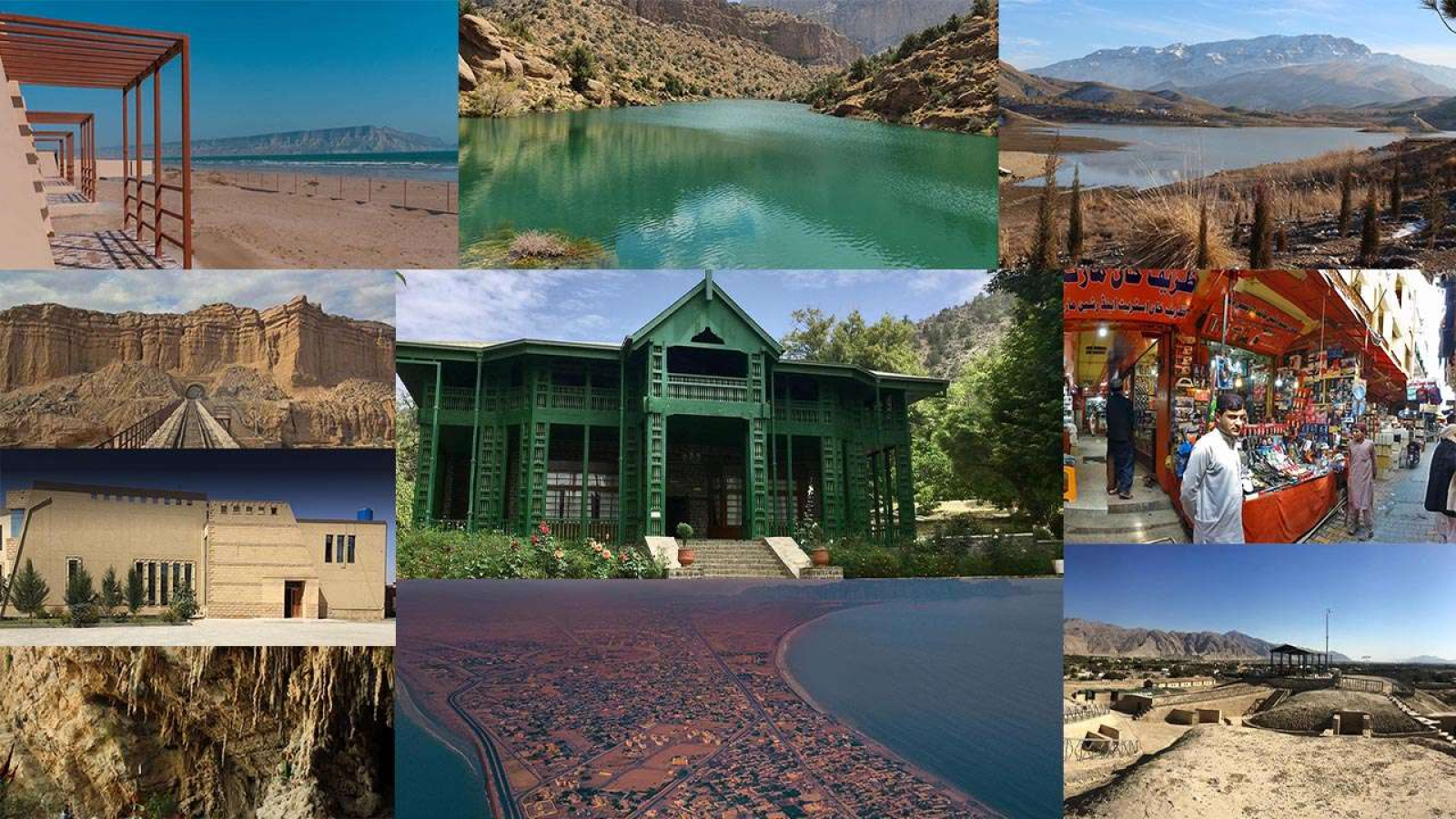
Pakistan tourism punjab tourism department tourism department punjab tourism travel pakistan for tourists pakistan tour tour pakistan pakistan tourists tourism website in pakistan

Quaid e Azam Mazar Karachi – History, Location & Visit

Quaid e Azam Mazar – The Eternal Monument of Pakistan’s Founder

Quaid e Azam Mazar stands as one of the most significant national monuments in Pakistan. More than a mausoleum, it is a powerful symbol of ideology, sacrifice, leadership, and unity. Located in Karachi, Quaid e Azam Mazar is the final resting place of Quaid-e-Azam Muhammad Ali Jinnah, the founder of Pakistan and one of the most influential leaders of the twentieth century.

Every year, millions of visitors from across Pakistan and around the world come to Quaid e Azam Mazar to pay their respects. The monument reflects the values on which Pakistan was created and reminds visitors of the vision that shaped an independent Muslim state in South Asia. Whether viewed through a historical, cultural, or emotional lens, Quaid e Azam Mazar remains a cornerstone of Pakistan’s national identity.


Historical Background of Quaid e Azam Mazar

After the death of Quaid-e-Azam Muhammad Ali Jinnah on 11 September 1948, the newly formed nation of Pakistan plunged into deep mourning. Initially, his grave was simple, reflecting his personal values of humility and discipline. However, as Pakistan evolved, the need to build a national monument worthy of his leadership became clear.

The concept of Quaid e Azam Mazar emerged in the early 1950s. Several architectural proposals were reviewed over the years before a modernist design was finalized. Construction officially began in the 1960s and was completed in 1971. Since then, the Tomb of Quaid e Azam has stood as a timeless reminder of Pakistan’s struggle for independence and constitutional governance.

Over the decades, Quaid e Azam Mazar has become the central site for national remembrance, official ceremonies, and historical reflection.


Architectural Design and Symbolism of the Tomb of Quaid e Azam

The architectural design of Quaid e Azam Mazar reflects simplicity, strength, and dignity. Built entirely of white marble, the mausoleum symbolizes purity, honesty, and transparency—qualities that defined Quaid-e-Azam’s character and leadership.

The structure consists of a square base topped with a large dome, representing unity and permanence. Inside the Tomb of Quaid e Azam, visitors experience a serene and solemn environment. The interior is deliberately minimalist, encouraging quiet reflection rather than visual distraction.

At night, the monument is illuminated, making Quaid e Azam Mazar one of Karachi’s most striking landmarks. The lighting enhances its architectural beauty and reinforces its symbolic presence across the city.


Mazar e Quaid Karachi – A Defining Landmark

Mazar e Quaid Karachi is among the most recognizable sites in the city. Located in a central area, the monument rises above the surrounding urban landscape, serving as both a physical and symbolic focal point.

The expansive gardens around Mazar e Quaid Karachi provide a peaceful atmosphere where visitors can walk, sit, and reflect. Families, tourists, students, and historians all gather here, making the site both a memorial and a public cultural space.

In addition to Quaid-e-Azam, the mausoleum complex also houses the graves of prominent national figures, including Fatima Jinnah and Liaquat Ali Khan, further increasing its historical importance.


Mazar e Quaid Location and Accessibility

The Mazar e Quaid location is one of the most accessible heritage sites in Karachi. Situated near major roads and transport routes, it can be reached easily from all parts of the city.

Due to its central Mazar e Quaid location, the site is often included in city tours and educational visits. Clear signage, security arrangements, and visitor facilities ensure that people from all backgrounds can explore the monument comfortably.

The accessibility of Quaid e Azam Mazar makes it an essential stop for anyone interested in Pakistan’s history and culture.


National Significance of Mazar e Quaid Pakistan

Mazar e Quaid Pakistan holds unmatched national importance. It is the site of official state ceremonies on major occasions such as Pakistan Day, Independence Day, and Quaid-e-Azam’s birth anniversary.

On these days, national leaders, military officials, and citizens gather at Quaid e Azam Mazar to pay tribute. Guard-changing ceremonies and wreath-laying rituals add a sense of dignity and discipline to the environment.

Mazar e Quaid Pakistan also serves as an educational landmark. School and university visits help younger generations understand the principles and sacrifices that led to Pakistan’s creation.


Cultural and Emotional Importance of Quaid e Azam Mazar

For many Pakistanis, Quaid e Azam Mazar is not just a monument; it is an emotional symbol of hope and determination. The site connects people to their national roots and reinforces a shared identity.

Standing inside the Tomb of Quaid e Azam often evokes feelings of pride, gratitude, and reflection. The quiet atmosphere encourages visitors to think about leadership, responsibility, and national unity.

This emotional connection ensures that Quaid e Azam Mazar remains relevant across generations.


Visitor Experience at Quaid e Azam Mazar

A visit to Quaid e Azam Mazar is both peaceful and informative. Security personnel maintain discipline while ensuring a welcoming environment. Visitors are expected to observe decorum, reflecting the respect associated with the site.

Photography is allowed in designated areas, enabling visitors to document their experience at Mazar e Quaid Karachi. The surrounding gardens provide space for relaxation and contemplation.

For international visitors, Quaid e Azam Mazar offers valuable insight into Pakistan’s political history and national values.


Best Time to Visit Quaid e Azam Mazar

The ideal time to visit Quaid e Azam Mazar is during early morning or evening hours, especially in warmer months. These times offer pleasant weather and a calm atmosphere.

Winter months are particularly suitable for tourists. Visiting on national days allows people to witness ceremonial events at Mazar e Quaid Pakistan, adding cultural depth to the experience.


Preservation and Maintenance of Quaid e Azam Mazar

The preservation of Quaid e Azam Mazar is a national priority. Regular maintenance ensures that the marble structure remains clean and structurally sound.

Strict regulations are enforced to protect the monument and gardens from damage. These efforts ensure that the Tomb of Quaid e Azam continues to stand as a symbol of national pride for future generations.


Why Quaid e Azam Mazar Remains Relevant Today

In modern times, Quaid e Azam Mazar continues to inspire citizens to reflect on the principles of justice, equality, and constitutional governance.

As Pakistan faces contemporary challenges, the monument reminds people of the vision and values that shaped the nation. This enduring relevance makes Quaid e Azam Mazar more than a historical site—it is a guiding symbol for the future.


Conclusion – Discover Quaid e Azam Mazar with Purpose

Quaid e Azam Mazar is the soul of Pakistan’s national heritage. From its historical background and architectural beauty to its emotional and cultural significance, the monument represents everything the founder stood for.

Whether you are a student, historian, traveler, or patriot, visiting Quaid e Azam Mazar offers a meaningful connection to Pakistan’s past and present.

To plan a well-organized and insightful visit to Quaid e Azam Mazar and explore other iconic destinations across Pakistan, trust https://ptcptourism.com/ for expert travel planning, guided tours, and authentic cultural experiences.

Pakistan tourism punjab tourism department tourism department punjab tourism travel pakistan for tourists pakistan tour tour pakistan pakistan tourists tourism website in pakistan

Quaid e Azam Mazar Karachi – History, Location & Visit

Quaid e Azam Mazar – The Heart of Pakistan’s National Identity

Quaid e Azam Mazar is one of the most powerful symbols of Pakistan’s history, ideology, and national pride. Located in Karachi, this monumental mausoleum is the final resting place of Quaid-e-Azam Muhammad Ali Jinnah, the founder of Pakistan. For millions of Pakistanis, Quaid e Azam Mazar represents unity, sacrifice, leadership, and the vision that led to the creation of an independent homeland.

Every year, people from across Pakistan and around the world visit Quaid e Azam Mazar to pay tribute to the man who transformed the dream of independence into reality. The monument is not only a historical landmark but also a spiritual center where visitors reflect on the principles of faith, discipline, and unity.


Historical Background of Quaid e Azam Mazar

After the passing of Quaid-e-Azam Muhammad Ali Jinnah on 11 September 1948, the nation entered a period of deep mourning. Initially, his burial place was simple and modest, reflecting his personal lifestyle. However, as Pakistan matured as a nation, there was a growing realization that the founder deserved a monument that symbolized his extraordinary contribution.

The idea of constructing Quaid e Azam Mazar was proposed in the early 1950s. Multiple designs were considered before the final modernist concept was approved. Construction officially began in the 1960s and was completed in 1971. Since then, the Tomb of Quaid e Azam has stood as a timeless reminder of Pakistan’s struggle for independence.

Quaid e Azam Mazar has since become a focal point for national remembrance, hosting official ceremonies and state events that reinforce the ideological foundations of Pakistan.


Architectural Significance of the Tomb of Quaid e Azam

The architecture of Quaid e Azam Mazar is simple yet deeply symbolic. Built entirely from white marble, the structure reflects purity, honesty, and strength—qualities closely associated with Quaid-e-Azam himself.

The square base of the mausoleum supports a large dome, symbolizing unity and permanence. Inside the Tomb of Quaid e Azam, the atmosphere is calm and solemn, encouraging visitors to reflect quietly. Soft lighting and minimal interior decoration add to the sense of dignity and respect.

At night, Quaid e Azam Mazar is illuminated beautifully, making it one of the most striking landmarks in Karachi. This visual elegance reinforces its status as both a national and architectural masterpiece.


Mazar e Quaid Karachi – A Landmark of the City

Mazar e Quaid Karachi is one of the city’s most recognizable landmarks. Situated in the heart of Karachi, it stands out amid the urban landscape as a symbol of history and pride.

The surrounding gardens provide a peaceful retreat from the city’s busy streets. Families, tourists, and students often spend time in these gardens, making Mazar e Quaid Karachi not only a place of remembrance but also a space for reflection and learning.

In addition to Quaid-e-Azam, the mausoleum complex also contains the graves of other important national leaders, including Fatima Jinnah and Liaquat Ali Khan, further enhancing its historical value.


Mazar e Quaid Location and Accessibility

The Mazar e Quaid location is central and easily accessible from all parts of Karachi. Major roads connect the site to different areas of the city, and public transport options are readily available.

Due to its convenient Mazar e Quaid location, visitors can easily include the site in their travel itinerary. Clear signage, security arrangements, and visitor facilities ensure a smooth and respectful experience for everyone.

The accessibility of Quaid e Azam Mazar makes it an essential stop for anyone exploring Karachi’s cultural and historical heritage.


National Importance of Mazar e Quaid Pakistan

Mazar e Quaid Pakistan holds immense national significance. It is the site of official ceremonies on major national occasions such as Pakistan Day, Independence Day, and Quaid-e-Azam’s birth anniversary.

On these days, political leaders, military officials, and citizens gather at Quaid e Azam Mazar to pay homage. Guard-changing ceremonies add a sense of discipline and honor to the environment.

Mazar e Quaid Pakistan is also an educational landmark. Schools and universities regularly organize visits, helping younger generations understand the sacrifices behind Pakistan’s independence.


Cultural and Emotional Connection with Quaid e Azam Mazar

For many Pakistanis, Quaid e Azam Mazar is more than a monument; it is an emotional and cultural symbol. The site represents hope, resilience, and the belief that principled leadership can change the course of history.

Visitors often describe a sense of pride and reflection when standing inside the Tomb of Quaid e Azam. The silence, the architecture, and the history combine to create a deeply moving experience.

This emotional connection is what makes Quaid e Azam Mazar a living symbol rather than just a historical structure.


Visitor Experience at Quaid e Azam Mazar

A visit to Quaid e Azam Mazar is both peaceful and educational. Security personnel maintain discipline while ensuring visitors feel welcome. The environment encourages respectful behavior and quiet reflection.

Photography is allowed in designated areas, allowing visitors to capture memories of their time at Mazar e Quaid Karachi. The surrounding gardens are ideal for walking, relaxing, and absorbing the historical atmosphere.

For international tourists, the site offers valuable insight into Pakistan’s political history and national identity.


Best Time to Visit Quaid e Azam Mazar

The best time to visit Quaid e Azam Mazar is during early morning or evening hours, especially in warmer months. The weather is more comfortable, and the lighting enhances the beauty of the mausoleum.

Winter months are particularly pleasant for tourists. Visiting on national days provides an opportunity to witness ceremonial activities at Mazar e Quaid Pakistan, offering a unique cultural experience.


Preservation and Maintenance of the Mausoleum

The government places great importance on preserving Quaid e Azam Mazar. Regular maintenance ensures the marble structure remains clean and intact.

Strict rules protect the monument from damage, ensuring that the Tomb of Quaid e Azam continues to stand as a symbol of national pride for future generations.


Why Quaid e Azam Mazar Matters Today

In a rapidly changing world, Quaid e Azam Mazar remains a constant reminder of Pakistan’s founding principles. It encourages citizens to reflect on leadership, integrity, and unity.

The site continues to inspire not only Pakistanis but also visitors from around the globe who come to learn about the peaceful struggle that led to Pakistan’s creation.


Conclusion – Plan Your Visit to Quaid e Azam Mazar

Quaid e Azam Mazar is a monument that captures the soul of Pakistan. From its historical significance and architectural beauty to its emotional and national importance, it stands as a timeless tribute to the founder of the nation.

Whether you are a local resident, a student, or an international traveler, visiting Quaid e Azam Mazar is an experience that deepens your understanding of Pakistan’s past and present.

To plan a well-organized and meaningful visit to Quaid e Azam Mazar and explore other iconic destinations across Pakistan, trust https://ptcptourism.com/ for expert travel guidance, curated tours, and unforgettable cultural experiences.

Pakistan tourism punjab tourism department tourism department punjab tourism travel pakistan for tourists pakistan tour tour pakistan pakistan tourists tourism website in pakistan

Quaid e Azam Mazar Karachi – History, Location & Visit

Quaid e Azam Mazar – The Eternal Symbol of Pakistan’s Ideology

Quaid e Azam Mazar is not just a historical monument; it is the spiritual and ideological heart of Pakistan. Located in the bustling city of Karachi, Quaid e Azam Mazar stands as a timeless tribute to the founder of Pakistan, Quaid-e-Azam Muhammad Ali Jinnah. Every year, millions of visitors come to this iconic site to pay respect, reflect on the nation’s journey, and reconnect with the principles upon which Pakistan was founded.

The majestic structure of Quaid e Azam Mazar dominates Karachi’s skyline, symbolizing unity, faith, and discipline. Known officially as Mazar e Quaid, this monument represents national pride and serves as a reminder of the sacrifices made for independence. Whether you are a history enthusiast, a student, or a traveler, Quaid e Azam Mazar offers a deeply meaningful experience.


Historical Background of Quaid e Azam Mazar

After the passing of Quaid-e-Azam Muhammad Ali Jinnah on 11 September 1948, the nation faced the challenge of honoring its greatest leader. Initially, his grave was simple, reflecting humility. However, as Pakistan grew, the need for a monument befitting his stature became evident.

The idea of constructing Quaid e Azam Mazar emerged in the 1950s, and after several design proposals, a modernist architectural plan was approved. Construction began in the 1960s and was completed in 1971. Since then, the Tomb of Quaid e Azam has become one of the most revered landmarks in the country.

Quaid e Azam Mazar is not merely a tomb; it is a symbol of Pakistan’s ideological foundation and a site where national ceremonies are held on important occasions such as Pakistan Day and Independence Day.


Architectural Design and Aesthetic Significance

The architectural design of Quaid e Azam Mazar reflects simplicity, strength, and elegance—qualities closely associated with Quaid-e-Azam himself. The structure is built using white marble, giving it a dignified and serene appearance.

The square-shaped mausoleum is crowned with a large dome, symbolizing unity and permanence. Inside the Tomb of Quaid e Azam, visitors experience a calm and spiritual atmosphere, enhanced by soft lighting and minimalist design elements.

At night, Quaid e Azam Mazar is beautifully illuminated, transforming it into a glowing beacon visible from afar. This visual grandeur makes Mazar e Quaid Karachi one of the most photographed landmarks in Pakistan.


Mazar e Quaid Karachi – A Landmark of National Identity

Mazar e Quaid Karachi holds a special place in the hearts of Pakistanis. Situated in the center of the city, it serves as a focal point for national unity. The surrounding gardens, spread across vast acres, provide a peaceful environment away from urban chaos.

Mazar e Quaid Karachi is also the resting place of other prominent leaders, including Fatima Jinnah and Liaquat Ali Khan. This further enhances its importance as a national memorial.

For locals and tourists alike, Quaid e Azam Mazar represents Karachi’s historical and cultural identity, making it a must-visit destination in the city.


Mazar e Quaid Location and Accessibility

The Mazar e Quaid location is in central Karachi, making it easily accessible from all parts of the city. It is located near major roads and public transport routes, allowing visitors to reach the site conveniently.

Due to its strategic Mazar e Quaid location, tourists can combine their visit with nearby attractions such as museums, parks, and heritage sites. Clear signboards and security arrangements ensure a smooth and safe experience for visitors.

For travelers exploring Karachi, Quaid e Azam Mazar serves as an ideal starting point to understand the city’s historical roots.


Cultural and National Importance of Quaid e Azam Mazar

Quaid e Azam Mazar is deeply embedded in Pakistan’s cultural and national consciousness. Official ceremonies, guard-changing rituals, and national tributes are regularly held here.

On significant dates such as 14 August and 25 December, the site becomes a hub of patriotic activity. People from all walks of life gather at Mazar e Quaid Pakistan to honor the founder’s vision and renew their commitment to national ideals.

Educational institutions often organize trips to the Tomb of Quaid e Azam, making it an important learning space for younger generations.


Visitor Experience at Quaid e Azam Mazar

Visiting Quaid e Azam Mazar is a profound and reflective experience. As you walk through the expansive gardens, a sense of calm sets in. The respectful silence inside the mausoleum encourages visitors to reflect on the struggles that led to Pakistan’s creation.

Security personnel ensure discipline and decorum, maintaining the sanctity of the site. Photography is allowed in designated areas, enabling visitors to capture memories of their visit to Mazar e Quaid Karachi.

The surrounding park areas are ideal for families and tourists seeking a peaceful environment while exploring Karachi’s heritage.


Mazar e Quaid Pakistan – A Symbol Beyond Borders

Mazar e Quaid Pakistan is not only significant for Pakistanis but also for international visitors interested in South Asian history. It represents the successful struggle for independence and the birth of a new nation.

Foreign dignitaries frequently visit Quaid e Azam Mazar to pay homage, highlighting its global recognition. The monument stands as a reminder of peaceful political struggle and constitutional leadership.

This international relevance makes the Tomb of Quaid e Azam an important stop for global tourists visiting Pakistan.


Preservation and Maintenance of Quaid e Azam Mazar

The government of Pakistan places great emphasis on maintaining Quaid e Azam Mazar. Regular restoration and landscaping efforts ensure that the monument remains pristine.

Strict regulations are enforced to protect the structure and gardens from damage. These preservation efforts ensure that future generations can continue to experience the grandeur and significance of Mazar e Quaid Pakistan.


Best Time to Visit Quaid e Azam Mazar

The best time to visit Quaid e Azam Mazar is during the early morning or late evening hours. During these times, the weather is pleasant, and the crowds are relatively smaller.

Winter months are ideal for tourists, while evenings offer a stunning view of the illuminated mausoleum. Visiting on national days provides a unique opportunity to witness ceremonial events at Mazar e Quaid Karachi.


Conclusion – Plan Your Visit to Quaid e Azam Mazar

Quaid e Azam Mazar is more than a monument; it is the soul of Pakistan’s national identity. From its elegant architecture to its profound historical significance, every aspect of this site tells the story of a nation born through determination and vision.

Whether you are visiting Karachi for the first time or rediscovering your heritage, a visit to Quaid e Azam Mazar is essential. Experience the legacy, reflect on history, and connect with the ideals that continue to guide Pakistan.

To plan a memorable and well-organized visit to Quaid e Azam Mazar and other iconic destinations across Pakistan, explore customized travel experiences with https://ptcptourism.com/ and let your journey be guided by experts who understand Pakistan’s true heritage.

Pakistan tourism punjab tourism department tourism department punjab tourism travel pakistan for tourists pakistan tour tour pakistan pakistan tourists tourism website in pakistan

Noor Mahal History – Discover Bahawalpur’s Jewel

Noor Mahal – The Crown Jewel of Bahawalpur’s Royal Heritage

Noor Mahal is one of the most iconic royal palaces in Pakistan and a timeless symbol of elegance, power, and refined architectural taste. Located in the historic city of Bahawalpur, Noor Mahal represents the glorious era of the princely state and reflects the lifestyle of the Nawabs who once ruled this region. Noor Mahal is not only admired for its beauty but also respected for its historical depth and cultural significance.

Among heritage monuments in southern Punjab, Noor Mahal Pakistan stands out for its European-inspired design, well-preserved structure, and fascinating royal background. Whether you are a history enthusiast, architecture lover, or cultural traveler, Noor Mahal palace offers an immersive journey into Pakistan’s royal past.


Noor Mahal Location and Accessibility in Bahawalpur

The Noor Mahal location plays an important role in its popularity. Noor Mahal Bahawalpur is situated close to the city center, making it easily accessible for visitors. The palace is built on slightly elevated ground, giving it a commanding presence and panoramic views of the surrounding area.

Bahawalpur itself is well connected with major cities such as Lahore, Multan, and Karachi through road and rail networks. Because of its prime Noor Mahal location, tourists often include it as part of a broader heritage tour of Bahawalpur. The palace’s accessibility makes Noor Mahal Pakistan an ideal destination for both day visitors and long-stay tourists.


Noor Mahal History and the Vision Behind Its Construction

The Noor Mahal history dates back to 1872 during the reign of Nawab Sadiq Muhammad Khan IV. The palace was designed by a British architect and constructed with influences from Italian neoclassical architecture. This made Noor Mahal palace a rare example of European design in the subcontinent at the time.

One of the most intriguing aspects of Noor Mahal history is that the palace was never used as a primary royal residence. Historical accounts suggest that the Nawab’s wife declined to live in Noor Mahal due to the nearby graveyard. As a result, Noor Mahal was mainly used as a guest house for royal visitors, British officials, and foreign dignitaries.

This unique story adds depth and mystery to Noor Mahal Pakistan, making it more than just a beautiful structure.


Architectural Grandeur of Noor Mahal Palace

Noor Mahal palace is admired for its symmetrical design, tall Corinthian columns, wide verandas, and elegant façade. Constructed using premium materials, including imported Italian marble, the palace reflects luxury and sophistication.

The architectural layout of Noor Mahal Pakistan follows neoclassical principles, with balanced proportions and detailed craftsmanship. The palace was equipped with modern facilities of its time, including imported furniture and advanced construction techniques.

The blend of Western architecture with local climate considerations makes Noor Mahal Bahawalpur a unique architectural landmark in Pakistan.


Interior Design and Royal Ambience of Noor Mahal

The interior of Noor Mahal palace is equally impressive, featuring spacious halls, long corridors, and finely crafted staircases. Each room was designed to host royal guests and formal gatherings.

Today, visitors to Noor Mahal Pakistan can explore rooms that display historical photographs, furniture, and artifacts related to the Nawabs of Bahawalpur. These exhibits provide valuable insight into royal traditions and the lifestyle of the princely era.

The grand central hall remains a highlight, often praised for its elegance and historical ambiance.


Cultural Importance of Noor Mahal Pakistan

Noor Mahal Pakistan holds immense cultural significance as a reminder of Bahawalpur’s independent princely status before the creation of Pakistan. The palace symbolizes political stability, cultural refinement, and artistic appreciation of the Nawabs.

As a preserved heritage site, Noor Mahal Bahawalpur plays a vital role in educating visitors about regional history and promoting cultural tourism. The palace serves as a bridge between past and present, allowing modern generations to connect with royal traditions.


Noor Mahal at Night – An Enchanting Experience

One of the most memorable sights for visitors is Noor Mahal illuminated at night. Soft lighting highlights the palace’s architectural details, creating a majestic and romantic atmosphere.

Many tourists plan evening visits to Noor Mahal Pakistan to enjoy this visual spectacle. The illuminated Noor Mahal palace is a favorite subject for photographers and a peaceful spot for visitors seeking a calm cultural experience.


Best Time to Visit Noor Mahal Bahawalpur

The best time to visit Noor Mahal Bahawalpur is during the cooler months from October to March. During this period, the weather remains pleasant and ideal for exploring outdoor heritage sites.

Summers in Bahawalpur can be extremely hot, which may limit daytime visits. Planning your visit during winter ensures a comfortable and enjoyable experience at Noor Mahal Pakistan.


Nearby Attractions Around Noor Mahal Location

Thanks to its central Noor Mahal location, visitors can easily explore other historical landmarks in Bahawalpur. Popular nearby attractions include Darbar Mahal, Sadiq Garh Palace, and the Bahawalpur Museum.

These sites complement a visit to Noor Mahal palace and offer a deeper understanding of the region’s royal and cultural heritage. Together, they make Bahawalpur a complete destination for history lovers.


Visitor Information and Practical Travel Tips

Visitors to Noor Mahal palace should plan to spend sufficient time exploring both the interior and exterior. Comfortable walking shoes are recommended, as the palace grounds are spacious.

Photography is generally allowed, but visitors should respect site guidelines to help preserve the historical structure. Hiring a knowledgeable local guide can enhance the experience by providing detailed explanations of Noor Mahal history and architectural features.


Why Noor Mahal Is a Must-Visit Heritage Site

Noor Mahal is one of the finest examples of royal architecture in Pakistan. Its historical background, artistic design, and cultural importance make it an essential destination for heritage tourism.

For travelers interested in architecture, history, or cultural exploration, Noor Mahal Pakistan offers an enriching and memorable experience. The palace continues to inspire admiration and pride in Pakistan’s royal heritage.


Conclusion – Discover the Royal Elegance of Noor Mahal

Noor Mahal is more than a palace; it is a living symbol of Bahawalpur’s royal past. From its fascinating Noor Mahal history and refined architecture to its strategic Noor Mahal location, every detail reflects elegance and cultural richness.

If you are planning a heritage journey through Punjab, Noor Mahal Bahawalpur deserves a top place on your itinerary. For expertly guided tours, customized travel packages, and seamless planning, visit https://ptcptourism.com/ today and experience the timeless grandeur of Noor Mahal Pakistan with professional travel support.

Pakistan tourism punjab tourism department tourism department punjab tourism travel pakistan for tourists pakistan tour tour pakistan pakistan tourists tourism website in pakistan

Noor Mahal History – Discover Bahawalpur’s Jewel

Introduction to Noor Mahal
Nestled in the historic city of Bahawalpur, Noor Mahal stands as one of the most breathtaking royal palaces in Pakistan. Known for its enchanting architecture, rich cultural significance, and fascinating past, Noor Mahal Pakistan draws travelers, historians, and photographers from across the globe. The palace offers a rare glimpse into the lifestyle of princely states during the late 19th and early 20th centuries, making it a cornerstone of heritage tourism in South Punjab.

As one of the most iconic landmarks in noor mahal Bahawalpur, this palace captivates visitors with its grandeur and elegance. Whether you are passionate about architecture, intrigued by history, or simply planning a remarkable travel experience, Noor Mahal promises a journey that stays with you long after you leave its gates.

The Noor Mahal Location and Its Significance
The noor mahal location is in Bahawalpur, a city that was once the thriving capital of the princely state of Bahawalpur. Situated amidst lush gardens and urban heritage sites, Noor Mahal sits in a prime and easily accessible location, making it one of the most visited historical monuments in the region. Its central position within the city allows visitors to explore it comfortably alongside other nearby attractions such as Derawar Fort and Lal Suhanra National Park.

Reaching Noor Mahal Bahawalpur is convenient with road and rail connectivity. Bahawalpur’s strategic position between central and south Punjab ensures that visitors from Lahore, Islamabad, Karachi, and other cities can plan well‑rounded itineraries including this magnificent palace.

Historical Overview – Noor Mahal History
A deep understanding of Noor Mahal history sets the stage for appreciating its architectural beauty and cultural impact. The palace was commissioned in the late 1800s by Nawab Sadiq Muhammad Khan IV, a ruler of the princely state of Bahawalpur known for his progressive outlook and interest in modern infrastructure.

The primary intent behind building Noor Mahal was to create a residence befitting royalty that also reflected contemporary architectural trends blending classical European design with subcontinental aesthetics. Construction took place over several years, culminating in a majestic palace that became the centerpiece of princely gatherings, official ceremonies, and royal functions.

Over time, Noor Mahal evolved from a private royal residence to a heritage site open to the public. Today, it stands proudly as an emblem of national pride, safeguarding traditions and stories that span generations.

Architectural Brilliance of Noor Mahal Palace
One of the first things visitors notice about Noor Mahal is its architectural grandeur. The palace embodies a stunning fusion of Italianate, Mughal, and Victorian design elements. Its façade is adorned with tall columns, ornamental arches, and intricate stonework that reflect both royal elegance and artistic craftsmanship.

The palace’s architecture showcases expansive halls, majestic windows, high ceilings, and detailed cornices. Its symmetrical design creates a sense of balance and harmony, while ornamental features highlight the attention to detail invested in every corner of the structure. The palace is often described as a living museum — not because it is static, but because every element tells a story of cultural exchange, artistic ambition, and historical significance.

Stepping Inside Noor Mahal – Interior Splendor and Design
Entering Noor Mahal Pakistan is like stepping into a richly curated gallery of royal history. The interior spaces are designed with remarkable attention to detail, offering visitors a vivid sense of life during the era of princely rule. Rooms are furnished with antique pieces, classical chandeliers, ornate mirrors, and artifacts that reflect the tastes of the royal household.

The palace’s grand hall was once used for official receptions, gatherings, and ceremonies where dignitaries and nobles from far‑off lands converged. Today, this space continues to awe visitors with its lavish décor, detailed wood carving, and artistic flourishes. Smaller chambers within the palace served as private living quarters, guest rooms, and administrative spaces — each offering insights into different aspects of royal lifestyle and governance.

Gardens and Outdoor Spaces of Noor Mahal
While the palace itself is a masterpiece, its gardens play a pivotal role in completing the experience of Noor Mahal Bahawalpur. The grounds surrounding the palace were designed to complement the architectural beauty of the structure, using symmetrical landscaping, flowering plants, shaded walkways, and peaceful sitting areas.

In its early days, these outdoor spaces were used for royal leisure, formal gatherings, and ceremonial events. Today, they offer visitors a serene environment to reflect, capture stunning photographs, and immerse themselves in history while surrounded by natural beauty.

Cultural and Social Importance of Noor Mahal
Beyond its physical beauty, Noor Mahal holds significant cultural and social value. As part of Bahawalpur’s rich heritage, the palace represents the political and social history of an era when princely states played vital roles in shaping the region’s cultural landscape. Its connection with the Nawabs of Bahawalpur adds layers of depth to its significance — reflecting shifts in governance, artistic patronage, and local identity.

For many Pakistanis, Noor Mahal Pakistan is not merely an old building; it is a symbol of pride, continuity, and cultural preservation. It bridges the past and present, inviting visitors to learn about traditions that continue to influence life in the region today.

Visitor Experience – What to Expect When You Visit Noor Mahal
Planning a visit to Noor Mahal involves practical considerations that ensure a meaningful and memorable journey. The palace welcomes tourists with informative tours that introduce key historical facts, architectural highlights, and fascinating stories about the Nawab’s family and their legacy.

As you walk through the halls of Noor Mahal palace, you’ll notice that each room offers something unique — whether it’s the grandeur of audience chambers, the intimacy of private quarters, or the subtle elegance of decorative details that captured royal tastes. Guided tours help contextualize these spaces, explaining the usage of each room and the social rituals that once unfolded there.

Noor Mahal and Photography
For photographers and visual storytellers, Noor Mahal is a treasure trove. Its architectural lines, ornate textures, and interplay of light and shadow create compelling compositions. Whether you prefer architectural photography, portrait work, or landscape shots set against historical backdrops, Noor Mahal Pakistan delivers endless photographic inspiration.

Golden hour light — during sunrise and sunset — particularly enhances the palace’s exterior, bringing out the warm tones of its stonework and creating dramatic, cinematic visuals. The surrounding gardens also provide natural frames for creative shots.

Seasonal Travel Tips for Visiting Noor Mahal
The experience of visiting Noor Mahal Bahawalpur can vary with the seasons. While the palace is a year‑round destination, travelers often consider weather and comfort when planning their trip.

In spring and autumn, mild temperatures and pleasant weather make touring the palace and gardens especially enjoyable. Summer days can be warm, but early morning and evening visits help avoid heat and still capture great lighting for photography. Winters bring cooler air and a different kind of charm — especially appealing to those who enjoy crisp, clear weather.

Regardless of the season, visitors are encouraged to wear comfortable clothing, stay hydrated, and plan sufficient time to explore both the palace and nearby attractions.

Noor Mahal’s Place in Local Bahawalpur Culture and Economy
The presence of Noor Mahal contributes significantly to cultural tourism in Bahawalpur. Local businesses, guide services, hotels, and markets benefit from the flow of visitors who arrive to experience the palace. As a result, the palace plays a role not just in history but in the local economy, supporting livelihoods and encouraging heritage preservation.

Schools and educational groups also utilize the palace as a learning destination, offering students firsthand exposure to architectural history and regional culture.

Nearby Attractions to Visit Alongside Noor Mahal
To make the most of your travel experience, consider pairing your visit to Noor Mahal with other heritage and natural sites in the area. Popular nearby attractions include:

  • Derawar Fort: A massive desert fortress with a dramatic history
  • Lal Suhanra National Park: A large ecological reserve with diverse wildlife and scenic landscapes
  • Bahawalpur Museum: A cultural repository of regional artifacts and archaeological exhibits
  • Abbasi Mosque: A historical mosque featuring traditional Islamic architecture

Combining these visits fills out a rich itinerary that reflects the diversity of traditions and landscapes around Bahawalpur.

Travel Logistics – How to Reach Noor Mahal
Reaching the noor mahal location is straightforward for most travelers. Bahawalpur is connected via major highways and rail routes to cities like Lahore, Karachi, and Islamabad. Once in Bahawalpur, local transportation such as taxis, rickshaws, and private cars make reaching Noor Mahal Pakistan easy.

Tour operators frequently include Noor Mahal as part of guided cultural tours, offering packages that cover transport, entry fees, and expert commentary. Solo travelers can also explore independently with clear directions and mapping services.

Practical Visitor Tips for Noor Mahal
Here are some useful tips to maximize your experience at Noor Mahal:

  • Check opening times and any local holidays that may affect visiting hours
  • Arrive early to avoid crowds and enjoy peaceful exploration
  • Wear comfortable footwear for walking around the palace and gardens
  • Bring water and sun protection, especially in warmer months
  • Consider audio guides or expert guides for deeper insight

These small steps help ensure a smooth and rewarding visit.

Stories and Legends Around Noor Mahal
Because of its royal connections and historical depth, Noor Mahal history is rich with anecdotes and legends. Locals often share stories about the Nawabs, royal events, and how the palace served as a social hub in its heyday. Some tales describe grand festivities held within the palace halls, while others speak of political negotiations and historic decisions that took place under its roof.

Noor Mahal in Education and Research
Beyond tourism, Noor Mahal Pakistan holds value for scholars and historians. Its architecture, historical records, and artifacts provide material for research on colonial influence, princely states of the Indian subcontinent, and regional dynamics of power and culture. Students of history and architecture frequently study the palace to understand how global design movements influenced local royal projects.

Preservation and Conservation Efforts
Preserving the grandeur of Noor Mahal requires dedicated restoration efforts. Conservation teams work to maintain the structure’s architectural integrity, protect original design elements, and ensure safe access for visitors. Efforts include careful cleaning of stone surfaces, restoration of interior details, and ongoing maintenance of the gardens.

These measures ensure that Noor Mahal can be appreciated not just today but by generations to come.

Community Engagement Through Cultural Events
At times, Noor Mahal Bahawalpur hosts cultural events, exhibitions, and educational programs. These activities help connect the local community with their heritage while providing visitors with fresh perspectives on the palace’s significance. Exhibitions often showcase artifacts, traditional crafts, and artistic interpretations inspired by the palace.

Conclusion – Plan Your Visit to Noor Mahal
Noor Mahal stands as a shining example of Pakistan’s rich cultural heritage. From its regal architecture to fascinating Noor Mahal history, from its carefully kept gardens to its pivotal role in the cultural and economic life of Bahawalpur, the palace is a must‑see destination for anyone interested in history, art, or travel.

If you are ready to explore Noor Mahal Bahawalpur and immerse yourself in this timeless palace, start planning your journey with tailored travel experiences at https://ptcptourism.com/. Discover complete tour packages, expert guides, and travel itineraries that make your visit both seamless and unforgettable. Visit https://ptcptourism.com/ today and unlock the royal legacy of Noor Mahal.

Pakistan tourism punjab tourism department tourism department punjab tourism travel pakistan for tourists pakistan tour tour pakistan pakistan tourists tourism website in pakistan

Noor Mahal History – Discover Bahawalpur’s Jewel

Introduction to Noor Mahal
Standing as a masterpiece of regal architecture and cultural significance, Noor Mahal is one of the most iconic landmarks in Pakistan. Located in Bahawalpur, this royal palace is not just a building; it is a living chronicle of heritage, elegance, and royal tradition. Travelers from across the globe visit Noor Mahal Pakistan to witness its luxurious design, deep historical roots, and the fascinating stories it holds within its walls. The palace has grown in reputation over time, becoming not only a focal point for tourists but also a symbol of the royal legacy of the Bahawalpur State.

At its core, Noor Mahal represents the blend of artistic expression and regal ambition, a place where history and beauty meet. As you explore this guide, you will gain insight into the palace’s origins, its architectural brilliance, the cultural impact of Noor Mahal Bahawalpur, and practical tips to make your visit unforgettable.

The Noor Mahal Location and Accessibility
One of the first questions visitors ask is about the Noor Mahal location. The palace is situated in the historic city of Bahawalpur, in the Punjab province of Pakistan. Bahawalpur is well connected by road, rail, and air, making the journey to Noor Mahal easy whether you are coming from Lahore, Karachi, Islamabad, or neighboring cities. Once in Bahawalpur city, the palace’s central location means it is accessible via taxis, private vehicles, and tour operators. Noor Mahal Bahawalpur sits within the historic urban landscape, surrounded by gardens and other heritage sites, which makes it a perfect starting point for exploring the cultural treasures of the region.

Historical Background – Noor Mahal History
To truly appreciate Noor Mahal, you have to understand its history. The palace was built during the era of the princely state of Bahawalpur, under the reign of Nawab Sadiq Muhammad Khan IV. Construction began in the late 19th century, with the intention of creating a palace that symbolized modernity, prestige, and the grandeur befitting a royal household.

Noor Mahal history tells us that the palace was designed with influence from European architectural styles — particularly Italian and Renaissance aesthetics — interwoven with subcontinental design sensibilities, producing a unique hybrid. This deliberate fusion was meant to reflect both the scholarly aspirations and the cultural openness of the Bahawalpur State.

While originally used as a royal residence and venue for state functions, Noor Mahal Pakistan has transitioned over time into a public heritage site, allowing both locals and international tourists to experience the splendor that once belonged exclusively to royalty.

Architectural Splendor of Noor Mahal Palace
The defining feature of Noor Mahal is its architectural design. Walking through its gates, you immediately notice the meticulous craftsmanship and attention to detail. The palace is primarily built with pink marble and incorporates:

  • Tall columns and grand archways
  • Intricate woodwork and carved door frames
  • Symmetrical facades with ornamental patterns
  • Stained glass windows that filter light into vibrant hues

This architectural grandeur is not only visually impressive but also symbolic — representing the might and cultural refinement of the Bahawalpur royal family. The layout of Noor Mahal palace was carefully planned to include ceremonial halls, private living quarters, guest rooms, and spaces for official audiences.

Exploring the Interiors of Noor Mahal
Stepping inside Noor Mahal Pakistan is like entering a world where art and functionality coexist harmoniously. The palace’s interior spaces feature:

  • Elaborately painted ceilings
  • Period furniture sourced from multiple regions
  • Elegant chandeliers adorning grand halls
  • Antique pieces that offer a window into the past

Each room tells its own story, from the audience chambers where nobles once gathered to the private suites where the royals lived and entertained. The interior design reflects a blend of function and ornamentation, making Noor Mahal not just a residence but a work of art.

Noor Mahal Gardens and Grounds
The palace is complemented by lush gardens and well‑maintained grounds that add another layer to the visitor experience. The gardens were historically a place for royal leisure, and today they provide scenic areas for photography, reflection, and leisurely walks. The careful planning of the palace’s outdoor spaces enhances the overall impression of Noor Mahal Bahawalpur as a place of beauty and serenity.

The Cultural Legacy of Noor Mahal
The cultural impact of Noor Mahal Pakistan extends beyond its architecture. Throughout its existence, the palace has witnessed important events, hosted dignitaries, and served as a symbol of governance and prestige. Its presence in Bahawalpur has helped place the city on the map for heritage tourism in Pakistan.

Visitors are not just observing walls and ceilings but engaging with a site that reflects centuries of culture, power, and artistic expression. The palace’s story is woven into the broader narrative of South Asian history, making it a must‑visit for cultural scholars and casual travelers alike.

Visitor Experience and Tours
When planning a trip to Noor Mahal, many travelers opt for guided tours. A knowledgeable guide brings the palace’s stories to life — explaining symbols in the art, detailing the significance of rooms, and contextualizing the palace within the era of princely states.

Whether you choose a group tour or a private guide, your visit will be enriched by historical interpretation and insider knowledge. Many visitors highlight that the palace’s interior spaces feel alive with history, as if the echoes of royal footsteps still linger in the corridors.

Noor Mahal and Photography
From a photography perspective, Noor Mahal is an absolute gem. The combination of grand architecture, ornamental detail, and scenic gardens means every angle offers something worth capturing. Photographers often focus on:

  • Architectural symmetry and lines
  • Textures of stone and woodwork
  • Light filtering through ornate windows
  • Contrasts between palace walls and landscaped greenery

Many visitors leave with portfolios that rival professional travel photography shots — a testament to the palace’s visual appeal.

Seasonal Considerations at Noor Mahal
The experience of visiting Noor Mahal can vary with the seasons:

  • Spring: Pleasant temperatures and blooming trees make this a great time to explore the gardens.
  • Summer: Warm weather with long daylight hours, best enjoyed early in the day.
  • Autumn: Cooler air and a relaxed pace of travel.
  • Winter: Crisp weather ideal for exploring interiors and taking vivid architectural photos.

Each season enhances a different aspect of Noor Mahal’s charm, so your choice of timing can influence the experience you seek.

Noor Mahal and Local Bahawalpur Cuisine
While exploring Noor Mahal location, visitors often pair their historical tour with local culinary experiences. Bahawalpur’s food culture includes rich Punjabi and Seraiki flavors — from traditional meat dishes to regional sweets and street food favorites. Tasting local cuisine adds a flavorful layer to your cultural journey.

Nearby Attractions to Explore
Noor Mahal Bahawalpur is best enjoyed as part of a broader travel itinerary. Nearby attractions worth visiting include:

  • Derawar Fort – A massive open‑desert fortress with impressive ramparts
  • Lal Suhanra National Park – A large ecological reserve with diverse wildlife and natural scenery
  • Bahawalpur Museum – Home to archaeological and cultural artifacts
  • Abbasi Mosque – A historical mosque reflecting early Islamic architecture

Including these sites in your trip gives richness to your understanding of the region’s history and diversity.

Travel Tips for Visiting Noor Mahal
To make the most of your visit to Noor Mahal Pakistan, keep these practical tips in mind:

  • Check the Noor Mahal location and operating hours before travel
  • Arrive early to avoid crowds and get optimal light for photos
  • Wear comfortable walking shoes for the palace grounds
  • Consider hiring a guide for richer historical insight
  • Visit local markets for unique crafts and souvenirs

These tips ensure a smooth, enjoyable experience.

Accessibility and Transportation
Getting to Noor Mahal is convenient thanks to Bahawalpur’s connectivity. The city has road links with major Pakistani cities and a train station that serves long‑distance routes. Taxis, rickshaws, and private cars make it easy to reach the palace once you arrive in Bahawalpur.

Public Perception and Popularity
Among Pakistan’s heritage sites, Noor Mahal is widely loved for its elegance, historical depth, and architectural beauty. Travelers often share their experiences through blogs, social media, and travel forums, making Noor Mahal Pakistan a frequently recommended destination. Its popularity continues to grow both domestically and internationally.

Noor Mahal in Education and Research
For historians, architects, and students, Noor Mahal offers substantial value. The palace serves as a case study for hybrid architectural styles, princely state history, and conservation methodologies. Research projects often reference the palace’s structure, use over time, and the stories tied to its construction.

Preservation and Conservation Efforts
Efforts to preserve Noor Mahal have ensured that its architectural integrity and historical artifacts remain protected. Restoration work focuses on maintaining original elements while making the palace accessible and safe for visitors. Conservation allows future generations to continue appreciating this cultural treasure.

Community Engagement and Cultural Events
From time to time, Noor Mahal hosts cultural events, exhibitions, and educational programs. These activities help engage local communities with their heritage and create opportunities for visitors to experience Noor Mahal Bahawalpur in dynamic ways beyond a standard tour.

Conclusion
Noor Mahal stands among Pakistan’s most remarkable heritage sites — a palace where royal elegance meets cultural depth. From its intricate architecture to its storied past and serene gardens, every aspect of Noor Mahal Pakistan invites exploration and appreciation.

If you’re planning a visit or want expert guidance on travel, tours, and cultural experiences, visit https://ptcptourism.com/. Explore curated itineraries that include Noor Mahal Bahawalpur, historical tours, and immersive cultural journeys that bring Pakistan’s heritage to life. Start planning your unforgettable experience at https://ptcptourism.com/ today, and let your journey through history begin with Noor Mahal.

Pakistan tourism punjab tourism department tourism department punjab tourism travel pakistan for tourists pakistan tour tour pakistan pakistan tourists tourism website in pakistan

Noor Mahal History – Discover Bahawalpur’s Jewel

Noor Mahal – A Royal Architectural Masterpiece of Pakistan

Noor Mahal is one of the most elegant and historically rich palaces in Pakistan. Located in the heart of Bahawalpur, this magnificent structure reflects royal grandeur, European architectural influence, and the cultural heritage of the former princely state of Bahawalpur. Noor Mahal is not just a palace; it is a symbol of royalty, refined taste, and historical legacy that continues to attract visitors from across the country.

Built in the late 19th century, Noor Mahal Pakistan stands as a reminder of an era when Bahawalpur was ruled by powerful Nawabs who valued art, luxury, and architecture. Today, Noor Mahal palace is one of the most iconic landmarks in southern Punjab and a must-visit destination for history lovers and travelers.


Noor Mahal Location and Accessibility

Understanding the Noor Mahal location is essential for travelers planning a visit. Noor Mahal Bahawalpur is located just a few kilometers from the main city center, making it easily accessible by road. The palace stands on an elevated platform, offering a commanding view of the surrounding area.

Bahawalpur is well connected by road and rail from major cities like Lahore, Multan, and Karachi. Due to its central placement, Noor Mahal Pakistan is often included in city tours and heritage walks, making it one of the most visited historical sites in the region.


Noor Mahal History and Royal Background

The Noor Mahal history dates back to 1872 when it was commissioned by Nawab Sadiq Muhammad Khan IV of Bahawalpur. Designed by an English architect, the palace reflects a blend of Italian and neoclassical styles, which was rare in the region at the time.

Interestingly, despite its grandeur, Noor Mahal palace was never used extensively as a royal residence. According to historical accounts, the Nawab’s wife refused to live in the palace due to its proximity to the graveyard. As a result, Noor Mahal was primarily used as a guest house for state visitors and dignitaries.

The Noor Mahal history highlights the luxurious lifestyle of the Nawabs and their admiration for European architecture, making the palace a unique heritage site in Pakistan.


Architectural Beauty of Noor Mahal Palace

Noor Mahal palace is a stunning example of European-style architecture adapted to local conditions. Built using Italian marble and high-quality construction materials, the palace features symmetrical design, tall Corinthian columns, and expansive verandas.

The interior of Noor Mahal Pakistan is equally impressive, with spacious halls, elegant staircases, and decorative ceilings. The palace originally featured imported furniture, chandeliers, and fixtures that reflected the royal lifestyle of the time.

The architectural design of Noor Mahal Bahawalpur makes it stand out among other palaces in Pakistan, showcasing a rare fusion of Western aesthetics and South Asian heritage.


Interior Highlights and Exhibits at Noor Mahal

Inside Noor Mahal palace, visitors can explore several rooms that display historical artifacts, photographs, and furniture associated with the Nawabs of Bahawalpur. Each section of the palace tells a story, offering insight into royal traditions and daily life during the princely era.

The main hall, with its grand proportions and elegant decor, is one of the most photographed areas of Noor Mahal Pakistan. Visitors often admire the palace’s layout, which was designed to host royal gatherings and formal events.


Cultural Significance of Noor Mahal Pakistan

Noor Mahal Pakistan holds immense cultural value as a symbol of Bahawalpur’s royal past. The palace represents an era when the region flourished economically and culturally under princely rule.

Today, Noor Mahal Bahawalpur serves as a cultural landmark and an important tourist attraction. It plays a key role in promoting heritage tourism in southern Punjab and educating visitors about Pakistan’s diverse historical narrative.


Noor Mahal at Night – A Visual Spectacle

One of the most captivating aspects of Noor Mahal palace is its nighttime appearance. When illuminated with golden lights, the palace transforms into a breathtaking sight that highlights its architectural details.

Many visitors prefer to visit Noor Mahal Pakistan in the evening to experience this visual charm. The peaceful atmosphere combined with the illuminated structure creates a memorable experience for tourists and photographers alike.


Best Time to Visit Noor Mahal Bahawalpur

The ideal time to visit Noor Mahal Bahawalpur is between October and March, when the weather remains pleasant. Summers in Bahawalpur can be extremely hot, making outdoor exploration challenging.

Visiting Noor Mahal palace during cooler months allows travelers to explore the palace grounds comfortably and enjoy nearby attractions without weather-related discomfort.


Nearby Attractions Around Noor Mahal Location

The Noor Mahal location places it close to several other historical and cultural landmarks in Bahawalpur. Visitors often combine their trip to Noor Mahal Pakistan with visits to Darbar Mahal, Sadiq Garh Palace, and the Bahawalpur Museum.

These nearby attractions provide a comprehensive view of the region’s royal heritage and make Bahawalpur a complete destination for history enthusiasts.


Visitor Information and Travel Tips

When planning a visit to Noor Mahal palace, travelers should allocate enough time to explore both the interior and exterior of the palace. Comfortable footwear is recommended, as the palace grounds are spacious.

Photography is generally allowed, but visitors should respect site rules and avoid damaging historical features. Hiring a local guide can enhance the experience by providing deeper insights into Noor Mahal history and architectural details.


Why Noor Mahal Is a Must-Visit Heritage Site

Noor Mahal stands out as one of the finest examples of royal architecture in Pakistan. Its historical importance, elegant design, and cultural value make it a unique destination.

For travelers interested in history, architecture, or cultural tourism, Noor Mahal Pakistan offers a rich and educational experience. The palace captures the essence of Bahawalpur’s princely era and preserves it for future generations.


Conclusion – Plan Your Visit to Noor Mahal Today

Noor Mahal is more than just a palace; it is a journey into the royal past of Bahawalpur. From understanding Noor Mahal history to exploring its stunning architecture and strategic Noor Mahal location, every aspect of this landmark reflects elegance and heritage.

If you are planning a cultural trip to southern Punjab, Noor Mahal Bahawalpur should be at the top of your list. For guided tours, customized travel plans, and seamless booking, visit https://ptcptourism.com/ today and experience the timeless beauty of Noor Mahal Pakistan with professional travel support.

Pakistan tourism punjab tourism department tourism department punjab tourism travel pakistan for tourists pakistan tour tour pakistan pakistan tourists tourism website in pakistan

Noor Mahal History – Discover Bahawalpur’s Jewel

Noor Mahal – Complete Travel, History, and Culture Guide

Introduction to Noor Mahal
Nestled in the heart of Bahawalpur, Noor Mahal stands as one of Pakistan’s most elegant landmarks. Known as a majestic palace built with royal vision, Noor Mahal represents a fascinating blend of history, architecture, and cultural legacy. Whether you’re interested in royal residences, colonial-era structures, or simply want to explore one of the most captivating historical sites in southern Punjab, Noor Mahal is a destination that should be on every traveler’s list.

Often described as a symbol of regal splendor, Noor Mahal Pakistan draws visitors not just for its architectural beauty but also for the stories woven into its walls. The palace continues to be one of the most photographed places in Bahawalpur, and its well‑preserved chambers offer a window into the lavish lifestyle of former princely states.

The Noor Mahal Location and Setting
The Noor Mahal location is in Bahawalpur, a city known for its cultural richness, archaeological sites, and desert landscapes. Strategically located near other heritage attractions such as Derawar Fort and the Lal Suhanra National Park, Noor Mahal Bahawalpur serves as both a cultural hub and a key tourist stop for anyone exploring South Punjab.

Set against manicured lawns and surrounded by historic gardens, the palace occupies a generous estate that reflects the grandeur of a bygone era. Its location within the city makes it easily accessible by road, adding convenience for travelers planning day trips or longer stays in Bahawalpur.

The Story of Noor Mahal History
To truly appreciate Noor Mahal, it helps to understand the palace’s roots. Constructed in the late 19th century, Noor Mahal was commissioned by Nawab Sadiq Muhammad Khan IV of Bahawalpur. The vision was to create a palace that combined Eastern elegance with Western sophistication. The result was an architectural masterpiece that married Italian and Indo‑Sarcenic design influences, making it stand out among other palaces of its time.

The palace was named “Noor Mahal” (meaning “Palace of Light”), and its history is deeply tied to the royal lineage of Bahawalpur. Over the years, the palace witnessed state events, royal ceremonies, and the ebb and flow of political changes in the region, including the transition from princely state to modern Pakistan.

Architectural Grandeur of Noor Mahal Palace
One of the most striking aspects of Noor Mahal is its architectural design. The palace exudes grandeur through features such as:

  • Ornate columns and arched windows
  • Carved wooden doors and intricate plasterwork
  • Marble floors and elaborate balconies
  • European‑inspired design blended with traditional Mughal elements

Each room within the palace tells a story. From the grand hall where audiences were once held to the private chambers that reveal the lifestyle of the royals, Noor Mahal stands as a testament to refined taste and artistic craftsmanship.

Exploring the Interiors of Noor Mahal
Walking through the corridors of Noor Mahal, visitors are transported back in time. The palace interiors retain many original elements, including:

  • Classic furniture pieces
  • Period artwork and portraits
  • Elaborate chandeliers and decorative fixtures
  • Vintage flooring and ceiling patterns

The restoration efforts have preserved much of the palace’s original charm, offering visitors an intimate experience of history and heritage.

Gardens and Grounds at Noor Mahal
The beauty of Noor Mahal extends beyond its walls. The palace grounds are adorned with lush gardens that exemplify landscapes designed to complement the architectural magnificence. These gardens were once spaces for leisurely strolls and social gatherings among the royal family and now serve as peaceful areas where visitors can take in the surroundings.

Noor Mahal During Different Seasons
Though Noor Mahal Pakistan is beautiful year‑round, each season brings its own atmosphere:

  • Spring and Autumn: Pleasant temperatures and blooming gardens
  • Summer: Bright, sunny days ideal for outdoor photography
  • Winter: Clear skies and crisp air that enhances the palace’s visual appeal

Travelers often plan their visits according to the weather, ensuring a comfortable tour of the palace and its expansive grounds.

Cultural Importance of Noor Mahal in Bahawalpur
Beyond its architectural beauty, Noor Mahal Bahawalpur holds cultural significance. It represents the heritage of the princely state era and reflects the fusion of artistic influences across different cultures. For many Pakistanis and international visitors alike, seeing Noor Mahal is a way to connect with the history of the region.

The palace has hosted state functions, cultural events, and educational tours, reinforcing its place as a cultural centerpiece in Bahawalpur.

Visitor Experience and Tours
Visiting Noor Mahal is more than seeing a building; it’s an immersive experience. Guided tours offer insights into the palace’s history, notable architectural details, and stories of the royal family. Many visitors highlight the following experiences:

  • Stepping into the grand ballroom where ceremonies once took place
  • Viewing intricate woodwork and plaster detailing
  • Exploring the private chambers of the royal family
  • Walking the gardens once graced by royalty

The palace’s staff and guides are often well‑versed in history, ensuring visitors leave with a deep appreciation of the site.

Noor Mahal and Photography
For photographers, Noor Mahal presents endless opportunities. The palace’s symmetrical design, ornate facades, and vibrant gardens make it a superb subject for both amateur and professional photography. The contrast between the palace’s ivory hues and blue skies often results in stunning images that reflect both the elegance and grandeur of this historic site.

Nearby Attractions to Pair with Noor Mahal
If you’re exploring Noor Mahal location in Bahawalpur, there are several nearby attractions worth adding to your itinerary:

  • Derawar Fort: A massive desert fortress with centuries‑old history
  • Lal Suhanra National Park: A unique ecological reserve with wildlife and scenic trails
  • Bahawalpur Museum: Home to regional artifacts and historical relics
  • Abbasi Mosque: A beautiful mosque with traditional Islamic architecture

Together, these sites offer a deeper look into the cultural and historical context surrounding Noor Mahal.

Travel Tips for Visiting Noor Mahal
To make the most of your visit to Noor Mahal Pakistan, consider the following tips:

  • Check opening hours and entry fees before visiting
  • Arrive early in the day to avoid crowds and capture optimal lighting
  • Wear comfortable clothing and shoes for walking the grounds
  • Bring water and protection from the sun, especially in summer
  • Consider hiring a guide for richer historical context

Local markets around Noor Mahal Bahawalpur also offer handicrafts, textiles, and souvenirs that reflect regional culture.

Public Perception and Popularity of Noor Mahal
Among Pakistan’s heritage sites, Noor Mahal is particularly beloved for its elegance and well‑preserved architecture. Social media, travel blogs, and cultural documentaries frequently highlight the palace as one of the country’s must‑visit historical sites. Travelers often express amazement at how a relatively modern palace (compared to ancient forts and mosques) can still carry such gravitas and allure.

Historical Events Associated with Noor Mahal
Across more than a century, Noor Mahal history has intertwined with major events in Bahawalpur’s timeline. The palace witnessed the transition of the princely state into modern Pakistan, diplomatic receptions, and cultural milestones. It stands not just as a monument but as a living chronicle of regional change.

Restoration and Preservation Efforts
To maintain the legacy of Noor Mahal, restoration and preservation projects have played a crucial role. These efforts ensure that future generations can continue to experience the palace much as it would have appeared during its prime. Structural reinforcements, careful cleaning of delicate features, and preservation of original materials are all part of the ongoing commitment to the palace’s longevity.

Accessibility and Transportation
Reaching Noor Mahal is straightforward. Bahawalpur is linked by major roadways and has rail connectivity to other Pakistani cities. Local transport options such as taxis, rickshaws, or private cars make it easy to reach the palace once you arrive in the city. Tour operators often include Noor Mahal as part of organized heritage tours.

Culinary Experiences Near Noor Mahal
Exploring Noor Mahal location also presents a chance to savor regional cuisine. Bahawalpur’s food scene includes:

  • Traditional Punjabi and Seraiki dishes
  • Local sweets and savory snacks
  • Street food favorites
  • Café‑style spots near the palace and old city market areas

Trying local food adds a flavorful dimension to your cultural journey.

Family and Group Travel Considerations
Whether you’re traveling with family, friends, or as part of a group, Noor Mahal accommodates a wide range of visitors. The palace’s open grounds provide space for children to explore safely, while adult travelers can enjoy historical insights and leisurely walks. Larger groups often benefit from guided tours for an enhanced learning experience.

Academic and Educational Value
For students, historians, and cultural scholars, Noor Mahal Pakistan offers rich academic value. Its architecture, historical artifacts, and documented transitions provide material for research and learning about princely states, colonial influence, and regional heritage.

Noor Mahal in Popular Media and Literature
Over the years, Noor Mahal has appeared in documentaries, travel shows, and cultural publications. Writers and photographers frequently capture the palace’s splendor, helping introduce its beauty to global audiences beyond Pakistan.

Conclusion
For anyone passionate about history, architecture, and cultural depth, Noor Mahal offers a journey unlike any other. From the regal splendor of the palace halls to the lush gardens, and from Noor Mahal history to its place in contemporary travel culture, this palace remains one of Pakistan’s most treasured heritage sites.

If you’re planning a visit or seeking expertly crafted travel experiences, explore comprehensive tour options at https://ptcptourism.com/. From personalized itineraries to guided cultural tours, let ptcptourism.com help you unlock the best of Noor Mahal, Bahawalpur, and beyond. Visit https://ptcptourism.com/ today and begin your unforgettable journey through history.

Pakistan tourism punjab tourism department tourism department punjab tourism travel pakistan for tourists pakistan tour tour pakistan pakistan tourists tourism website in pakistan

Deosai National Park – Discover Pakistan’s Wild Beauty

Deosai National Park – Exploring Pakistan’s Legendary High-Altitude Plains

Deosai National Park is one of the most extraordinary natural wonders in the country and a symbol of untouched wilderness. Located high in the mountains of Gilgit-Baltistan, this vast plateau is often called the “Land of Giants” due to its immense scale, dramatic landscapes, and powerful silence. Deosai National Park is not just a tourist destination; it is an experience that defines adventure, solitude, and raw natural beauty in Pakistan.

Covering thousands of square kilometers, Deosai National Park is among the highest alpine plateaus in the world. The region remains inaccessible for much of the year due to heavy snowfall, which preserves its pristine condition. During the short summer season, the plains come alive with wildflowers, flowing streams, and rare wildlife, making Deosai in Pakistan one of the most remarkable places to explore.


Geographical Location and Importance of Deosai in Pakistan

Deosai in Pakistan is located between Skardu, Astore, and Kharmang districts in Gilgit-Baltistan. The park sits at an average elevation of approximately 4,100 meters above sea level, placing it above the tree line and giving it a unique alpine ecosystem. This elevation plays a major role in shaping the climate, vegetation, and wildlife of Deosai National Park.

Due to its strategic location, Deosai National Park connects several important mountain regions. The plateau acts as a natural bridge between Skardu and Astore, and historically it was used by local communities for seasonal grazing. Today, Deosai park is protected to preserve its fragile ecosystem and biodiversity.


The Majestic Deosai Plains Pakistan

The heart of Deosai National Park lies in its vast open grasslands, famously known as the Deosai Plains Pakistan. These plains stretch endlessly in every direction, creating a surreal landscape rarely found elsewhere in the world. Unlike typical mountainous terrain, the Deosai Plains Pakistan are gently rolling, with wide horizons and soft slopes.

During summer, the plains are covered in colorful wildflowers, while clear streams cut through the grasslands, reflecting the sky above. The sheer openness of Deosai Plains Pakistan gives visitors a sense of freedom and isolation that defines the true spirit of Deosai National Park.


Deosai National Park Skardu Route and Access

The most popular way to reach Deosai National Park Skardu is via Skardu city, which serves as the primary gateway for travelers. From Skardu, the road passes through Sadpara Lake and gradually ascends into the high plateau. This route is considered the most scenic and relatively accessible during summer.

Traveling to Deosai Skardu Pakistan requires a 4×4 vehicle due to rough terrain, water crossings, and uneven roads. The journey itself is an adventure, offering breathtaking views of mountains, valleys, and alpine landscapes. Deosai National Park Skardu remains accessible only from late June to early September, depending on weather conditions.


Weather and Climate of Deosai National Park

The weather in Deosai National Park is extreme and unpredictable due to its high altitude. Even during summer, temperatures can drop significantly at night, and sudden weather changes are common. Daytime temperatures remain cool, while nights can be freezing.

For most of the year, Deosai park remains covered in snow, with winter temperatures dropping well below zero. Heavy snowfall closes all access routes, making summer the only feasible season to explore Deosai in Pakistan. Travelers are advised to monitor weather conditions carefully before planning their trip.


Best Time to Visit Deosai National Park

The best time to visit Deosai National Park is from July to August, when snow has melted enough to open roads and the plains are at their most vibrant. During this period, Deosai Plains Pakistan are lush, wildlife sightings are frequent, and weather conditions are relatively stable.

Early summer offers fewer crowds, while peak summer attracts photographers and nature lovers from across Pakistan. Visiting Deosai Skardu Pakistan during this window ensures a safe and memorable experience.


Wildlife and Biodiversity of Deosai Park

Deosai National Park is internationally recognized for its conservation value. The park is home to the Himalayan brown bear, one of the rarest bear species in the world. Thanks to successful conservation efforts, the bear population in Deosai in Pakistan has shown positive growth over the years.

In addition to bears, Deosai park supports marmots, foxes, wolves, and a variety of bird species. Migratory birds visit the plateau during summer, making Deosai National Park a paradise for wildlife enthusiasts and bird watchers.


Flora and Natural Ecosystem of Deosai Plains

Despite harsh conditions, Deosai Plains Pakistan support a surprisingly rich variety of plant life. During summer, the plains bloom with alpine flowers, grasses, and medicinal plants. These plants play a crucial role in sustaining the wildlife of Deosai National Park.

The ecosystem of Deosai park is delicate, and even minor environmental disturbances can have long-term impacts. This is why responsible tourism and conservation awareness are essential for preserving Deosai in Pakistan.


Camping Experience in Deosai National Park

Camping in Deosai National Park is one of the most unforgettable experiences for travelers. The vast open sky, complete silence, and star-filled nights create a deep sense of connection with nature. Several designated camping areas are available, offering basic facilities for visitors.

Due to cold temperatures, especially at night, proper camping gear is essential. Despite the challenges, camping in Deosai Skardu Pakistan allows visitors to witness stunning sunsets and sunrises that define the magic of Deosai National Park.


Sheosar Lake and Other Attractions in Deosai Park

One of the most iconic attractions within Deosai National Park is Sheosar Lake. Surrounded by green meadows and snow-covered peaks, the lake reflects the sky like a mirror. On clear days, the majestic Nanga Parbat can be seen in the distance.

Sheosar Lake is a highlight of Deosai Plains Pakistan and a must-visit spot for photographers and nature lovers. The peaceful environment perfectly represents the untouched beauty of Deosai in Pakistan.


Cultural and Environmental Significance of Deosai in Pakistan

For centuries, Deosai in Pakistan has been used by local communities for seasonal grazing. The plains hold cultural value for shepherds who migrate with their livestock during summer months. Today, Deosai National Park balances traditional practices with modern conservation efforts.

The park plays a vital role in protecting alpine ecosystems and raising awareness about sustainable tourism in Pakistan. Preserving Deosai park ensures that future generations can experience its unique beauty.


Travel Tips for Visiting Deosai National Park

Travelers planning to visit Deosai National Park should prepare thoroughly. Carry warm clothing, sufficient food supplies, and emergency equipment, as facilities are limited. Hiring an experienced local guide is highly recommended.

Altitude sickness can affect some visitors, so gradual acclimatization is important. Respect wildlife and follow park regulations to help preserve the fragile environment of Deosai Plains Pakistan.


Why Deosai National Park Is a Must-Visit Destination

Deosai National Park stands apart from other destinations in Pakistan due to its scale, solitude, and untouched landscapes. The endless plains, rare wildlife, and dramatic skies create an atmosphere that feels timeless.

Whether you are an adventurer, photographer, or nature lover, Deosai Skardu Pakistan offers an experience that is both humbling and inspiring. Deosai National Park represents the true spirit of wilderness in Pakistan.


Conclusion – Plan Your Journey to Deosai National Park

Deosai National Park is more than a destination; it is a journey into one of Pakistan’s most remarkable natural landscapes. From the vast Deosai Plains Pakistan to the scenic Skardu route, wildlife encounters, and peaceful camping nights, every moment spent here leaves a lasting impression.

If you are planning to explore Deosai in Pakistan and want a seamless, well-organized travel experience, professional guidance makes all the difference. Visit https://ptcptourism.com/ today to book customized tours, expert planning, and unforgettable adventures to Deosai National Park and beyond.

Pakistan tourism punjab tourism department tourism department punjab tourism travel pakistan for tourists pakistan tour tour pakistan pakistan tourists tourism website in pakistan

Deosai National Park – Discover Pakistan’s Wild Beauty

Deosai National Park – Complete Travel and Adventure Guide

Introduction to Deosai National Park
The majestic Deosai National Park is one of Pakistan’s most stunning natural treasures. Situated in the northern regions, the park encompasses expansive Deosai plains Pakistan, high-altitude meadows, and unique wildlife habitats. Known for its serenity and unspoiled landscapes, Deosai in Pakistan attracts adventurers, wildlife enthusiasts, and photographers alike.

Often referred to simply as Deosai park, this protected area is celebrated for its ecological significance, hosting rare species like the Himalayan brown bear, while also offering panoramic views that stretch to the horizon. Travelers frequently access the park via Deosai Skardu Pakistan, using Skardu as a gateway for both adventure and exploration.

Location and Access to Deosai National Park
Deosai National Park Skardu serves as the primary entry point. Skardu city, with its airports and road connectivity, is ideal for travelers seeking both comfort and convenience. From Skardu, visitors traverse alpine roads, crossing mountain passes to reach the vast Deosai plains Pakistan. The route itself is a scenic journey, revealing rivers, valleys, and the unique high-altitude ecology of Deosai in Pakistan.

History and Significance of Deosai Park
The Deosai plains Pakistan have a rich history intertwined with local communities and their pastoral lifestyle. Historically, these lands were grazing grounds for semi-nomadic shepherds. In 1993, the government designated the area as Deosai National Park, ensuring protection for its flora, fauna, and endangered species, including the Himalayan brown bear. Today, the park stands as a model of conservation in Pakistan, highlighting the importance of protecting high-altitude ecosystems.

Geography and Landscape of Deosai National Park
Deosai National Park spans over thousands of square kilometers, forming one of the largest plateaus in the world. Its landscape includes:

  • Rolling grasslands and alpine meadows
  • Crystal-clear lakes and streams
  • Rocky outcrops and distant snow-capped mountains
  • Vast plains that appear endless under the wide sky

The park’s geography creates a “sea of grass” effect, offering a sense of openness rare in the world. Its elevation above 4,000 meters ensures a unique alpine climate, characterized by mild summers, harsh winters, and rapid weather changes.

Flora of Deosai National Park
The vegetation of Deosai National Park is remarkable for its resilience. Alpine plants and grasses dominate the plateau. During the short summer, the Deosai plains Pakistan burst into colors with wildflowers such as:

  • Primroses
  • Saxifrages
  • Yellow poppies
  • Alpine grasses

These plants not only create spectacular scenery but also support the park’s wildlife, maintaining the ecological balance in Deosai park.

Fauna and Wildlife in Deosai Skardu Pakistan
Deosai National Park is home to some of the rarest and most iconic species in Pakistan. Notable wildlife includes:

  • Himalayan Brown Bears – The park’s flagship species, best viewed from a safe distance
  • Tibetan Wolves – Predators that roam the high-altitude plains
  • Himalayan Ibex and Marmots – Small herbivores thriving in alpine meadows
  • Bird Species – Including golden eagles, Himalayan griffons, and snow partridges

The park’s protected status allows these species to live with minimal human interference, making Deosai Skardu Pakistan a premier destination for nature and wildlife enthusiasts.

Climate and Best Time to Visit Deosai National Park
The best time to explore Deosai in Pakistan is between June and September. During this period:

  • The plateau is snow-free
  • Wildflowers bloom across the Deosai plains Pakistan
  • Wildlife is active and easier to spot

Autumn offers fewer tourists and golden landscapes, while winter is harsh and generally inaccessible. Spring brings early blooms and migratory birds returning to the park.

Tourist Activities at Deosai National Park
Visitors can enjoy a variety of activities at Deosai National Park:

  • Wildlife photography and birdwatching
  • Trekking across alpine meadows and trails
  • Camping and stargazing
  • Exploring lakes, streams, and hidden valleys

Adventure travelers often plan multi-day treks through Deosai Skardu Pakistan for a complete experience of the plateau.

Trekking Routes in Deosai Skardu Pakistan
Popular trekking trails in Deosai National Park include:

  • Sheosar Lake Trek – A scenic route offering panoramic views and wildlife sightings
  • Patriata Meadows Route – Known for its wildflower fields and quiet solitude
  • Rama Meadows Trek – Combines forested paths with open alpine meadows

Trekking requires proper preparation, including warm clothing, adequate water, and acclimatization to high altitudes.

Camping and Accommodation in Deosai National Park
Camping on Deosai plains Pakistan provides an immersive wilderness experience. Popular spots include areas near Sheosar Lake and other meadows accessible from Skardu. Travelers can also choose hotels or guesthouses in Skardu, which offer comfort and easy access to Deosai National Park Skardu.

Photography Opportunities at Deosai Park
Photographers will find Deosai National Park an extraordinary canvas:

  • Alpine meadows and rolling grasslands
  • Crystal-clear lakes reflecting mountain peaks
  • Wildlife including bears, wolves, and ibex
  • Dramatic sunrises and sunsets over the plateau

Every corner of the park offers a new perspective, making it ideal for both amateur and professional photography.

Local Culture and Community Around Deosai National Park
The local communities around Deosai Skardu Pakistan have a rich cultural heritage. Shepherding, wool weaving, and traditional crafts continue to thrive. Visitors can interact with locals to understand their lifestyle, folklore, and seasonal movement across the Deosai plains Pakistan, adding depth to the travel experience.

Seasonal Highlights of Deosai National Park
Each season transforms Deosai National Park into a distinct wonder:

  • Summer: Wildflowers bloom, mild temperatures, ideal for trekking
  • Autumn: Golden hues, fewer crowds, perfect for nature walks
  • Winter: Heavy snow, challenging access, suited for experienced adventurers
  • Spring: Early blooms, returning migratory birds, gentle scenery

Seasonal changes also affect wildlife activity, with bears and ibex more visible in summer and early autumn.

Travel Tips for Visiting Deosai in Pakistan
For a safe and enjoyable journey to Deosai National Park:

  • Acclimatize to high altitude before ascending
  • Carry layered clothing for unpredictable weather
  • Respect wildlife; maintain a safe distance
  • Travel with guides for treks and remote areas
  • Ensure sufficient food, water, and first-aid supplies

Responsible Tourism in Deosai National Park
Preserving the delicate ecosystem of Deosai park is critical. Visitors should:

  • Follow marked trails and designated camping areas
  • Leave no trace and dispose of waste responsibly
  • Support eco-friendly tourism initiatives
  • Respect local customs and traditions

Sample 5-Day Itinerary for Deosai National Park

  • Day 1: Arrival in Skardu, sightseeing, and preparation
  • Day 2: Journey to Deosai plains Pakistan, camping near Sheosar Lake
  • Day 3: Trekking and wildlife photography
  • Day 4: Explore remote trails and streams, enjoy sunset views
  • Day 5: Return to Skardu, shopping for local crafts, departure

Safety and Health Precautions
High-altitude conditions require careful planning:

  • Gradual acclimatization to prevent altitude sickness
  • Avoid excessive exertion in initial days
  • Monitor weather conditions before treks
  • Carry essential medications and emergency supplies

Conclusion – Plan Your Adventure to Deosai National Park
Deosai National Park is one of Pakistan’s most extraordinary destinations. With its vast Deosai plains Pakistan, unique wildlife, and breathtaking alpine landscapes, it promises a journey that blends adventure, serenity, and natural beauty.

Start planning your trip now with expert guidance and travel packages at https://ptcptourism.com/. Explore Deosai Skardu Pakistan and experience the wonders of Deosai National Park like never before. Visit https://ptcptourism.com/ today and make your adventure unforgettable.