
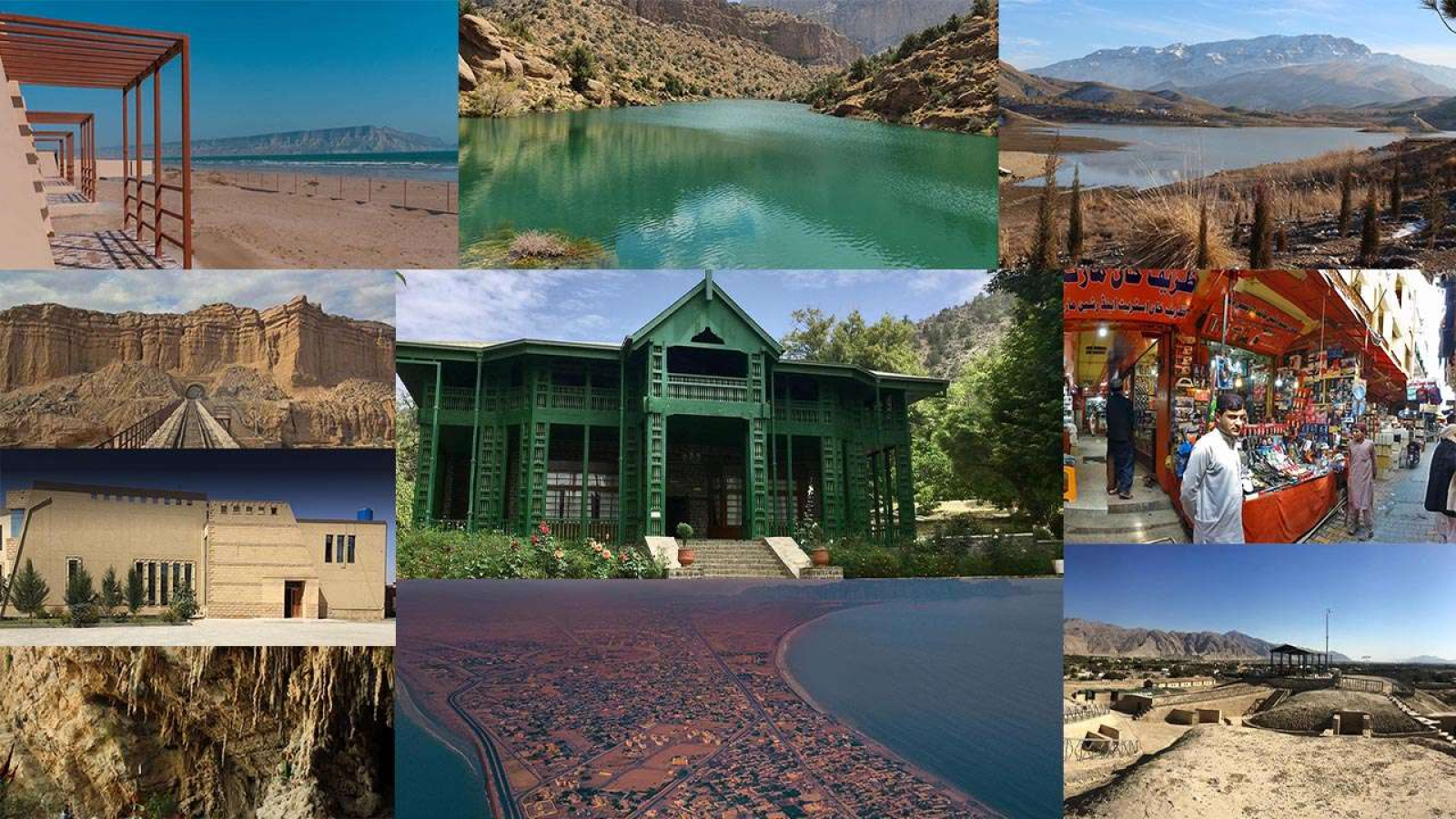
Pakistan tourism punjab tourism department tourism department punjab tourism travel pakistan for tourists pakistan tour tour pakistan pakistan tourists tourism website in pakistan

Kumrat Valley Travel – Beauty, Stay & Weather

Introduction to Kumrat Valley

Kumrat Valley is one of Pakistan’s most scenic and rapidly growing tourist destinations. Located in the Upper Dir district of Khyber Pakhtunkhwa, Kumrat Valley is famous for its lush green meadows, tall deodar trees, flowing rivers, and peaceful camping spots. Over the past few years, Kumrat Valley has become a favorite destination for travelers who want to escape crowded hill stations and experience untouched natural beauty.

The charm of Kumrat Valley lies in its raw and unspoiled environment. Unlike commercial tourist spots, Kumrat Valley offers wide open landscapes, cool mountain air, and dense forest surroundings that create a refreshing experience. Whether you are planning a family trip, a camping adventure, or a photography tour, Kumrat Valley provides a complete nature retreat.

From Kumrat Valley weather updates to Kumrat Valley hotels and trekking opportunities, this detailed guide covers everything you need to plan a perfect visit.


Kumrat Valley Location and How to Reach

Kumrat Valley location is in Upper Dir, Khyber Pakhtunkhwa, Pakistan. Often searched as Kumrat Valley Dir or Kumrat Valley Dir Upper, the valley is approximately 370 kilometers from Islamabad and around 95 kilometers from Dir city.

To reach Kumrat Valley, travelers typically follow this route:

Islamabad → Chakdara → Dir → Sharingal → Kumrat Valley

The road after Sharingal becomes rough and requires a 4×4 vehicle, especially during the rainy season. The remote Kumrat Valley location adds to its charm, keeping it less crowded compared to other northern tourist spots.

Due to increasing tourism, road conditions are gradually improving, but visitors should still prepare for off-road travel.


Natural Beauty and Landscape of Kumrat Valley

Kumrat Valley is famous for its vast green meadows, thick Kumrat Forest, and the crystal-clear Panjkora River. The dense Kumrat Forest is filled with tall deodar trees that create a magical atmosphere. Walking through Kumrat Forest feels like stepping into a fairytale landscape.

The valley is surrounded by snow-capped mountains, especially visible during early summer. The natural beauty of Kumrat Valley remains untouched, making it one of the most photogenic destinations in Pakistan.

Visitors to Kumrat Valley often enjoy:

  • Riverside camping
  • Forest walks
  • Hiking trails
  • Photography tours
  • Bonfires at night

The peaceful environment of Kumrat Valley makes it an ideal destination for relaxation and adventure.


Kumrat Valley Weather and Kumrat Temperature Guide

Kumrat Valley weather plays a major role in trip planning. The best time to visit Kumrat Valley is between May and September when the weather is pleasant and suitable for camping.

During summer, Kumrat temperature ranges between 15°C to 25°C during the day. Evenings are cooler, especially near the riverbanks. Kumrat Valley weather during summer is ideal for families and outdoor activities.

In winter, Kumrat temperature drops below freezing, and heavy snowfall can block access roads. Kumrat Valley weather in December and January can be harsh, making travel difficult.

Before planning your trip, always check the latest Kumrat Valley weather updates to avoid unexpected weather conditions.


Top Tourist Attractions in Kumrat Valley

Kumrat Valley offers several beautiful spots that attract tourists from across the country.

Kumrat Forest

Kumrat Forest is one of the main highlights of Kumrat Valley. The tall deodar trees, cool breeze, and shaded walking trails create a peaceful environment. Many visitors spend hours exploring Kumrat Forest and enjoying nature.

Panjkora River

The Panjkora River flows through Kumrat Valley, adding scenic beauty and providing camping opportunities along its banks.

Jahaz Banda Meadows

Located near Kumrat Valley Dir, Jahaz Banda is a high-altitude meadow surrounded by mountains. It is accessible through trekking and offers breathtaking views.

Do Kala Chashma

Do Kala Chashma is another scenic spot in Kumrat Valley known for its clear water and relaxing atmosphere.

Katora Lake

Katora Lake is a popular trekking destination near Kumrat Valley Dir. It requires a moderate hike but rewards visitors with stunning alpine scenery.


Kumrat Valley Hotels and Accommodation Options

With increasing tourism, Kumrat Valley hotels have expanded in recent years. Visitors can choose from:

  • Riverside camps
  • Wooden cottages
  • Guesthouses
  • Small family lodges

Kumrat Valley hotels are generally simple but comfortable. Most accommodations offer basic facilities such as beds, blankets, and food services.

During peak season, Kumrat Valley hotels fill quickly, so early booking is recommended. Some travelers prefer camping inside Kumrat Forest for a more adventurous experience.


Camping Experience in Kumrat Valley

Camping is one of the most popular activities in Kumrat Valley. The open meadows and riverbanks provide perfect spots for setting up tents. Spending a night under the stars in Kumrat Valley creates unforgettable memories.

Visitors should carry essential camping gear, warm clothes, and food supplies. Although small shops are available, facilities remain limited due to the remote Kumrat Valley location.

Responsible tourism is important. Visitors must protect Kumrat Forest and avoid littering.


Adventure Activities in Kumrat Valley Dir

Kumrat Valley Dir offers multiple adventure opportunities, including:

  • Trekking to Jahaz Banda
  • Hiking inside Kumrat Forest
  • River exploration
  • Landscape photography
  • Jeep rides on off-road tracks

The diverse terrain of Kumrat Valley makes it suitable for both relaxed family trips and adventurous tours.


Cultural Experience in Kumrat Valley Dir

The people living in Kumrat Valley Dir are known for their hospitality and simple lifestyle. Visitors often experience warm welcomes and local traditions.

Local food options include traditional Pashtun dishes, which add a cultural flavor to your Kumrat Valley trip.

Understanding local customs and respecting traditions enhances your overall experience in Kumrat Valley.


Why Kumrat Valley is a Growing Tourist Destination

Kumrat Valley has gained popularity due to social media exposure and word-of-mouth recommendations. Travelers looking for less commercial destinations prefer Kumrat Valley over crowded hill stations.

The peaceful atmosphere, pleasant Kumrat Valley weather during summer, and scenic Kumrat Forest contribute to its growing tourism appeal.

Improved accessibility and availability of Kumrat Valley hotels have also made travel easier.


Best Time to Visit Kumrat Valley

The ideal time to visit Kumrat Valley is from late spring to early autumn. During this period, Kumrat Valley weather remains comfortable and safe for travel.

Spring offers blooming greenery, summer provides ideal camping conditions, and early autumn showcases golden forest views.

Winter visits are only suitable for experienced travelers due to extreme Kumrat temperature conditions.


Travel Tips for Visiting Kumrat Valley

  • Check Kumrat Valley weather before departure
  • Hire a 4×4 vehicle for safe travel
  • Book Kumrat Valley hotels in advance
  • Carry warm clothing
  • Protect Kumrat Forest by avoiding litter
  • Bring cash as ATMs are limited

Planning ahead ensures a smooth trip to Kumrat Valley.


Environmental Importance of Kumrat Valley

Kumrat Valley plays an important role in preserving biodiversity in Upper Dir. Kumrat Forest supports various plant and wildlife species.

Sustainable tourism practices are essential to maintain the natural beauty of Kumrat Valley. Visitors should avoid damaging trees, water streams, and meadows.

Protecting Kumrat Valley ensures future generations can enjoy its scenic landscapes.


Conclusion – Explore Kumrat Valley with Expert Planning

Kumrat Valley is truly one of Pakistan’s hidden gems. From its breathtaking Kumrat Forest to its refreshing river views and pleasant Kumrat Valley weather, this destination offers an unforgettable travel experience. Whether you are searching for Kumrat Valley hotels, checking Kumrat temperature, or exploring Kumrat Valley location in Upper Dir, this valley promises natural beauty and adventure.

If you are planning your next trip to Kumrat Valley and want a hassle-free experience, visit https://ptcptourism.com/ today. Let travel experts organize your Kumrat Valley tour professionally and help you experience the beauty of Kumrat Valley in the best possible way.

Pakistan tourism punjab tourism department tourism department punjab tourism travel pakistan for tourists pakistan tour tour pakistan pakistan tourists tourism website in pakistan

Kumrat Valley Travel – Beauty, Stay & Weather

Kumrat Valley – Pakistan’s Hidden Paradise of Forests and Rivers

Kumrat Valley is one of those rare destinations that feels untouched, pure, and almost dreamlike. Tucked away in Upper Dir, Khyber Pakhtunkhwa, Kumrat Valley has rapidly gained recognition among travelers seeking natural beauty without the overwhelming crowds found in more commercial tourist hubs. With its dense pine forests, glacial rivers, towering mountains, and peaceful meadows, Kumrat Valley offers a refreshing escape into nature.

For many visitors, the first impression of Kumrat Valley is unforgettable. The air feels cleaner, the silence deeper, and the scenery almost surreal. Whether you are a nature lover, a photographer, an adventurer, or someone simply looking to disconnect from routine life, Kumrat Valley delivers an experience that stays with you long after the journey ends.


Kumrat Valley Location and Accessibility

Understanding the Kumrat Valley location is essential for planning a smooth trip. Kumrat Valley lies in Upper Dir District of Khyber Pakhtunkhwa, Pakistan. The valley is surrounded by mountains and thick forests, making it one of the most scenic regions in the province.

Most travelers begin their journey from Islamabad or Peshawar:

Islamabad to Dir
Travel via Chakdara toward Dir. The road journey can take 8–10 hours depending on traffic and stops.

Dir to Thal
From Dir town, continue toward Thal, the gateway village to Kumrat Valley.

Thal to Kumrat Valley
A jeep ride is usually required due to rugged terrain. This final stretch introduces visitors to the dramatic landscapes of Kumrat Valley Dir.

Despite its remote setting, improved road conditions have made Kumrat Valley more accessible in recent years.


Why Kumrat Valley Is Becoming a Top Destination

Kumrat Valley has transformed from a relatively unknown region into one of Pakistan’s most talked-about travel destinations. Several factors contribute to its growing popularity:

  • Vast stretches of unspoiled natural beauty
  • The enchanting Kumrat Forest
  • Crystal-clear Panjkora River
  • Cooler climate compared to urban centers
  • Ideal environment for camping and trekking

Unlike heavily commercialized areas, Kumrat Valley still retains its raw, authentic charm.


Kumrat Forest – The Soul of the Valley

One of the defining features of Kumrat Valley is the legendary Kumrat Forest. This dense forest of towering deodar and pine trees creates an atmosphere that feels magical. Sunlight filtering through tall trees, mist drifting across the landscape, and the gentle sound of the river combine to create a deeply calming environment.

The Kumrat Forest is more than just scenery:

  • It regulates the valley’s climate
  • Supports local wildlife
  • Provides stunning photography opportunities
  • Creates natural camping spots

Many travelers consider the Kumrat Forest the highlight of their Kumrat Valley journey.


Kumrat Valley Weather and Climate

The Kumrat Valley weather plays a major role in shaping the visitor experience. Due to its elevation and dense forests, the valley enjoys a cooler climate than most cities in Pakistan.

Summer (May – September)
Pleasant days, cool nights. Ideal for tourism. Kumrat temperature typically ranges between 15°C and 25°C.

Autumn (October – November)
Golden foliage, crisp air, fewer tourists.

Winter (December – March)
Heavy snowfall, extreme cold. Access may be limited.

Spring (April)
Blooming greenery, unpredictable showers.

Checking the Kumrat Valley weather forecast before traveling is strongly recommended.


Kumrat Temperature – What to Expect

Kumrat temperature variations surprise many first-time visitors. Even in peak summer, evenings and nights can be quite cold. Warm clothing is essential regardless of the season.

Typical conditions:

  • Daytime: Mild to cool
  • Nighttime: Cold, especially near the river
  • Early mornings: Often misty

This refreshing climate is one reason Kumrat Valley is so appealing during hot Pakistani summers.


Top Attractions in Kumrat Valley

Kumrat Valley offers a diverse range of natural attractions.

Panjkora River
Flowing through the valley, the river adds life, color, and serenity to Kumrat Valley.

Kumrat Forest
Dense, photogenic, peaceful.

Jahaz Banda Meadows
A stunning high-altitude meadow accessible via trekking.

Do Kala Chashma
Two-stream confluence surrounded by forest.

Katora Lake (nearby)
A breathtaking alpine lake reached via Jahaz Banda trek.

Each attraction enhances the overall Kumrat Valley experience.


Kumrat Valley Hotels and Accommodation

Accommodation options in Kumrat Valley have expanded as tourism has grown. Travelers can choose from:

Basic Guesthouses
Affordable, simple facilities.

Kumrat Valley Hotels
Comfortable stays with essential amenities.

Camping
Popular among adventure lovers.

Luxury Camps
Emerging option for premium experiences.

When searching for Kumrat Valley hotels, early booking during peak season is advisable.


Camping in Kumrat Valley

Camping is one of the most rewarding ways to experience Kumrat Valley. The sound of the river, star-filled skies, and the towering forest create an unforgettable atmosphere.

Benefits of camping:

  • Closer connection to nature
  • Flexible exploration
  • Budget-friendly
  • Unique photography moments

Always camp responsibly and respect the environment.


Adventure Activities in Kumrat Valley

Kumrat Valley is perfect for adventure seekers.

Trekking
Routes toward Jahaz Banda and Katora Lake.

Jeep Safari
Thrilling rides through rugged terrain.

Photography
Endless scenic compositions.

River Exploration
Relaxing walks along Panjkora River.

Nature Walks
Immersion in Kumrat Forest.

The valley caters to both thrill-seekers and leisure travelers.


Kumrat Valley Dir – Cultural and Local Experience

Kumrat Valley Dir is not only about landscapes. The region offers warm hospitality, traditional lifestyles, and a slower pace of life. Visitors often appreciate:

  • Friendly local communities
  • Traditional food
  • Unique mountain culture
  • Simple village life

Respecting local customs enriches the travel experience.


Best Time to Visit Kumrat Valley

Timing significantly affects your trip.

Peak Season (June – August)
Best weather, lush greenery.

Shoulder Season (May & September)
Pleasant climate, fewer crowds.

Autumn (October)
Stunning colors.

Winter
For snow lovers and extreme adventure.

For most travelers, summer remains the ideal window for visiting Kumrat Valley.


Travel Tips for Kumrat Valley

  • Use a reliable 4×4 vehicle from Thal
  • Pack warm layers
  • Carry cash (limited ATMs)
  • Expect limited mobile signals
  • Hire local guides for treks
  • Respect nature and avoid littering

Proper preparation ensures a smoother Kumrat Valley journey.


Why Kumrat Valley Feels Different

Kumrat Valley offers something rare — authenticity. There are no overwhelming commercial structures, no excessive crowds, and no artificial distractions. Instead, you find raw nature, silence, and a sense of peace.

It is a place where:

  • Time feels slower
  • Scenery feels untouched
  • Experiences feel genuine

The Emotional Impact of Kumrat Valley

Many visitors describe Kumrat Valley as therapeutic. The forests, river sounds, and mountain air create deep mental relaxation. It is not just sightseeing — it is emotional restoration.


Conclusion – Plan Your Kumrat Valley Adventure

Kumrat Valley stands as one of Pakistan’s most breathtaking destinations, offering forests, rivers, meadows, and a climate that refreshes both body and mind. Whether you seek relaxation, photography, trekking, or a digital detox, Kumrat Valley delivers an unforgettable experience.

If you’re ready to explore this remarkable paradise, let professionals handle the logistics, transport, accommodation, and guidance.

Visit https://ptcptourism.com/ to plan your Kumrat Valley trip and turn your travel dreams into reality.

Pakistan tourism punjab tourism department tourism department punjab tourism travel pakistan for tourists pakistan tour tour pakistan pakistan tourists tourism website in pakistan

Kumrat Valley Travel – Beauty, Stay & Weather

Kumrat Valley – Complete Travel Guide to Pakistan’s Hidden Paradise

Kumrat Valley is one of the most breathtaking natural destinations in northern Pakistan. Known for its lush green meadows, towering deodar trees, crystal-clear rivers, and peaceful landscapes, Kumrat Valley has quickly become one of the top tourist attractions in Khyber Pakhtunkhwa. Located in Upper Dir district, Kumrat Valley offers an unforgettable experience for nature lovers, families, trekkers, and adventure seekers.

If you are searching for a destination that combines mountains, rivers, forests, and serenity, Kumrat Valley is the perfect choice. From camping under the stars to exploring Kumrat Forest and discovering hidden waterfalls, every corner of Kumrat Valley feels like a scene from a fairytale.

This detailed guide covers everything about Kumrat Valley, including Kumrat Valley location, Kumrat Valley weather, Kumrat temperature, Kumrat Valley hotels, travel routes, attractions, and travel tips to help you plan a perfect trip.


Kumrat Valley Location and Accessibility

Kumrat Valley location is in Upper Dir district of Khyber Pakhtunkhwa, Pakistan. Often referred to as Kumrat Valley Dir or Kumrat Valley Dir Upper, the valley lies approximately 370 kilometers from Islamabad. The valley is accessible through Dir town, which serves as the main gateway to Kumrat Valley.

To reach Kumrat Valley, travelers usually follow this route:

Islamabad → Chakdara → Dir → Sharingal → Kumrat Valley

The final stretch to Kumrat Valley requires a 4×4 vehicle, especially during the monsoon season when roads can become muddy and rough. Despite the challenging access, the journey to Kumrat Valley is filled with scenic views and mountain landscapes.

The remote Kumrat Valley location is one of the reasons why it has preserved its natural beauty and remains less commercialized compared to other northern areas.


Natural Beauty of Kumrat Valley

Kumrat Valley is famous for its untouched natural charm. The valley is covered with thick pine and deodar trees forming the iconic Kumrat Forest. The Panjkora River flows gracefully through the valley, adding to its peaceful atmosphere.

Visitors to Kumrat Valley can enjoy:

  • Dense Kumrat Forest walks
  • Camping along the riverbanks
  • Bonfires under starry skies
  • Scenic mountain photography
  • Waterfall exploration

The beauty of Kumrat Valley lies in its simplicity. There are no massive buildings or overdeveloped commercial centers. Instead, the valley offers raw, pure nature at its finest.


Kumrat Valley Weather and Kumrat Temperature

Kumrat Valley weather varies throughout the year. The best time to visit Kumrat Valley is from May to September when the weather remains pleasant and ideal for camping and sightseeing.

During summer, Kumrat temperature typically ranges between 15°C and 25°C during the day. Nights can be cooler, especially near the river.

In winter, Kumrat Valley weather becomes extremely cold. Kumrat temperature can drop below freezing, and heavy snowfall often blocks road access to Kumrat Valley Dir. Winter visits are only recommended for experienced travelers.

Before planning your trip, always check updated Kumrat Valley weather forecasts to avoid unexpected weather changes.


Top Attractions in Kumrat Valley

Kumrat Valley offers multiple attractions for visitors who want to explore beyond the main camping area.

Kumrat Forest

Kumrat Forest is one of the most famous highlights of Kumrat Valley. The tall deodar trees create a magical landscape that feels untouched by time. Walking through Kumrat Forest gives visitors a peaceful escape from city life.

Panjkora River

The Panjkora River flows through Kumrat Valley, offering breathtaking riverside views. Many tourists camp along the river to enjoy its soothing sound.

Jahaz Banda

Located near Kumrat Valley Dir, Jahaz Banda is a beautiful meadow surrounded by mountains. It is a popular trekking destination for visitors who want adventure in Kumrat Valley.

Do Kala Chashma

This scenic spot in Kumrat Valley is known for its clear water streams and relaxing environment.

Katora Lake

For trekking enthusiasts, Katora Lake is a must-visit. The lake is located at high altitude near Kumrat Valley and offers spectacular alpine views.


Kumrat Valley Hotels and Accommodation Options

Kumrat Valley hotels range from basic guesthouses to comfortable wooden cottages. Due to increasing tourism, accommodation options in Kumrat Valley Dir have improved over the years.

Common accommodation choices include:

  • Riverside camps
  • Wooden huts
  • Local guesthouses
  • Family lodges

Kumrat Valley hotels are mostly simple and eco-friendly. Luxury resorts are limited, but the natural setting more than compensates for it.

During peak season, Kumrat Valley hotels can fill quickly, so booking in advance is recommended.


Camping Experience in Kumrat Valley

Camping is one of the most popular activities in Kumrat Valley. Many travelers prefer to bring their own tents and camp near the river or inside Kumrat Forest.

The peaceful environment of Kumrat Valley makes it perfect for bonfires, stargazing, and spending quality time with family and friends.

However, visitors should follow responsible tourism practices and avoid littering in Kumrat Valley.


Why Kumrat Valley is Becoming a Popular Tourist Destination

In recent years, Kumrat Valley has gained popularity on social media due to its scenic landscapes and peaceful atmosphere. Unlike heavily commercialized destinations, Kumrat Valley still maintains its natural identity.

The charm of Kumrat Valley Dir lies in its authenticity. Visitors experience nature without excessive urban development.

The improved road infrastructure has also made Kumrat Valley more accessible for tourists.


Best Time to Visit Kumrat Valley

The ideal time to visit Kumrat Valley is between May and September. During this period, Kumrat Valley weather remains pleasant and suitable for outdoor activities.

Spring and summer showcase lush greenery in Kumrat Forest, while autumn brings golden shades across the valley.

Winter transforms Kumrat Valley into a snow-covered wonderland, but accessibility becomes challenging.


Travel Tips for Visiting Kumrat Valley

  • Always check Kumrat Valley weather before departure
  • Hire a 4×4 vehicle for safe travel
  • Book Kumrat Valley hotels in advance
  • Carry warm clothing even in summer
  • Avoid littering and protect Kumrat Forest
  • Keep emergency supplies and power banks

Preparation ensures a smooth and enjoyable experience in Kumrat Valley.


Cultural Experience in Kumrat Valley Dir

The people of Kumrat Valley Dir are known for their hospitality and simplicity. Visitors often experience warm welcomes from locals.

Traditional food, local customs, and cultural values add depth to the overall experience of Kumrat Valley.

Interacting with locals enhances your understanding of life in this peaceful mountain region.


Adventure Activities in Kumrat Valley

Kumrat Valley offers opportunities for:

  • Hiking
  • Trekking
  • River exploration
  • Photography
  • Camping

Adventure lovers often combine Kumrat Valley trips with nearby destinations in Upper Dir.


Environmental Importance of Kumrat Valley

Kumrat Valley plays an important role in maintaining regional biodiversity. Kumrat Forest is home to various plant species and wildlife.

Responsible tourism is crucial to preserving the natural beauty of Kumrat Valley for future generations.

Visitors should avoid damaging forests and water sources in Kumrat Valley Dir.


Conclusion – Plan Your Trip to Kumrat Valley Today

Kumrat Valley is a true hidden paradise of Pakistan. From the breathtaking Kumrat Forest to the soothing Panjkora River, Kumrat Valley offers an unforgettable experience for travelers seeking natural beauty and peace. Whether you are checking Kumrat Valley weather, searching for Kumrat Valley hotels, or planning your journey to Kumrat Valley location in Upper Dir, this destination promises scenic landscapes and adventure.

If you are ready to explore Kumrat Valley with professional guidance and hassle-free planning, visit https://ptcptourism.com/ today. Let experts help you organize your perfect Kumrat Valley tour and experience the magic of Kumrat Valley like never before.

Pakistan tourism punjab tourism department tourism department punjab tourism travel pakistan for tourists pakistan tour tour pakistan pakistan tourists tourism website in pakistan

Baltoro Glacier – Trekking the World’s Iconic Ice Giant

Baltoro Glacier – A Majestic Ice River of the Karakoram

The Baltoro Glacier is one of the most extraordinary natural landscapes on Earth, representing the raw power of ice, mountains, and time. Located in the remote northern region of Pakistan, this colossal glacier stretches deep into the heart of the Karakoram range and attracts adventurers, researchers, and nature lovers from across the globe.

Often discussed alongside the world’s largest glacier systems, the Baltoro Glacier is renowned not only for its size but also for its dramatic surroundings. The comparison between the baltoro lambert glacier highlights how glaciers in different parts of the world exhibit unique characteristics while sharing immense geological importance.


Geographical Location and Natural Setting

The Baltoro Glacier lies in the Gilgit-Baltistan region within the mighty Karakoram mountain range. It extends for approximately 63 kilometers, making it one of the longest glaciers outside the polar regions. The glacier flows northwest through a rugged valley carved over thousands of years by moving ice and rock.

Surrounded by jagged peaks, ice towers, and vast moraine fields, the Baltoro Glacier forms a natural corridor through one of the most dramatic mountain environments in the world. Its tributary glaciers continuously feed its massive ice body, contributing to its remarkable scale and endurance.


Why Baltoro Glacier Is Among the World’s Largest Glaciers

When people search for information about the world’s largest glacier, Antarctica’s Lambert Glacier is often mentioned first. However, the Baltoro Glacier holds a unique position as one of the largest non-polar glaciers on Earth.

The baltoro lambert glacier comparison is frequently used in glaciology to demonstrate the contrast between polar and high-mountain glaciers. While the Lambert Glacier dominates Antarctica in sheer volume and length, the Baltoro Glacier stands out for its accessibility, visibility, and interaction with human exploration.

Its immense length, width, and network of tributaries place the Baltoro Glacier among the most significant glacier systems worldwide.


Historical Exploration and Discovery

The Baltoro Glacier has been known to local communities for centuries, but it gained international attention during the era of European exploration in the late 19th century. Surveyors and mountaineers ventured into the region to map the glacier and surrounding peaks.

These early expeditions laid the foundation for modern mountaineering in the Karakoram. Over time, the Baltoro Glacier became synonymous with extreme adventure and high-altitude exploration.


Gateway to the World’s Highest Peaks

One of the most defining features of the Baltoro Glacier is its proximity to some of the highest mountains on Earth. The glacier serves as the primary approach route to legendary peaks, including K2, the second-highest mountain in the world.

At a central point known as Concordia, trekkers are surrounded by a breathtaking panorama of towering peaks. This unique concentration of mountains makes the Baltoro Glacier unmatched anywhere else on the planet.


The Baltoro Glacier Trek Experience

Trekking along the Baltoro Glacier is considered one of the greatest trekking adventures in the world. Unlike commercial trekking routes, this journey is remote, challenging, and deeply immersive.

The trek typically begins in Askole village and follows the glacier’s rocky moraine. Trekkers cross glacial streams, icy paths, and uneven terrain while surrounded by endless ice formations and towering mountains.

Each day on the Baltoro Glacier presents new scenery, from shimmering ice walls to dramatic mountain silhouettes against the sky.


Best Time to Visit Baltoro Glacier

The optimal time to visit the Baltoro Glacier is between June and September. During this period, weather conditions are relatively stable, and access routes remain open.

Despite the summer season, the environment remains harsh. Sudden snowfall, freezing nights, and strong winds are common. Proper planning and experienced guidance are essential for a safe journey.


Climate and Environmental Conditions

The climate around the Baltoro Glacier is extreme and unpredictable. Daytime temperatures may feel comfortable under direct sunlight, but nighttime temperatures often drop well below freezing.

Unlike many glaciers around the world, the Baltoro Glacier has shown relative resilience to rapid melting. This has made it a subject of interest for climate scientists studying glacier behavior in high-altitude regions.


Wildlife and Ecosystem Around Baltoro Glacier

Although the glacier itself appears barren, the surrounding valleys support a fragile yet diverse ecosystem. Snow leopards, ibex, marmots, and various bird species inhabit nearby regions.

Meltwater from the Baltoro Glacier sustains rivers and vegetation downstream, highlighting its importance beyond tourism and adventure.


Cultural Importance of the Baltoro Region

The Baltoro Glacier lies within the traditional lands of the Balti people. Their culture, language, and way of life are closely connected to the mountains and glaciers surrounding them.

Local guides and porters possess invaluable knowledge of the terrain and climate. Supporting local communities is a key part of responsible travel to the Baltoro Glacier.


Baltoro Glacier and Lambert Glacier Comparison

The baltoro lambert glacier comparison is often used to explain glacier diversity across the world. While Lambert Glacier is the largest glacier on Earth by volume and length, it exists in a remote polar environment.

In contrast, the Baltoro Glacier allows direct human interaction. Trekkers can walk alongside one of the world’s most significant glaciers, making it an unmatched experience outside the polar regions.

This comparison further strengthens the Baltoro Glacier’s global significance.


Challenges and Safety Considerations

Traveling to the Baltoro Glacier requires careful preparation. High altitude, unpredictable weather, and rugged terrain pose serious challenges.

Proper acclimatization, professional guides, and high-quality equipment are essential. Respect for nature and adherence to safety protocols ensure a successful expedition.


Why Baltoro Glacier Is a Must-Visit Destination

The Baltoro Glacier offers an experience unlike any other. Its immense scale, dramatic scenery, and historical significance place it among the world’s greatest natural wonders.

For travelers seeking an alternative to polar regions while still experiencing a glacier comparable to the world’s largest glacier systems, the Baltoro Glacier is an ideal destination.


Conclusion – Start Your Baltoro Glacier Journey

The Baltoro Glacier stands as a symbol of natural grandeur, adventure, and geological history. From its comparison with the baltoro lambert glacier to its role as a gateway to legendary peaks, the Baltoro Glacier remains one of the most awe-inspiring destinations on Earth.

If you are ready to explore the Baltoro Glacier with expert planning, safety, and local insight, begin your journey today. Visit https://ptcptourism.com/ to plan your Baltoro Glacier trek with experienced guides, customized itineraries, and professional support that transforms your adventure into a lifetime memory.

Pakistan tourism punjab tourism department tourism department punjab tourism travel pakistan for tourists pakistan tour tour pakistan pakistan tourists tourism website in pakistan

Baltoro Glacier – Trekking the World’s Iconic Ice Giant

Baltoro Glacier – Complete Travel & Trek Guide to Pakistan’s Frozen Giant

Baltoro Glacier is one of the most extraordinary natural wonders in the world. Located in the mighty Karakoram range of northern Pakistan, baltoro glacier is a dream destination for trekkers, mountaineers, photographers, and adventure lovers. Stretching deep into the heart of Gilgit-Baltistan, baltoro glacier offers an unmatched experience of raw wilderness, towering peaks, and breathtaking ice landscapes.

Often described among the world’s largest glacier systems outside the polar regions, baltoro glacier extends approximately 63 kilometers in length. While Lambert Glacier in Antarctica holds the title of the world’s largest glacier, baltoro glacier remains one of the longest and most significant glaciers in Asia. Its immense ice mass, combined with dramatic surroundings, makes baltoro glacier one of the most iconic trekking destinations on Earth.

This detailed guide explores everything you need to know about baltoro glacier, including its location, trekking routes, history, climate, geography, and travel planning tips.


Where is Baltoro Glacier Located?

Baltoro glacier lies in the Karakoram mountain range within Gilgit-Baltistan, Pakistan. It is situated inside the Central Karakoram National Park, one of the largest protected areas in the country. The glacier flows from the Concordia region and moves toward the Shigar River basin.

The main access point to baltoro glacier is the city of Skardu. From Skardu, travelers drive to Askole village, which serves as the last human settlement before beginning the baltoro glacier trek. The journey to baltoro glacier is remote and rugged, adding to its untouched beauty.

The baltoro region is globally recognized among climbers because it leads to some of the highest peaks in the world.


Geographical Significance of Baltoro Glacier

Baltoro glacier covers an area of over 700 square kilometers and stretches roughly 63 kilometers long, making it one of the longest glaciers outside polar regions. Although Lambert Glacier in Antarctica is the world’s largest glacier overall, baltoro glacier stands out as one of the most impressive glaciers in non-polar environments.

The surface of baltoro glacier is covered with debris and rocks carried down from surrounding mountains. Beneath this rocky layer lies thick ice formed over thousands of years. The glacier is fed by numerous tributary glaciers, which increase its mass and volume.

The scale of baltoro glacier makes it a key contributor to Pakistan’s freshwater system, supporting rivers that sustain agriculture and communities downstream.


Historical Importance of Baltoro Glacier

Baltoro glacier has played a major role in mountaineering history. During the late 19th and early 20th centuries, European explorers began mapping the Karakoram region, bringing international attention to baltoro glacier.

Many historic expeditions to K2 passed through baltoro glacier. It became the gateway to some of the world’s most challenging mountain climbs. Over time, baltoro glacier earned its reputation as one of the most dramatic and demanding trekking routes globally.

Today, baltoro glacier continues to attract professional mountaineers and adventure enthusiasts seeking the ultimate high-altitude experience.


Baltoro Glacier Trek – A Legendary High-Altitude Journey

The baltoro glacier trek is widely regarded as one of the most spectacular treks in the world. The journey typically lasts between 12 to 18 days, depending on the itinerary and acclimatization schedule.

The trek begins in Askole and passes through several key camps:

  • Jhula
  • Paiyu
  • Urdukas
  • Goro II
  • Concordia
  • K2 Base Camp

The highlight of the baltoro glacier trek is Concordia, often described as the throne room of the Karakoram. From this point, trekkers can view multiple 8,000-meter peaks, including K2.

Walking across baltoro glacier is a unique experience. The terrain is rugged, rocky, and icy, demanding physical endurance and mental resilience. However, the reward is a once-in-a-lifetime view of some of the planet’s highest mountains.


Peaks Surrounding Baltoro Glacier

Baltoro glacier is surrounded by some of the most famous peaks in the world:

  • K2 (8,611 meters)
  • Broad Peak (8,051 meters)
  • Gasherbrum I and II
  • Masherbrum
  • Trango Towers

These towering mountains form a dramatic skyline around baltoro glacier. The concentration of high peaks in this region is unmatched anywhere else on Earth.

The baltoro region is often compared in global glacier discussions to Lambert Glacier because of its massive ice field and significant size outside polar regions.


Climate and Best Time to Visit Baltoro Glacier

The best time to explore baltoro glacier is between June and September. During these months, temperatures are manageable, and trekking routes are accessible.

Daytime temperatures may range between 10°C and 20°C, but nights can drop below freezing. Weather conditions in baltoro glacier can change rapidly, so proper gear and preparation are essential.

Winter months bring heavy snowfall, making baltoro glacier inaccessible for trekking.


Why Baltoro Glacier is Considered Among the World’s Largest Glacier Systems

Although Lambert Glacier is officially recognized as the world’s largest glacier, baltoro glacier is one of the longest and most massive glaciers outside polar regions. Its immense ice flow and interconnected glacier network contribute to its global significance.

Baltoro glacier plays a vital role in the hydrology of Pakistan. The melting ice feeds into rivers that support agriculture, drinking water supplies, and ecosystems across the region.

The scale, length, and surrounding peaks elevate baltoro glacier to global recognition.


Wildlife and Ecology Around Baltoro Glacier

Despite harsh conditions, baltoro glacier and surrounding areas are home to remarkable wildlife.

Species found in the baltoro region include:

  • Snow Leopard
  • Himalayan Ibex
  • Golden Eagle
  • Himalayan Brown Bear

Vegetation is sparse at higher altitudes, but alpine plants grow in lower valleys leading to baltoro glacier.

The ecosystem around baltoro glacier remains fragile and requires responsible tourism practices.


Cultural Experience in the Baltoro Region

The Balti people inhabit the region surrounding baltoro glacier. Their culture, language, and traditions enrich the trekking experience.

Local porters and guides play a crucial role in baltoro glacier expeditions. Their expertise ensures safe navigation across challenging terrain.

Hospitality in the baltoro region is warm and welcoming, adding a human connection to the adventure.


Challenges of the Baltoro Glacier Trek

The baltoro glacier trek is physically demanding. Trekkers face:

  • High altitude
  • Extreme weather
  • Long walking hours
  • Glacier crossings

Acclimatization is essential to avoid altitude sickness. Proper planning and professional guidance are highly recommended for anyone attempting baltoro glacier.

However, those who complete the baltoro glacier trek often describe it as one of the most rewarding experiences of their lives.


Environmental Importance of Baltoro Glacier

Baltoro glacier is not only a tourist attraction but also a critical environmental resource. It contributes significantly to Pakistan’s freshwater reserves.

Climate change poses potential risks to baltoro glacier. Rising global temperatures can accelerate ice melt, affecting water systems downstream.

Sustainable tourism and environmental awareness are vital to preserving baltoro glacier for future generations.


Photography and Scenic Beauty of Baltoro Glacier

Baltoro glacier offers extraordinary photography opportunities. Sunrise and sunset illuminate the peaks with golden hues, creating dramatic scenes.

The vast icy landscape, combined with towering granite walls and snow-covered summits, makes baltoro glacier one of the most photogenic regions in the world.

Photographers traveling to baltoro glacier often capture some of their most iconic shots here.


Travel Tips for Visiting Baltoro Glacier

  • Secure required permits before traveling
  • Train physically before attempting the trek
  • Hire experienced guides
  • Pack proper trekking gear
  • Allow time for acclimatization
  • Respect local customs and environment

Preparation is the key to enjoying baltoro glacier safely and comfortably.


Conclusion – Plan Your Baltoro Glacier Adventure Today

Baltoro glacier stands as one of the most magnificent natural wonders in the world. With its towering peaks, massive ice fields, and legendary trekking routes, baltoro glacier offers an unmatched adventure experience. Recognized among the world’s largest glacier systems outside the polar regions and often compared in scale discussions to Lambert Glacier, baltoro glacier continues to inspire explorers worldwide.

If you are ready to explore baltoro glacier and experience the adventure of a lifetime, trust professionals who understand the terrain, logistics, and safety requirements. Visit https://ptcptourism.com/ today and start planning your unforgettable baltoro glacier journey with expert guidance.

Pakistan tourism punjab tourism department tourism department punjab tourism travel pakistan for tourists pakistan tour tour pakistan pakistan tourists tourism website in pakistan

Baltoro Glacier – Trekking the World’s Iconic Ice Giant

Baltoro Glacier – The Ultimate Guide to Pakistan’s Legendary Ice Giant

The Baltoro Glacier is one of the most breathtaking natural wonders on Earth and a true icon of high-altitude adventure. Stretching deep into the Karakoram mountain range of northern Pakistan, the Baltoro Glacier is celebrated for its immense scale, dramatic scenery, and proximity to some of the highest mountains on the planet.

Often compared with massive ice systems across the globe, the Baltoro Glacier is frequently discussed alongside the world’s largest glacier formations, especially Antarctica’s Lambert Glacier. While the baltoro lambert glacier comparison highlights differences in geography and climate, both glaciers represent the raw power of nature at its most extreme.


Geographical Location and Physical Overview

The Baltoro Glacier is located in the Gilgit-Baltistan region within the mighty Karakoram range. Measuring approximately 63 kilometers in length, it is one of the longest glaciers outside the polar regions. The glacier flows northwest through a rugged valley carved by centuries of ice movement, surrounded by towering granite peaks and vast ice fields.

What sets the Baltoro Glacier apart is its sheer width and the number of tributary glaciers feeding into it. These tributaries contribute to its massive volume, making it one of the most significant mountain glaciers in the world. Unlike many alpine glaciers that are rapidly retreating, the Baltoro Glacier has shown relative stability due to its high elevation and continuous snow accumulation.


Why Baltoro Glacier Is Ranked Among the World’s Largest Glaciers

When discussing the world’s largest glacier, Antarctica naturally dominates the conversation. The Lambert Glacier, located in East Antarctica, holds the title in terms of length and volume. However, the Baltoro Glacier is widely regarded as one of the largest non-polar glaciers on Earth.

The baltoro lambert glacier comparison is commonly used in glaciology to explain how glaciers differ across regions. While the Lambert Glacier stretches beneath Antarctica’s frozen interior, the Baltoro Glacier winds through steep mountain terrain, making it far more visible and accessible to humans.

Its size, length, and extensive ice coverage firmly place the Baltoro Glacier among the most impressive glacier systems on the planet.


Historical Significance of the Baltoro Glacier

The Baltoro Glacier has played a pivotal role in the history of exploration and mountaineering. During the late 19th and early 20th centuries, European explorers and surveyors ventured into the region to map the glacier and surrounding peaks.

Legendary mountaineering expeditions have relied on the Baltoro Glacier as the primary route to some of the world’s most challenging climbs. The glacier became globally famous as the gateway to K2, the second-highest mountain on Earth, along with Broad Peak and the Gasherbrum group.

For centuries before modern expeditions, local Balti communities respected the glacier as a powerful natural force, shaping their culture and traditions around the surrounding valleys.


Connection to the World’s Highest Mountains

One of the most remarkable aspects of the Baltoro Glacier is its proximity to an extraordinary concentration of high peaks. No other glacier in the world provides access to so many mountains over 8,000 meters in a single region.

At the heart of the glacier lies Concordia, often referred to as the “Throne Room of the Mountain Gods.” From this point, trekkers can witness panoramic views of K2, Broad Peak, Gasherbrum I, and Gasherbrum II rising together in a dramatic display of ice and stone.

This unique setting makes the Baltoro Glacier one of the most visually stunning destinations on Earth.


Trekking Experience on the Baltoro Glacier

Trekking the Baltoro Glacier is considered one of the greatest long-distance treks in the world. Unlike commercial hiking routes, this journey is raw, challenging, and deeply rewarding.

The trek usually begins in the village of Askole and follows the glacier’s rocky moraine. Trekkers navigate ice-covered paths, glacial streams, and uneven terrain while surrounded by towering peaks and endless ice formations.

Every day on the Baltoro Glacier offers a new perspective. The ever-changing landscape, shifting light, and towering mountains create an experience that feels both humbling and exhilarating.


Best Time to Visit Baltoro Glacier

The ideal time to visit the Baltoro Glacier is between June and September. During these months, weather conditions are relatively stable, and access routes are open.

Even in summer, conditions remain harsh. Sudden snowstorms, strong winds, and freezing temperatures are common. Proper planning, experienced guides, and quality equipment are essential for a safe journey across the Baltoro Glacier.


Climate and Environmental Conditions

The climate surrounding the Baltoro Glacier is extreme. Daytime temperatures can be mild under direct sunlight, while nights often drop well below freezing. The glacier’s surface is typically covered with debris, rocks, and ice, creating a rugged and challenging environment.

Despite global climate change, the Baltoro Glacier has shown slower retreat compared to many glaciers worldwide. This makes it an important subject of scientific study and a valuable indicator of climate behavior in high-altitude regions.


Wildlife and Natural Ecosystem

Although the Baltoro Glacier itself appears barren, the surrounding valleys support a surprising range of wildlife. Snow leopards, ibex, marmots, and various bird species inhabit nearby areas.

These ecosystems depend on glacial meltwater, highlighting the importance of preserving the Baltoro Glacier not only for adventure tourism but also for environmental sustainability.


Cultural Importance of the Baltoro Region

The Baltoro Glacier lies within the cultural heartland of the Balti people. Their traditions, language, and hospitality form an essential part of the trekking experience.

Local guides and porters possess generations of knowledge about the terrain, weather patterns, and survival in extreme conditions. Supporting local communities is a vital aspect of responsible travel to the Baltoro Glacier.


Baltoro Glacier vs Lambert Glacier

The comparison between the Baltoro Glacier and Antarctica’s Lambert Glacier often arises when discussing the world’s largest glacier. The baltoro lambert glacier contrast demonstrates how glaciers vary dramatically across environments.

While Lambert Glacier is vastly larger in scale, it lies in a remote polar region inaccessible to most travelers. In contrast, the Baltoro Glacier offers direct human interaction, allowing trekkers to experience one of the world’s greatest glaciers firsthand.

This accessibility gives the Baltoro Glacier a unique position among global ice formations.


Safety and Preparation for Baltoro Glacier Travel

Traveling to the Baltoro Glacier requires careful preparation. Altitude sickness, extreme weather, and challenging terrain pose real risks.

Trekkers should ensure proper acclimatization, carry suitable gear, and travel with experienced operators. Respect for nature and adherence to safety guidelines are essential for a successful Baltoro Glacier expedition.


Why Baltoro Glacier Is a Once-in-a-Lifetime Destination

Few places on Earth offer the scale, beauty, and adventure found on the Baltoro Glacier. Its immense size, dramatic setting, and historical significance place it among the world’s most extraordinary natural wonders.

For those seeking an experience comparable to visiting the world’s largest glacier regions while remaining accessible, the Baltoro Glacier stands unmatched.


Conclusion – Plan Your Baltoro Glacier Adventure

The Baltoro Glacier is more than just a river of ice. It is a symbol of Pakistan’s natural heritage, a gateway to legendary mountains, and a living example of Earth’s geological power. From its global comparisons with the baltoro lambert glacier to its role in high-altitude exploration, the Baltoro Glacier continues to inspire adventurers from around the world.

If you are ready to experience the Baltoro Glacier with expert planning, safety, and local insight, start your journey today. Visit https://ptcptourism.com/ to plan your Baltoro Glacier trek with professional guides, customized itineraries, and reliable support that transforms your adventure into an unforgettable lifetime experience.

Pakistan tourism punjab tourism department tourism department punjab tourism travel pakistan for tourists pakistan tour tour pakistan pakistan tourists tourism website in pakistan

Baltoro Glacier – Trekking the World’s Iconic Ice Giant

Baltoro Glacier – A Complete Guide to One of the World’s Greatest Glaciers

The Baltoro Glacier is one of the most spectacular natural wonders on Earth and a crown jewel of Pakistan’s northern landscapes. Located in the heart of the Karakoram mountain range, this colossal river of ice is famous for its dramatic scenery, legendary trekking routes, and proximity to some of the highest peaks in the world. For adventurers, photographers, geographers, and nature lovers, the Baltoro Glacier represents raw beauty on a monumental scale.

Often compared with massive ice formations across the globe, the Baltoro Glacier is frequently discussed in conversations about the world’s largest glacier systems, alongside Antarctica’s Lambert Glacier. While the baltoro lambert glacier comparison highlights differences in climate and geography, both glaciers symbolize Earth’s most powerful natural forces.


Geographical Location and Setting

The Baltoro Glacier lies in the Gilgit-Baltistan region of northern Pakistan, within the rugged terrain of the Karakoram. Stretching approximately 63 kilometers, it is one of the longest glaciers outside the polar regions. The glacier flows northwest through a dramatic valley carved by centuries of ice movement.

What makes the Baltoro Glacier unique is its setting among towering granite and ice giants. The glacier serves as a gateway to the central Karakoram, offering access to some of the planet’s most iconic mountains. Unlike many alpine glaciers that are retreating rapidly, the Baltoro Glacier remains relatively stable due to its altitude and accumulation zones.


Why Baltoro Glacier Is Considered Among the World’s Largest Glaciers

When people search for the world’s largest glacier, Antarctica often dominates the conversation, especially with the Lambert Glacier holding the title in terms of volume and length. However, the Baltoro Glacier stands out as one of the largest non-polar glaciers in the world.

The baltoro lambert glacier comparison is frequently used in glaciology studies to demonstrate how glaciers form and behave differently across regions. While the Lambert Glacier spans Antarctica’s icy interior, the Baltoro Glacier cuts through steep mountain terrain, making it far more accessible and visually dramatic for explorers.

Its immense width, length, and tributary glaciers contribute to its global significance. Snow and ice from surrounding peaks continuously feed the glacier, creating a massive frozen corridor that has shaped the Karakoram for thousands of years.


Historical Importance of Baltoro Glacier

The Baltoro Glacier has played a crucial role in the history of mountaineering and exploration. Early European explorers and surveyors ventured into the region in the late 19th and early 20th centuries, mapping the glacier and surrounding peaks.

Legendary climbers used the Baltoro Glacier as their approach route to some of the most challenging ascents in history. Expeditions targeting K2, Broad Peak, and Gasherbrum relied on the glacier as their primary access corridor.

For centuries before modern expeditions, local Balti communities traversed nearby valleys, respecting the glacier as a powerful and sacred natural force.


Connection to the World’s Highest Peaks

One of the reasons the Baltoro Glacier is world-famous is its proximity to some of Earth’s tallest mountains. Along its route, trekkers encounter breathtaking views of iconic summits, including K2, the second-highest mountain on the planet.

The glacier leads to Concordia, often described as the “Throne Room of the Mountain Gods,” where several 8,000-meter peaks rise together in a single panoramic view. No other glacier on Earth offers such close access to so many high peaks in one location.

This extraordinary concentration of mountains makes the Baltoro Glacier a dream destination for climbers and high-altitude trekkers.


Trekking the Baltoro Glacier

Trekking the Baltoro Glacier is considered one of the greatest long-distance treks in the world. Unlike casual hiking routes, this journey demands physical endurance, mental resilience, and respect for nature.

The trek typically begins in Askole village and follows the glacier’s rugged moraine. Trekkers cross icy streams, rocky paths, and shifting terrain while surrounded by towering ice walls and granite spires.

Despite its challenges, the Baltoro Glacier trek rewards adventurers with unmatched scenery. Every step reveals new angles of glaciers, peaks, and sky-scraping mountains, making it a once-in-a-lifetime experience.


Best Time to Visit Baltoro Glacier

The ideal time to visit the Baltoro Glacier is during the summer trekking season, from June to September. During these months, weather conditions are relatively stable, and mountain passes are accessible.

Outside this window, heavy snowfall and extreme cold make travel dangerous. Even in summer, weather can change rapidly, and trekkers must be prepared for snowstorms, high winds, and freezing temperatures.

Proper planning is essential for anyone aiming to explore the Baltoro Glacier safely and responsibly.


Climate and Environmental Conditions

The climate around the Baltoro Glacier is harsh and unpredictable. Temperatures can vary dramatically between day and night, especially at higher elevations. The glacier’s surface is often covered with debris, rocks, and ice, creating a rugged environment.

Despite global warming, the Baltoro Glacier has shown surprising resilience compared to many other glaciers worldwide. Scientists continue to study the glacier to understand why it behaves differently from rapidly retreating ice systems elsewhere.

This makes the Baltoro Glacier a valuable natural laboratory for climate research and glaciology.


Wildlife and Natural Surroundings

Although the Baltoro Glacier itself appears barren, the surrounding valleys support unique wildlife adapted to extreme conditions. Species such as snow leopards, ibex, and marmots inhabit nearby regions.

The stark contrast between icy landscapes and pockets of life highlights the ecological importance of the Karakoram. Protecting the Baltoro Glacier also means preserving these fragile ecosystems.


Cultural Significance of the Baltoro Region

The Baltoro Glacier lies within the cultural heartland of the Balti people. Their traditions, language, and hospitality add depth to the trekking experience. Local guides and porters play an essential role in supporting expeditions and sharing indigenous knowledge of the terrain.

Respect for local culture is an important part of visiting the Baltoro Glacier responsibly.


Baltoro Glacier vs Lambert Glacier

When discussing the world’s largest glacier, comparisons between the Baltoro Glacier and Antarctica’s Lambert Glacier are common. The baltoro lambert glacier comparison highlights the diversity of glacial systems worldwide.

While Lambert Glacier dwarfs Baltoro in size and volume, Baltoro’s dramatic mountain setting, accessibility, and historical importance give it a unique status among global glaciers. Unlike Lambert, which lies in a remote polar region, the Baltoro Glacier allows humans to experience its grandeur firsthand.


Challenges and Safety Considerations

Traveling to the Baltoro Glacier requires careful preparation. Altitude sickness, extreme weather, and rough terrain pose serious risks. Hiring experienced guides, obtaining proper permits, and using quality equipment are essential safety measures.

Despite the challenges, thousands of trekkers successfully complete the journey each year, drawn by the glacier’s legendary reputation.


Why Baltoro Glacier Is a Must-Visit Destination

Few places on Earth combine scale, beauty, and adventure like the Baltoro Glacier. It offers a rare chance to walk among giants, witness raw geological power, and experience nature in its purest form.

Whether you are a seasoned mountaineer or an adventurous traveler, the Baltoro Glacier delivers an unforgettable experience that rivals any destination associated with the world’s largest glacier systems.


Conclusion – Plan Your Baltoro Glacier Adventure

The Baltoro Glacier stands as a symbol of Pakistan’s unmatched natural beauty and a testament to Earth’s geological wonders. From its immense size and historical importance to its role in global glacier comparisons like the baltoro lambert glacier, this frozen giant continues to inspire awe.

If you are planning to explore the Baltoro Glacier and want a safe, well-organized, and unforgettable journey, trust the experts. Visit https://ptcptourism.com/ to plan your Baltoro Glacier trek with experienced guides, customized itineraries, and professional support that turns your adventure into a lifetime memory.

Pakistan tourism punjab tourism department tourism department punjab tourism travel pakistan for tourists pakistan tour tour pakistan pakistan tourists tourism website in pakistan

Baltoro Glacier – Trekking the World’s Iconic Ice Giant

Baltoro Glacier – The Ultimate Trek to the World’s Largest Glacier in Pakistan

Baltoro Glacier is one of the most breathtaking natural wonders on Earth. Located in the heart of the Karakoram mountain range in Gilgit-Baltistan, Pakistan, baltoro glacier attracts trekkers, climbers, photographers, and adventure seekers from across the globe. Known for its dramatic landscapes, towering peaks, and rugged terrain, baltoro glacier offers an experience that is both physically challenging and spiritually rewarding.

Often described as one of the world’s largest glacier systems outside the polar regions, baltoro glacier stretches approximately 63 kilometers, making it one of the longest glaciers in the world. Surrounded by iconic mountains like K2, Broad Peak, and Gasherbrum, baltoro glacier is a gateway to some of the highest peaks on the planet.

If you are searching for an adventure that combines raw beauty, alpine wilderness, and unmatched trekking experiences, baltoro glacier should be at the top of your travel list.


Where is Baltoro Glacier Located?

Baltoro glacier is situated in the Karakoram Range in northern Pakistan, within Gilgit-Baltistan. It flows through the Baltistan region and ultimately feeds into the Shigar River, which later joins the Indus River. The glacier lies inside the Central Karakoram National Park, a protected area known for its biodiversity and dramatic mountain scenery.

The closest town to baltoro glacier is Skardu, which serves as the main base for trekkers. From Skardu, travelers journey to Askole village, the last inhabited settlement before the baltoro glacier trek begins.

Due to its remote location, baltoro glacier remains untouched by urban development, preserving its natural grandeur and rugged charm.


History and Discovery of Baltoro Glacier

Baltoro glacier has fascinated explorers for over a century. In the 19th century, British explorers began mapping the Karakoram region, bringing international attention to baltoro glacier. Over time, it became a prime destination for mountaineers attempting to conquer nearby peaks such as K2.

Historically, baltoro glacier served as a vital route for expeditions heading toward some of the world’s most challenging summits. Today, it remains one of the most iconic trekking routes in the world.

While Lambert Glacier in Antarctica is officially the largest glacier in the world, baltoro glacier is often referred to as one of the world’s largest glacier systems outside the polar regions. This distinction adds to its global recognition.


Geographical Features of Baltoro Glacier

Baltoro glacier stretches approximately 63 kilometers in length and covers an area of more than 700 square kilometers. It is one of the longest glaciers outside the polar regions.

Key geographical highlights include:

  • Concordia – The confluence of Baltoro Glacier and Godwin-Austen Glacier.
  • K2 Base Camp – The base camp of the world’s second-highest mountain.
  • Broad Peak Base Camp.
  • Gasherbrum peaks.

The surface of baltoro glacier is covered with rocky debris, making it appear more like a rugged valley than a traditional icy glacier. Beneath the surface lies massive compacted ice formed over thousands of years.


Why Baltoro Glacier is Called One of the World’s Largest Glacier Systems

Baltoro glacier is frequently listed among the world’s largest glacier systems due to its length, volume, and mass outside polar regions. While Lambert Glacier in Antarctica holds the title of the largest glacier globally, baltoro glacier stands out as one of the most significant glaciers in Asia.

The immense ice flow, combined with surrounding snowfields and tributary glaciers, makes baltoro glacier a massive frozen river stretching across the Karakoram landscape.

Its sheer size and impact on regional hydrology contribute significantly to Pakistan’s freshwater resources.


The Baltoro Glacier Trek – A Legendary Adventure

The baltoro glacier trek is considered one of the most spectacular trekking experiences in the world. This multi-day journey takes trekkers deep into the Karakoram wilderness.

The typical baltoro glacier trek lasts 12 to 18 days, depending on the itinerary. Trekkers walk through rocky paths, glacier crossings, and high-altitude terrain.

Major trekking points include:

  • Askole
  • Jhula
  • Paiyu
  • Urdukas
  • Goro II
  • Concordia
  • K2 Base Camp

The highlight of the baltoro glacier trek is reaching Concordia, often described as the “Throne Room of the Mountain Gods.” Here, trekkers are surrounded by some of the tallest peaks on Earth.


Peaks Surrounding Baltoro Glacier

Baltoro glacier is surrounded by some of the world’s most iconic mountains:

  • K2 (8,611 meters)
  • Broad Peak (8,051 meters)
  • Gasherbrum I & II
  • Masherbrum
  • Trango Towers

These peaks create a dramatic skyline that makes baltoro glacier one of the most photogenic locations on Earth.


Climate and Best Time to Visit Baltoro Glacier

The best time to visit baltoro glacier is between June and September. During these months, temperatures are relatively stable, and trekking conditions are safer.

Summer temperatures during the day range between 10°C and 20°C, but nights can drop below freezing. Weather conditions can change rapidly, so preparation is essential.

Due to heavy snowfall in winter, baltoro glacier becomes inaccessible during colder months.


Flora and Fauna Around Baltoro Glacier

Despite its harsh environment, baltoro glacier is home to various wildlife species in surrounding areas.

Wildlife includes:

  • Snow Leopard
  • Himalayan Ibex
  • Golden Eagle
  • Himalayan Brown Bear

Vegetation is sparse due to high altitude, but alpine plants and hardy shrubs can be found in lower sections of the baltoro region.


Cultural Significance of Baltoro Glacier

The local Balti people have deep cultural ties to the baltoro region. Their traditions, language, and hospitality enhance the trekking experience.

Baltoro glacier is not just a geographical marvel but also part of the region’s cultural identity. The Balti porters and guides play a vital role in supporting expeditions and ensuring safe journeys.


Challenges of Trekking Baltoro Glacier

The baltoro glacier trek is not for beginners. It requires:

  • Physical endurance
  • High-altitude acclimatization
  • Mental strength
  • Proper equipment

Altitude sickness is a major concern, and trekkers must take time to acclimatize properly.

Despite the challenges, completing the baltoro glacier trek is an unforgettable achievement.


Environmental Importance of Baltoro Glacier

Baltoro glacier plays a crucial role in supplying freshwater to the Indus River system. Glacial meltwater supports agriculture and livelihoods across Pakistan.

Climate change poses a threat to baltoro glacier, as rising temperatures can accelerate ice melt. Sustainable tourism practices are essential to preserve this natural treasure.


Photography Opportunities at Baltoro Glacier

For photographers, baltoro glacier is a dream destination. Sunrise and sunset over K2 create dramatic lighting conditions.

The rugged terrain, icy landscapes, and towering peaks provide endless composition opportunities.


Travel Tips for Visiting Baltoro Glacier

  • Obtain necessary permits before travel.
  • Hire experienced guides and porters.
  • Carry proper trekking gear.
  • Stay hydrated and acclimatize gradually.
  • Respect local culture and environment.

Preparation is key to successfully exploring baltoro glacier.


Conclusion – Explore Baltoro Glacier with Expert Guidance

Baltoro glacier is more than just a destination; it is a life-changing journey into the heart of the Karakoram. From towering peaks to vast ice fields, baltoro glacier offers unmatched adventure and natural beauty. Recognized as one of the world’s largest glacier systems outside the polar regions, and often compared in scale discussions with Lambert Glacier, baltoro glacier stands as a symbol of Pakistan’s majestic landscapes.

If you are ready to experience the adventure of a lifetime, plan your baltoro glacier trek with trusted experts. Visit https://ptcptourism.com/ today and let professionals guide you safely through the unforgettable landscapes of baltoro glacier.

Pakistan tourism punjab tourism department tourism department punjab tourism travel pakistan for tourists pakistan tour tour pakistan pakistan tourists tourism website in pakistan

Taxila Pakistan – History, Civilization & Travel

Taxila – Explore the Ancient City of Civilization in Pakistan

Taxila is one of the most historically and culturally significant cities in Pakistan, representing the pinnacle of ancient learning, trade, and spirituality. Known worldwide for its rich archaeological sites and educational legacy, Taxila Pakistan is a UNESCO World Heritage Site and a must-visit destination for history enthusiasts, researchers, and travelers.

Situated in Taxila Punjab, this city was once the center of the Taxila civilization, renowned for its universities, monasteries, and cultural influence across South Asia. Today, Taxila city preserves this legacy through its ruins, the Taxila museum, and its rich historical sites, offering a complete journey through human civilization.


Introduction to Taxila City

Taxila is often referred to as the cradle of South Asian education and culture. The city was a hub for scholars, students, and traders from regions as far as India, Central Asia, and China. This cultural exchange helped shape the Taxila civilization, making it a melting pot of ideas, philosophies, and religions.

Visitors to Taxila Pakistan can explore ancient monasteries, stupas, and urban ruins that illustrate the city’s importance as an educational and spiritual center. The blend of history and contemporary life in Taxila city makes it a unique destination for tourists and academics alike.


Taxila Location and Geography

The Taxila location is in northern Punjab, approximately 35 kilometers northwest of Islamabad, near Rawalpindi. Its position between the Margalla Hills and the Indus River contributed to its strategic importance in ancient times.

This prime location allowed Taxila Pakistan to thrive as a hub of trade, culture, and education. The city’s accessibility today, through well-developed road networks, ensures easy travel for domestic and international tourists seeking to explore its historical significance.


Taxila History and Ancient Significance

The Taxila history dates back more than 3,000 years, making it one of the oldest continuously inhabited cities in the region. Archaeological excavations reveal that Taxila Pakistan flourished under several empires, including the Achaemenids, Mauryans, Indo-Greeks, Scythians, Kushans, and Guptas.

During the Mauryan era, under Emperor Ashoka, Taxila became a prominent Buddhist center, with the construction of monasteries, stupas, and educational institutions. Over centuries, Taxila city became a crossroads of culture, philosophy, and trade, establishing the foundations of the Taxila civilization.


Taxila Civilization and Education

The Taxila civilization is famed for its educational institutions, considered among the earliest universities in the world. Scholars taught subjects like medicine, astronomy, mathematics, philosophy, law, and politics.

Education in Taxila city was personalized; students studied under the guidance of master teachers in residential settings. This system created an intellectual environment that attracted learners from across Asia, helping Taxila Pakistan gain global recognition as a center of knowledge.


Buddhist Heritage in Taxila

Buddhism played a major role in shaping Taxila Pakistan. The city was home to numerous stupas and monasteries, which served both as spiritual centers and educational hubs. Important sites like Dharmarajika Stupa, Jaulian Monastery, and Mohra Muradu reflect the city’s Buddhist legacy.

The Taxila museum preserves relics, sculptures, coins, and inscriptions from these sites. Visitors can experience the religious and artistic achievements of the Taxila civilization firsthand.


Archaeological Sites of Taxila

Taxila Punjab boasts several key archaeological sites:

  • Bhir Mound: The earliest settlement, showing narrow streets and early urban planning.
  • Sirkap: A city built with Hellenistic influence, reflecting Greek architectural styles.
  • Sirsukh: A fortified Kushan city demonstrating advanced urban planning.
  • Jaulian: A Buddhist monastery complex with stupas, meditation cells, and carvings.

These sites provide deep insight into the Taxila history and the cultural diversity of the city over centuries.


Taxila Museum – Preserving History

The Taxila museum is a central hub for preserving the city’s archaeological and cultural artifacts. It displays Gandhara-style sculptures, coins, pottery, and religious relics, allowing visitors to understand the Taxila civilization in depth.

The museum plays a crucial role in education and tourism, ensuring that Taxila Pakistan continues to inspire future generations with its rich heritage.


Art and Cultural Achievements

The art of Taxila reflects a unique blend of Greek, Persian, and Indian influences. Gandhara sculptures, often depicting Buddha and Bodhisattvas, highlight the city’s sophistication and cultural synthesis.

These artistic achievements, preserved in the Taxila museum and archaeological sites, demonstrate the enduring legacy of the Taxila civilization across South and Central Asia.


Trade and Economy in Ancient Taxila

The prosperity of Taxila Pakistan was tied to its strategic location along trade routes. The city served as a commercial hub for textiles, beads, metals, and other goods.

Merchants from across Asia contributed to the city’s economic vitality, supporting both education and culture. This economic strength further reinforced Taxila city as a thriving center of knowledge and civilization.


Taxila Weather and Climate

Understanding Taxila weather is important for planning a visit. Summers can be hot, often exceeding 40°C, while winters are mild and ideal for sightseeing.

The best time to explore Taxila city is from October to March, when the climate is cool and comfortable, making outdoor visits to archaeological sites and the Taxila museum more enjoyable.


Modern Taxila – Heritage and Contemporary Life

Today, Taxila Pakistan combines its ancient heritage with modern infrastructure. Hotels, restaurants, and guided tours make the city accessible for tourists.

Local communities actively participate in preserving Taxila city, ensuring that the lessons and legacy of the Taxila civilization remain alive for future generations.


Tourist Activities in Taxila

Visitors to Taxila Punjab can enjoy:

  • Guided tours of Bhir Mound, Sirkap, and Sirsukh
  • Exploring Buddhist monasteries and stupas
  • Studying Gandhara art at the Taxila museum
  • Heritage walks and cultural exhibitions
  • Hiking in nearby Margalla Hills

These activities allow visitors to immerse themselves in the history and culture of Taxila Pakistan.


Cultural Festivals and Events

Taxila city hosts regular cultural and academic events, including archaeological workshops, exhibitions, and heritage walks. These initiatives promote the history of Taxila civilization and attract visitors from across Pakistan and the world.


Conclusion – Explore Taxila with PTCPTourism

Taxila Pakistan is a city where history, culture, and education converge. From its ancient universities and Buddhist monasteries to the Taxila museum and archaeological wonders, the city offers an unparalleled journey through human civilization.

Plan your visit with https://ptcptourism.com/ to explore Taxila Punjab with expert guidance. Discover curated tours, educational insights, and travel packages that make your journey through Taxila city safe, comfortable, and unforgettable. Let PTCPTourism help you experience the full legacy of the Taxila civilization.

Pakistan tourism punjab tourism department tourism department punjab tourism travel pakistan for tourists pakistan tour tour pakistan pakistan tourists tourism website in pakistan

Taxila Pakistan – History, Civilization & Travel

Introduction to Taxila

Taxila is one of the most important archaeological and historical sites in South Asia. Known worldwide for its ancient learning centers, Buddhist heritage, and urban planning, Taxila represents the foundation of intellectual and cultural development in the region. Located in Punjab, Taxila Pakistan is a place where history, religion, and civilization intersect.

For centuries, Taxila remained a thriving center of education, trade, and governance. Today, the ruins of Taxila city stand as a reminder of a glorious past that shaped the cultural identity of the subcontinent. Exploring Taxila is like stepping into a living history book carved in stone.


Taxila Location and Geographic Significance

The Taxila location is in northern Punjab, around 35 kilometers northwest of Islamabad and Rawalpindi. This strategic placement made Taxila Punjab a gateway between South Asia, Central Asia, and the Middle East. Ancient trade routes passed directly through Taxila city, turning it into a vital commercial and cultural hub.

The accessibility of Taxila Pakistan remains one of its strongest advantages today. Major highways, rail connections, and proximity to the capital region make traveling to Taxila convenient for both domestic and international tourists.


Taxila History from Ancient Times

The Taxila history spans more than 3,000 years. Ancient Hindu texts, Greek historians, and Chinese travelers all mention Taxila as a prosperous and well-organized city. It flourished between the 6th century BCE and the 5th century CE.

Over time, Taxila Pakistan came under the rule of several powerful empires, including the Achaemenids, Mauryans, Indo-Greeks, Scythians, Kushans, and Guptas. Each era added layers to Taxila civilization, enriching its political systems, religious institutions, and architectural styles.

Under Emperor Ashoka, Buddhism spread widely, transforming Taxila into a major religious and educational center.


Taxila Civilization and Intellectual Legacy

The Taxila civilization is best known for its advanced education system. Unlike modern universities, learning in Taxila was based on teacher-led institutions scattered across the city. Students from different regions traveled to Taxila Pakistan to study medicine, philosophy, politics, mathematics, astronomy, and military science.

Renowned scholars such as Chanakya are believed to have taught in Taxila city, highlighting its role in shaping political thought. The intellectual influence of Taxila civilization extended far beyond Punjab, impacting Asia for centuries.


Urban Planning and Architecture of Taxila City

Archaeological excavations reveal that Taxila city was remarkably well planned. Streets followed grid patterns, drainage systems were advanced, and residential and commercial zones were clearly defined.

Sites such as Bhir Mound, Sirkap, and Sirsukh represent different phases of Taxila history. Sirkap, in particular, reflects Greek influence with its organized streets and architectural symmetry, showing how Taxila Pakistan absorbed diverse cultural elements.


Religious Importance of Taxila

Religion played a central role in Taxila civilization. The city was a prominent Buddhist center, hosting monasteries, stupas, and meditation halls. Sites such as Dharmarajika Stupa and Jaulian Monastery demonstrate the spiritual significance of Taxila Pakistan.

These religious complexes were also learning centers, combining education with spiritual practice. Pilgrims and monks from across Asia visited Taxila, strengthening its reputation as a sacred destination.


Taxila Museum and Archaeological Discoveries

The Taxila museum is one of Pakistan’s most important heritage institutions. It houses thousands of artifacts recovered from surrounding ruins, including sculptures, coins, inscriptions, pottery, and religious relics.

The exhibits inside the Taxila museum provide a detailed timeline of Taxila history, helping visitors understand the rise and fall of ancient civilizations. The museum plays a vital role in preserving the legacy of Taxila civilization for future generations.


Taxila Weather and Best Time to Visit

Understanding Taxila weather is essential for planning a visit. Summers can be hot, with temperatures rising above average, while winters remain mild and comfortable. Monsoon rains bring greenery but may limit outdoor exploration.

The best time to visit Taxila Pakistan is from October to March. During this period, Taxila weather is pleasant, allowing visitors to explore archaeological sites and museums comfortably.


Modern Taxila City and Local Culture

Today, Taxila city blends ancient heritage with modern development. While archaeological ruins dominate the landscape, local markets, educational institutions, and residential areas reflect everyday life in Taxila Punjab.

The residents of Taxila Pakistan take pride in their historical identity and actively participate in cultural preservation. Traditional crafts, local cuisine, and community festivals enrich the visitor experience.


Tourism and Global Recognition of Taxila

Taxila is recognized internationally as a UNESCO World Heritage Site, emphasizing its global importance. Tourists from around the world visit Taxila Pakistan to explore its ruins, museums, and religious sites.

Tourism has contributed significantly to the local economy, creating employment opportunities and encouraging conservation efforts. Sustainable tourism initiatives aim to protect Taxila civilization while promoting cultural awareness.


Challenges in Preserving Taxila History

Despite its importance, Taxila history faces challenges such as environmental erosion, urban expansion, and limited conservation funding. Protecting ancient structures from damage requires continuous effort and international cooperation.

Raising awareness among visitors and promoting responsible tourism are essential for preserving Taxila Pakistan for future generations.


Why Taxila Remains Relevant Today

The lessons of Taxila civilization remain relevant in the modern world. Its emphasis on education, multicultural harmony, and intellectual freedom offers valuable insights for contemporary society.

By studying Taxila history, scholars and visitors gain a deeper understanding of how ancient societies managed governance, learning, and cultural coexistence. This timeless relevance makes Taxila more than just a historical site.


Taxila Civilization and Its Global Importance

The story of Taxila civilization is not limited to the borders of modern Pakistan. Instead, Taxila played a global role in shaping ancient education, philosophy, religion, and trade. Scholars from Central Asia, China, Greece, and India traveled to Taxila to study medicine, astronomy, politics, and religious teachings. This international exchange of ideas made Taxila one of the earliest multicultural learning centers in recorded history.

Taxila civilization thrived because of its strategic position at the crossroads of ancient trade routes. Caravans carrying silk, spices, precious stones, and manuscripts passed through the Taxila city, making it a hub of economic and intellectual activity. This continuous interaction with foreign cultures helped Taxila evolve into a cosmopolitan center centuries ahead of its time.

The influence of Taxila Pakistan extended far beyond South Asia. Many ancient texts written in Sanskrit, Pali, and Greek mention Taxila as a prestigious seat of learning. Even today, historians consider Taxila civilization a foundation stone of early urban and academic development in the region.


Taxila as an Ancient Educational Center

One of the most remarkable aspects of Taxila history is its reputation as an ancient university city. Unlike modern universities, education in Taxila was organized around teachers and specialized schools rather than large institutions. Students lived with their teachers and studied subjects that ranged from philosophy and medicine to warfare and statecraft.

Taxila attracted students from distant lands who wished to learn under renowned scholars. This educational environment encouraged debate, critical thinking, and innovation. Many graduates of Taxila went on to become influential leaders, healers, and philosophers in their respective regions.

This tradition of learning is a defining feature of Taxila civilization. It highlights why Taxila city was not just a political or economic center but also an intellectual powerhouse of the ancient world.


Taxila Museum and Archaeological Discoveries

The Taxila Museum plays a vital role in preserving the rich legacy of Taxila Pakistan. The museum houses thousands of artifacts recovered from archaeological sites around Taxila city. These include Buddhist sculptures, coins, pottery, jewelry, and inscriptions that provide deep insight into daily life and religious practices.

Walking through the Taxila museum feels like stepping back in time. Each artifact tells a story of craftsmanship, devotion, and cultural exchange. The Gandhara art collection is especially significant, as it reflects the blending of Greek and Buddhist artistic styles that flourished in Taxila civilization.

The museum also serves as an educational resource for researchers and tourists alike. It helps visitors understand Taxila history in a structured and engaging way, making it an essential stop for anyone exploring Taxila Punjab.


Major Archaeological Sites Around Taxila

Taxila location includes several archaeological ruins that highlight different phases of its development. These sites show how Taxila evolved over centuries under various rulers and civilizations.

Bhir Mound represents the earliest settlement and showcases urban planning from the Achaemenid and Mauryan periods. Sirkap reflects Greek influence, with its grid-based city layout and fortified walls. Sirsukh, built during the Kushan era, reveals advanced construction techniques and strategic city planning.

Together, these sites form a complete timeline of Taxila civilization. They allow visitors to see how architecture, governance, and daily life changed across different historical periods in Taxila Pakistan.


Religion and Spiritual Life in Taxila

Religion played a central role in shaping Taxila history. Buddhism flourished in Taxila, making it a major spiritual center in ancient times. Numerous monasteries and stupas were built around Taxila city, attracting monks and pilgrims from across Asia.

Hinduism and Zoroastrianism also influenced religious life in Taxila Pakistan. This coexistence of faiths demonstrates the cultural tolerance that defined Taxila civilization. Religious harmony allowed ideas to flow freely and enriched the intellectual environment of the city.

The ruins of monasteries and religious complexes still visible today are powerful reminders of Taxila’s spiritual importance and its role in spreading Buddhist teachings beyond South Asia.


Taxila Weather and Best Time to Visit

Understanding Taxila weather is essential for planning a comfortable visit. Taxila experiences hot summers, mild winters, and a monsoon season that brings occasional rainfall. Summers can be intense, with temperatures rising significantly, while winters are pleasant and suitable for outdoor exploration.

The best time to visit Taxila Pakistan is from October to March when the weather is moderate. During these months, visitors can comfortably explore archaeological sites, museums, and nearby attractions without extreme heat.

Taxila weather during spring also enhances the beauty of the region, making it ideal for photography and guided tours around Taxila Punjab.


Taxila City in Modern Times

Modern Taxila city blends ancient heritage with contemporary life. While the ruins reflect thousands of years of history, the surrounding city has grown into a lively urban center. Markets, educational institutions, and local communities coexist alongside ancient monuments.

Taxila city remains an important educational hub, continuing its legacy as a center of learning. The presence of universities and research institutes ensures that Taxila Pakistan remains relevant in academic and cultural discussions.

Despite modernization, the people of Taxila Punjab take pride in preserving their historical identity. Local efforts to protect archaeological sites demonstrate a strong connection to Taxila civilization.


Cultural Importance of Taxila Punjab

Taxila Punjab holds a special place in Pakistan’s cultural heritage. The region represents a convergence of ancient civilizations, artistic traditions, and intellectual movements. Festivals, exhibitions, and cultural programs often highlight Taxila history to educate younger generations.

The cultural importance of Taxila Pakistan extends beyond tourism. It plays a role in national identity by reminding people of the region’s historical contributions to global knowledge and civilization.

Taxila civilization stands as evidence that this land has long been a center of progress, learning, and cultural exchange.


Why Taxila Matters Today

Taxila is not just an archaeological site; it is a symbol of intellectual freedom, cultural diversity, and historical continuity. Studying Taxila history helps modern societies understand the value of education, tolerance, and knowledge-sharing.

Taxila Pakistan also contributes to heritage tourism, drawing visitors from around the world. This global interest helps promote cultural understanding and economic development in Taxila Punjab.

Preserving Taxila civilization is essential for future generations. It ensures that the lessons of the past remain accessible and relevant in a rapidly changing world.


Conclusion – Discover the Timeless Legacy of Taxila

Taxila stands as one of Pakistan’s greatest historical and cultural treasures. Its ancient universities, religious landmarks, and well-planned urban centers reflect the brilliance of Taxila civilization. Visiting Taxila Pakistan allows travelers to connect with the roots of South Asian history and witness the achievements of an advanced ancient society.

If you are planning to explore Pakistan’s most iconic heritage destinations, Taxila should be at the top of your list. For professional tour planning, guided visits, and complete tourism services, visit https://ptcptourism.com/ and begin your journey through Pakistan’s ancient wonders today.