
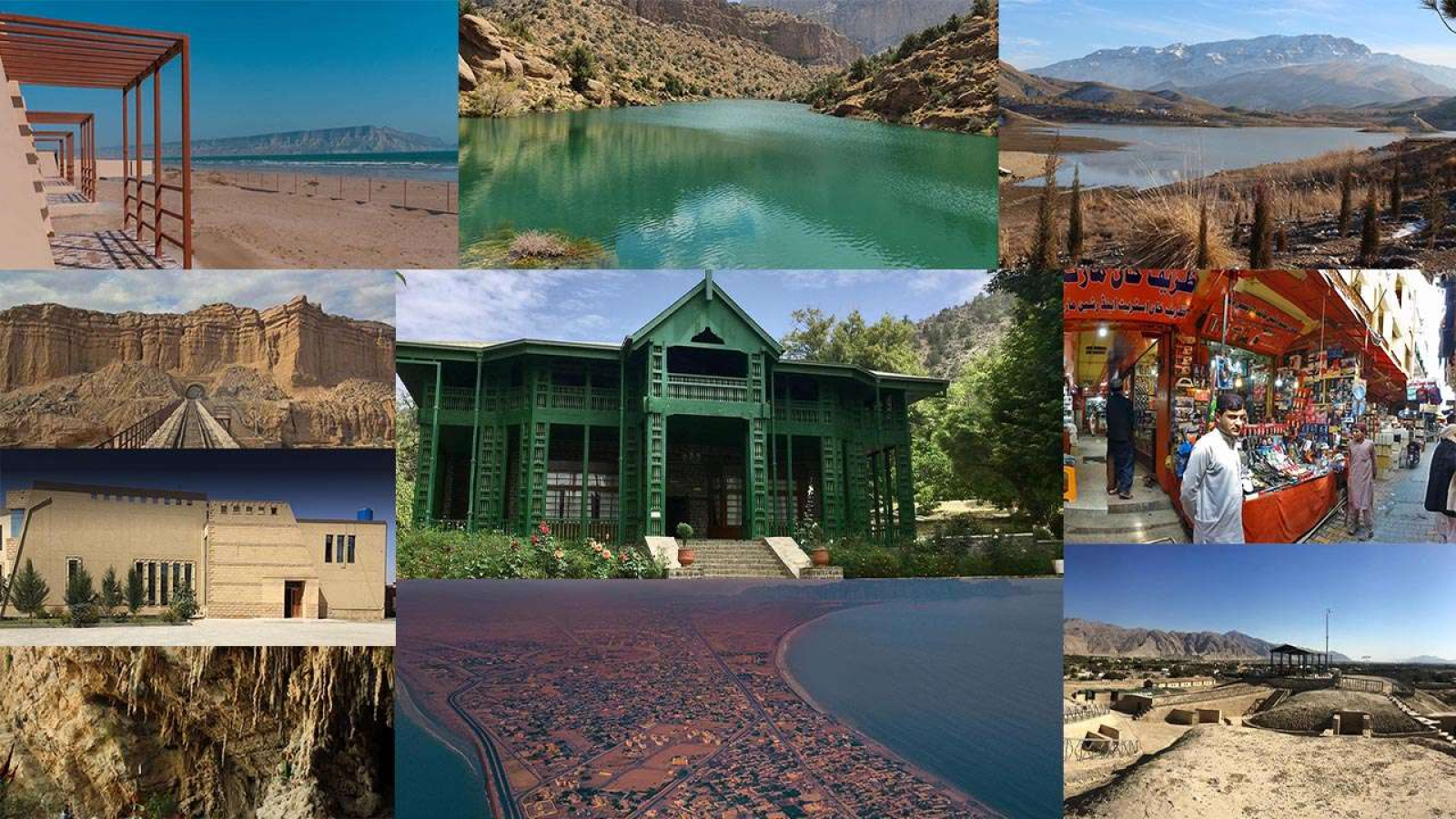
Swat Valley Pakistan – The Switzerland of the East
Swat Valley Pakistan is one of the most beautiful and historically rich regions in the country. Known for its lush green landscapes, flowing rivers, alpine forests, snow-capped peaks, and ancient Buddhist heritage, Swat Valley Pakistan has long been called the “Switzerland of the East.” Located in the northern part of Khyber Pakhtunkhwa, this valley offers a perfect blend of natural beauty, culture, education, and adventure.
For travelers seeking scenic views, cultural depth, and peaceful surroundings, Swat Valley Pakistan remains one of the top tourism destinations in Pakistan. From historical towns to modern facilities, the valley presents a complete travel experience.
Geographical Location and Natural Setting
Swat Valley Pakistan lies along the Swat River and is surrounded by the foothills of the Hindu Kush mountain range. Its strategic location has made it an important cultural and trade region for centuries. The valley stretches from the lower areas of Mingora to the high alpine region of Kalam, offering diverse landscapes within a single destination.
The region’s fertile soil, cool climate, and abundant water resources contribute to its greenery and agricultural strength. These natural features make Swat Valley Pakistan one of the most visually appealing valleys in the country.
Historical Significance of Swat Valley
Swat Valley Pakistan has a rich and layered history that dates back thousands of years. The region was once a major center of Gandhara civilization and Buddhist learning. Ancient stupas, monasteries, and archaeological remains scattered across the valley reflect its importance in early Asian history.
Later, Swat became an Islamic center and eventually merged into Pakistan. Despite periods of hardship, the valley has preserved its cultural roots and historical landmarks, making Swat Valley Pakistan a destination where history comes alive.
Swat Valley Mingora – The Cultural and Economic Hub
Mingora is the largest city in Swat Valley Pakistan and serves as its cultural, economic, and commercial center. Mingora offers modern markets, hotels, restaurants, and easy access to nearby tourist attractions.
Swat Valley Mingora is also known for its bazaars, where visitors can buy traditional handicrafts, gemstones, shawls, and local produce. The city acts as the main gateway for tourists traveling deeper into Swat Valley Pakistan.
Education and Modern Development
One of the most important educational institutions in the region is Swat University. Swat University Pakistan plays a vital role in promoting education, research, and cultural awareness in the valley.
The presence of Swat University Pakistan has contributed to social development and has helped Swat Valley Pakistan emerge as a center of learning in northern Pakistan.
Swat Valley Kalam – A Paradise in the Upper Swat
Kalam is one of the most scenic areas in Swat Valley Pakistan. Located at a higher altitude, Kalam is famous for its alpine meadows, pine forests, rivers, and snow-covered peaks.
Swat Valley Kalam attracts nature lovers, photographers, and adventure seekers. Popular attractions near Kalam include Mahodand Lake, Ushu Forest, and Blue Waters. The calm atmosphere and breathtaking scenery make Kalam a highlight of swat valley tourism.
Natural Beauty and Landscapes
The natural beauty of Swat Valley Pakistan is unmatched. Rolling green hills, terraced fields, crystal-clear rivers, and towering mountains define the valley’s landscape. In spring and summer, the valley blooms with flowers and greenery, while winter transforms it into a snowy paradise.
Forests of pine, cedar, and deodar add to the valley’s charm. Wildlife such as birds, trout fish, and mountain species further enrich the ecosystem of Swat Valley Pakistan.
Cultural Traditions and Local Life
The culture of Swat Valley Pakistan reflects Pashtun traditions, hospitality, and strong community values. Local festivals, folk music, and traditional dances are an important part of daily life.
The people of swat valley are known for their warmth and respect for guests. Visitors often feel welcomed and safe, which enhances the overall travel experience.
Food and Local Cuisine
Cuisine in Swat Valley Pakistan is flavorful and deeply rooted in local traditions. Popular dishes include Chapli Kebab, Kabuli Pulao, Saag, and traditional breads. Fresh dairy products, honey, and fruits are widely available due to the valley’s fertile land.
Food lovers appreciate the simplicity and authenticity of swat valley cuisine, which reflects the agricultural lifestyle of the region.
Tourism Growth and Infrastructure
Over the years, tourism infrastructure in Swat Valley Pakistan has improved significantly. Roads, hotels, transport services, and guided tours have made the valley accessible to a wide range of travelers.
Swat Valley Pakistan is now a key destination included in many tour pakistan packages, attracting families, honeymooners, students, and international tourists.
Best Time to Visit Swat Valley Pakistan
The best time to visit Swat Valley Pakistan is from April to October. Spring and summer offer pleasant weather and lush greenery, while autumn brings golden colors across the valley.
Winter tourism is also gaining popularity, especially in Kalam and Malam Jabba, where snowfall creates opportunities for skiing and winter activities.
Why Swat Valley Pakistan Is a Must-Visit Destination
Swat Valley Pakistan offers a rare combination of natural beauty, history, education, and cultural depth. Whether exploring ancient ruins, enjoying mountain views, or experiencing local traditions, every moment in Swat Valley Pakistan feels enriching.
From Swat Valley Mingora to Swat Valley Kalam, the region offers something for every type of traveler.
Archaeological Heritage of Swat Valley Pakistan
Swat Valley Pakistan is often described as an open-air museum due to its rich archaeological heritage. Long before modern settlements, this valley was a center of the Gandhara civilization and Buddhist learning. Numerous archaeological sites are scattered across the region, offering insight into ancient urban planning, religious practices, and art.
Important remains can be found near Mingora, Barikot, and Saidu Sharif. These sites reflect the historical depth of Swat Valley Pakistan and attract researchers, historians, and cultural tourists from around the world.
Swat Valley Pakistan and Gandhara Civilization
The Gandhara civilization flourished in Swat Valley Pakistan between the 1st century BCE and the 5th century CE. During this era, Swat was known as Uddiyana and was a prominent hub of Buddhist scholarship.
Stone carvings, stupas, and monasteries discovered across swat valley provide evidence of its religious and academic significance. This ancient legacy adds a unique historical dimension to Swat Valley Pakistan that few destinations can match.
Role of Swat River in Valley Life
The Swat River is the lifeline of Swat Valley Pakistan. Flowing through the heart of the valley, it supports agriculture, provides fresh water, and enhances the region’s scenic beauty. Many towns and villages developed along its banks due to easy access to water and fertile land.
Tourists often enjoy riverside walks, fishing, and photography along the Swat River, especially in upper regions such as Kalam and Bahrain.
Swat Valley Kalam and High-Altitude Attractions
Swat Valley Kalam is located in the upper reaches of Swat Valley Pakistan and is known for its alpine charm. Due to its higher elevation, Kalam remains cooler during summer and receives heavy snowfall in winter.
Popular nearby attractions include Mahodand Lake, Kandol Lake, and Ushu Forest. These destinations make Swat Valley Kalam one of the most photographed areas in swat valley tourism.
Malam Jabba and Winter Tourism
Malam Jabba is Pakistan’s most famous ski resort and a key winter attraction in Swat Valley Pakistan. Located at a high altitude, Malam Jabba offers skiing, chairlifts, hiking trails, and panoramic mountain views.
Winter tourism has added a new dimension to Swat Valley Pakistan, making it attractive year-round for both domestic and international visitors.
Agriculture and Economic Life
Agriculture plays a vital role in the economy of Swat Valley Pakistan. The fertile land supports crops such as wheat, maize, rice, fruits, and vegetables. Apples, peaches, plums, and apricots are widely cultivated and exported to other regions.
Handicrafts, gemstones, and small-scale trade further contribute to the local economy. Tourism has also become a major source of income, improving livelihoods across swat valley.
Swat University Pakistan and Youth Development
Swat University Pakistan has significantly contributed to youth development in Swat Valley Pakistan. By offering higher education opportunities locally, the university has reduced migration and strengthened community growth.
The presence of Swat University Pakistan also promotes cultural research, environmental studies, and tourism-related education, aligning academic progress with regional needs.
Traditional Architecture and Village Life
Village life in Swat Valley Pakistan reflects simplicity, tradition, and harmony with nature. Homes are often built using stone and wood, designed to withstand cold winters and heavy rainfall.
Traditional architecture, narrow streets, and communal living spaces give swat valley villages a distinct identity that appeals to cultural travelers.
Wildlife and Natural Ecosystem
Swat Valley Pakistan is home to diverse flora and fauna due to its varied climate zones. Pine forests, alpine meadows, and river ecosystems support birds, fish, and mountain wildlife.
Efforts are being made to promote eco-tourism and protect the natural environment, ensuring that swat valley remains sustainable for future generations.
Swat Valley Pakistan for Family and Group Travel
Swat Valley Pakistan is ideal for family vacations and group tours. Safe environments, accessible attractions, and comfortable accommodations make it suitable for travelers of all ages.
Many tour pakistan packages include Swat Valley Pakistan because of its balanced mix of relaxation, adventure, and culture.
Photography and Visual Appeal
Photographers are drawn to Swat Valley Pakistan for its dramatic landscapes and seasonal beauty. From misty mornings in Mingora to golden sunsets in Kalam, every moment offers visual storytelling opportunities.
The valley’s natural light, mountain backdrops, and flowing rivers make swat valley one of Pakistan’s most photogenic regions.
Swat Valley Pakistan in Modern Tourism
Modern tourism in Swat Valley Pakistan combines traditional charm with improved facilities. Hotels, resorts, guided tours, and digital connectivity have enhanced the visitor experience without compromising cultural identity.
As tourism continues to grow, Swat Valley Pakistan remains a symbol of resilience, beauty, and renewal.
Why Swat Valley Pakistan Continues to Inspire Travelers
Swat Valley Pakistan is not just about destinations; it is about experiences. The sound of rivers, the sight of mountains, the warmth of people, and the depth of history create lasting impressions.
From Swat Valley Mingora to Swat Valley Kalam, the journey through swat valley is both emotional and unforgettable.
Conclusion – Explore Swat Valley Pakistan with Experts
Swat Valley Pakistan is more than a tourist destination; it is a journey through nature, history, and culture. Its peaceful environment, scenic landscapes, and welcoming people make it one of Pakistan’s most treasured valleys.
If you are planning to explore Swat Valley Pakistan or looking for reliable tour pakistan packages, visit https://ptcptourism.com/ today. Let experienced travel professionals help you discover the true beauty of swat valley with comfort, safety, and unforgettable memories.