
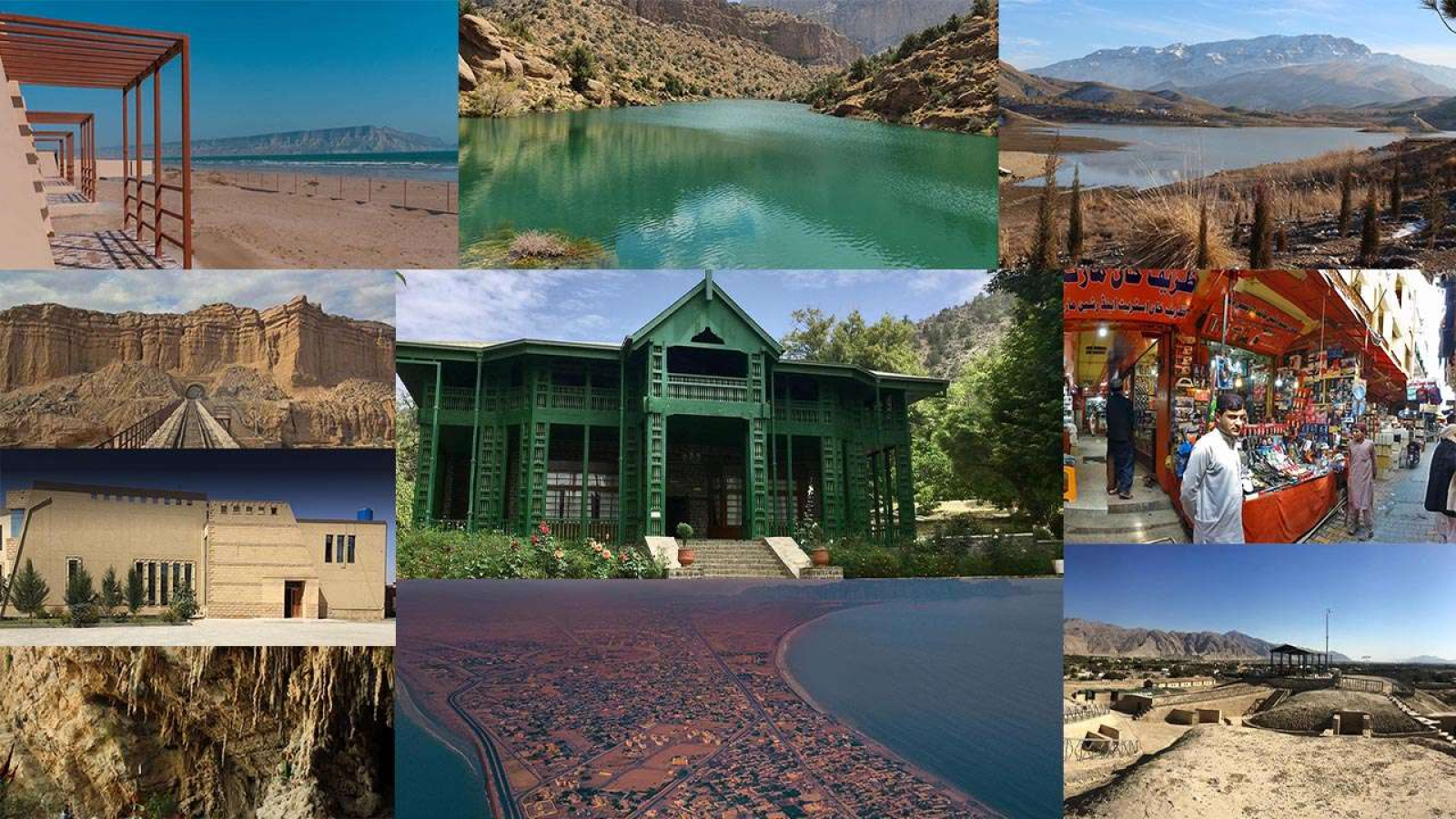
Shalimar Gardens – The Mughal Paradise of Lahore
Shalimar Gardens is one of the most beautiful and historically significant Mughal gardens in South Asia. Located in Lahore, Pakistan, this magnificent garden complex represents the artistic brilliance and landscape design expertise of the Mughal Empire. For centuries, Shalimar Gardens has attracted visitors with its elegant terraces, flowing water channels, and peaceful atmosphere.
Built during the reign of Shah Jahan, the same emperor who commissioned the famous Taj Mahal, Shalimar Gardens reflects the Mughal vision of paradise on earth. The garden was designed as a place of relaxation, celebration, and royal entertainment.
Today, Shalimar Gardens is recognized as a UNESCO World Heritage Site and continues to stand as a proud symbol of Pakistan’s cultural heritage. Along with historic landmarks such as Lahore Fort, the Shalimar Gardens represents the architectural and artistic achievements of the Mughal period.
Visitors exploring Lahore often include Shalimar Gardens in their travel itinerary because of its unique beauty and historical importance.
Historical Background of Shalimar Gardens
The construction of Shalimar Gardens began in 1641 during the reign of Shah Jahan and was completed in 1642. The garden was built as a royal retreat where Mughal emperors could relax and host royal gatherings.
During the Mughal era, Lahore served as an important cultural and administrative center. The creation of Shalimar Gardens was part of a larger effort by the Mughal rulers to transform the city into a magnificent imperial capital.
The design of Shalimar Gardens reflects the traditional Persian concept of paradise gardens. These gardens were designed to represent harmony between nature, architecture, and flowing water.
The Mughal rulers invested considerable resources in the development of Shalimar Gardens, employing skilled architects, engineers, and gardeners to create one of the most remarkable landscapes of the era.
The garden complex quickly became a symbol of royal luxury and artistic refinement. Today, Shalimar Gardens remains one of the finest examples of Mughal garden design in the world.
Location and Cultural Importance of Shalimar Gardens
Shalimar Gardens is located in Lahore, one of Pakistan’s most historically rich cities. The gardens are situated a few kilometers from the historic Lahore Fortress, which served as a royal residence for Mughal emperors.
The proximity of Shalimar Gardens to Lahore Fortress highlights the importance of Lahore as a cultural center during the Mughal period. Together, these two landmarks illustrate the grandeur and sophistication of Mughal architecture and urban planning.
For centuries, Shalimar Gardens has served as a place of beauty, relaxation, and cultural celebration. The gardens were used by Mughal emperors to host royal events, gatherings, and festivals.
Even today, Shalimar Gardens remains a popular destination for tourists, families, historians, and nature lovers.
Architectural Design of Shalimar Gardens
The design of Shalimar Gardens follows the traditional Mughal garden concept known as the “Charbagh” layout. This design divides the garden into symmetrical sections using water channels, pathways, and terraces.
One of the most distinctive features of Shalimar Gardens is its three-level terrace structure. Each terrace serves a different purpose and offers a unique perspective of the garden.
The terraces of Shalimar Gardens are known as:
- The upper terrace
- The middle terrace
- The lower terrace
Each level contains beautifully landscaped gardens, fountains, and pavilions that create a harmonious environment.
The layout of Shalimar Gardens reflects the Mughal belief that gardens should represent paradise on earth. The combination of water, greenery, and architecture creates a peaceful atmosphere that continues to inspire visitors.
Terraces of Shalimar Gardens
The three terraces of Shalimar Gardens form the central structure of the garden complex.
The upper terrace, often referred to as the royal terrace, was reserved for the Mughal emperor and his royal family. This section of Shalimar Gardens offered the most private and luxurious environment.
The middle terrace served as a space for royal gatherings and entertainment. Many important events and celebrations were held in this area of Shalimar Gardens.
The lower terrace was accessible to nobles and guests visiting the garden. It provided a beautiful environment where visitors could enjoy the scenic beauty of Shalimar Gardens.
These terraces highlight the careful planning and architectural brilliance that went into the creation of Shalimar Gardens.
Water System and Fountains of Shalimar Gardens
One of the most fascinating aspects of Shalimar Gardens is its advanced water system. Mughal engineers designed an intricate network of water channels that supplied fountains and pools throughout the garden.
The water for Shalimar Gardens was originally brought from nearby canals using a sophisticated hydraulic system.
The garden contains more than 400 fountains distributed across its terraces. These fountains create a soothing sound and enhance the visual beauty of Shalimar Gardens.
The fountains also help maintain a cool and refreshing environment, which was especially important during the hot summer months.
The water system of Shalimar Gardens is considered an engineering marvel of the Mughal era.
Pavilions and Architectural Features
Several elegant pavilions are located within Shalimar Gardens, providing spaces for relaxation and royal gatherings.
These pavilions feature intricate carvings, marble platforms, and beautifully decorated arches. They were used by Mughal emperors to enjoy the scenic beauty of the gardens.
Visitors exploring Shalimar Gardens can still see many of these historic structures, which continue to reflect the elegance of Mughal architecture.
The architectural elements of Shalimar Gardens complement the natural landscape, creating a perfect balance between nature and design.
Relationship Between Shalimar Gardens and Lahore Fortress
The connection between Shalimar Gardens and Lahore Fortress represents the broader architectural vision of the Mughal Empire.
While Lahore Fortress served as a royal residence and administrative center, Shalimar Gardens functioned as a place of relaxation and leisure.
The close proximity of Shalimar Gardens to Lahore Fortress allowed Mughal rulers to easily travel between the palace and the garden complex.
Together, Shalimar Gardens and Lahore Fortress showcase the grandeur of Mughal architecture and landscape design.
Visitors exploring Lahore often visit both landmarks to fully appreciate the city’s historical heritage.
Cultural and Historical Significance
For centuries, Shalimar Gardens has played an important role in the cultural history of Lahore.
The gardens were used for royal celebrations, music performances, and social gatherings during the Mughal era. These events added to the cultural vibrancy of Shalimar Gardens.
Over time, Shalimar Gardens became a symbol of beauty and artistic excellence. The garden complex represents the Mughal ideal of harmony between nature and architecture.
Today, Shalimar Gardens continues to serve as a cultural landmark where visitors can learn about the rich history of Lahore.
Tourism Experience at Shalimar Gardens
Visiting Shalimar Gardens offers travelers a peaceful escape from the busy streets of Lahore. The lush greenery, flowing water channels, and historic pavilions create a relaxing environment.
Tourists visiting Shalimar Gardens can walk along the pathways, explore the terraces, and admire the fountains that decorate the landscape.
Many visitors combine their trip to Shalimar Gardens with a visit to Lahore Fortress, creating a complete historical tour of Mughal landmarks.
Photography enthusiasts particularly enjoy capturing the scenic beauty of Shalimar Gardens, especially during sunrise and sunset.
Preservation and Restoration Efforts
As a historic monument, Shalimar Gardens has undergone several restoration projects over the years.
These efforts aim to protect the architectural structures, restore the fountains, and preserve the landscape design of the gardens.
Preservation work ensures that Shalimar Gardens continues to remain an important cultural and historical site for future generations.
Maintaining the beauty and integrity of Shalimar Gardens is essential for protecting Pakistan’s heritage.
Best Time to Visit Shalimar Gardens
The best time to visit Shalimar Gardens is during the cooler months from October to March. During this time, the weather in Lahore is pleasant and suitable for outdoor exploration.
Visitors can spend several hours walking through Shalimar Gardens, enjoying the fountains, terraces, and historic structures.
Early morning and evening visits offer the most comfortable weather and beautiful lighting for photography.
Many travelers also visit Lahore Fortress on the same day, making their trip a complete journey through Mughal history.
Conclusion
Shalimar Gardens remains one of the most beautiful and historically significant landmarks in Pakistan. Its elegant terraces, flowing fountains, and lush greenery reflect the artistic brilliance of the Mughal Empire.
Located near Lahore Fortress, the Shalimar Gardens represents the cultural and architectural achievements that shaped the historic city of Lahore.
Exploring Shalimar Gardens allows visitors to experience a peaceful environment that once served as a royal retreat for Mughal emperors.
If you want to explore more historical destinations and travel guides across Pakistan, visit https://ptcptourism.com/ to discover detailed tourism information and plan your next cultural journey.
Start your journey into Pakistan’s remarkable destinations and experience the timeless beauty of Shalimar Gardens and other historic treasures.