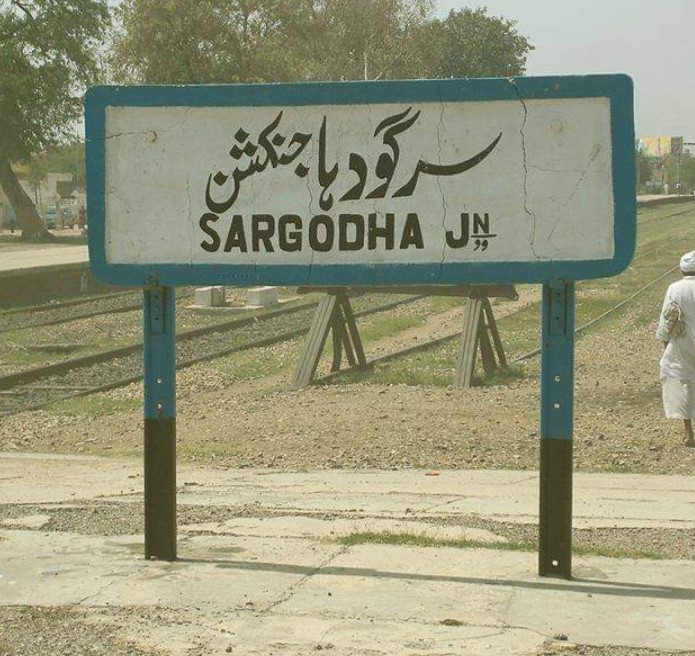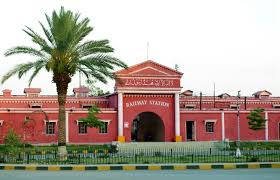
Pakistan Railway

Railway stations and junctions are of great importance in Pakistan because they are not only a means of transportation but also play a key role in the country’s economy, tourism and public convenience. Their importance is evident from the following aspects:
Importance of Railway Stations and Junctions
Convenience of Transportation
Railway stations connect cities and villages and provide low-cost and safe travel to the public.
Commercial and Economic Activities
Railway junctions are major centers for the distribution of goods, from where commodities, minerals, agricultural produce and other items reach different parts of the country.
Regional Connectivity
Trains coming from different directions meet at a junction, which strengthens the connections between cities and provinces.
Promotion of Tourism
Easy access to northern areas and historical sites is possible through railways, which benefits domestic and foreign tourists.
Public Convenience
Railway stations create employment opportunities for the public and support small businesses such as food stalls, rickshaws and taxi services.
Role in National Defense
Railway lines and junctions play a vital role in military transportation during emergencies or defense needs.
To book tickets online, please visit:
https://pakrail.gov.pk/
History of railway engines in Pakistan
Early Period — British Raj
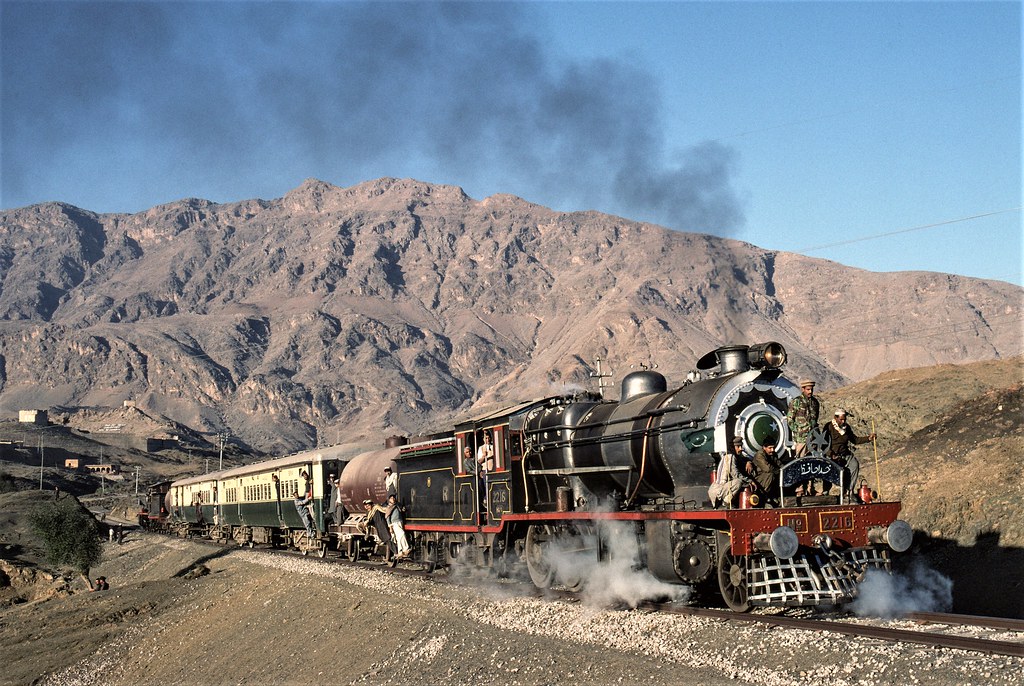
Steam locomotives were first used during the British rule in the Indian subcontinent. The engines were exported from Karachi and then brought to the railway line.
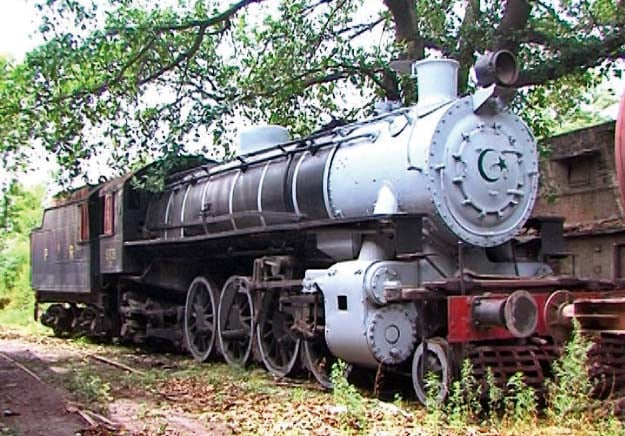
The “Eagle” locomotive (built in England in 1876) is the oldest surviving steam engine in Pakistan.
After partition and transfer of assets
After 1947, Pakistan got the remaining steam railway network and steam locomotives of the subcontinent.
These engines were kept in use for a long time, until more modern technology came along.
Decline and replacement of steam locomotives
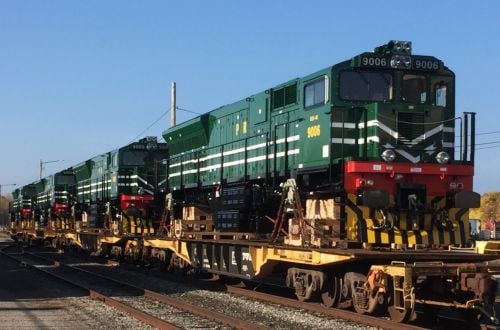
As happened all over the world, steam engines gradually became obsolete in Pakistan. They were replaced by diesel-electric locomotives.
For example, an attempt was made at the Mughalpura workshop to revive some of the old steam engines; they replaced the coal-burning box with an oil-burning box.
History of Lahore Railway Headquarters
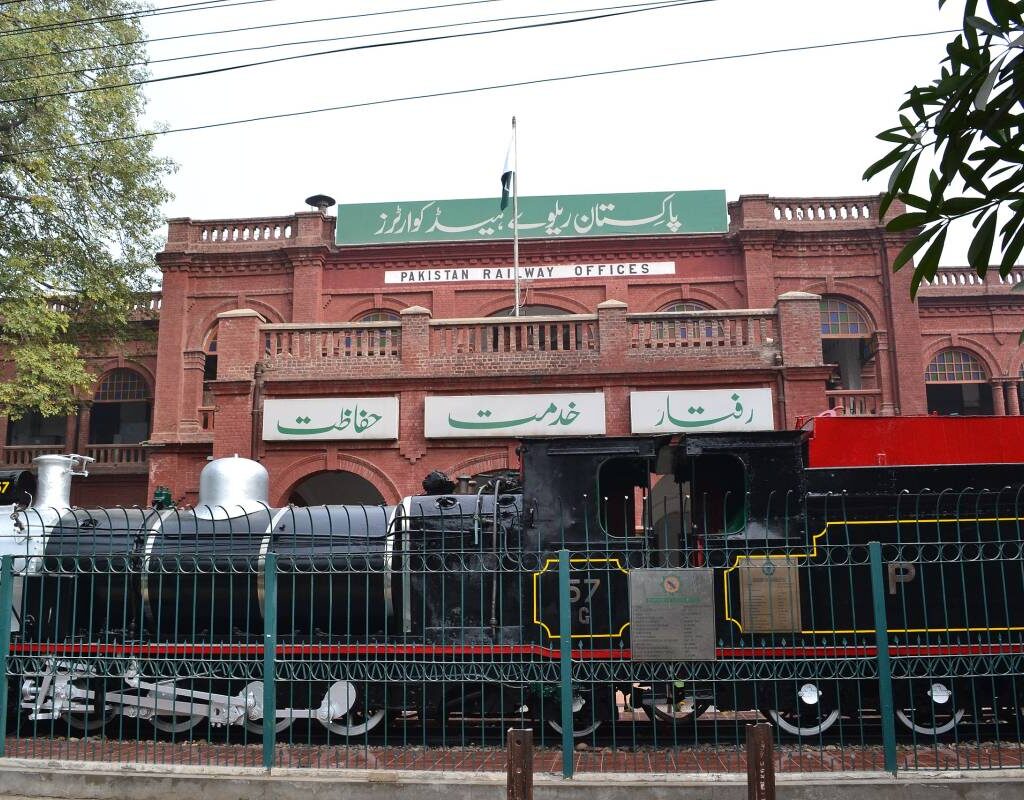
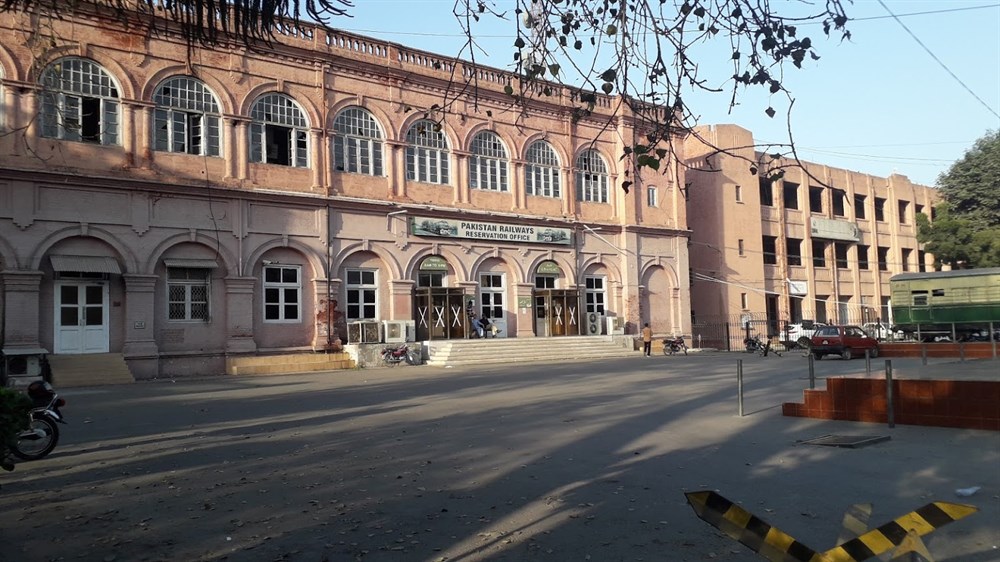
The Lahore Railway Headquarters was founded in the 1860s, when the British government established a railway network in the subcontinent. At that time, the Lahore Railway Station and the offices nearby were made the administrative center. The Railway Headquarters was established in Lahore because it was the largest and most strategic location in North India (near present-day Punjab, Khyber Pakhtunkhwa and Kashmir). The British army used the railways mostly for military movement and the delivery of weapons, which is why Lahore was made the headquarters.
Karachi Railway Station
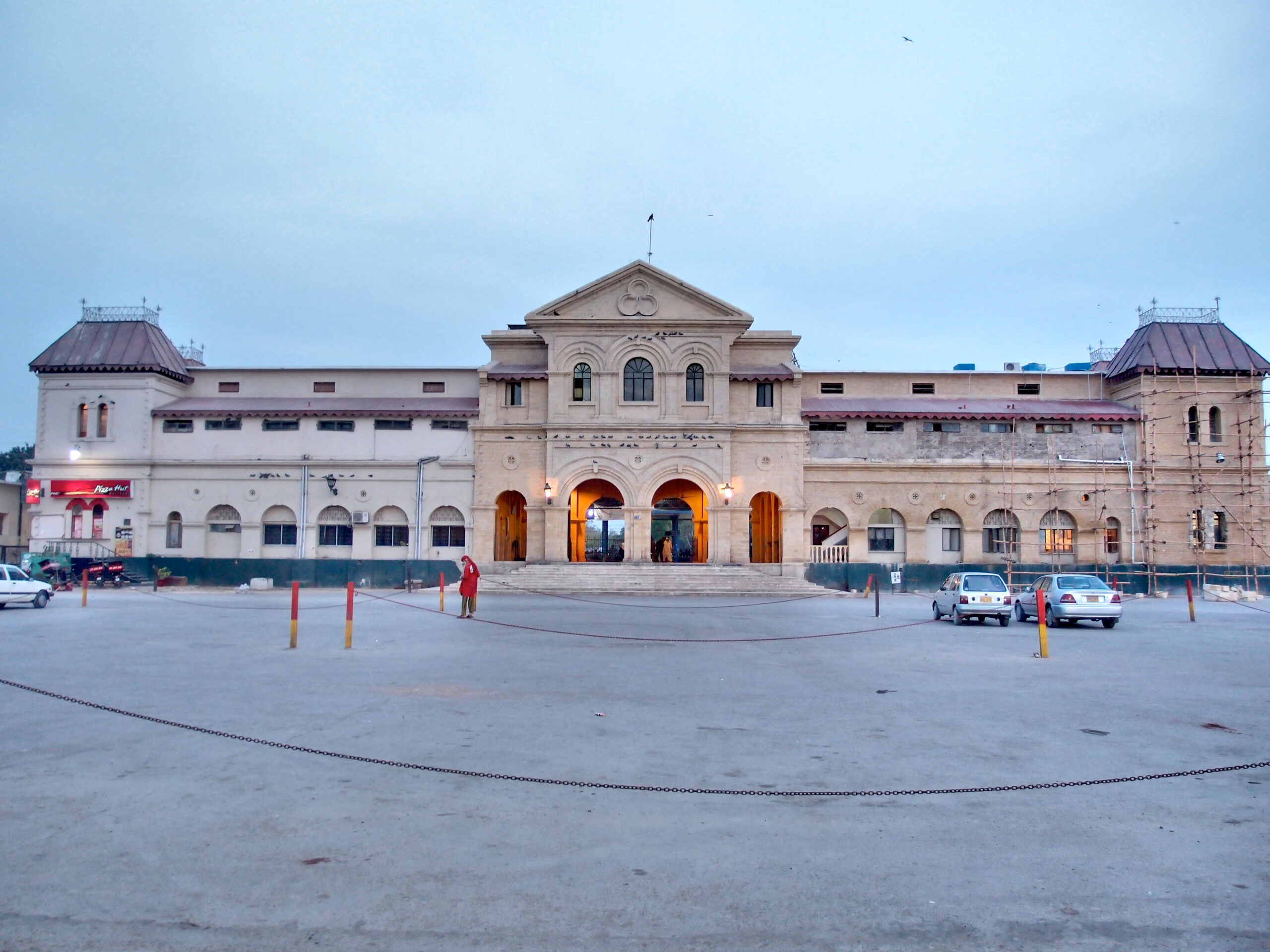
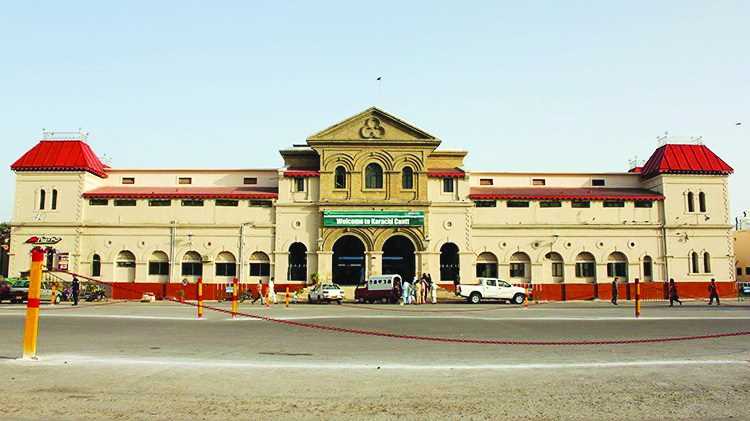
Lahore Railway HeadquartersKarachi is the largest city and main port of Pakistan, hence the most important railway starting point here. Karachi has two major railway stations: Karachi Cantt Station, Karachi City Station
Historical Significance
Karachi Railway Station is the gateway to Pakistan Railways as most long distance trains start and end from here.
It is one of the busiest stations in Pakistan.
Ministry of Railways
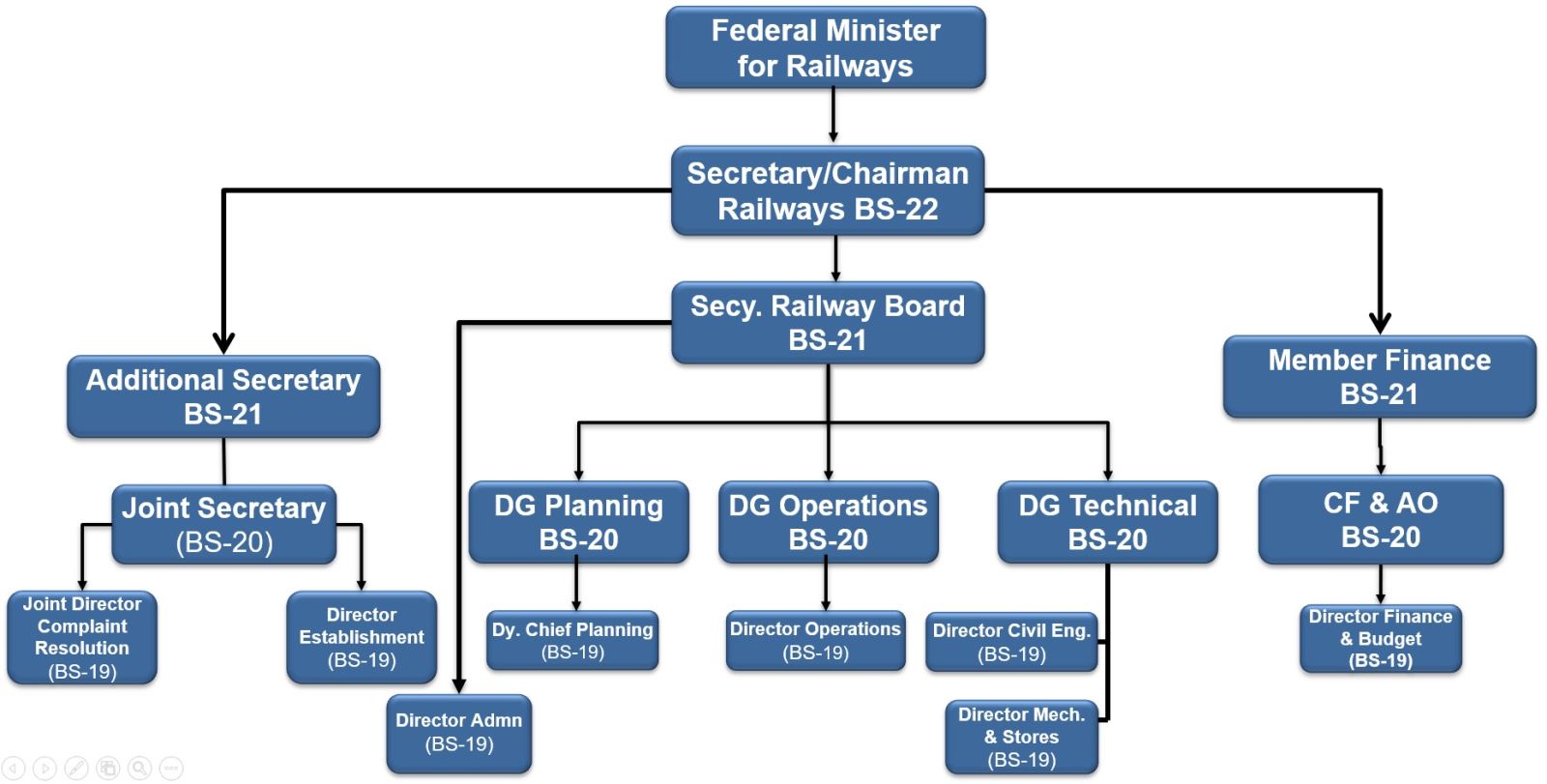
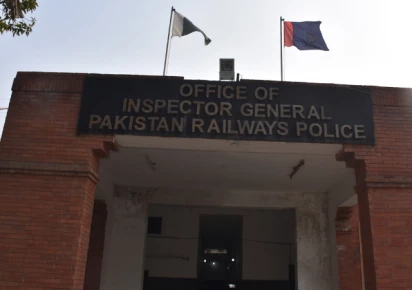
Pakistan Railway Police

Pakistan Railways Headquarters
The main headquarters of the Pakistan Railways Police is located in Lahore. Its address is:
Pakistan Railways Police Headquarters, Aimanabad Road, Lahore
The legal status of the Railway Police is established under the Punjab Police Order 2002 and later the Railway Police Act, but its administrative control remains with the federal government.
Current Chief Executive Officer of Pakistan Railways
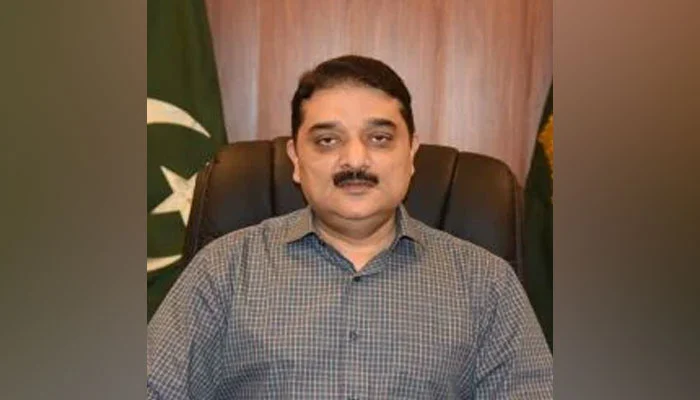
The current Chief Executive Officer (CEO) of Pakistan Railways is Aamir Ali Baloch
More details:
He has held this position since October 27, 2023.
He was previously serving as Additional General Manager (Traffic) of Pakistan Railways.
His main objectives as CEO include improving passenger convenience, increasing revenue, especially from freight (transportation of goods), and making the railways self-sufficient.
Pakistan Railways Media Wing
Key Responsibilities
Press Releases and News Updates
Providing information to the media on new railway policies, trains, fare changes, accidents or development projects.
Media Coverage
Coverage of all railway programs, inauguration ceremonies, launching of new trains or projects.
Social Media Management
Updating Pakistan Railways official Facebook, Twitter (X), YouTube and Instagram pages.
Providing immediate information to the public such as train delays, new schedule etc.
Public Relations
Recording passenger queries, complaints and suggestions and forwarding them to the concerned department.
Emergency Information
Providing accurate and immediate information to the media and public in case of accidents or emergencies
Offices
The main office of Pakistan Railways Media Wing is located at Lahore Railway Headquarters.
Public Relations Officers (PROs) are also posted in various divisions (Karachi, Multan, Peshawar, Rawalpindi etc.).
Pakistan Railway Sports
The Pakistan Railways Sports Board manages and promotes sports within Pakistan Railways, organizing activities at departmental and national levels. As an affiliate of the Pakistan Olympic Association, it is active in various sports, including football, through its departmental club, Pakistan Railways FC. The board is headquartered in Lahore, where it coordinates sports activities for railway employees.
Important Aspects of Sports in Pakistan Railways
Pakistan Railways Sports Board: It is a government body responsible for sports within the organization, serving as a recognized member of the Pakistan Olympic Association.
Activities: The board organizes departmental and national level sports competitions every year.
Departmental Club: Pakistan Railways has its own football team, Pakistan Railways FC, which participates in the PFF National Challenge Cup.
Location: The board and its activities are mostly based in Lahore, the headquarters of Pakistan Railways.
Facilities: While the Pakistan Railway Academy in Walton, Lahore provides comprehensive facilities for staff training, including indoor and outdoor sports, the Sports Board focuses on organizing competitions and promoting athletic participation across the railway network.
Railway station map
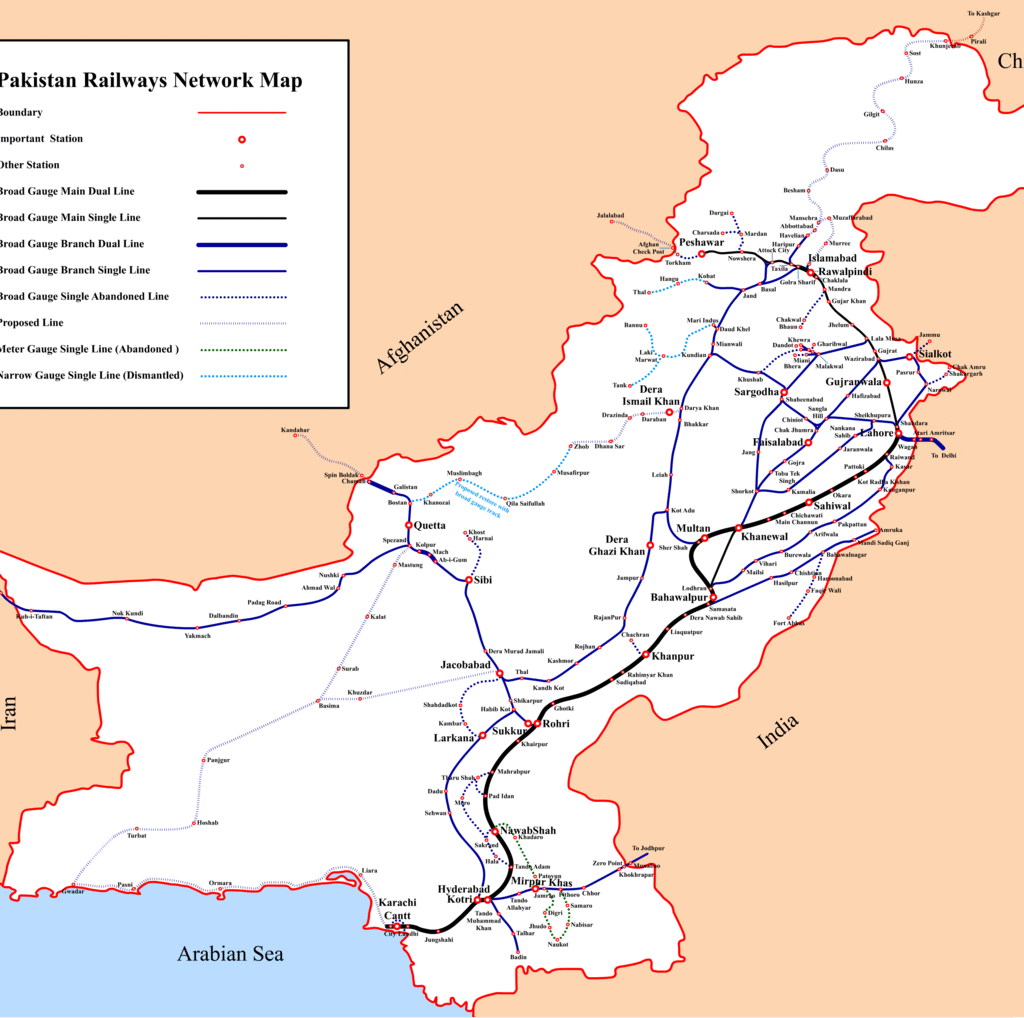
Departments of Lahore Railway Headquarters
Operations Department
Responsibility: The movement of trains across the country, scheduling, track management, departure and arrival of freight trains and passenger trains are supervised by this department. It controls the daily operations of railway stations and junctions.
Mechanical Department
Responsibility: Repair and maintenance of locomotives, coaches and wagons. Supervision of workshops for steam, diesel and diesel-electric locomotives. Mughalpura Workshop and other railway workshops are under its jurisdiction.
Civil Engineering / Permanent Way Department
Responsibility: Construction and maintenance of railway tracks, bridges, tunnels and stations. Monitoring of track quality, safety and lane signaling system. Major infrastructure projects (ML-1, CPEC railway project) also fall under it.
Electrical Engineering Department
Responsibility: All electrical related works, signaling systems, loading and unloading equipment. Maintenance of electricity, lighting and modern technology (online ticketing system) of railway stations.
Finance & Accounts Department
Responsibility: Railway budget, income and expenditure, revenue generated from ticketing system. Salaries, pensions and other financial matters. Allocation of financial resources for new projects.
Commercial Department
Responsibility: Booking and revenue of passenger and freight trains. Online ticketing and e-ticketing system. Contracts and agreements for cargo / freight services.
Planning & Development Department
Responsibility: Planning for railway improvement projects. Planning and implementation of major projects like CPEC and ML-1. Plans for future train services and new technology.
Legal Department
Responsibility: Railway legal matters, land cases, railway property disputes. Representation of Railways in courts.
Commercial Human Resources / Staff Department (HR Department)
Responsibility: Recruitment, training, development and transfers of railway employees.
Matters of Railway Academy and Training Centres. Employee welfare, pension and other facilities.
Pakistan Railways Central Headquarters
The Pakistan Railways system is spread across the country and its various headquarters and divisions are established to better manage and operate the railways. Their details are given below in Urdu:
Pakistan Railways Central Headquarters
Central Headquarters: Lahore
Location: Near Lahore Railway Station, Address ML-1 Lahore.
From here, the operations, planning, development and administrative decisions of the entire Pakistan Railways are made.
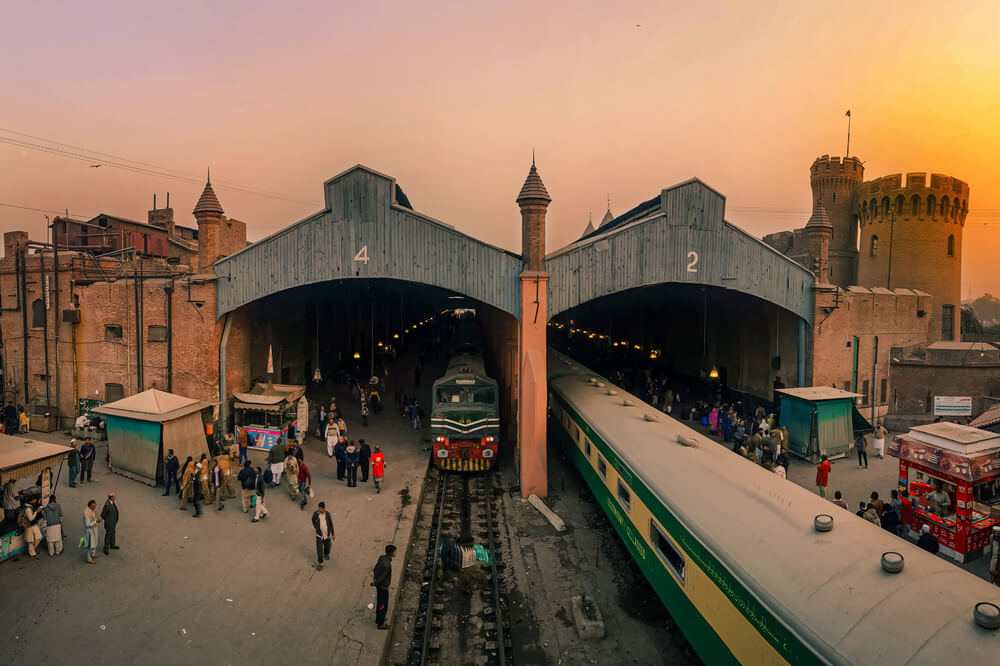
Railway Divisions and Headquarters
Pakistan Railways is divided into different divisions, and each division has its own headquarters (railway station or railway complex):
Lahore Division
Headquarters: Lahore
Main stations: Lahore, Sheikhupura, Gujranwala, Wazirabad, Sargodha, Jhelum.
Karachi Division
Headquarters: Karachi Cantt Station
Main stations: Karachi City, Hyderabad, Mirpurkhas, Kotri, Badin.
Multan Division
Headquarters: Multan Cantt Station
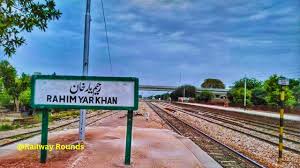
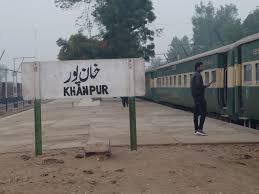
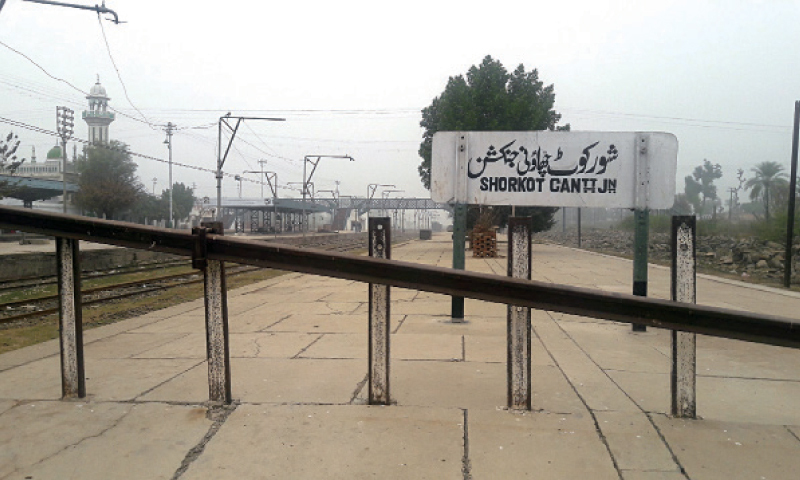
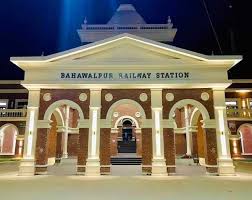
Main stations: Khanewal, Shorkot, Bahawalpur, Khanpur, Rahim Yar Khan.
Rawalpindi Division
Headquarters: Rawalpindi Station
Main stations: Attock, Nowshera, Lines to Peshawar are managed by this division.
Peshawar Division
Headquarters: Peshawar Cantt Station
Main stations: Lines to Nowshera, Mardan, Kohat, Darra Adam Khel.
Sukkur Division
Headquarters: Sukkur Station
Important Stations: Rohri, Ghotki, Shikarpur, Dadu, Jacobabad.
Quetta Division
Headquarters: Quetta Station
Important Stations: Sibi, Chaman, Zhob (historical), Taftan (Iran border).
History of railway stations
After the creation of Pakistan (1947–1970)
At the time of the Partition of India, Pakistan had 8,122 km of railways. The major divisions at that time were: Lahore, Karachi, Peshawar, Quetta, Multan and Sukkur.
The railways became the main means of military movement, movement of refugees and transport of goods in Pakistan.
In the 1950s and 1960s, the railways experienced tremendous growth and were the largest transport network.
Until 1970, the railways were considered the backbone of Pakistan’s economy.
Establishment and development of railways (1855 – 1947)
Sindh Railway, Punjab Railway, Delhi Railway and several other companies laid tracks in different parts.
By the 1880s, Karachi, Lahore, Delhi, Peshawar, Quetta and Calcutta had become major railway centres.
In 1886, all these companies were merged to form the Indian Railways.
By 1947, the railways in the subcontinent were among the largest networks in the world.
Railways began in the subcontinent
Railways in the subcontinent were started by the British in the 1850s.
In 1855, the first railway line was laid from Karachi to Kotri.
The purpose was mostly to transport military equipment and trade goods (especially cotton and wheat) to the port.
Important railway stations and junctions of Pakistan
Punjab Lahore Junction (1860):
The largest station, one of the oldest in the subcontinent, is the main hub from which lines depart to Karachi, Peshawar, Quetta, Rawalpindi and Faisalabad.
Multan Junction: The main hub of southern Punjab, the junction of the Karachi and Quetta lines.
Faisalabad Station: Connects the industrial city to Karachi, Lahore and Peshawar.
Khanewal Junction: The busiest junction in Pakistan, with lines departing in many directions.
Sindh
Karachi Cantt Station: The largest and busiest station in Pakistan, built to international standards.
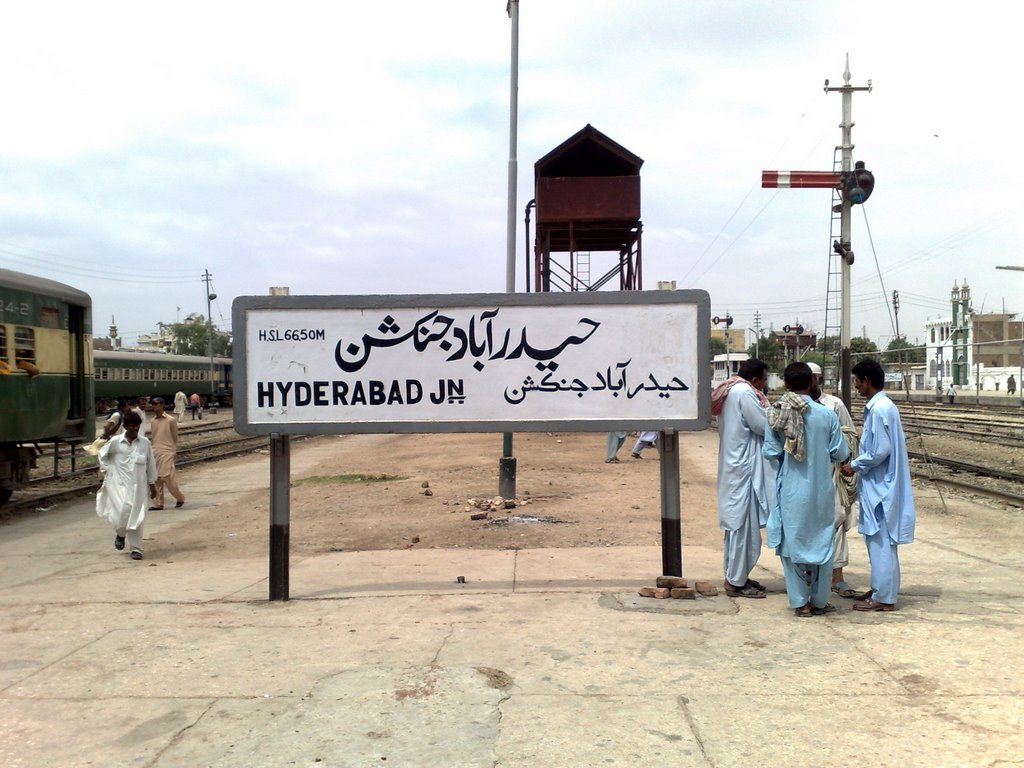
Hyderabad Junction: The second most important station in Sindh, with lines to Mirpur Khas and Sukkur.
Sukkur Station: The hub of upper Sindh, connecting Punjab and Balochistan via the Rohri Bridge.
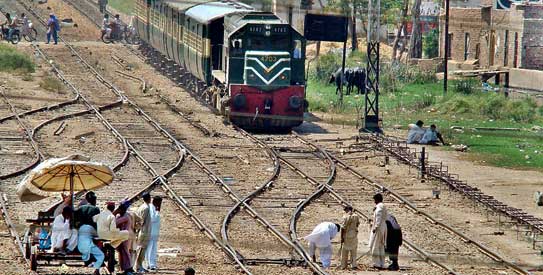
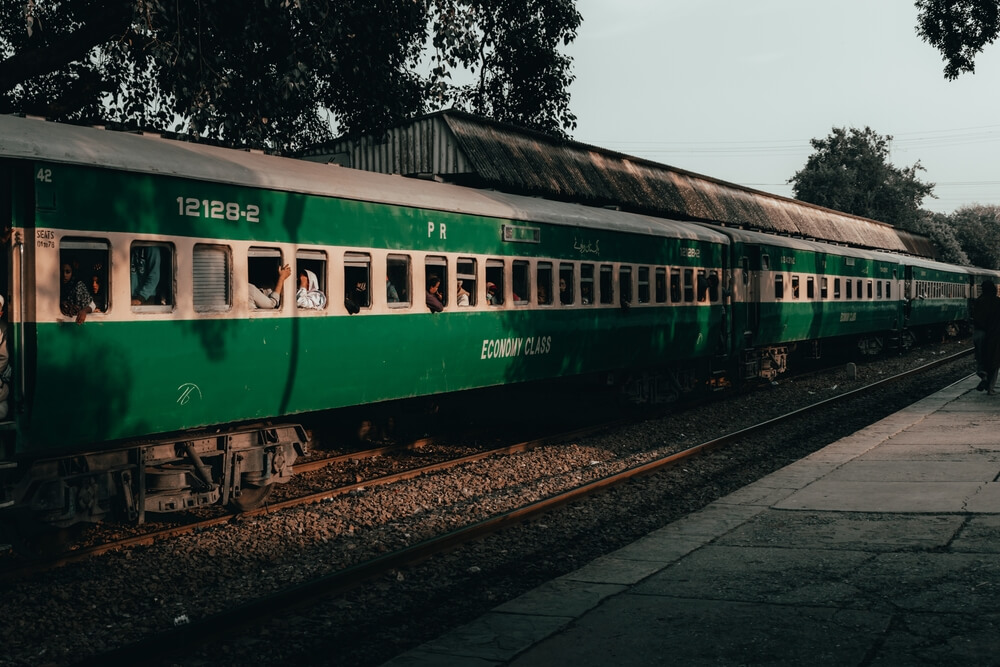
Khyber Pakhtunkhwa
Peshawar Station: Historical, famous for the Khyber Pass Railway.
Nowshera Junction: Connects Peshawar with Rawalpindi and Kohat.
Kohat Cantt Station: Unique mountain railway station of KPK.
Balochistan
Quetta Station (1887): Historic station located in the high mountains.
Sibi Junction: Connects Sindh and Balochistan, the train to Quetta passes through here.
Chaman Station: Important trading point on the Afghan border. Ziarat Cross Station: Unique station located on the mountain railway line.
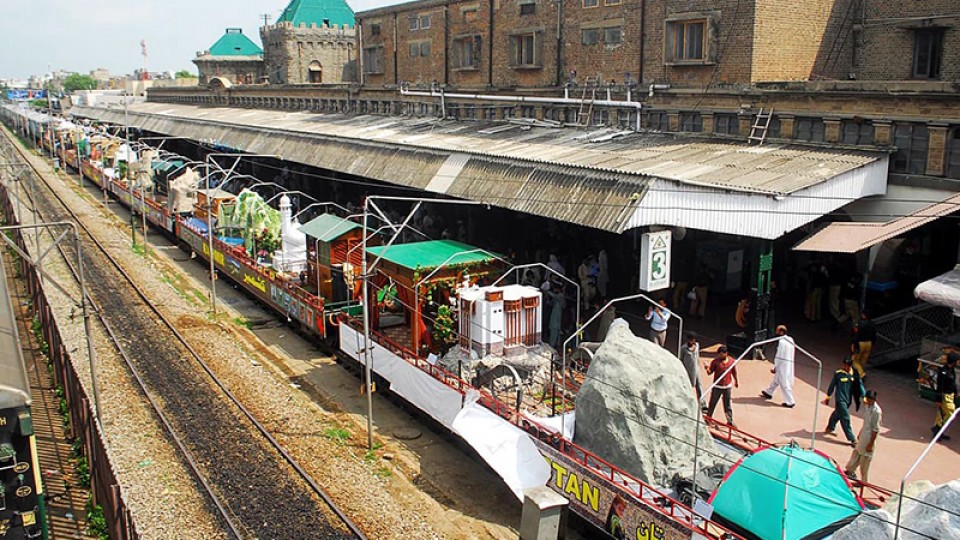
Pakistan Railways Schedule
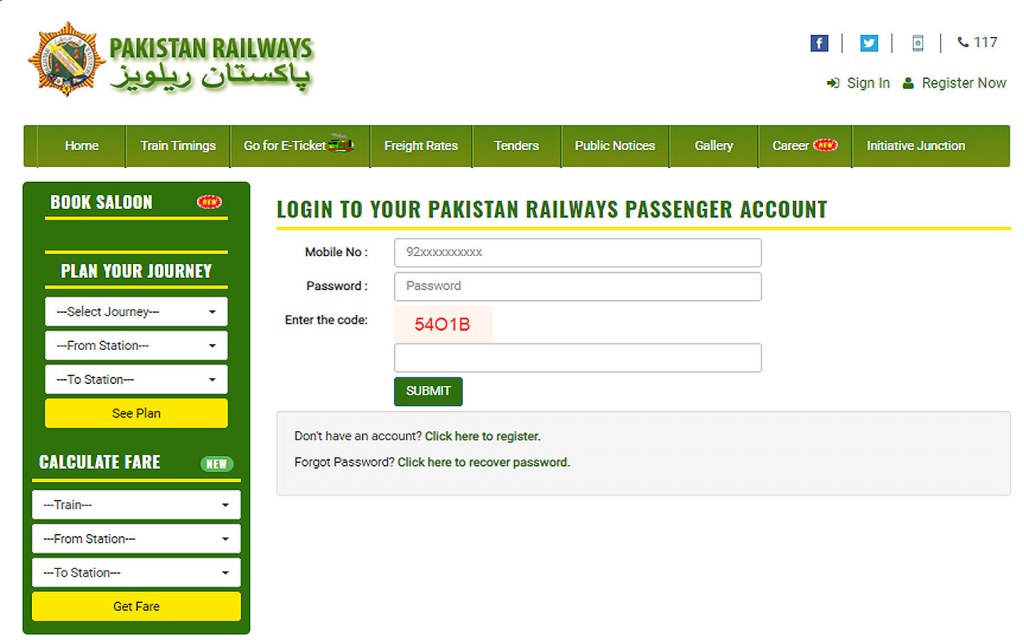
In the context of the initiatives to promote e-governance in Pakistan, the railway system in the country has also been digitized. The Ministry of Railways in Pakistan, in collaboration with the Pakistan Information Technology Board (PITB), has launched a website for railway booking and scheduling in the country. A screenshot of this e-portal is attached above for your reference. You can easily register on this portal using your mobile number and other basic details and check the availability of trains to organize your schedule and plan accordingly.
Trains in Pakistan
With the capacity to carry over 65 million passengers annually, the railway fleet in Pakistan is based on 228 trains. The names of some of the famous trains in Pakistan along with their routes are as follows:
| Popular Trains | Routes |
| Akbar Express | Quetta – Lahore Junction |
| Allama Iqbal Express | Karachi City Station – Sialkot Junction |
| Attock Passenger | Mari Indus – Attock City Junction |
| Awam Express | Karachi City Station – Peshawar Cantonment |
| Babu Passenger | Lahore Junction – Wazirabad Junction |
| Badar Express | Lahore Junction – Faisalabad |
| Badin Express | Hyderabad Junction – Badin |
| Bahauddin Zakaria Express | Karachi City Station – Multan Cantonment |
| Bolan Mail | Karachi City Station – Quetta |
| Chaman Mixed | Quetta – Chaman |
| Chenab Express | Sargodha Junction – LalaMusa Junction |
| Dhabeji Express | Karachi Cantonment Station – Dhabeji |
| Faiz Ahmed Faiz Express | Lahore Junction – Narowal Junction |
| Fareed Express | Karachi City Station – Lahore Junction |
| Faisal Express | Lahore Junction – Faisalabad |
| Faisalabad Express | Multan Cantonment – Faisalabad |
| Ghouri Express | Lahore Junction – Faisalabad |
| GreenLine Express | Karachi Cantonment Station – Islamabad |
| Hazara Express | Karachi City Station – Havelian |
| Islamabad Express | Lahore Junction – Islamabad |
| Jaffar Express | Peshawar – Quetta |
| Jand Passenger | Jand Junction – Attock City Junction |
| Jinnah Express | Karachi Cantonment Station – RawalpindiKarachi Cantonment Station – Lahore Cantonment |
| Karachi Express | Karachi City Station – Lahore Junction |
| Kohat Express | Rawalpindi – Kohat |
| Karakoram Express | Karachi City Station – Lahore Junction |
| Khushhal Khan Khattak Express | Karachi City Station – Peshawar Cantonment |
| Khyber Mail | Karachi Cantonment Station – Peshawar Cantonment |
| Karana Passenger | Lala Musa Junction – Sargodha Junction |
| Lasani Express | Lahore Junction–Sialkot Junction |
| Lala Musa Express | Lala Musa Junction – Sargodha Junction |
| Margalla Express | Lahore Junction – Rawalpindi |
| Marala Passenger | Wazirabad Junction – Narowal Junction |
| Mari Indus Express | Mari Indus – Lahore Junction |
| Mianwali Express | Mari Indus Junction – Lahore Junction |
| Multan Express | Multan Cantonment – Lahore Junction |
| Mehran Express | Karachi City Station – Mirpur Khas |
| Musa Pak Express | Multan Cantonment – Lahore Junction |
| Meher Express | Multan Cantonment – Rawalpindi |
| Mohenjo-Daro Express | Rohri Junction – Kotri Junction |
| Millat Express | Karachi City Station – Malakwal Junction |
| Mixed Passenger | Multan Cantonment – Lahore Junction |
| Narowal Passenger | Narowal Junction – Lahore Junction |
| Niazi Express | Mari Indus – Lahore Junction |
| Pakistan Business Express | Karachi Cantonment Station – Lahore Junction |
| Pakistan Express | Karachi Cantonment – Rawalpindi |
| Rohi Fast Passenger | Khanpur – Sukkur |
| Rehman Baba Express | Peshawar Cantonment – Karachi Cantonment |
| Rawalpindi Express | Lahore – Rawalpindi |
| Shah Hussain Express | Karachi Cantonment Station – Lahore Junction |
| Samjhauta Express | Lahore – Wagah |
| Shalimar Express | Karachi Cantonment – Lahore Junction |
| Subak Kharam Express | Lahore Junction – Rawalpindi |
| Shah Rukn-e-Alam Express | Multan Cantonment – Karachi Cantonment |
| Subak Raftar Express | Lahore Junction – Islamabad |
| Sukkur Express | Karachi City Station – Jacobabad Junction |
| Sindh Express | Karachi Cantonment – Sukkur |
| Sir Syed Express | Karachi Cantonment – Rawalpindi |
| Shah Latif Bhattai Express | Dhabeji – Mirpur Khas |
| Tezgam Express | Karachi Cantonment – Rawalpindi |
| Thal Express | Multan Cantonment – Rawalpindi |
| Thar Express | Karachi Cantonment Station – Zero Point |
| Waris Shah Fast | Lahore Junction – Shorkot Cantonment Junction |
Main lines of Pakistan Railways
ML-1 (Main Line 1)
Route: Karachi Cantt → Hyderabad → Rohri → Multan → Lahore → Rawalpindi → Peshawar
Total length: Approximately 1,872 km
Significance: The largest and busiest line, being upgraded under CPEC (speed is being increased to 160 km/h).
ML-2 (Main Line 2)
Route: Kotri → Dadu → Larkana → Jacobabad → Dera Allah Yar → Dera Ghazi Khan → Bhakkar → Kot Addu → Kandian → Attock → Havelian
Importance: Connects the regions of central Pakistan with the north, important in the transport of agricultural and commercial goods.
ML-3 (Main Line 3)
Route: Rohri → Sibi → Quetta → Chaman (Afghanistan Border)
Importance: The most important line in Balochistan, a trade route with Afghanistan.
ML-4 (Main Line 4)
Route: Kotri → Dadu → Sibi → Quetta → Zhob → Dera Ismail Khan (future extension)
Importance: Important for connecting the interior of Balochistan with Khyber Pakhtunkhwa.
ML-5 (Main Line 5)
Direction: Karachi → Gwadar (Planned Line, Currently Under Construction / Planning Stage)
Significance: To be built under CPEC, will connect Gwadar Port to the national railway network.
ML-6 (Main Line 6)
Route: Nowshera → Chitral → Gilgit (Planning Stage)
Significance: Proposed to connect the northern regions with central Pakistan.
ML-7 (Main Line 7)
Route: Quetta → Zahedan (Iran)
Importance: Pak-Iran railway connection, important for international trade.
ML-8 (Main Line 8)
Route: Karachi → Jaffarabad → Basima → Gwadar (Planning Stage)
Significance: Second alternative railway connection to Gwadar Port.
Major railway stations