
Peshawar
Introduction – Peshawar: The City of Flowers
Peshawar, the capital of Khyber Pakhtunkhwa (KPK), is one of the oldest living cities in South Asia. Known as the “City of Flowers”, it is a blend of ancient traditions, Islamic culture and modern life.
Located near the historic Khyber Pass, Peshawar has served as a gateway between Central Asia and South Asia for centuries. From Silk Road traders to modern-day business travelers, the city holds strategic, cultural and economic importance.
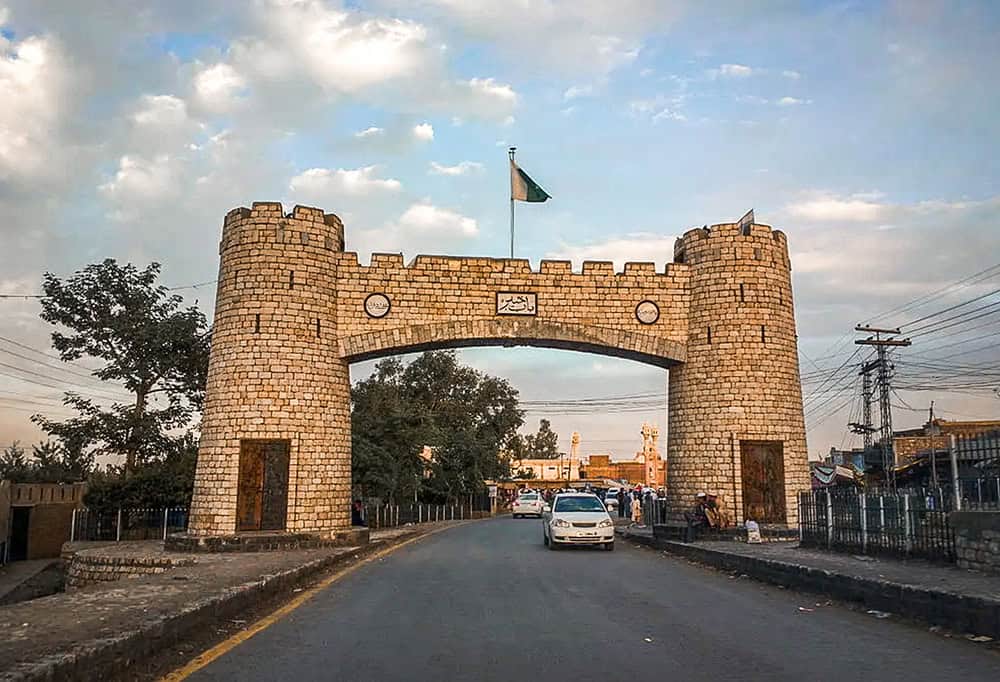
History of Peshawar – City of Civilizations
Peshawar has a history spanning 2000 years. It has seen the rule of the Kushan, Greek, Mauryan, Mughal and Durrani empires.
Ancient Gandhara Civilization: Peshawar was once a center of Buddhist learning. The famous Kanishka Stupa was one of the tallest buildings in the ancient world.
Islamic Influence: With the arrival of Muslims, Peshawar became a center of Islamic learning, trade and governance.
Mughal and Afghan Era: The city flourished as a center of art, architecture and handicrafts.
British Raj: Peshawar gained importance as a frontier city during the colonial era.
Today, Peshawar stands as a living museum of history, where old markets and modern bazaars coexist.
Peshawar - the cultural capital of KPK
Peshawar is considered the cultural center of KPK. Its people are known for their hospitality, bravery, and traditions.
Language: Pashto is the dominant language, while Urdu and English are widely spoken.
Dress: The traditional shalwar kameez with Peshawari chappals is a symbol of the city's identity.
Music and Poetry: Pashto music and the poetry of Khushal Khan Khattak and Rehman Baba represent the cultural spirit of Peshawar.
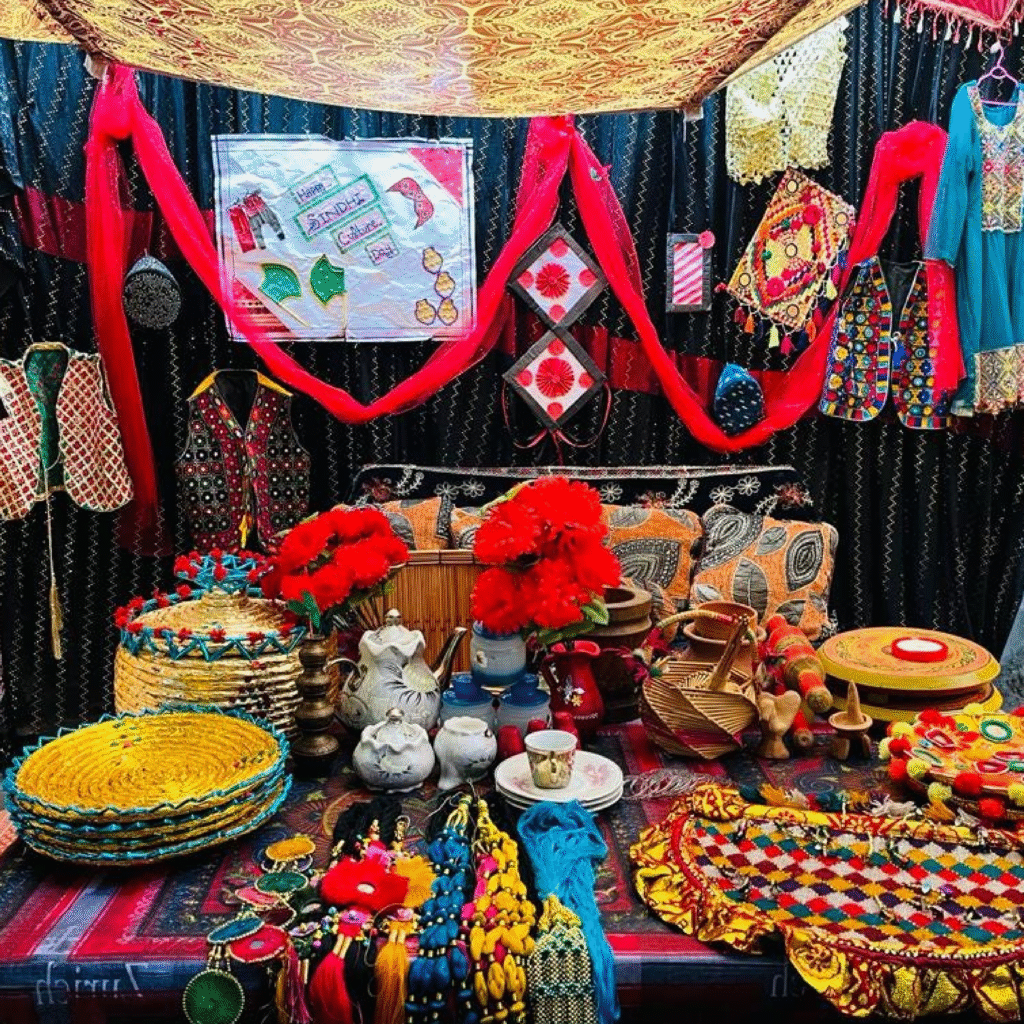
Peshawar’s landmarks and attractions
Qissa Khawani Bazaar (Storytellers’ Bazaar)
Once famous for storytellers from around the world, today it is a bustling market for spices, dried fruits and handicrafts.
Bala Hissar Fort
Built by the Mughals and renovated by the Sikhs, it is a symbol of Peshawar’s strategic importance.
Mahabat Khan Mosque
A 17th-century Mughal mosque famous for its white marble, domes and floral designs.
Peshawar Museum
Houses one of the largest collections of Gandhara art and Buddhist relics.
Sethi House
A masterpiece of traditional haveli architecture in the old city.
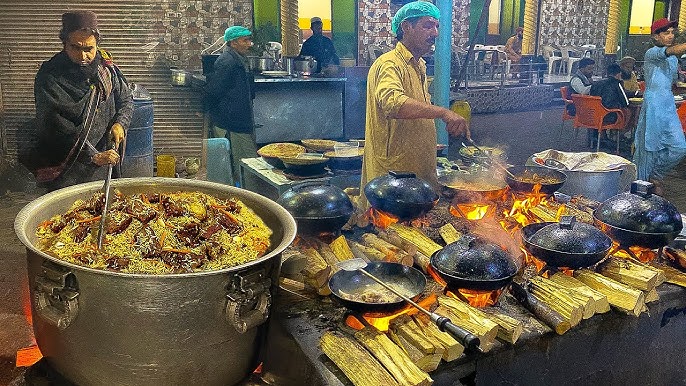
Peshawar Cuisine – A Paradise for Food Lovers
Peshawar is famous for its mouth-watering Pashtun cuisine.
Must-Try Dishes:
Charsi Tikka (Namak Mandi): Legendary BBQ with simple salt seasoning.
Kabuli Pulao: Rice dish cooked with meat, carrots and raisins.
Chapli Kebab: A crispy and juicy minced meat patty.
Peshwari Karahi: Cooked in tomatoes and traditional spices.
Dried fruits and green tea (Qiwa): A Peshawar winter specialty.
Popular Food Spots
Namak Mandi Food Street
Khyber Bazaar Food and Drinks
Traditional Dhabas Serving Tea and Kebabs
Peshawar – Gateway to the Khyber Pass
Peshawar is located near the Khyber Pass, a historic trade route that connects Pakistan and Afghanistan.
Historically used by Silk Road traders, warriors, and travelers.
Today, it remains a strategic trade route for Pakistan’s economy.
Tourists come to experience its rugged mountains and historic forts.
Lifestyle in Peshawar
Life in Peshawar is a beautiful blend of tradition and modernity.
Shopping: Qissa Khawani Bazaar, Saddar Market, and modern malls like Hyperstar.
Education: The city is home to the University of Peshawar, Islamia College, and Khyber Medical College.
Sports: Peshawar Zalmi (PSL team) represents the city’s cricket passion.
Arts and Crafts: Carpets, embroidery, pottery, and gemstone jewelry.