Pakistan tourism punjab tourism department tourism department punjab tourism travel pakistan for tourists pakistan tour tour pakistan pakistan tourists tourism website in pakistan

Khewra Salt Mine Pakistan – History, Location & Visit

Khewra Salt Mine – The World’s Oldest Salt Treasure in Pakistan

Khewra Salt Mine is one of Pakistan’s most remarkable natural and historical landmarks. Known globally for its immense salt reserves, khewra salt mine is often described as the second-largest salt mine in the world and the oldest known salt mine still in operation. Located in Punjab province, this extraordinary site attracts tourists, researchers, and health seekers from across the globe.

The significance of khewra salt mine goes far beyond salt extraction. It represents centuries of history, geological wonder, and economic importance. Today, khewra salt mine Pakistan stands as a proud symbol of the country’s natural wealth and sustainable resource management.


Khewra Salt Mine Location and Accessibility

Understanding the khewra salt mine location is important for travelers. Khewra Salt Mine is situated in the small town of Khewra, in Jhelum District, Punjab, Pakistan. It lies approximately 245 kilometers from Islamabad and around 260 kilometers from Lahore, making it accessible by road from major cities.

The khewra salt mine location is nestled at the foothills of the Salt Range, a geologically rich area known for mineral deposits. Clear roads, signboards, and tourism facilities make visiting khewra salt mine Pakistan convenient for families, students, and international tourists.


History of Khewra Salt Mine

The khewra salt mine history dates back more than 2,000 years. According to historical accounts, the salt deposits were discovered during the time of Alexander the Great when his horses reportedly licked salt-laden rocks in the area. However, systematic mining began during the Mughal era.

During British rule, modern mining techniques were introduced, transforming khewra salt mine into an organized industrial site. The British also developed tunnel systems, rail tracks, and ventilation methods that are still in use today. This rich khewra salt mine history makes it not only a natural wonder but also a historical archive of mining evolution.


Geological Importance of Khewra Salt Mine

Khewra Salt Mine is part of the extensive Salt Range, formed millions of years ago. The mine contains massive reserves of pink Himalayan salt, known for its purity and mineral content. These deposits are believed to have formed through the evaporation of ancient seas.

The geological formations inside khewra salt mine Pakistan include salt crystals, layered rock formations, and naturally carved chambers. For geologists and students, khewra salt mine offers invaluable insight into earth’s prehistoric processes.


Structure and Layout of Khewra Salt Mine

The internal structure of khewra salt mine is both fascinating and functional. The mine extends over 40 kilometers of tunnels, though only a portion is open to tourists. Inside, visitors can see wide chambers supported by salt pillars, ensuring structural stability.

A small electric train transports visitors deep into khewra salt mine, offering a safe and educational experience. The illuminated tunnels highlight the pink and white hues of the salt, creating a visually stunning environment unique to khewra salt mine Pakistan.


Tourist Attractions Inside Khewra Salt Mine

Khewra Salt Mine is not just about mining; it has been developed as a major tourist attraction. Inside the mine, visitors can see salt replicas of famous landmarks, including mosques and monuments, all carved from salt bricks.

One of the most popular attractions inside khewra salt mine is the underground mosque, constructed entirely of salt. There is also a salt bridge, crystal valley, and small salt chambers that showcase the artistic potential of this natural resource.


Health Benefits Associated with Khewra Salt Mine

Khewra Salt Mine Pakistan is widely known for its health tourism. Salt therapy, also known as halotherapy, is practiced in designated chambers inside the mine. The air inside khewra salt mine is believed to help individuals suffering from asthma, allergies, and respiratory conditions.

Many visitors come specifically for therapeutic sessions, making khewra salt mine a unique blend of tourism and wellness. This aspect adds another layer of importance to khewra salt mine history and modern relevance.


Economic Importance of Khewra Salt Mine

Khewra Salt Mine plays a vital role in Pakistan’s economy. It produces millions of tons of salt annually, supplying both domestic and international markets. The salt extracted from khewra salt mine Pakistan is used in food, pharmaceuticals, cosmetics, and industrial applications.

Employment opportunities generated by khewra salt mine support local communities, making it an essential economic asset for the region.


Khewra Salt Mine Pakistan as an Educational Destination

Educational institutions frequently organize study tours to khewra salt mine. Students learn about geology, mining engineering, history, and environmental management through firsthand observation.

The informative displays and guided tours make khewra salt mine Pakistan an ideal learning environment. This educational value strengthens its status as a national heritage site.


Best Time to Visit Khewra Salt Mine

Khewra Salt Mine can be visited throughout the year due to its stable underground temperature, which remains cool even during hot summers. However, the best time to visit khewra salt mine Pakistan is between October and March for comfortable travel conditions.

Weekdays are generally less crowded, allowing visitors to explore khewra salt mine more peacefully.


Visitor Guidelines and Travel Tips

When visiting khewra salt mine, it is recommended to wear comfortable shoes, as walking is involved. Photography is usually allowed, but visitors should follow guidelines provided by staff.

Respect for the site helps preserve khewra salt mine history and ensures a positive experience for future visitors.


Cultural and National Significance

Khewra Salt Mine is a source of national pride for Pakistan. It represents the country’s natural abundance and historical continuity. Often featured in documentaries and educational materials, khewra salt mine Pakistan holds a special place in the national narrative.

Its recognition as a major tourist attraction reflects Pakistan’s efforts to promote sustainable tourism and heritage conservation.


Why Khewra Salt Mine Is a Must-Visit Destination

From ancient history to modern tourism, khewra salt mine offers a complete experience. The combination of natural beauty, historical depth, and health benefits makes it unlike any other destination in Pakistan.

For travelers seeking meaningful and educational journeys, khewra salt mine Pakistan provides lasting memories and valuable insights.


Conclusion – Plan Your Visit to Khewra Salt Mine

Khewra Salt Mine stands as a timeless symbol of Pakistan’s natural and historical wealth. From understanding khewra salt mine history to exploring its breathtaking underground chambers, every visit reveals something extraordinary. Its strategic khewra salt mine location, health benefits, and cultural value make it a destination worth exploring.

If you are planning to visit khewra salt mine Pakistan or wish to explore more iconic destinations across the country, professional travel planning can enhance your experience.

Plan your journey with trusted experts at https://ptcptourism.com/ and discover Pakistan’s most remarkable landmarks with comfort, knowledge, and confidence.

Pakistan tourism punjab tourism department tourism department punjab tourism travel pakistan for tourists pakistan tour tour pakistan pakistan tourists tourism website in pakistan

Khewra Salt Mine Pakistan – History, Location & Visit

Khewra Salt Mine – The World’s Largest Salt Wonder in Pakistan

The Khewra Salt Mine is one of Pakistan’s most extraordinary natural and historical attractions. Located in the Salt Range of Punjab, the khewra salt mine is famous worldwide for its massive salt reserves, underground tunnels, breathtaking salt formations, and centuries-old history.

As the second largest salt mine in the world, the khewra salt mine Pakistan is not only a key economic resource but also a major tourist destination. Visitors from across Pakistan and abroad travel to experience its pink salt walls, illuminated chambers, and unique underground landmarks.

This complete guide explores the khewra salt mine location, khewra salt mine history, geological significance, tourism value, and travel tips in detail.


Khewra Salt Mine Location and Accessibility

The khewra salt mine location is in Khewra, a town in Jhelum District, Punjab, Pakistan. It lies approximately 250 kilometers from Islamabad and around 260 kilometers from Lahore, making it accessible for both northern and central regions.

Situated within the Salt Range, the khewra salt mine Pakistan is surrounded by rugged hills and scenic landscapes. The mine is well connected by road, and visitors can reach it via private vehicles, buses, or organized tour services.

Clear signboards and maintained roads make reaching the khewra salt mine location convenient for tourists.


Khewra Salt Mine History and Discovery

The khewra salt mine history dates back over 2,000 years. According to historical accounts, the mine was discovered during the era of Alexander the Great in 326 BCE. It is believed that his horses licked the rocks, revealing the presence of salt.

During the Mughal period, the khewra salt mine continued to supply salt locally. However, systematic mining began during British colonial rule in the 19th century. The British developed modern mining techniques and established structured tunnels that are still used today.

The khewra salt mine history reflects centuries of human interaction with natural resources, making it a living heritage site.


Geological Importance of Khewra Salt Mine

The khewra salt mine Pakistan is part of a massive salt deposit formed millions of years ago. These deposits originated from the evaporation of ancient seas, leaving behind thick layers of rock salt.

The mine contains pink Himalayan salt, known for its purity and mineral content. This salt is exported worldwide and widely used for culinary, industrial, and decorative purposes.

Geologists consider the khewra salt mine one of the most significant salt reserves on Earth.


Structure and Tunnel System of the Mine

The khewra salt mine features an extensive network of tunnels stretching over 40 kilometers, though only a portion is open to the public. These tunnels are supported by massive salt pillars that ensure structural stability.

The ceilings, walls, and floors of the tunnels are made entirely of salt, creating a surreal underground environment. Carefully designed pathways allow visitors to explore safely while observing natural salt formations.

This engineering brilliance highlights the long-term sustainability of the khewra salt mine Pakistan.


Tourist Attractions Inside Khewra Salt Mine

The khewra salt mine is not just a mining site but a fully developed tourist destination. Inside the mine, visitors can explore illuminated chambers showcasing artistic salt carvings and natural formations.

Major attractions include a mosque made entirely of salt bricks, replicas of national monuments crafted from salt, and crystal-clear salt pools reflecting colorful lights.

These features make the khewra salt mine Pakistan one of the most unique underground tourist experiences in the world.


Salt Mosque and Cultural Significance

One of the most remarkable features inside the khewra salt mine is the underground mosque built from salt blocks. It symbolizes harmony between natural resources and cultural expression.

This mosque attracts visitors of all backgrounds and adds spiritual significance to the mine. It demonstrates how the khewra salt mine history is deeply connected with cultural heritage.


Health Benefits and Salt Therapy

The khewra salt mine Pakistan is also known for its therapeutic environment. The salt-rich air inside the mine is believed to help people suffering from respiratory conditions such as asthma and allergies.

Many visitors come specifically for salt therapy, spending time in designated chambers to experience the health benefits of the mine’s microclimate.

This aspect has enhanced the tourism value of the khewra salt mine beyond traditional sightseeing.


Economic Importance of Khewra Salt Mine Pakistan

The khewra salt mine plays a vital role in Pakistan’s economy. It produces thousands of tons of salt annually, supplying domestic markets and international exports.

Pink Himalayan salt from the mine is used in food products, cosmetics, lamps, and wellness industries worldwide. The mine also provides employment opportunities for local communities.

Thus, the khewra salt mine Pakistan is both an economic asset and a tourism landmark.


Best Time to Visit Khewra Salt Mine

The khewra salt mine can be visited year-round due to its stable underground temperature, which remains cool even in summer. However, the best time to visit is between October and March when outdoor travel is more comfortable.

The temperature inside the mine stays around 18–20°C, making it an ideal destination during hot weather.


Visitor Experience and Facilities

Visitors enter the khewra salt mine through a small train that takes them deep into the tunnels. This train ride is one of the highlights of the visit and adds excitement to the experience.

The mine has basic visitor facilities, including guided tours, information boards, rest areas, and souvenir shops selling salt products.


Photography and Exploration

Photography is allowed in most areas of the khewra salt mine Pakistan. The colorful lighting, reflective salt surfaces, and carved structures provide excellent opportunities for photography.

Visitors are encouraged to follow safety guidelines and stay within designated paths while exploring the mine.


Educational Value of Khewra Salt Mine

The khewra salt mine is frequently visited by students, researchers, and geology enthusiasts. Educational tours explain the formation of salt deposits, mining techniques, and the historical evolution of the site.

This educational aspect makes the khewra salt mine history relevant for academic and research purposes.


Nearby Attractions Around Khewra

Visitors to the khewra salt mine location can also explore nearby attractions in the Salt Range, including scenic viewpoints, historical forts, and small towns offering local culture and cuisine.

Combining these attractions enhances the overall travel experience.


Travel Tips for Visiting Khewra Salt Mine

Wear comfortable walking shoes with good grip
Carry light jackets due to cool underground temperature
Follow guide instructions for safety
Plan half a day for a relaxed visit
Avoid touching salt formations unnecessarily


Why Khewra Salt Mine Is a Must-Visit Destination

The khewra salt mine stands out as a rare blend of natural beauty, history, science, and culture. From its ancient discovery to modern tourism development, the mine tells a story unlike any other destination in Pakistan.

Its underground wonders, health benefits, and historical importance make the khewra salt mine Pakistan a must-visit site for travelers of all ages.


Conclusion – Explore Khewra Salt Mine with Expert Planning

The khewra salt mine is more than just a mining site; it is a symbol of Pakistan’s natural wealth and historical depth. From understanding the khewra salt mine history to exploring its fascinating underground world, every visit leaves a lasting impression.

If you want a professionally organized trip to the khewra salt mine Pakistan with complete travel support, guided tours, and comfortable transport, visit https://ptcptourism.com/ today. Let experienced travel planners help you explore this incredible destination with ease and confidence.

Plan your journey now and experience the hidden underground wonder of Pakistan like never before.

Pakistan tourism punjab tourism department tourism department punjab tourism travel pakistan for tourists pakistan tour tour pakistan pakistan tourists tourism website in pakistan

Khewra Salt Mine Pakistan – History, Location & Visit

Khewra Salt Mine: Journey into the World’s Second Largest Salt Treasure

Deep within the folds of the Salt Range in Pakistan’s Punjab province lies a wonder that has captivated travelers, historians, and scientists for centuries. The Khewra Salt Mine is not just an industrial site; it is a subterranean marvel, a place where tunnels stretch for kilometers through crystalline walls of pink, red, and white salt. As the world’s second largest salt mine, it stands as a testament to both the geological richness of the region and the ingenuity of those who have extracted its treasures for generations .

For those exploring Pakistan’s diverse attractions, the khewra salt mine Pakistan is an essential destination. It offers a unique blend of natural beauty, historical depth, and modern tourism infrastructure. From the moment you step into its main tunnel, you enter a different world—one where the walls glisten, the air is pure, and the story of salt unfolds around every corner. In this comprehensive guide, we will delve into every aspect of the khewra salt mine, from its ancient origins and geological formation to the practical details of visiting this underground wonder.

Understanding the Khewra Salt Mine Location

The khewra salt mine location is situated in the Pind Dadan Khan Tehsil of Jhelum District, in the Punjab province of Pakistan . More specifically, it lies in the town of Khewra, which has grown around the mine and is often called the “Kingdom of Salt” . The geographical coordinates of the mine are approximately 32°38′52.58″N 73°00′30.22″E .

The mine is embedded within the Salt Range, a mineral-rich mountain system that extends about 200 kilometers from the Jhelum River south of the Pothohar Plateau to the Indus River near Kalabagh . This range is a geological wonder in itself, rising from the Indo-Gangetic Plain and containing some of the most ancient rock formations in the subcontinent .

The khewra salt mine location is about 160 kilometers from both Islamabad and Lahore, making it accessible for day trips or overnight stays from Pakistan’s major cities . The mine entrance sits at approximately 288 meters (945 feet) above sea level, and the tunnels extend about 730 meters (2,400 feet) into the mountain from the entrance . The entire underground mine covers an area of approximately 110 square kilometers (42 square miles), creating a vast labyrinth of tunnels and chambers that visitors can explore .

The khewra salt mine location in the Salt Range is significant not just for its salt but for its position within a unique geological and ecological zone. The surrounding area is characterized by rugged hills, deep ravines, and sparse vegetation, creating a dramatic landscape that contrasts sharply with the lush plains of Punjab .

The Geological Marvel of Khewra Salt Mine

To truly appreciate the khewra salt mine, one must understand its geological context. The salt deposits at Khewra are part of the Salt Range Formation, which dates back to the Ediacaran to early Cambrian periods, approximately 800 to 600 million years ago . This makes the salt among the oldest in the world, formed when ancient seas evaporated in a hot, arid climate, leaving behind thick layers of evaporites that were later buried, folded, and faulted by tectonic forces .

The geological story of the khewra salt mine is one of immense pressure and movement. The collision between the Indian and Eurasian plates, which created the Himalayas, also thrust these ancient salt beds southward over younger rocks, incorporating fragments of different strata and creating the complex structures visible in the mine today . The salt layer itself is about 150 meters thick in places, consisting of crystalline halite intercalated with potash salts and overlain by gypsiferous marl and beds of gypsum and dolomite .

What makes the salt from the khewra salt mine so distinctive is its purity and color. The salt is approximately 99% pure halite (sodium chloride), with trace amounts of calcium, magnesium, potassium, and various minerals including iron, zinc, copper, manganese, chromium, and lead . These trace elements, particularly iron, give the salt its characteristic pink, reddish, or off-white hues . The purest salt is transparent or white, while the iron-rich layers display the beautiful rose and pink shades that have made Himalayan salt famous worldwide .

The geological stability of the khewra salt mine is ensured by the mining method used. Since the late 19th century, miners have employed the room and pillar method, extracting only about half of the salt and leaving the remaining half as massive pillars to support the roof . This technique has proven remarkably effective, allowing the mine to operate safely for over 150 years with minimal collapses.

The Rich Tapestry of Khewra Salt Mine History

The khewra salt mine history is a fascinating narrative that spans over two millennia, involving ancient armies, Mughal emperors, Sikh rulers, British colonial administrators, and modern Pakistani enterprises. Understanding this history adds depth to any visit.

Ancient Discovery: Alexander’s Horses

The most romantic tale in khewra salt mine history begins in 326 BC, when Alexander the Great crossed the Jhelum and Mianwali region during his Indian campaign . According to legend, the salt reserves were discovered not by Alexander himself, but by his army’s horses. The horses were found licking the stones, and ailing animals recovered after consuming the rock salt . This observation led to the realization that the area was rich in salt, though large-scale extraction would not begin for many centuries .

Mughal Era: Trade and Craftsmanship

During the Mughal era, the khewra salt mine began to gain commercial importance. Salt from Khewra was traded in various markets across the subcontinent and as far away as Central Asia . The Mughals also initiated the practice of using rock salt to create artistic and decorative items, with craftsmen fashioning tableware, ornaments, and decorative pieces from the translucent material . This tradition would continue and flourish in later centuries.

Sikh Period: Control and Revenue

Following the decline of the Mughal Empire, the khewra salt mine came under Sikh control. Hari Singh Nalwa, the Sikh Commander-in-Chief, shared the management of the Salt Range with Gulab Singh, the Raja of Jammu . The former controlled the Warcha mine, while the latter held Khewra. During Sikh rule, the salt quarried was both consumed locally and used as a significant source of revenue .

British Development: The Birth of Modern Mining

The most transformative period in khewra salt mine history began in 1872, when the British, having taken control of the region, initiated systematic development of the mine . They found the existing operations inefficient, with irregular and narrow tunnels that made movement difficult and dangerous. The water supply was poor, there was no storage facility for mined salt, and the only access road was over difficult, rocky terrain .

To address these problems, the British government leveled the road, built warehouses, provided a water supply, improved the entrances and tunnels, and introduced better mechanisms for salt extraction . The main tunnel at ground level was developed by H. Warth, a mining engineer, and remains in use today . It was during this period that the mine became known as the Mayo Salt Mine, in honor of Lord Mayo, who visited it as Viceroy of India .

The British also introduced the narrow-gauge Khewra Salt Mines Railway, which used small rail cars to transport salt from deep within the mine to the surface . Some of these historic tracks are still in use, now serving tourists as well as carrying salt .

Post-Independence Era

After Pakistan’s independence in 1947, the khewra salt mine underwent several administrative changes. It was initially managed by the BMR until 1956, then by the PIDC until 1965. Following the India-Pakistan war of 1965, the WPIDC took over administration . Finally, in 1974, the Pakistan Mineral Development Corporation (PMDC) assumed control of the mine, which remains the largest source of salt in the country .

Today, the khewra salt mine produces more than 350,000 tons of salt per annum, accounting for nearly half of Pakistan’s total rock salt production . At current extraction rates, the known reserves—estimated between 82 million and 600 million tons—could last for another 350 years .

The Mining Process: From Mountain to Market

Understanding how salt is extracted from the khewra salt mine adds another layer of appreciation for this remarkable place. The mine comprises nineteen stories, of which eleven are below ground level . The total length of its tunnels is about 40 kilometers (25 miles), creating an underground network that would take days to fully explore .

The room and pillar method used in the khewra salt mine is both efficient and safe. Miners excavate salt from large chambers while leaving substantial pillars of salt in place to support the overlying rock . This technique ensures structural stability while allowing access to the richest salt deposits. The temperature inside the mine remains a constant 18–20°C (64–68°F) throughout the year, creating a comfortable environment for both workers and visitors .

Once extracted, the salt follows several paths to market. Some is crushed and processed for industrial and culinary uses, including the production of brine and table salt . A significant portion is used by the AkzoNobel soda ash plant, which has operated since 1940 . The most visually appealing salt, with its characteristic pink and red hues, is crafted into decorative items such as lamps, vases, ashtrays, and statues . These products are exported to the United States, India, and many European countries, carrying the name of the khewra salt mine Pakistan around the world .

Tourism at Khewra Salt Mine

In recent decades, the khewra salt mine has transformed from an industrial site into one of Pakistan’s premier tourist attractions, drawing up to 250,000 visitors annually . The development of tourist facilities has made the mine accessible and enjoyable for people of all ages.

The Underground Railway Journey

Visitors begin their exploration by boarding the Khewra Salt Mines Railway, the same narrow-gauge track that once carried only salt but now carries eager tourists into the mountain’s heart . The train ride, though short, sets the stage for the wonders ahead, passing through the main tunnel and offering glimpses of the crystalline walls.

Major Attractions Inside the Mine

Once inside, visitors encounter a series of remarkable attractions that showcase both the natural beauty of the salt and human creativity:

The Badshahi Masjid: Perhaps the most famous attraction within the khewra salt mine is this stunning mosque built entirely from salt bricks. Constructed about fifty years ago, the mosque features multicolored salt bricks that create a beautiful, shimmering effect . It stands as a place of prayer and a testament to the versatility of salt as a building material.

Sheesh Mahal (Palace of Mirrors): This chamber is named for its walls of light pink salt crystals that, when illuminated, sparkle like a palace of mirrors. The translucent crystals allow light to pass through them, creating a warm, ethereal glow that visitors find mesmerizing .

The Assembly Hall: This massive chamber rises 75 meters (245 feet) high and serves as a gathering space within the mine. Its scale demonstrates the immense volumes of salt that have been extracted over the decades .

Pul-Saraat: This is a salt bridge with no pillars, spanning a 25-meter-deep (80-foot-deep) brine pond. Walking across it offers a unique perspective on the underground landscape .

Crystal Valley: This section of the mine features particularly beautiful salt crystal formations, with walls that glisten and reflect light in countless directions .

Minar-e-Pakistan Replica: A model of Lahore’s iconic Minar-e-Pakistan, built from salt bricks, stands as a patriotic symbol within the mine .

Statue of Allama Iqbal: A salt statue honors the national poet of Pakistan, adding cultural depth to the geological wonders .

Calligraphic Displays: An accumulation of salt crystals naturally forms the name of Muhammad in Urdu script, a phenomenon that visitors find deeply moving .

Salt Therapy Facilities

In 2007, a clinical ward with 20 beds was established within the khewra salt mine, costing 10 million rupees . This facility offers salt therapy for patients with asthma and other respiratory diseases . The pure, dry, salt-infused air is believed to have therapeutic benefits, and patients spend time in the mine as part of their treatment .

Visitor Facilities

The khewra salt mine is well-equipped for tourism. A café inside the mine offers refreshments in a unique setting . The mine has also been fitted with decorative lighting that enhances the natural beauty of the salt crystals, creating a magical atmosphere . Well-maintained pathways and informational signage help visitors navigate and understand what they are seeing.

Planning Your Visit to Khewra Salt Mine

A well-planned visit ensures you make the most of your time at this extraordinary destination.

Best Time to Visit

The khewra salt mine can be visited year-round, thanks to its constant internal temperature of 18–20°C . However, the journey to the mine involves outdoor travel, so the cooler months from October to March are most comfortable for the overall experience. During these months, the weather in Punjab is mild, making the drive from Lahore or Islamabad pleasant .

Getting There

The khewra salt mine location is easily accessible by road:

From Lahore: The distance is about 160 kilometers, and the drive takes approximately 3 to 4 hours via the M-2 Motorway. Take the Lilla interchange and follow the road toward Pind Dadan Khan for about 30 kilometers to reach Khewra .

From Islamabad: The distance is also about 160 kilometers, with a similar travel time via the M-2 Motorway. The same Lilla interchange provides access .

By Train: Pakistan Railways has operated special tourist trains from Lahore and Rawalpindi to Khewra, offering a scenic and nostalgic journey. The Khewra railway station was refurbished to accommodate these services .

Timings and Entry

The khewra salt mine is generally open to visitors from 8:00 AM to 6:00 PM daily. An entry fee is charged, which is nominal for Pakistani citizens and slightly higher for foreign tourists. This fee includes the train ride into the mine and access to all attractions inside .

What to Wear and Bring

  • Comfortable walking shoes are essential, as you will be walking on uneven surfaces .
  • A light jacket or sweater is advisable, as the mine’s constant temperature is cooler than outdoor summer temperatures but warmer than winter outdoors .
  • A camera is a must, as the photographic opportunities are endless. However, be mindful of low-light conditions and consider bringing a tripod or using a camera with good low-light performance .
  • Water and snacks are available inside, but you may wish to bring your own .

The Pink Salt: Uses and Benefits

The salt from the khewra salt mine Pakistan has gained international fame, often marketed as Himalayan pink salt. Its uses extend far beyond the kitchen:

Culinary Uses: Pink salt is prized by chefs and home cooks for its subtle flavor and beautiful appearance. It can be used in grinders, for cooking, and even as salt blocks for grilling and serving .

Bath and Body Products: The mineral-rich salt is used in bath salts, body scrubs, and soaks, valued for its purported therapeutic properties .

Decorative Items: Salt lamps, which are hollowed-out blocks of salt with a light bulb inside, have become popular worldwide for their warm glow and claimed air-purifying benefits . Vases, candle holders, and sculptures are also crafted from Khewra salt .

Industrial Applications: Beyond consumer products, the salt is used in water softening, chemical manufacturing, and various industrial processes .

Conclusion: Discover the Wonder of Khewra Salt Mine

The khewra salt mine is a destination like no other in Pakistan. It offers a journey deep into the earth, where walls of salt have stood for hundreds of millions of years, where history echoes in tunnels carved by ancient hands and modern machinery, and where the simple mineral that seasons our food reveals its extraordinary beauty.

From its legendary discovery by Alexander’s horses to its transformation into a world-class tourist attraction, the khewra salt mine history is as rich as the deposits it contains. The khewra salt mine location in the heart of the Salt Range provides a stunning natural setting, while the mine itself offers a cool, constant environment perfect for exploration. Whether you marvel at the Badshahi Masjid built entirely of salt, walk across the Pul-Saraat bridge, or simply breathe the pure air believed to heal respiratory ailments, the khewra salt mine Pakistan leaves an indelible impression.

A visit here is not just a sightseeing trip; it is an encounter with geology, history, and human ingenuity. The salt that emerges from this mine travels to tables and homes around the world, carrying with it the essence of this ancient place. For those who make the journey to see it in person, the reward is a memory that, like the salt itself, endures.

Are you ready to explore the crystalline wonders of the khewra salt mine for yourself? Let expert travel professionals handle the logistics while you focus on the adventure. From arranging comfortable transport from Lahore or Islamabad to providing knowledgeable local guides who can bring the khewra salt mine history to life, comprehensive travel services ensure your journey into Pakistan’s geological treasure is seamless and unforgettable.

Click here to start your journey: https://ptcptourism.com/

Pakistan tourism punjab tourism department tourism department punjab tourism travel pakistan for tourists pakistan tour tour pakistan pakistan tourists tourism website in pakistan

Khewra Salt Mine Pakistan – History, Location & Visit

Khewra Salt Mine – A Complete Travel Guide to Pakistan’s Salt Wonder

Introduction to Khewra Salt Mine

Khewra Salt Mine is one of the most fascinating natural attractions in Pakistan. Located in the Salt Range, the Khewra Salt Mine is known as the second-largest salt mine in the world and the largest in South Asia. Every year, thousands of local and international tourists visit Khewra Salt Mine to witness its breathtaking salt formations, underground tunnels, and historical chambers carved entirely from rock salt.

The Khewra Salt Mine Pakistan is not just a tourist destination; it is also a significant industrial site producing millions of tons of salt annually. From stunning pink salt bricks to beautifully carved mosques made of salt, the Khewra Salt Mine offers a rare blend of history, geology, tourism, and economic importance.

In this detailed guide, you will learn everything about Khewra Salt Mine, including Khewra Salt Mine location, Khewra Salt Mine history, attractions, travel tips, and why it remains one of the most unique natural wonders of Pakistan.

Khewra Salt Mine Location and Accessibility

The Khewra Salt Mine location is in the town of Khewra, District Jhelum, in Punjab, Pakistan. It lies approximately 160 kilometers south of Islamabad and about 260 kilometers from Lahore. The mine is part of the Salt Range, a geological region famous for its rich mineral deposits.

Reaching Khewra Salt Mine Pakistan is relatively easy by road. Visitors traveling from Islamabad or Lahore can reach the site via the M2 Motorway and then take connecting roads toward Khewra town. Public transport and private vehicles are both viable options.

The Khewra Salt Mine location is strategically positioned, making it a perfect one-day trip or weekend getaway for tourists exploring northern Punjab. Clear road signs and improved infrastructure have made visiting Khewra Salt Mine more convenient than ever.

Khewra Salt Mine History

The Khewra Salt Mine history dates back more than 2,000 years. According to legend, the discovery of Khewra Salt Mine occurred during the era of Alexander the Great in 326 BC. It is said that Alexander’s horses began licking rocks in the region, leading soldiers to discover the presence of salt.

However, organized mining at Khewra Salt Mine began during the Mughal era and was later expanded under British rule. The British introduced systematic mining techniques and established tunnel structures that are still in use today.

The Khewra Salt Mine history reflects centuries of extraction, innovation, and architectural brilliance. Over time, the site evolved from a purely industrial location into a major tourist attraction. Today, Khewra Salt Mine Pakistan stands as a symbol of the country’s rich geological heritage.

Geological Formation of Khewra Salt Mine

The origin of Khewra Salt Mine dates back approximately 600 million years. Geological experts believe that the region was once part of an ancient sea. As the sea dried up, thick salt deposits formed under layers of sediment.

Over millions of years, tectonic movements pushed these salt layers upward, forming the Salt Range. The Khewra Salt Mine Pakistan is a result of these geological processes. The pink Himalayan salt extracted from Khewra Salt Mine is highly valued worldwide due to its mineral-rich composition.

The mine contains massive chambers supported by natural salt pillars, ensuring structural stability. Approximately 50% of the salt is left behind during mining to prevent tunnel collapse. This careful mining approach preserves the integrity of Khewra Salt Mine for future generations.

Structure and Layout of Khewra Salt Mine

The Khewra Salt Mine extends over 40 kilometers of underground tunnels, although only a small portion is open to tourists. The internal temperature remains around 18 to 20 degrees Celsius throughout the year, making it comfortable for visitors.

Tourists enter Khewra Salt Mine through a tunnel railway system. A small electric train carries visitors deep into the mine, offering a unique underground experience. Once inside, visitors explore beautifully illuminated chambers, salt sculptures, and historical monuments made entirely from salt bricks.

The engineering behind Khewra Salt Mine Pakistan is impressive. Each chamber is carefully designed to maintain balance and ventilation. The underground layout reflects centuries of careful planning and mining expertise.

Major Attractions Inside Khewra Salt Mine

Khewra Salt Mosque
One of the most remarkable attractions inside Khewra Salt Mine is the Badshahi Mosque replica made entirely of salt bricks. Built during the Mughal era, this mosque is a masterpiece of craftsmanship. The glowing salt walls create a mesmerizing atmosphere.

Salt Bridge
The Pul-Saraat, or Salt Bridge, is another highlight inside Khewra Salt Mine. It is a 25-foot-long bridge made entirely of salt bricks without any pillars underneath.

Sheesh Mahal
The Sheesh Mahal chamber features sparkling salt crystals that shine when illuminated. This section of Khewra Salt Mine resembles a crystal palace and is a favorite among photographers.

Mini Pakistan
Inside Khewra Salt Mine Pakistan, you can also find miniature models of famous landmarks such as Minar-e-Pakistan and the Great Wall of China, all carved from salt.

These attractions make Khewra Salt Mine a complete underground tourist experience.

Economic Importance of Khewra Salt Mine Pakistan

Khewra Salt Mine Pakistan plays a crucial role in the country’s economy. It produces high-quality Himalayan pink salt, which is exported globally. The mine produces hundreds of thousands of tons of salt annually.

The pink salt from Khewra Salt Mine is used for culinary purposes, spa treatments, decorative items, and industrial applications. Due to its mineral content, it is often marketed as a healthier alternative to regular table salt.

The economic value of Khewra Salt Mine extends beyond mining. Tourism associated with Khewra Salt Mine contributes significantly to local businesses, hotels, and transport services.

Health Benefits and Salt Therapy

One unique feature of Khewra Salt Mine Pakistan is the Salt Therapy Center. The mine houses a specially designed chamber for patients suffering from asthma and respiratory issues. The mineral-rich air inside Khewra Salt Mine is believed to have therapeutic benefits.

Many visitors come to Khewra Salt Mine not only for sightseeing but also to experience the calming environment. The clean air and stable temperature inside the mine create a relaxing atmosphere.

Best Time to Visit Khewra Salt Mine

The Khewra Salt Mine can be visited throughout the year due to its stable internal temperature. However, the best time to visit is between October and March when the external weather is pleasant.

During summer, the outside temperature may rise significantly, but the interior of Khewra Salt Mine remains cool and comfortable. This makes it a great escape from the heat.

Weekends and public holidays can be crowded at Khewra Salt Mine Pakistan, so visiting on weekdays is recommended for a quieter experience.

Travel Tips for Visiting Khewra Salt Mine

  • Wear comfortable walking shoes as you will explore underground tunnels.
  • Carry light jackets during winter.
  • Follow safety instructions provided by guides.
  • Photography is allowed, but avoid touching delicate salt formations.
  • Allocate at least 2 to 3 hours for a complete tour of Khewra Salt Mine.

Planning ahead ensures a smooth and enjoyable trip to Khewra Salt Mine Pakistan.

Khewra Salt Mine and Tourism Development

Over the years, the government has improved facilities at Khewra Salt Mine to enhance the visitor experience. Well-maintained pathways, lighting systems, and guided tours have made the site more accessible.

Khewra Salt Mine Pakistan has become a key destination for domestic tourism. School trips, university research tours, and international travel groups frequently visit the mine.

The increasing popularity of Khewra Salt Mine reflects growing interest in Pakistan’s natural heritage.

Why Khewra Salt Mine is a Must-Visit Destination

Khewra Salt Mine is not just a mining site; it is a living museum of geology and history. The combination of natural beauty, historical significance, and architectural creativity makes Khewra Salt Mine Pakistan a unique attraction.

From the fascinating Khewra Salt Mine history to the breathtaking underground chambers, every aspect of the mine tells a story. The glowing pink walls, crystal formations, and intricate salt carvings create an unforgettable experience.

If you are exploring northern Punjab or planning a heritage tour, Khewra Salt Mine deserves a place on your itinerary.

Conclusion – Plan Your Visit to Khewra Salt Mine

Khewra Salt Mine stands as one of Pakistan’s most extraordinary natural wonders. With its rich Khewra Salt Mine history, remarkable underground architecture, and global significance as a salt producer, it offers an experience unlike any other.

Whether you are interested in geology, history, photography, or simply exploring something unique, Khewra Salt Mine Pakistan has something for everyone. The strategic Khewra Salt Mine location makes it easily accessible, and its year-round pleasant environment ensures a comfortable visit.

If you are planning a trip to explore the beauty of Khewra Salt Mine and other breathtaking destinations in Pakistan, let the experts guide you. Visit https://ptcptourism.com/ today to book your customized tour packages and experience the wonders of Khewra Salt Mine with professional planning and hassle-free travel arrangements.

Start your journey now and discover why Khewra Salt Mine remains one of the most remarkable attractions in Pakistan.

Pakistan tourism punjab tourism department tourism department punjab tourism travel pakistan for tourists pakistan tour tour pakistan pakistan tourists tourism website in pakistan

Hiran Minar Sheikhupura – History, Location & Visit

Hiran Minar: A Mughal Tribute to a Beloved Antelope

Tucked away on the outskirts of Sheikhupura, about a 40-kilometer drive from the bustling city of Lahore, lies a serene testament to love, loss, and the Mughal appreciation for nature. This is Hiran Minar, one of the most unique and evocative historical sites in Pakistan. Unlike the grand forts and formal palaces often associated with the Mughals, Hiran Minar offers a glimpse into the personal, emotional side of Emperor Jahangir. It stands not just as a monument of stone, but as a memorial to a beloved pet antelope named Mansraj. The story of Hiran Minar is a poignant tale that blends human emotion with imperial grandeur, set within a vast hunting reserve that showcases the Mughal mastery of architecture and hydrology.

Understanding the Geographical Context

To truly appreciate this monument, one must first understand its geographical setting. The Hiran minar location is specifically in the city of Sheikhupura, a district with its own rich history.

  • Connection to the Emperor: Sheikhupura was a princely dominion of Prince Salim (the future Emperor Jahangir) during his father Akbar’s reign. The name “Sheikhupura” itself is derived from Jahangir’s nickname, “Sheikhu.” Therefore, the choice of site for Hiran Minar Sheikhupura was deeply personal.
  • The Royal Hunting Ground: It was here, in the scrub forests that served as a royal hunting ground, that the emperor spent time pursuing his passion for wildlife.
  • Modern Accessibility: Today, anyone searching for Hiran minar Pakistan will find it easily accessible via the M2 Motorway, with a dedicated exit leading directly to the complex, making it a popular excursion from Lahore.

The Legend Behind the Tower

The story that gives Hiran Minar its soul dates back to 1606. It is a narrative that separates this structure from any other in the subcontinent.

  • Jahangir’s Love for Nature: Emperor Jahangir, known for his deep love of nature and his detailed memoirs, the Tuzuk-e-Jahangiri, had a special bond with a chital, or spotted antelope.
  • Mansraj: The Beloved Pet: He named the antelope Mansraj, meaning “Lord of the Beasts” or “Light of the Animals.” According to court chronicles, Mansraj was not just a pet; he was a companion in the hunt, skilled in decoying and trapping wild antelope. The emperor was incredibly fond of this animal.
  • The Tragic Incident: Tragedy struck during a royal hunt in the very reserve where Hiran Minar now stands. An accidental killing—some accounts suggest Jahangir himself mistakenly shot his beloved pet—left the emperor heartbroken.
  • A Unique Memorial: Overcome with grief, he ordered a grand memorial to be built over the grave of his faithful companion. This act of devotion led to the construction of the towering minaret that gives the complex its name: “The Deer Tower.”

Architectural Analysis of the Minar

Delving into the Hiran minar history, one finds that the 100-foot (approximately 30 meters) tall minaret was built in 1606. It is a striking structure with several distinct features.

  • Structural Design: The tower is circular and tapering as it rises, with a flat top that once offered panoramic views of the surrounding landscape.
  • Perforated Exterior: The minaret is unique for its exterior, which is perforated with 210 square-shaped holes arranged in 14 regular rows. While aesthetically pleasing, these openings likely served a functional purpose, allowing light and air into the spiral staircase within.
  • Interior Ascent: The staircase, with its 108 steps, winds its way to the top.
  • Lost Inscriptions: The sides of the minar are historically noted to have once been inscribed with a eulogy to Mansraj, penned by the emperor’s court poet, though time has faded these inscriptions.
  • The Emotional Core: This tower is not just a marker; it is the emotional and historical anchor of the entire site, embodying the unique Hiran minar history of a monarch’s love for his pet.

The Ingenious Water Reservoir

However, Hiran Minar is more than just a tower. The complex is a masterclass in Mughal landscape architecture, which was further developed during the reign of Jahangir’s son, Shah Jahan. The centerpiece of this expanded complex is a massive water tank.

  • Massive Proportions: This is an almost square water tank measuring roughly 229 meters by 273 meters.
  • Engineering Marvel: This vast pool of water was an engineering marvel, supplied by a sophisticated system of subsurface water collection chambers at each corner and a channel cut from the Aik rivulet.
  • Dual Purpose: The tank served a dual purpose: it was a source of water for the wildlife in the reserve and a reflecting pool that amplified the beauty of the surrounding structures.

The Elegant Pavilion in the Lake

In the middle of this serene lake sits an elegant, two-story octagonal pavilion, known as a baradari.

  • Shah Jahan’s Contribution: Built during Shah Jahan’s era, this pavilion is a masterpiece of symmetry and grace.
  • The Connecting Causeway: It is connected to the mainland by a magnificent causeway, which stands on a series of pointed arches. The causeway leads from a grand gateway on the eastern bank, across the water, directly to the pavilion.
  • Axial Alignment: From the pavilion, a second causeway continues westward, culminating at the base of the Hiran Minar itself. This axial alignment—from the gateway, across the pool to the pavilion, and then to the minaret—creates a stunning visual and spiritual journey.
  • A Royal Retreat: The pavilion, topped with a chhatri (a dome-shaped pavilion), was likely used by the emperor and his court for recreational purposes, offering a cool retreat in the middle of the water.

The Wildlife Reserve and Design Philosophy

The genius of the design lies in its interaction with nature. The Mughal emperors, particularly Jahangir, had a profound appreciation for the natural world.

  • Animal Access Ramps: On each side of the tank, brick ramps slope gently down to the water. These were built to allow wild game, such as deer and antelope, easy access to drink.
  • A Controlled Environment: Hiran Minar Sheikhupura was conceived as a hunting reserve where the emperor could observe and hunt animals in a controlled environment that mimicked the wild.
  • Dynamic Interplay: The ramps are a thoughtful architectural feature that facilitated this by attracting animals to the water’s edge, creating a dynamic interplay between the man-made and the natural.
  • Preserved Landscape: The surrounding scrub forest, parts of which are still preserved, gives visitors today a sense of what the landscape looked like in the 17th century.

Modern Developments and Tourism Enhancements

For the modern traveler, a visit to this site is a journey back in time. The Hiran minar location is easily reached, and the complex has recently undergone significant development to enhance the visitor experience.

  • New Recreational Facilities: As of late 2025, the Punjab government has transformed Hiran Minar into a vibrant tourism hub. New facilities include a floating jetty and restaurant on the lake, allowing guests to enjoy boating and dining with a view of the historic pavilion.
  • Eco-Tourism Initiatives: To promote eco-tourism, bicycles and electric golf carts are available for a three-kilometer ride through the forested part of the complex.
  • Reconnecting with History: A mini-zoo has also been established, housing deer and other wildlife, reconnecting the site with its original purpose as a sanctuary for animals.
  • Cultural Revival: Furthermore, cultural events and folk music performances are now regularly organized, breathing new life into this ancient monument.

Recognition and UNESCO Status

The architectural and historical significance of Hiran Minar has not gone unnoticed on the world stage.

  • Outstanding Universal Value: The site is recognized for its outstanding universal value.
  • Tentative World Heritage Site: It is on the tentative list for UNESCO World Heritage status.
  • A Unique Cultural Landscape: This recognition is a testament to its unique character—it is not just a tomb or a palace, but a complete hunting complex that perfectly illustrates the Mughal relationship between humans, animals, and the environment.
  • Regional Significance: The intricate waterworks, the harmonious placement of the pavilion in the tank, and the emotive story behind the minaret combine to create a cultural landscape of immense importance. For anyone interested in Hiran minar Pakistan heritage, it stands alongside the Sheikhupura Fort as a must-visit landmark in the region.

Conclusion

In conclusion, Hiran Minar is far more than a historical footnote; it is a place where history feels tangible and personal. It is a monument to a unique bond, a showcase of Mughal architectural brilliance, and a serene escape into nature. The story of Mansraj the antelope and Emperor Jahangir’s grief has been immortalized in stone and water, creating a legacy that continues to captivate visitors four centuries later. Whether you are a history enthusiast, an architecture buff, or simply someone looking for a peaceful day trip surrounded by beauty, the story and structure of Hiran Minar will leave a lasting impression. The tale of this site is a powerful reminder of the timeless human connection to both nature and those we love.

Ready to walk in the footsteps of emperors and discover the magic of Hiran Minar for yourself? Plan your trip to this magnificent historical site and explore the rich cultural tapestry of Punjab. For detailed travel guides, tour packages, and the best tips on visiting Hiran Minar Sheikhupura and other incredible destinations, visit PTCP TOURISM. Let us help you create unforgettable memories as you explore the heart of Pakistan’s heritage.

Pakistan tourism punjab tourism department tourism department punjab tourism travel pakistan for tourists pakistan tour tour pakistan pakistan tourists tourism website in pakistan

Hiran Minar Sheikhupura – History, Location & Visit

Hiran Minar – A Complete Travel Guide to a Unique Mughal Monument

Hiran Minar is one of the most fascinating and emotionally rich historical monuments in Pakistan. Unlike grand forts and palaces built to display imperial power, Hiran Minar was constructed as a memorial, reflecting love, grief, and remembrance. Located in Sheikhupura, Hiran Minar stands as a unique example of Mughal-era architecture and symbolism.

Built during the reign of Emperor Jahangir, Hiran Minar Pakistan attracts history lovers, students, photographers, and tourists who wish to explore a lesser-known but deeply meaningful Mughal landmark. This complete guide covers Hiran Minar history, Hiran Minar location, architectural design, cultural significance, and visitor experience.


Hiran Minar Location and Accessibility

Hiran Minar location is in Sheikhupura District, Punjab, approximately 40 kilometers northwest of Lahore. Due to its proximity to Lahore, Hiran Minar Sheikhupura is an easy and popular day-trip destination for locals and tourists alike.

The site is accessible by road via private vehicles, buses, and ride-hailing services. Clear signboards and a well-maintained access road make reaching Hiran Minar Pakistan convenient and straightforward.

Because of its peaceful surroundings and open landscape, the Hiran Minar location offers a refreshing escape from urban congestion.


Hiran Minar History and Mughal Background

Hiran Minar history dates back to the early 17th century during the reign of Mughal Emperor Jahangir. The monument was built in memory of Jahangir’s beloved pet deer, Mansraj, which held emotional significance for the emperor.

After the death of the deer, Jahangir ordered the construction of Hiran Minar as a memorial, making it one of the few monuments in the world dedicated to an animal. This aspect makes Hiran Minar Pakistan unique among Mughal architectural sites.

The site later developed into a royal hunting retreat, where Mughal emperors and nobles gathered for leisure and recreation.


Symbolism Behind Hiran Minar

Hiran Minar symbolizes compassion, remembrance, and the emotional depth of Mughal rulers. The word “Hiran” means deer, and the monument reflects the bond between the emperor and his pet.

Unlike typical Mughal monuments built to celebrate victories or power, Hiran Minar history tells a story of loss and respect for life. This symbolism adds emotional value to the structure and enhances its historical importance.


Architectural Design of Hiran Minar

The architectural design of Hiran Minar is a blend of Mughal aesthetics and functional planning. The complex consists of a tall minaret, a large water tank, and surrounding pavilions.

The central minaret stands approximately 30 meters high and is topped with a small pavilion. The exterior of the minaret is decorated with stone inlay work and inscriptions.

Surrounding the minaret is a large rectangular water tank, once used to attract animals during royal hunts. This unique layout distinguishes Hiran Minar Sheikhupura from other Mughal monuments.


The Minaret and Its Unique Features

The minaret at Hiran Minar Pakistan is not just a decorative structure. According to historical records, it was built over the burial site of the emperor’s deer.

Small openings along the minaret once held stone carvings shaped like deer heads, symbolizing the animal’s importance. These features highlight the emotional and symbolic depth of Hiran Minar history.


Water System and Hunting Ground

The water tank surrounding Hiran Minar was an essential part of the complex. It served both aesthetic and functional purposes by providing water for animals and enhancing the site’s beauty.

The surrounding area was used as a royal hunting reserve, where Mughal emperors organized hunting expeditions. Today, the water system stands as a reminder of Mughal leisure culture and architectural planning.


Cultural Importance of Hiran Minar Pakistan

Hiran Minar Pakistan holds cultural significance as a reflection of Mughal values, including respect for nature and emotional expression through architecture.

The monument provides insight into the personal life of Emperor Jahangir, offering a softer and more human perspective on Mughal rulers.

For historians and students, Hiran Minar history serves as an important case study of symbolic architecture in South Asia.


Gardens and Natural Surroundings

The open grounds and greenery around Hiran Minar Sheikhupura enhance its charm. The peaceful environment makes it an ideal place for relaxation, walking, and photography.

During cooler months, the gardens attract families and visitors seeking a calm historical setting away from busy city life.


Best Time to Visit Hiran Minar

The best time to visit Hiran Minar Pakistan is from October to March, when the weather is pleasant. Winter mornings and late afternoons are ideal for exploring the site comfortably.

During summer, early morning or evening visits are recommended due to high temperatures in the region.


Photography at Hiran Minar

Hiran Minar is a favorite location for photographers due to its unique design, symmetry, and open surroundings. The reflection of the minaret in the water tank creates visually striking compositions.

Sunrise and sunset provide soft lighting that enhances the monument’s texture and historical atmosphere.


Educational and Tourism Value

Hiran Minar Sheikhupura is frequently visited by students and researchers studying Mughal history. Educational tours help visitors understand Mughal architecture, symbolism, and leisure culture.

The monument also contributes to local tourism and highlights the importance of preserving lesser-known heritage sites in Pakistan.


Visitor Experience and Facilities

Hiran Minar Pakistan is open to the public during daylight hours. Basic facilities are available, and the site is generally well maintained.

Visitors are encouraged to respect the monument, avoid littering, and preserve its historical integrity.


Why Hiran Minar Is a Must-Visit Site

Hiran Minar stands out because of its unique story and purpose. It is not just a monument of stone but a symbol of love, memory, and Mughal sensitivity toward nature.

Unlike crowded historical sites, Hiran Minar Sheikhupura offers peace, reflection, and a deep connection with history.


Travel Tips for Visiting Hiran Minar

Visit during cooler months for comfort.
Carry water and sun protection in warmer weather.
Respect the historical site and avoid climbing structures.
Combine your visit with other Sheikhupura attractions.
Plan a half-day trip for a relaxed experience.


Conclusion – Plan Your Visit to Hiran Minar Today

Hiran Minar is one of Pakistan’s most unique historical monuments, offering a rare blend of emotional history, Mughal architecture, and peaceful surroundings. From understanding Hiran Minar history to exploring its serene Hiran Minar location in Sheikhupura, the experience is both educational and memorable.

If you want a professionally planned heritage tour covering Hiran Minar Pakistan and other iconic destinations across the country, trust experienced travel experts. Visit https://ptcptourism.com/ to explore customized tour packages, guided visits, and complete travel solutions.

Plan your journey today and discover the timeless beauty and meaning of Hiran Minar with comfort and confidence.

Pakistan tourism punjab tourism department tourism department punjab tourism travel pakistan for tourists pakistan tour tour pakistan pakistan tourists tourism website in pakistan

Hiran Minar Sheikhupura – History, Location & Visit

Hiran Minar – A Unique Mughal Monument in Pakistan

Hiran Minar is one of the most distinctive Mughal-era monuments in South Asia. Commonly known as Hiran Minar, this historical complex is located near Sheikhupura and reflects a fascinating blend of architecture, symbolism, and imperial leisure culture. Unlike traditional Mughal monuments built to commemorate rulers or victories, Hiran Minar was constructed as a memorial for a beloved animal, making it a rare and emotionally rich site in Pakistan’s heritage landscape.

Hiran Minar Pakistan attracts historians, architecture enthusiasts, students, and tourists who wish to explore Mughal history beyond the well-known forts and mosques. The monument stands as a testament to the refined tastes of Emperor Jahangir and his deep affection for nature and wildlife.


Hiran Minar Location and Geographic Setting

Understanding the Hiran Minar location is essential for travelers planning a visit. Hiran Minar is situated approximately 10 kilometers from Sheikhupura city in Punjab, Pakistan. The monument lies amid open plains, creating a peaceful and scenic environment that enhances its historical charm.

The Hiran Minar location makes it easily accessible from Lahore, which is about 40 kilometers away. Many visitors plan a day trip from Lahore to explore Hiran Minar Sheikhupura along with other nearby historical attractions. Well-connected roads and clear signboards make reaching Hiran Minar Pakistan convenient for both local and international tourists.


Historical Background of Hiran Minar

The Hiran Minar history dates back to the early 17th century during the reign of the Mughal Emperor Jahangir. Hiran Minar was built in memory of Jahangir’s favorite pet antelope, named Mansraj. The emperor’s affection for the animal was so profound that he ordered the construction of a monument to honor its death.

This emotional origin sets Hiran Minar apart from other Mughal structures. Rather than symbolizing power or conquest, Hiran Minar history reflects compassion, leisure, and a deep connection with nature. The complex was later expanded to include a large water reservoir, pavilions, and hunting lodges, transforming it into a royal retreat.


Architectural Design of Hiran Minar

The architectural layout of Hiran Minar is both elegant and functional. At the center of the complex stands a tall minaret, approximately 30 meters high, known as the Hiran Minar tower. This structure marks the burial site of the antelope and serves as the focal point of the monument.

The Hiran Minar complex also includes a vast rectangular water tank surrounded by steps and pathways. At the center of this tank lies a pavilion that once served as a royal resting place. The symmetry and balance of the design reflect classic Mughal architectural principles.

The use of red sandstone, decorative elements, and open terraces further enhance the visual appeal of Hiran Minar Pakistan. Despite centuries of exposure, much of the original structure remains intact, showcasing the durability of Mughal engineering.


Symbolism and Cultural Significance

Hiran Minar carries deep symbolic meaning. The monument represents the Mughal appreciation for wildlife and the environment. In a historical context where animals were often used for hunting and sport, Hiran Minar history stands out as a reminder of empathy and emotional attachment.

For modern visitors, Hiran Minar Pakistan symbolizes a softer side of Mughal culture. It highlights how architecture was used not only for grandeur but also for personal expression. This emotional narrative makes Hiran Minar Sheikhupura a unique cultural landmark.


Hiran Minar as a Royal Hunting Retreat

Beyond its commemorative purpose, Hiran Minar served as a royal hunting retreat. The surrounding area was once a vast hunting ground where Mughal emperors and nobles engaged in controlled hunts.

The presence of the large water reservoir at Hiran Minar suggests careful planning to support wildlife and provide comfort during extended stays. The pavilion in the center of the tank allowed the emperor to observe activities while remaining secluded.

This dual purpose adds depth to Hiran Minar history, showing how leisure, architecture, and nature were interconnected during the Mughal era.


Visitor Experience at Hiran Minar

A visit to Hiran Minar offers a calm and reflective experience. Unlike crowded urban monuments, Hiran Minar Pakistan provides open spaces where visitors can explore at their own pace.

Walking through the complex allows visitors to appreciate the scale and symmetry of the design. The peaceful atmosphere around Hiran Minar Sheikhupura makes it an ideal destination for photography, educational tours, and family outings.

Informational plaques help visitors understand the Hiran Minar history, enhancing the educational value of the site.


Best Time to Visit Hiran Minar

The best time to visit Hiran Minar Pakistan is during the cooler months, from October to March. Pleasant weather allows visitors to explore the open grounds comfortably.

Early mornings and late afternoons are ideal for visiting Hiran Minar Sheikhupura, as the lighting enhances the monument’s architectural details. Sunset views at the water tank are particularly captivating.


Preservation and Conservation Efforts

Hiran Minar is protected under Pakistan’s heritage laws, and conservation efforts aim to preserve its historical integrity. Regular maintenance helps prevent structural damage and ensures visitor safety.

Public awareness about the importance of preserving Hiran Minar Pakistan plays a crucial role in its conservation. Responsible tourism helps protect the site for future generations.


Educational Importance of Hiran Minar

Educational institutions frequently organize trips to Hiran Minar to teach students about Mughal history and architecture. The monument serves as an open-air classroom where history comes alive.

By studying Hiran Minar history, students gain insight into lesser-known aspects of Mughal culture, including environmental awareness and emotional expression through architecture.


Why Hiran Minar Is a Must-Visit Heritage Site

Hiran Minar stands out among Pakistan’s historical monuments due to its unique origin and serene setting. The combination of emotional history, architectural beauty, and natural surroundings makes Hiran Minar Pakistan a must-visit destination.

For tourists seeking an experience beyond conventional landmarks, Hiran Minar Sheikhupura offers depth, tranquility, and historical richness.


Travel Tips for Visiting Hiran Minar

Visitors planning to explore Hiran Minar should consider the following tips:

  • Visit during daylight hours for safety and better visibility
  • Carry water, especially during warmer months
  • Respect the historical site and avoid littering
  • Follow local guidelines to help preserve Hiran Minar Pakistan

Responsible behavior ensures that the monument remains preserved and accessible.


Conclusion – Explore Hiran Minar with Expert Guidance

Hiran Minar is more than a Mughal monument; it is a story carved in stone that reflects compassion, leisure, and architectural brilliance. From understanding Hiran Minar history to exploring the peaceful surroundings of Hiran Minar Sheikhupura, every visit offers insight into Pakistan’s rich heritage.

If you are planning to explore Hiran Minar Pakistan and other historical destinations across the country, professional travel planning can make your journey seamless and memorable.

Plan your heritage tours with trusted experts at https://ptcptourism.com/ and discover Pakistan’s historical treasures with comfort, knowledge, and confidence.

Pakistan tourism punjab tourism department tourism department punjab tourism travel pakistan for tourists pakistan tour tour pakistan pakistan tourists tourism website in pakistan

Hiran Minar Sheikhupura – History, Location & Visit

Hiran Minar: The Mughal Emperor’s Tender Tribute to a Beloved Antelope

In the annals of Mughal history, grand mausoleums, mighty forts, and lush gardens are common testaments to power and permanence. But nestled in the city of Sheikhupura, about 40 kilometers northwest of Lahore, stands a monument born from a very different emotion—grief and love for a pet. This is Hiran Minar, or the “Deer Tower,” an early 17th-century complex that is perhaps one of the most unique and emotionally resonant structures from the Mughal era . It was built by Emperor Jahangir, a ruler known for his deep love of nature, art, and wildlife, in memory of his beloved pet antelope, Mansraj .

The story of Hiran Minar Pakistan is a poignant departure from the usual narratives of conquest and courtly intrigue. It offers a glimpse into the personal, softer side of a powerful emperor. For visitors today, Hiran Minar Sheikhupura is a serene escape into history, a place where architecture, nature, and a touching story blend seamlessly. In this comprehensive guide, we will explore every facet of this remarkable site, from its heartbreaking origins and architectural brilliance to the practical details of the hiran minar location and how to plan your visit.

The Heartfelt Hiran Minar History

The story of Hiran Minar begins with Emperor Jahangir’s passion for hunting. Mughal emperors maintained vast game reserves where they could indulge in shikar, and one such reserve was located in a scrub forest near Sheikhupura, allowing the royals to experience a sense of semi-wilderness close to the imperial city of Lahore . It was here that Jahangir had a special bond with a pet antelope he named Mansraj (or Mansiraj), which translates to “lord of all animal beings” .

The hiran minar history takes a tragic turn during one of these hunting expeditions. According to historical accounts, Jahangir was hunting with companions when, in a regrettable accident, he ended up killing his beloved Mansraj . Heartbroken by the loss, the emperor ordered the construction of a minaret at the head of the antelope’s grave as a permanent memorial . The construction of this unique monument began in 1606 C.E. . The sides of the minar were inscribed with a eulogy to the antelope, forever etching the animal’s memory into the stone .

This practice of building tomb-markers over the skulls of game animals is an ancient Persian custom, which Jahangir adopted to honor his cherished pet . The hiran minar history is a testament to Jahangir’s fondness for nature and his complex relationship with the natural world—one where he could both hunt wild animals and mourn the death of a beloved one. The minaret and tank were later accompanied by a larger pavilion built during the reign of his son, Shah Jahan, transforming the site into a full-fledged royal retreat .

The Precise Hiran Minar Location

Understanding the hiran minar location is key to planning a successful trip. Hiran Minar is situated in the city of Sheikhupura, in the Punjab province of Pakistan . Its geographical coordinates are approximately 31.7430° N latitude and 73.9552° E longitude .

The hiran minar location is approximately 40 kilometers northwest of Lahore, making it an easily accessible destination for a day trip from Pakistan’s cultural capital . It is located near the Sheikhupura Fort, which also dates back to the early 17th century, allowing visitors to explore two historical landmarks in one outing . Both sites are easily accessible from Lahore via the M2 Motorway, which connects Lahore to Islamabad . The site is well-signposted, and its proximity to the Sheikhupura bypass makes it convenient for travelers coming from Lahore, Faisalabad, or Gujranwala .

The hiran minar location in a semi-rural area offers visitors a peaceful escape from the crowded urban environments, with open fields and a quiet setting that enhances the monument’s historical charm .

The Architectural Layout of Hiran Minar Pakistan

The complex of Hiran Minar Pakistan is a beautiful example of Mughal architecture and environmental planning. It consists of several key components built during the reigns of two different emperors: Jahangir and Shah Jahan. The layout includes a massive water tank, a towering minaret, an elegant pavilion, and a causeway.

The Majestic Minar (Tower)

The centerpiece of the complex is the minaret from which it derives its name. This Jahangir-era tower stands approximately 30 meters (100 feet) tall and was built in 1606 C.E. as a tomb marker for Mansraj . The tower is circular and tapers towards the top, which is flat and has a parapet wall .

A unique feature of the minar is its exterior, which is punctured by 210 square holes arranged in 14 rows at regular intervals, adding to its distinctive aesthetic . Inside, a spiral staircase with 108 steps leads to the top, with 11 ascending rectangular arched openings along the way to provide air and light . The minar is divided into six tiers of different heights, and its base is octagonal before transitioning to a circular plan . The exterior and interior were originally finished with thick lime plaster, some of which still bears traces of floral or linear fresco paintings .

The Expansive Water Tank

At the heart of the Hiran Minar complex lies a massive, almost square, water tank measuring approximately 229 meters by 273 meters . This pool was not merely decorative; it was a functional centerpiece of the royal hunting reserve. At the center of each side of the tank, a brick ramp slopes down to the water, providing access for wild game that was sought by hunters . The tank was originally fed by a channel cut from the Aik rivulet at its northwest corner, as well as a sophisticated system for collecting rainwater from the surrounding catchment area .

The Elegant Shah Jahan Pavilion

Facing the grand minar on the east side of the tank is an octagonal pavilion, or baradari, built in the center of the pool during the reign of Emperor Shah Jahan around 1620 C.E. . This two-storied pavilion is topped by a rooftop chhatri (a dome-shaped pavilion) that served as a stone gazebo . Its architecture is noted for being similar to the Sher Mandal at Delhi’s Purana Qila . The pavilion was surrounded not only by the water tank but also by semi-wilderness, and was thus likely used for recreational purposes by the royal family .

The Causeway and Gateway

A causeway spans the pool to connect the minaret with the pavilion along an axis that passes through a grand gateway . This causeway stands on 21 pointed arched pillars, with a square-shaped projected platform in the middle . The main gateway to the baradari is a rectangular vestibule with a pointed arch, flanked by four other similar but smaller openings built one upon the other, creating a visually striking entrance .

The Hydraulics System

A unique feature of the Hiran Minar Pakistan complex is its distinctive water collection system . At each corner of the tank is a small square building and a subsurface water collection system that supplied the water tank. These systems highlight the Mughals’ advanced understanding of hydraulics and environmental management. Today, only one of these water systems is extensively exposed for visitors to see .

The Symbolism and Cultural Importance of Hiran Minar Sheikhupura

Hiran Minar Sheikhupura stands apart from other Mughal monuments due to its profound symbolism. Unlike structures built to demonstrate imperial authority or military might, this complex represents an emotional connection and compassion . It reflects Emperor Jahangir’s unique personality—his appreciation for nature, his love for animals, and his willingness to express grief publicly.

The monument embodies the Mughal relationship between humans, pets, and hunting . It serves as a reminder that the grand Mughals were not just conquerors and administrators but also individuals with deep sensibilities. The hiran minar history adds a layer of cultural depth, making it a place that resonates emotionally with visitors, rather than merely impressing them with its scale .

In a broader sense, Hiran Minar Pakistan symbolizes remembrance and the bond between humans and animals, making it a timeless and universally appealing monument .

Visiting Hiran Minar Pakistan: A Complete Guide

A visit to Hiran Minar Pakistan is a calm and enriching experience. The peaceful environment makes it ideal for photography, educational visits, and quiet exploration .

Best Time to Visit

The best time to visit Hiran Minar Sheikhupura is during the cooler months, from October to March, when the weather in Punjab is mild and pleasant for sightseeing . Summers can be extremely hot, so if visiting during that time, early morning or late afternoon is recommended to avoid the peak heat . The winter months also provide clearer skies, enhancing the overall experience and providing excellent light for photography.

Timings and Entry Fee

Hiran Minar Park is generally open to visitors from 8:00 AM to 6:00 PM daily . The entry fee is quite affordable, typically ranging from PKR 20 to 50 per person, making it accessible for families, students, and tourists alike .

Facilities at the Site

The site is well-maintained and offers several facilities for visitors, including:

  • Parking Space: Ample parking is available for private vehicles and tourist coaches.
  • Cafeterias and Food Stalls: Small cafeterias and food stalls offer refreshments and snacks, allowing visitors to relax and enjoy a meal in a historic setting .
  • Clean Washrooms: Maintained washroom facilities are available on-site.
  • Walking Paths and Benches: Well-maintained pathways allow for comfortable exploration, and benches are placed throughout the gardens for relaxation .
  • Security Arrangements: The park has security arrangements to ensure a safe environment for families and tourists .

Activities for Visitors

There are several engaging activities to enjoy at Hiran Minar Sheikhupura:

  • Sightseeing: Explore the Hiran Minar tower, the Mughal-era pavilion, and the beautiful ponds and fountains .
  • Wildlife Viewing: The park is home to deer (hiran), various bird species, and small aquatic animals in the ponds, making it a delight for nature lovers .
  • Picnics and Recreation: The expansive lawns are perfect for family picnics, relaxing amidst nature, and enjoying quality time outdoors .
  • Photography: The site is a photography hotspot. The reflection of the minaret in the still water of the tank, especially during sunrise and sunset, creates a visually captivating scene .
  • Boating: Seasonal small boating activities are sometimes available in the pond, adding a recreational element to the visit .
  • Climbing the Minar: For those who are able, climbing the 108-step spiral staircase to the top of the minaret offers panoramic views of the surrounding landscape, providing a unique perspective of the Mughal-era complex and its environment . It is perhaps the best place in the province to get a feel for the broader landscape and its relationship to a Mughal site .

The Surrounding Park and Environment

Hiran Minar is set within a scenic park that blends history with nature. The gardens surrounding the monument are laid out in a Mughal style, with lush greenery that complements the architectural beauty of the minaret and pavilion . The manicured lawns, well-maintained walking paths, and seasonal floral arrangements enhance the aesthetic appeal of the site.

The surrounding landscape of Hiran Minar Sheikhupura includes open fields and greenery, which were once part of the royal hunting ground. This environment provides a refreshing escape from city life, allowing visitors to enjoy nature, history, and leisure in one location . Looking north from the top of the minar, one can still see a patch of forest similar to the scrub forest vegetation of Mughal times, while to the west are extensively irrigated fields, offering a glimpse into the historical landscape .

How to Reach Hiran Minar Sheikhupura

Reaching Hiran Minar Sheikhupura is straightforward, thanks to its accessible location.

By Road from Lahore: The most common way to visit is by road from Lahore. The hiran minar location is about a 40-kilometer drive, which takes approximately one hour via the M2 Motorway or the Lahore-Sheikhupura road .

By Public Transport: Visitors can also use public transport, including buses and vans, that run from Lahore to Sheikhupura. From the Sheikhupura city center, local taxis, rickshaws, or ride-hailing services can take you the remaining distance to the monument.

By Private Vehicle: Driving your own car or hiring a private taxi is the most convenient option, offering flexibility and comfort. The route is well-signposted, and the roads are in good condition.

Nearby Attractions

A visit to Hiran Minar can be combined with other historical and cultural landmarks in the vicinity:

  • Sheikhupura Fort: Also known as Qila Sheikhupura, this Mughal-era fort dates back to the early 17th century and is located near Hiran Minar. It offers another glimpse into the region’s rich history .
  • Nankana Sahib: Approximately a 45-minute drive from Hiran Minar, this is a highly significant religious site for Sikhs, being the birthplace of Guru Nanak Dev .

Conclusion: A Testament to Mughal Sensitivity

Hiran Minar is far more than a historical structure; it is a story of love, loss, and remembrance carved into brick and stone. It stands as a unique and touching monument in the rich tapestry of Mughal heritage, offering a narrative that is deeply human and relatable. The story of Emperor Jahangir’s tribute to his beloved antelope, Mansraj, gives Hiran Minar Pakistan an emotional depth that sets it apart from the forts and mosques of its time.

From the imposing 100-foot minaret with its 108 steps to the vast, serene water tank and the elegant Shah Jahan-era pavilion, every element of Hiran Minar Sheikhupura speaks to the Mughals’ architectural genius and their profound connection with nature. The hiran minar location, just a short drive from Lahore, makes it an accessible and rewarding destination for anyone interested in history, architecture, or simply a peaceful day out in a beautiful setting. It is a place where the past feels present, and where the legacy of a pet lives on, immortalized by an emperor’s love.

Are you ready to step back in time and explore the unique story of Hiran Minar for yourself? Let expert travel professionals handle the details while you soak in the history and beauty. From arranging comfortable transport from Lahore to providing knowledgeable guides who can bring the hiran minar history to life, comprehensive travel services ensure your journey into Pakistan’s Mughal heritage is seamless and unforgettable.

Click here to start your journey: https://ptcptourism.com/
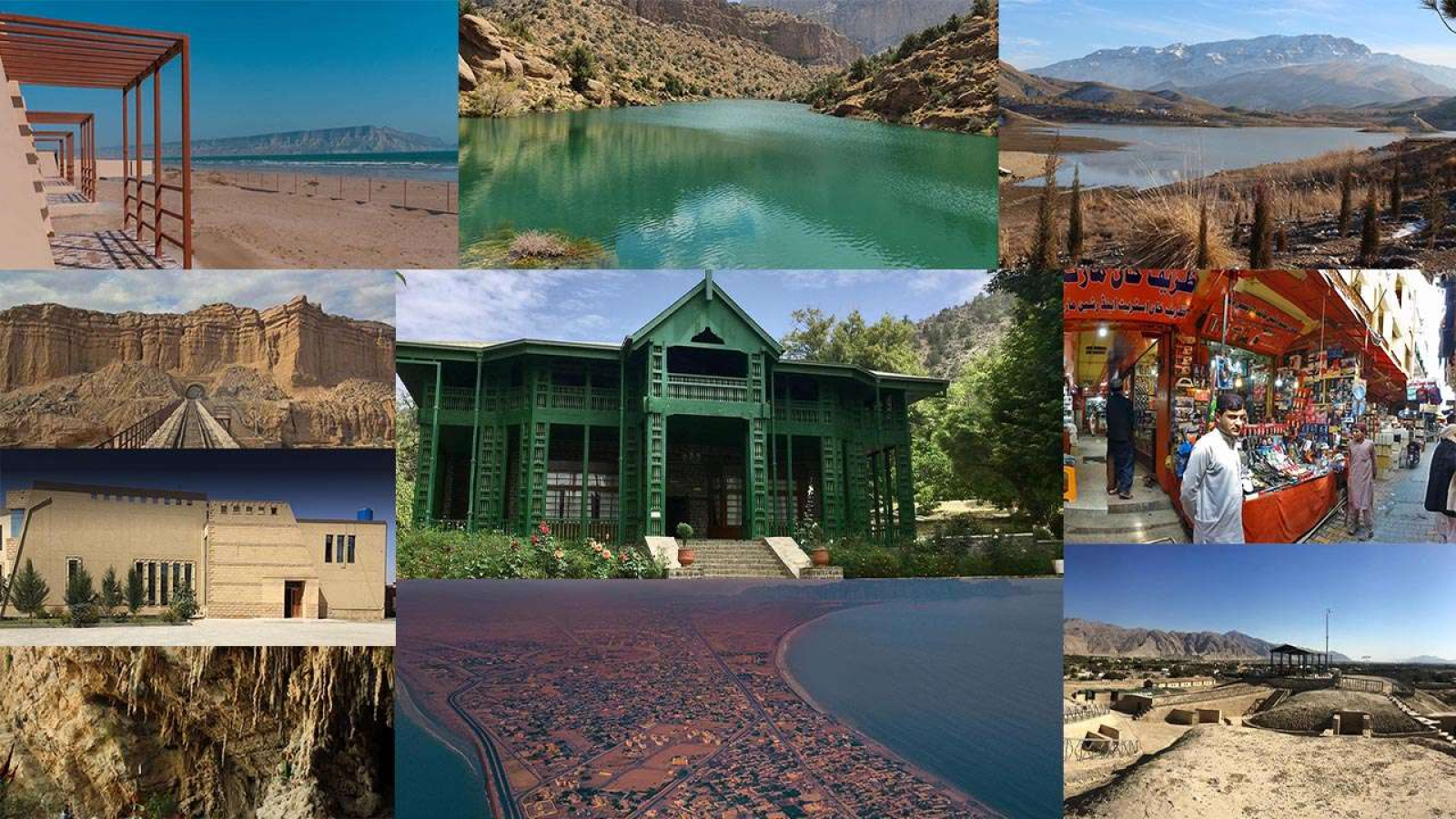
Pakistan tourism punjab tourism department tourism department punjab tourism travel pakistan for tourists pakistan tour tour pakistan pakistan tourists tourism website in pakistan

Hiran Minar Sheikhupura – History, Location & Visit

Hiran Minar – The Royal Mughal Monument of Sheikhupura

Hiran Minar is one of the most fascinating historical landmarks in Pakistan. Located in Sheikhupura, Punjab, Hiran Minar stands as a remarkable reminder of Mughal architecture, royal emotion, and historical grandeur. Known widely as Hiran Minar Sheikhupura, this iconic structure attracts historians, architecture enthusiasts, tourists, and families who want to explore the rich heritage of Hiran Minar Pakistan.

Unlike other Mughal monuments built purely for power and glory, Hiran Minar carries a unique story. It was constructed by Emperor Jahangir in memory of his beloved pet deer, Mansraj. This emotional connection makes Hiran Minar not only architecturally significant but also historically touching.

In this detailed guide, you will explore Hiran Minar history, Hiran Minar location, architecture, cultural importance, travel details, and why Hiran Minar Pakistan continues to remain one of the most visited heritage sites in Punjab.

Introduction to Hiran Minar

Hiran Minar is a Mughal-era complex built during the reign of Emperor Jahangir in the early 17th century. The monument consists of a tall tower (minar), a large water tank, and a pavilion located in the center of the reservoir. Together, these elements create the complete Hiran Minar complex.

Hiran Minar Sheikhupura is approximately 45 kilometers from Lahore, making it an easily accessible destination for travelers. Because of its unique design and historical background, Hiran Minar Pakistan stands apart from traditional Mughal forts and gardens.

Visitors exploring Hiran Minar often find themselves amazed by the simplicity and emotional depth behind its construction.

Hiran Minar Location and Accessibility

Hiran Minar location is in Sheikhupura district, Punjab province, Pakistan. It is situated near Sheikhupura Fort, which makes it convenient to explore both landmarks in a single visit.

Travelers can reach Hiran Minar Sheikhupura through:

  • Private vehicles via Lahore-Islamabad Motorway
  • Public transport from Lahore
  • Ride-hailing services

The accessibility of Hiran Minar Pakistan makes it a popular weekend getaway for families and tourists.

Because of its central Hiran Minar location, it remains a key attraction for visitors traveling across Punjab.

Hiran Minar History and Emotional Significance

The most captivating aspect of Hiran Minar history is its emotional origin. Emperor Jahangir was known for his love of nature and animals. Mansraj, his favorite deer, held a special place in his heart. After the deer’s death, Jahangir ordered the construction of Hiran Minar as a memorial.

The word “Hiran” means deer, and “Minar” means tower. Hence, Hiran Minar literally translates to “Deer Tower.”

The tower of Hiran Minar Sheikhupura marks the burial site of Mansraj. This makes Hiran Minar Pakistan one of the rare monuments in the world built in memory of an animal.

The Hiran Minar history reflects the humane side of Mughal rulers and showcases their connection with nature.

Architectural Design of Hiran Minar

Hiran Minar displays classic Mughal architectural style with a unique layout. The main components of Hiran Minar include:

  • A tall cylindrical tower
  • A large rectangular water tank
  • A baradari (pavilion) in the center of the tank
  • Causeways connecting the pavilion to the edges

The tower of Hiran Minar Sheikhupura stands approximately 30 meters high. It is decorated with carved panels and inscriptions that reflect Mughal artistry.

The surrounding water tank enhances the beauty of Hiran Minar Pakistan and adds a peaceful charm to the complex.

The Minar of Hiran Minar

The central feature of Hiran Minar is the tall tower built over the grave of Mansraj. The minar is constructed with brick masonry and finished with plaster.

Inside Hiran Minar tower, there is a spiral staircase that allows visitors to climb to the top. From above, tourists can enjoy panoramic views of the surrounding landscape.

The exterior walls of Hiran Minar Sheikhupura are adorned with decorative motifs that showcase Mughal craftsmanship.

The Water Tank and Pavilion

The massive water tank around Hiran Minar is another impressive feature. During the Mughal era, it was filled with water to create a serene environment.

In the center of this tank stands a beautiful pavilion connected through a narrow causeway. The pavilion of Hiran Minar Pakistan was likely used by the royal family as a relaxation spot.

The reflection of Hiran Minar in the water creates stunning visual scenes, making it a favorite spot for photography.

Cultural Importance of Hiran Minar Pakistan

Hiran Minar is more than just a historical monument; it represents Mughal aesthetics and cultural heritage. The story behind Hiran Minar history adds emotional depth to its architectural beauty.

Hiran Minar Sheikhupura serves as a reminder of the Mughal Empire’s artistic excellence and respect for nature.

Many school trips and educational tours include Hiran Minar Pakistan to help students learn about Mughal history.

Best Time to Visit Hiran Minar

The best time to visit Hiran Minar is during the winter and spring seasons. Pleasant weather enhances the experience of walking around the complex.

Springtime at Hiran Minar Sheikhupura offers green surroundings and comfortable temperatures, making it ideal for family outings.

Visitors planning a trip to Hiran Minar Pakistan should avoid extreme summer heat for a better experience.

Photography and Recreation at Hiran Minar

Hiran Minar is a popular destination for photographers. The combination of historical architecture and water reflections creates perfect frames.

Families often visit Hiran Minar Sheikhupura for picnics, as the open spaces and greenery provide a relaxing environment.

The scenic Hiran Minar location makes it ideal for casual strolls and nature appreciation.

Tourism Impact of Hiran Minar Sheikhupura

Hiran Minar plays a significant role in promoting tourism in Sheikhupura. It attracts visitors from Lahore and other cities.

Local vendors and small businesses benefit from the steady flow of tourists visiting Hiran Minar Pakistan.

As awareness about Hiran Minar history grows, more travelers are adding it to their heritage travel lists.

Preservation of Hiran Minar

Hiran Minar is protected by the Department of Archaeology. Restoration efforts aim to preserve its original Mughal architecture.

Maintenance of Hiran Minar Sheikhupura ensures that future generations can continue to appreciate its beauty.

Conservation of Hiran Minar Pakistan is crucial to protect its historical and cultural significance.

Nearby Attractions Around Hiran Minar Location

Visitors traveling to Hiran Minar location can explore nearby attractions such as:

  • Sheikhupura Fort
  • Jallo Park
  • Lahore city landmarks

Combining these destinations with Hiran Minar Sheikhupura creates a fulfilling travel experience.

Why Hiran Minar is Unique

Hiran Minar stands out because it was built in memory of a deer. This emotional foundation makes Hiran Minar different from other Mughal monuments.

The combination of architecture, water, and landscape makes Hiran Minar Pakistan visually appealing and historically meaningful.

Hiran Minar history showcases a softer side of Mughal royalty rarely seen in grand forts and palaces.

Travel Tips for Visiting Hiran Minar

If you plan to visit Hiran Minar, consider these tips:

  • Visit during cooler months
  • Carry water and sun protection
  • Respect historical structures
  • Avoid littering

These simple steps ensure that Hiran Minar Sheikhupura remains clean and welcoming for all visitors.

Conclusion – Discover Hiran Minar with Professional Travel Planning

Hiran Minar is a timeless Mughal monument that combines history, emotion, and architectural beauty. From its fascinating Hiran Minar history to its scenic Hiran Minar location, this landmark continues to captivate visitors.

Whether you are a history enthusiast, photographer, or family traveler, Hiran Minar Pakistan offers a memorable experience. The elegance of Hiran Minar Sheikhupura reflects the rich cultural heritage of the Mughal era.

If you want to explore Hiran Minar and other historical destinations in Pakistan with expert guidance, visit https://ptcptourism.com/ today. Let professional travel planners organize your heritage tour and help you experience the beauty of Hiran Minar in comfort and style.

Plan your visit now and discover the historical charm of Hiran Minar.

Pakistan tourism punjab tourism department tourism department punjab tourism travel pakistan for tourists pakistan tour tour pakistan pakistan tourists tourism website in pakistan

Quaid e Azam Mazar Karachi – History, Location & Visit

Quaid e Azam Mazar – A Complete Guide to Pakistan’s Most Iconic Monument

Quaid e Azam Mazar is one of the most significant national monuments of Pakistan and a powerful symbol of unity, independence, and national pride. Officially known as Mazar-e-Quaid, this majestic white marble mausoleum is the final resting place of Muhammad Ali Jinnah, the founder of Pakistan.

Located in the heart of Karachi, Quaid e Azam Mazar attracts millions of visitors every year, including students, tourists, historians, and foreign dignitaries. This detailed guide explores the history, architecture, cultural importance, and visitor experience of Mazar e Quaid Pakistan.


Historical Importance of Quaid e Azam Mazar

The historical value of Quaid e Azam Mazar is deeply rooted in the struggle for Pakistan’s independence. After the passing of Quaid-e-Azam Muhammad Ali Jinnah on September 11, 1948, the nation decided to construct a mausoleum that would reflect his stature and vision.

The construction of the Tomb of Quaid e Azam began later and was completed in 1971. Since then, the monument has become a central symbol of Pakistan’s ideological foundation and national identity.

Quaid e Azam Mazar is not just a burial site; it is a place where the story of Pakistan’s creation is remembered and honored.


Mazar e Quaid Location and Accessibility

Understanding the Mazar e Quaid location is important for visitors planning their trip. The mausoleum is situated in central Karachi and is easily accessible from all parts of the city.

Mazar e Quaid Karachi is connected through major roads and public transport routes. Visitors can reach the site by car, bus, or ride-hailing services without difficulty.

Due to its prominent Mazar e Quaid location, the monument is often included in city tours and educational trips.


Architectural Design of Mazar e Quaid Pakistan

The architecture of Quaid e Azam Mazar is a blend of modern and Islamic design principles. Designed by architect Yahya Merchant, the structure is built entirely of white marble, symbolizing purity, simplicity, and peace.

The mausoleum is square in shape, topped with a large dome that rises gracefully above the structure. Tall arched entrances allow natural light to enter the interior, creating a serene atmosphere.

At night, Quaid e Azam Mazar is beautifully illuminated, making it one of the most visually striking landmarks in Karachi.


Interior of the Tomb of Quaid e Azam

Inside the Tomb of Quaid e Azam, visitors experience a calm and respectful environment. The central chamber houses the marble sarcophagus of Quaid-e-Azam.

Surrounding the main tomb are the graves of other prominent leaders, including Fatima Jinnah, Liaquat Ali Khan, and other key figures of Pakistan’s early history.

The interior design of Mazar e Quaid Pakistan reflects simplicity, aligning with Quaid-e-Azam’s personal values and lifestyle.


Symbolism of Quaid e Azam Mazar

Every element of Quaid e Azam Mazar carries symbolic meaning. The white marble represents honesty and integrity, while the elevated platform signifies leadership and vision.

The open design allows light and air to flow freely, symbolizing transparency and openness. These architectural choices make Mazar quaid e azam more than a monument; it is a message carved in stone.


Cultural and National Significance

Mazar e Quaid Karachi is a focal point for national events and ceremonies. On important dates such as Pakistan Day and Independence Day, official wreath-laying ceremonies are held here.

Students from across the country visit Quaid e Azam Mazar as part of educational tours to learn about the country’s history and the life of its founder.

For many Pakistanis, visiting the Tomb of Quaid e Azam is an emotional and patriotic experience.


Gardens and Surroundings of Mazar e Quaid

The mausoleum is surrounded by beautifully maintained gardens that enhance its grandeur. Wide pathways, green lawns, and palm trees provide a peaceful environment for visitors.

These open spaces make Mazar e Quaid Pakistan an ideal place for reflection, photography, and learning.


Visiting Hours and Visitor Experience

Quaid e Azam Mazar is open to the public throughout the week. Security arrangements ensure a safe and respectful environment for all visitors.

Tourists are expected to follow decorum, dress modestly, and maintain silence inside the main chamber. Photography is allowed in designated areas.

Visiting Mazar quaid e azam offers a meaningful experience that connects visitors to the roots of Pakistan.


Educational Value of Mazar e Quaid

Mazar e Quaid Pakistan serves as an educational landmark. Information boards and guided tours help visitors understand Quaid-e-Azam’s political struggle and leadership.

Students gain firsthand exposure to Pakistan’s history by visiting the Tomb of Quaid e Azam, making it an important site for learning beyond textbooks.


Best Time to Visit Quaid e Azam Mazar

The best time to visit Quaid e Azam Mazar is during the cooler months from October to March. Early morning and evening visits are recommended during summer due to Karachi’s warm climate.

National holidays offer a unique atmosphere but may attract larger crowds.


Photography and Visual Appeal

Quaid e Azam Mazar is one of the most photographed landmarks in Pakistan. The contrast of white marble against blue skies creates stunning visuals.

Sunrise and nighttime lighting provide exceptional opportunities for photography enthusiasts.


Why Quaid e Azam Mazar Is a Must-Visit Place

Quaid e Azam Mazar stands as a reminder of Pakistan’s journey toward independence. It represents leadership, sacrifice, and unity.

Unlike ordinary monuments, Mazar e Quaid Pakistan connects visitors emotionally with the nation’s founding principles.

For locals and international tourists alike, the Tomb of Quaid e Azam is an essential destination.


Travel Tips for Visiting Mazar e Quaid Karachi

Visit during non-peak hours for a peaceful experience.
Follow security and visitor guidelines strictly.
Dress respectfully to honor the site’s significance.
Combine your visit with nearby Karachi attractions.
Take time to reflect and learn during your visit.


Conclusion – Plan Your Visit to Quaid e Azam Mazar

Quaid e Azam Mazar is not just a historical monument; it is the heart of Pakistan’s national identity. From understanding the deep history of the Tomb of Quaid e Azam to experiencing the serene atmosphere of Mazar e Quaid Karachi, every visit leaves a lasting impression.

If you want a professionally planned heritage tour covering Mazar e Quaid Pakistan and other iconic destinations, rely on trusted travel experts. Visit https://ptcptourism.com/ to explore customized tour packages, guided visits, and complete travel solutions across Pakistan.

Plan your journey today and experience the legacy of Quaid-e-Azam at one of the most meaningful landmarks in the country.