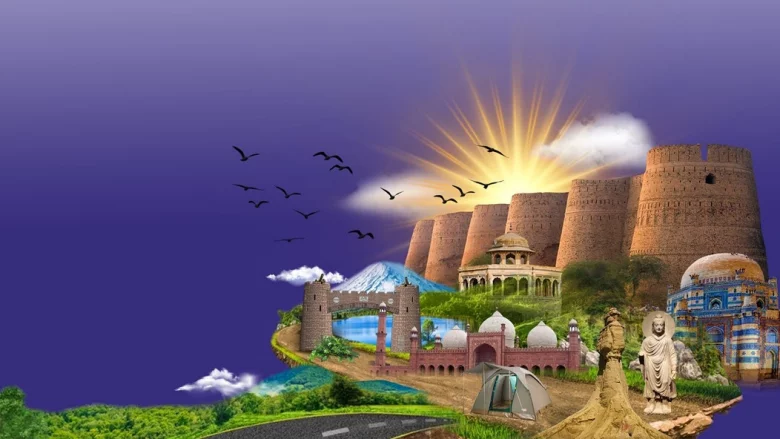
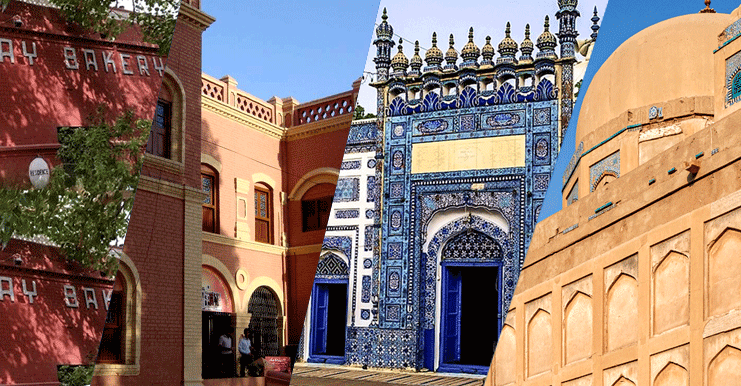
History of Hyderabad Sindh, Hyderabad old city, Hyderabad fort, Hyderabad Kalhora dynasty

Hyderabad – The City of Winds and Traditions

Hyderabad

The City of Winds and Traditions

Introduction – Hyderabad: A Blend of Heritage and Modernity

Hyderabad (حیدرآباد), the second-largest city of Sindh and the eighth-largest city in Pakistan, is a place where history meets modern life. Known as the “City of Winds” due to its strong summer breeze, Hyderabad is a major cultural, historical, and economic center.

From ancient Sindhi heritage to modern industries, universities, and bazaars, Hyderabad offers a unique identity in Pakistan’s urban landscape.

At pakistanptpc, we focus on highlighting Hyderabad as a city that bridges tradition and progress, making it an essential part of Pakistan’s cultural and economic development.

History of Hyderabad – From Kalhoras to Mughals and British

Hyderabad’s history dates back centuries, shaped by rulers, dynasties, and cultures.

  1. Kalhora Dynasty (1768): Founded by Mian Ghulam Shah Kalhoro, who built Pakka Qila (Fort of Hyderabad).
  2. Talpur Rule: The city became a stronghold of the Talpur Mirs.
  3. British Rule (1843): After the Battle of Miani, Hyderabad came under British control and developed as a trading hub.
  4. Post-Independence: Hyderabad became the second-most important city in Sindh after Karachi, playing a vital role in trade, textiles, and culture.
History of Hyderabad Sindh, Hyderabad old city, Hyderabad fort, Hyderabad Kalhora dynasty
PTPCTourism PTPC Tourism PakistanPTPC Pakistan PTPC Pakistan Tourism Promotion Council Pakistan Tourism

Hyderabad as a Cultural Hub of Sindh

Hyderabad is widely regarded as a cultural capital of Sindh after Karachi.

  1. Language: Sindhi is the main language, along with Urdu, Punjabi, and Balochi.
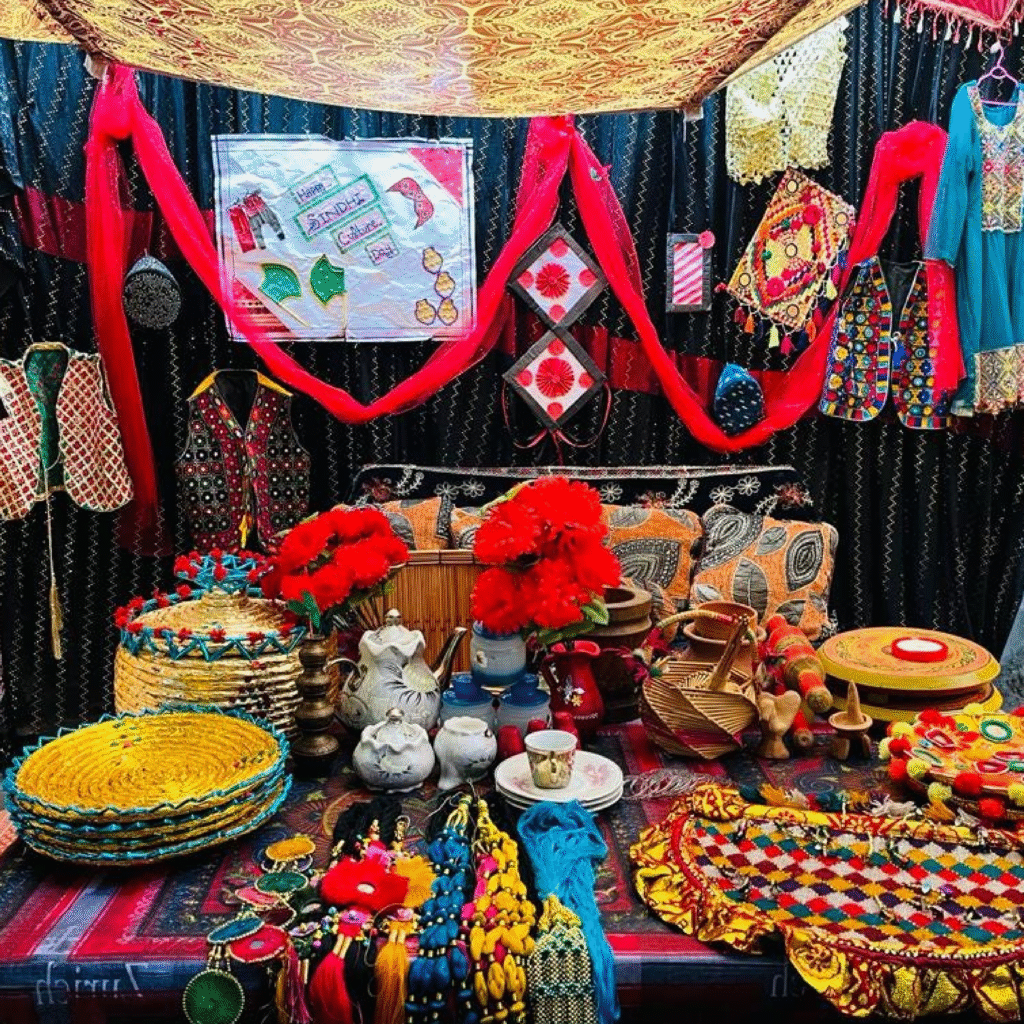
  2. Crafts: Famous for Sindhi Ajrak, bangles, glasswork, and handicrafts.
  3. Music: Rich in Sindhi folk songs and Sufi poetry.
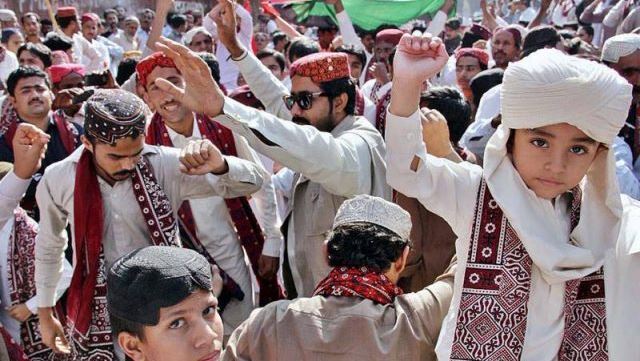
  4. Festivals: Urs of Lal Shahbaz Qalandar in nearby Sehwan Sharif attracts thousands.

At pakistanptpc, we showcase how Hyderabad preserves Sindhi traditions and crafts while embracing modern lifestyles.

  •  

Economy and Industry of Hyderabad

Hyderabad is one of the largest industrial cities in Sindh.

  1. Glass Bangles Industry: Hyderabad is famous worldwide for its glass bangles (choorian).
  2. Textiles: A major textile hub after Karachi and Faisalabad.
  3. Agro-Industry: Produces sugar, cotton, and flour.
  4. Small-scale industries: Handicrafts, Ajrak, and embroidery.
  5. Trade: Acts as a bridge between Karachi and the interior of Sindh.

At pakistanptpc, we highlight Hyderabad’s industrial potential as a trade and production hub.

Famous Landmarks and Tourist Attractions in Hyderabad

Hyderabad is home to historic monuments, forts, and cultural sites.

1. Pakka Qila (Strong Fort)

  • Built by Mian Ghulam Shah Kalhoro.

  • A symbol of Hyderabad’s ancient history.

2. Qadamgah Maula Ali

  • Religious and spiritual landmark visited by thousands.

3. Sindh Museum

  • Preserves Sindh’s cultural and archaeological heritage.

4. Rani Bagh

  • A zoo and garden, popular for family outings.

5. Hiran Minar

  • Historic structure connected with the Kalhora dynasty.

6. Shrines and Mosques

  • Important centers of Sufi spirituality and architecture.

Food of Hyderabad – A Taste of Sindh

Hyderabad is famous for its rich cuisine and Sindhi flavors.

Famous Foods of Hyderabad:

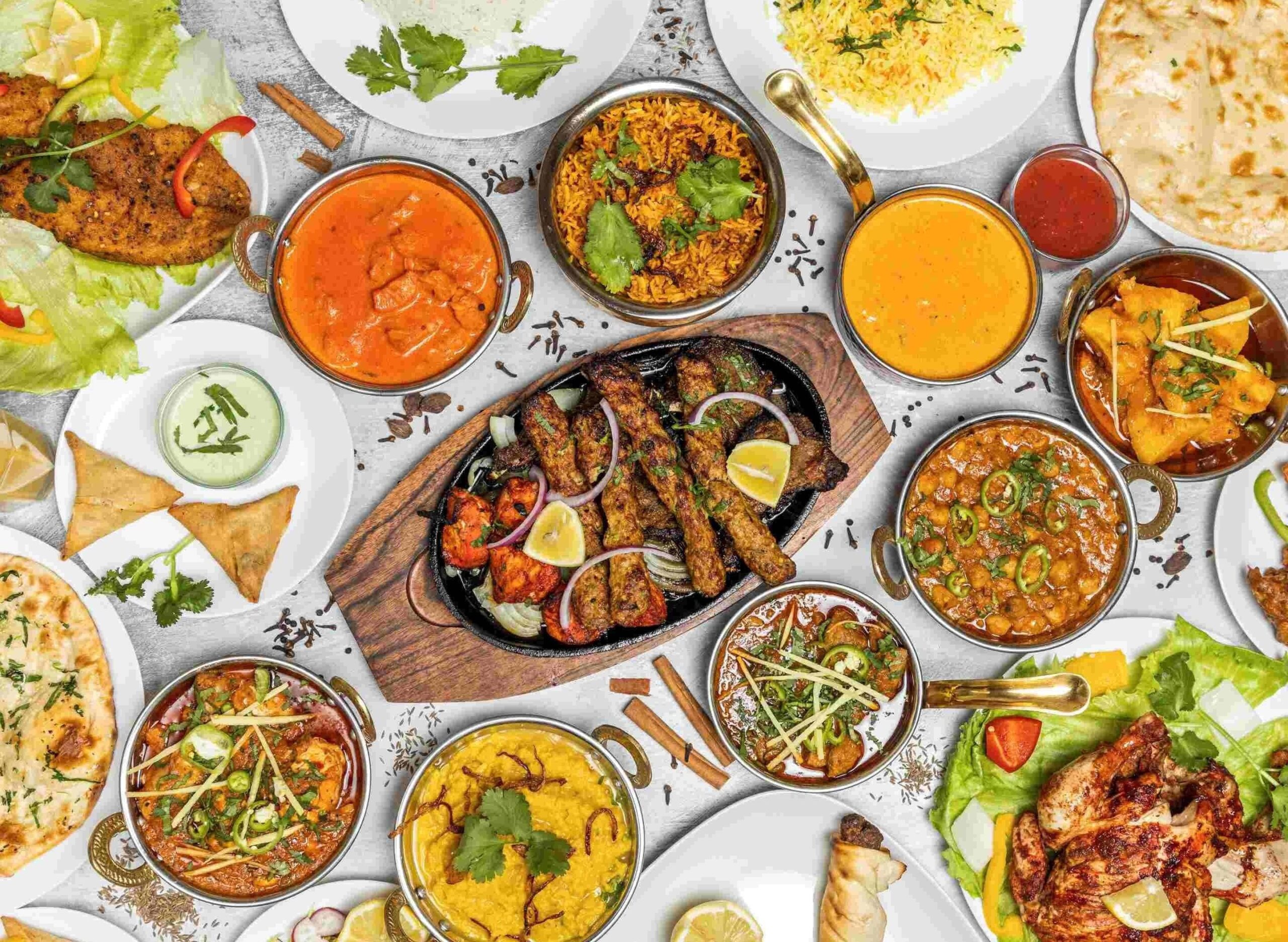
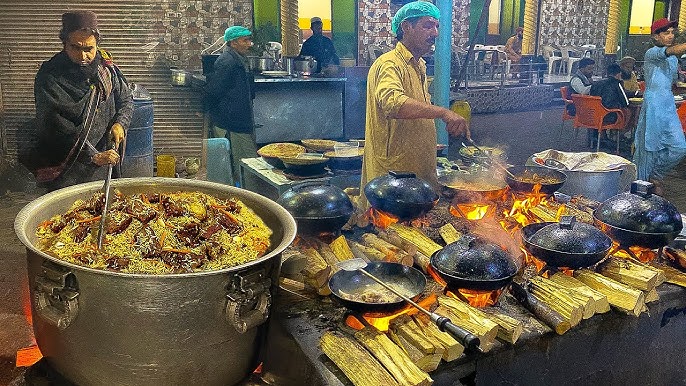
  1. Sindhi Biryani – spicy, aromatic, and globally popular.
  2. Palla Fish – a traditional delicacy from the Indus River.
  3. Kachri ki Chutney – a tangy side dish.
  4. Rabri, Falooda, and Sweets – Hyderabad is known for its desserts.
  5. Street Food: Gol Gappay, Dahi Bhallay, and Samosas are everyday favorites.

Food streets around AutoBahn Road and Saddar are famous for local and international cuisine.
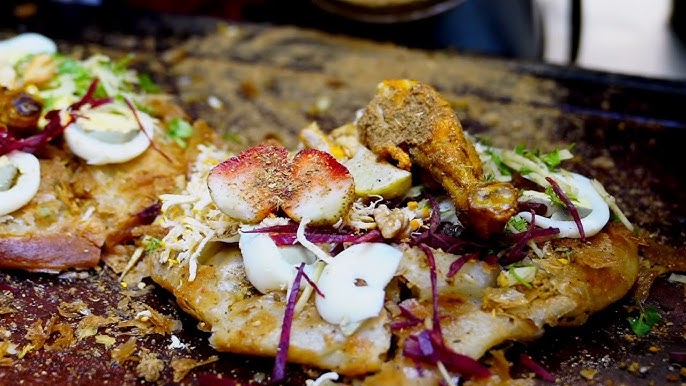
Hyderabad food, Sindhi biryani Hyderabad, Hyderabad street food, Hyderabad sweets

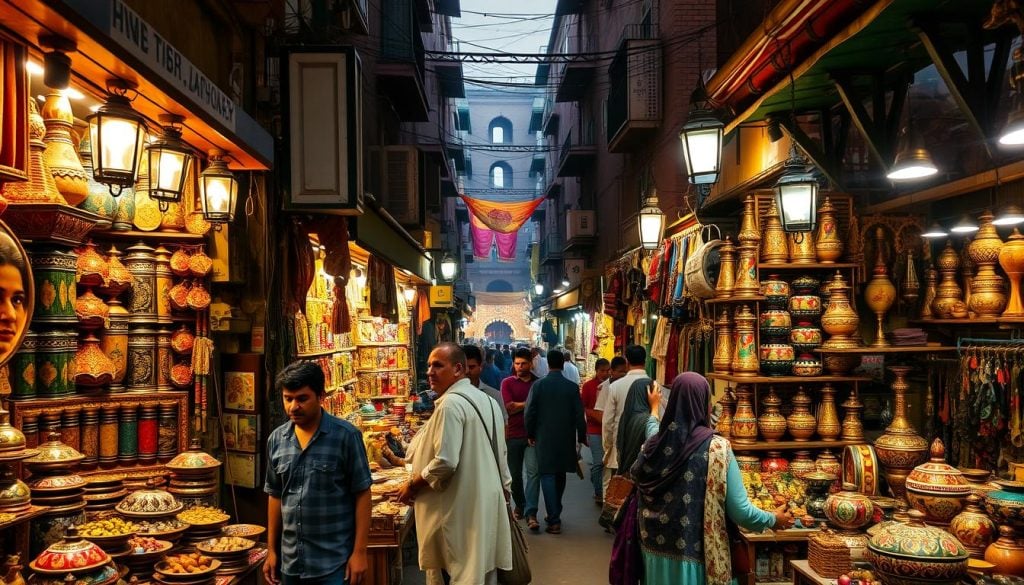
Hyderabad Bazaars and Shopping

Hyderabad is well-known for its bustling markets and traditional shopping.

  1. Shahi Bazaar: One of the oldest bazaars, famous for Ajrak, Sindhi caps, and bangles.
  2. Resham Bazaar: Known for silk, fabrics, and embroidery.
  3. AutoBahn Road: A modern commercial hub with restaurants and shopping.
  4. Glass Bangles Markets: Unique specialty of Hyderabad.

Economy and Industry of Hyderabad

Hyderabad is one of the largest industrial cities in Sindh.

  1. Glass Bangles Industry: Hyderabad is famous worldwide for its glass bangles (choorian).
  2. Textiles: A major textile hub after Karachi and Faisalabad.
  3. Agro-Industry: Produces sugar, cotton, and flour.
  4. Small-scale industries: Handicrafts, Ajrak, and embroidery.
  5. Trade: Acts as a bridge between Karachi and the interior of Sindh.

At pakistanptpc, we highlight Hyderabad’s industrial potential as a trade and production hub.
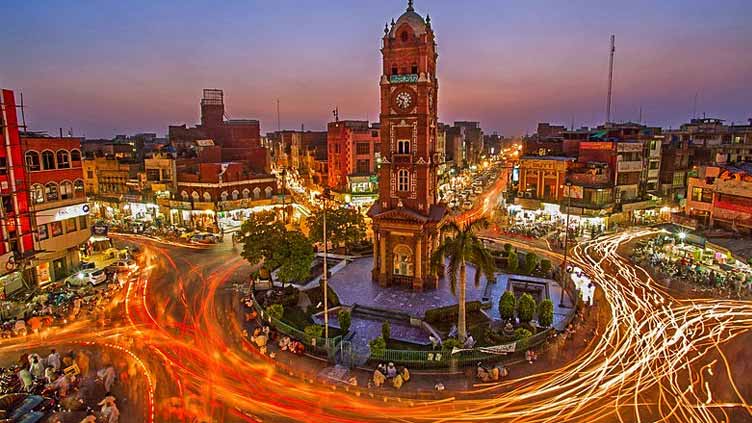
History of Faisalabad, Lyallpur history, Faisalabad old name, Faisalabad British history, Faisalabad Ghanta Ghar

Faisalabad – The Manchester of Pakistan

Faisalabad

The Manchester of Pakistan

Introduction – Faisalabad: A City of Progress and Heritage

Faisalabad, the third-largest city of Pakistan, is widely recognized as the Manchester of Pakistan due to its booming textile industry. Located in the fertile plains of Punjab, Faisalabad has transformed into one of the country’s leading industrial, educational, and cultural hubs.

This dynamic city is not only a powerhouse of economic growth but also home to vibrant bazaars, delicious food, historic landmarks, and a hardworking community.

At pakistanptpc, we highlight the significance of Faisalabad in shaping Pakistan’s economy, culture, and tourism potential.

History of Faisalabad – From Lyallpur to Industrial Capital

The history of Faisalabad is deeply tied to the colonial era and Pakistan’s post-independence development.

  1. British Era (1880s): Founded in 1880 by the British as Lyallpur, named after Sir James Lyall.
  2. Planned City: Designed with a unique clock tower (Ghanta Ghar) at the center, surrounded by eight bazaars shaped like the Union Jack.
  3. Agriculture: Initially, it was established as an agricultural town to boost canal colonization.
  4. Post-Independence: After 1947, Faisalabad grew rapidly, becoming the center of Pakistan’s textile industry.
  5. Renamed Faisalabad (1979): In honor of King Faisal of Saudi Arabia.
History of Faisalabad, Lyallpur history, Faisalabad old name, Faisalabad British history, Faisalabad Ghanta Ghar
Faisalabad culture, Faisalabad festivals, Faisalabad Punjabi traditions, Faisalabad arts

Culture of Faisalabad – A Blend of Tradition and Modernity

Faisalabad’s culture is deeply tied to Punjabi traditions while embracing modern lifestyles.

  1. Language: Punjabi is the most spoken language, followed by Urdu and English.
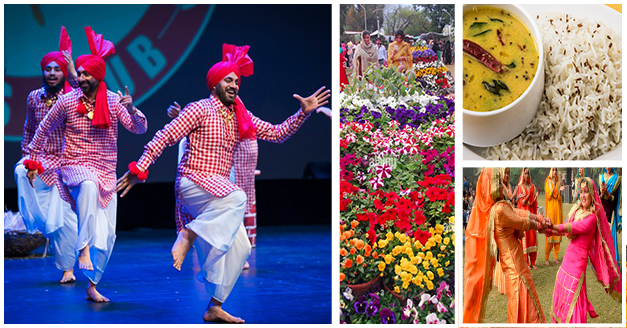
  2. Festivals: Eid, Basant (kite festival), and Urs celebrations at Sufi shrines.
  3. Hospitality: The people are hardworking, simple, and warm-hearted.
  4. Music & Arts: Punjabi folk songs and truck art are part of local identity.

At pakistanptpc, we showcase Faisalabad’s culture as a true reflection of Punjab’s diversity.

Faisalabad as the Manchester of Pakistan

Faisalabad earned its title “Manchester of Pakistan” due to its textile industry.

  1. Home to Pakistan’s largest textile mills and factories.
  2. Produces cotton, yarn, garments, and other exports.
  3. Employs millions of workers, making it the backbone of Pakistan’s economy.
  4. Export destinations include Europe, the Middle East, and North America.

At pakistanptpc, we emphasize how Faisalabad contributes significantly to Pakistan’s GDP and international trade.

Tourist Attractions in Faisalabad

Although Faisalabad is known for its industry, it also offers historical landmarks and cultural sites.

1. Ghanta Ghar (Clock Tower)

  • Built in 1905 by the British, surrounded by eight bazaars.

  • Symbol of Faisalabad’s history.

2. Eight Bazaars (Faisalabad Bazaars)

  • Each bazaar specializes in different products.

  • Famous for textiles, spices, shoes, and handicrafts.

3. Lyallpur Museum

  • Preserves Faisalabad’s history and heritage.

4. Jinnah Garden

  • A recreational park in the heart of the city.

5. D Ground

  • Popular shopping and food area.

6. University of Agriculture Faisalabad (UAF)

  • One of the most prestigious agricultural universities in Asia.

Food of Faisalabad – A Culinary Paradise

Faisalabad is also known for its mouth-watering food.

Famous Foods of Faisalabad:

  • Faisalabadi Biryani – spicy and rich in flavor.

  • Siri Paye – traditional Punjabi breakfast.

  • Channay Cholay – a must-try street food.

  • Rabri and Doodh Jalebi – sweet specialties.

  • Gol Gappay and Samosas – loved street snacks.

Food streets in Faisalabad, especially around D Ground and Ghanta Ghar, attract food lovers daily.

  •  

Faisalabad food, Faisalabadi cuisine, Faisalabad street food, Faisalabad traditional dishes

Faisalabad Bazaars and Shopping

Faisalabad is famous for its traditional bazaars as well as modern shopping malls.

  • Eight Bazaars: Each bazaar specializes in items like spices, gold, textiles, and handicrafts.

  • D Ground Market: Known for fashion boutiques.

  • Sitara Mall & ChenOne Mall: Modern shopping centers.

  • Textile Shopping: Fabrics from Faisalabad are popular across Pakistan.

Faisalabad Industry and Economy

Faisalabad is Pakistan’s industrial backbone.

  • Textile Industry: Largest textile hub in Pakistan.

  • Agriculture: Produces cotton, wheat, sugarcane.

  • Exports: Fabrics, garments, chemicals, and yarn.

  • Industrial Estates: Modern zones for factories and trade.

At pakistanptpc, we focus on Faisalabad as a global industrial city with opportunities for investors.

history of Multan, Multan ancient city, Multan Mughal era, Multan Sufi history

Multan – The City of Saints and Mangoes

Multan

The City of Saints and Mangoes

Introduction – Multan: A City of Spirituality and Heritage

Multan, located in the heart of Punjab, Pakistan, is one of the oldest living cities in South Asia. Known as the “City of Saints”, Multan is famous for its Sufi shrines, mango orchards, handicrafts, and rich culture.

With a history spanning over 5,000 years, Multan has witnessed the rise and fall of many empires including the Greeks, Arabs, Mughals, and British. Today, Multan stands as a vibrant hub of religion, trade, and tourism.

At pakistanptpc, we highlight Multan’s spiritual significance, cultural treasures, and economic role, making it one of the most important cities in Pakistan.

History of Multan – A Journey Through Civilizations

Multan’s history is both fascinating and complex. It is believed to have existed since the Indus Valley Civilization and has been mentioned in ancient texts and legends.

  1. Ancient Era: Known as Mulasthana, a center of Hindu sun worship.
  2. Arab Invasion (712 AD): Muhammad bin Qasim conquered Multan and introduced Islam to the region.
  3. Sufi Influence: Saints like Bahauddin Zakariya and Shah Rukn-e-Alam made Multan a center of Islamic spirituality.
  4. Mughal & Sikh Rule: The city flourished under Mughal architecture and later came under Sikh dominance.
  5. British Period: Multan became an important garrison town for the British.
history of Multan, Multan ancient city, Multan Mughal era, Multan Sufi history
Multan culture, City of Saints, Multan handicrafts, Multan blue pottery, Multan Urs festival

Culture of Multan – The Spirit of Sufism

Multan’s culture is deeply rooted in Sufism and spirituality. It is often called the City of Saints because of the large number of shrines that exist here.

  1. Language: Saraiki is the native tongue, alongside Punjabi and Urdu.
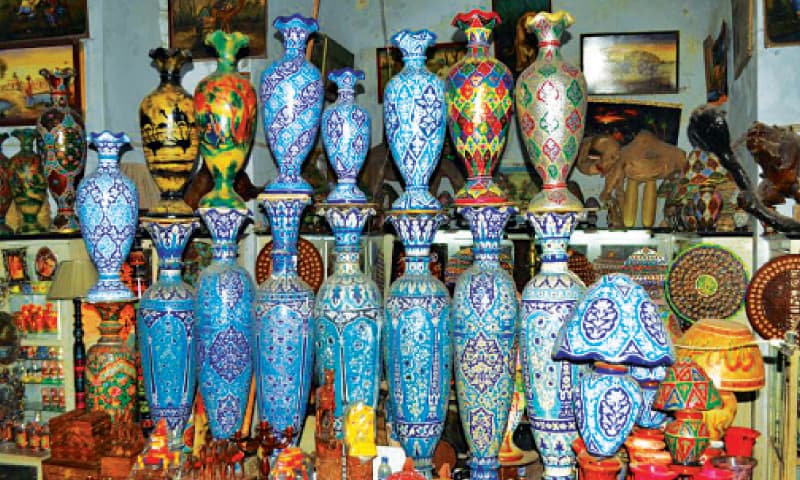
  2. Art and Handicrafts: Multan is famous for blue pottery, camel-skin lamps, handwoven carpets, and Ajrak.
  3. Festivals: Annual Urs celebrations of saints bring together thousands of devotees.
  4. Hospitality: The people of Multan are known for their warmth and respect.

At pakistanptpc, we emphasize Multan’s culture as a blend of spirituality, art, and tradition.

Tourist Attractions in Multan

Multan is a treasure trove of history, spirituality, and culture.

1. Shrine of Bahauddin Zakariya

  • A magnificent Sufi shrine attracting thousands of devotees.

2. Shrine of Shah Rukn-e-Alam

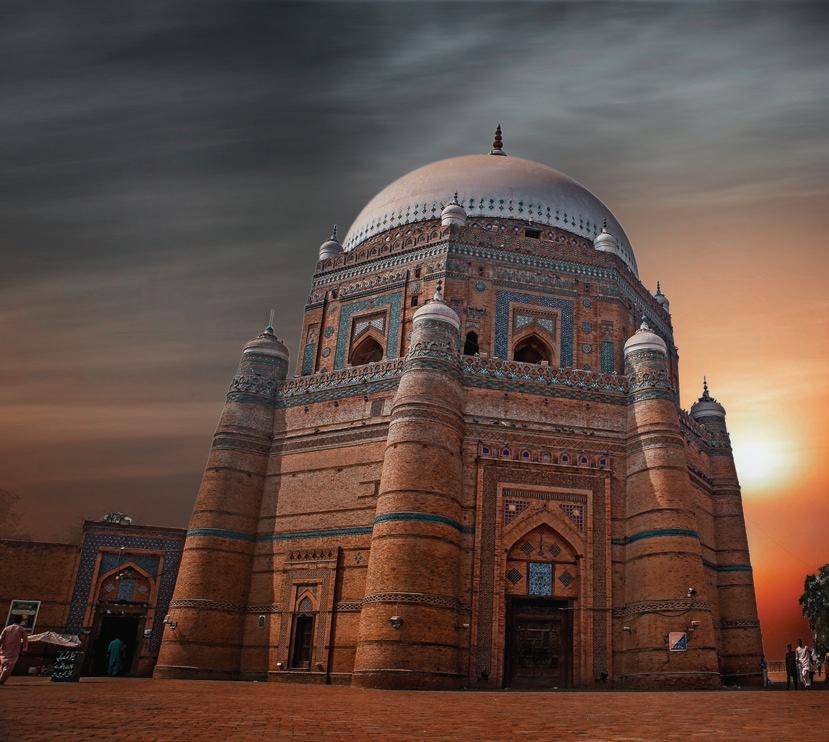
  • An architectural masterpiece of the Tughlaq era, built with blue glazed tiles.

3. Multan Fort (Qila Kohna Qasim Bagh)

  • Once a stronghold of rulers, it now offers a panoramic view of the city.

4. Clock Tower (Ghanta Ghar)

  • A historic landmark built during British rule.

5. Hussain Agahi Bazaar

  • A bustling marketplace for handicrafts, embroidery, and local products.

6. Multan Museum

  • Preserves the city’s history with artifacts, coins, and manuscripts.

Multan’s Famous Food and Cuisine

Multan’s food culture is rich and diverse. From traditional Punjabi dishes to Saraiki specialties, food lovers find endless options here.

Must-Try Dishes in Multan:

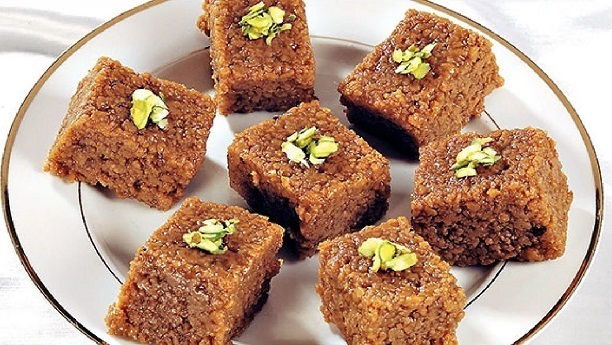
  1. Multani Sohan Halwa – a world-famous sweet delicacy.
  2. Saraiki Sajji – slow-cooked meat with aromatic spices.
  3. Multani Mangoes – considered among the best in the world.
  4. Kabli Pulao – a rice dish with raisins, carrots, and mutton.
  5. Street Food: Gol gappay, dahi bhallay, and spicy chaats.

Tea stalls and food streets in Multan are popular gathering spots for locals and visitors.

PTPCTourism PTPC Tourism PakistanPTPC Pakistan PTPC Pakistan Tourism Promotion Council Pakistan Tourism

Multan Bazaars and Handicrafts

Multan is known for its colorful bazaars and handmade crafts.

  • Hussain Agahi Bazaar: Famous for traditional items.

  • Chowk Bazaar: Known for blue pottery and embroidery.

  • Shah Rukn-e-Alam Market: Famous for handicrafts and camel-skin lamps.

Handicrafts of Multan:

  • Blue Pottery – glazed ceramic art.

  • Camel Skin Lamps – beautifully handcrafted.

  • Ajrak & Embroidery – traditional designs.

  • Multani Carpets – handwoven and durable.

Multan – The Mango Capital of Pakistan

Multan is internationally famous for its mango orchards.

  • Popular Varieties: Chaunsa, Anwar Ratol, Dussehri, Langra, and White Chaunsa.

  • Exports: Multani mangoes are exported worldwide.

  • Seasonal Festivals: Mango festivals attract traders and tourists.

At pakistanptpc, we promote Multan’s mango industry as one of Pakistan’s biggest agricultural exports.

Quetta – The Fruit Garden of Pakistan

Quetta

The Fruit Garden of Pakistan

Introduction – Quetta: A City of Mountains and Fruits

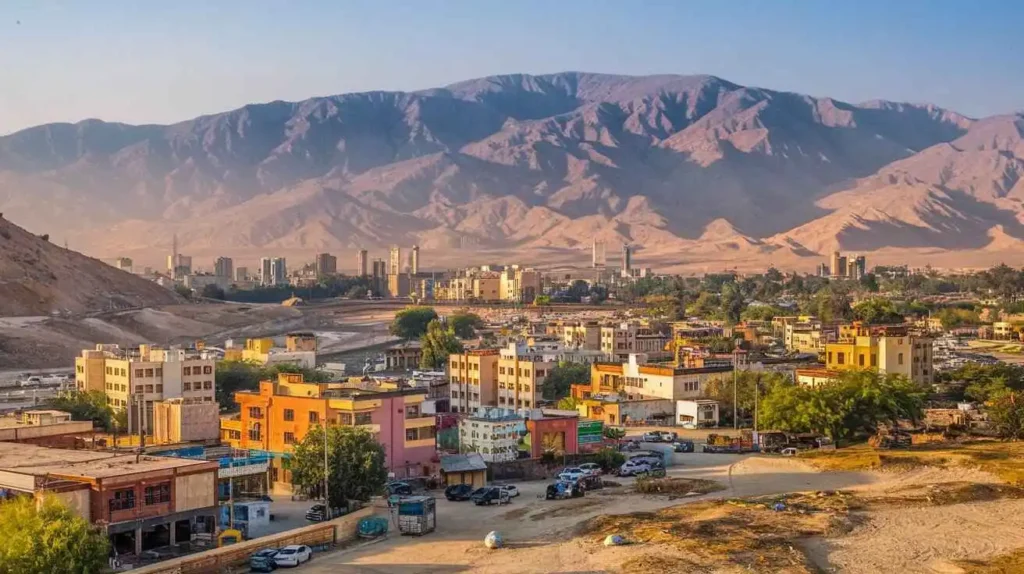
Nestled in the valleys of Balochistan, Quetta is known as the Fruit Garden of Pakistan because of its abundance of orchards, fresh produce, and natural beauty. Surrounded by majestic mountains like Chiltan, Takatu, and Murdar Hills, Quetta is a blend of cultural diversity, history, and breathtaking landscapes.

As the capital of Balochistan province, Quetta plays a vital role in Pakistan’s trade, tourism, and culture. At pakistanptpc, we highlight Quetta’s unmatched beauty, rich heritage, and economic importance to inspire travelers and researchers alike.

History of Quetta – A City of Strategic Importance

The history of Quetta goes back to ancient times when it served as a gateway for traders and armies moving between Central Asia, Iran, and South Asia.

  1. Ancient Roots: Believed to have been a part of the Persian Empire.
  2. Mughal Era: The city was used as a garrison.
  3. British Period: In 1876, Quetta became a key British military station due to its strategic location.
  4. Earthquake of 1935: A devastating event that reshaped the city.

Today, Quetta is a modern trade and cultural center with strong historical roots.

PTPCTourism PTPC Tourism PakistanPTPC Pakistan PTPC Pakistan Tourism Promotion Council Pakistan Tourism

Geography and Climate of Quetta

Quetta is surrounded by mountain ranges and sits at an altitude of 1,680 meters (5,510 feet), making it one of the highest major cities in Pakistan.

  1. Climate: Quetta experiences cold winters with snow and pleasant summers.
  2. Mountains: Takatu, Chiltan, and Zarghoon provide scenic beauty.
  3. Natural Resources: Rich in minerals, orchards, and fresh water springs.

The climate makes Quetta an excellent hub for fruit orchards and agriculture.

Tourist Attractions in Quetta

Quetta is home to several natural and cultural attractions that make it a perfect tourist destination.

1. Hanna Lake

  • A picturesque lake surrounded by mountains, ideal for boating and picnics.

2. Hazar Ganji Chiltan National Park

  • Known for rare wildlife including the Markhor (national animal of Pakistan).

3. Quaid-e-Azam Residency (Ziarat)

  • A historic building where the founder of Pakistan spent his last days.

4. Hanna Urak Valley

  • Famous for waterfalls and orchards.

5. Spin Karez Water System

  • An ancient underground irrigation system.

Culture of Quetta – A Blend of Traditions

Quetta is home to multiple ethnic groups, including Baloch, Pashtun, Hazara, and Brahui communities. This diversity has shaped a rich culture filled with music, art, crafts, and traditions.

  • Languages Spoken: Pashto, Balochi, Urdu, and Persian.

  • Festivals: Eid celebrations, Sibi Mela, and local cultural festivals.

  • Dress: Traditional shalwar kameez with turbans and embroidered shawls.

  • Hospitality: Locals are known for their warmth and generosity.

At pakistanptpc, we emphasize Quetta’s culture as a symbol of unity in diversity.

Quetta’s Famous Food and Cuisine

Quetta is also famous for its mouthwatering food.

Must-Try Dishes in Quetta:

  • Rosh (Mutton Stew) – a traditional Pashtun dish.

  • Landhi (Sun-Dried Meat) – a winter specialty.

  • Sajji – roasted lamb or chicken filled with rice.

  • Kabli Pulao – rice with raisins, carrots, and meat.

  • Dry Fruits and Nuts – pistachios, almonds, and walnuts.

The Quetta tea stalls (chai khanas) are also popular, offering hot tea in a cozy cultural setting.

Quetta’s Famous Food and Cuisine

Quetta Bazaars and Handicrafts

The markets of Quetta are lively and colorful, offering traditional products.

  1. Liaquat Bazaar: Famous for handicrafts, carpets, and embroidery.
  2. Kandhari Bazaar: Known for dry fruits, spices, and Afghan goods.
  3. Meezan Chowk: A hub for cultural items and traditional food.
  4. Handicrafts: Embroidered dresses, Balochi rugs, and jewelry.

Quetta – The Fruit Garden of Pakistan

One of the main reasons Quetta is famous is because of its orchards and fruits.

  • Apples, Grapes, Pomegranates, Peaches, and Apricots are widely grown.

  • Dry Fruits: Almonds, pistachios, and walnuts are exported globally.

  • Seasonal Harvests: The orchards give Quetta a unique identity.

At pakistanptpc, we promote Quetta’s agricultural products and their role in Pakistan’s economy.

Peshawar – The Ancient Gateway of Pakistan

Peshawar

The Ancient Gateway of Pakistan

Introduction – Peshawar: The City of Flowers

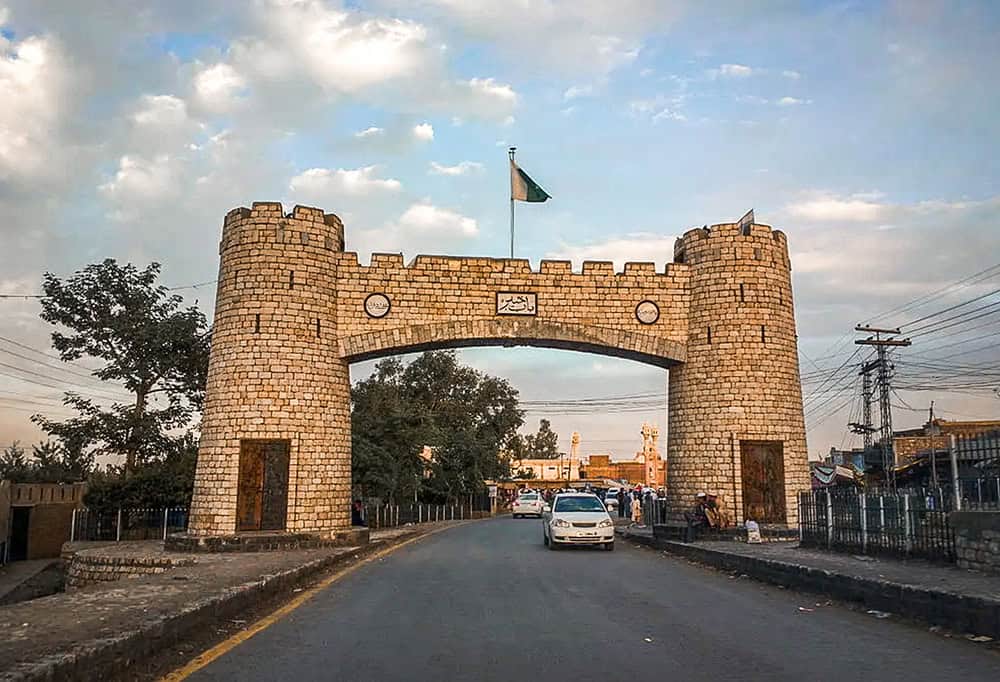
Peshawar, the capital of Khyber Pakhtunkhwa (KPK) province, is among the oldest living cities in South Asia. Known as the “City of Flowers”, it is a blend of ancient traditions, Islamic culture, and modern life.

Located near the historic Khyber Pass, Peshawar has served for centuries as the gateway between Central Asia and South Asia. From traders of the Silk Road to modern-day business travelers, the city continues to hold strategic, cultural, and economic importance.

History of Peshawar – A City of Civilizations

Peshawar’s history dates back over 2,000 years. It has witnessed the rule of Kushan, Greek, Mauryan, Mughal, and Durrani empires.

  • Ancient Gandhara Civilization: Peshawar was once the heart of Buddhist learning. The famous Kanishka Stupa was one of the tallest structures in the ancient world.

  • Islamic Influence: With the arrival of Muslims, Peshawar became a center of Islamic learning, trade, and governance.

  • Mughal & Afghan Era: The city flourished as a hub of art, architecture, and craftsmanship.

  • British Rule: Peshawar gained importance as a frontier city during colonial times.

Today, Peshawar stands as a living museum of history, where old bazaars and modern markets co-exist.

PTPCTourism PTPC Tourism PakistanPTPC Pakistan PTPC Pakistan Tourism Promotion Council Pakistan Tourism

Peshawar – The Cultural Capital of KPK

Peshawar is considered the cultural heart of KPK. Its people are famous for their hospitality, bravery, and traditions.

  1. Language: Pashto is the dominant language, while Urdu and English are widely spoken.
  2. Dress: Traditional Shalwar Kameez with Peshawari Chappal is a symbol of the city’s identity.
  3. Music & Poetry: Pashto music and the poetry of Khushal Khan Khattak and Rehman Baba represent Peshawar’s cultural soul.

Peshawar Landmarks and Attractions

1. Qissa Khwani Bazaar (Market of Storytellers)

Once famous for storytellers from around the world, today it is a bustling market for spices, dry fruits, and handicrafts.

2. Bala Hisar Fort

Built by the Mughals and renovated by the Sikhs, it serves as a symbol of Peshawar’s strategic importance.

3. Mahabat Khan Mosque

A beautiful 17th-century Mughal mosque known for its white marble, domes, and floral designs.

4. Peshawar Museum

Houses one of the largest collections of Gandhara art and Buddhist relics.

5. Sethi House

A masterpiece of traditional Haveli architecture in the old city.

Peshawar’s Food – A Paradise for Food Lovers

Peshawar is famous for its mouthwatering Pashtun cuisine.

Must-Try Dishes:

  1. Charsi Tikka (Namak Mandi): Legendary BBQ with simple salt seasoning.
  2. Kabuli Pulao: Rice dish cooked with meat, carrots, and raisins.
  3. Chapli Kebab: A crispy and juicy minced meat patty.
  4. Peshawari Karahi: Cooked in tomatoes and traditional spices.
  5. Dry Fruits & Green Tea (Qehwa): A specialty of Peshawar winters.

Famous Food Spots:

  1. Namak Mandi Food Street
  2. Khyber Bazaar eateries
  3. Traditional dhabas serving tea and kebabs
PTPCTourism PTPC Tourism PakistanPTPC Pakistan PTPC Pakistan Tourism Promotion Council Pakistan Tourism

Peshawar – Gateway to the Khyber Pass

Peshawar is located near the Khyber Pass, a historic trade route connecting Pakistan and Afghanistan.

  1. Historically used by Silk Road traders, warriors, and travelers.
  2. Today, it remains a strategic trade route for Pakistan’s economy.
  3. Tourists visit to experience its rugged mountains and historic forts.

Lifestyle in Peshawar

Life in Peshawar is a blend of tradition and modernity.

  1. Shopping: Qissa Khwani Bazaar, Saddar Market, and modern malls like Hyperstar.
  2. Education: The city is home to University of Peshawar, Islamia College, Khyber Medical College.
  3. Sports: Peshawar Zalmi (PSL team) represents the city’s cricket passion.
  4. Arts & Handicrafts: Carpets, embroidery, pottery, and gemstone jewelry.

Karachi – The City of Lights and the Heart of Pakistan

Karachi

The City of Lights and the Heart of Pakistan

Introduction – Karachi: Pakistan’s Gateway to the World

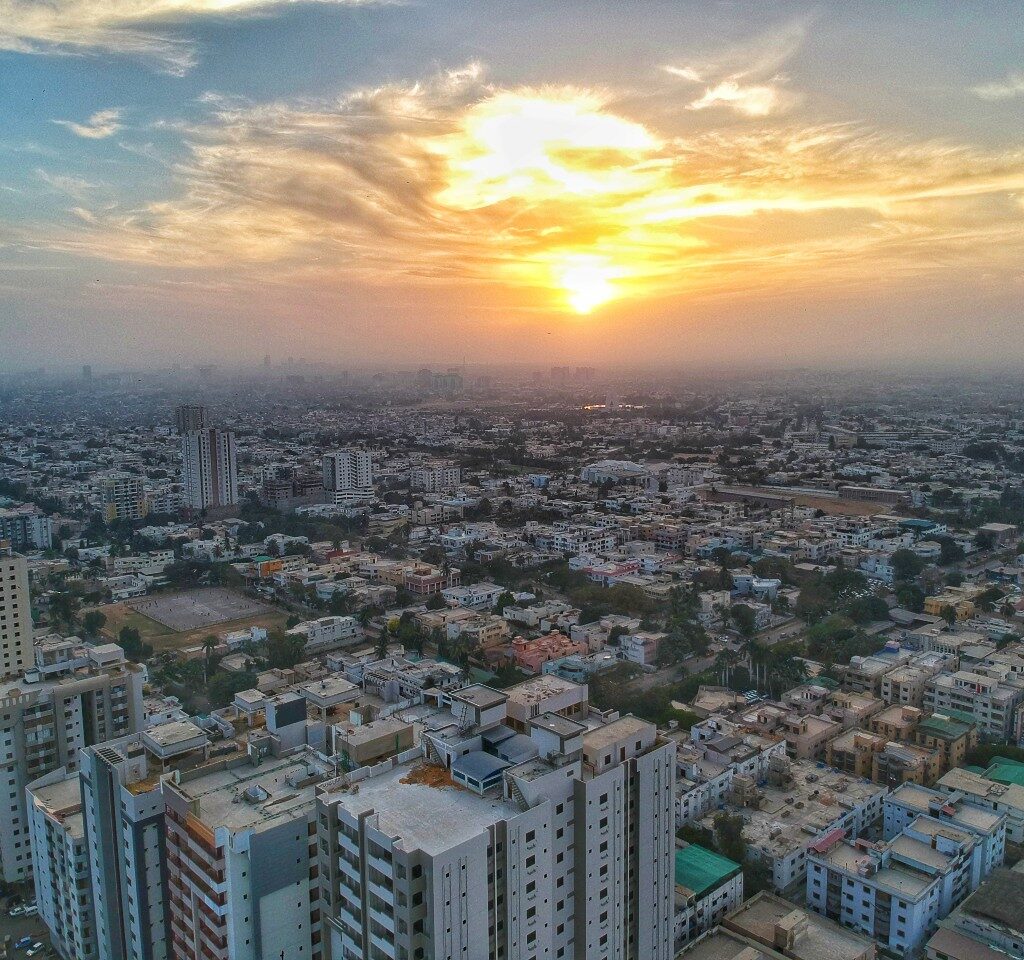
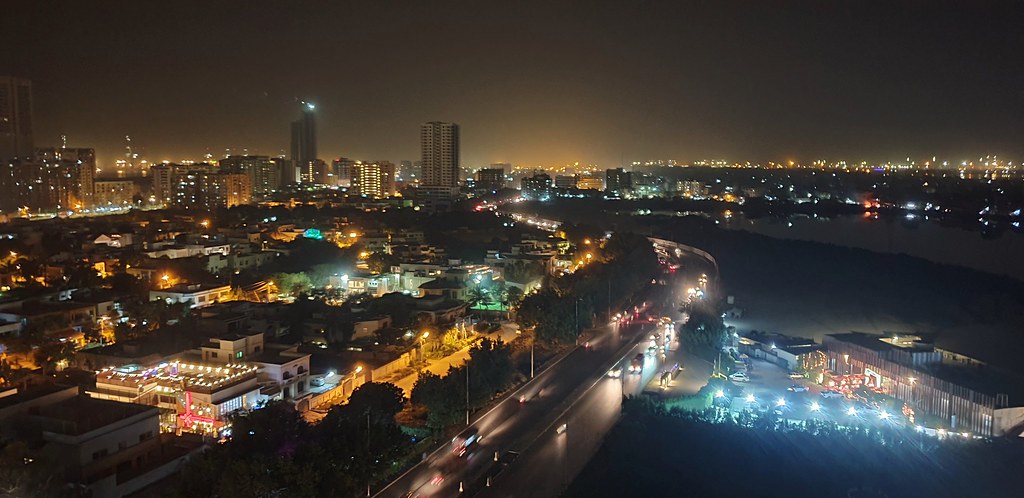
Karachi, the largest city of Pakistan, is often called the City of Lights because of its vibrant nightlife, busy streets, and unstoppable energy. It is not only the economic hub of the country but also a city that represents diversity, history, and modern progress.

From its bustling markets and sea views to high-rise buildings and cultural landmarks, Karachi stands as a symbol of Pakistan’s strength, resilience, and growth.

History of Karachi – From Kolachi to Mega City

The history of Karachi dates back to the 18th century when it was known as Kolachi-jo-Goth, a small fishing village. With time, it grew into a port city and became a center of trade and commerce.

  1. 1839: British East India Company took control of Karachi.
  2. 1947: Karachi became the first capital of Pakistan.
  3. Today: Karachi is home to over 20 million people, making it one of the largest cities in the world.
PTPCTourism PTPC Tourism PakistanPTPC Pakistan PTPC Pakistan Tourism Promotion Council Pakistan Tourism

Karachi – The Economic Hub of Pakistan

Karachi is known as the financial backbone of Pakistan. It generates nearly 70% of the country’s revenue and hosts the Pakistan Stock Exchange (PSX).

Key Economic Zones:

  1. Karachi Port and Port Qasim – lifelines of Pakistan’s trade.
  2. Industrial Areas: Korangi, SITE, Landhi, and Export Processing Zones.
  3. Corporate Sector: Banks, multinational companies, and IT hubs.

Landmarks and Attractions in Karachi

Karachi is home to both modern skyscrapers and historic landmarks.

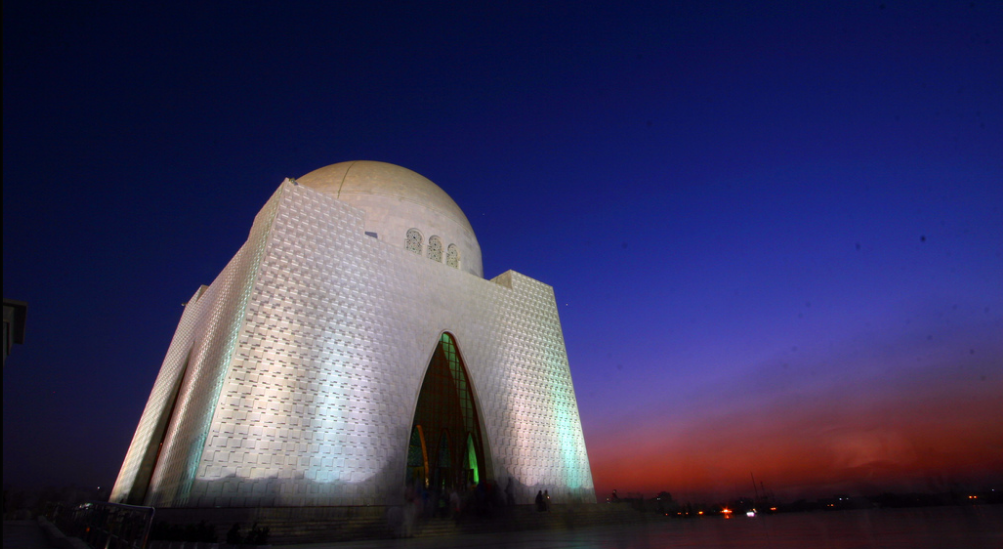
1. Mazar-e-Quaid

  • The resting place of Quaid-e-Azam Muhammad Ali Jinnah, the founder of Pakistan.

  • A symbol of national pride and unity.

2. Mohatta Palace

  • A stunning example of Indo-Islamic architecture, now a museum.

3. Frere Hall

  • Built during the British era, a cultural and historical site.

4. Pakistan Maritime Museum

  • Showcases naval history with ships, submarines, and galleries.

5. Dolmen Mall Clifton & Lucky One Mall

  • Modern shopping and entertainment hubs.

Natural Beauty of Karachi – The Arabian Sea

Unlike most Pakistani cities, Karachi is blessed with a coastal line along the Arabian Sea.

Famous Beaches:

  1. Clifton Beach – the most popular picnic spot.
  2. Hawksbay Beach – famous for turtle watching.
  3. Sandspit Beach – a calm family destination.
  4. French Beach & Paradise Point – loved by adventure seekers.
PTPCTourism PTPC Tourism PakistanPTPC Pakistan PTPC Pakistan Tourism Promotion Council Pakistan Tourism

Karachi – The City of Food Lovers

Karachi is called a paradise for foodies. From traditional desi dishes to international cuisines, the city has it all.

Famous Food Streets & Spots:

  1. Burns Road – legendary for Nihari, Haleem, and Biryani.
  2. Boat Basin – offering diverse Pakistani foods.
  3. Do Darya – dining with a sea view.
  4. Port Grand – modern dining and entertainment.
  5. Must-Try Dishes: Karachi Biryani, Nihari, Haleem, Bun Kebab, Chaat.

Karachi’s Lifestyle – Busy but Vibrant

Living in Karachi is a unique experience. The city is always awake, offering opportunities for business, entertainment, and career growth.

  1. Shopping: Tariq Road, Saddar, Zainab Market, Dolmen Mall.
  2. Nightlife: Cafés, restaurants, sea-view dining, live concerts.
  3. Sports: Cricket stadiums, football clubs, beach sports.

Islamabad – The Federal Capital of Pakistan: A Masterpiece of Beauty

Islamabad

The Federal Capital of Pakistan: A Masterpiece of Beauty

Introduction – Islamabad: A City of Peace and Beauty

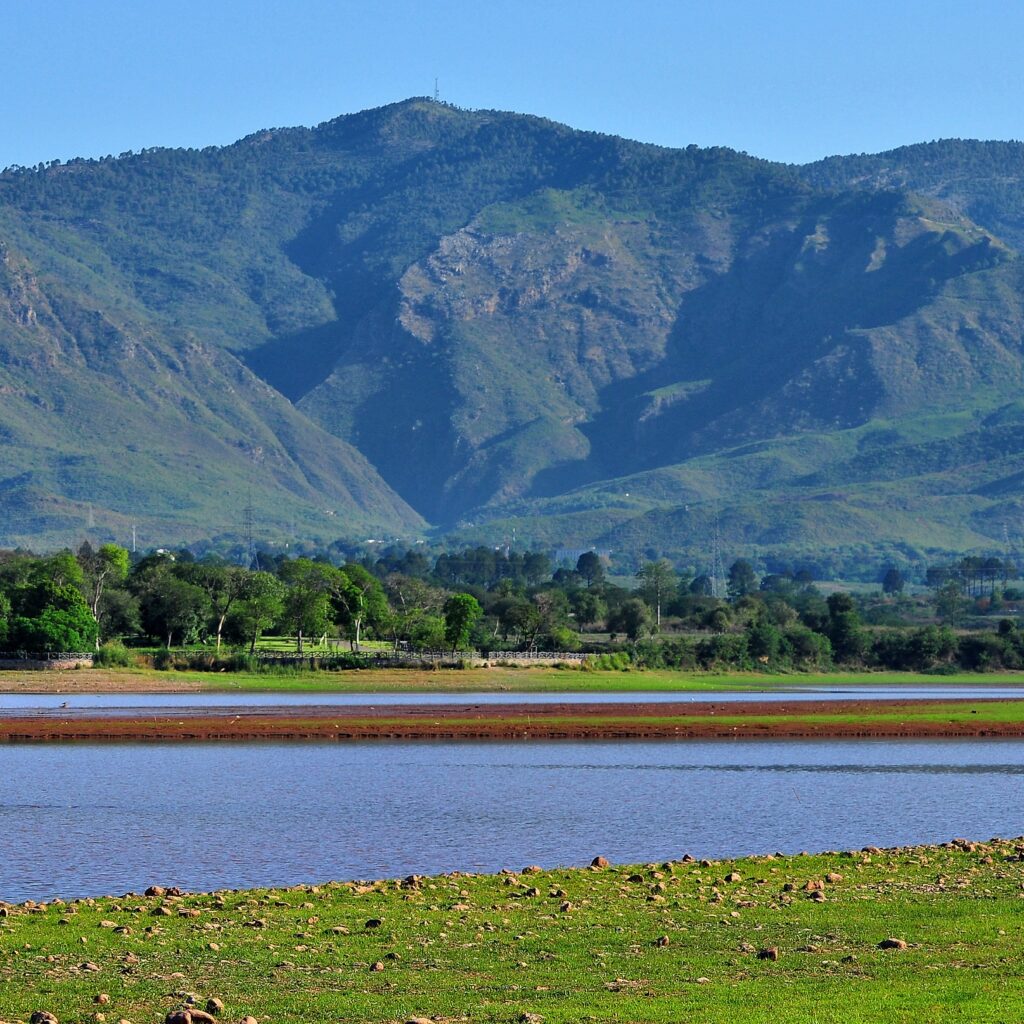
Nestled at the foothills of the Margalla Hills, Islamabad stands as the federal capital of Pakistan and one of the most beautiful capitals in the world. Unlike the hustle and bustle of other metropolitan cities, Islamabad is known for its peaceful environment, greenery, modern planning, and scenic views.

Often described as a “masterpiece of beauty”, Islamabad combines natural landscapes, modern architecture, and cultural landmarks in a unique way.

History of Islamabad – From Concept to Capital

Before the 1960s, Karachi served as the capital of Pakistan. However, due to administrative challenges and Karachi’s growing congestion, the government decided to build a new capital city.

  • 1960: The foundation of Islamabad was laid.

  • Designed by: Greek architect Constantinos Doxiadis who created a grid-based city with sectors.

  • 1967: Islamabad officially became the federal capital.

Islamabad’s design was inspired by modern city planning principles, making it one of the most organized cities in South Asia.

PTPCTourism PTPC Tourism PakistanPTPC Pakistan PTPC Pakistan Tourism Promotion Council Pakistan Tourism

Natural Beauty of Islamabad

Islamabad is called the green city of Pakistan because of its lush gardens, scenic hills, lakes, and forests.

Margalla Hills National Park

Home to hiking trails like Trail 3, Trail 5, and Daman-e-Koh viewpoint. Rich in wildlife such as leopards, wild boars, monkeys, and exotic birds.

Rawal Lake

A man-made reservoir offering boating, fishing, and picnic spots.

A popular destination for families and tourists.

  1. Shakarparian Hills Famous for its panoramic views of Islamabad and Rawalpindi. Location of the Pakistan Monument.

Islamabad’s Famous Landmarks

Islamabad is full of architectural and cultural landmarks that reflect both modern and traditional beauty.

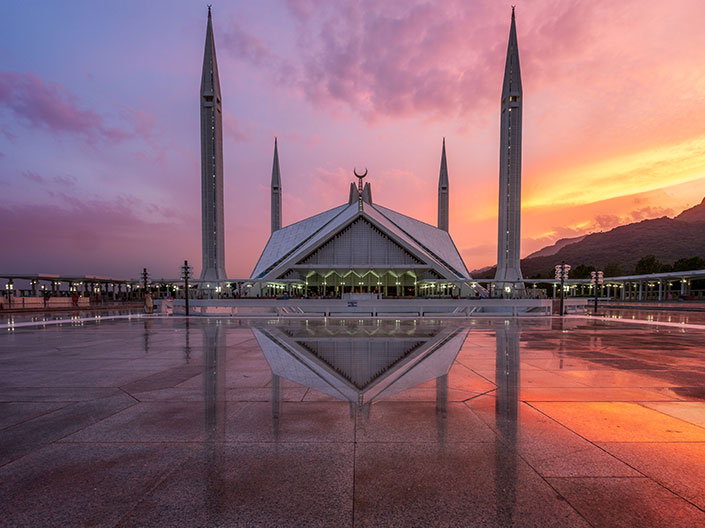
1. Faisal Mosque

  • The largest mosque in Pakistan, gifted by King Faisal of Saudi Arabia.

  • A unique design resembling a desert tent, built by architect Vedat Dalokay.

2. Pakistan Monument

  • Symbol of national unity, located in Shakarparian.

  • Each petal represents a province of Pakistan.

3. Daman-e-Koh & Pir Sohawa

  • Stunning viewpoints overlooking the city.

  • Popular for dining at Monal Restaurant.

4. Lok Virsa Museum

  • Showcases Pakistan’s cultural heritage, handicrafts, and traditions.

5. Centaurus Mall

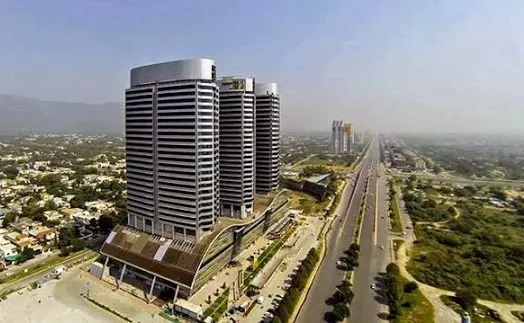
  • A symbol of modern Islamabad, offering shopping, dining, and entertainment.

Islamabad – The Clean and Green Capital

One of the reasons Islamabad stands out among capitals worldwide is its cleanliness and greenery.

  • Wide roads with planned green belts.

  • Islamabad Highway and Kashmir Highway provide smooth connectivity.

  • Strict laws against littering help keep the city clean.

Islamabad’s Lifestyle – Peaceful and Modern

Islamabad offers a peaceful lifestyle that is very different from other busy cities like Lahore and Karachi.

  1. Education: Home to top institutions like Quaid-i-Azam University, NUST, COMSATS, and Bahria University.
  2. Healthcare: Modern hospitals such as Shifa International and PIMS.
  3. Housing Societies: DHA, Bahria Town, and G- and F-sectors provide modern living standards.
  4. Shopping & Entertainment: Centaurus Mall, Safa Gold Mall, Giga Mall.
PTPCTourism PTPC Tourism PakistanPTPC Pakistan PTPC Pakistan Tourism Promotion Council Pakistan Tourism

Islamabad’s Food Scene

While Lahore is famous for food variety, Islamabad has its unique blend of traditional and modern cuisines.

Famous Food Spots:

  1. Monal Restaurant (Pir Sohawa – with stunning views)
  2. Savour Foods (famous for pulao and chicken roast)
  3. Street Food in Melody Market
  4. High-end Cafés in F-6, F-7 sectors

Islamabad and Tourism

Islamabad serves as a gateway to northern Pakistan. Many tourists traveling to Murree, Naran, Hunza, and Skardu pass through Islamabad.

Key Tourism Highlights:

  1. Islamabad International Airport connects the city globally.
  2. Tourist Resorts nearby: Murree Hills, Khanpur Dam, Taxila Ruins.
  3. Embassy Area & Diplomatic Enclave make it an international hub.

Lahore – The Heart of Pakistan

Lahore

Introduction – Lahore: The Cultural Capital of Pakistan

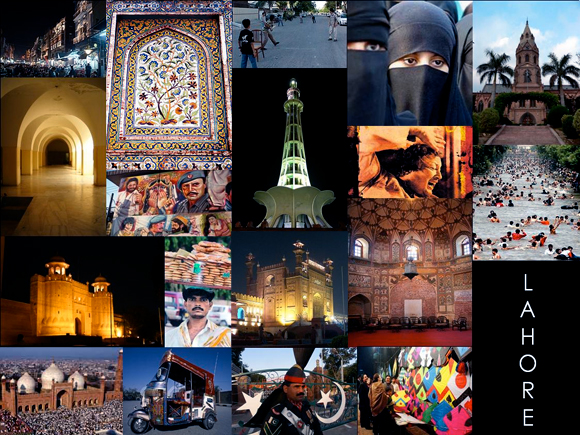
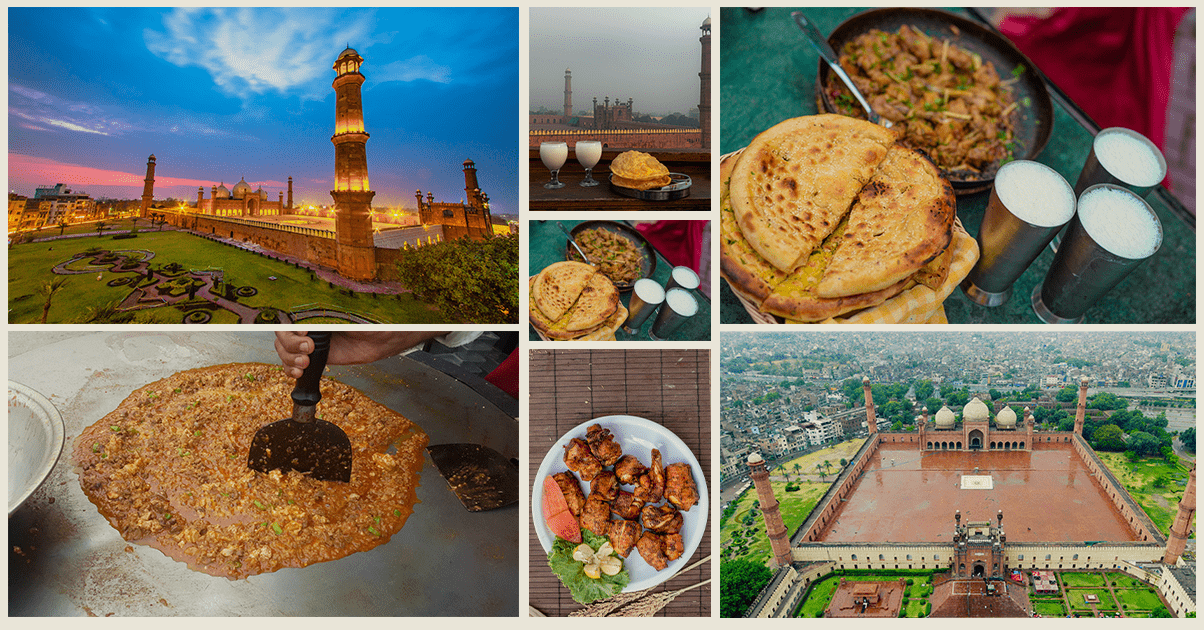
“Lahore Lahore Aye” – this famous saying reflects the unique charm of Lahore, the second-largest city of Pakistan and the capital of Punjab province. Known as the Heart of Pakistan, Lahore is a city where history meets modernity. From the grandeur of the Mughal era monuments to the bustling streets filled with food and festivals, Lahore represents the soul of Pakistani culture.

Historical Significance of Lahore

Lahore’s history dates back more than a thousand years. It has been the capital for several dynasties including the Ghazanavids, Ghurids, Mughals, Sikhs, and the British Empire.

  1. Mughal Era: Lahore was a hub of architecture, culture, and literature. The Badshahi Mosque, Shalimar Gardens, and Lahore Fort still stand as symbols of that golden era.
  2. Sikh Period: Under Maharaja Ranjit Singh, Lahore became the capital of the Sikh Empire.
  3. British Period: The British developed modern infrastructure including Lahore Museum, Mall Road, and Punjab University.
PTPCTourism PTPC Tourism PakistanPTPC Pakistan PTPC Pakistan Tourism Promotion Council Pakistan Tourism

Lahore’s Culture – The Soul of Pakistan

Lahore is famous for its hospitality, traditions, and festivals. It is often called the cultural capital of Pakistan because of its deep connection with art, music, literature, and theater.

Cultural Highlights:

  1. Art & Literature: Lahore Literary Festival (LLF) and Alhamra Arts Council events.
  2. Music: Qawwali nights, concerts, and classical music gatherings.
  3. Festivals: Basant (kite festival), Independence Day celebrations, Eid festivities.

Lahore’s Famous Landmarks and Attractions

Lahore is full of tourist attractions that draw visitors from across Pakistan and abroad.

1. Badshahi Mosque

One of the largest mosques in the world, built by Emperor Aurangzeb in 1673.

2. Lahore Fort (Shahi Qila)

A UNESCO World Heritage site, showcasing Mughal art and architecture.

3. Shalimar Gardens

Beautiful Mughal-era gardens symbolizing royal elegance.

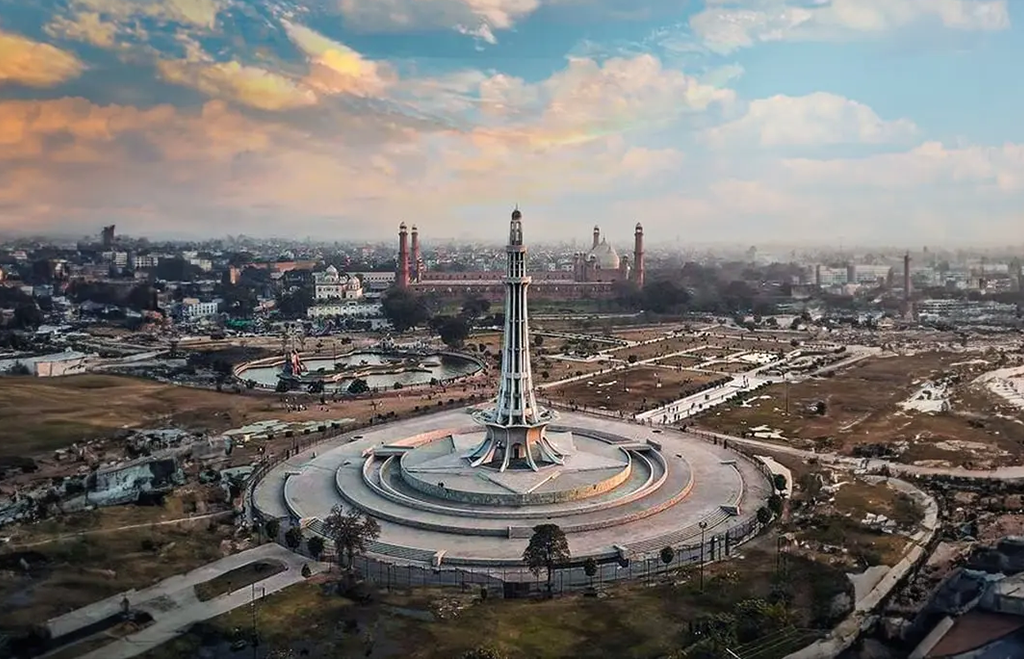
4. Minar-e-Pakistan

Built to commemorate the Lahore Resolution of 1940, where the idea of Pakistan was formally presented.

5. Lahore Museum

A treasure of history, featuring Gandhara art, Islamic artifacts, and ancient manuscripts.

6. Walled City of Lahore

Known for narrow streets, Haveli culture, and traditional food streets like Gawalmandi and Fort Road Food Street.

The Food Capital of Pakistan – Lahore’s Cuisine

If you ask Pakistanis which city has the best food, the answer is always Lahore.

Famous Dishes of Lahore:

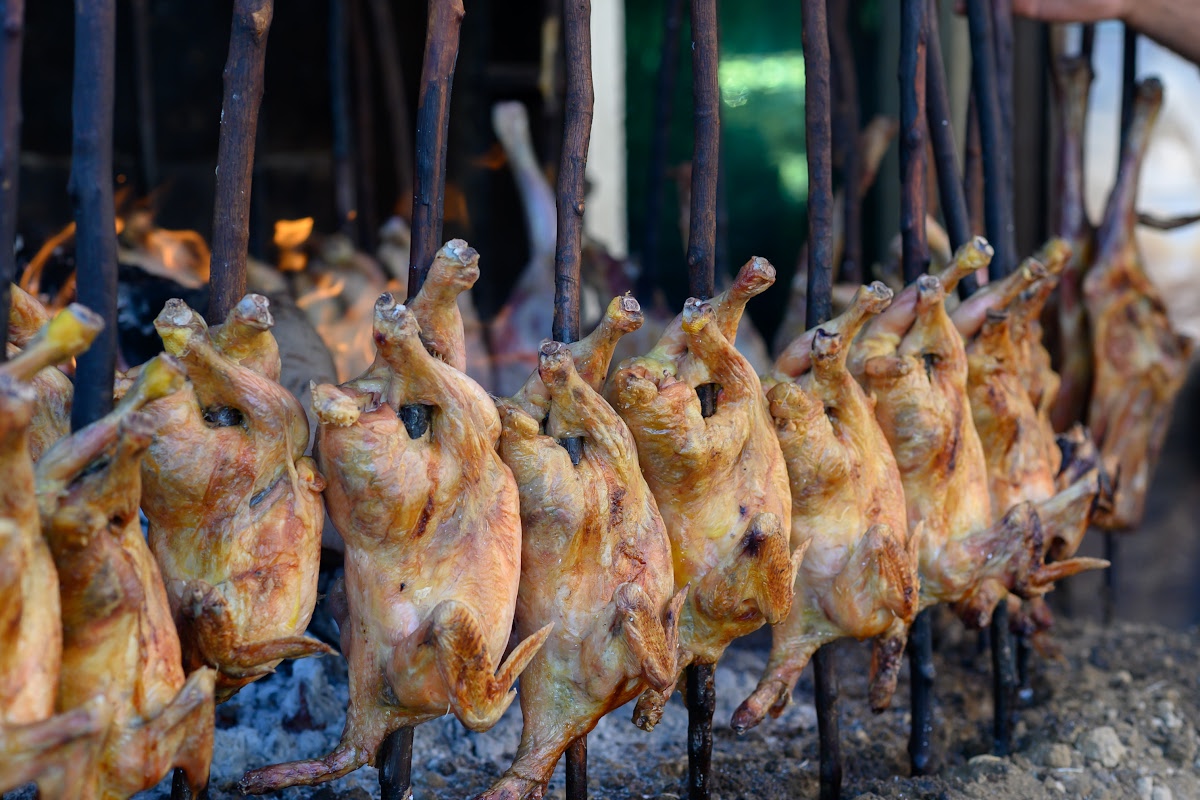
  1. Lahori Chargha – spiced fried chicken
  2. Nihari & Paaye – traditional breakfast dishes
  3. Haleem – a rich wheat and meat dish
  4. Gol Gappay & Chaat – popular street food
  5. Falooda & Rabri Doodh – traditional desserts

Famous Food Streets:

  1. Gawalmandi Food Street
  2. Fort Road Food Street (near Badshahi Mosque)
  3. Lakshmi Chowk
PTPCTourism PTPC Tourism PakistanPTPC Pakistan PTPC Pakistan Tourism Promotion Council Pakistan Tourism

Lahore’s Modern Development

Lahore is not only about history; it is also one of the fastest-growing modern cities of Pakistan.

  1. Lahore Metro Bus and Orange Line Metro Train for public transport.
  2. Emporium Mall, Packages Mall, Fortress Square for shopping.
  3. IT Parks and business hubs turning Lahore into a tech-friendly city.

Lahore’s Role in Education

Lahore is known as the educational capital of Pakistan. It is home to some of the country’s oldest and most prestigious institutions:

  1. University of the Punjab – Established in 1882
  2. Government College University (GCU) – Known for academic excellence
  3. LUMS (Lahore University of Management Sciences) – Internationally recognized
  4. Kinnaird College for Women – Historic institution for women’s education

Lahore and Tourism Industry

Tourism plays a big role in Lahore’s economy. Every year, thousands of foreign tourists visit Lahore to explore its heritage, museums, and food culture.

  1. Religious Tourism: Sikh pilgrims visit Gurdwara Dera Sahib and Samadhi of Ranjit Singh.
  2. Cultural Tourism: International visitors attend Lahore Literary Festival, Qawwali nights, and Basant.
  3. Heritage Tourism: UNESCO World Heritage sites like Lahore Fort and Shalimar Gardens.

Climate of Pakistan

Climate of Pakistan

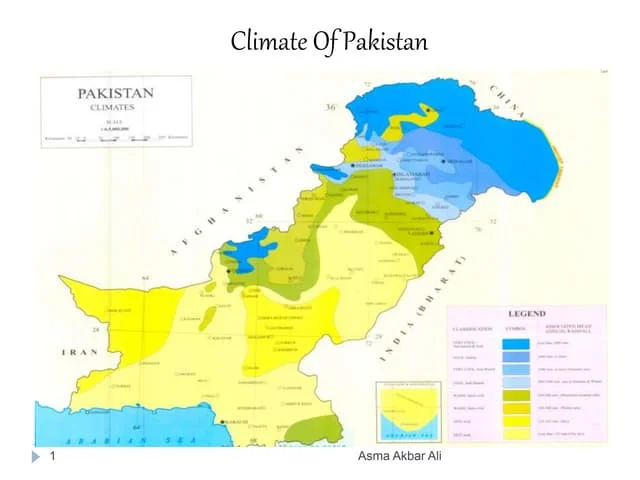
The climate of Pakistan (پاکستان کی آب و ہوا) is as diverse as its geography. From the snow-covered mountains of Gilgit-Baltistan to the hot deserts of Sindh and Balochistan, Pakistan experiences a wide range of weather conditions. Understanding Pakistan’s climate is crucial for agriculture, tourism, urban development, and disaster management.

Geographical Influence on Pakistan’s Climate

Pakistan’s geography plays a vital role in shaping its climate. Located between latitudes 24° and 37° North, Pakistan lies at the intersection of South Asia, Central Asia, and the Middle East.

  1. The Himalayan and Karakoram ranges block cold winds from Central Asia.
  2. The Arabian Sea brings humidity and monsoon rains.
  3. The Thar Desert causes extreme heat in Sindh and southern Punjab.

This unique location results in a variety of climates across the country.

PTPCTourism PTPC Tourism PakistanPTPC Pakistan PTPC Pakistan Tourism Promotion Council Pakistan Tourism

The Role of Monsoon in Pakistan

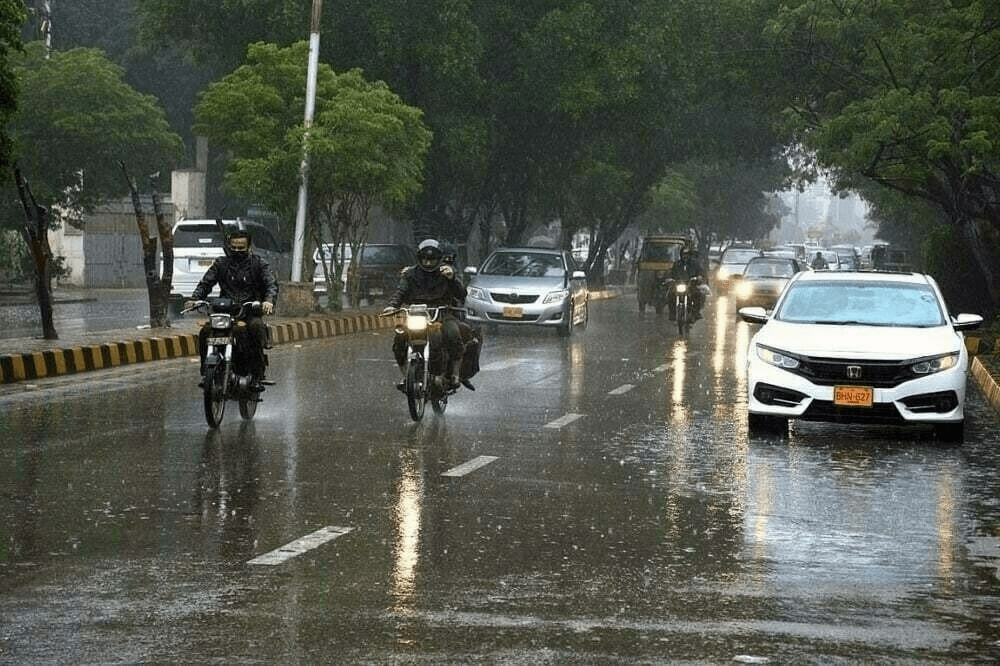
The Southwest Monsoon is the most significant weather system in Pakistan.

  • Arrives in July and lasts till September

  • Brings 60–70% of annual rainfall

  • Essential for agriculture but often causes floods and landslides

The Northeast Monsoon is weaker and impacts coastal areas in winter.

  •  

Seasonal Variations in Pakistan

1. Winter (December – February)

  • Cold and dry season

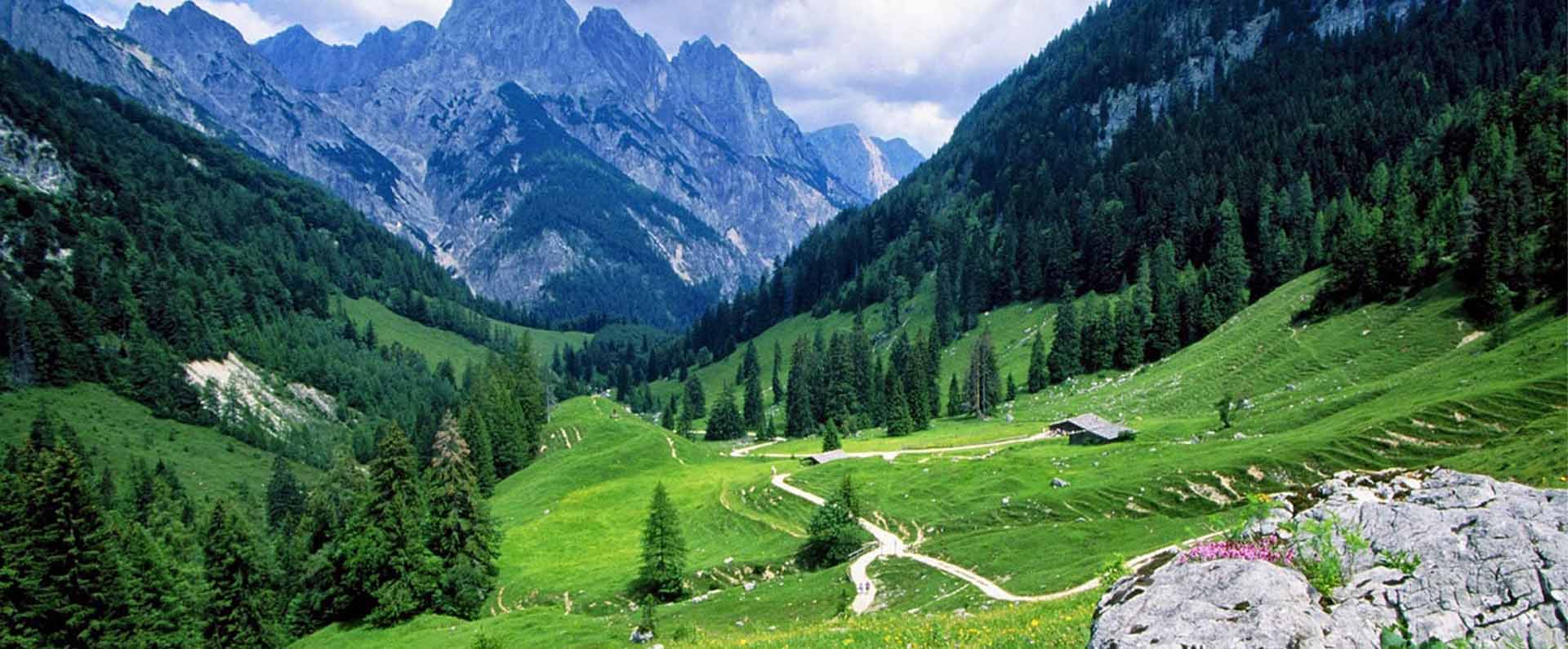
  • Northern areas like Gilgit, Hunza, and Skardu experience heavy snowfall

  • Southern regions remain relatively mild

2. Spring (March – May)

  • Pleasant temperatures with blossoming flowers

  • Ideal season for tourism and agriculture

  • Major crops like wheat are harvested

Summer (June – August)

  • Intense heat, especially in Sindh, Punjab, and Balochistan

  • Temperatures in Jacobabad and Sibi can exceed 50°C

  • Monsoon rains begin in July, cooling down plains but causing floods

4. Autumn (September – November)

  • Transition season with mild temperatures

  • Harvesting of rice, sugarcane, and cotton

  • Comfortable for travel and outdoor activities

Tourism and Climate of Pakistan

The diverse climate supports year-round tourism:

Winter tourism – Skiing in Malam Jabba, snowfall in Murree

Summer tourism – Trekking in Hunza, Fairy Meadows, and Naran-Kaghan

Spring tourism – Visiting gardens of Lahore, Shalimar Bagh, and Swat Valley

Autumn tourism – Golden autumn leaves in Hunza and Skardu

PTPCTourism PTPC Tourism PakistanPTPC Pakistan PTPC Pakistan Tourism Promotion Council Pakistan Tourism

Regional Climate Differences

1. Northern Areas (Gilgit-Baltistan, KPK highlands)

  1. Cold winters with heavy snowfall
  2. Cool summers, ideal for tourism
  3. Popular destinations: Hunza, Skardu, Swat

2. Punjab

  1. Extreme temperatures: very hot summers and cold winters
  2. Fertile plains with abundant agriculture
  3. Lahore experiences monsoon rains in July–August

3. Sindh

  1. Hot and dry climate with mild winters
  2. Karachi has a coastal climate with high humidity
  3. Thar Desert faces extreme heat and water scarcity

4. Balochistan

  1. Dry desert climate with low rainfall
  2. Quetta experiences cold, snowy winters
  3. Gwadar has a coastal climate with moderate temperatures

5. Khyber Pakhtunkhwa (KPK)

  1. Mixed climate: cold in mountains, moderate in plains
  2. Famous for valleys like Swat and Kaghan

Promoting Tourism Can Change the Destiny of a Nation

Promoting Tourism Can Change the Destiny of a Nation

Introduction

Pakistan is blessed with breathtaking natural beauty, rich cultural heritage, and ancient historical landmarks. From snow-covered peaks in the north to deep valleys, scenic beaches, and centuries-old ruins, the country has immense untapped potential for tourism. If promoted effectively, tourism can truly change the destiny of the nation by boosting the economy, creating job opportunities, and projecting a positive image of Pakistan on the global stage.

Current Landscape of Tourism in Pakistan

Historical and Cultural Heritage

Pakistan is home to several UNESCO World Heritage Sites such as:

  1. Mohenjo-daro
  2. Taxila
  3. Takht-i-Bahi and Sahr-i-Bahlol
  4. Lahore Fort & Shalimar Gardens
  5. Rohtas Fort
  6. Historical sites in Makli and Thatta

These sites hold immense value for history enthusiasts and cultural tourists alike

PTPCTourism PTPC Tourism PakistanPTPC Pakistan PTPC Pakistan Tourism Promotion Council Pakistan Tourism

Natural Beauty and Northern Regions

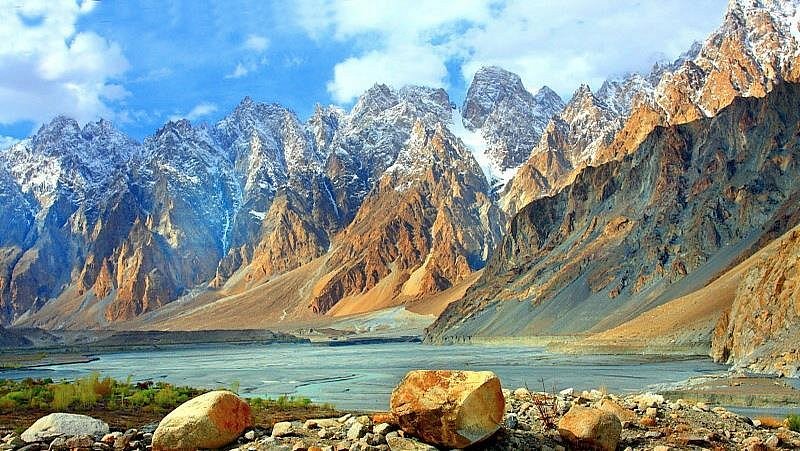
Northern Pakistan offers world-class scenic destinations such as Hunza, Skardu, Naran, Kaghan, Swat, and Neelum Valley. Notable highlights include:
Kaghan Valley – Over 300,000 tourists visited during Eid-ul-Fitr in June 2024 alone.


Karakoram Highway – Known as the “Eighth Wonder of the World,” it's the highest paved international road and a top attraction for adventure lovers.

Festivals and Cultural Events

Events like the Kalam Summer Festival in Swat bring tourists from across the country and abroad. The festival features:

  1. Local music and dance
  2. Paragliding and jeep rallies
  3. Handicrafts exhibitions
  4. Cultural food and traditional sports

Infrastructure Development

Punjab’s government is developing the Kohsar Tourism Expressway, a highway project that will connect Rawalpindi with Murree and Muzaffarabad. This initiative is expected to make travel more accessible and boost tourism-related commerce in the region.

Socio-Economic Impact

Statistics show a remarkable surge in tourism:

  1. In 2023, international tourist arrivals increased by over 300% compared to 2019, with over 1 million foreign visitors.
  2. The UN World Tourism Organization (UNWTO) recognized Pakistan as one of the “Top Performing Tourism Destinations” of 2023.
  3. Punjab alone has over 480 religious and historical sites, and experts suggest that tourism revenue from this sector could be tripled with proper infrastructure and planning.

A user on social media rightly said:
“Pakistan welcomed 10 million international tourists in 2023. If the country truly focuses on tourism, it could become the next Dubai!

How Tourism Can Change a Country’s Destiny

Economic Growth and Employment

Tourism directly contributes to national GDP by attracting foreign exchange and boosting local businesses. Industries such as:

  1. Hotels and accommodations
  2. Transportation
  3. Tour guiding
  4. Handicrafts and local markets
PTPCTourism PTPC Tourism PakistanPTPC Pakistan PTPC Pakistan Tourism Promotion Council Pakistan Tourism

Uplifting Rural Economies

Prime Minister of Pakistan emphasized that tourism is a critical tool for rural development. Small businesses flourish in tourist areas, raising the standard of living in remote regions and helping reduce urban migration.

Cultural Exchange and International Relations

Tourism acts as a soft diplomacy tool. It brings different cultures together and promotes understanding. When tourists visit Pakistan, they return with positive stories, shifting global perceptions of the country.

Heritage and Environmental Conservation

Revenue from tourism can fund the preservation of historical monuments and natural ecosystems. Moreover, awareness about sustainable tourism can encourage eco-friendly behavior among locals and visitors alike.