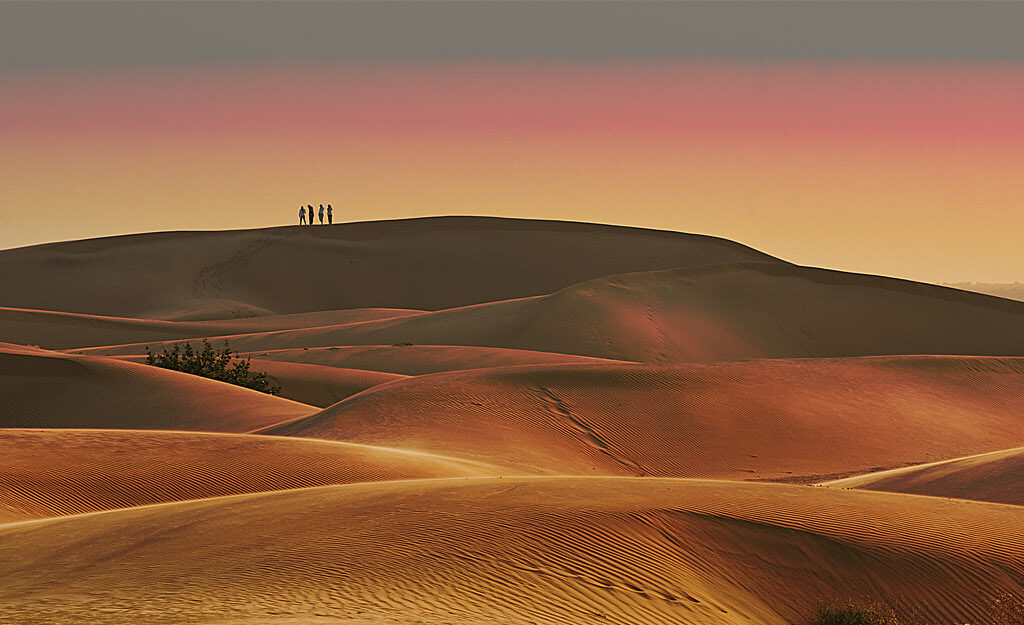
Pakistani Railway Stations – Gateways of Heritage and Connectivity

Pakistani Railway Stations

Introduction: Gateways of Heritage and Connectivity

Railways have always played a central role in shaping the identity, economy, and culture of Pakistan. From connecting remote villages to major metropolitan cities, Pakistani railway stations are more than just travel hubs – they are living monuments of history, architecture, and social life.

Each railway station in Pakistan tells a unique story. Some reflect the grandeur of the colonial era, while others highlight the modernization of transport in the country. Together, they form a network that not only facilitates travel but also connects people with history and heritage.

For those who wish to explore Pakistan’s railway history and iconic landmarks, Pakistan PTPC offers comprehensive guides and authentic information about the country’s travel and cultural heritage.

Historical Background of Pakistani Railway Stations

The railway system in Pakistan traces its origins back to the mid-19th century under British rule in the Indian subcontinent. The first railway line in the region was laid in 1861, connecting Karachi to Kotri. Over time, the railway expanded, linking Punjab, Sindh, Balochistan, and Khyber Pakhtunkhwa.

During this expansion, magnificent railway stations were constructed, many of which still stand today as symbols of colonial-era architecture. These stations were not only functional but also artistic, with Gothic, Victorian, and Mughal-inspired designs. After independence in 1947, Pakistan inherited a vast network of railway lines and stations, which became vital for trade, migration, and national integration.
PTPCTourism PTPC Tourism PakistanPTPC Pakistan PTPC Pakistan Tourism Promotion Council Pakistan Tourism

Importance of Railway Stations in Pakistan

Pakistani railway stations play a crucial role in the country’s social and economic framework.

  1. Transportation: They serve as primary transit points for millions of passengers each year.
  2. Trade and Commerce: Stations support the movement of goods, boosting economic activities across provinces.
  3. Cultural Significance: Many railway stations have become cultural landmarks, often located near historic cities.
  4. Tourism: Stations near famous tourist spots serve as gateways for travelers exploring Pakistan’s beauty.

To explore these cultural and travel experiences in detail, travelers can rely on Pakistan PTPC for authentic insights and guides.

Famous Railway Stations of Pakistan

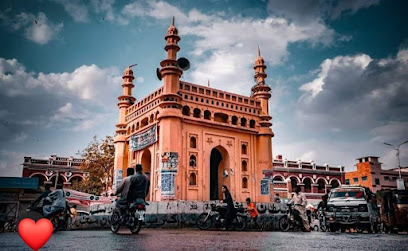
Lahore Railway Station

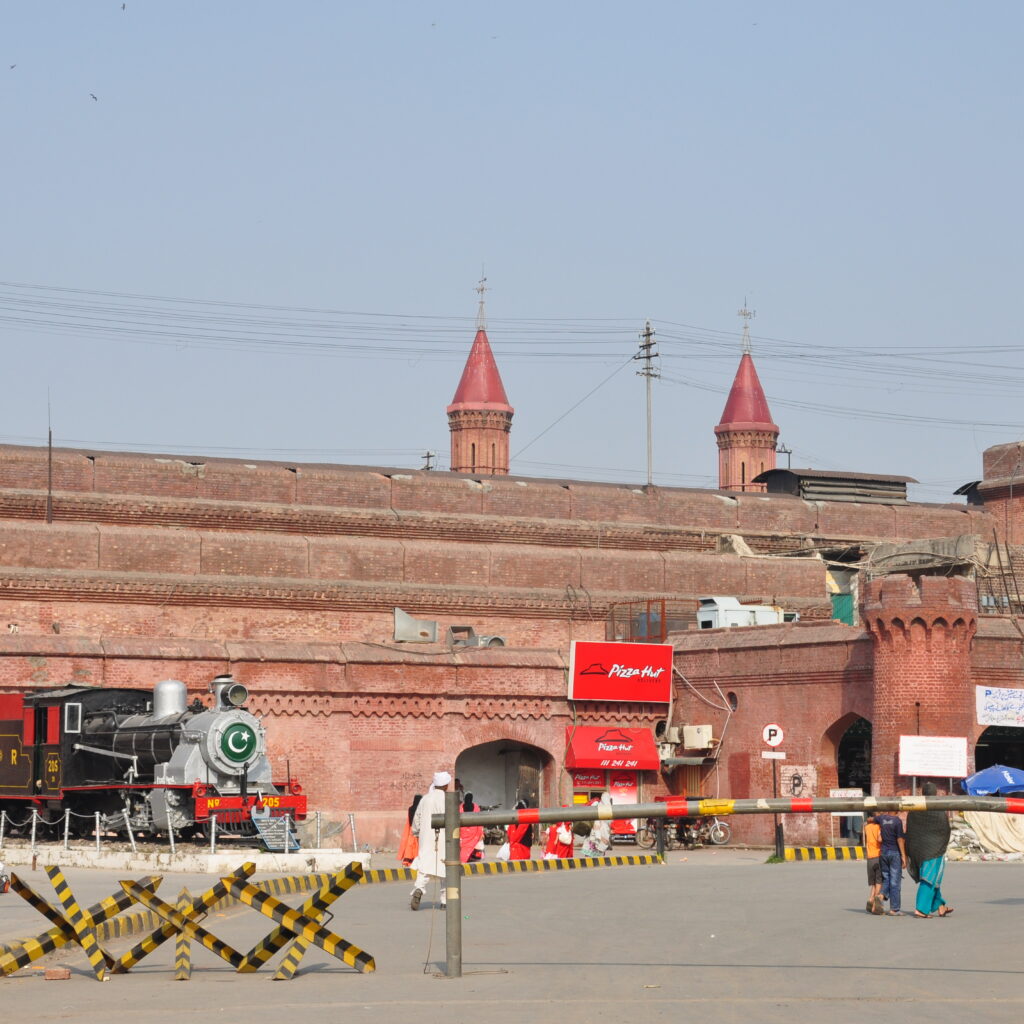
Built in 1860, Lahore Railway Station is one of the oldest and most iconic stations in Pakistan. Its red-brick Victorian Gothic design makes it a landmark of colonial architecture. The station connects Lahore with major cities and remains one of the busiest in the country.

Karachi Cantt Railway Station

Located in Karachi, this station was constructed in 1898 and is the largest in Sindh. It serves as the hub for trains arriving and departing from Pakistan’s busiest city. Its elegant structure and historical relevance make it a prominent site for travelers.

Rawalpindi Railway Station

This station is a central hub in northern Pakistan, linking Rawalpindi and Islamabad to other parts of the country. Built during the colonial era, its architecture reflects a blend of Mughal and Victorian designs.

Multan Railway Station

Multan’s railway station, established in 1880, is one of the busiest in southern Punjab. It plays a vital role in trade and passenger transport, connecting Punjab with Sindh and Balochistan.

Peshawar Railway Station

Peshawar Cantonment Station, built in 1891, is famous for its role in connecting Pakistan to the historic Khyber Pass. It stands as a testament to the country’s strategic and cultural importance.

Quetta Railway Station

Located in Balochistan, Quetta Railway Station highlights the rugged beauty of the region. Despite harsh weather and mountainous surroundings, it continues to connect travelers and goods between Quetta and the rest of Pakistan.

Architectural Beauty of Pakistani Railway Stations

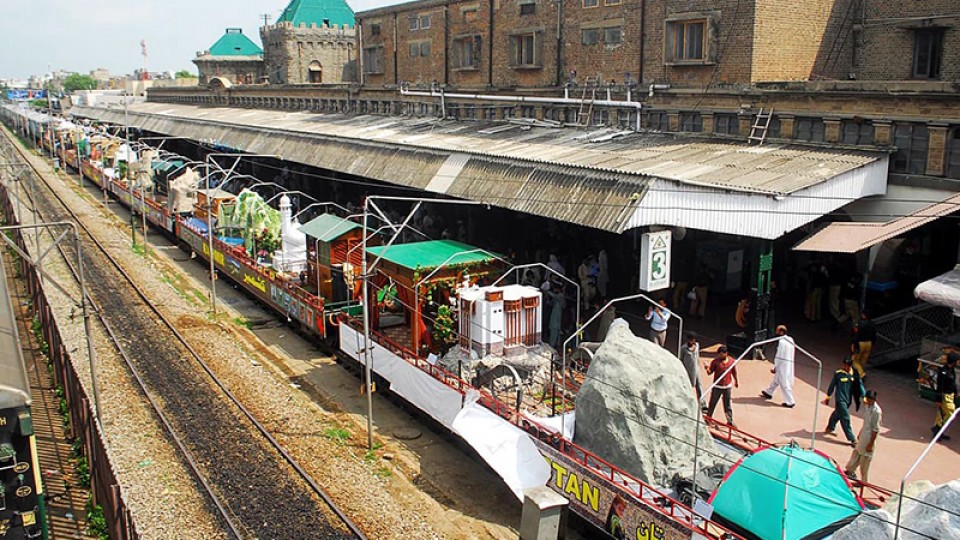
One of the most striking features of Pakistan’s railway stations is their architectural diversity. Unlike modern stations built solely for efficiency, many older stations were designed with artistry and detail.

  1. Victorian Gothic Style: Seen in stations like Lahore Railway Station.
  2. Mughal-Inspired Arches: Blending South Asian aesthetics with colonial engineering.
  3. Spacious Courtyards and Halls: Built to handle large crowds and freight efficiently.
  4. Clock Towers: Many stations feature iconic clock towers, symbolizing punctuality and heritage.
PTPCTourism PTPC Tourism PakistanPTPC Pakistan PTPC Pakistan Tourism Promotion Council Pakistan Tourism

Social and Cultural Role of Railway Stations

Railway stations in Pakistan are not just transit points—they are cultural meeting grounds.

  1. Centers of Community Life: Many stations have bazaars and vendors, making them lively hubs.
  2. Literary and Artistic Inspiration: Stations have been featured in novels, poetry, and films.
  3. Symbol of National Unity: They bring together people from diverse backgrounds, strengthening bonds across provinces.

Stations also reflect the everyday lives of people—porters carrying luggage, families reuniting, vendors selling local delicacies—all forming part of Pakistan’s vibrant railway culture.

Tourism and Railway Heritage

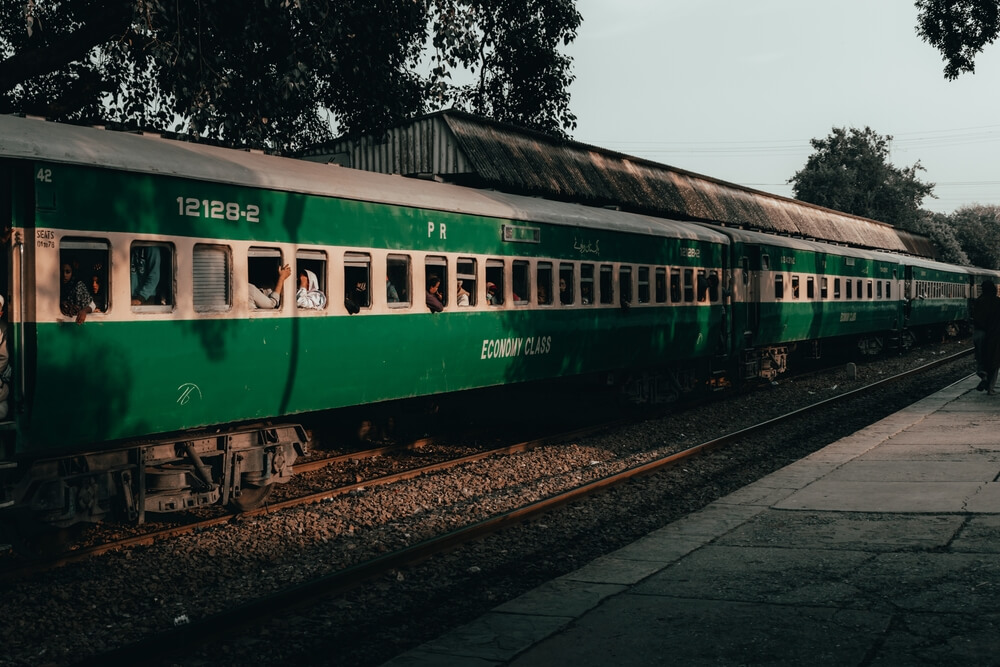
Pakistani railway stations also serve as gateways for tourism. From Lahore’s walled city to Quetta’s mountainous terrain, stations are strategically located near major attractions. Tourists traveling by train often experience the country’s diverse landscapes—from fertile plains to deserts and mountain ranges.

To discover Pakistan’s hidden gems and plan railway journeys, visitors can explore Pakistan PTPC, which offers cultural insights and travel information.

Pakistani railway stations are more than functional structures—they are symbols of the country’s history, architecture, and cultural diversity. From the grandeur of Lahore Railway Station to the rugged charm of Quetta, each station narrates a chapter of Pakistan’s past and present.

As Pakistan modernizes its transport systems, preserving the heritage of these stations is equally important. They remind us of the journeys of millions of people, the evolution of trade and travel, and the shared cultural experiences that connect the nation.

If you are planning to explore Pakistan’s railway heritage, culture, and tourism, visit Pakistan PTPC for authentic guides and travel insights. Discover the timeless charm of Pakistani railway stations and embark on a journey through history and tradition.
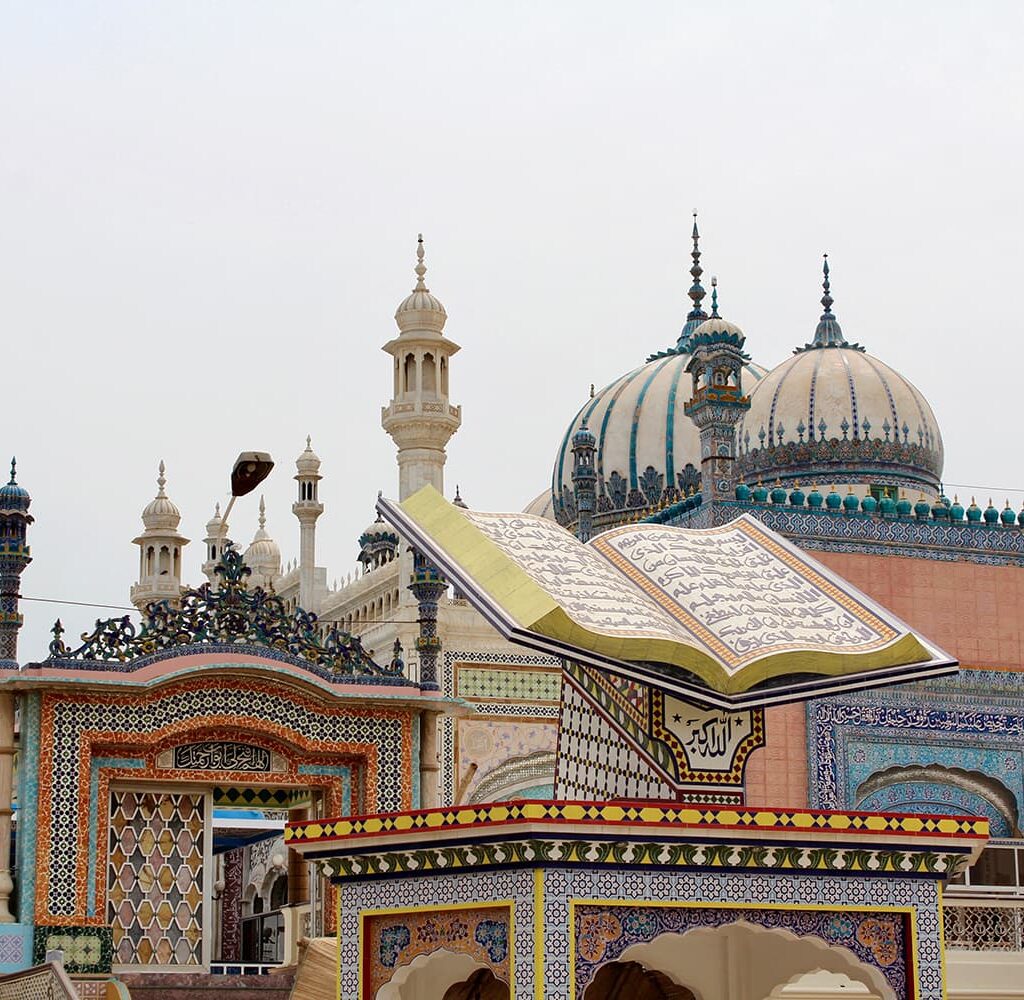
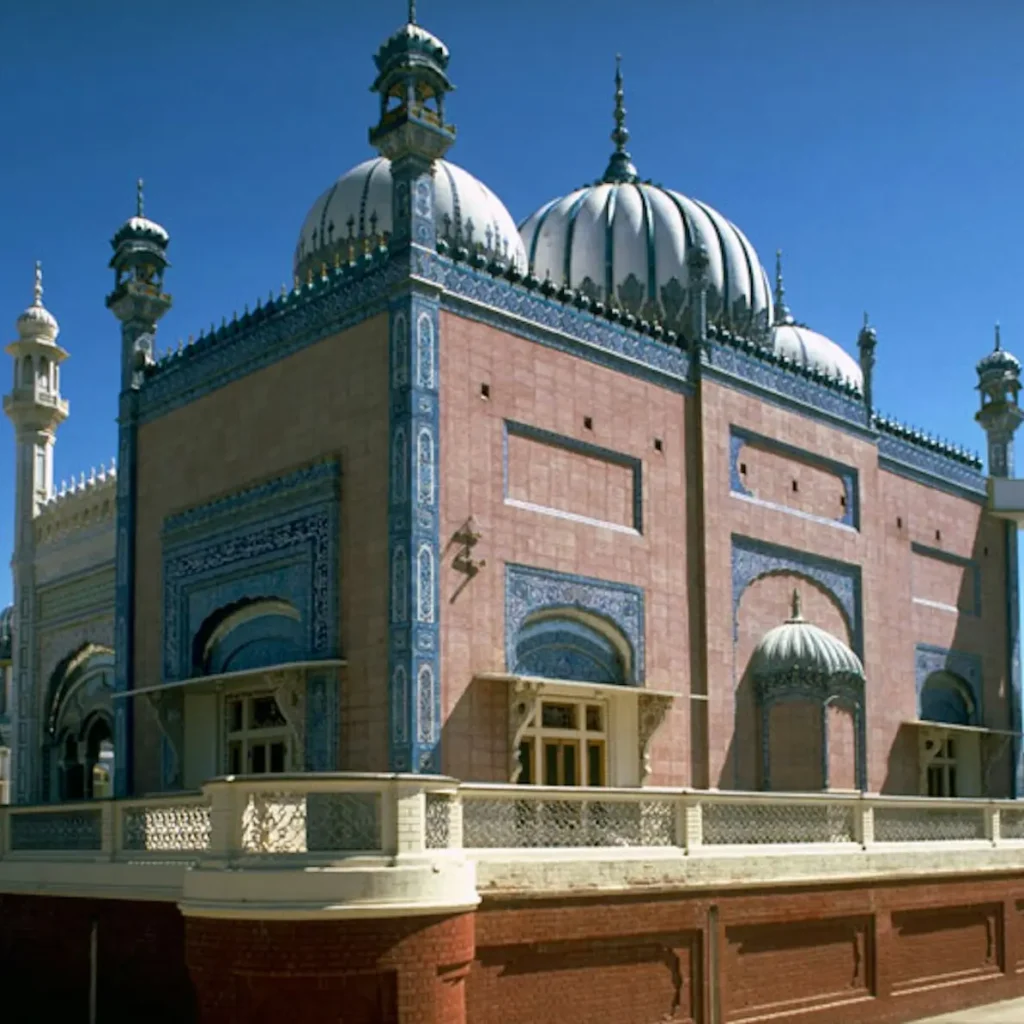
Masjid Eidgah – A Symbol of Faith and Heritage

Masjid Eidgah

Introduction: A Symbol of Faith and Heritage

Mosques have always been central to the spiritual, cultural, and social fabric of Muslim societies. In Pakistan, countless mosques stand as living testimonies of faith, history, and architectural brilliance. Among them, Masjid Eidgah holds a special place due to its historic significance and its role as a gathering place for communal prayers, especially on the two Eids.

The word Eidgah itself means “a place for Eid prayers,” and throughout Islamic history, Eidgah mosques have been built as large open spaces or mosques where Muslims gather for Eid al-Fitr and Eid al-Adha prayers. The Masjid Eidgah in Pakistan reflects not just religious devotion but also artistic expression and historical legacy.

For those passionate about exploring Islamic architecture and historical sites, Pakistan PTPC offers detailed guides, travel insights, and authentic information about cultural landmarks across the country.

Historical Background of Masjid Eidgah

The tradition of Eidgahs dates back to the time of Prophet Muhammad (PBUH), when Muslims would gather in open grounds outside Madinah for Eid prayers. Following this tradition, rulers and communities across the Islamic world built Eidgahs to accommodate large gatherings.

In Pakistan, Masjid Eidgah structures emerged during the Mughal era and later periods. They were often built near major cities, serving as both prayer grounds and social meeting points. Some of these mosques also carry significant political and historical associations, as they were used for important announcements and communal decisions.

PTPCTourism PTPC Tourism PakistanPTPC Pakistan PTPC Pakistan Tourism Promotion Council Pakistan Tourism

Location and Accessibility

Most major cities in Pakistan, such as Lahore, Multan, Peshawar, and Karachi, have a central Masjid Eidgah. These mosques are usually strategically located in open areas, allowing them to accommodate thousands of worshippers during Eid prayers.

Travelers and pilgrims can easily access these mosques via road networks. For detailed travel information and cultural exploration guides, Pakistan PTPC serves as a reliable source.

Role of Masjid Eidgah in Islamic Culture

The primary purpose of Masjid Eidgah is to host Eid al-Fitr and Eid al-Adha prayers, but its role goes beyond religious practice:

  1. Community Gathering: Acts as a social hub where people meet, greet, and celebrate.
  2. Charity and Unity: Distributions of food, charity, and collective prayers promote brotherhood.
  3. Islamic Education: Many Eidgah mosques also serve as centers for Quranic learning.
  4. Cultural Significance: Represents unity among Muslims by bringing together people from all walks of life.

Famous Masjid Eidgahs in Pakistan

Masjid Eidgah Multan

One of the oldest and most renowned, Masjid Eidgah Multan was built in the 18th century during the reign of Nawab Ali Muhammad Khan Khakwani.

  1. Features Mughal-style architecture with high minarets.
  2. Can accommodate thousands of worshippers.
  3. Known for its historic value and scenic surroundings.

Masjid Eidgah Lahore

Lahore’s Masjid Eidgah, located near Shalamar Gardens, is another prominent mosque. It reflects the rich Mughal heritage and continues to be a central place for Eid prayers in the city.

Masjid Eidgah Peshawar

Built during the Mughal period, the Eidgah Mosque in Peshawar is famous for its open courtyard and intricate calligraphy. It holds both religious and historical significance.

Other Notable Eidgah Mosques

Cities like Karachi, Rawalpindi, and Faisalabad also have central Masjid Eidgahs that host grand Eid gatherings every year.

Social and Spiritual Importance of Masjid Eidgah

The importance of Masjid Eidgah extends to both spiritual and social dimensions:

  1. Strengthening Brotherhood: Eidgahs foster unity by bringing together thousands of Muslims regardless of their background.
  2. Promotion of Sunnah: They preserve the Sunnah of offering Eid prayers in large congregations.
  3. Cultural Heritage: Many Eidgah mosques are centuries old, representing Pakistan’s architectural history.
  4. Tourism: Historic Eidgahs attract domestic and international tourists who are interested in Islamic architecture.

For tourists planning to explore these mosques, Pakistan PTPC provides authentic travel guides, cultural insights, and historical details.

history of Multan, Multan ancient city, Multan Mughal era, Multan Sufi history

Architectural Beauty of Masjid Eidgah

Masjid Eidgahs in Pakistan are admired for their Mughal and Islamic architectural designs, featuring domes, arches, and expansive courtyards. Some notable features include:

  1. Large Courtyards: Designed to host thousands of worshippers.
  2. Multiple Domes and Minarets: Symbolizing strength and spirituality.
  3. Intricate Calligraphy: Quranic verses inscribed on walls and arches.
  4. Red Sandstone and Marble Work: Inspired by Mughal-era mosques.

Each Masjid Eidgah reflects a blend of functionality and beauty, where architecture serves the dual purpose of accommodating crowds and inspiring spiritual connection.

Government and Community Efforts

Both government bodies and local communities play a role in preserving Masjid Eidgahs. Initiatives include:

  1. Renovation projects to maintain structural integrity.
  2. Declaring historic Eidgahs as heritage sites.
  3. Encouraging religious tourism to promote awareness.

Such efforts ensure that future generations continue to benefit spiritually and culturally from these sacred places.

Masjid Eidgah is not just a mosque; it is a symbol of faith, unity, and cultural heritage in Pakistan. From Multan to Peshawar, these mosques reflect the spiritual traditions of the country and the architectural brilliance of Islamic history. They remind us of the importance of communal worship, brotherhood, and the preservation of religious landmarks.

If you are eager to explore Pakistan’s Islamic architecture, historic mosques, and cultural heritage, make sure to visit Pakistan PTPC. It offers comprehensive information, travel tips, and authentic details about Pakistan’s spiritual landmarks, helping you discover the beauty of Masjid Eidgah and beyond.

Famous Rivers of Pakistan and Their System

Rivers of Pakistan

Introduction: Famous Rivers of Pakistan and Their System

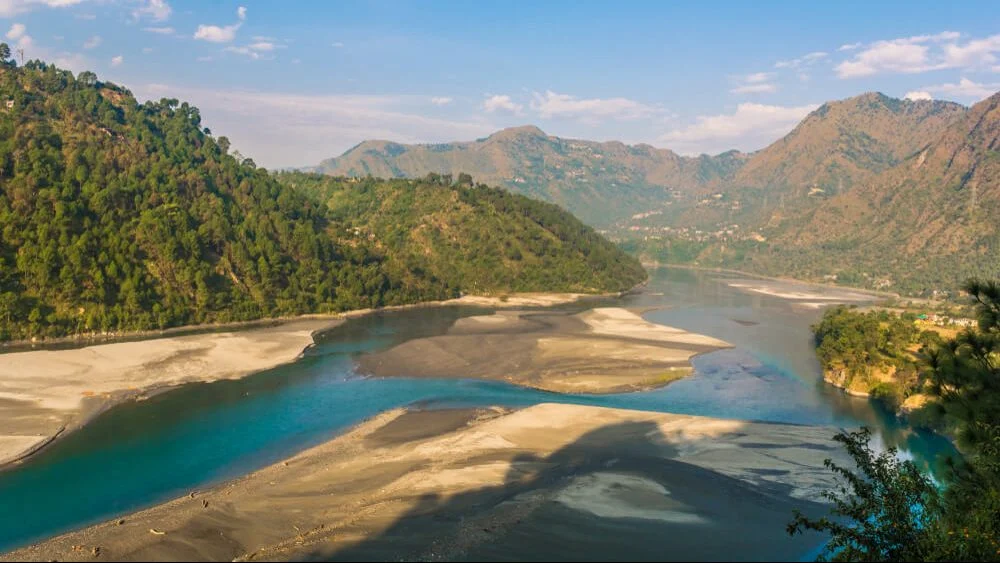
Pakistan is a land blessed with an extensive river system that has shaped its history, culture, economy, and environment for centuries. The mighty rivers of Pakistan are not only sources of life and livelihood but also carriers of tradition and heritage. Flowing from the snow-capped mountains of the north to the plains of Punjab and Sindh, these rivers sustain agriculture, provide water for industries, generate electricity, and contribute to the natural beauty of the country.

Understanding the famous rivers of Pakistan and their system is vital for anyone interested in geography, history, or tourism. For travelers, researchers, and students, Pakistan PTPC provides comprehensive insights into the country’s landscapes and water resources, making it an essential platform for exploring Pakistan’s natural treasures.

Importance of Rivers in Pakistan

The rivers of Pakistan form the backbone of the country’s economy and ecology. They:

  1. Support the largest irrigation system in the world, the Indus Basin Irrigation System.
  2. Provide drinking water and industrial usage.
  3. Generate hydropower, which contributes significantly to the national grid.
  4. Serve as habitats for biodiversity.
  5. Influence the cultural and social life of people, especially those living along the riverbanks.

Without rivers, Pakistan’s fertile plains, agriculture-based economy, and food security would not exist.

PTPCTourism PTPC Tourism PakistanPTPC Pakistan PTPC Pakistan Tourism Promotion Council Pakistan Tourism

The Indus River – Lifeline of Pakistan

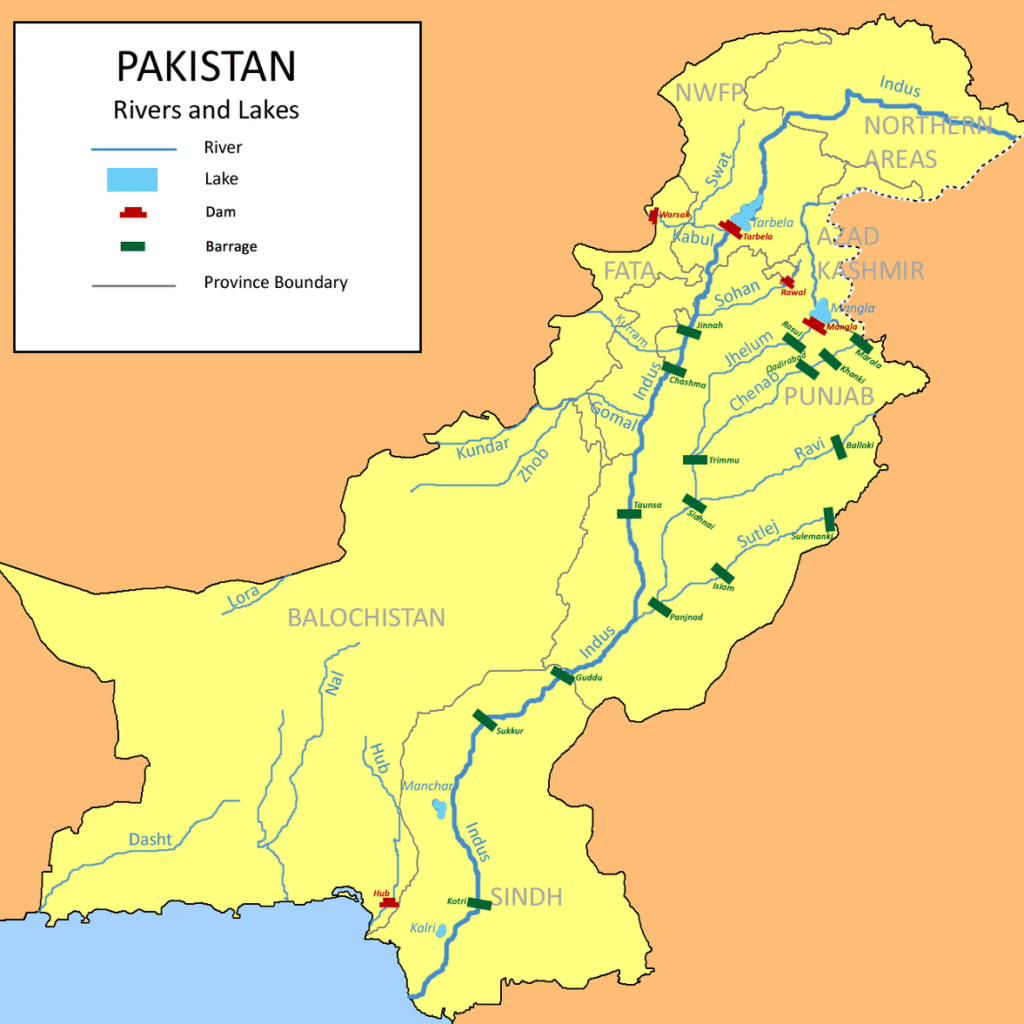
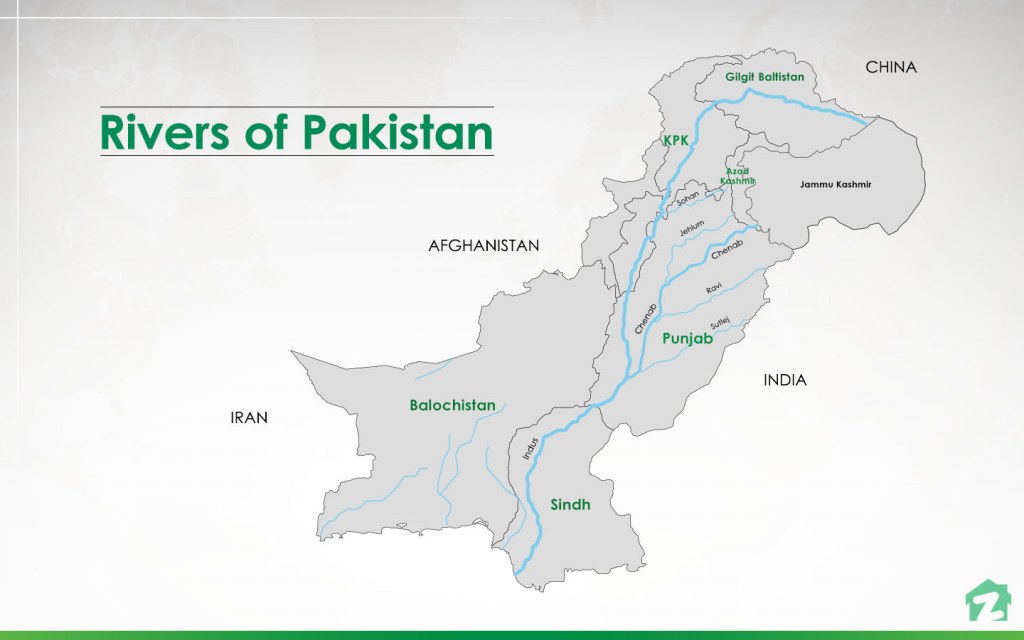
The Indus River, known as Sindhu in ancient times, is the longest and most important river in Pakistan.

  1. Length: Approximately 3,180 km (1,976 miles).
  2. Origin: Tibet (near Lake Mansarovar).
  3. Entry into Pakistan: Gilgit-Baltistan.
  4. Path: Flows through Khyber Pakhtunkhwa, Punjab, and Sindh before emptying into the Arabian Sea.

Importance of the Indus River

  1. Forms the core of Pakistan’s irrigation network.
  2. Hosts major dams like Tarbela and reservoirs critical for agriculture.
  3. Supported ancient civilizations, including the Indus Valley Civilization.

The Indus is truly the “River of Life” for Pakistan, as it sustains millions of people and provides fertile soil for crops.

Jhelum River – The River of Legends

The Jhelum River originates from Indian-administered Kashmir at Verinag Spring. It enters Pakistan near Mangla and flows through the plains of Punjab before merging with the Chenab River.

Significance

  1. Famous for the Mangla Dam, one of the largest dams in Pakistan.
  2. Associated with legends like Raja Porus and Alexander the Great’s battle at the River Jhelum.
  3. Provides water for agriculture and electricity generation.

Chenab River – The River of Romance

The Chenab River is formed by the confluence of two streams, Chandra and Bhaga, in Himachal Pradesh, India. It flows into Pakistan through Punjab, enriching its fertile plains.

Importance

  1. Plays a crucial role in Punjab’s irrigation system.
  2. Famous in Punjabi folklore such as Heer Ranjha.
  3. Merges with the Indus River after joining the Sutlej.

Ravi River – The Historic River

The Ravi River flows from Himachal Pradesh into Pakistan, passing through Lahore before merging with the Chenab.

Significance

  1. Historically important as it once flowed along the boundaries of Lahore.
  2. The famous Shalimar Gardens and Mughal structures were built near its banks.
  3. Though smaller in volume, it has immense cultural and historical value.

Sutlej River – The Ancient Stream

The Sutlej River is the easternmost of Pakistan’s rivers, flowing from Tibet into Punjab. It joins the Chenab to form the Panjnad River, which later merges into the mighty Indus.

Importance

  1. Critical for the irrigation of southeastern Punjab.
  2. Known for its historical role in trade routes.
  3. Also influenced the development of early civilizations in the region.

Kabul River – The Mountain Stream

Originating from Afghanistan, the Kabul River enters Pakistan through Khyber Pakhtunkhwa and merges with the Indus River near Attock.

Importance

  1. Supplies water for agriculture in Peshawar Valley.
  2. Hosts Warsak Dam for power generation and irrigation.
  3. Holds cultural and historical importance in Pashtun history.
PTPCTourism PTPC Tourism PakistanPTPC Pakistan PTPC Pakistan Tourism Promotion Council Pakistan Tourism

Role of Rivers in Agriculture and Economy

Over 70% of Pakistan’s population depends directly or indirectly on agriculture, and rivers are the lifeline of this sector. The fertile plains of Punjab and Sindh owe their richness to the Indus Basin Irrigation System. Wheat, rice, cotton, and sugarcane—the backbone crops of the economy—are all irrigated by these rivers.

Hydropower projects on rivers also reduce dependence on imported fuel and support industrial growth.

Rivers and Cultural Heritage

Beyond agriculture and economy, rivers in Pakistan are deeply connected with its cultural and spiritual life. From the folklore of Punjab to the Mughal gardens of Lahore and Sufi poetry praising the beauty of rivers, these water bodies have always been a source of inspiration.

Shrines, forts, and cities along riverbanks highlight the role rivers have played in shaping Pakistani civilization.

Preserving the Rivers for the Future

The government, NGOs, and communities are working together to manage and preserve rivers through:

  1. Construction of new dams and reservoirs.
  2. Implementation of water conservation practices.
  3. Awareness campaigns for pollution control.
  4. Cross-border dialogues for fair water distribution.

A sustainable approach to water management is the key to ensuring that future generations benefit from Pakistan’s rivers.

The famous rivers of Pakistan and their system are the very foundation of the country’s survival and growth. From the Indus, which is the nation’s lifeline, to the Ravi and Chenab that enrich the land with history and culture, these rivers continue to shape the destiny of Pakistan.

For anyone seeking to explore the natural beauty, history, and resources of Pakistan, the rivers offer a journey full of discovery. To learn more about Pakistan’s landscapes, resources, and heritage, visit Pakistan PTPC, your trusted source for travel guides and authentic information.

Hyderabad industry, Hyderabad glass bangles, Hyderabad textile industry, Hyderabad economy Pakistan

List of Famous Saints of Pakistan (Awliya Allah)

Saints of Pakistan (Awliya Allah)

Introduction: List of Famous Saints of Pakistan (Awliya Allah)

The history of Pakistan is deeply connected with spirituality, Sufism, and the teachings of saints, often referred to as Awliya Allah. These saints dedicated their lives to spreading the message of love, peace, tolerance, and devotion to God. Their shrines are not just places of religious importance but also cultural and historical landmarks that attract millions of devotees every year.

For those interested in exploring the spiritual heritage of Pakistan, understanding the list of famous saints is essential. Whether you are a pilgrim, a researcher, or a traveler, Pakistan PTPC provides authentic information and guides to help you discover these sacred places.

Spiritual and Cultural Influence of Awliya Allah

The saints of Pakistan were not only religious figures but also social reformers. They emphasized justice, kindness, and service to humanity. Their teachings continue to influence art, poetry, music, and cultural practices across Pakistan.

Annual Urs celebrations at their shrines attract people from all walks of life. These events include recitations, Qawwali, poetry, and charity work, fostering a sense of unity and harmony.

Hyderabad industry, Hyderabad glass bangles, Hyderabad textile industry, Hyderabad economy Pakistan
history of Multan, Multan ancient city, Multan Mughal era, Multan Sufi history

Role of Shrines in Promoting Tourism

Shrines of saints are among the most visited sites in Pakistan. They attract millions of devotees domestically and internationally, making them vital for religious tourism. Pilgrims and travelers visit these places not only for spiritual blessings but also to explore the architectural and cultural heritage.

For those planning spiritual tours, Pakistan PTPC offers detailed travel guides and information about Pakistan’s heritage and religious tourism.

Famous Saints and Their Shrines in Pakistan

Hazrat Ali Hujwiri (Data Ganj Bakhsh) – Lahore

Perhaps the most famous saint in Pakistan, Hazrat Data Ganj Bakhsh lived in Lahore in the 11th century. His real name was Hazrat Abul Hassan Ali Hujwiri, and his book Kashf-ul-Mahjoob is one of the most renowned works of Sufi literature.

  • Shrine Location: Data Darbar, Lahore

  • Significance: His shrine is the largest in South Asia, visited by millions of devotees annually.

Hazrat Lal Shahbaz Qalandar – Sehwan Sharif

Hazrat Lal Shahbaz Qalandar, a 13th-century saint, is famous for his message of love and inclusivity. He spent much of his life in Sehwan Sharif, Sindh.

  • Shrine Location: Sehwan, Sindh

  • Unique Aspect: The shrine hosts the famous dhamaal (spiritual dance) performed by devotees.

Hazrat Shah Rukn-e-Alam – Multan

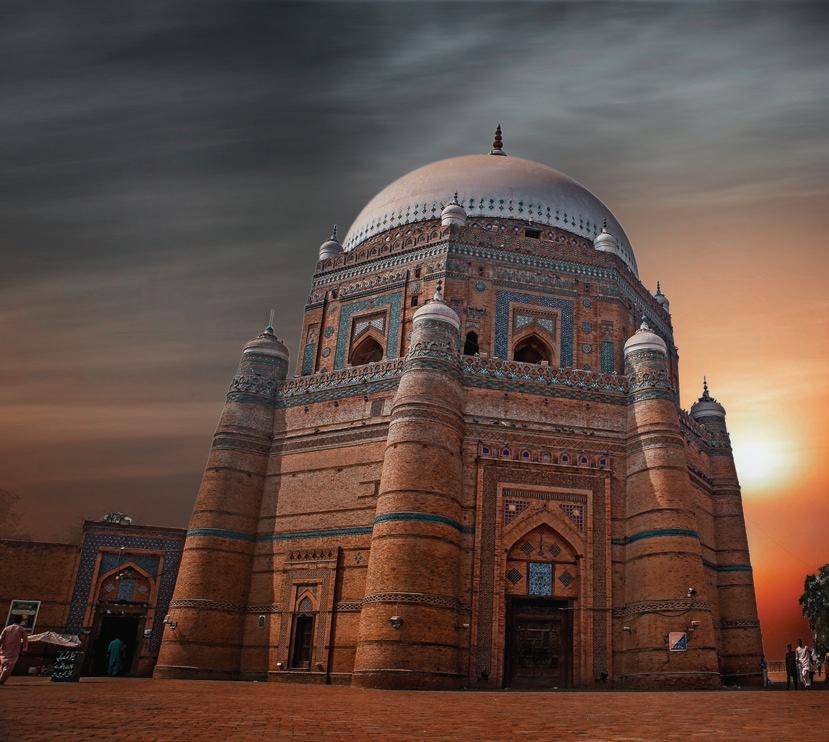
Multan, known as the “City of Saints,” is home to the shrine of Hazrat Shah Rukn-e-Alam, one of the most celebrated Sufi saints.

  • Shrine Location: Multan, Punjab

  • Architecture: The shrine is an architectural masterpiece of the pre-Mughal period.

Hazrat Sachal Sarmast – Khairpur

Sachal Sarmast was a Sindhi Sufi poet whose poetry in multiple languages expressed the philosophy of divine love and human unity.

  • Shrine Location: Daraza Sharif, Khairpur, Sindh

  • Contribution: Called the “Second Mansoor” for his mystical devotion.

Hazrat Sultan Bahu – Shorkot

Hazrat Sultan Bahu was a saint, poet, and scholar known for his Persian poetry filled with divine wisdom.

  • Shrine Location: Shorkot, Punjab

  • Legacy: His writings still inspire spiritual seekers across the world.

Hazrat Shah Abdul Latif Bhittai – Sindh

A celebrated poet-saint, Shah Abdul Latif Bhittai spread the message of love through his poetry compiled in Shah Jo Risalo.

  • Shrine Location: Bhit Shah, Sindh

  • Cultural Impact: His shrine is a hub of music, poetry, and Sufi gatherings.

PTPCTourism PTPC Tourism PakistanPTPC Pakistan PTPC Pakistan Tourism Promotion Council Pakistan Tourism

Hazrat Abdullah Shah Ghazi – Karachi

Known as the patron saint of Karachi, Hazrat Abdullah Shah Ghazi’s shrine overlooks the Arabian Sea. He is believed to have protected the city from natural disasters.

  • Shrine Location: Clifton, Karachi

  • Reputation: Considered a spiritual guardian of the city.

Hazrat Baba Farid Ganj Shakar – Pakpattan

Hazrat Baba Farid is among the earliest Sufi saints of the region. His poetry and spiritual wisdom laid the foundation for Punjabi Sufi literature.

  • Shrine Location: Pakpattan, Punjab

  • Importance: His annual Urs is attended by thousands of devotees.

Hazrat Bahauddin Zakariya – Multan

Another great saint of Multan, Hazrat Bahauddin Zakariya, established a Sufi order that played a vital role in spreading Islam in the region.

  1. Shrine Location: Multan, Punjab
  2. Teachings: Emphasized simplicity, devotion, and service to humanity.

Preserving the Legacy of Saints

It is essential to preserve the shrines and teachings of Awliya Allah for future generations. Restoration projects, cultural festivals, and awareness campaigns ensure that the legacy of these saints remains alive. Their message of peace is particularly important in today’s world, where tolerance and unity are needed more than ever.

The list of saints in Pakistan reflects a timeless spiritual tradition that shaped the identity and culture of the region. From Lahore to Sehwan, Multan to Karachi, these shrines are living symbols of devotion, love, and unity.

For travelers, pilgrims, and history enthusiasts, exploring the shrines of saints is a journey into Pakistan’s soul. To plan your visits, access reliable information, and discover the spiritual heritage of Pakistan, visit Pakistan PTPC — your trusted guide to exploring Pakistan’s history, culture, and spirituality.

Pakistani Airports: Gateways to Connectivity and Tourism

Pakistani Airports

Introduction: Gateways to Connectivity and Tourism

Airports are the lifeline of a country’s connectivity with the world. In Pakistan, airports not only serve as transportation hubs but also represent the country’s culture, hospitality, and economic aspirations. From bustling international airports in major cities to regional airstrips connecting remote areas, Pakistani airports play a vital role in tourism, trade, and business development.

For travelers exploring Pakistan, understanding the airport network is essential. Whether you are landing in Islamabad, Karachi, Lahore, or planning a trip to northern valleys, Pakistan PTPC provides reliable travel information, guides, and resources to help you navigate your journey seamlessly.

The Role of Airports in Pakistan

Airports in Pakistan are managed primarily by the Pakistan Civil Aviation Authority (CAA). They handle both domestic and international flights, catering to millions of passengers each year. These airports are more than just travel points; they are symbols of modernization and progress, reflecting Pakistan’s growing importance in global aviation.

  1. Economic Growth: Airports boost trade and tourism, bringing foreign investment and job opportunities.
  2. Tourism Development: With Pakistan’s rise as a popular travel destination, airports are gateways to breathtaking landscapes and heritage sites.
  3. Cultural Representation: The architecture and services at airports showcase Pakistani hospitality and traditions.
PTPCTourism PTPC Tourism PakistanPTPC Pakistan PTPC Pakistan Tourism Promotion Council Pakistan Tourism

The Importance of Northern Airports for Tourism

Pakistan’s northern regions are world-famous for their natural beauty, including mountains like K2, lush valleys, and alpine lakes. Airports in Gilgit, Skardu, and Chitral make it possible for tourists to reach these destinations quickly, avoiding long road journeys.

The development of northern airports supports Pakistan’s tourism industry, encouraging local and international travelers to explore hidden gems. For updated travel information and tourism guidance, visit Pakistan PTPC, your reliable partner in exploring Pakistan.

Major International Airports in Pakistan

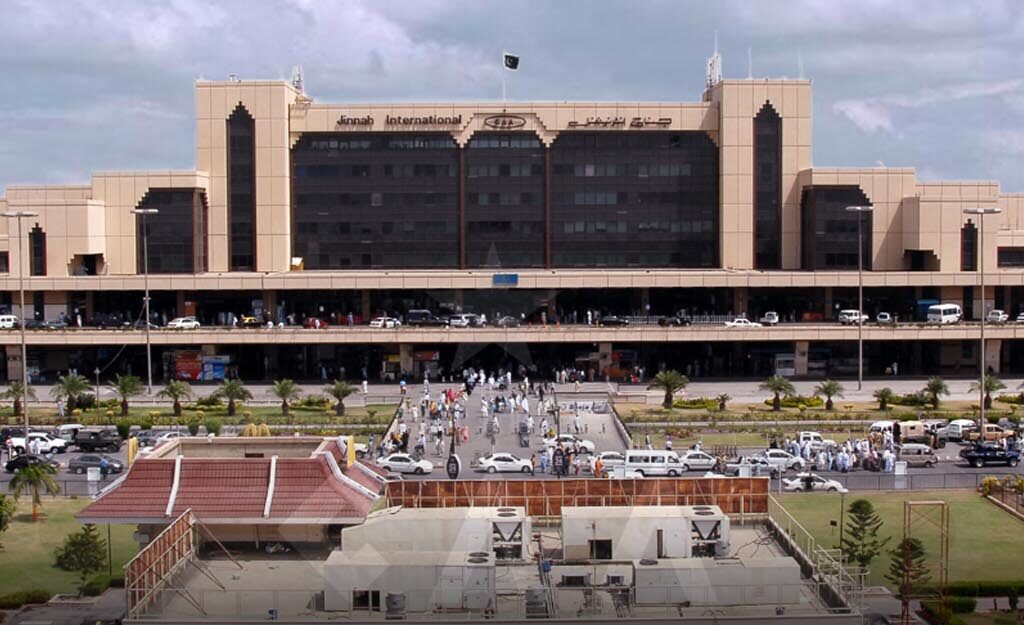
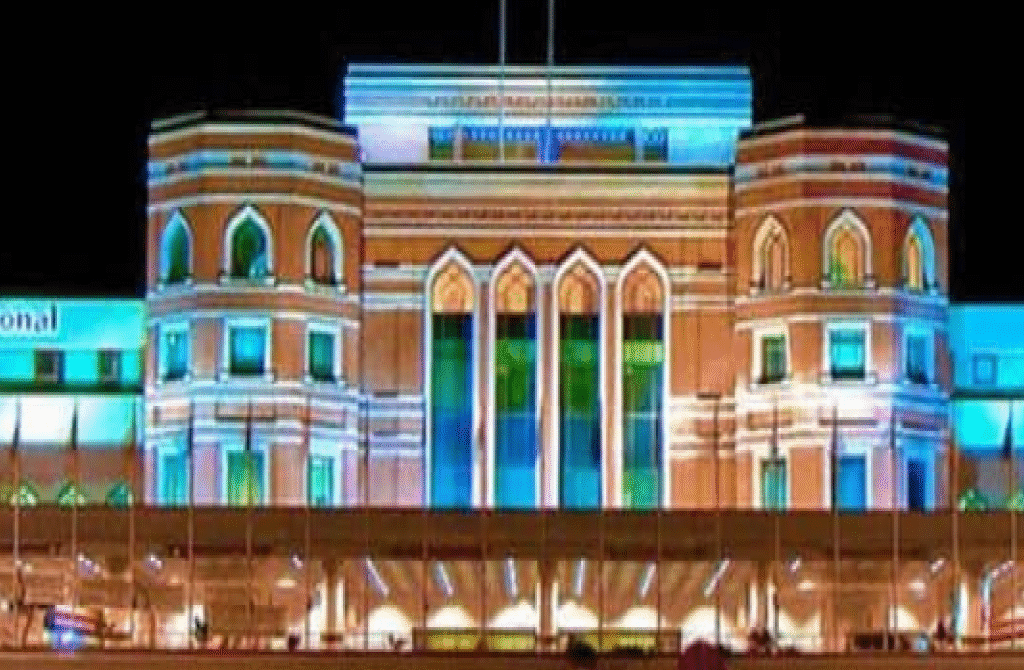
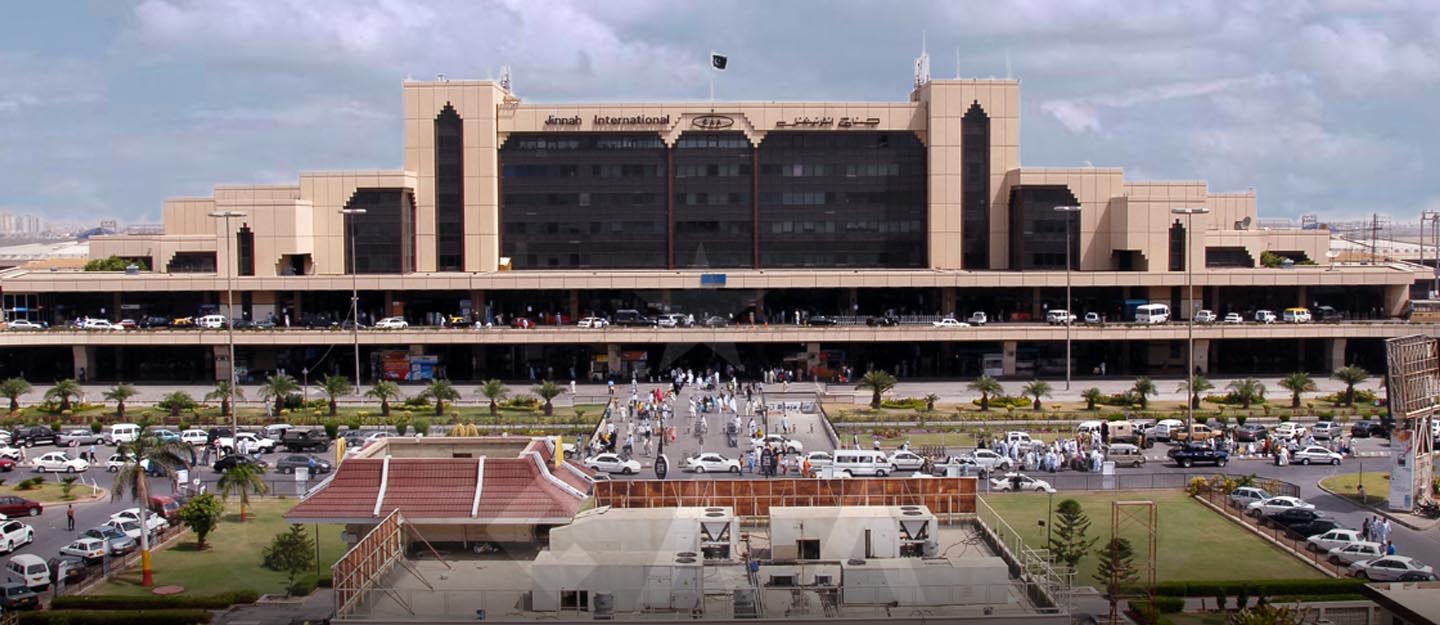
Jinnah International Airport, Karachi

Located in the bustling metropolis of Karachi, Jinnah International Airport is the largest and busiest in Pakistan. Serving as the primary hub for Pakistan International Airlines (PIA) and many foreign carriers, it connects Pakistan with destinations across Asia, the Middle East, Europe, and North America.

Facilities include modern lounges, duty-free shops, and business centers, making it a convenient entry point for international travelers.

Allama Iqbal International Airport, Lahore

Named after the national poet-philosopher Dr. Allama Muhammad Iqbal, this airport is Pakistan’s second-busiest. It is a gateway to Punjab’s cultural heart, Lahore. With expanded terminals and modern facilities, it serves millions of passengers annually.

Lahore’s airport plays a vital role for overseas Pakistanis, particularly those living in Europe, the Middle East, and North America.

Islamabad International Airport

Opened in 2018, Islamabad International Airport is one of the most advanced in South Asia. Built with state-of-the-art infrastructure, it can handle 25 million passengers annually. Its modern architecture, advanced baggage systems, and eco-friendly design make it a model for future airports in the region.

As the capital’s airport, it connects Pakistan with major world cities and facilitates government, business, and diplomatic travel.

Bacha Khan International Airport, Peshawar

Serving the Khyber Pakhtunkhwa province, this airport is a crucial hub for expatriates, especially those working in the Gulf region. Its upgraded facilities handle a significant volume of international flights, making it an important point of connectivity.

Regional Airports in Pakistan

Multan International Airport

Catering to Southern Punjab, Multan Airport has recently been upgraded to international status. It serves domestic travelers and expatriates from the Gulf countries, with growing passenger traffic every year.

Quetta International Airport

Strategically located in Balochistan, Quetta Airport serves as a vital link for both domestic and international travel. Its proximity to Afghanistan and Iran highlights its importance in regional connectivity.

Skardu and Gilgit Airports

Located in Gilgit-Baltistan, these airports are gateways to Pakistan’s northern valleys, including Hunza, Skardu, and Fairy Meadows. Skardu Airport has recently been upgraded to handle international flights, making tourism in the northern areas more accessible.

PTPCTourism PTPC Tourism PakistanPTPC Pakistan PTPC Pakistan Tourism Promotion Council Pakistan Tourism

Modernization and Challenges of Pakistani Airports

Modernization Efforts

The government and the Civil Aviation Authority are investing heavily in airport infrastructure. Islamabad International Airport reflects Pakistan’s modernization goals, while expansions at Karachi, Lahore, and Multan are enhancing travel experiences.

Digital check-in systems, upgraded lounges, and improved baggage handling services have been introduced to compete with global standards.

Challenges Faced

Despite progress, Pakistani airports face challenges such as outdated facilities at some regional airports, flight delays, and limited connectivity in remote areas. Addressing these issues is key to boosting Pakistan’s aviation industry.

Airports and Pakistan’s Tourism Industry

With tourism on the rise, airports act as the first impression for international visitors. Efficient services, cultural displays, and modern infrastructure make travelers feel welcomed.

Airports near northern areas are particularly vital for adventure tourism, attracting mountaineers, trekkers, and cultural explorers. For comprehensive tourism insights and guidance, Pakistan PTPC offers authentic and updated resources.

Airports as Symbols of National Identity

Pakistani airports are more than transit hubs; they are cultural symbols:

  1. Karachi: The country’s financial heartbeat.
  2. Lahore: A gateway to cultural heritage.
  3. Islamabad: The face of modern Pakistan.
  4. Skardu and Gilgit: Icons of tourism and natural beauty.

These airports reflect Pakistan’s diversity, from modern capitals to historical cities and mountainous landscapes.

Badshahi Mosque Lahore: A Timeless Symbol of Mughal Grandeur

Badshahi Mosque Lahore

Introduction: A Timeless Symbol of Mughal Grandeur

In the heart of Lahore, Pakistan, stands one of the most iconic and historically significant monuments of the Mughal era — the Badshahi Mosque. Known for its breathtaking beauty, intricate design, and cultural significance, the mosque is a proud symbol of Islamic architecture and Mughal legacy. Built in 1673 under the reign of Emperor Aurangzeb Alamgir, this mosque is not only one of the largest in the world but also one of the most visited tourist attractions in Pakistan.

For travelers, historians, and architecture enthusiasts, the Badshahi Mosque offers an unforgettable journey into history. To plan your visit and explore Pakistan’s timeless landmarks, Pakistan PTPC provides detailed guides, resources, and tourism information that will make your experience truly remarkable.

Historical Background of Badshahi Mosque

The Badshahi Mosque was commissioned in 1671 by the Mughal Emperor Aurangzeb, the sixth ruler of the Mughal dynasty, and was completed in 1673. It was constructed to celebrate the Mughal Empire’s power and devotion to Islam. At the time of its completion, it was the largest mosque in the world, capable of accommodating over 100,000 worshippers in its vast courtyard and prayer halls.

The mosque was also a political and cultural hub. It stood as a reminder of Mughal authority, especially since Lahore was a prominent city during the empire’s reign. Over the centuries, the mosque witnessed periods of neglect, particularly during the Sikh and British colonial rule, but it has been carefully restored to preserve its original magnificence.

PTPCTourism PTPC Tourism PakistanPTPC Pakistan PTPC Pakistan Tourism Promotion Council Pakistan Tourism

Religious and Cultural Importance

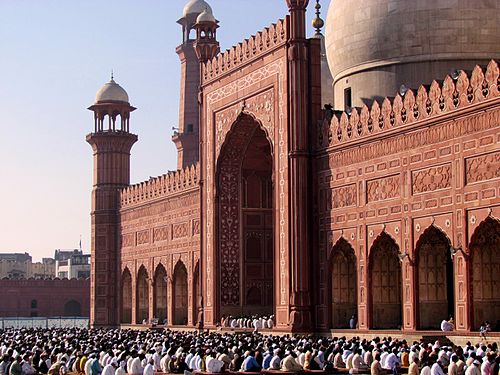
The Badshahi Mosque is not just an architectural masterpiece; it remains an active place of worship and cultural pride. Every Friday, thousands of worshippers gather here for Jumu’ah prayers. During Eid festivals, the mosque is filled with worshippers from across Lahore and beyond.

It also holds religious relics, including some believed to be associated with Prophet Muhammad (PBUH), making it spiritually significant for many Muslims.

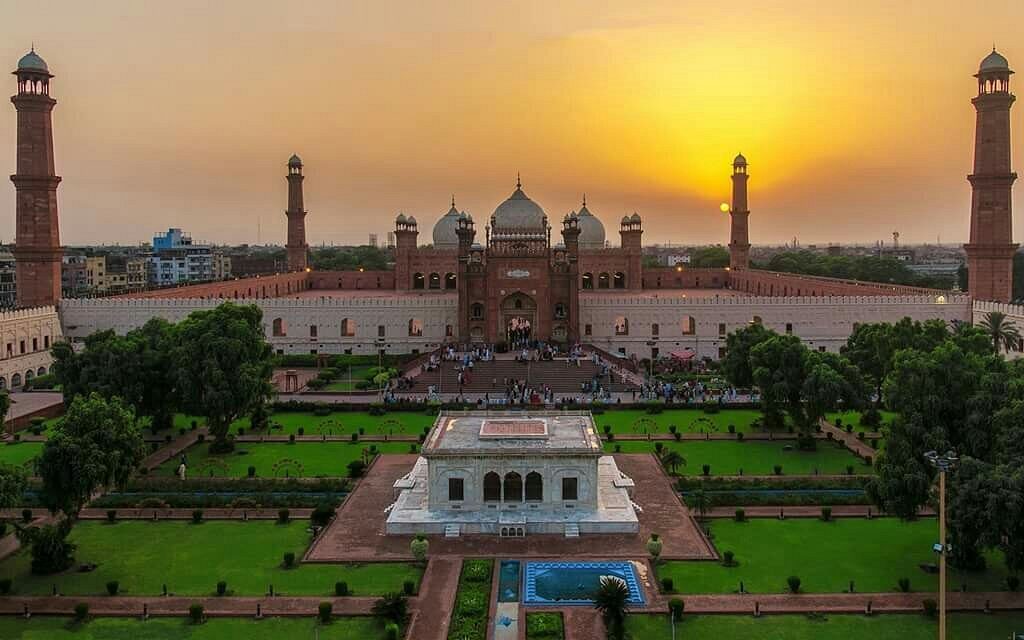
For tourists, the mosque represents more than a religious site. It is a cultural hub, often paired with visits to the Lahore Fort, which stands opposite the mosque, creating a grand historical complex.

Architectural Grandeur

Exterior Design

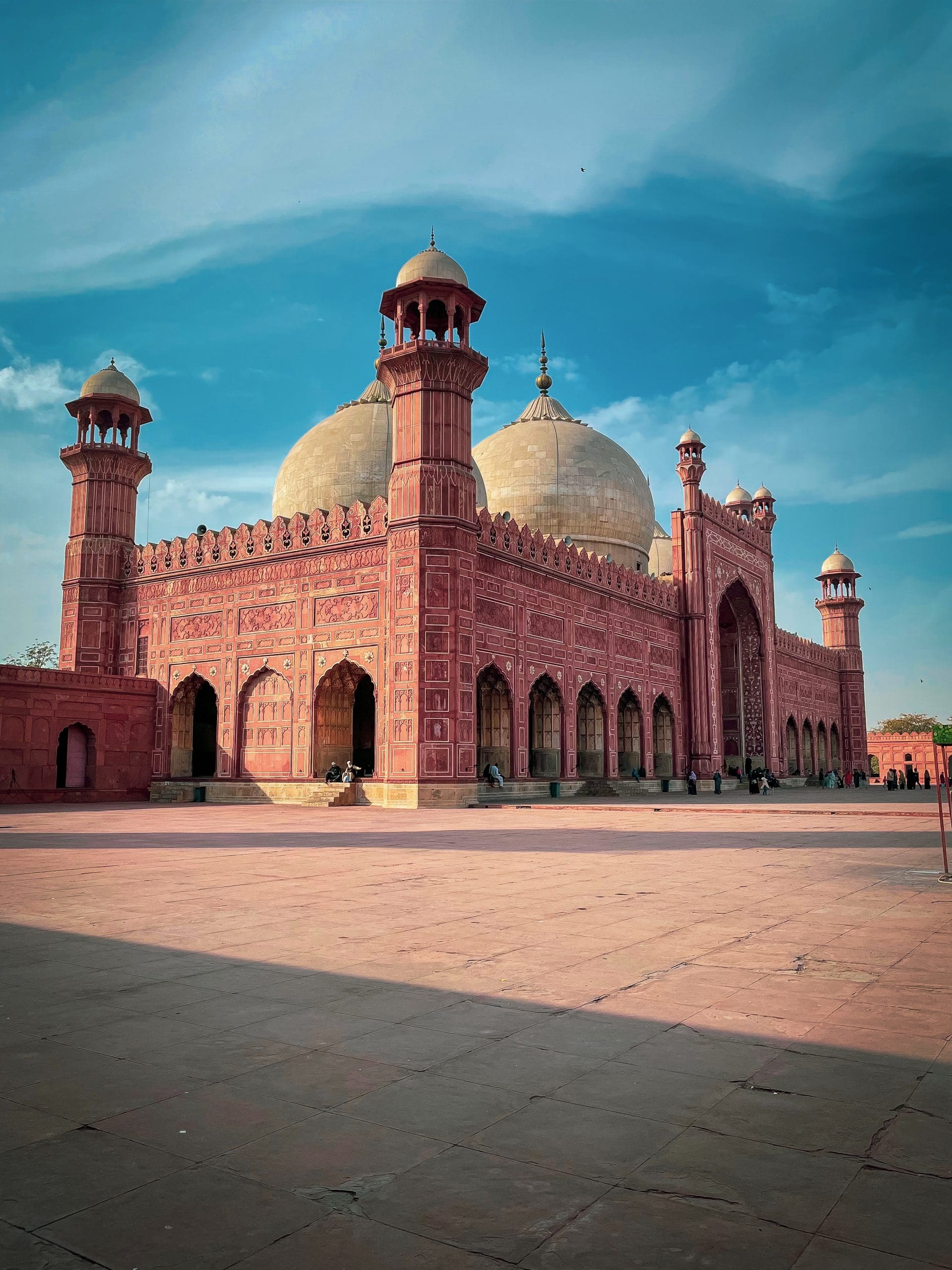
The Badshahi Mosque is built primarily from red sandstone, with marble inlays that enhance its majestic appearance. Its massive courtyard can hold around 55,000 people, making it one of the largest courtyards in any mosque in the world. Four towering minarets, each standing 176 feet tall, guard the corners of the mosque, while the three grand marble domes add an unparalleled beauty to the skyline of Lahore.

Interior Beauty

Inside the mosque, intricate fresco paintings, Islamic calligraphy, and detailed stucco work cover the walls and ceilings. The prayer chamber features a beautifully decorated mihrab, while the domes are adorned with delicate designs that reflect the artistry of Mughal craftsmen.

Symbolism of the Mosque

The mosque’s scale and beauty symbolize both Mughal devotion to Islam and their architectural innovation. The mixture of Persian, Central Asian, and Indian styles reflects the empire’s cultural richness.

The Mosque Through History

Mughal Period

During its early years, the mosque was a center for religious learning and ceremonies. Its vast size made it a symbol of Aurangzeb’s reign, projecting Mughal authority across the region.

Sikh and British Era

When the Sikhs took control of Lahore in the 18th century, the mosque was misused as a military garrison. Later, under British rule, it was also used for military purposes. This period led to severe damage and neglect of the mosque’s structure and sanctity.

Restoration Efforts

In 1852, during British colonial rule, the mosque was handed back to Muslims, and restoration began. Since then, several efforts have been made to restore it, including significant work during the 20th century. Today, the Badshahi Mosque stands as a restored heritage site, carefully preserved for future generations.

Badshahi Mosque as a Tourist Attraction

A Must-Visit in Lahore

Lahore, often called the cultural heart of Pakistan, draws thousands of visitors each year, and the Badshahi Mosque is its crown jewel. Whether you are exploring history, admiring architecture, or capturing photographs, the mosque provides a memorable experience.

Visiting Experience

  1. Location: Right opposite the Lahore Fort in the Walled City of Lahore.
  2. Best Time to Visit: Evening or early morning, when the mosque glows beautifully in natural light.
  3. Cultural Etiquette: As it is an active place of worship, visitors are expected to dress modestly and respect prayer times.

For tourists looking to discover more about Lahore and its surrounding landmarks, Pakistan PTPC offers detailed itineraries and guides.

Badshahi Mosque in Modern Times

Today, the Badshahi Mosque is not only a place of worship but also a UNESCO tentative heritage site. It serves as a venue for cultural events, religious gatherings, and international tourism.

Its popularity has increased with improved infrastructure and cultural programs in Lahore, making it one of the most photographed and visited landmarks in Pakistan.

PTPCTourism PTPC Tourism PakistanPTPC Pakistan PTPC Pakistan Tourism Promotion Council Pakistan Tourism

Why the Badshahi Mosque is a Symbol of Pakistan

The mosque represents Pakistan’s identity in multiple ways:

  1. Religious Symbolism: As one of the largest mosques in the Muslim world, it symbolizes the Islamic heritage of the region.
  2. Architectural Heritage: Its Mughal design connects Pakistan with a rich cultural past.
  3. National Pride: Featured on coins, literature, and media, the mosque serves as a symbol of Pakistan’s resilience and pride.

Travel Tips for Visitors

  1. Plan a Guided Tour: A local guide can enrich your experience with historical anecdotes.
  2. Visit Nearby Attractions: Combine your visit with Lahore Fort, Hazuri Bagh, and the Shalimar Gardens.
  3. Photography: Sunset views are particularly stunning from the mosque’s courtyard.
  4. Respect Local Traditions: Remove shoes before entering, and avoid photography during prayer times.

For more comprehensive travel tips, check Pakistan PTPC, where you’ll find authentic guidance on exploring Lahore’s heritage.

The Badshahi Mosque is more than just a religious site; it is a timeless monument of Mughal magnificence, Islamic devotion, and Pakistani pride. From its red sandstone exterior to its spiritual atmosphere, every corner of the mosque tells a story of history, culture, and faith.

Whether you are a historian, traveler, or simply an admirer of great architecture, a visit to this mosque is an experience that stays with you forever. For those planning their journey to Lahore and other destinations in Pakistan, Pakistan PTPC is your reliable companion, offering detailed resources to make your trip unforgettable.

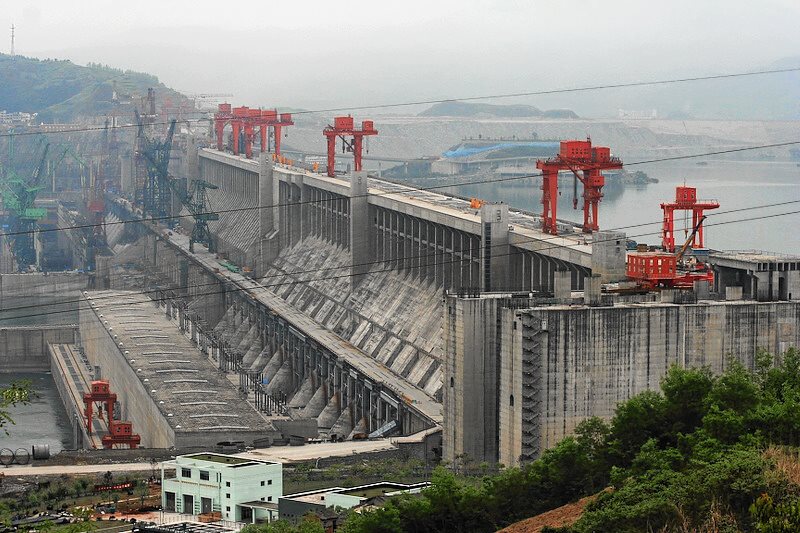
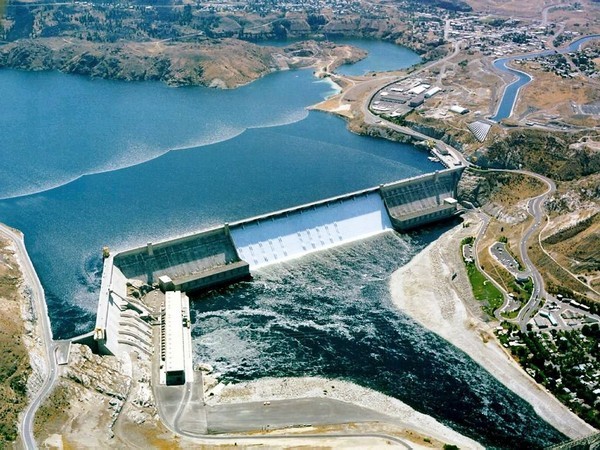
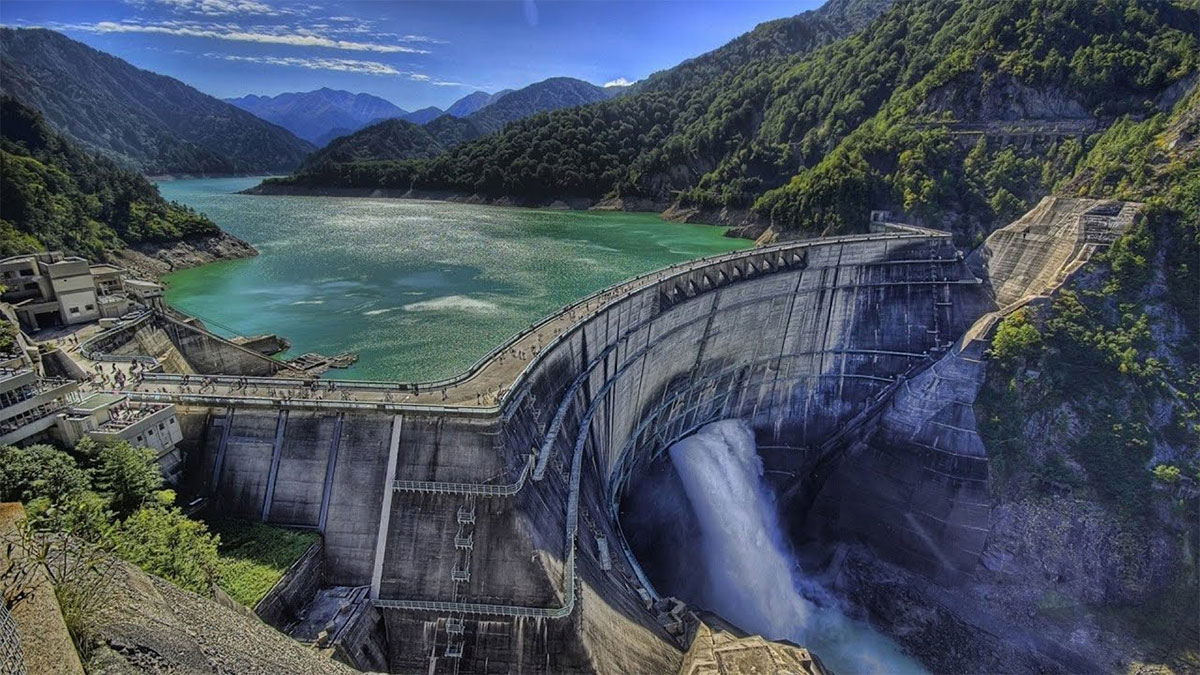
Major Under Construction Dams in Pakistan 2025

Under Construction Dams in Pakistan

Introduction

Pakistan is a land blessed with mighty rivers flowing from the Himalayas and the Karakoram ranges, yet it faces an ongoing challenge of water scarcity, energy shortages, and agricultural demands. To address these concerns, the country has undertaken major projects in the form of under-construction dams. These dams are not just engineering marvels but also essential for ensuring water conservation, power generation, flood control, and agricultural development.

In this article, we will explore the major under-construction dams in Pakistan, their importance, current progress, and the long-term benefits they will bring to the nation. If you are passionate about discovering Pakistan’s infrastructure and development projects, Pakistan PTPC offers reliable resources and insights into these ongoing megaprojects.

Major Under-Construction Dams in Pakistan

Diamer-Bhasha Dam

  1. Location: Gilgit-Baltistan and Khyber Pakhtunkhwa border
  2. Type: Roller-compacted concrete dam
  3. Capacity: 8.1 million acre-feet (MAF) storage; 4,500 MW hydropower generation
  4. Status: Under construction (expected completion around 2029)

Diamer-Bhasha Dam is one of Pakistan’s most ambitious projects. It will be the world’s tallest roller-compacted dam and a critical project for Pakistan’s water storage and power needs. Apart from generating electricity, it will extend the lifespan of downstream dams like Tarbela by reducing sedimentation.

PTPCTourism PTPC Tourism PakistanPTPC Pakistan PTPC Pakistan Tourism Promotion Council Pakistan Tourism

Ecological Importance of Flower Valleys

Mohmand Dam

  1. Location: Mohmand District, Khyber Pakhtunkhwa
  2. Type: Concrete-faced rock-fill dam
  3. Capacity: 1.2 MAF water storage; 800 MW hydropower generation
  4. Status: Under construction (expected completion by 2026)

Mohmand Dam is crucial for flood control in Peshawar, Charsadda, and Nowshera while also providing irrigation water and electricity. It is expected to irrigate 18,000 acres of land and supply drinking water to Peshawar.

Importance of Dams in Pakistan

Before looking into the ongoing projects, it is important to understand why dams are vital for Pakistan’s economy and survival.

Water Conservation

Pakistan depends heavily on the Indus River system, but due to lack of sufficient reservoirs, a significant portion of water is wasted into the Arabian Sea. New dams will help store this water for irrigation, drinking, and industrial use.

Hydropower Generation

With rising electricity demand, hydropower offers a renewable, cost-effective solution. Dams provide clean energy, reducing dependence on imported fuel and thermal power.

Flood Control

Seasonal floods in Pakistan cause widespread destruction. Properly designed dams regulate water flow, minimizing flood damage.

Agriculture Support

Pakistan’s economy relies on agriculture. Stored water from dams ensures a steady irrigation supply, enhancing food security and crop yields.

Dasu Hydropower Project

  1. Location: Upper Kohistan, Khyber Pakhtunkhwa
  2. Type: Run-of-the-river project on the Indus River
  3. Capacity: 4,320 MW (planned in phases)
  4. Status: Phase-I under construction (expected by 2026), Phase-II will follow

Dasu is one of the largest hydropower projects in the world. It is being constructed in two phases and will play a central role in meeting Pakistan’s future electricity demands with clean energy.

Keyal Khwar Hydropower Project

  1. Location: Lower Kohistan, Khyber Pakhtunkhwa
  2. Type: Run-of-the-river
  3. Capacity: 128 MW
  4. Status: Construction ongoing

This project is smaller compared to others but still vital in contributing renewable energy to the national grid. It will help meet local energy demands while supporting national goals of reducing reliance on fossil fuels.

PTPCTourism PTPC Tourism PakistanPTPC Pakistan PTPC Pakistan Tourism Promotion Council Pakistan Tourism

Benefits of Under-Construction Dams

Meeting Energy Demands

The total hydropower capacity from under-construction dams exceeds 10,000 MW, which will significantly reduce the electricity shortfall.

Food Security

With more water stored, Pakistan will be able to irrigate millions of acres of farmland, improving crop production.

Flood Protection

Dams like Mohmand and Diamer-Bhasha will help control seasonal flooding, saving lives and infrastructure.

Economic Growth

Construction projects create thousands of jobs, while the availability of cheap electricity and water boosts industries and agriculture.

Environmental Protection

Hydropower reduces reliance on fossil fuels, lowering greenhouse gas emissions and promoting sustainable development.

Challenges in Dam Construction

While dams promise great benefits, Pakistan faces challenges in their completion:

  1. Financial Constraints: High costs and reliance on loans delay progress.
  2. Resettlement Issues: Relocating communities from dam sites creates social challenges.
  3. Political and Regional Disputes: Water-sharing concerns between provinces sometimes delay projects.
  4. Environmental Impact: Large dams alter ecosystems and require careful environmental management.

Future Outlook

Pakistan’s vision of achieving energy independence and water security heavily depends on the timely completion of these under-construction dams. If implemented effectively, these projects will transform the nation’s agriculture, industry, and power sectors.

For travelers, engineers, and researchers interested in exploring these megaprojects, Pakistan PTPC provides updated insights and travel opportunities to witness these historic developments.

The under-construction dams in Pakistan represent more than infrastructure projects; they are lifelines for the country’s survival and growth. From Diamer-Bhasha to Dasu and Mohmand, each dam contributes to solving Pakistan’s water and energy crises. While challenges remain, their completion will secure a brighter, sustainable future.

If you are eager to explore Pakistan’s natural beauty, cultural heritage, and groundbreaking infrastructure, visit Pakistan PTPC to discover detailed guides, tourism opportunities, and resources about Pakistan’s ongoing development.

The Importance of Flower Valleys in Pakistan

Flower Valleys in Pakistan

Introduction

Flower valleys, locally known as گل وادیاں, are among the most breathtaking natural wonders on Earth. Pakistan, blessed with diverse landscapes ranging from the snow-capped peaks of the north to the deserts of Balochistan, is also home to enchanting valleys covered with wildflowers. These valleys not only highlight the scenic beauty of the country but also play a vital role in ecology, tourism, and the preservation of biodiversity.

In this article, we will explore the importance of flower valleys in Pakistan, their ecological and cultural significance, and how they have become a major attraction for both local and international travelers. If you’re planning to explore these natural wonders, Pakistan PTPC can guide you in experiencing the true charm of these colorful landscapes.

Natural Beauty of Flower Valleys

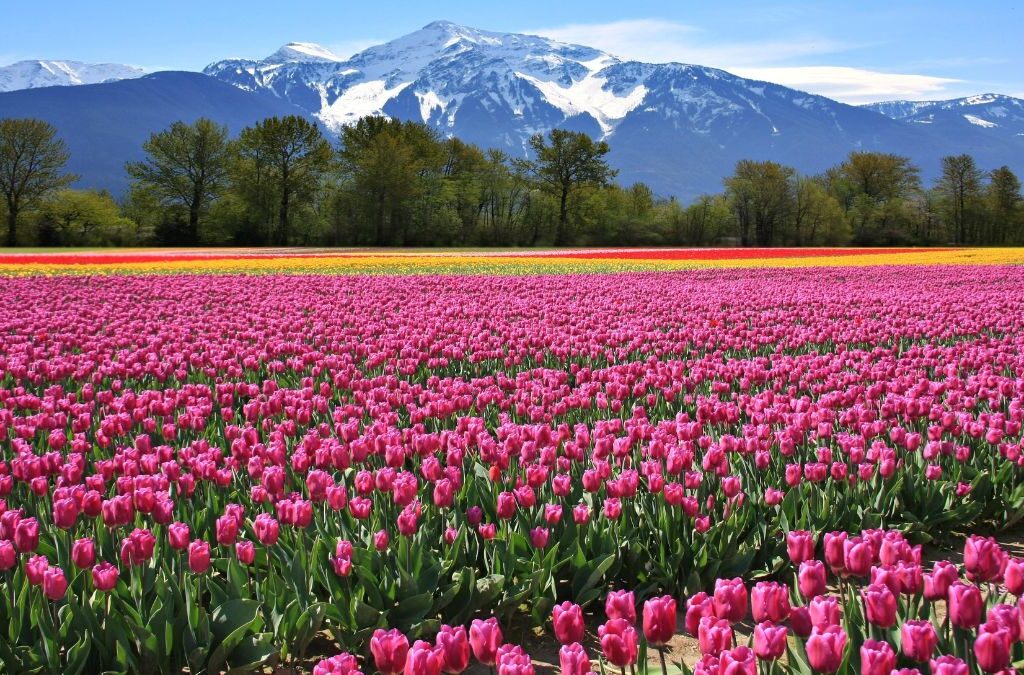
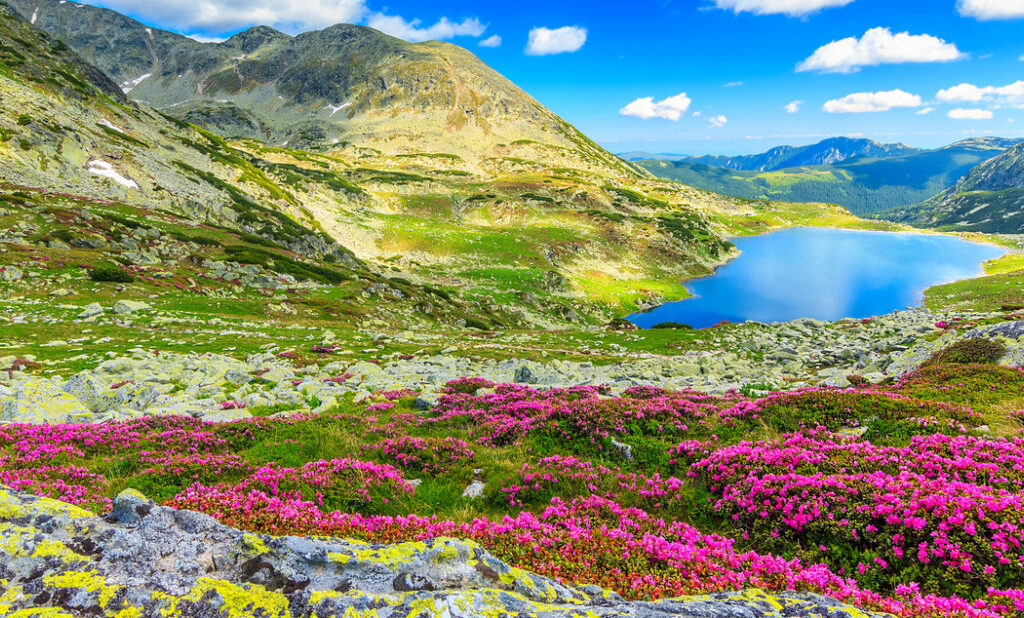
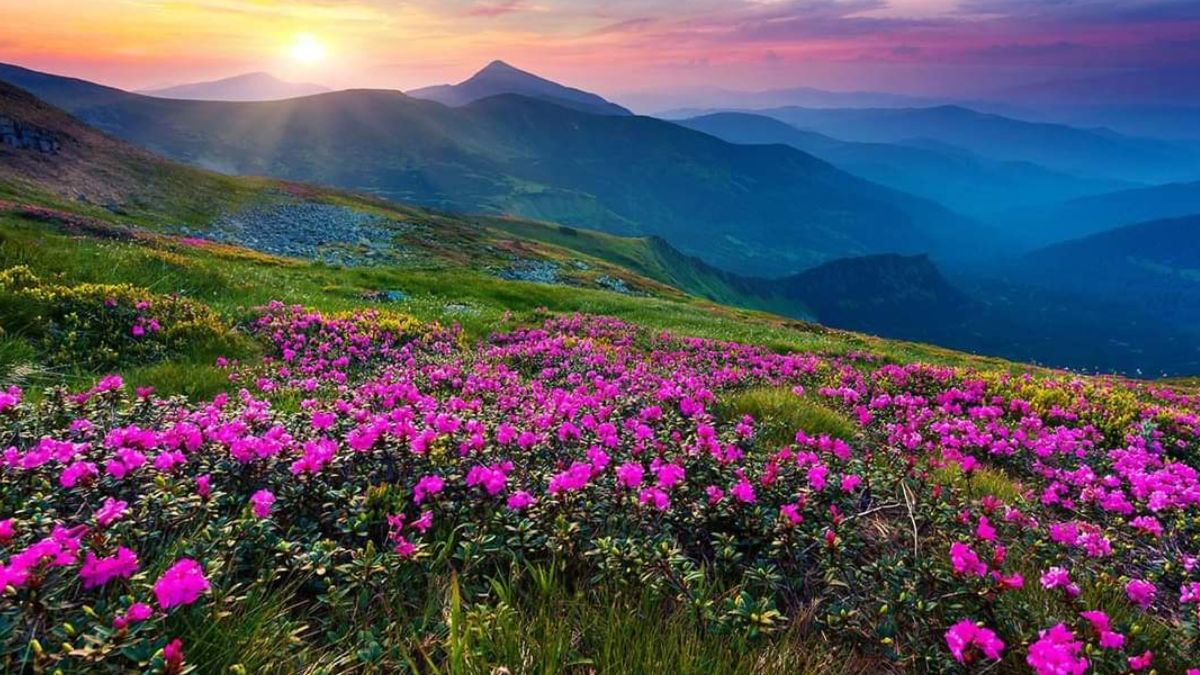
When spring arrives, flower valleys in Pakistan transform into carpets of color. Fields of tulips, daisies, buttercups, and countless wildflowers bloom, painting the land in vibrant hues. This natural beauty makes these valleys a paradise for nature lovers, photographers, and adventurers.

The fragrance of wildflowers, the sound of flowing streams, and the sight of majestic mountains in the background make flower valleys a source of peace and inspiration. Places like Hunza, Kalash, Swat, and Naltar are famous for their seasonal blossoms, attracting thousands of visitors every year.

PTPCTourism PTPC Tourism PakistanPTPC Pakistan PTPC Pakistan Tourism Promotion Council Pakistan Tourism

Ecological Importance of Flower Valleys

Biodiversity Hotspots

Flower valleys are home to a rich variety of plant and animal species. These ecosystems support:

  1. Rare medicinal plants.
  2. Pollinators like bees and butterflies.
  3. Endangered bird species that depend on flower-rich habitats.

Climate Regulation

Flower valleys help maintain ecological balance by absorbing carbon dioxide, producing oxygen, and preventing soil erosion. Their vegetation plays a role in stabilizing the local climate and water cycle.

Pollination and Agriculture

The presence of diverse flowers ensures pollination for nearby crops, which boosts agriculture and food production in rural areas.

Cultural and Spiritual Significance

In many parts of Pakistan, flower valleys carry deep cultural meaning. Communities celebrate spring festivals when the valleys bloom, marking the start of new life and prosperity. For example:

  1. Navroz in Hunza coincides with blooming seasons.
  2. Local poets and artists often take inspiration from flower valleys, symbolizing hope, love, and beauty.

For visitors, walking through a valley of flowers feels like entering a world of peace, where nature and culture harmoniously blend.

Tourism and Flower Valleys in Pakistan

Attracting Nature Lovers

Every year, valleys filled with flowers attract tourists from across the globe. People visit to hike, camp, or simply enjoy the spectacular views. These valleys have become an important part of eco-tourism, as travelers prefer destinations where they can connect with unspoiled nature.

Economic Benefits

Tourism in flower valleys also provides income for local communities. From guesthouses and handicrafts to guided tours, entire villages benefit from the seasonal influx of visitors. Platforms like Pakistan PTPC ensure that tourists have reliable options to explore these valleys while also supporting local businesses.

Famous Flower Valleys in Pakistan

  1. Gojal Valley (Hunza) – Known for wildflowers blooming against the backdrop of Karakoram peaks.
  2. Kaghan and Naran Valleys – Famous for colorful alpine meadows.
  3. Kalash Valley – Rich with blossoms during traditional spring festivals.
  4. Swat Valley – Often called the “Switzerland of the East” for its lush flower meadows.
  5. Rama Meadows (Astore) – A hidden paradise full of wildflowers near Nanga Parbat.

Scientific Research and Education

Flower valleys serve as natural laboratories for scientists and researchers. Botanists study rare species, while environmentalists observe the effects of climate change on fragile ecosystems. Schools and universities also organize trips to these valleys, allowing students to learn about biodiversity firsthand.

PTPCTourism PTPC Tourism PakistanPTPC Pakistan PTPC Pakistan Tourism Promotion Council Pakistan Tourism

Challenges to Flower Valleys

Despite their beauty and importance, flower valleys face multiple challenges:

  1. Deforestation: Expansion of villages and agricultural land reduces flower habitats.
  2. Climate Change: Rising temperatures and unpredictable weather threaten delicate ecosystems.
  3. Overtourism: Unregulated tourism can damage the natural environment.
  4. Pollution: Waste left by visitors disrupts the ecological balance.

Protecting flower valleys requires sustainable tourism, awareness programs, and responsible travel practices. Tour operators like Pakistan PTPC promote eco-friendly tourism to ensure these valleys are preserved for future generations.

Best Time to Visit Flower Valleys

The best time to visit flower valleys in Pakistan is April to June and sometimes August to September, depending on the region. During these months, the valleys are at their peak bloom, offering visitors an unforgettable view of nature’s palette.

Traveling with professional guides through Pakistan PTPC can help you choose the right time and destination to witness the magical transformation of these valleys.

The flower valleys of Pakistan are treasures of natural beauty, cultural heritage, and ecological importance. They serve as sanctuaries for biodiversity, sources of inspiration for artists and poets, and key destinations for eco-tourism. Yet, they also face challenges that require collective action for preservation.

If you dream of exploring the stunning flower valleys of Hunza, Swat, Kalash, or Astore, let Pakistan PTPC help you plan the perfect journey. With expert guidance, sustainable practices, and reliable services, you can experience the magic of Pakistan’s flower valleys while contributing to their protection.

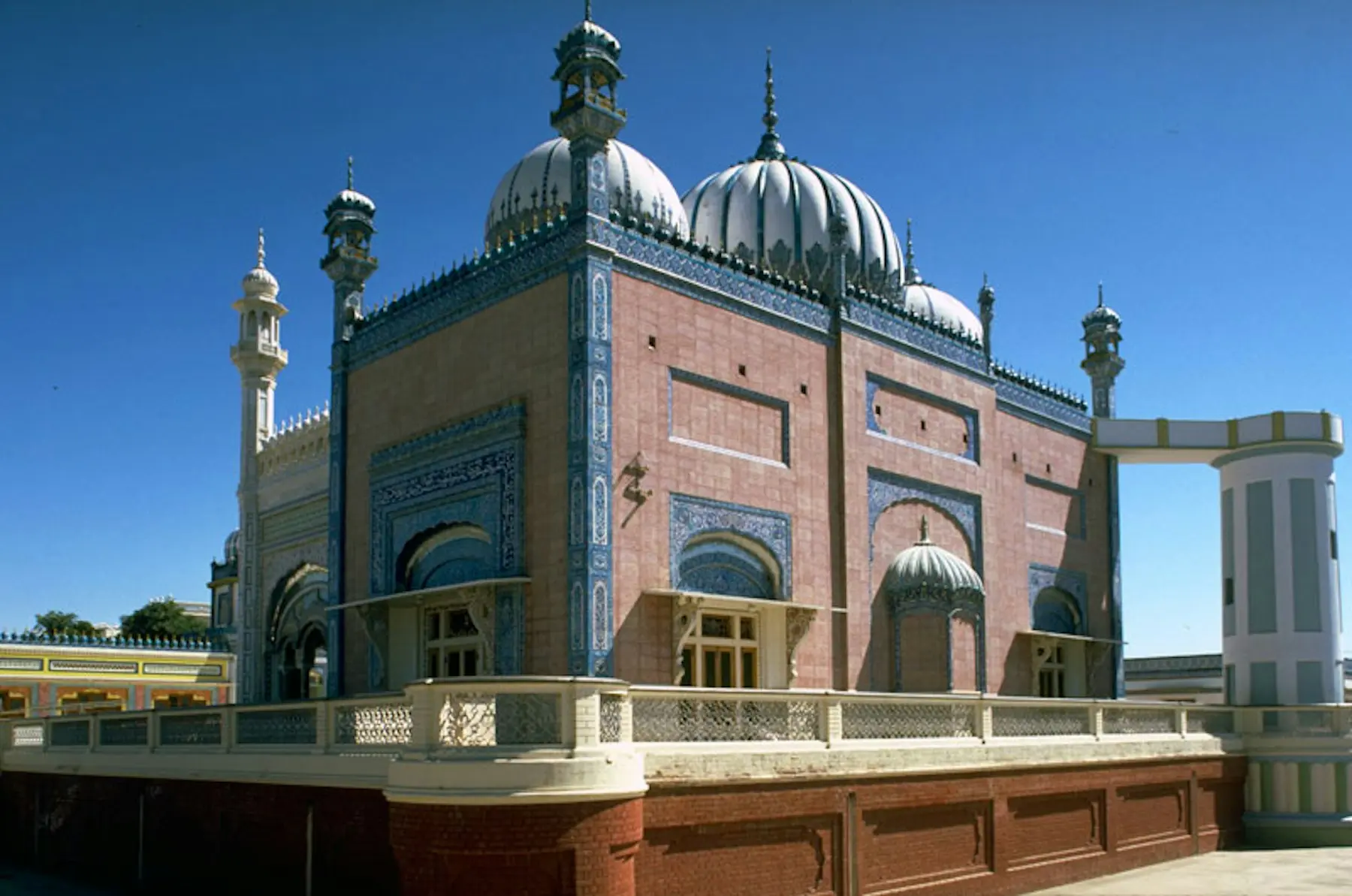
Bhong Mosque: A Masterpiece of Islamic Architecture in Pakistan

Bhong Mosque

Introduction: A Masterpiece of Islamic Architecture in Pakistan

Pakistan is a land of rich history, diverse culture, and magnificent architecture. From ancient Buddhist monasteries to grand Mughal mosques, the country reflects centuries of artistry and devotion. Among these treasures stands the Bhong Mosque (مسجد بھونگ شریف), an architectural gem located in Rahim Yar Khan district, Punjab. Known for its intricate design, stunning calligraphy, and unique fusion of styles, Bhong Mosque is not only a spiritual center but also a globally recognized work of art.

For travelers and history enthusiasts, this mosque offers an unforgettable experience, and with the help of Pakistan PTPC, you can plan a smooth, well-guided trip to explore this remarkable landmark.

Location and History of Bhong Mosque

The Bhong Mosque is located in Rahim Yar Khan, a district in southern Punjab near the borders of Sindh and Balochistan. The mosque was commissioned by Sardar Raees Ghazi Muhammad, a respected landlord and philanthropist, in 1932. What makes this mosque extraordinary is the time and dedication invested in its construction—nearly 50 years were spent designing, crafting, and perfecting its details before completion in 1982.

The mosque became famous worldwide when it received the Aga Khan Award for Architecture in 1986, an honor that placed it among the most remarkable architectural creations of the modern Islamic world.

Role of Bhong Mosque in Promoting Islamic Art

The mosque has become a symbol of modern Islamic creativity, inspiring architects and artists across the Muslim world. From its tile patterns to Quranic inscriptions, it represents how traditional art can thrive in the modern era.

Universities and researchers often study Bhong Mosque as a case of blending faith, culture, and modernity in architecture.

PTPCTourism PTPC Tourism PakistanPTPC Pakistan PTPC Pakistan Tourism Promotion Council Pakistan Tourism

The Spiritual and Cultural Importance

Beyond its artistic brilliance, the Bhong Mosque holds immense religious and cultural significance.

  1. Religious Importance: It remains an active place of worship, hosting daily prayers, Friday congregations, and religious gatherings for the local community.
  2. Educational Role: Alongside the mosque, a madrasa (Islamic school) was established, ensuring that the mosque served as a hub of knowledge and spirituality.
  3. Cultural Heritage: The mosque symbolizes the generosity and vision of Raees Ghazi Muhammad, who dedicated his wealth and life to building a structure that would inspire future generations.

Architectural Brilliance of Bhong Mosque

The Bhong Mosque is often described as a “living museum of Islamic architecture.” It combines traditional Islamic design with modern creativity, making it unique compared to other mosques in Pakistan.

Fusion of Styles

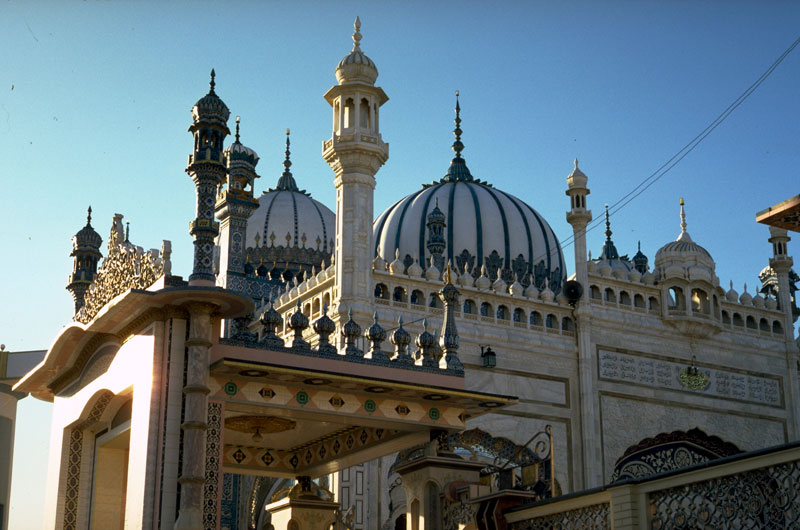
The mosque incorporates Mughal, Persian, and Arabian influences. Intricate floral designs, vibrant tile work, and elaborate calligraphy cover its walls, minarets, and domes. Every corner of the mosque is decorated with unmatched precision.

Marble and Mosaic Work

White marble inlaid with colorful mosaics gives the mosque an aura of elegance. The floors shine with polished stone, while the ceilings dazzle with gold and mirror work.

Domes and Minarets

The mosque has multiple domes painted with exquisite artwork and surrounded by tall minarets that add grandeur to the skyline. Each dome carries symbolic Islamic designs, with Qur’anic verses inscribed in beautiful calligraphy.

Wooden Carvings

Rare craftsmanship can be seen in the mosque’s wooden doors and panels, decorated with intricate carvings inspired by centuries-old traditions.

Why Bhong Mosque is a UNESCO-Worthy Landmark

Although not officially listed yet, the Bhong Mosque holds the potential to be recognized as a UNESCO World Heritage Site due to:

  • Its unique blend of Islamic architectural styles.

  • The fact that it took half a century to complete, representing dedication to perfection.

  • Its international recognition through the Aga Khan Award.

  • Its role in promoting Islamic art and calligraphy in modern times.

Tourism in Bhong Mosque

Attractions for Visitors

  1. Architectural Beauty: Tourists are mesmerized by the mosque’s intricate tile work, domes, and minarets.
  2. Cultural Experience: Visitors get a glimpse of the traditions and hospitality of southern Punjab.
  3. Photography: The vibrant colors and fine details make it a paradise for photographers.
  4. Peaceful Ambience: Visitors often describe their experience as deeply spiritual due to the calm environment.
PTPCTourism PTPC Tourism PakistanPTPC Pakistan PTPC Pakistan Tourism Promotion Council Pakistan Tourism

Best Time to Visit Bhong Mosque

The ideal time to visit is October to March, when the weather in southern Punjab is cooler and more comfortable. The mosque is open year-round, but summer heat can make travel challenging. Evening visits offer breathtaking views as the mosque glows under golden lights.

Local Hospitality and Culture

Visitors to Bhong Sharif not only enjoy the beauty of the mosque but also experience the warmth of local people. The residents of Rahim Yar Khan are known for their generosity, and travelers often enjoy local cuisine, handicrafts, and folk traditions.

Challenges and Preservation Needs

Despite its beauty, the mosque faces challenges:

  1. Weather Damage: Over time, extreme heat and dust affect its structure.
  2. Maintenance Costs: Continuous preservation requires financial support.
  3. Tourism Pressure: As more tourists visit, there is a need for better management.

Cultural organizations and tourism platforms like Pakistan PTPC emphasize the importance of sustainable tourism and preservation to protect this masterpiece for future generations.

Why You Should Visit Bhong Mosque

The Bhong Mosque is more than just a place of prayer—it’s a celebration of devotion, art, and cultural pride. Every corner tells a story of faith and artistic brilliance. Whether you are an architecture enthusiast, a traveler exploring Pakistan’s hidden gems, or someone seeking a peaceful spiritual retreat, Bhong Mosque is a must-visit destination.

Booking your trip through Pakistan PTPC ensures you get expert guidance, comfort, and cultural insights while exploring this architectural wonder.

The Bhong Mosque (مسجد بھونگ شریف) is a masterpiece of Islamic art and architecture, standing proudly in the heart of Punjab. With its breathtaking mosaics, marble work, and spiritual aura, it continues to attract visitors from across Pakistan and the world. More than just a mosque, it represents decades of devotion, creativity, and cultural pride.

If you are planning to explore the hidden gems of Pakistan, Bhong Mosque should be at the top of your list. To make your trip comfortable, safe, and enriching, plan your visit with Pakistan PTPC, your trusted partner in tourism across Pakistan.

Natural Beauty and Tourism of Kharan Desert

Kharan Desert

Introduction: The Natural Beauty and Tourism of Kharan Desert

Pakistan is blessed with diverse landscapes, from snow-capped mountains and lush valleys to golden beaches and endless deserts. Among these wonders lies the Kharan Desert (صحرا ئے خاران) in Balochistan, a land of mystery, beauty, and untouched wilderness. Known for its unique geography and serene isolation, the Kharan Desert is one of the least explored regions in Pakistan. Yet, it offers an unforgettable experience to adventurers, researchers, and travelers who wish to witness raw, natural beauty.

For anyone looking to explore this hidden treasure, Pakistan PTPC provides expert guidance, travel planning, and reliable tourism services, making your journey smooth and memorable.

Location and Geography of the Kharan Desert

The Kharan Desert is located in the southwest of Pakistan, in the vast province of Balochistan. It stretches across the districts of Kharan, Washuk, and parts of Chagai. Unlike the sandy dunes of Thar, Kharan is a cold desert, characterized by rocky plains, rolling dunes, dry mountains, and barren lands that create an otherworldly landscape.

The desert’s climate varies from scorching hot summers to freezing cold winters, giving it a dual personality. Its unusual geological formations have fascinated geographers, archaeologists, and even astronomers, as this desert was once considered similar to the surface of Mars.

PTPCTourism PTPC Tourism PakistanPTPC Pakistan PTPC Pakistan Tourism Promotion Council Pakistan Tourism

The Natural Beauty of the Kharan Desert

Though seemingly barren, the Kharan Desert has its own unique charm. The vast emptiness of the desert is breathtaking, offering endless horizons where the earth meets the sky. The serenity and silence of this desert create an atmosphere of peace, making it one of the best places for those who wish to escape the noise of modern cities.

  1. Golden Dunes: During sunrise and sunset, the dunes turn golden and crimson, painting a magical picture.
  2. Rock Formations: Natural rock sculptures formed over centuries by winds and erosion add dramatic beauty.
  3. Clear Skies: The desert is perfect for stargazing, as it is free from light pollution. The Milky Way appears stunningly clear in the night sky.
  4. Hidden Oases: Small patches of greenery and hidden water sources give life to nomadic tribes and rare desert wildlife.

Historical and Cultural Significance

The Kharan Desert is not just about natural landscapes; it also holds cultural and historical importance. For centuries, nomadic tribes have lived in the desert, sustaining themselves with livestock, camel caravans, and traditional crafts. Their unique lifestyle, music, and folklore tell stories of survival and resilience.

In modern history, Kharan gained international attention in 1998 when Pakistan conducted its nuclear tests in the desert’s remote region. This gave the desert a place in the country’s defense history.

Tourism in the Kharan Desert

Tourism in the Kharan Desert is still in its early stages, but its potential is enormous. Unlike crowded tourist destinations, Kharan offers raw adventure and untouched beauty. It is ideal for travelers who prefer off-the-beaten-path experiences.

Things to Do in Kharan Desert

1. Desert Safari

A thrilling jeep safari across the rolling dunes and rocky plains gives tourists an adrenaline-filled experience.

2. Camel Trekking

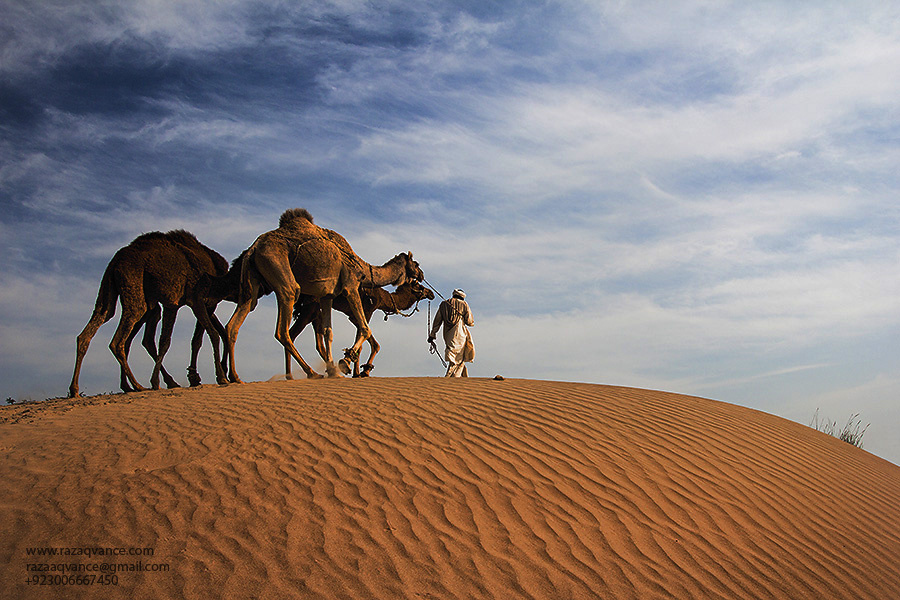
Camel rides offer an authentic desert experience and allow travelers to connect with the nomadic lifestyle.

3. Camping and Stargazing

Camping under the desert sky is one of the highlights of visiting Kharan. The starlit sky and peaceful surroundings create an unforgettable atmosphere.

4. Cultural Encounters

Meeting local tribes and learning about their traditions, crafts, and music adds cultural depth to the journey.

5. Photography

From dunes and rock formations to traditional tribes and camels, the Kharan Desert is a paradise for photographers.

Wildlife and Flora of the Kharan Desert

Despite being a dry and harsh environment, the Kharan Desert supports unique flora and fauna.

  1. Flora: Shrubs like tamarisk, wild capers, and desert bushes survive here, providing food and shelter for wildlife.
  2. Fauna: Foxes, wild cats, jackals, and different reptiles inhabit the desert. Bird species such as partridges and hawks are also found.
  3. Camels: Known as the “ships of the desert,” camels are the primary mode of transport for the local tribes and remain a symbol of desert life.

This hidden ecosystem reflects nature’s ability to sustain life even in the harshest conditions.

PTPCTourism PTPC Tourism PakistanPTPC Pakistan PTPC Pakistan Tourism Promotion Council Pakistan Tourism

Challenges of Traveling to Kharan Desert

While the desert is stunning, traveling to Kharan requires preparation.

  1. Limited infrastructure means visitors must carry essential supplies.
  2. Roads can be rough, requiring off-road vehicles.
  3. Accommodation options are limited, so camping is often the best choice.
  4. It is advisable to travel with a guide or tour operator for safety.

For hassle-free arrangements, tourists can trust Pakistan PTPC, which offers complete travel solutions for desert tours.

Why Visit the Kharan Desert?

Visiting the Kharan Desert is more than just a trip—it’s an adventure into Pakistan’s untouched wilderness.

  1. Experience solitude and silence away from busy cities.
  2. Witness unique landscapes unlike anywhere else in the country.
  3. Discover the lifestyle of desert nomads.
  4. Enjoy adventure tourism such as jeep safaris and camel trekking.
  5. Explore one of Pakistan’s least-known but most fascinating deserts.

For travelers seeking a unique journey, the Kharan Desert promises an experience filled with discovery, peace, and natural beauty.

The Kharan Desert (صحرا ئے خاران) is a hidden gem in Balochistan, offering untouched natural beauty, unique cultural encounters, and adventurous travel opportunities. From golden dunes and starry skies to nomadic traditions and thrilling safaris, the desert is a destination like no other.

If you are searching for a journey into raw wilderness and want to explore one of Pakistan’s most mysterious landscapes, the Kharan Desert is waiting for you. To plan your trip smoothly, arrange tours, or book desert safaris, visit Pakistan PTPC—your trusted partner in Pakistan tourism.