
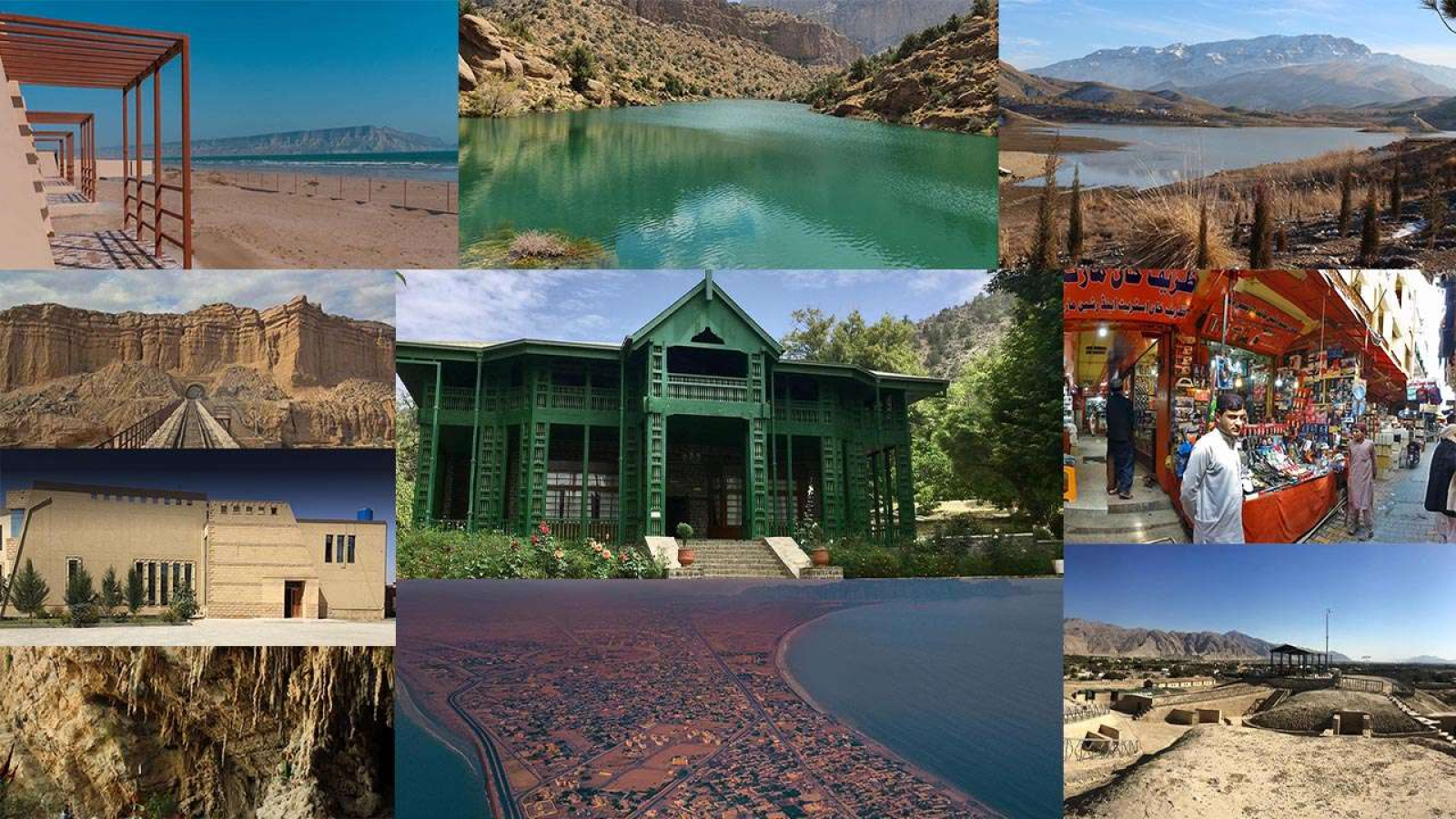
Lahore Fortress – A Historic Mughal Citadel in Pakistan
Lahore Fortress is one of the most remarkable historical landmarks in Pakistan and a symbol of the country’s rich cultural heritage. Located in the heart of Lahore, the Lahore Fortress represents centuries of architectural brilliance, political history, and artistic excellence. The massive walls, royal palaces, and beautifully designed courtyards make the Lahore Fortress one of the most visited historical monuments in South Asia.
The Lahore Fortress has witnessed the rule of several dynasties, including the Mughals, Sikhs, and the British. However, it reached its architectural peak during the Mughal Empire when emperors transformed the Lahore Fortress into a grand royal residence filled with elegant buildings, gardens, and decorative art.
Along with other Mughal landmarks such as Shalimar Gardens, the Lahore Fortress highlights the extraordinary vision of Mughal rulers who aimed to combine beauty with functionality. Visitors exploring the Lahore Fortress today can experience the grandeur of Mughal architecture and learn about the fascinating history of Lahore.
The Lahore Fortress is recognized internationally as a UNESCO World Heritage Site, making it a major attraction for historians, travelers, and architecture enthusiasts from around the world.
History of Lahore Fortress
The history of the Lahore Fortress dates back more than a thousand years. Although earlier fortifications existed at this location, the current structure of the Lahore Fortress was mainly developed during the Mughal period.
Emperor Akbar rebuilt the Lahore Fortress in the 16th century using strong brick and stone construction. His goal was to create a powerful military stronghold as well as a royal residence. Under Akbar’s rule, the Lahore Fortress became a central administrative and cultural hub of the Mughal Empire.
Later Mughal emperors such as Jahangir, Shah Jahan, and Aurangzeb added magnificent structures to the Lahore Fortress. Each emperor contributed unique architectural features that enhanced the beauty and functionality of the fortress.
Shah Jahan, known for his love of art and architecture, introduced elegant marble buildings and intricate decorative work within the Lahore Fortress. His contributions include beautiful pavilions and luxurious palaces that still attract visitors today.
The Lahore Fortress continued to serve as a center of power during the Sikh Empire under Maharaja Ranjit Singh. During this time, the fortress was used as a royal residence and administrative headquarters.
Even during British colonial rule, the Lahore Fortress remained an important historical site. Today, the fortress stands as a reminder of the city’s long and fascinating history.
Architectural Design of Lahore Fortress
The architecture of the Lahore Fortress reflects the artistic vision and engineering skill of the Mughal Empire. Spread across a vast area, the Lahore Fortress contains numerous palaces, gardens, courtyards, and ceremonial halls.
The outer walls of the Lahore Fortress are massive and imposing, designed to protect the royal complex from potential invaders. These strong fortifications highlight the strategic importance of the Lahore Fortress as a defensive structure.
Inside the Lahore Fortress, visitors will find an impressive collection of Mughal buildings that showcase a blend of Persian, Islamic, and South Asian architectural styles. Marble pavilions, ornate halls, and beautifully decorated ceilings demonstrate the craftsmanship of Mughal artisans.
The Lahore Fortress is also closely connected to other Mughal landmarks such as Shalimar Gardens. Both sites were designed to reflect the Mughal concept of paradise gardens, where nature and architecture combine to create harmony and beauty.
Major Attractions Inside Lahore Fortress
The Lahore Fortress contains several famous structures that highlight its historical and architectural significance. Each building within the Lahore Fortress tells a unique story about the Mughal era.
Sheesh Mahal
Sheesh Mahal, or the Palace of Mirrors, is one of the most famous attractions inside the Lahore Fortress. Built during the reign of Shah Jahan, this palace is decorated with thousands of tiny mirrors embedded in the walls and ceilings.
When light enters the room, the mirrors reflect it in dazzling patterns, creating a magical atmosphere. Sheesh Mahal remains one of the most admired structures within the Lahore Fortress.
Naulakha Pavilion
Another iconic structure in the Lahore Fortress is the Naulakha Pavilion. This elegant marble building was constructed during Shah Jahan’s reign and is known for its delicate carvings and beautiful design.
The pavilion received its name because its construction cost nine lakh rupees, which was a significant amount at that time.
Diwan-e-Khas
Diwan-e-Khas is the hall where Mughal emperors held private meetings with nobles and diplomats. The hall’s elegant architecture reflects the political importance of the Lahore Fortress during the Mughal period.
Moti Masjid
Moti Masjid, also known as the Pearl Mosque, is a small yet beautiful mosque located within the Lahore Fortress. Built by Emperor Aurangzeb, this mosque was designed for private worship by the royal family.
Alamgiri Gate
The Alamgiri Gate is the grand entrance of the Lahore Fortress. Built by Emperor Aurangzeb, this massive gateway symbolizes the strength and authority of the Mughal Empire.
Today, most visitors enter the Lahore Fortress through this impressive gate.
Connection Between Lahore Fortress and Shalimar Gardens
One of the most fascinating aspects of Mughal architecture is the connection between royal palaces and garden landscapes. The Lahore Fortress and Shalimar Gardens are perfect examples of this relationship.
Shalimar Gardens were built during the reign of Shah Jahan as a royal garden complex designed for relaxation and entertainment. The gardens feature terraces, fountains, and flowing water channels that create a peaceful atmosphere.
The Lahore Fortress served as the royal residence, while Shalimar Gardens functioned as a retreat where emperors and their families could enjoy nature and leisure activities.
Together, the Lahore Fortress and Shalimar Gardens demonstrate the Mughal philosophy of combining architecture with natural beauty.
Cultural Importance of Lahore Fortress
The Lahore Fortress holds immense cultural significance for Pakistan. It represents centuries of history and reflects the artistic achievements of the Mughal Empire.
The fortress is frequently used as an educational site where students and historians study the history of South Asia. Its buildings, courtyards, and artifacts provide valuable insights into Mughal life and governance.
The Lahore Fortress also plays a major role in promoting tourism in Lahore. Visitors from across the world come to explore this historic monument and learn about its fascinating past.
When combined with visits to Shalimar Gardens, tourists can experience the full beauty of Mughal architecture and garden design.
Tourism and Visitor Experience
Today, the Lahore Fortress is one of the most popular tourist attractions in Pakistan. Thousands of visitors explore the fortress every year to admire its architecture and learn about Mughal history.
Walking through the Lahore Fortress allows visitors to experience royal palaces, ancient halls, and historic courtyards that once hosted Mughal emperors.
The fortress also offers stunning views of Lahore’s historic landscape. Visitors often take photographs of the impressive architecture and decorative artwork found throughout the Lahore Fortress.
Tourists who visit the Lahore Fortress often combine their trip with a visit to Shalimar Gardens to fully appreciate the beauty of Mughal-era design.
Preservation and Restoration
Over the years, conservation efforts have been made to preserve the historical integrity of the Lahore Fortress. Environmental factors, urban development, and aging structures posed challenges for the preservation of this historic monument.
Government authorities and heritage organizations have worked together to restore damaged sections of the Lahore Fortress and protect its architectural details.
These restoration projects ensure that the Lahore Fortress remains a symbol of Pakistan’s cultural heritage for future generations.
Why Lahore Fortress is a Must Visit
The Lahore Fortress is a must-visit destination for anyone interested in history, architecture, and cultural heritage. Its magnificent buildings, grand gates, and historical significance make it one of the most important landmarks in Pakistan.
Visitors exploring the Lahore Fortress can experience the legacy of the Mughal Empire while admiring stunning architecture and decorative art.
The nearby Shalimar Gardens further enhance the experience, offering visitors a chance to see one of the finest Mughal garden complexes in the world.
Together, the Lahore Fortress and Shalimar Gardens provide a unique glimpse into the artistic and cultural achievements of the Mughal period.
Conclusion
The Lahore Fortress remains one of the greatest historical treasures of Pakistan. Its majestic palaces, grand gateways, and artistic architecture reflect the power and creativity of the Mughal Empire.
Along with Shalimar Gardens, the Lahore Fortress represents a remarkable chapter in the history of Lahore and continues to attract visitors from around the world.
Exploring the Lahore Fortress allows travelers to step into the past and experience centuries of architectural excellence and cultural heritage.
If you want to discover more historical landmarks and travel guides across Pakistan, visit https://ptcptourism.com/ to explore detailed tourism information and plan your next journey through the country’s rich heritage.