
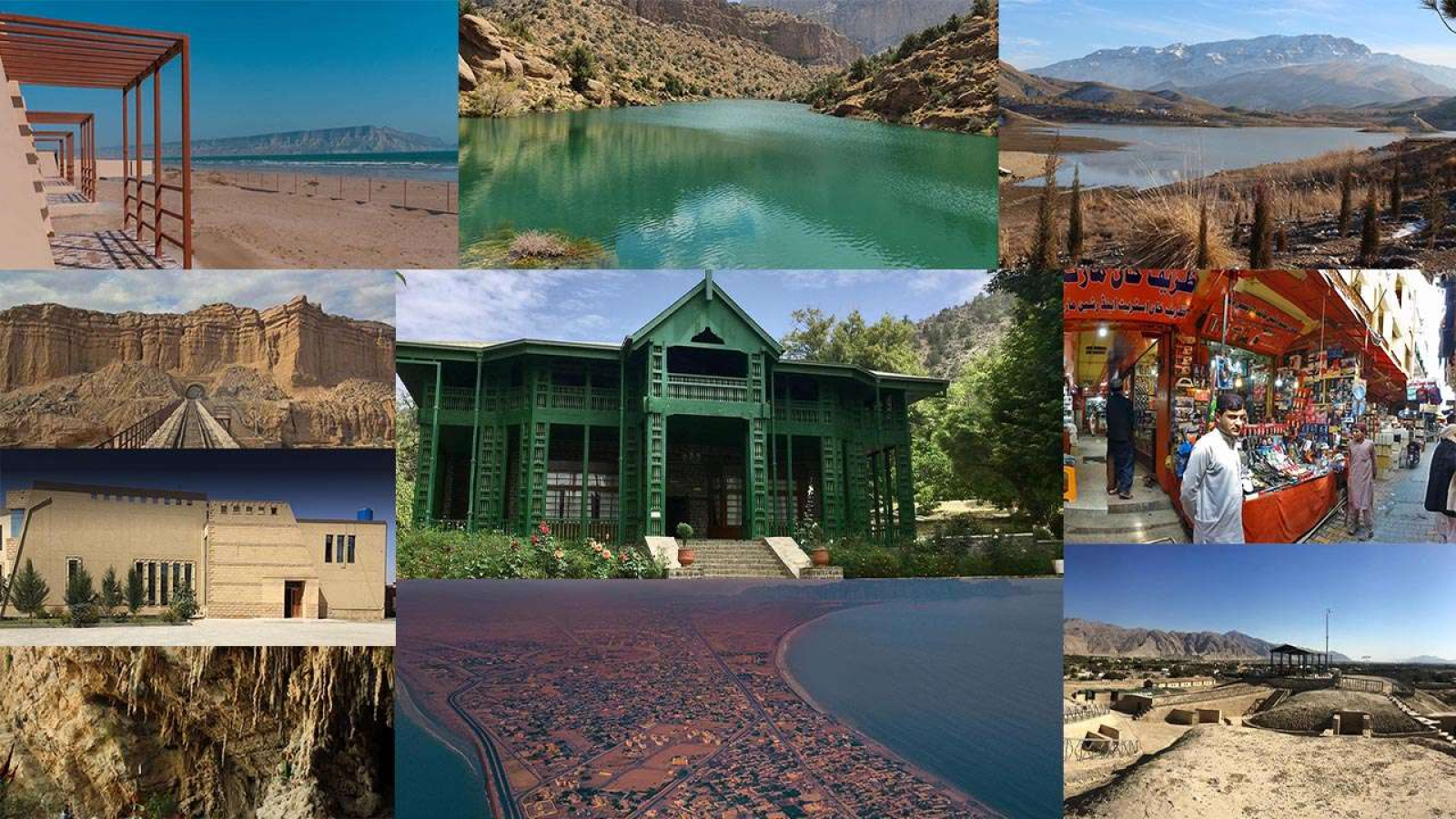
Introduction to Taxila
Taxila is an ancient city located in northern Pakistan that holds a significant place in South Asian history. Known as one of the earliest centers of learning, trade, and culture, Taxila Pakistan represents a hub of human civilization spanning thousands of years. Its archaeological sites, museums, and well-preserved ruins make it a prime destination for tourists, historians, and students.
The city of Taxila Punjab is famed for its deep-rooted cultural heritage, blending influences from Buddhist, Greek, and Persian civilizations. From historical structures to scenic surroundings, Taxila offers a journey into the past while providing modern facilities for travelers.
Taxila History – Ancient Civilization
The Taxila history dates back over 2,500 years and is closely tied to the Gandhara civilization. Strategically located along ancient trade routes, Taxila Pakistan served as a hub connecting the Indian subcontinent with Central Asia and beyond.
Taxila civilization flourished under multiple empires, including the Mauryan Empire, Indo-Greeks, Kushans, and the Guptas. Evidence from excavations in Taxila city reveals a society rich in education, art, architecture, and commerce. It was a renowned center for Buddhist teachings, and its influence extended to regions like Afghanistan and Central Asia.
Archaeological sites across Taxila Punjab showcase stupas, monasteries, and early urban settlements, reflecting the city’s historical importance and vibrant past.
Geographical Location of Taxila
The Taxila location is approximately 35 kilometers northwest of Islamabad, in the northern part of Punjab. Surrounded by hills and located near the Haro River, Taxila Pakistan enjoys both scenic beauty and historical significance.
Its location allowed ancient traders, scholars, and pilgrims to travel to and from the city with ease. Today, this accessibility continues to make Taxila city a popular destination for domestic and international tourists.
Taxila Weather – Climate Overview
Understanding Taxila weather is essential for planning a visit. The city experiences a subtropical climate with distinct seasons:
- Summer (May–August): Hot temperatures, ranging from 30°C to 40°C.
- Winter (December–February): Mild, with temperatures ranging from 5°C to 15°C.
- Monsoon (July–September): Heavy rainfall that can affect travel to outdoor archaeological sites.
Visiting during cooler months is recommended to comfortably explore the Taxila archaeological sites and surrounding attractions.
Archaeological Sites in Taxila
Taxila city is home to numerous archaeological sites representing its rich historical legacy:
- Bhir Mound: One of the earliest urban settlements in Taxila.
- Sirkap Ruins: A city reflecting Greek-inspired urban planning from the Indo-Greek period.
- Jaulian Monastery: Buddhist monastery featuring stupas and living quarters for monks.
- Dharmarajika Stupa: Important Buddhist site attracting pilgrims and tourists.
These sites provide a detailed understanding of Taxila civilization and highlight the city’s cultural, religious, and historical significance.
Taxila Museum – Preserving Heritage
The Taxila museum is a crucial center for understanding the city’s history. It houses artifacts from the Gandhara period, including:
- Buddhist sculptures and relics
- Coins and inscriptions from ancient empires
- Pottery, tools, and jewelry from historical settlements
- Artistic reliefs depicting everyday life
Visitors to Taxila Pakistan can explore the museum to gain deeper insights into Taxila history, its role as a center of learning, and the artistic achievements of its civilization.
Cultural Significance of Taxila Civilization
Taxila civilization represents a confluence of South Asian, Persian, and Hellenistic cultures. Its monasteries, stupas, and educational institutions reflect the city’s emphasis on learning, philosophy, and religion.
Buddhist art and teachings from Taxila city influenced regions as far as China and Central Asia. This cultural legacy makes Taxila Pakistan a valuable site for historians, scholars, and travelers interested in the intellectual and spiritual history of the region.
Tourism in Taxila
Tourism in Taxila Punjab is centered around its historical and educational significance. Key attractions include:
- Ancient monasteries and stupas
- Archaeological excavations and ruins
- Taxila museum and artifact collections
- Scenic nature trails surrounding historical sites
Tourists visiting Taxila Pakistan can combine historical exploration with cultural experiences, making it an ideal destination for families, students, and researchers.
How to Reach Taxila
The Taxila location makes it highly accessible for travelers:
- By Road: Frequent bus and taxi services from Islamabad and Rawalpindi.
- By Rail: Taxila has a railway station connecting to major cities.
- By Air: Nearest airport is Islamabad International Airport, followed by a 30–40 minute drive to Taxila city.
Accessibility enhances the city’s appeal as a convenient day-trip or multi-day destination.
Accommodation and Amenities
Visitors to Taxila Pakistan have access to a range of accommodations, from budget hotels to mid-range lodges. Local restaurants provide traditional Punjabi cuisine, allowing travelers to enjoy both historical exploration and modern comforts.
Tourists can plan day trips or longer stays to fully explore the heritage and culture of Taxila Punjab.
Events and Festivals in Taxila
Taxila city hosts cultural events highlighting its rich heritage:
- Archaeological exhibitions
- Heritage festivals
- Guided tours and educational workshops
These events promote Taxila civilization and allow visitors to engage directly with the city’s history.
Photography and Sightseeing
Taxila Pakistan is ideal for photography, offering views of ancient ruins, stupas, and scenic landscapes. Photographers can capture:
- Architectural details of monasteries and ruins
- Panoramic shots of surrounding hills and rivers
- Artifacts and displays at Taxila museum
The city’s combination of natural beauty and historical significance provides abundant opportunities for memorable sightseeing.
Preservation and Sustainable Tourism
Conserving Taxila city is vital for maintaining its historical and cultural significance. Preservation efforts include:
- Protecting archaeological sites from damage
- Promoting responsible tourism practices
- Educating visitors about heritage conservation
Sustainable tourism ensures that Taxila Pakistan remains an enduring site for future generations to explore.
Why Taxila is a Must-Visit Destination
Taxila is a living example of ancient civilization combined with modern accessibility. Its archaeological sites, museums, and historical significance make it a unique destination for tourists, researchers, and students.
The city’s blend of history, education, and natural beauty makes Taxila Pakistan an essential destination for anyone interested in South Asian heritage.
Conclusion – Explore Taxila with PTCP Tourism
Taxila is more than a city; it is a gateway to ancient civilization. From stupas and monasteries to the treasures of the Taxila museum, the city reflects the grandeur of Taxila civilization and its historical importance.
To explore Taxila Pakistan and experience its cultural and historical richness with expert guidance, visit https://ptcptourism.com/. Book your tour today and immerse yourself in the fascinating world of Taxila city.