
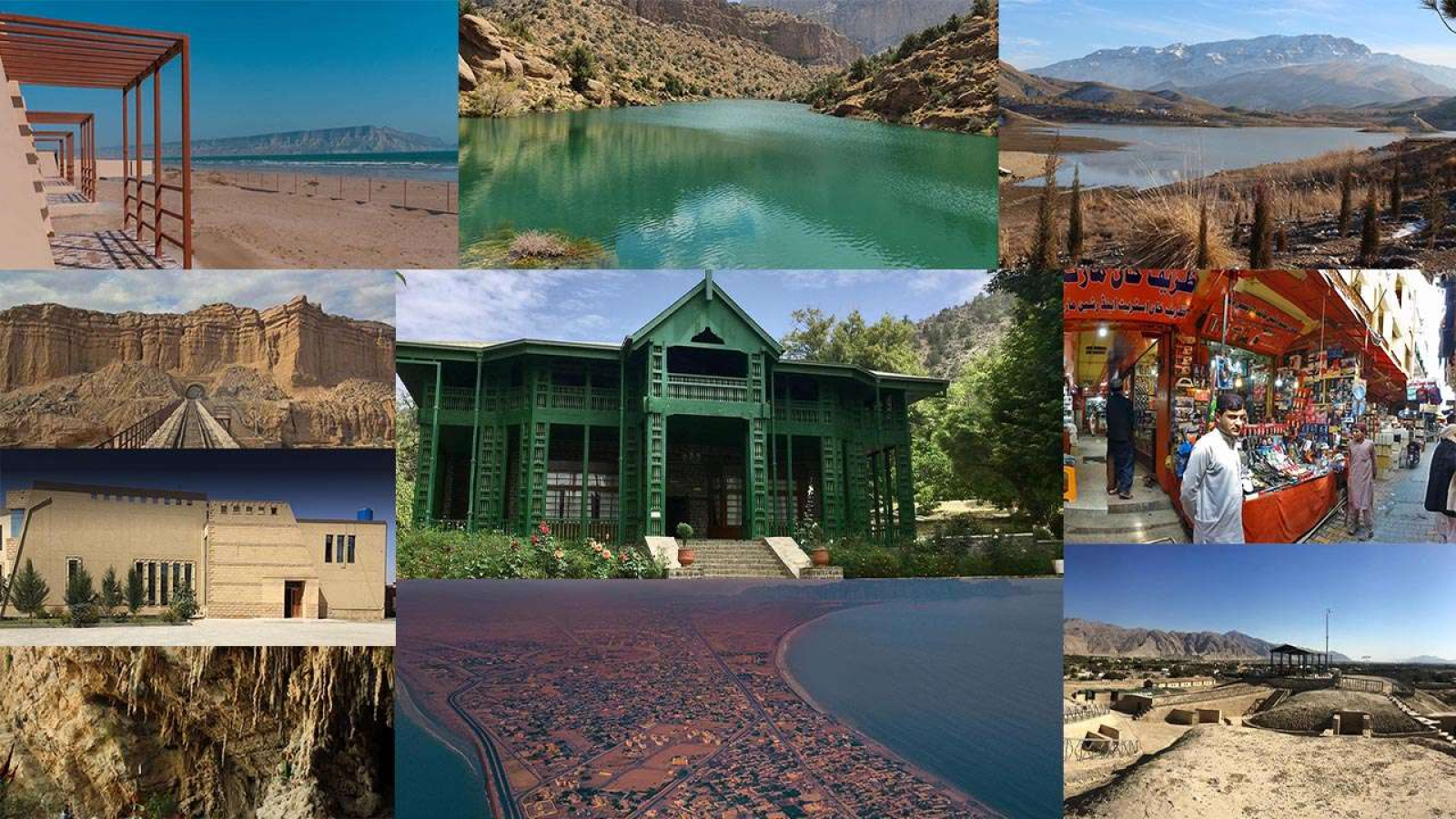
Introduction to Hunza Valley Pakistan
Hunza Valley Pakistan is one of the most spectacular travel destinations in South Asia, famous for its towering mountains, peaceful villages, crystal-clear rivers, and rich cultural heritage. Located in the Gilgit-Baltistan region, Hunza Valley has earned a global reputation for its natural beauty, safety, and hospitality. Travelers who visit Hunza Valley Pakistan often describe it as a place where time slows down and nature takes center stage.
Surrounded by some of the world’s highest peaks, Hunza Valley offers a rare blend of adventure, relaxation, and cultural exploration. From scenic landscapes to historic forts, every corner of the valley tells a story shaped by centuries of tradition and resilience.
Geographical Location and Natural Setting
Hunza Valley is situated in the northernmost region of Pakistan, within Gilgit-Baltistan. The valley lies along the Karakoram Highway, one of the highest paved roads in the world, connecting Pakistan with China. This strategic location has historically made Hunza Valley Pakistan an important crossroads for traders and travelers.
The valley is surrounded by majestic peaks such as Rakaposhi, Ultar Sar, and Ladyfinger Peak. Glaciers, alpine meadows, rivers, and terraced fields dominate the landscape, making Hunza Valley one of the most visually stunning regions in the country.
Hunza Valley Gilgit Baltistan and Its Importance
Hunza Valley Gilgit Baltistan holds immense geographical and cultural significance. The region represents the heart of northern Pakistan’s mountain tourism and plays a key role in the country’s growing travel industry.
Due to its elevation and climate, Hunza Valley Gilgit Baltistan offers cool summers and snowy winters, making it attractive to visitors throughout the year. Its unique location also makes it a gateway to other northern destinations.
Historical Background of Hunza Valley
The history of Hunza Valley Pakistan stretches back thousands of years. Once an independent princely state, Hunza was ruled by local monarchs known as Mirs until it became part of Pakistan in 1974.
Due to its position along ancient Silk Road routes, Hunza Valley played a crucial role in regional trade between Central Asia, China, and the Indian subcontinent. Evidence of this history can still be seen in ancient forts, rock carvings, and traditional villages scattered across the valley.
Hunza Nagar and Its Cultural Identity
Hunza Nagar refers to two historically separate regions, Hunza and Nagar, which now form part of the Hunza district. Nagar Valley, once ruled independently, is known for its rugged terrain and dramatic mountain views.
While Hunza Valley is more developed for tourism, Hunza Nagar offers a quieter and more traditional experience. Many travelers include Hunza Nagar in their itinerary to experience authentic village life and less crowded landscapes.
People, Culture, and Lifestyle
The people of Hunza Valley Pakistan are known for their hospitality, honesty, and peaceful way of life. Local languages include Burushaski, Wakhi, and Shina, reflecting the valley’s cultural diversity.
Education and community values are deeply rooted in Hunza society. Visitors often notice the cleanliness of villages, the friendliness of locals, and the strong sense of social harmony that defines daily life in Hunza Valley.
Famous Attractions in Hunza Valley
Hunza Valley is home to several iconic tourist attractions that highlight its historical and natural beauty.
Baltit Fort, located in Karimabad, is one of the most famous landmarks in Hunza Valley Pakistan. The fort offers panoramic views of the valley and insight into Hunza’s royal history.
Altit Fort, even older than Baltit, represents the earliest settlements in the region and showcases traditional architecture.
Attabad Lake, formed after a landslide in 2010, has become one of the most photographed spots in hunza valley gilgit baltistan, known for its deep blue waters and dramatic surroundings.
Natural Beauty and Scenic Landscapes
The natural beauty of Hunza Valley is unmatched. Snow-covered peaks, lush green terraces, flowing rivers, and blooming fruit orchards create breathtaking scenery in every season.
Spring brings apricot blossoms, summer offers vibrant greenery, autumn paints the valley in shades of gold and orange, and winter transforms the region into a snow-covered wonderland.
Adventure Tourism in Hunza Valley Pakistan
Adventure tourism is a major attraction in Hunza Valley Pakistan. The region offers trekking, hiking, rock climbing, and glacier exploration opportunities for travelers of all skill levels.
Popular trekking routes include Rakaposhi Base Camp, Ultar Glacier, and Passu Glacier. These adventures allow visitors to experience the raw and untouched beauty of Hunza Valley Gilgit Baltistan.
Food and Local Cuisine
Food in Hunza Valley reflects the region’s simple and healthy lifestyle. Traditional dishes are made using locally grown ingredients, including grains, vegetables, and fruits.
Apricots, apples, cherries, and walnuts are staples of the local diet. Many travelers believe the organic food culture contributes to the long life expectancy of Hunza’s people.
Best Time to Visit Hunza Valley Pakistan
The best time to visit Hunza Valley Pakistan is from April to October. Spring and summer are ideal for sightseeing, trekking, and cultural exploration, while autumn attracts photographers with its vibrant colors.
Winter visits are suitable for travelers who enjoy snow and quiet landscapes, though accessibility may be limited during heavy snowfall.
Accessibility and Travel Routes
Hunza Valley can be reached by road via the Karakoram Highway from Islamabad through Gilgit. The journey itself is considered one of the most scenic road trips in the world.
Flights to Gilgit followed by a road journey are also a popular option for travelers visiting Hunza Valley Pakistan.
Hunza Valley and Tour Pakistan Packages
Many travelers explore Hunza Valley Pakistan through professionally organized tour pakistan packages. These packages include transportation, accommodation, sightseeing, and guided tours.
Customized tour pakistan packages allow visitors to explore Hunza Valley, Hunza Nagar, and nearby regions without worrying about logistics. These packages are ideal for families, couples, and international tourists.
Why Hunza Valley Pakistan Is a Must-Visit Destination
Hunza Valley Pakistan offers a rare combination of natural beauty, cultural richness, safety, and tranquility. Few destinations in the world allow travelers to experience such peace while surrounded by towering mountains and ancient history.
Whether you are seeking adventure, relaxation, or cultural discovery, Hunza Valley delivers an unforgettable experience.
Conclusion – Plan Your Journey to Hunza Valley Pakistan
Hunza Valley Pakistan is more than just a travel destination; it is an experience that connects you with nature, culture, and inner peace. From the scenic landscapes of Hunza Valley to the traditional villages of Hunza Nagar and the dramatic beauty of hunza valley gilgit baltistan, every moment in Hunza feels timeless.
If you are planning to explore Hunza Valley Pakistan and want a smooth, well-organized travel experience, choose professionally designed tour pakistan packages. Visit https://ptcptourism.com/ to discover customized tours, expert guides, and unforgettable journeys across Pakistan’s most beautiful regions.