
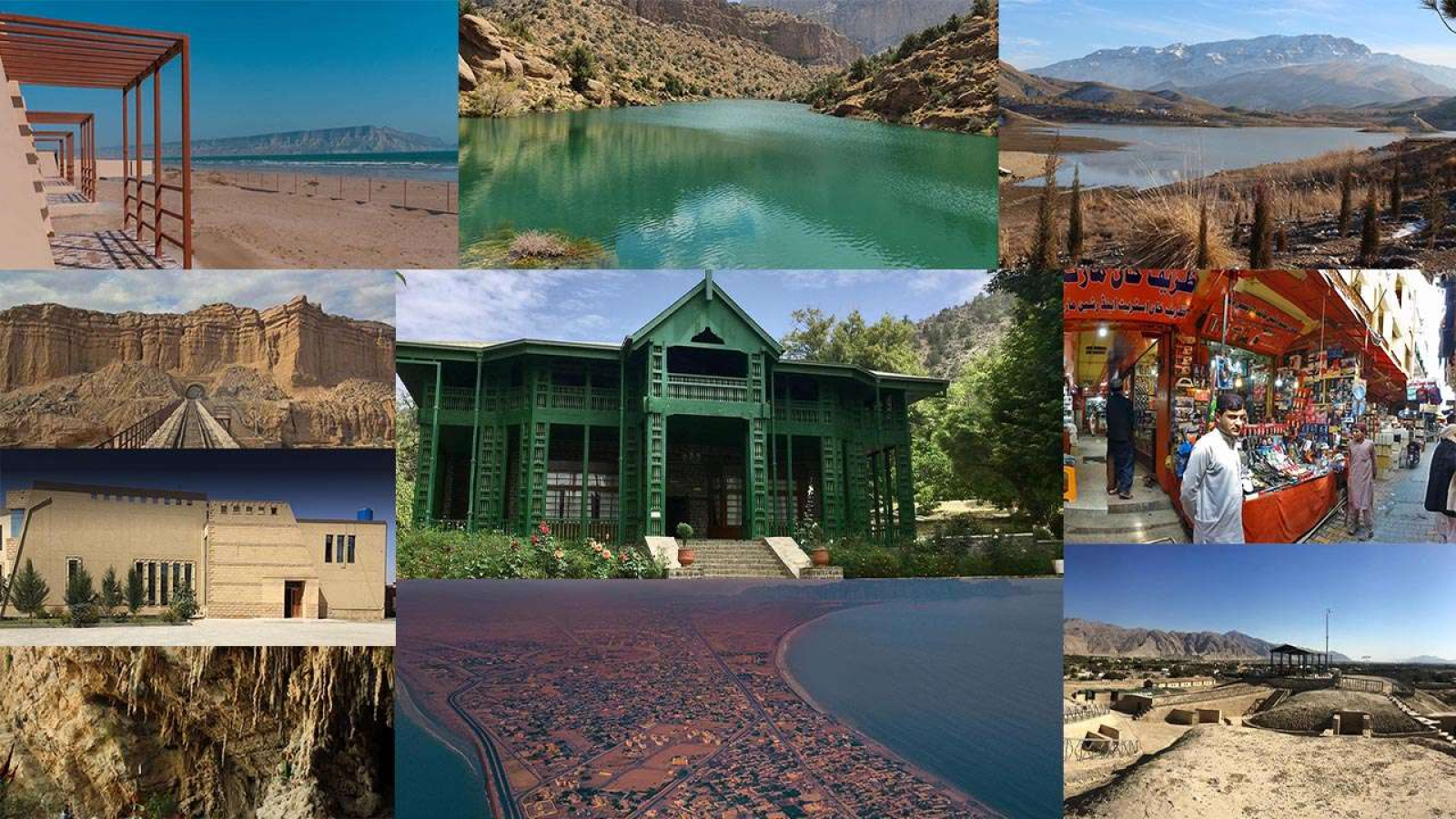
Hunza Valley – The Crown Jewel of Gilgit Baltistan
Hunza Valley is one of those rare places that feels unreal the moment you arrive. Towering snow-capped peaks, crystal-clear rivers, ancient forts, and a culture that feels both timeless and welcoming make Hunza Valley a true masterpiece of nature. Located in Gilgit Baltistan, this valley is often called the heart of mountain tourism of Pakistan, and for good reason. Whether you are a first-time traveler or someone returning for the third or fourth time, Hunza Valley always offers something new.
Hunza Valley has become a symbol of peaceful travel, scenic beauty, and cultural richness. From adventure lovers to honeymooners and solo travelers, everyone finds their own story here. The valley connects Pakistan’s natural heritage with history, traditions, and warm hospitality.
Geographical Location and Landscape
Hunza Valley Gilgit Baltistan lies along the Karakoram Highway, one of the highest paved international roads in the world. The valley is surrounded by legendary peaks like Rakaposhi, Ultar Sar, and Ladyfinger Peak. These mountains dominate the skyline and create dramatic views at every turn.
The Hunza River flows gracefully through the valley, feeding green terraces of wheat, apricot orchards, and small villages. Unlike crowded tourist destinations, Hunza Valley feels open, calm, and refreshingly pure. The clean air, clear skies, and peaceful environment make it ideal for nature lovers.
Hunza Valley Hunza Nagar – Two Sides, One Beauty
Hunza Valley Hunza Nagar refers to the two main regions divided by the Hunza River. Upper Hunza, also known as Gojal, includes areas like Passu, Gulmit, and Sost, while Lower Hunza includes Karimabad, Aliabad, and Altit. Nagar lies across the river and offers equally stunning views with less crowd.
Each region has its own charm. Upper Hunza is famous for dramatic glaciers, while Lower Hunza is known for historical forts and cultural life. Traveling through Hunza Nagar gives visitors a deeper understanding of the valley’s diversity.
Historical Importance of Hunza Valley
Hunza Valley has a long and fascinating history. It was once a princely state ruled by local kings known as Mirs. The strategic location of Hunza made it an important stop along ancient trade routes connecting Central Asia, China, and South Asia.
Baltit Fort and Altit Fort stand as living reminders of this past. These forts overlook the valley and tell stories of royal life, defense strategies, and cultural evolution. Today, they are beautifully restored and open to visitors.
Culture, Language, and Lifestyle
The people of Hunza Valley are known for their friendliness, honesty, and hospitality. The local languages include Burushaski, Wakhi, and Shina. Education is highly valued, and literacy rates in Hunza are among the highest in Pakistan.
Life in Hunza is simple yet deeply connected to nature. Traditional music, dance, and festivals reflect a strong cultural identity. This cultural richness adds depth to the tourism of Pakistan and makes Hunza Valley more than just a scenic destination.
Hunza Valley and Tourism of Pakistan
Hunza Valley plays a vital role in promoting tourism of Pakistan at an international level. Images of Rakaposhi, Attabad Lake, and Passu Cones are often used to represent Pakistan’s natural beauty.
Tour Pakistan packages frequently highlight Hunza Valley as a top destination, especially for foreign tourists. The valley’s safety, cleanliness, and hospitality make it a preferred choice compared to many other mountainous regions.
Best Time to Visit Hunza Valley
The best time to visit Hunza Valley depends on what you want to experience. Spring brings cherry blossoms, summer offers lush greenery, and autumn paints the valley in golden and red shades. Winter, though cold, transforms Hunza into a snowy wonderland.
Unlike areas affected by events like the Swat Valley flood, Hunza Valley remains relatively stable throughout the year, making it a reliable destination for travel planning.
Accommodation and Hunza Valley Hotels
Hunza Valley hotel options range from luxury resorts to budget guesthouses. Many hotels offer direct views of Rakaposhi or Ultar Sar, allowing guests to wake up to breathtaking scenery.
Eco-friendly lodges and family-run guesthouses add a personal touch to your stay. Compared to a typical Swat Valley hotel, accommodations in Hunza focus more on scenic views and cultural experience.
Food and Local Cuisine
Hunza Valley is known for its healthy and organic food. Local dishes include Chapshuro, Diram Phitti, and apricot-based recipes. Fresh fruits and herbal teas are common, reflecting the valley’s simple and healthy lifestyle.
Eating local food in Hunza Valley is not just about taste; it’s about understanding the culture and way of life.
Hunza Valley Compared with Other Destinations
When comparing Hunza Valley with Swat Valley Mingora or Swat Valley Kalam, Hunza stands out for its unique blend of culture and landscape. Swat Valley is known for its lush forests, while Hunza Valley is famous for dramatic mountain views.
Similarly, while cities like Lahore offer attractions such as Badshahi Mosque Pakistan, Lahore Fort, Lahore Fort Sheesh Mahal, Shalimar Gardens, and Data Darbar in Lahore along Data Darbar Road, Hunza Valley offers a completely different, nature-focused experience.
Connectivity and Travel Routes
Hunza Valley is accessible via road and air. Travelers often fly to Gilgit and then continue by road. The Karakoram Highway itself is a major attraction, offering views unmatched anywhere else in the country.
Unlike urban attractions such as Lahore Fortress Joyland or Swat Zoo, the journey to Hunza Valley is part of the adventure.
Education and Development in Northern Pakistan
While Hunza Valley is known for tourism, education also plays a key role in northern development. Institutions like Swat University Pakistan highlight the importance of education across Khyber Pakhtunkhwa and Gilgit Baltistan.
Hunza’s focus on education complements its tourism growth, ensuring sustainable development.
Photography and Visual Beauty
Hunza Valley is a dream destination for photographers. From sunrise over Rakaposhi to reflections in Attabad Lake, every moment feels picture-perfect. Unlike a Badshahi Mosque picture or historical landmarks in Lahore, Hunza’s beauty is raw and natural.
Safety, Environment, and Responsible Tourism
Hunza Valley is considered one of the safest tourist destinations in Pakistan. Locals actively support responsible tourism by maintaining cleanliness and protecting natural resources.
Visitors are encouraged to respect local traditions and environment to preserve Hunza’s beauty for future generations.
Hunza Valley and Spiritual Reflection
Many travelers describe Hunza Valley as a place of inner peace. The calm environment offers a spiritual escape, similar in emotional impact but different in nature from places like Wazir Khan Mosque or Data Darbar in Lahore.
Conclusion – Plan Your Hunza Valley Journey Today
Hunza Valley is more than a travel destination; it is an experience that stays with you long after you leave. From Hunza Valley Gilgit Baltistan to Hunza Valley Hunza Nagar, every corner tells a story of nature, culture, and resilience. Whether you are exploring tour Pakistan packages or planning a custom trip, Hunza Valley should be at the top of your list.
If you are ready to explore Hunza Valley with expert guidance, curated itineraries, and unforgettable experiences, visit https://ptcptourism.com/ today and start planning your journey into the heart of Pakistan’s most breathtaking valley.